Hungarian Wine: Best Tokaji, Bikavér & Beyond Guide (2026)
Tokaji, Bull's Blood, Villány reds and the rise of dry Furmint — a guide to Hungarian wine, the regions and grapes to know, and where to taste it in Budapest.
In this guide
- Why it flies under the radar
- Tokaj: the crown jewel
- How that golden Aszú is made
- Eger and the truth about Bull’s Blood
- Villány: Hungary’s bold reds
- Beyond the big three
- The grapes worth knowing
- Producers worth seeking out
- A quick regional cheat sheet
- Fröccs: the local way to drink white
- Where to taste it in Budapest
- Pairing and buying to take home
- Should you visit the wine regions?
- Frequently asked questions
This article contains advertising. Our booking links are routed through a partner that adds commission tracking automatically, so if you book through one we earn a commission from the provider, at no extra cost to you. It never affects what we recommend. Affiliate disclosure
My conversion happened in a cellar in the Tokaj hills, when a winemaker poured me a dry Furmint and I genuinely couldn’t place it — taut, smoky, mineral, with the kind of acidity that makes your mouth water for the next sip. I’d come expecting only the sweet stuff. Instead I left convinced that this is one of Europe’s most exciting and most overlooked wine countries, and that most visitors to Budapest walk right past it.
Hungarian wine deserves a place on every trip here, not as a novelty but as a genuine highlight. The country has 22 wine regions, a clutch of grape varieties you’ll find almost nowhere else, and a generation of young producers making world-class bottles at prices that still feel like a secret. This guide walks through the regions and grapes worth knowing, then tells you exactly where to taste them without leaving the city.
Why it flies under the radar
For most of the 20th century, Hungarian wine had a branding problem. Decades of communist-era bulk production buried good vineyards under oceans of cheap, sweetened plonk, and the country’s best-known export — “Bull’s Blood” — became a byword for rough table red. Only since the 1990s has a quality revolution taken hold, with small family wineries reclaiming old vineyards and indigenous grapes. The result is a scene that’s still catching up to its own reputation, which is exactly why the bottles are such good value right now.
Tokaj: the crown jewel
If you know one Hungarian wine, it’s Tokaji. The volcanic hills of the northeast produce Tokaji Aszú, the honeyed dessert wine that Louis XIV called “the wine of kings and the king of wines” — and one of the oldest botrytised sweet wines in the world, predating Sauternes. It’s made from grapes shrivelled by noble rot, hand-picked berry by berry, and graded by sweetness on the old puttonyos scale. A glass of well-aged Aszú, all apricot, honey and bright acidity, is one of wine’s great experiences.
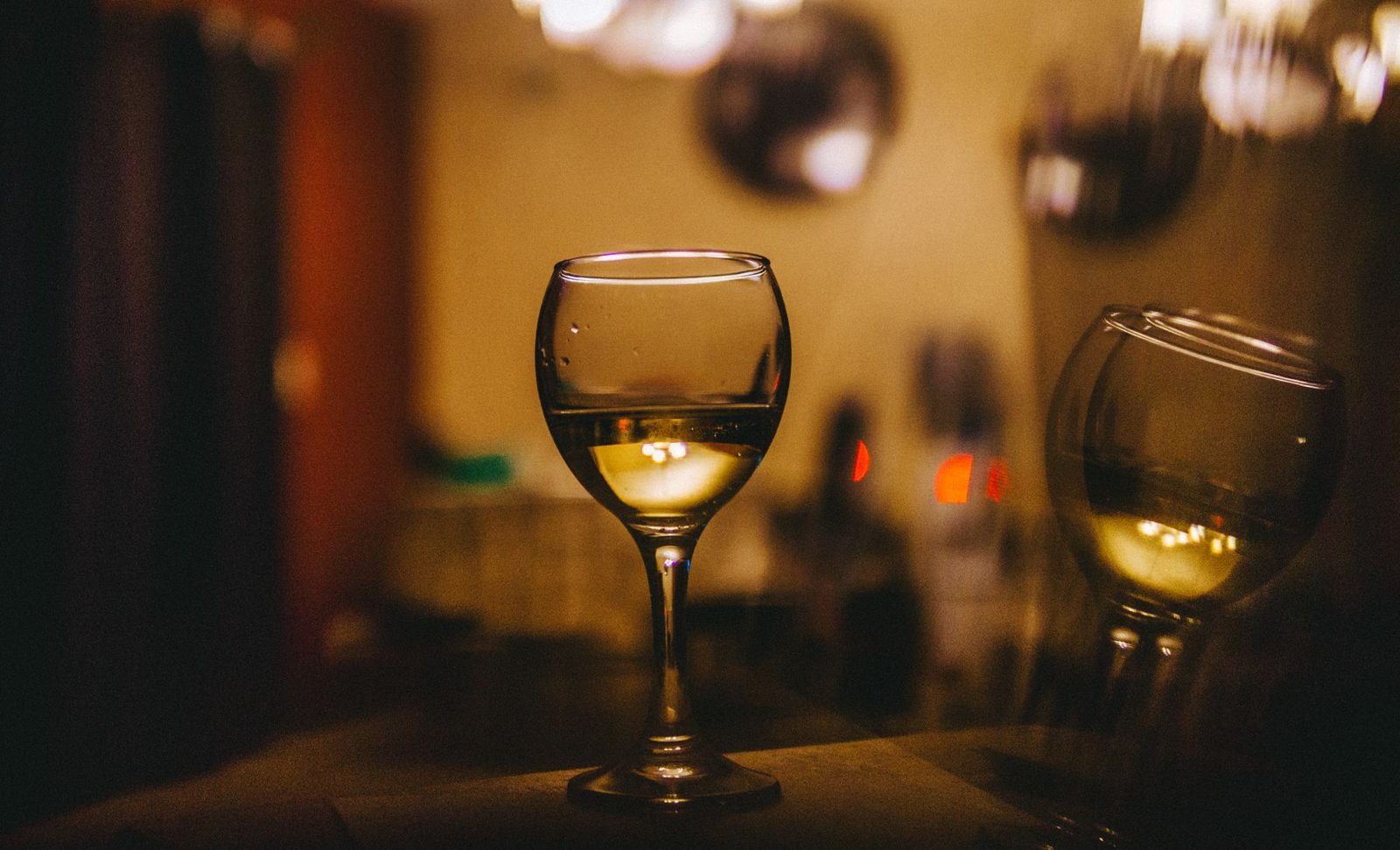
But here’s the twist that converted me: Tokaj’s most exciting wines today are dry. Dry Furmint has racy acidity and a flinty, mineral edge that invites comparison with top dry Riesling, and it pairs brilliantly with food. If a wine list offers a dry Tokaji Furmint, order it — it’s the single best way to understand why people are suddenly paying attention to this corner of Hungary.
How that golden Aszú is made
The magic behind Aszú is a fungus. In the damp autumn mists where the Bodrog and Tisza rivers meet, Botrytis cinerea — “noble rot” — shrivels the grapes on the vine, concentrating their sugars into intense, raisined berries. Pickers go through the vineyard repeatedly, selecting only these shrunken aszú berries by hand, then knead them into a paste that’s steeped in a base wine and slowly fermented. The old measure of sweetness was the puttony, the hod in which berries were carried; you’ll still see “5 puttonyos” or “6 puttonyos” on older bottles, the higher number meaning richer and sweeter. It is painstaking, low-yield work, which is why a great Aszú is never cheap — and worth every forint.
Eger and the truth about Bull’s Blood
Eger, in the north, is the home of Egri Bikavér — literally “bull’s blood of Eger.” Forget the cheap stuff in supermarket bins back home; the real thing is a spice-and-berry red blend built on Kékfrankos, made in three rising quality tiers (Classicus, Superior and Grand Superior). The good bottles are medium-bodied, food-friendly and a world away from their grim reputation. Eger also makes a lovely white blend, Egri Csillag (“Star of Eger”), which is the perfect warm-evening aperitif.
Villány: Hungary’s bold reds
Down near the Croatian border, Villány is the country’s warmest, most prestigious red-wine region. This is where Hungary makes its biggest, ripest reds — powerful Cabernet Franc (so good locally that “Villányi Franc” is now a protected style), plus Merlot, Cabernet Sauvignon and the native Kékfrankos and Portugieser. If you like a structured, oak-aged red with real heft, Villány is your region. These bottles hold their own against far pricier wines from better-known countries.
Beyond the big three
The rest of the map rewards the curious. Szekszárd, in the south, makes velvety reds and its own style of Bikavér, often a touch softer than Eger’s. Around Lake Balaton, the volcanic slopes of Badacsony turn out mineral whites from Olaszrizling and the rare native Kéknyelű, while tiny Somló — a single extinct volcano — produces age-worthy, almost salty whites from the Juhfark grape that locals swear bring good luck to newlyweds. None of these are famous abroad, which is precisely their charm.
The grapes worth knowing
Half the fun of Hungarian wine is the unfamiliar grape names. A few worth memorising before you hit a wine list:
- Furmint — the star white; sweet in Aszú, thrilling when dry, all minerals and acidity.
- Hárslevelű — “linden leaf,” a perfumed, floral white often blended with Furmint.
- Kékfrankos — the workhorse red (Blaufränkisch elsewhere); peppery, fresh, the backbone of Bikavér.
- Kadarka — a light, spicy historic red, perfect with paprika-heavy food.
- Olaszrizling — the everyday white (Welschriesling); crisp and great as a spritzer.
- Irsai Olivér & Cserszegi Fűszeres — aromatic, grapey whites for easy summer drinking.
Producers worth seeking out
Names help when you’re scanning a list or a shop shelf. In Tokaj, look for Royal Tokaji, Disznókő, Oremus and the legendary Szepsy for both sweet and dry. In Eger, St. Andrea and Thummerer lead the quality charge for Bikavér. Villány’s stars include Gere, Bock, Sauska, Malatinszky and Vylyan, while Heimann and Takler fly the flag for Szekszárd. You won’t go wrong asking a wine-bar host to pour something from one of these — and half the joy is discovering a tiny producer whose entire output barely leaves the country.
A quick regional cheat sheet
If the names are blurring together, here’s the short version to take into a wine bar:
| Region | Known for | Order this |
|---|---|---|
| Tokaj | Sweet Aszú & dry whites | Dry Furmint, then an Aszú |
| Eger | Red & white blends | Egri Bikavér, Egri Csillag |
| Villány | Big, bold reds | Cabernet Franc |
| Szekszárd | Softer reds | Szekszárdi Bikavér, Kadarka |
| Badacsony / Balaton | Volcanic whites | Olaszrizling, Kéknyelű |
| Somló | Mineral, age-worthy whites | Juhfark |
Fröccs: the local way to drink white
On a hot day, do as Hungarians do and order a fröccs — white wine cut with soda water. There’s a whole comic taxonomy of ratios, from the gentle “kisfröccs” to the wine-heavy “házmester,” and it’s the cheapest, most refreshing way to drink through a summer afternoon by the Danube. It’s wine without ceremony, and nobody will judge you for it — quite the opposite.
Where to taste it in Budapest
You don’t have to leave the city to drink brilliantly. Budapest’s wine bars are knowledgeable, affordable and pour widely by the glass, which makes them ideal for working out what you like. These are my reliable picks, and there are more in my dedicated Budapest wine bars guide.
DiVino, with branches by St Stephen’s Basilica and in the Gozsdu courtyard, is buzzy and exclusively Hungarian, born from a young-winemakers’ collective — a brilliant, lively starting point. Kadarka, a narrow spot on Király utca in the Jewish Quarter, lists over a hundred wines from all 22 regions and the staff love to guide you. For a view, Palack on the Buda side looks across to Liberty Bridge and champions small, value-driven producers. Dobló is the atmospheric, jazz-soundtracked choice for natural and biodynamic bottles, and Bortodoor runs playful blind-tasting “Wine Mafia” nights that are a hit with visitors.
Pairing and buying to take home
Hungarian wine and Hungarian food are made for each other — that’s no accident, since both evolved together. Kékfrankos and Kadarka stand up beautifully to paprika-rich stews, dry Furmint cuts through creamy paprikás, and a glass of Aszú with a slice of cake or some blue cheese is sublime. There’s more on the dishes in my traditional Hungarian food guide, and a guided Budapest food tour is a painless way to taste wine and food side by side.
To take a bottle home, skip the airport and buy from a proper wine shop (Bortársaság has several branches) or the ground floor of the Great Market Hall — covered in my markets guide. A good dry Furmint or a half-bottle of Aszú travels well and makes a far better souvenir than a fridge magnet. For the bigger eating-and-drinking picture, the Budapest food guide pulls it all together.
Should you visit the wine regions?
If wine is a real passion, a day out of the city pays off. Eger is the easiest — under two hours by train or car, with a baroque old town and the “Valley of the Beautiful Women,” a horseshoe of cellars where you taste straight from the barrel for a few hundred forint a glass. I’ve mapped the logistics in my Eger day-trip guide. Tokaj is a longer haul but unforgettable for the truly devoted, and the Etyek region, barely 40 minutes west, makes a quick half-day of sparkling-wine cellars. That said, you can taste the whole country’s output from a bar stool in Budapest, so don’t feel obliged — the city’s wine bars do the touring for you.
Frequently asked questions
What is the most famous Hungarian wine?
Tokaji Aszú, the golden sweet wine from the Tokaj region, is Hungary’s most famous and historic — once known as “the wine of kings.” That said, dry Tokaji Furmint and the bold reds of Villány are increasingly what wine lovers travel for.
Is Hungarian wine any good?
Very. After decades of communist-era bulk production damaged its reputation, a quality revolution since the 1990s has put Hungary among Europe’s most exciting wine countries, with distinctive indigenous grapes and excellent value. The catch is that the best bottles are still relatively unknown abroad — which keeps prices low.
What is Egri Bikavér (Bull’s Blood)?
It’s a spicy, medium-bodied red blend from Eger, built around the Kékfrankos grape and made in three quality tiers. Ignore the cheap supermarket versions sold abroad; a good Egri Bikavér from a quality producer is a genuinely fine, food-friendly red.
Where can I taste Hungarian wine in Budapest?
The city’s wine bars are the easy answer: DiVino near the Basilica, Kadarka in the Jewish Quarter, Palack on the Buda side, and Dobló for natural wines all pour widely by the glass. For a structured introduction, book a wine-focused food tour.
What is fröccs?
Fröccs is a Hungarian wine spritzer — white wine mixed with soda water in various traditional ratios. It’s the local summer drink of choice, cheap and refreshing, and a completely accepted way to enjoy lighter whites like Olaszrizling on a warm day.
Last updated June 2026. Photos: Elle Hughes (Pexels); Adrian ozuna (Pexels); Liv Kao (Pexels); Xuân Thống Trần (Pexels).