Budapest Markets: 8 Best Halls, Flea & Farmers Markets (2026)
From the grand Great Market Hall to the Ecseri flea market and local neighbourhood halls — hours, what to buy, and how to shop Budapest's markets like a local.
In this guide
- The Great Market Hall: start here
- Hold Street Market: where the locals (and a Michelin chef) eat
- Lehel Market: gloriously local
- Fény Street Market: the Buda side
- The neighbourhood halls worth a detour
- Ecseri Flea Market: treasure for the patient
- Design and craft markets
- Seasonal: the Christmas markets
- What to actually buy
- Markets at a glance
- How to shop like a local
- Fitting markets into your trip
- A quick history: the halls of 1897
- Lángos: the snack to know
- Frequently asked questions
This article contains advertising. Our booking links are routed through a partner that adds commission tracking automatically, so if you book through one we earn a commission from the provider, at no extra cost to you. It never affects what we recommend. Affiliate disclosure
I have a ritual on the first morning of every trip to Budapest: before the museums open and the tour groups gather, I head to a market hall, buy a paper cone of something fried, and watch the city wake up over a coffee. The Budapest markets are where the city is most itself — paprika strung in scarlet ropes, vendors who have sold the same pickles for forty years, and the smell of fresh lángos cutting through the cold. They are also, conveniently, some of the best-value eating and souvenir shopping you will find anywhere in the city.
There is a whole spectrum here, from the cathedral-like Great Market Hall that every visitor photographs, to scruffy neighbourhood halls where no one speaks English and the prices halve. This guide walks through the ones worth your time, what to buy at each, when to go, and how to shop like you live here rather than like a cruise passenger.
The Great Market Hall: start here
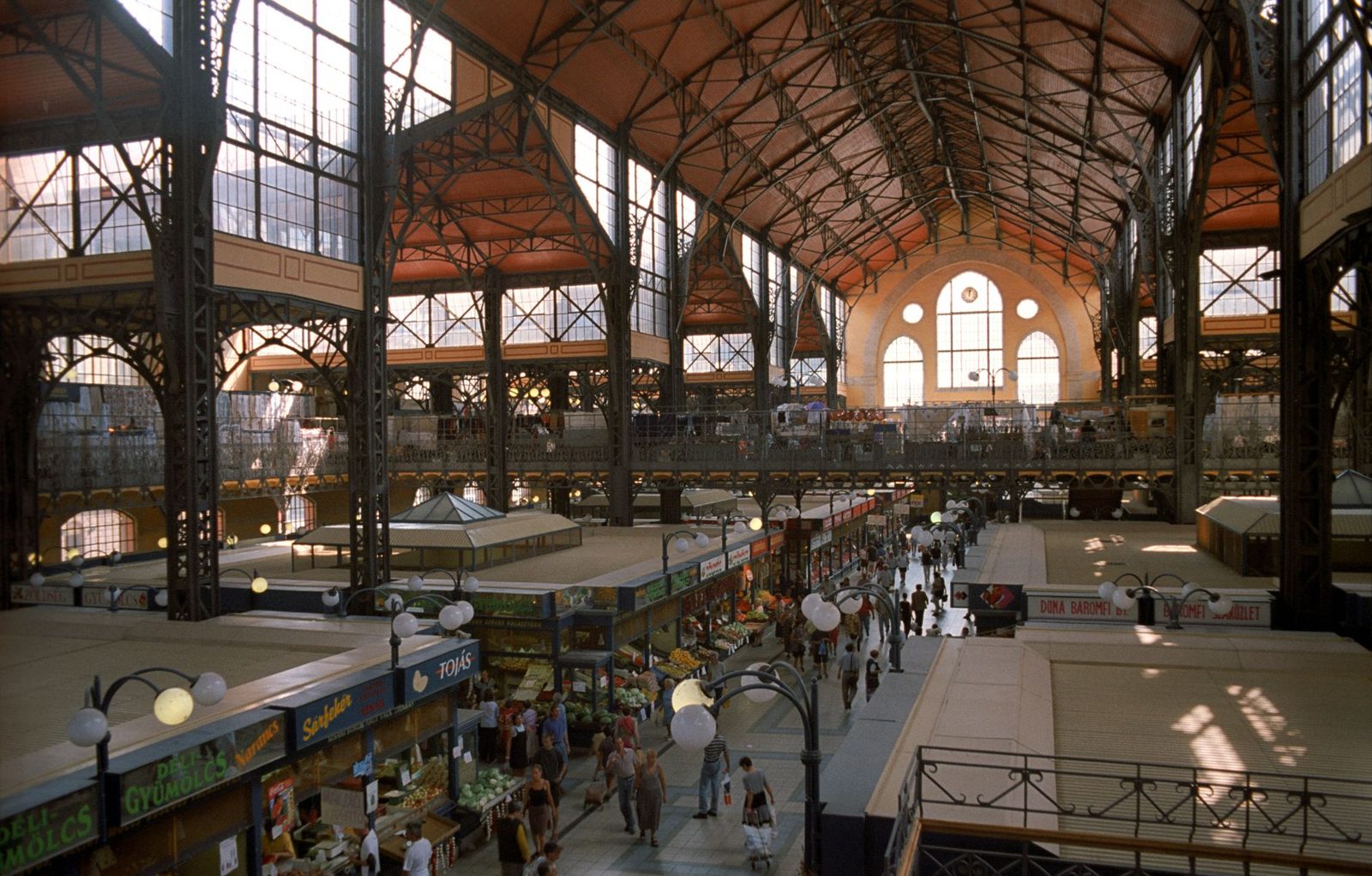
The Great Market Hall, or Nagyvásárcsarnok, is the grand dame — a soaring 1897 iron-and-brick cathedral of food at the Pest end of the Liberty Bridge, capped with a roof of colourful Zsolnay tiles. It is unashamedly the most touristy of the markets, but it earns its reputation. The ground floor is a riot of produce, cured meats, ropes of dried paprika, jars of golden Tokaji wine and tins of goose liver. Head upstairs and you reach the food stalls and the embroidered tablecloths; downstairs you will find fish, mountains of pickles and a small supermarket.
This is the place to try lángos — deep-fried dough slathered in sour cream and cheese — though be warned the upstairs stalls charge tourist prices. It opens early, around 6am, and runs to 5 or 6pm on weekdays, closing mid-afternoon on Saturday and shutting entirely on Sunday. Go early to beat both the crowds and the cruise groups. For a full breakdown of every floor, my dedicated guide to the Central Market Hall goes deeper.
Hold Street Market: where the locals (and a Michelin chef) eat
A short walk from Parliament, the Hold utca market — the Belvárosi Piac — is my favourite for actually eating. It is smaller, far less touristy, and its upstairs food court is genuinely excellent, anchored by Stand25 Bisztró, the casual canteen from Michelin-celebrated chef Tamás Széll where you can get top-tier Hungarian classics for a fraction of restaurant prices. Come for an early lunch on a weekday, grab a chicken paprikash, and you will understand why office workers from the surrounding ministries pack the place. It opens around 6:30am and closes by 6pm on weekdays, 2pm on Saturday, shut Sunday.
Lehel Market: gloriously local
If the Great Market Hall is the polished showpiece, the Lehel Market in District XIII is its unfiltered cousin. Housed in a famously bizarre, brightly coloured postmodern building near Lehel tér, it is where the surrounding neighbourhood actually shops. Prices are low, English is scarce, and the produce, meats and cheeses are the real thing. There is a no-frills food level upstairs serving the cheapest hot lunch in central Pest. You will not find embroidered souvenirs here — you will find Budapest going about its day.
Fény Street Market: the Buda side
Over in Buda, tucked beside the Mammut shopping centre at Széll Kálmán tér, the Fény utca market is the go-to hall for the residential Buda hills. It is compact and practical, strong on seasonal produce, flowers and pastries, and it makes a perfect stop if you are already up on the Castle side of the river. Like most of the neighbourhood halls, it is busiest and best in the morning.
The neighbourhood halls worth a detour
Beyond the big names, several restored district market halls reward the curious wanderer. They are small, atmospheric and almost entirely local.
- Rákóczi tér Market Hall (District VIII) — a beautifully restored 19th-century hall, great for produce and a cheap, authentic lunch.
- Klauzál tér Market Hall (District VII) — a small hall in the heart of the Jewish Quarter, half market, half supermarket.
- Hunyadi tér Market — a tiny outdoor produce market near Andrássy Avenue, lovely in summer.
- Szimpla Sunday farmers’ market — every Sunday morning the famous Szimpla Kert ruin bar turns into a farmers’ market, with regional producers selling cheese, honey, sausage and wine among the fairy lights.
Ecseri Flea Market: treasure for the patient
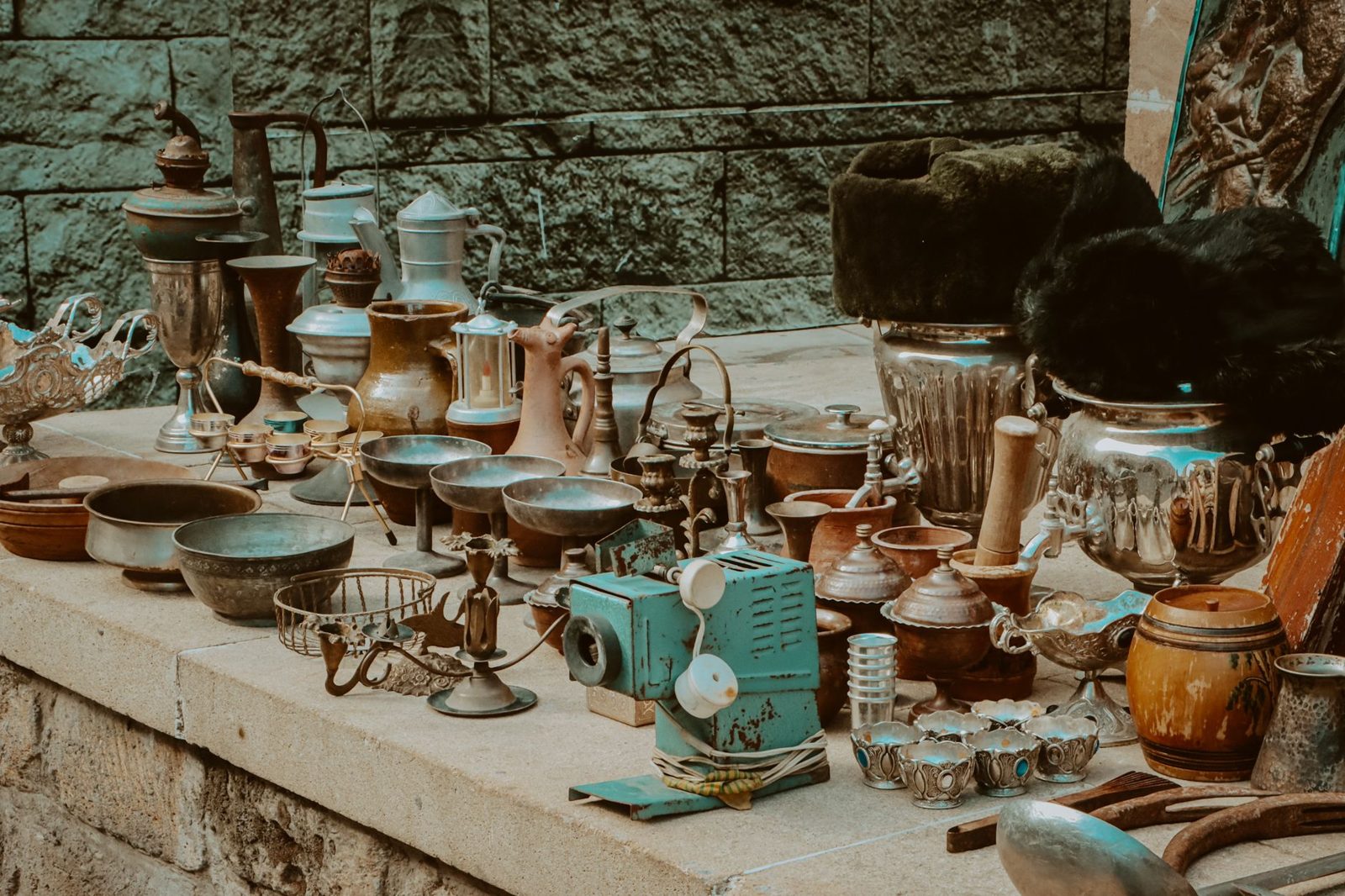
For something completely different, the Ecseri bolhapiac is Budapest’s great flea market, out on Nagykőrösi út in District XIX. This is where you hunt for genuine antiques, Soviet-era memorabilia, old cameras, porcelain, vintage jewellery and the occasional museum-worthy oddity. It is a proper rummage, not a curated boutique, so haggling is expected and a sharp eye is rewarded. Saturday is the big day — get there early, ideally by 8am, when the best pieces are still on the tables. It runs Monday to Friday from 8am to 4pm, Saturday from the small hours to mid-afternoon, and a shorter Sunday morning.
Design and craft markets
If your taste runs more contemporary, keep an eye out for WAMP, a roving design market that pops up on selected weekends with Hungarian jewellery, ceramics and prints made by the people selling them. It is the antidote to mass-produced souvenir tat and a great place to find a genuinely original gift. Dates and venues shift, so check what is on during your visit.
Seasonal: the Christmas markets
From mid-November the city’s squares fill with Advent markets. The two big ones, on Vörösmarty tér and around St Stephen’s Basilica, sell mulled wine, chimney cake and crafts under the lights, with the Basilica market adding an ice rink and a nightly light show projected onto the church facade. They are touristy and a touch pricey, but on a cold December evening with a cup of forralt bor in hand, utterly magical.
What to actually buy
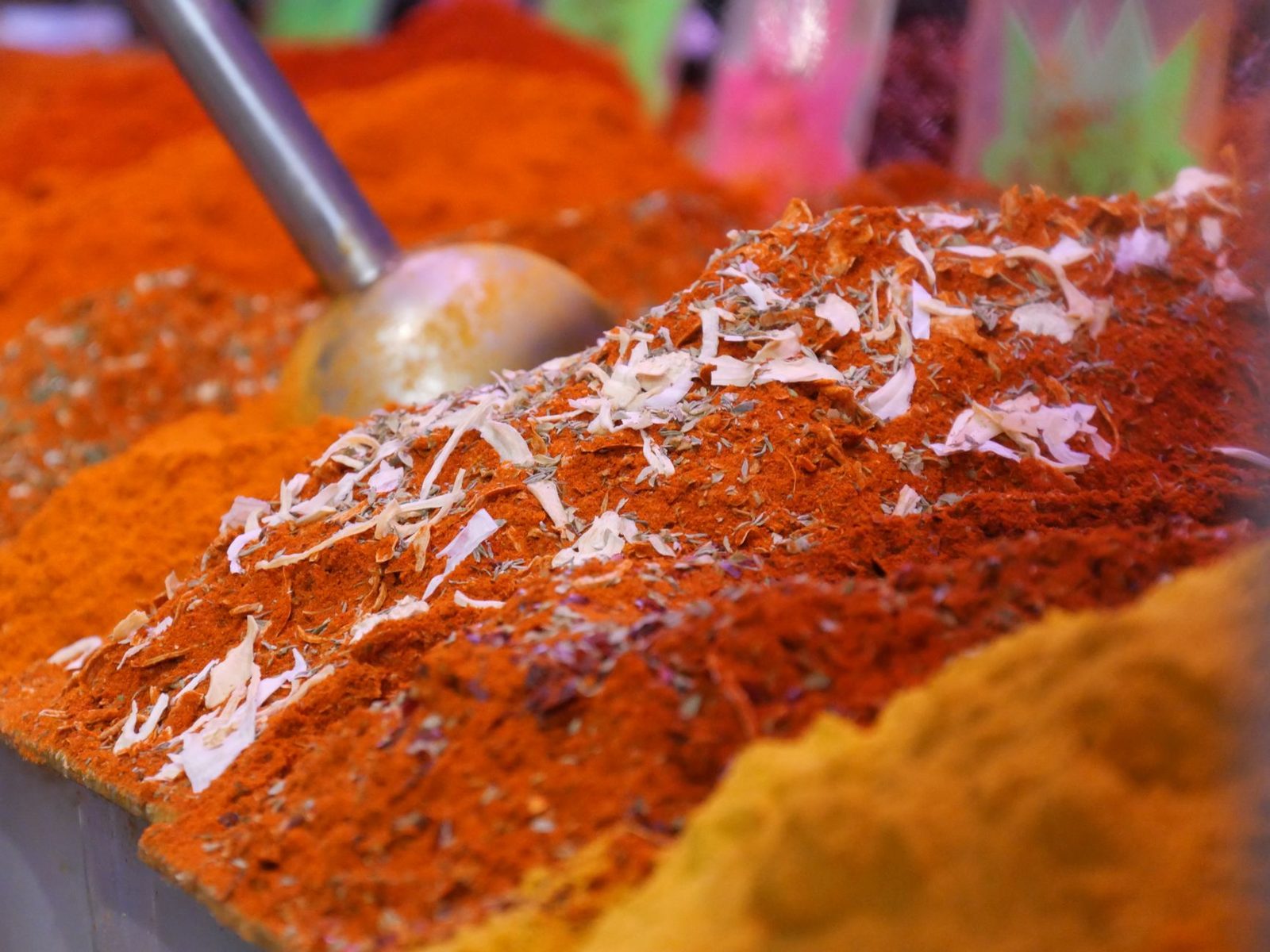
Markets are the smartest place to buy edible souvenirs, and they beat the airport shops on both price and quality. A few things worth packing in your suitcase: sweet and hot paprika in proper tins (the powder in cloth bags photographs better but cakes faster), a bottle of Tokaji dessert wine, good salami, jars of lecsó or pickles, and acacia honey. For non-edible gifts, look for hand-embroidered linens, Herend or Zsolnay porcelain seconds, and folk ceramics. My shopping in Budapest guide has more gift ideas if souvenirs are your mission.
Markets at a glance
Here is how the main markets compare, so you can match one to your morning. Hours shift on public holidays, so double-check before a special trip.
| Market | Type | Best for | Nearest transport |
|---|---|---|---|
| Great Market Hall | Grand food hall | Paprika, lángos, souvenirs | M4 / tram 47-49 Fővám tér |
| Hold Street Market | Foodie hall | Cheap gourmet lunch | M3 Arany János utca |
| Lehel Market | Local hall | Authentic, low prices | M3 Lehel tér |
| Fény Street Market | Buda local hall | Produce near the Castle | M2 Széll Kálmán tér |
| Ecseri Flea Market | Antiques flea market | Vintage, antiques | Bus 54/55 from Boráros tér |
| Szimpla Sunday market | Farmers’ market | Local producers, Sun only | M2 Astoria |
How to shop like a local
A few habits make a big difference. Carry cash in forints — many small vendors do not take cards, and the ATMs inside markets give poor rates. Go in the morning, when produce is freshest and the halls are liveliest. At the flea market, haggling is part of the game, so offer two-thirds of the asking price and meet in the middle; in the food halls, prices are fixed and bargaining is not the done thing. And resist buying paprika or “Tokaji” from the first stall inside the tourist-facing Great Market Hall — walk a little further or shop at Lehel for better value.
Fitting markets into your trip
A market visit pairs beautifully with the rest of a day’s sightseeing. The Great Market Hall sits at the foot of the Liberty Bridge, an easy add-on to a walk along Váci utca; Hold utca is minutes from Parliament. If you are building meals into your plans, my guides to traditional Hungarian food and Budapest street food will tell you what to order once you are standing at the counter, and the broader things to do in Budapest guide helps you slot a market morning into the bigger picture. For more offbeat corners of the city, browse my list of Budapest’s hidden gems.
A quick history: the halls of 1897
It helps to know that Budapest’s grand market halls were not random. In 1897 the rapidly modernising city opened a set of covered halls on the same day, designed to bring food trading indoors and under hygienic control. The Great Market Hall was the flagship, but several of its siblings — including the Rákóczi tér and Hold utca halls — survive and still trade today, which is why so many of the city’s markets share that soaring iron-framed, tile-roofed look. Walking into one is a small piece of fin-de-siècle Budapest that has never stopped doing its original job.
Lángos: the snack to know
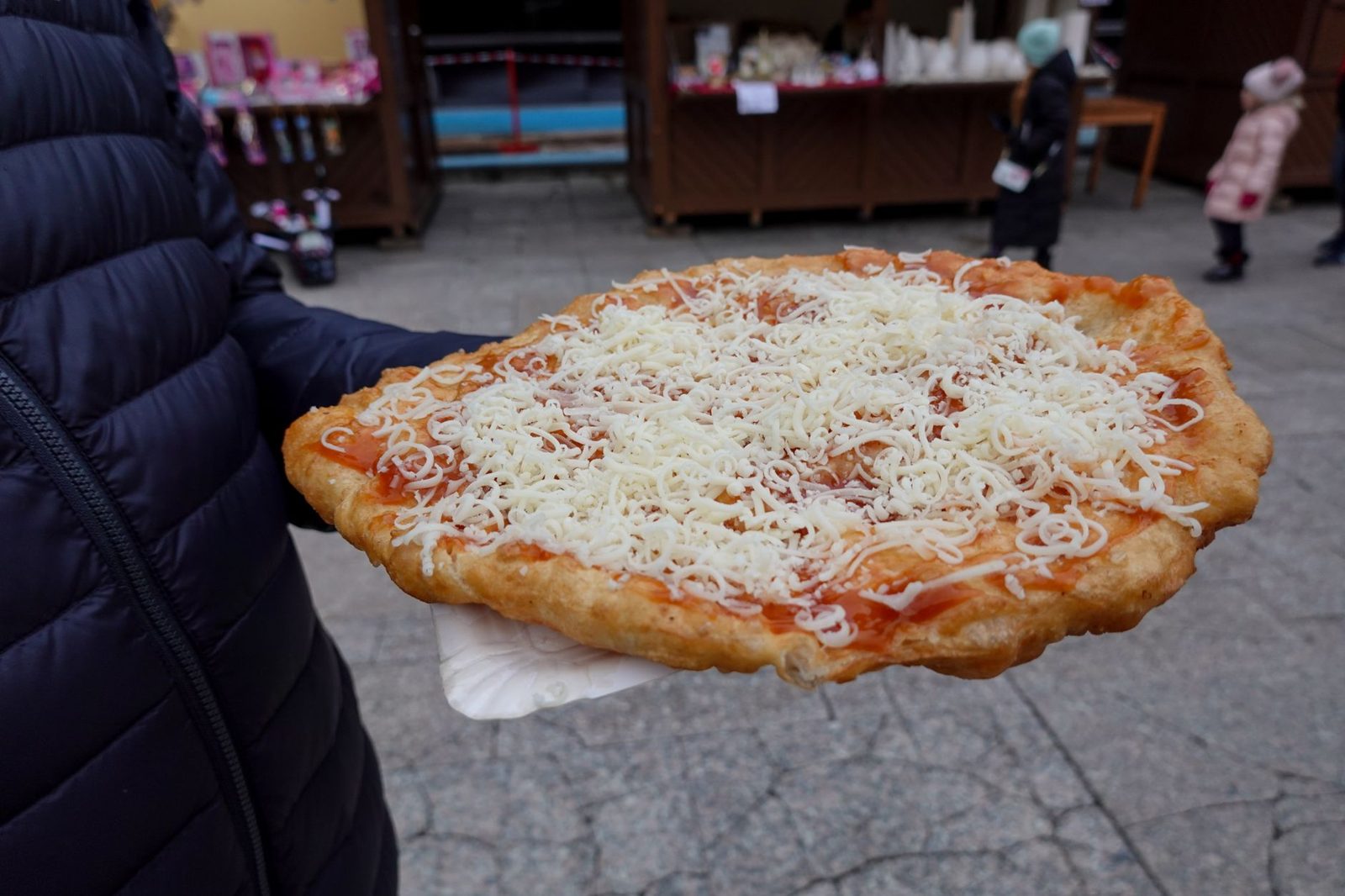
You cannot really do the markets without trying lángos, the deep-fried flatbread that is Hungary’s great street snack. The classic order is sajtos-tejfölös — brushed with garlic, then topped with sour cream and grated cheese — though you will see versions piled with everything from ham to Nutella. It is hot, enormous and gloriously bad for you. The stalls upstairs at the Great Market Hall are the famous ones, but you will get a cheaper, just-as-good version at Lehel or any neighbourhood hall. Eat it standing up, with a napkin, and do not wear anything you mind dropping sour cream on.
Frequently asked questions
Which is the best market in Budapest?
The Great Market Hall is the most impressive and the easiest to visit, ideal for first-timers and souvenirs. For the best food and a local feel, the Hold Street Market wins; for antiques and vintage finds, head to the Ecseri flea market.
When are Budapest’s markets open?
Most indoor halls open around 6–6:30am and close by 5–6pm on weekdays, with shorter Saturday hours and Sunday closures. The Ecseri flea market’s big day is Saturday, and the Szimpla farmers’ market runs only on Sunday mornings. Always check before a holiday.
Can I pay by card at Budapest markets?
Larger stalls in the Great Market Hall often take cards, but many smaller vendors and the flea market are cash-only. Bring forints, and avoid the in-market ATMs, which offer poor exchange rates.
What should I buy as a souvenir?
Edible gifts are the smart buy: tinned paprika, Tokaji wine, salami, pickles and acacia honey. For non-food items, look for embroidered linens and Hungarian porcelain. Compare prices between stalls before committing.
Is the Great Market Hall worth visiting?
Yes, even though it is touristy. The architecture alone is worth seeing, and the ground-floor produce and upstairs food stalls are a genuine experience. Just shop a little more carefully for paprika and wine, where the most prominent stalls charge a premium.
For a very different kind of market, head out to Ecseri on a Saturday morning. Our Budapest flea market guide covers the Soviet memorabilia, Belle Époque jewellery and the haggling etiquette that makes it fun.
Last updated June 2026. Photos: Carlo Primo (Pexels); Dirk Pothen (Pexels); Nigar Garay (Pexels); Magda Ehlers (Pexels).