Budapest Boat Tour: Best Danube Cruises Compared (2026)
Sightseeing, sunset, dinner and budget cruises on the Danube compared — 2026 prices, what's included, where boats depart, and which Budapest boat tour to pick.
In this guide
- Why the river is the best seat in the house
- The main types of cruise, decoded
- Evening sightseeing: the one I recommend first
- Dinner cruises: dress it up
- The budget hack: the public transport boat
- The big operators at a glance
- How the options compare
- When to go
- Where the boats leave from
- Booking tips from experience
- Pairing a cruise with the rest of your day
- What it is actually like on board
- Going further: day cruises up the Danube Bend
- Frequently asked questions
This article contains advertising. Our booking links are routed through a partner that adds commission tracking automatically, so if you book through one we earn a commission from the provider, at no extra cost to you. It never affects what we recommend. Affiliate disclosure
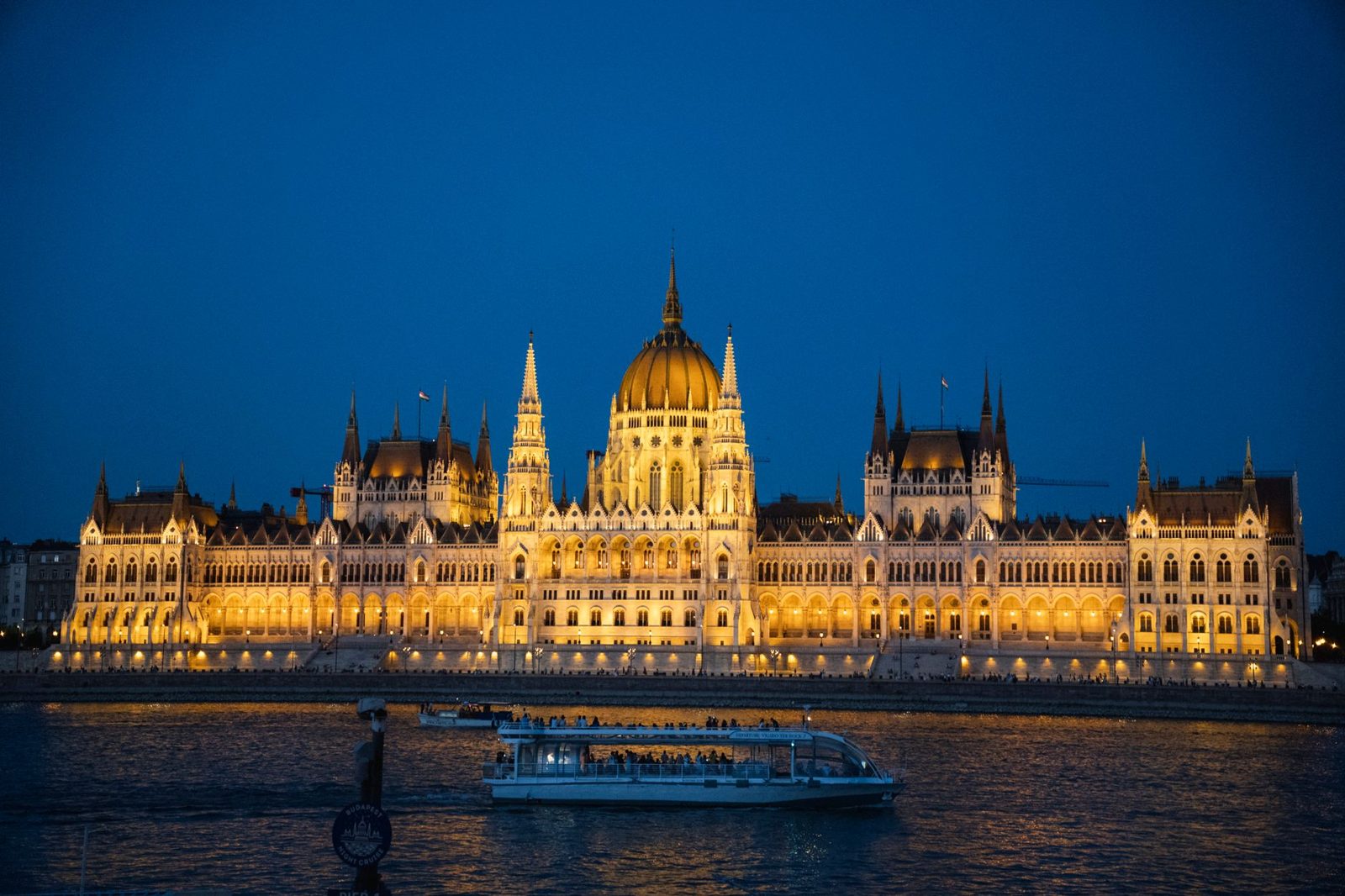
The first time I saw Budapest from the middle of the Danube at night, I actually stopped talking mid-sentence. The Parliament was floodlit gold, Buda Castle hovered on its hill, and the Chain Bridge dripped light into the black water as we slid underneath it. I had walked past all of these things for two days, but from the river they suddenly made sense as a single, theatrical skyline. That is the case for taking a Budapest boat tour: this is a city built to be seen from its river, and an hour on the water reframes everything.
The flip side is that there are dozens of operators, prices that swing from a few euros to nearly a hundred, and a fair amount of hard selling along the embankment. After taking several different cruises across multiple visits, here is how I would sort through the options, what they actually cost in 2026, and which one I would book depending on what kind of evening you want.
Why the river is the best seat in the house
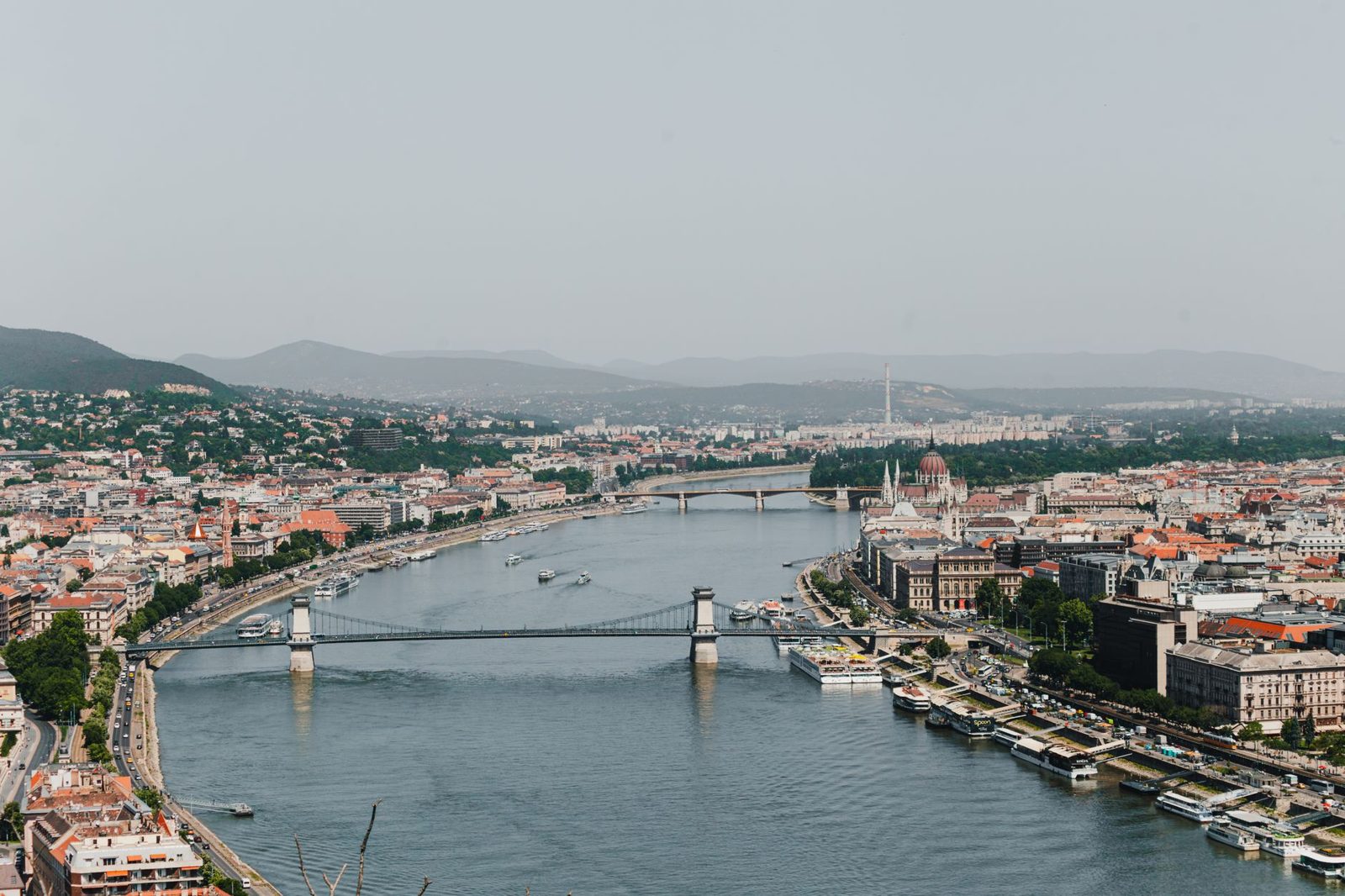
Almost every landmark you have come to see lines the Danube: the Parliament, the Castle district, Gellért Hill, the Liberty Statue, and a whole row of bridges. On foot you experience them one at a time; from the water they unfold continuously, perfectly lit after dark. The UNESCO-listed riverbank panorama was practically designed for this, and unlike a bus tour, nothing blocks your view. If your time is tight, a one-hour evening cruise is the single most efficient way to see the city’s greatest hits.
The main types of cruise, decoded
Cut through the marketing and there are really only a handful of cruise categories. Knowing which one you want saves you from being upsold something pricier on the dock.
- Daytime sightseeing — the cheapest option, good for orientation and photography of the facades in daylight. From around €14.
- Evening / night sightseeing — the sweet spot; the landmarks are illuminated and a welcome drink is usually included. From around €15.
- Sunset cruises — timed to golden hour, often with a glass of bubbly; the most romantic of the budget options.
- Dinner cruises — a multi-course meal with live music or a folklore show, two-plus hours. From around €69.
- Party / cocktail cruises — DJ, unlimited-drink packages, a younger crowd, usually late.
- Public transport boat — the locals’ budget hack, covered below.
Evening sightseeing: the one I recommend first
If you only do one boat tour, make it an evening sightseeing cruise. For roughly €15 to €25 you get sixty to ninety minutes gliding past the floodlit Parliament and Castle, almost always with a complimentary drink — a glass of prosecco, a beer or a soft drink. The boats are calm, the commentary is delivered by audio guide in a dozen languages, and the photo opportunities are non-stop. Aim for a departure shortly after sunset so you catch the brief “blue hour” when the sky still glows behind the lit-up buildings.
Dinner cruises: dress it up
A dinner cruise turns the same route into a two-to-three hour evening out. Expect a three- or four-course Hungarian-leaning menu, a welcome cocktail, and entertainment — Silverline is well known for its piano-battle nights and folklore shows, while other operators lean toward live jazz. Prices start around €69 and climb past €90 for premium menus with wine pairings or a window-side table. It is touristy, yes, but for an anniversary or a final night in the city it is genuinely lovely, and you are eating while the best view in Budapest drifts past the glass.
Book the earlier dinner slot if you can; you will be eating as the sun sets and cruising as the lights come on, which is the best of both. For couples specifically, my dedicated Budapest dinner cruise guide compares the menus and the romance factor in more detail.
The budget hack: the public transport boat
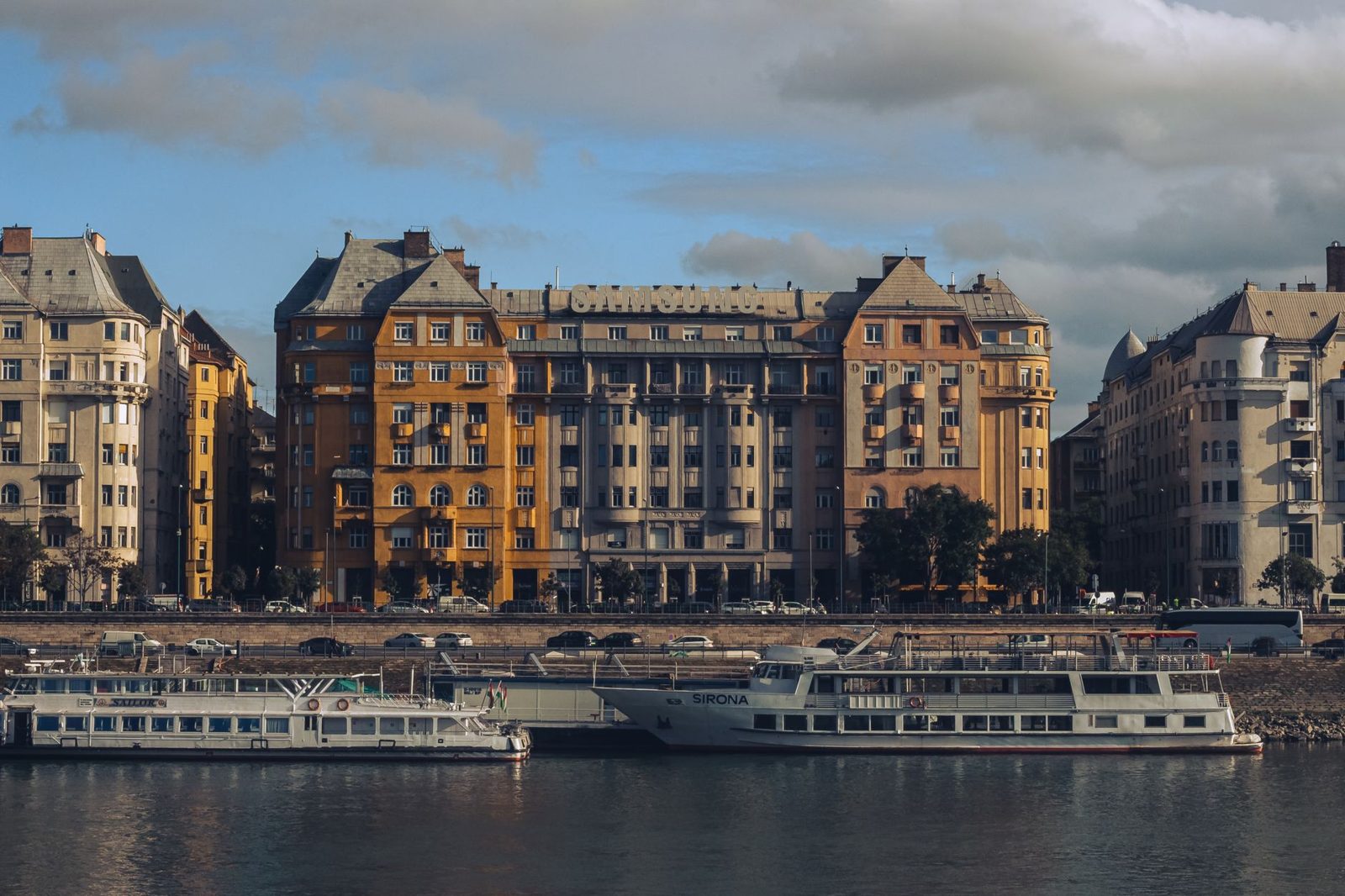
Here is the tip the touts on the dock will never give you. BKK, the city transport authority, runs scheduled river boats (the D-line services) as part of the public transport network. On weekdays they shuttle commuters between Buda and Pest, and you can ride them on a standard transport ticket or travelcard for a tiny fraction of a tourist cruise. You get no commentary and no drink, but you do get an open-air deck and the same skyline. It runs in daylight rather than after dark, so it is sightseeing on the cheap rather than the romantic night option — but at this price, who is complaining.
The big operators at a glance
Three names come up again and again along the Pest embankment, and each has a clear personality. Legenda is the polished, view-first choice, with custom boats whose huge curved windows are built for photography and a reliable included drink. Silverline is the entertainment specialist, the one to pick for dinner shows and unlimited-drink party packages. Duna Corso and a cluster of smaller operators run frequent, cheaper sightseeing hops that are perfectly good if you just want to be on the water without the frills.
How the options compare
To make the choice concrete, here is roughly what you are paying for and getting across the main cruise types in 2026. Prices shift with season and demand, so treat these as a planning guide rather than a quote.
| Cruise type | Typical 2026 price | Duration | Best for |
|---|---|---|---|
| Public transport boat (BKK) | Transit ticket (~500 HUF) | 30–60 min | Budget, daytime views |
| Daytime sightseeing | From ~€14 | 1 hour | Orientation, photos |
| Evening sightseeing + drink | ~€15–25 | 1–1.5 hours | First-timers, best value |
| Sunset cruise | ~€20–35 | 1–1.5 hours | Couples on a budget |
| Dinner cruise | From ~€69 | 2–3 hours | Special occasions |
| Party / cocktail cruise | ~€30–50 | 1.5–2 hours | Groups, nightlife |
When to go
Season changes the experience more than you would expect. Summer evenings are warm enough to stay on the open upper deck, but the sunset slots sell out days ahead and the boats are full. Spring and autumn are my favourite: comfortable temperatures, thinner crowds, and the sun setting at a civilised hour. Winter cruises run too, snug behind glass, and the city’s Christmas-season lighting plus the occasional dusting of snow on the bridges is genuinely magical — just bring a coat for the deck.
Where the boats leave from
Most cruises depart from the Pest embankment between the Chain Bridge and Elizabeth Bridge, around Vigadó tér and the Jane Haining riverside walk. The docks are numbered (you will hear “Dock 7,” “Dock 11” and so on), and your ticket or confirmation email will tell you which one. Give yourself fifteen minutes to find the right pontoon, especially after dark, because they sit below street level and are easy to walk straight past.
Booking tips from experience
A few things I have learned the slightly expensive way. Book online a day or two ahead for any sunset or dinner cruise in high season — the best slots vanish first, and online prices are usually lower than the dock rate anyway. Be wary of the most aggressive sellers on the embankment; the legitimate operators have fixed booths and clear pricing. Check whether your drink is included before you pay, and confirm the language of the audio guide. If you are prone to seasickness, relax — the Danube here is wide and calm, nothing like a sea crossing.
Pairing a cruise with the rest of your day
A boat tour slots neatly into an evening after a day of walking. I like to spend the afternoon up on Castle Hill, come down for an early dinner, then catch a post-sunset cruise to see the same sights transformed by light. If you are mapping out a tight schedule, the one day in Budapest itinerary shows how to fit a cruise around the headline sights, and serious photographers should read my guide to Budapest’s best photography spots before boarding, because the river gives you angles you cannot get any other way. To understand the spans you will glide beneath, the Budapest bridges guide is a good companion read, and the main things-to-do guide ties it all together.
What it is actually like on board
People sometimes picture a cramped tourist barge, but the modern sightseeing boats are surprisingly comfortable. There is a heated, glass-walled lower saloon with seating and a bar, and an open upper deck for photos and fresh air. You collect a numbered audio guide as you board, plug in your earphones, and the commentary triggers automatically as you pass each landmark. Drinks are served from the bar or brought to your table on the included-drink cruises. The boats are stable and quiet, the toilets are clean, and most are step-free on the main deck, so the whole thing feels more like a floating lounge than a white-knuckle ride.
Going further: day cruises up the Danube Bend
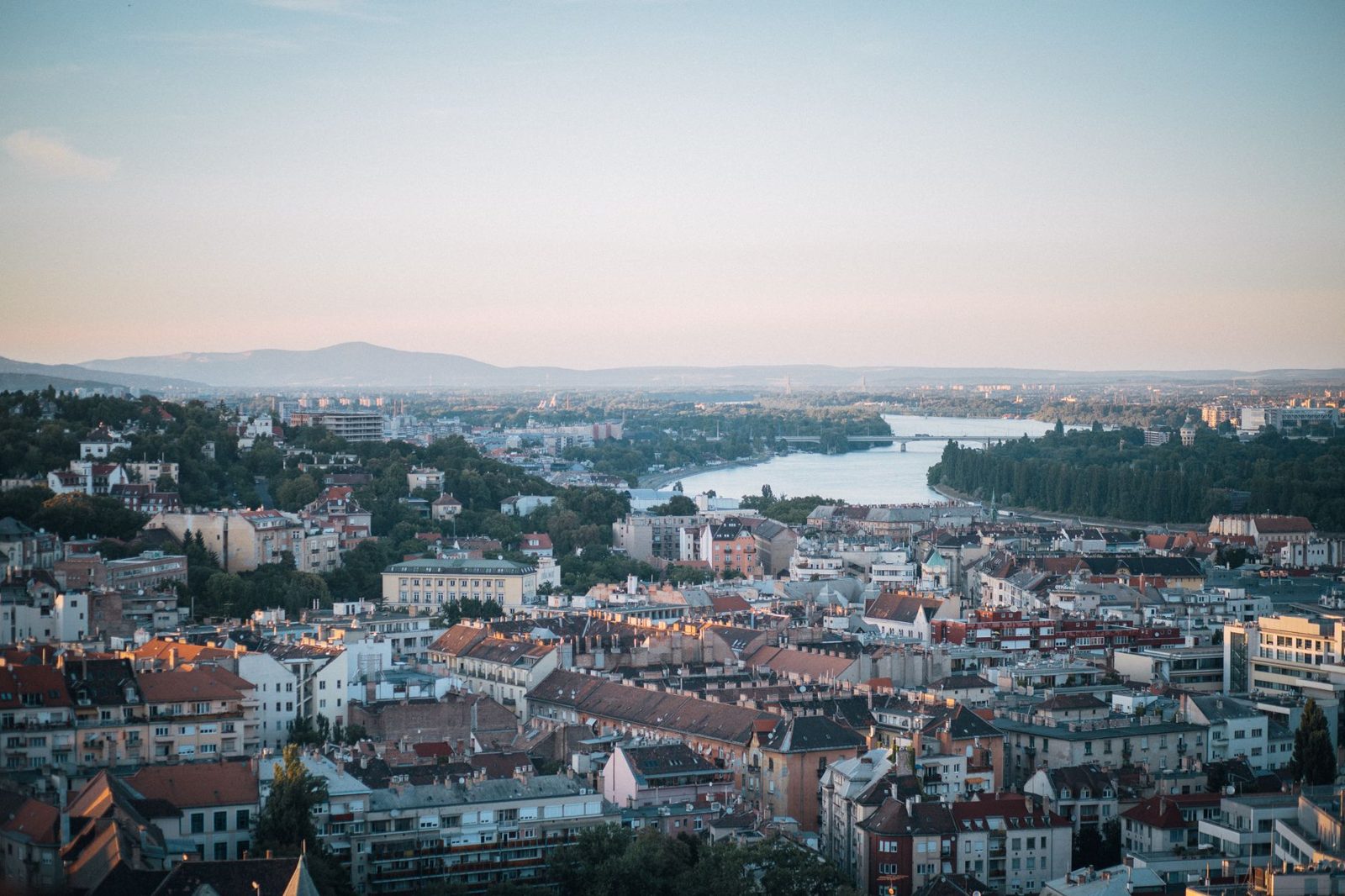
If you fall for the river and want more than an hour of it, scheduled daytime ferries run north from the city up the spectacular Danube Bend to the artists’ town of Szentendre and the medieval citadel at Visegrád. These are slower, half- or full-day affairs rather than skyline loops, but they are a gorgeous way to combine a boat trip with a small-town escape. They run mainly in the warmer months, so check the seasonal timetable before you plan around one. It is a completely different mood from the night cruise — green hills and riverside villages instead of floodlit monuments.
Frequently asked questions
How much does a Budapest boat tour cost?
A basic daytime sightseeing cruise starts around €14, an evening cruise with a drink runs about €15–25, and a dinner cruise begins near €69. The cheapest option of all is the BKK public transport boat, which you can ride on a standard transit ticket.
Is a day or night cruise better?
For most visitors a night (or just-after-sunset) cruise is the clear winner, because the Parliament, Castle and bridges are dramatically floodlit and a drink is usually included. Daytime cruises are cheaper and better if you specifically want clear photos of the building facades.
Do I need to book in advance?
For a basic sightseeing cruise you can often just turn up, but sunset and dinner cruises sell out two to three days ahead in summer. Booking online a day or two in advance secures your slot and usually costs less than the dock price.
How long does a Danube cruise last?
Sightseeing cruises typically run 60 to 90 minutes. Dinner and show cruises last two to three hours. The public transport boats vary by route but are usually 30 to 60 minutes end to end.
Where do the cruises depart?
Most leave from the Pest-side embankment between the Chain Bridge and Elizabeth Bridge, around Vigadó tér. Docks are numbered, so check your ticket for the exact pontoon and arrive about fifteen minutes early.
Last updated June 2026. Photos: Mihai Vlasceanu (Pexels); Benedek Kaufmann (Pexels); Ch Jawad (Pexels); Bence Szemerey (Pexels).