Best Day Trips from Budapest: Castles, Wine Valleys & Beyond
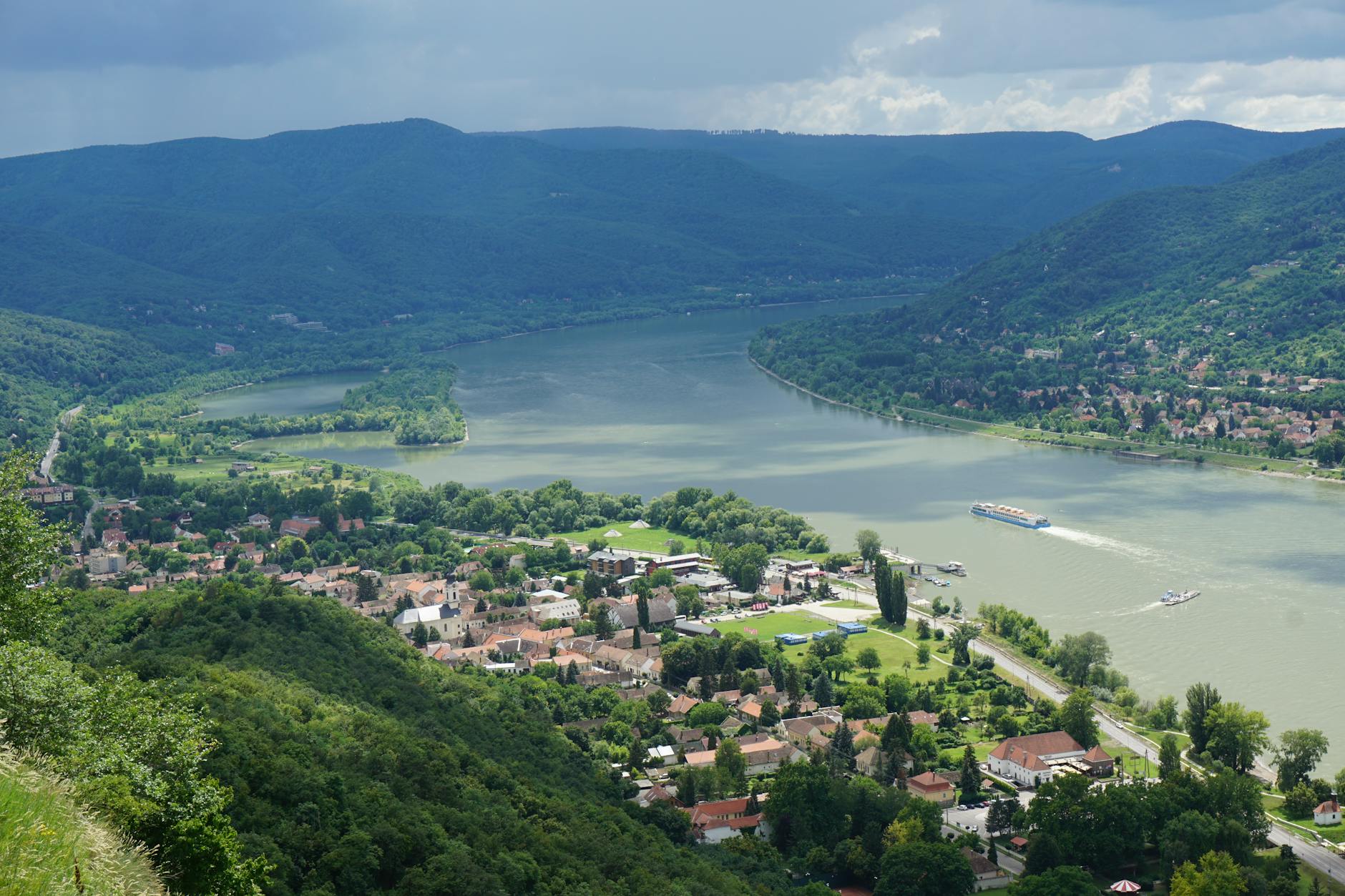
Budapest is one of Europe’s most captivating capitals, but some of the best experiences in Hungary — and beyond — lie just a short train or bus ride away. From medieval castles perched above the Danube Bend to UNESCO-listed villages frozen in time, the day trips from Budapest are so rewarding that we recommend setting aside at least two or three days of your itinerary for exploring the surrounding region. Whether you crave wine-soaked afternoons, lakeside relaxation, or a spontaneous border hop into another country, the options within a one-to-three-hour radius are genuinely world-class.
What makes Budapest such an ideal base for day-tripping is Hungary’s affordable and efficient public transport network. MÁV Hungarian Railways and Volánbusz coaches connect the capital to dozens of towns and natural areas, often for less than 3,000 HUF (around 8 EUR) each way. In summer, scenic Danube boat services add yet another dimension. You do not need a rental car to reach any of the destinations we cover below, though having one opens up flexibility for combining stops.
In this guide, we walk you through the ten best day trips from Budapest — from artistic Szentendre just 40 minutes north to imperial Vienna two and a half hours west. For each destination, we include how to get there, what to see, how much to budget, and insider tips so you can make the most of every hour. Let us dive in.
Szentendre — The Charming Artist Town on the Danube
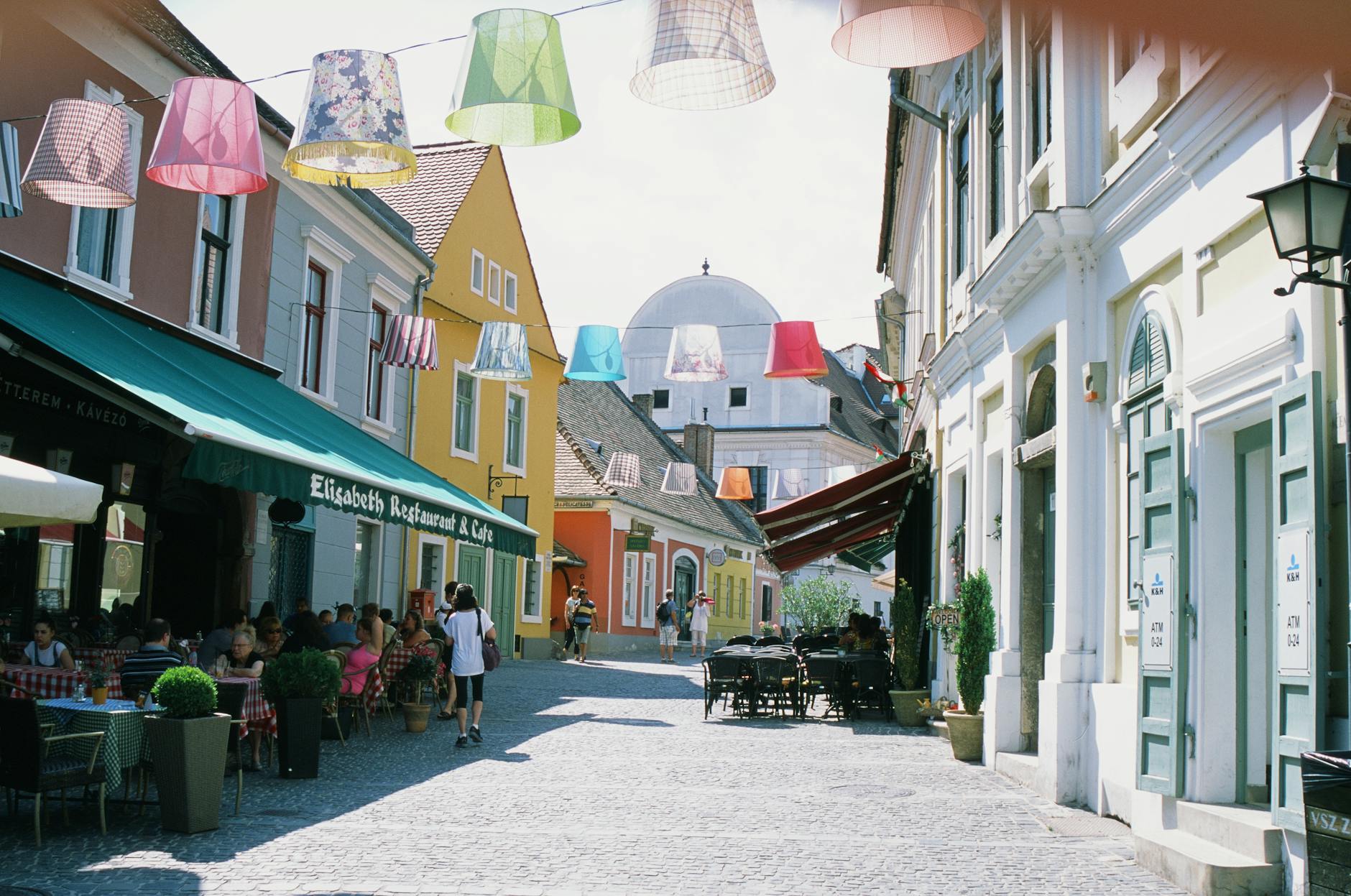
Szentendre (pronounced “SEN-ten-dreh”) is the closest and one of the most beloved day trips from Budapest. Sitting just 20 kilometres north of the capital on the west bank of the Danube, this colourful little town has been drawing artists, craftspeople, and weekend wanderers for over a century. Its narrow cobblestone streets, pastel-painted Baroque and Rococo houses, and hilltop Serbian Orthodox churches give it a distinctly Mediterranean feel — surprising for a landlocked country.
How to Get to Szentendre
The easiest way is the HÉV suburban railway from Batthyány tér station in Budapest (Metro Line 2). Trains run every 10-20 minutes and the journey takes roughly 40 minutes. A one-way ticket costs approximately 650 HUF (about 1.70 EUR). If you hold a valid Budapest travelcard, it covers the journey as far as the city boundary — you only need to buy a supplementary ticket for the remaining stretch. In summer, Mahart PassNave operates Danube riverboats from Vigadó tér pier, a scenic 1.5-hour ride upstream.
What to See and Do
- Fő tér (Main Square): The heart of Szentendre, lined with galleries, ice cream shops, and the ornate Serbian Blagovesztenszka Church. The Memorial Cross in the centre dates to 1763.
- Margit Kovács Ceramic Collection: A must-visit museum dedicated to one of Hungary’s most celebrated ceramic artists. Entry is around 2,000 HUF (5 EUR).
- Serbian Ecclesiastical Collection (Szerb Egyházi Gyűjtemény): Houses stunning icons and religious artefacts from the Serbian community that settled here in the 17th century.
- Skanzen (Open-Air Ethnographic Museum): Located 3 km outside the town centre (accessible by a local bus from the HÉV station), this sprawling open-air museum recreates traditional Hungarian village life from different regions. Allow 2-3 hours and budget about 2,800 HUF (7.50 EUR) for entry.
- Riverside cafés and marzipan shops: Stroll the Danube promenade, pop into the famous Szamos Marzipan Museum, and enjoy a coffee at one of the waterfront terraces.
Cost tip: Szentendre is very budget-friendly. You can enjoy a full day including transport, museum entries, and lunch for under 10,000 HUF (about 26 EUR). We suggest arriving by mid-morning and catching a late-afternoon HÉV back to Budapest.
Danube Bend: Visegrád — Medieval Fortress with Spectacular Views
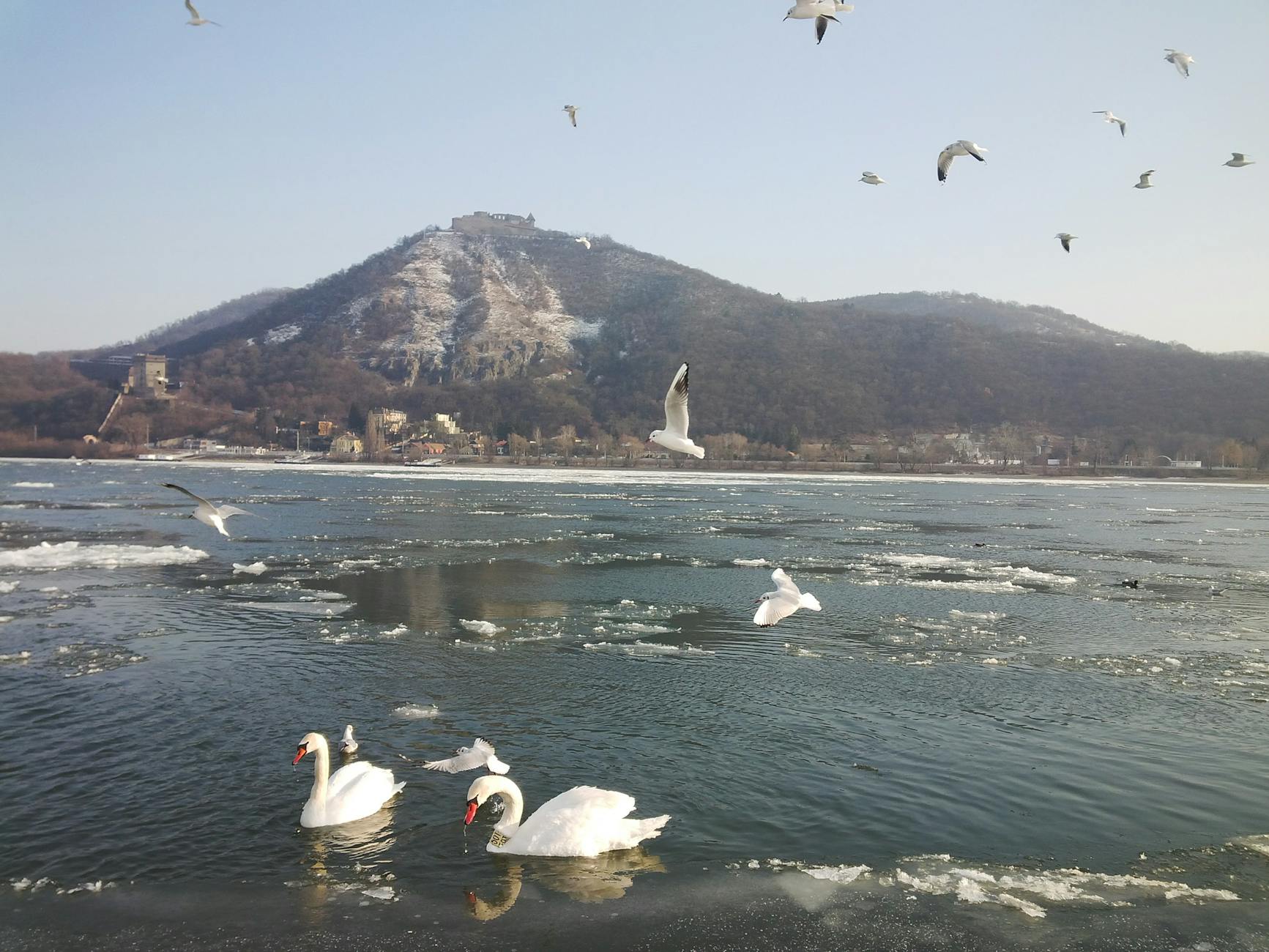
Visegrád is where history and scenery collide in the most dramatic fashion. Perched high above the Danube at the sharpest curve of the Danube Bend, the 13th-century citadel offers panoramic views that rank among the finest in Central Europe. Once the seat of Hungarian kings, this small town punches far above its weight as one of the most rewarding day trips from Budapest.
How to Get to Visegrád
Take bus 880 or 881 from Újpest-Városkapu (the terminus of Metro Line 3). The ride takes about 1 hour 15 minutes and costs around 1,100 HUF (3 EUR). Alternatively, from April to September you can take a Mahart Danube boat from Budapest’s Vigadó tér — the trip takes roughly 3 hours upstream but is incredibly scenic. You can also combine Visegrád with Szentendre and Esztergom in a single Danube Bend loop.
What to See and Do
- Visegrád Citadel (Fellegvár): The hilltop fortress sits at 328 metres above sea level. The steep hike up takes 30-40 minutes, or you can drive. Entry is about 2,200 HUF (6 EUR). The views over the Danube Bend are absolutely worth the climb.
- Royal Palace Ruins: At the foot of the hill, the partially reconstructed palace of King Matthias Corvinus features a beautiful Renaissance courtyard and the Hercules Fountain. Entry is approximately 2,000 HUF (5.50 EUR).
- Medieval Tournament Games: In summer (usually July), the International Palace Games bring jousting knights, archery, and medieval feasting to life. Check dates in advance and book early — they draw big crowds.
- Visegrád Bobsled Track (Bobpálya): A fun alpine-style toboggan run through the forested hillside, popular with families. A ride costs around 1,500 HUF (4 EUR).
Insider tip: For the best photographs of the Danube Bend, hike to the Nagyvillám lookout tower near the citadel. On a clear day, the view stretches for dozens of kilometres in every direction.
Danube Bend: Esztergom — Hungary’s Spiritual Capital
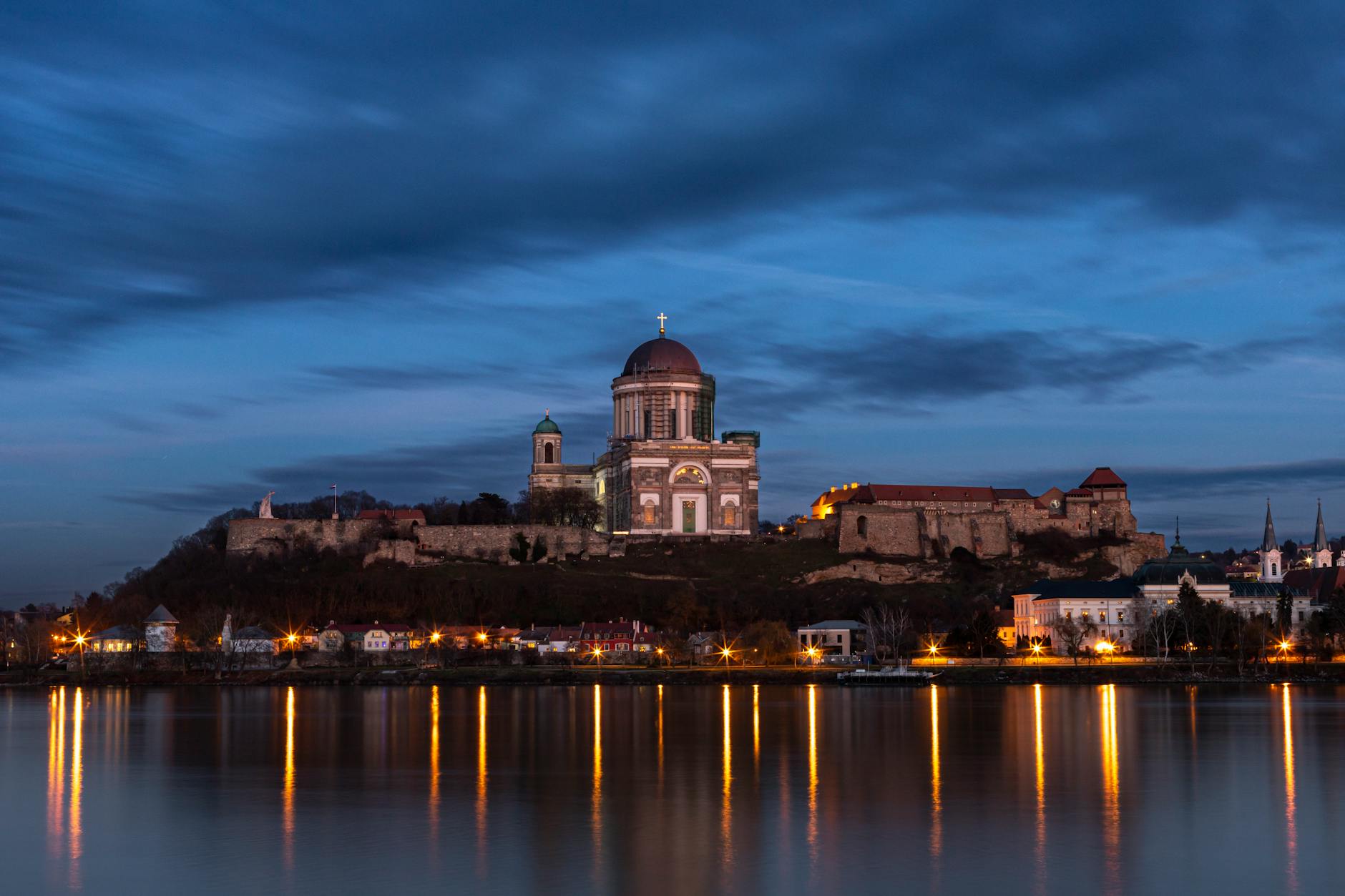
Esztergom was the capital of Hungary for over 250 years and remains the seat of the country’s Catholic Church. Its crowning glory — the Esztergom Basilica — is the largest church in Hungary and visible from miles away as it rises from a bluff overlooking the Danube. A trip here feels both monumental and peaceful, and we consider it one of the essential day trips from Budapest for history and architecture lovers.
How to Get to Esztergom
Direct trains run from Budapest’s Nyugati pályaudvar to Esztergom roughly every hour. The journey takes about 1 hour 30 minutes and costs around 1,860 HUF (5 EUR). You can also reach Esztergom by bus from Újpest-Városkapu (approximately 1 hour 45 minutes) or by Danube boat in summer.
What to See and Do
- Esztergom Basilica: Free to enter the main nave. We strongly recommend climbing the cupola (800 HUF / 2 EUR) for jaw-dropping views across the Danube into Slovakia. The treasury, with its stunning collection of religious goldwork, is 1,400 HUF (3.70 EUR).
- Castle Museum (Vármúzeum): Beneath the Basilica, the royal palace remains house medieval frescoes and the ornate Chapel of the Árpád-dynasty kings. Entry is about 2,000 HUF (5.50 EUR).
- Watertown (Víziváros): The charming neighbourhood below the basilica hill, with cobbled lanes, small museums, and traditional Hungarian restaurants.
- Cross the border to Štúrovo, Slovakia: The Mária Valéria Bridge connects Esztergom directly to the Slovak town of Štúrovo. You can walk across in five minutes — bring your passport or EU ID. It is a delightful novelty to have lunch in another country before heading back.
Budget tip: Esztergom itself is compact. We suggest allowing 3-4 hours for the main sights, which makes it easy to combine with Visegrád for a full Danube Bend day.
Eger — Baroque Beauty and the Valley of Beautiful Women
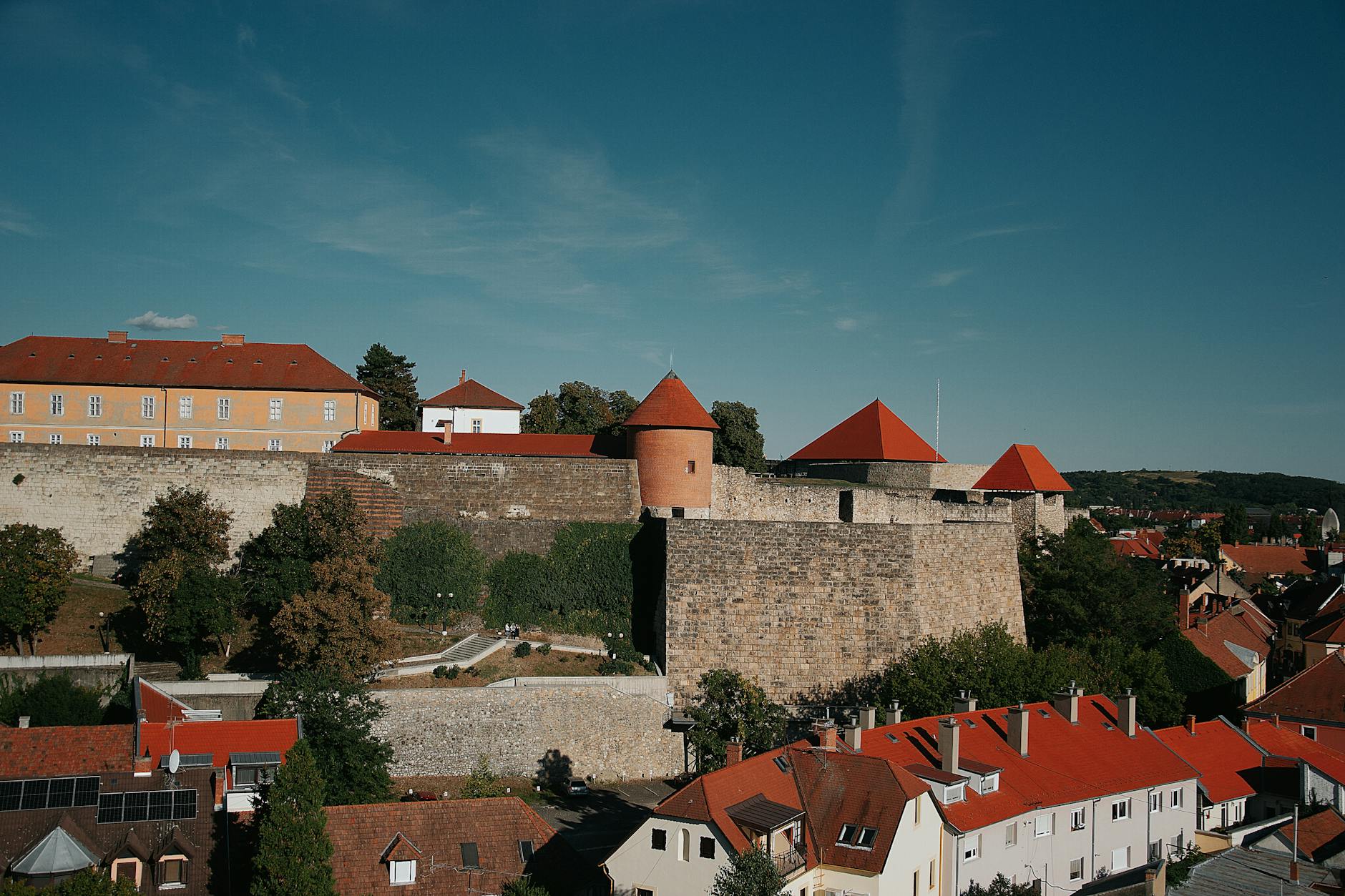
Eger is arguably the most complete day trip experience on this entire list. This handsome Baroque city in northern Hungary combines a mighty castle, one of the country’s most important minarets, a grand basilica, relaxing thermal baths, and — the star attraction — a wine valley where you can sample Hungary’s celebrated Egri Bikavér (Bull’s Blood) straight from underground cellars. If you only have time for one longer day trip from Budapest, Eger is the one we recommend most.
How to Get to Eger
Direct trains depart from Budapest Keleti pályaudvar roughly every two hours. The journey takes about 2 hours and costs approximately 3,100 HUF (8.20 EUR) for a second-class ticket. We suggest catching the earliest train (around 7:00-7:30) to maximise your time in the city.
What to See and Do
- Eger Castle (Egri Vár): Famous for its heroic 1552 defence against the Ottoman siege, the castle now houses museums, underground casemates, and sweeping views over the city’s terracotta rooftops. Entry is about 3,200 HUF (8.50 EUR) for the full-access ticket.
- Minaret of Eger: One of the northernmost Ottoman minarets in Europe. You can climb the narrow 97 steps to the top for around 600 HUF (1.60 EUR) — not for the claustrophobic, but the view rewards the effort.
- Eger Basilica: The second-largest church in Hungary, built in neoclassical style. Free organ concerts are occasionally held here in summer.
- Szépasszony-völgy (Valley of the Beautiful Women): About 20 minutes on foot from the town centre, this crescent of small wine cellars carved into the hillside is where locals and visitors sit on benches, taste red and white wines for 300-800 HUF (0.80-2.10 EUR) per glass, and enjoy the convivial atmosphere. We suggest visiting in the early afternoon.
- Eger Thermal Bath (Török Fürdő): A Turkish-era bath complex recently renovated with modern pools alongside the historic sections. Entry is about 3,000 HUF (8 EUR). A perfect way to unwind before the train home.
Insider tip: Eger is small enough to explore on foot. From the train station, it is a pleasant 15-minute walk into the centre. If you want to try the thermal baths and the wine valley, tackle the baths first and the wine cellars second — the order matters for obvious reasons.
Lake Balaton — Central Europe’s Largest Lake
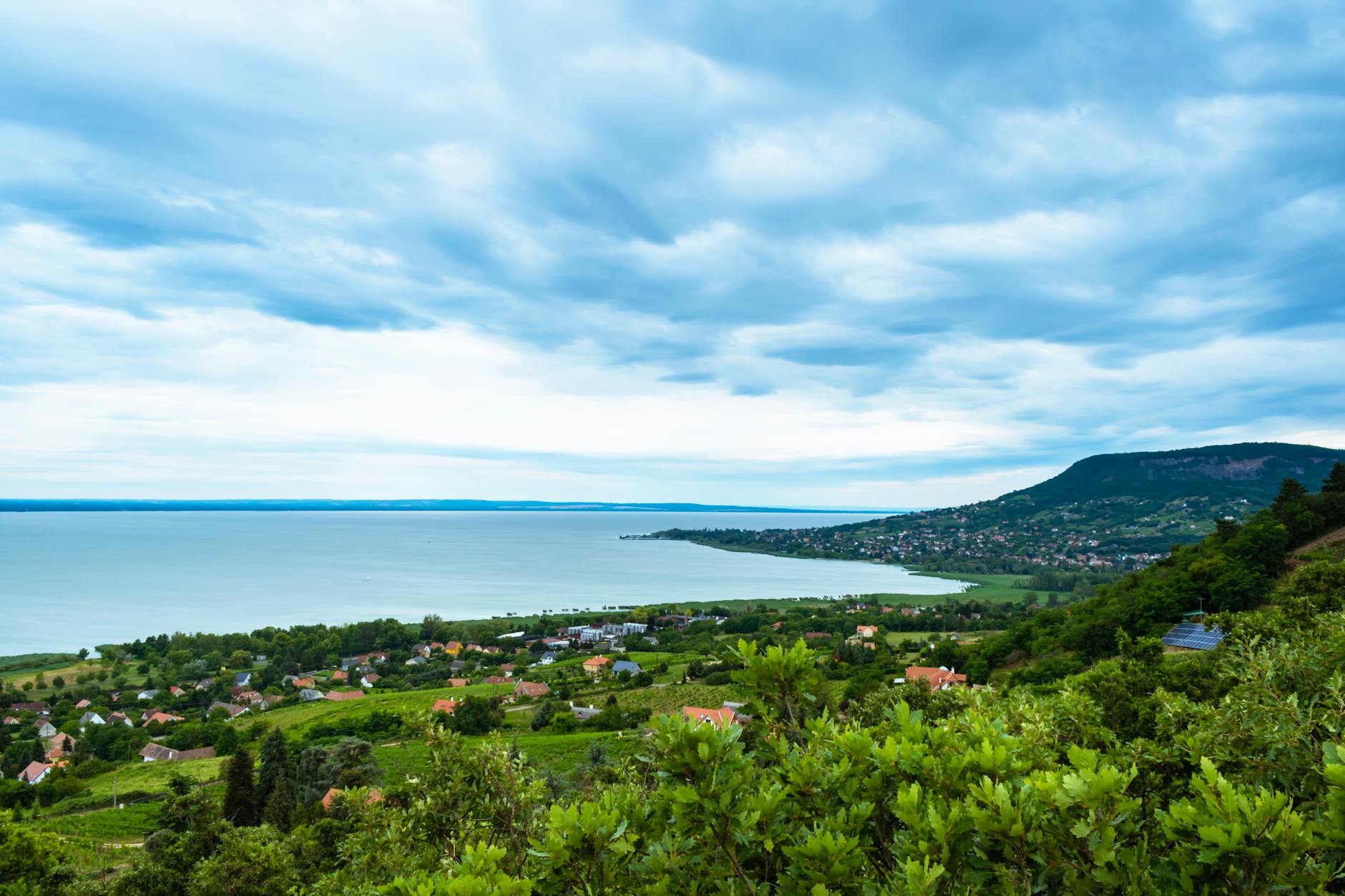
Lake Balaton is Hungary’s “inland sea” — a vast, shallow freshwater lake stretching nearly 80 kilometres across the Transdanubian countryside. It is the largest lake in Central Europe and has been the country’s premier summer holiday destination for generations. While many Hungarians spend entire weeks here, a day trip from Budapest is perfectly feasible and gives you a wonderful taste of the lake’s charm.
How to Get to Lake Balaton
Trains run frequently from Budapest’s Déli pályaudvar or Keleti pályaudvar to various lakeside towns. The northern shore (Balatonfüred, Tihany) takes about 2 hours; the southern shore (Siófok) about 1 hour 40 minutes. Tickets cost roughly 2,800-3,500 HUF (7.50-9.30 EUR) depending on the destination. In peak summer, we recommend booking InterCity seats in advance as trains fill up quickly.
Where to Go on the Lake
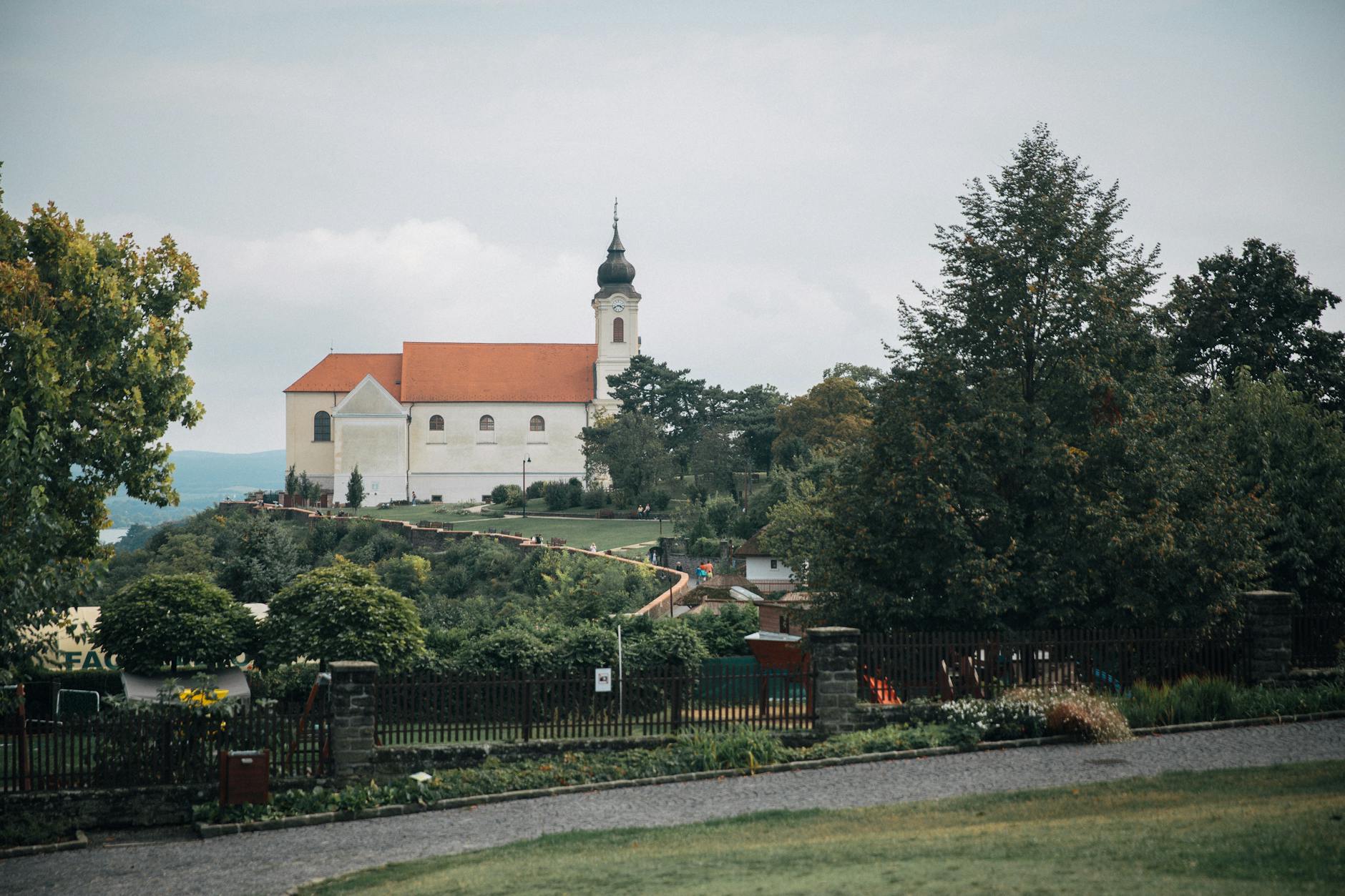
- Tihany Peninsula: The jewel of Balaton. The hilltop Benedictine Abbey (founded in 1055) overlooks the lake, and the village below is filled with lavender shops, artisan studios, and panoramic walking trails. A ferry connects Tihany to the southern shore in summer. We consider Tihany the single best Balaton stop for a day-tripper.
- Balatonfüred: The “capital” of Balaton’s northern shore, known for its elegant promenade (Tagore sétány), historic villas, and excellent restaurants. It pairs well with Tihany — take the bus or boat the short distance between them.
- Siófok: The largest resort town on the southern shore, popular for its sandy beaches, waterfront bars, and summer party scene. If nightlife and beach vibes are more your style, Siófok is your pick.
Seasonal note: Lake Balaton is best visited from June to September. Outside of summer, many lakeside businesses close and the atmosphere is very quiet. Spring and autumn can be pleasant for cycling along the lake’s dedicated bike path, but swimming is only comfortable in July and August when water temperatures reach 24-26 degrees Celsius.
Gödöllő Royal Palace — Empress Sisi’s Favourite Retreat
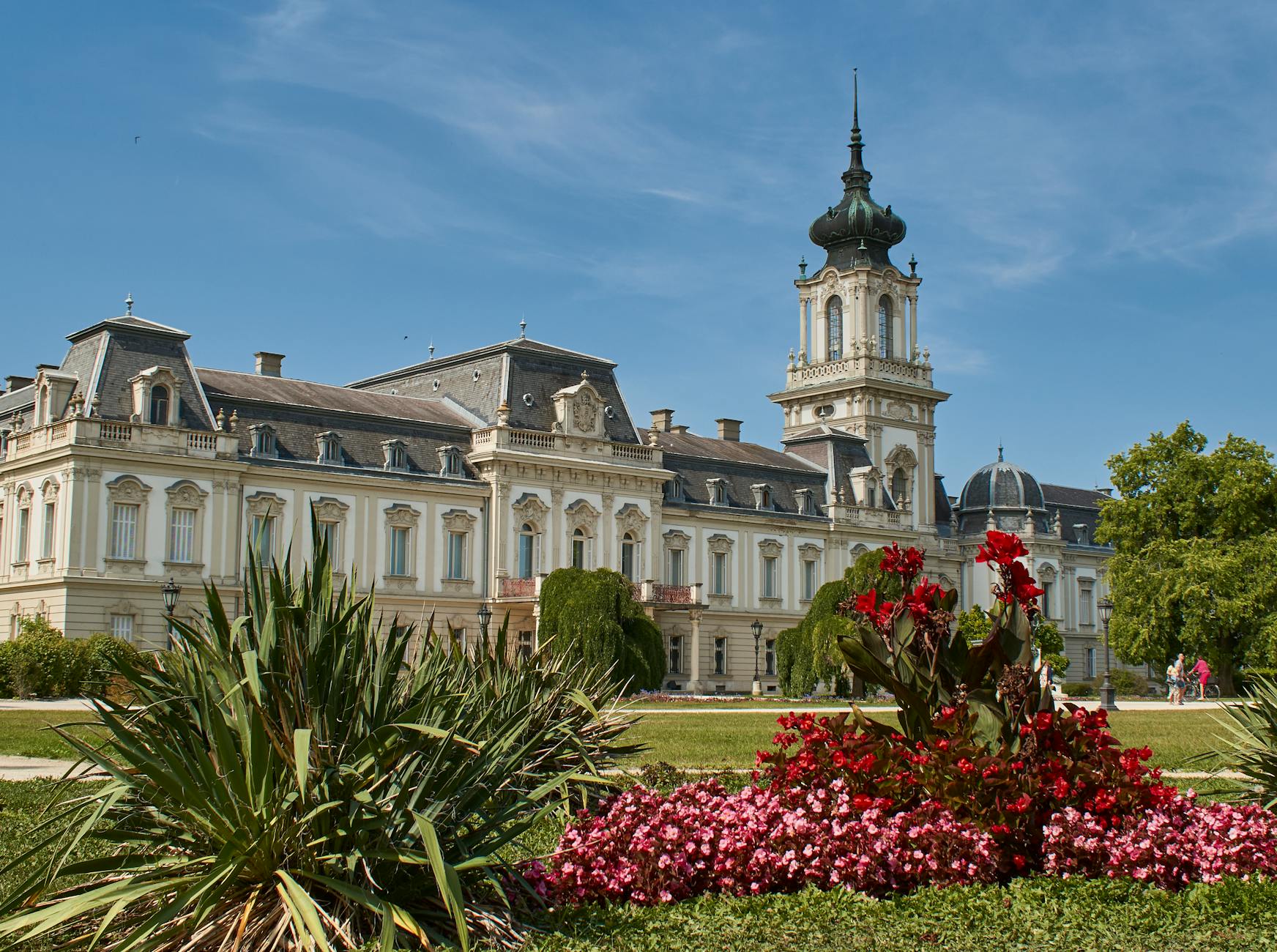
The Gödöllő Royal Palace (Gödöllői Királyi Kastély) is the largest Baroque manor house in Hungary and one of the most significant royal residences in Central Europe. It was the beloved country retreat of Empress Elisabeth of Austria (“Sisi”) and Emperor Franz Joseph I. Today, the meticulously restored palace offers a fascinating glimpse into Habsburg-era elegance — and it sits just 30 minutes from central Budapest.
How to Get to Gödöllő
Take the HÉV suburban railway from Örs Vezér tere (the eastern terminus of Metro Line 2). Trains depart every 15-20 minutes, and the ride takes about 30 minutes. A one-way ticket costs approximately 650 HUF (1.70 EUR) for the supplementary section beyond the Budapest boundary. The palace is a short walk from the Gödöllő HÉV terminus.
What to See and Do
- State Rooms and Royal Apartments: The guided or self-guided tour takes you through lavishly restored Baroque halls, Sisi’s private chambers, and the ceremonial rooms. Entry is about 3,600 HUF (9.50 EUR) for the full tour.
- Permanent Exhibitions: Learn about the palace’s history from its 18th-century construction through its use as a Soviet barracks and eventual restoration.
- Palace Gardens: The extensive park behind the palace is free to enter and perfect for a post-tour stroll. In summer, the baroque theatre in the garden hosts occasional performances.
Time tip: Gödöllő can be covered in a half day (3-4 hours including travel), making it ideal for a morning trip that leaves your afternoon free. We often suggest pairing it with an evening of exploring Budapest’s ruin bars or taking in a performance at the Opera House.
Hollókő — A UNESCO World Heritage Village
Hollókő (meaning “Raven Stone”) is a tiny village in the Cserhát Hills of northern Hungary that has been a UNESCO World Heritage Site since 1987. Its 67 traditional whitewashed Palóc houses — with their carved wooden balconies and tiled roofs — represent the finest surviving example of rural Hungarian architecture from before the 20th century’s agricultural revolution. Walking through Hollókő feels like stepping into a living folk museum.
How to Get to Hollókő
Hollókő is about 95 kilometres northeast of Budapest. The most practical option is by bus from Budapest’s Stadion bus station (Népliget), with one or two daily direct services taking approximately 2 hours. Alternatively, take a train to Szécsény and then a connecting local bus. Having a car makes the journey significantly more flexible (about 1.5 hours via the M3 motorway).
What to See and Do
- The Old Village (Ófalu): Wander the single main street lined with whitewashed houses, many now converted into small museums, craft workshops, and souvenir shops selling handmade Palóc embroidery and pottery.
- Hollókő Castle: A short uphill walk leads to the ruins of a 13th-century fortress with panoramic views over the village and surrounding forested hills. Entry is around 1,000 HUF (2.70 EUR).
- Easter Festival (Húsvéti Fesztivál): If you can time your visit for Easter, Hollókő hosts one of Hungary’s most colourful folk festivals. Locals dress in traditional Palóc costumes, perform folk dances, and carry out the Hungarian tradition of Easter water-sprinkling. This is a bucket-list cultural event.
- Village Museum and Weaving House: Small exhibits showcasing traditional Palóc life, clothing, and crafts.
Practical note: Hollókő is very small — you can see the main sights in 2-3 hours. The limited bus schedule means you should plan carefully; check return times before you go. If you have a rental car, consider combining Hollókő with a stop in the Mátra Hills for hiking.
Hortobágy National Park — The Great Hungarian Plain
The Hortobágy National Park is Hungary’s largest protected area and a UNESCO World Heritage Site — a vast, treeless expanse of grassland known as the puszta. This is the landscape that defines the Hungarian cowboy (csikós) tradition: endless horizons, grazing long-horned cattle, wells with sweep poles, and mirages shimmering in the summer heat. It is the most distinctly “Hungarian” landscape you will encounter and unlike anything else in Central Europe.
How to Get to Hortobágy
Hortobágy is about 175 kilometres east of Budapest, near the city of Debrecen. The most convenient approach is to take an InterCity train from Budapest Keleti to Füzesabony (about 1 hour 40 minutes) and then change to a local train to Hortobágy station. Total travel time is roughly 2.5 hours. A one-way ticket costs around 3,500 HUF (9.30 EUR). Alternatively, you can train to Debrecen (2.5 hours) and take a local bus to Hortobágy village.
What to See and Do
- Nine-Arched Bridge (Kilenclyukú híd): Hungary’s longest stone bridge, built in 1833. It is the iconic symbol of the park and beautifully photogenic, especially at sunset.
- Hortobágy Horse Shows: Traditional csikós horsemen demonstrate incredible riding skills, including the famous “Puszta Five” — standing astride five galloping horses. Shows run from April to October at the Máta Stud Farm and cost around 4,500 HUF (12 EUR).
- Birdwatching: Hortobágy is one of Europe’s premier birding destinations, with over 340 recorded species. In autumn, tens of thousands of cranes gather here during migration — a truly spectacular natural event. The park’s visitor centres offer guided birding tours.
- Shepherds’ Museum and Hortobágy Inn: Learn about the traditional pastoral culture of the puszta through artefacts, tools, and period rooms.
Planning tip: Hortobágy is a longer day trip, so we recommend starting very early. The best months are May through October when the horse shows run and the weather suits being outdoors on the open plain.
Bratislava, Slovakia — A Quick International Escape
Few European capitals are as close together as Budapest and Bratislava. The capital of Slovakia sits just 200 kilometres to the northwest, making it a perfectly feasible — and surprisingly rewarding — day trip from Budapest. Bratislava’s compact Old Town, quirky street sculptures, and hilltop castle offer a refreshing change of pace, and crossing an international border always adds a dash of excitement to the day.
How to Get to Bratislava
Direct trains run from Budapest Keleti to Bratislava hlavná stanica (main station) in about 2 hours 30 minutes. Tickets cost approximately 5,500-7,000 HUF (14.50-18.50 EUR) each way depending on the service. FlixBus also operates frequent coaches for as little as 3,000-5,000 HUF (8-13 EUR) each way, taking about 2.5-3 hours. We recommend the train for comfort and reliability.
What to See and Do
- Old Town (Staré Mesto): Bratislava’s pedestrianised historical centre is delightfully compact and walkable. Key sights include St. Martin’s Cathedral, the ornate Old Town Hall, Michael’s Gate, and the whimsical “Man at Work” bronze sculpture.
- Bratislava Castle: Perched on a hill above the Danube, the reconstructed castle offers panoramic views over the city and into Austria. The grounds are free to visit; the museum inside costs about 10 EUR.
- UFO Bridge (Most SNP): The futuristic observation deck atop this Soviet-era bridge provides a 360-degree city panorama. Entry is about 8.50 EUR, which includes a voucher for the restaurant.
- Street Art and Cafés: Bratislava’s creative scene has blossomed in recent years. Wander the backstreets for street art, craft coffee shops, and independent boutiques.
Currency note: Slovakia uses the euro, so you will not need Hungarian forints here. Most places accept cards, but bring some cash for smaller establishments.
Vienna, Austria — The Grand Imperial Day Trip
Vienna may seem ambitious as a day trip, but with a direct ÖBB Railjet train connecting Budapest Keleti to Wien Hauptbahnhof in just 2 hours 30 minutes, it is entirely achievable. Austria’s imperial capital is one of Europe’s most elegant cities, and even a single day gives you enough time to experience its grandeur. We suggest this trip for visitors who have at least 5-6 days in Budapest and want to tick off another capital.
How to Make It Work as a Day Trip
- Transport: Book ÖBB Railjet tickets in advance online at oebb.at for the best fares — early-bird “Sparschiene” tickets can be as low as 14.90 EUR each way. Standard fares are around 30-45 EUR. The earliest Budapest-Vienna departure is typically around 6:40, arriving before 9:15. The last return train departs Vienna around 19:40, getting you back to Budapest by 22:10.
- Must-sees for a day trip: Focus on a manageable itinerary. We recommend Schönbrunn Palace (arrive early, Imperial Tour takes 30-40 minutes), then head to the city centre for Stephansplatz and St. Stephen’s Cathedral, followed by the Hofburg Palace area and a stroll along the Graben. If you are a museum lover, the Kunsthistorisches Museum alone could absorb an entire afternoon.
- Budget: Vienna is noticeably more expensive than Budapest. Budget 50-80 EUR for a comfortable day including train, a museum entry, lunch, and a Sachertorte at one of the famous coffeehouses.
Pro tip: Download the ÖBB app for mobile tickets and real-time departure boards. If you have a Eurail or Interrail pass, the Budapest-Vienna route is covered at no additional reservation cost on most trains.
Practical Tips for Day Trips from Budapest
A little planning goes a long way when heading out of the city. Here is everything we suggest keeping in mind to ensure smooth, enjoyable day trips from Budapest.
Transport Options
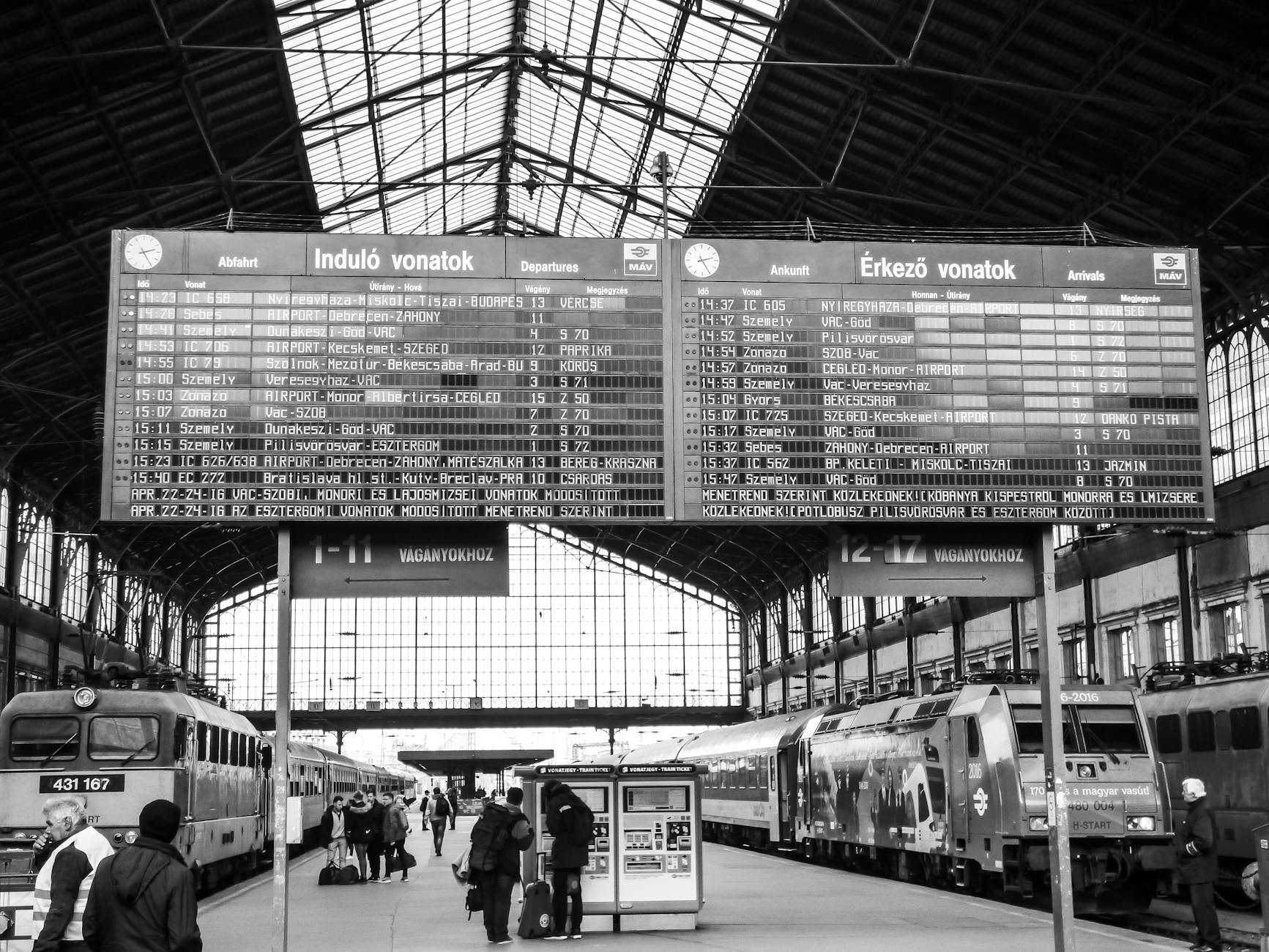
- MÁV Hungarian Railways (mav-start.hu): The primary rail network. Buy tickets at station counters, from machines (English available), or online. InterCity (IC) trains require a seat reservation supplement (about 500-700 HUF). Regional trains do not require reservations.
- Volánbusz (vfrfrfvfrvolanbusz.hu): The national bus company, essential for destinations like Hollókő and Visegrád that lack direct rail links. Tickets are bought at the bus station or sometimes from the driver.
- HÉV Suburban Railway: Ideal for Szentendre and Gödöllő. Frequent service, inexpensive, and easy to use.
- Mahart PassNave Boats: Seasonal Danube services to Szentendre, Visegrád, and Esztergom. Scenic but slower — best as a one-way option combined with bus or train return.
Transport Passes and Cards
Budapest’s 24-hour, 72-hour, and weekly travelcards cover all BKK public transport within the city, including metro, tram, bus, and the HÉV to the city boundary. They do not cover MÁV trains or Volánbusz coaches. The Budapest Card includes free public transport and museum discounts but generally does not cover day-trip destinations outside the city.
When to Go
Most day trip destinations are best from April through October. Some attractions (notably Lake Balaton resort facilities and Danube boat services) close or operate on reduced schedules from November to March. Eger, Esztergom, Visegrád, and Bratislava are worthwhile year-round, though outdoor attractions are more pleasant in warmer months.
Booking and Packing Tips
- Book international trains (Vienna, Bratislava) in advance for the best fares.
- For domestic trips, tickets can usually be bought on the day at the station.
- Bring comfortable walking shoes — many destinations involve cobblestones, hills, or both.
- Carry a refillable water bottle and sunscreen in summer. Hungarian summers can be hot, especially on the open puszta.
- Have some cash in Hungarian forints for smaller vendors, rural buses, and wine cellars. Slovakia and Austria use euros.
- Download offline maps for areas where mobile signal may be patchy (Hollókő, Hortobágy).
Day Trip Comparison Table
Use this at-a-glance comparison to help choose which day trips from Budapest suit your schedule, interests, and budget.
| Destination | Distance from Budapest | Travel Time | Best For | Cost Level |
|---|---|---|---|---|
| Szentendre | 20 km | 40 min (HÉV) | Art, culture, easy half-day | Low (€) |
| Visegrád | 45 km | 1 hr 15 min (bus) | Castle, views, adventure | Low (€) |
| Esztergom | 60 km | 1 hr 30 min (train) | History, basilica, border crossing | Low (€) |
| Eger | 130 km | 2 hrs (train) | Wine, castle, thermal baths | Low-Medium (€-€€) |
| Lake Balaton | 100-130 km | 1.5-2 hrs (train) | Beach, nature, summer fun | Medium (€€) |
| Gödöllő | 30 km | 30 min (HÉV) | Royal palace, Sisi fans | Low (€) |
| Hollókő | 95 km | 2 hrs (bus) | UNESCO village, folk culture | Low (€) |
| Hortobágy | 175 km | 2.5 hrs (train) | Nature, horse shows, birding | Low-Medium (€-€€) |
| Bratislava | 200 km | 2.5 hrs (train) | International trip, Old Town | Medium (€€) |
| Vienna | 240 km | 2.5 hrs (Railjet) | Imperial grandeur, museums | High (€€€) |
Suggested Day Trip Combos
If you have a few days set aside for exploring beyond the capital, these combinations let you pack more into each outing. We have tested these itineraries and can confirm they work comfortably without feeling rushed.
Combo 1: The Danube Bend Grand Tour (Szentendre + Visegrád + Esztergom)
This is the classic Danube Bend loop and the most popular multi-stop day trip from Budapest. Start early with the HÉV to Szentendre, spend 1.5-2 hours exploring the town, then catch a bus (or summer boat) to Visegrád for the castle. After lunch, continue by bus to Esztergom for the basilica and a walk across the bridge to Slovakia. Return by train from Esztergom to Budapest Nyugati. This works best with an early start (by 8:00 AM) and you will be back in Budapest by early evening. Having a car makes this loop significantly more flexible.
Combo 2: Eger Castle, Wine Tasting, and Thermal Soak
Catch the earliest train to Eger and head straight to the castle in the morning when it is quieter. Explore the old town and basilica over lunch, then spend the early afternoon sampling wines in the Valley of the Beautiful Women. Finish with a restorative soak in the thermal baths before catching an evening train back to Budapest. This is a full, rich day — one of our absolute favourites.
Combo 3: Gödöllő Palace + Budapest Evening
Since Gödöllő only takes half a day, combine a morning palace visit with an afternoon and evening in Budapest. After returning on the HÉV, head to the Budapest Food Guide recommendations for a late lunch at the Central Market Hall, then enjoy a thermal bath at Széchenyi or Gellért before dinner. This combo works especially well in your first couple of days when you still want to maximise time in the capital.
Frequently Asked Questions About Day Trips from Budapest
What is the best day trip from Budapest for first-time visitors?
We recommend Szentendre for first-timers. It is the closest, easiest to reach, and offers a delightful contrast to Budapest without requiring much planning. If you have more time and energy, the Danube Bend combination of Szentendre, Visegrád, and Esztergom is hard to beat.
Do I need to speak Hungarian to take day trips from Budapest?
Not at all. English is widely understood at tourist sites, and train/bus ticket machines have English-language options. In smaller villages like Hollókő, English speakers may be rarer, but you can manage with a translation app and a smile. Learning a few basic Hungarian phrases (köszönöm = thank you, jó napot = good day) is always appreciated.
Can I use my Budapest transport pass for day trips?
Budapest travelcards cover BKK services (metro, tram, bus, HÉV) only within the administrative boundary of Budapest. For the HÉV to Szentendre or Gödöllő, you need a supplementary ticket for the section beyond the city limit. MÁV trains and Volánbusz coaches require separate tickets regardless of your Budapest pass.
Are day trips from Budapest suitable for families with children?
Absolutely. Szentendre (marzipan museum, riverside walks), Visegrád (bobsled track, castle exploration), Lake Balaton (swimming, beaches), and Hortobágy (horse shows, wide-open spaces) are all excellent family-friendly options. Children under 6 travel free on Hungarian public transport, and those aged 6-14 receive a 50% discount.
Is it safe to take day trips independently or should I book a tour?
Hungary is a very safe country for independent travel, and all the destinations in this guide are straightforward to reach on your own using public transport. That said, organised tours (available through GetYourGuide, Viator, or local operators) can be worthwhile if you prefer not to deal with bus schedules, want a guide’s commentary, or have limited time. Tours to the Danube Bend and Eger are particularly popular and well-reviewed.
What should I do if I only have one free day outside Budapest?
If your priority is ease and variety, go for the Danube Bend (Szentendre + Visegrád, or Szentendre + Esztergom). If you love wine and want a complete cultural experience, choose Eger. If you are visiting in high summer and want to swim, head to Lake Balaton. Each of these gives you a memorable, full day that shows you a completely different side of Hungary.

Explore More of Budapest
Day trips are a wonderful complement to your time in Budapest, but make sure you also explore the capital itself. Here are some of our other in-depth guides to help you plan the perfect trip:
- Budapest Travel Guide — Everything you need to know about visiting the Hungarian capital
- Things to Do in Budapest — Our complete roundup of the city’s best attractions, activities, and hidden gems
- Budapest Food Guide — Where to eat, what to try, and how to dine like a local
- Where to Stay in Budapest — Neighbourhood-by-neighbourhood breakdown of the best areas and hotels
- Budapest on a Budget — Tips for experiencing the city without breaking the bank
- Budapest Nightlife Guide — From ruin bars to rooftop lounges, your guide to after-dark Budapest
- Budapest Itineraries — Ready-made plans for 1-day, 3-day, and 5-day visits
Whether you find yourself sipping Bull’s Blood wine in an Eger cellar, gazing up at the immense Esztergom Basilica, or standing atop the Visegrád citadel with the Danube curving below, these day trips from Budapest will show you a side of Hungary — and its neighbours — that many visitors miss entirely. With affordable transport, stunning scenery, and centuries of history at every turn, the region around Budapest is one of Europe’s most underrated travel gems. Start planning your excursions now, and we promise you will not regret a single one.
The Best Day Trips, Each Mapped Out
Budapest is a brilliant base. Here’s how to do each of these escapes — by train, boat or organised tour.
- the Danube Bend — Visegrád, Esztergom and the prettiest stretch of the river.
- Szentendre — the artists’ town that’s the easiest half-day from the city.
- Eger — baroque streets, a castle and the Valley of the Beautiful Women.
- Lake Balaton — Central Europe’s biggest lake, and how to see it in a day.
- Hollókő — the UNESCO Palóc village — the Old Village, the castle, the little museums and the Easter festival.
- Bratislava — two capitals in one day — trains and buses, the Old Town, the castle and the Blue Church.
- Vienna — the Railjet run, the imperial centre, Schönbrunn and Belvedere — and whether it’s actually worth it.
Back in the City
Day trips work best around a solid few days in Budapest itself. Here is the rest of it.
- Budapest’s thermal baths — the obvious recovery plan after a long day on a train
- Budapest history and culture — the context that makes Szentendre, Eger and Vienna click together
- festivals and events — some of the best days out are timed around a regional festival
- Budapest with kids — which of these trips actually survive contact with children
- romantic Budapest — the wine towns and river bends that work as a couple’s day out
- shopping in Budapest — Szentendre’s craft shops and what to bring back from the regions