Budapest Travel Guide: Everything You Need to Plan Your Trip
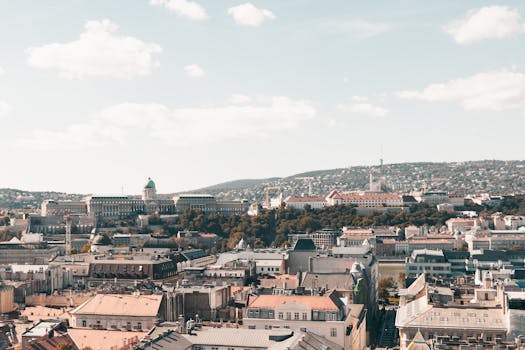
Planning a trip to Budapest? You have made an excellent choice. The Hungarian capital consistently ranks among Europe’s most rewarding destinations — a city where imperial grandeur meets a thriving creative scene, where 2,000-year-old thermal springs feed ornate bathhouses, where the food is hearty and affordable, and where the nightlife scene in the ruin bars of the Jewish Quarter is genuinely unlike anything else on the continent.
But Budapest is also a city that rewards preparation. Understanding the layout, knowing how to get around, having a handle on the currency and costs, and being aware of common tourist pitfalls will dramatically improve your experience. This Budapest travel guide covers every practical aspect of planning your trip — from when to visit and how to get there, to getting around the city, managing your money, staying safe, and making the most of your time.
Whether you are planning a long weekend city break, a week-long deep dive, or using Budapest as a base for exploring Hungary and Central Europe, this guide gives you everything you need to plan with confidence.
When to Visit Budapest: The Best Time for Your Trip
Budapest is a genuine year-round destination, with each season offering a distinctly different experience. Your ideal visit time depends on your priorities — whether that is outdoor sightseeing, thermal bath magic, budget savings, or experiencing Hungarian cultural events.
Spring (March – May) — Best Overall
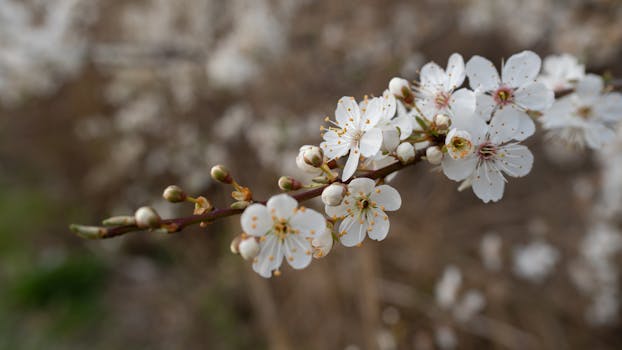
Spring is arguably the best time to visit Budapest. Temperatures are pleasant (15–22°C / 59–72°F), the city’s parks and gardens are in full bloom, outdoor terraces and beer gardens open up, and the tourist crowds have not yet reached their summer peak. Hotel prices are moderate, and you can enjoy all the major attractions without the queues that plague July and August. The Easter period brings special markets and events, and the Budapest Spring Festival in April is a major cultural event with concerts, exhibitions, and performances across the city.
Summer (June – August) — Warmest, Busiest
Summer brings the warmest weather (25–35°C / 77–95°F), the longest days, and the largest tourist crowds. It is the peak season for outdoor activities, river cruises on the Danube, and the Palatinus outdoor swimming complex on Margaret Island. Major events include the Sziget Festival (August), one of Europe’s largest music festivals, and the Hungarian Grand Prix (late July). The downside is heat — Budapest can be sweltering in July and August, with temperatures occasionally exceeding 38°C (100°F). Air conditioning is not universal in older buildings. Prices are at their highest, and popular attractions can have long queues.
Autumn (September – November) — Best Value
Autumn rivals spring as the ideal visit time. September is still warm and pleasant, while October brings beautiful foliage colors, especially in the Buda hills and City Park. Tourist numbers drop after summer, meaning shorter queues and easier restaurant reservations. Hotel prices decrease 20–30% from summer peaks. The Budapest Wine Festival (September) and various cultural events add to the appeal. November can be grey and rainy but offers the lowest pre-Christmas prices.
Winter (December – February) — Most Atmospheric
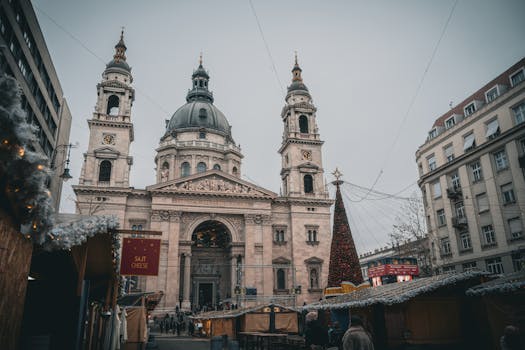
Winter transforms Budapest into one of Europe’s most atmospheric cities. The Christmas markets at Vörösmarty Square and the Basilica are among the continent’s best, with mulled wine, kürtőskalács, and handcrafted gifts. The thermal baths are at their most magical — soaking in steaming outdoor pools while snow falls around you is an unforgettable experience. Hotel prices (outside the Christmas and New Year period) are at their annual lowest. The downside is cold (temperatures range from -5°C to 5°C / 23–41°F), short daylight hours, and some outdoor attractions operating on reduced schedules.
How to Get to Budapest
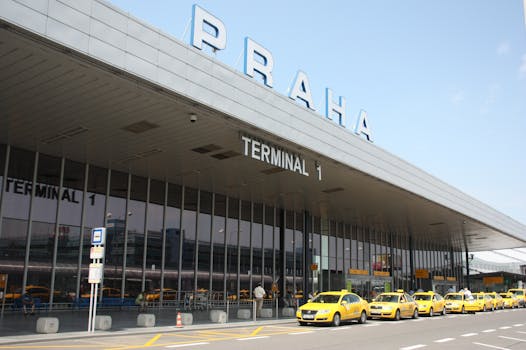
By Air: Budapest Ferenc Liszt International Airport (BUD) is the city’s only commercial airport, located 16 km southeast of the center. It is served by major carriers including Lufthansa, British Airways, KLM, and Turkish Airlines, as well as budget airlines Wizz Air (Hungary’s home carrier) and Ryanair. Direct flights connect Budapest to most major European cities, and long-haul connections are available via hubs like Frankfurt, London, Amsterdam, and Istanbul.
Getting from the Airport: Bus 100E runs directly to Deák Ferenc tér in the city center (2,500 HUF, 35–45 minutes); it needs its own airport ticket, as ordinary tickets and passes are not valid on it. The shared miniBUD shuttle service drops passengers at their accommodation (book in advance, approximately 6,000–10,000 HUF). Taxis run on the city’s regulated meter tariff and cost roughly 13,500–16,000 HUF to the center, including the 800 HUF airport surcharge — use the official Főtaxi stand or the Bolt app, which dispatches licensed taxis at the same tariff. Private transfers cost $30–40 and can be booked in advance.
By Train: Budapest is well connected to other European cities by rail. Direct trains run to Vienna (2.5 hours), Prague (7 hours), Bratislava (2.5 hours), Zagreb (6 hours), and Bucharest (overnight). The three main train stations are Keleti (eastern), Nyugati (western), and Déli (southern) — all are connected to the metro network. MÁV (Hungarian State Railways) operates domestic and many international services.
By Bus: FlixBus and other coach operators connect Budapest to cities across Europe, often at lower prices than trains. The main bus station is Népliget (on the M3 metro line). Budapest is also easily reachable by car from Vienna (2.5 hours), Bratislava (2 hours), and other regional cities — though having a car in Budapest itself is more burden than benefit.
Getting Around Budapest: Transport Guide
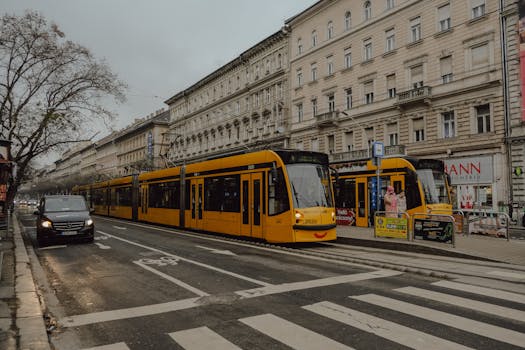
Budapest has an excellent, affordable, and easy-to-use public transport system operated by BKK (Centre for Budapest Transport). The network includes metro lines, trams, buses, trolleybuses, suburban railways, and even boats on the Danube.
Metro
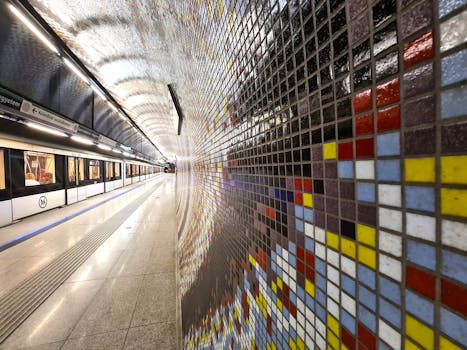
Budapest has four metro lines. The M1 (yellow) runs under Andrássy Avenue from Vörösmarty tér to City Park — it is Europe’s oldest continental metro, a UNESCO World Heritage site, and the most useful line for tourists. M2 (red) connects Déli station in Buda to Keleti station in Pest via the city center. M3 (blue) runs north-south through Pest. M4 (green), the newest line, connects Buda with Pest via Gellért tér and Keleti station. Service runs from approximately 4:30 AM to 11:30 PM.
Trams
Trams are the most scenic and enjoyable way to get around Budapest. Tram 2 runs along the Pest bank of the Danube and is consistently ranked among the world’s most beautiful tram routes — the view of Buda Castle and the Chain Bridge from the tram window is spectacular. Trams 4 and 6 run the Grand Boulevard (Nagykörút), one of the city’s major arteries. Tram 19 and 56 run along the Buda bank past the thermal baths. The yellow trams are iconic Budapest symbols and the most practical transport for many journeys.
Tickets and Passes
A single ticket costs 500 HUF ($1.50) and must be validated on board (or at the station entrance for metros). The best value for tourists is the Budapest Travel Card: 24-hour (2,750 HUF / $8.40) or 72-hour (5,750 HUF / $17.50). BKK no longer sells a 7-day pass; for a week or longer, the monthly Budapest-pass (8,950 HUF / $27, used with your passport) is cheaper than a string of 72-hour cards. These provide unlimited travel on all BKK services including night buses, but not on the 100E airport bus. The 72-hour and monthly passes are exceptional value. Tickets and passes can be purchased at metro station machines, from ticket offices, or digitally via the BudapestGO app (recommended — buy and store tickets on your phone).
Important: Ticket inspectors are active and fines for traveling without a valid ticket are steep — 16,000 HUF ($42) on the spot, more if you delay. Always buy and validate your ticket before boarding, or use a travel pass. The inspectors wear armbands and carry official ID — always ask to see identification if approached, as there have been rare reports of fake inspectors.
Taxis and Ride-Sharing
The ride-sharing app Bolt is the most popular and reliable way to get a taxi in Budapest. Fares are transparent, payment is cashless, and the app removes any language barrier or scam risk. If you prefer traditional taxis, only use licensed companies (Főtaxi, City Taxi) and ensure the meter is running. Never accept rides from unlicensed taxi drivers, particularly at the airport or train stations.
Money and Currency in Budapest
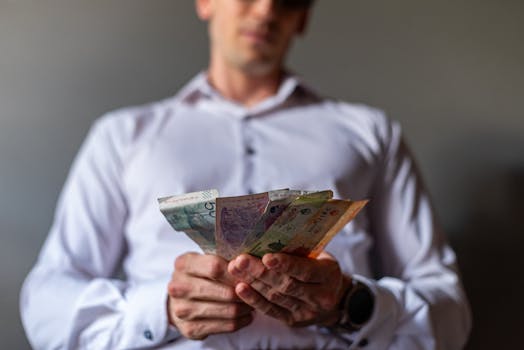
Hungary uses the Hungarian Forint (HUF), not the Euro. As of 2026, the exchange rate is approximately 375–380 HUF to 1 USD, or 400–410 HUF to 1 EUR. Hungary has been considering Euro adoption for years but no firm timeline has been set.
Best way to pay: Card payment is widely accepted in Budapest — most restaurants, shops, hotels, and even market stalls accept Visa and Mastercard. However, some smaller establishments, market vendors, and certain public transport ticket machines are cash-only, so always carry some Forint. A travel card like Wise or Revolut gives you the best exchange rate with minimal fees and is the recommended way to pay in Budapest.
ATMs: Use ATMs from major Hungarian banks (OTP, K&H, Erste, Raiffeisen, CIB) for the best rates. Avoid Euronet ATMs — the independent ATMs common in tourist areas charge higher fees and offer unfavorable exchange rates. When any ATM asks if you want to be charged in your home currency (Dynamic Currency Conversion), always select NO and choose to be charged in HUF. Selecting your home currency triggers a much worse exchange rate.
Currency Exchange: Avoid exchange offices on Váci Street and in tourist-heavy areas — the difference between their buy and sell rates can effectively cost you 10–20% of your money. If you need to exchange cash, use exchange offices recommended by locals (such as those on Oktogon or near major metro stations) and always compare rates before exchanging.
Safety Tips for Visiting Budapest
Budapest is one of Europe’s safest capital cities. Violent crime affecting tourists is extremely rare, and the main concerns are petty crime and tourist-targeted scams that are easy to avoid with basic awareness.
Pickpocketing: The most common crime affecting tourists. Be particularly vigilant on the M1 metro line, tram 2 (the scenic Danube tram), in crowded markets, and in busy nightlife areas. Use a money belt or front pocket for valuables, and keep bags zipped and in front of you in crowded situations.
Restaurant and bar scams: The classic Budapest scam involves being approached by attractive locals (usually young women) who suggest a nearby bar or restaurant. The venue turns out to have wildly inflated prices, and you receive an enormous bill. Avoid any establishment suggested by a stranger on the street. Always check menus for prices before ordering, and confirm whether a service charge is included.
Taxi scams: Largely eliminated by ride-sharing apps. Use Bolt or Főtaxi. Never accept rides from unlicensed drivers.
General safety: Budapest is safe for solo travelers, women traveling alone, and LGBTQ+ travelers. The city center is well-lit and busy until late at night. Exercise normal city precautions — be aware of your surroundings, do not leave drinks unattended in bars, and avoid poorly lit areas late at night.
Budapest Travel Costs: Budget Guide
One of Budapest’s greatest strengths as a destination is its affordability. While prices have risen in recent years, the city remains one of the best-value capitals in Europe.
Budget traveler ($40–70/day): Hostel dorm ($15–25), étkezde lunch ($5–8), street food dinner ($6–10), public transport pass ($5–7/day), one free attraction, one paid attraction ($5–10). This budget allows a comfortable and enjoyable visit using budget accommodation, local eateries, and free walking tours.
Mid-range traveler ($100–180/day): 3-star hotel or apartment ($60–100), restaurant lunch ($12–18), nice restaurant dinner ($20–35), transport ($7), thermal bath entry ($30–40), one attraction or activity ($15–25). This is the sweet spot for most visitors — comfortable accommodation, good food, and freedom to enjoy the major experiences.
Luxury traveler ($250+/day): 4–5 star hotel ($150–400), fine dining ($80–150), private transfers, spa treatments, premium experiences. Even at the luxury level, Budapest offers extraordinary value compared to Western European capitals — a luxury experience here costs roughly what a mid-range experience costs in Paris or London.
What to Pack for Budapest
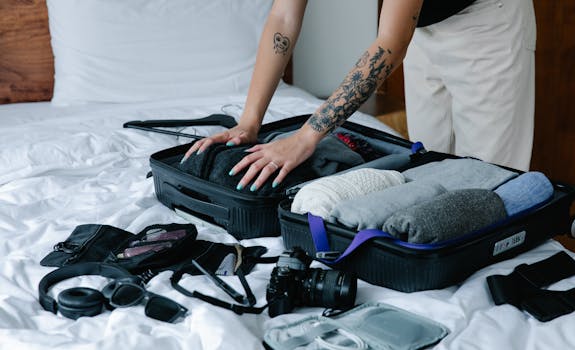
Year-round essentials: Comfortable walking shoes (cobblestones in the Castle District demand them), swimsuit and towel for thermal baths (towel rental is no longer available at most baths), a reusable water bottle, universal power adapter (Hungary uses Type C/F European plugs), and a daypack for daily excursions.
Summer additions: Sunscreen, sunglasses, a hat, light layers, and an umbrella for sudden summer storms. Air conditioning is not universal, so light, breathable clothing is essential.
Winter additions: A warm coat, thermal layers, a hat, gloves, and a scarf. Budapest winters are cold, and you will spend time outdoors at Christmas markets, walking between attractions, and potentially waiting for transport. Waterproof boots are useful for slushy conditions.
Essential Practical Information for Budapest
Language: Hungarian (Magyar) is the official language and one of the most linguistically unique languages in Europe — unrelated to any neighboring language. English is widely spoken in the tourist areas, hotels, and restaurants, particularly by younger Hungarians. German is the second most common foreign language. Learning a few Hungarian phrases (köszönöm / thank you, szia / hello, jó napot / good day) is appreciated by locals.
Electricity: Hungary uses 230V, 50Hz with Type C and F plugs (the standard European two-pin round plug). UK, US, and Australian travelers will need an adapter.
Internet and SIM Cards: Free WiFi is widely available at hotels, cafes, restaurants, and many public spaces. For data on the go, Hungarian SIM cards from Vodafone, Telekom, or Yettel are available at the airport and in shops throughout the city, with tourist-friendly prepaid data packages. Alternatively, an eSIM from providers like Airalo works in Budapest.
Tipping: A 10% tip is standard at restaurants. Some restaurants add a service charge automatically — check your bill. Tip in cash even if paying by card, as electronic tips do not always reach staff. Rounding up is standard for taxis. Thermal bath attendants who help with your locker or cabin appreciate a small tip of 200–500 HUF.
Drinking Water: Budapest tap water is safe and good-quality. The city has numerous public drinking fountains. Thermal bath facilities have water fountains — use them, as you will dehydrate faster than you expect.
How Many Days Do You Need in Budapest?
The ideal length of a Budapest visit depends on your pace and interests, but most travelers find that three to five days hits the sweet spot — enough time to see the major sights, visit at least two thermal baths, explore the food scene, and still have time for a day of unplanned wandering.
2 days: Enough for the absolute highlights — Buda Castle and Fisherman’s Bastion, a walk along the Danube Promenade, the Parliament exterior, St. Stephen’s Basilica, one thermal bath visit (Széchenyi or Rudas), and an evening in the Jewish Quarter ruin bars. This is a fast-paced itinerary that covers the essentials but leaves much unexplored.
3–4 days: The sweet spot for most visitors. You can comfortably see all the major attractions, visit two thermal baths, explore the food scene beyond quick meals, take a Danube evening cruise, spend time in the Central Market Hall, visit a museum or two, and still have breathing room for spontaneous exploration. This is what we recommend for first-time visitors.
5–7 days: A luxurious pace that allows you to truly get to know Budapest. Add day trips to the Danube Bend (Szentendre, Visegrád, Esztergom), explore lesser-known neighborhoods, visit multiple thermal baths, take a food or wine tour, hike in the Buda hills, and experience the city’s arts and cultural scene in depth. At this pace, Budapest reveals layers that shorter visits miss entirely.
1 week+: Perfect for slow travelers, digital nomads, or those using Budapest as a base for exploring Hungary and the region. The city has enough depth to reward extended stays, and its affordability makes long stays financially viable. Day trips to Lake Balaton, Eger, Pécs, and even Vienna or Bratislava are all easily manageable from Budapest.
Budapest Travel Guide: Top Attractions Quick List
To help you plan your itinerary, here is a quick overview of Budapest’s must-see attractions categorized by area. For detailed coverage of each, see our comprehensive guide to things to do in Budapest.
Buda Side: Buda Castle and the Castle District, Fisherman’s Bastion and Matthias Church, Gellért Hill and the Citadella (panoramic viewpoint), the Buda Hills (hiking and the Children’s Railway), and Hospital in the Rock (underground WWII museum).
Pest Side: Hungarian Parliament Building (guided tours available), St. Stephen’s Basilica (climb to the dome for views), the Danube Promenade and Shoes on the Danube, the Jewish Quarter and the Great Synagogue (Europe’s largest), Andrássy Avenue and the House of Terror Museum, Heroes’ Square and the Museum of Fine Arts, City Park and Vajdahunyad Castle, and the Central Market Hall.
On the Danube: Chain Bridge (Széchenyi Lánchíd) — Budapest’s most iconic bridge, Margaret Island — a green oasis perfect for walking, jogging, and relaxing, evening river cruises with illuminated city views, and Liberty Bridge (Szabadság híd) — a beautiful iron bridge near Gellért Hill.
Common Mistakes to Avoid in Budapest
Exchanging money at the airport or on Váci Street: Both locations offer terrible exchange rates. Use your Wise/Revolut card, or find a reputable exchange office away from the main tourist strip.
Taking unlicensed taxis: This was once a major problem in Budapest and still catches tourists off guard. Always use the Bolt app or official taxi companies. Never accept a ride from someone who approaches you at the airport, train station, or on the street.
Eating at restaurants with picture menus on Váci Street: These tourist traps charge premium prices for mediocre food. Walk two streets in any direction and you will find dramatically better options at lower prices.
Not validating your transport ticket: Simply buying a ticket is not enough — you must validate it in the machine on board (trams and buses) or at the station entrance (metro). Unvalidated tickets are treated the same as no ticket, and the fine is 16,000 HUF ($42).
Visiting only the Pest side: Many tourists stay in Pest and never properly explore Buda. The Castle District, Gellért Hill viewpoint, and the Buda hills are essential parts of the Budapest experience. Cross the river — it is easy and free on public transport.
Rushing the thermal baths: Many visitors allocate one hour for a thermal bath and leave feeling underwhelmed. A proper thermal bath experience needs two to four hours minimum. Bring a towel, bring water, and settle in for a slow, relaxing soak.
Not trying food beyond goulash: Goulash is the gateway, not the destination. Hungarian cuisine has extraordinary depth — chicken paprikash, lángos, halászlé, Hortobágyi palacsinta, and the pastry tradition are all essential. See our Budapest food guide for the full culinary picture.
Forgetting a towel for the baths: Most Budapest thermal baths no longer offer towel rental (a change since COVID). Bring your own or buy one from the on-site shops — but buying on-site is overpriced. Pack a travel towel.
Budapest Travel Guide: Important Phone Numbers and Apps
Emergency number: 112 (EU-wide emergency line, English-speaking operators available)
Police: 107
Ambulance: 104
Tourist helpline: +36 1 438 8080 (Tourinform)
Essential Apps: BudapestGO (official transport app — buy tickets, plan routes), Bolt (ride-sharing and food delivery), Google Maps (navigation — works well in Budapest with walking, driving, and transit directions), Wise or Revolut (money management and payment), Google Translate (camera mode works well for Hungarian menus and signs).
Day Trips from Budapest
Budapest is an excellent base for exploring the wider region. Several rewarding day trips are within easy reach by public transport or organized tour:
Szentendre (40 minutes by HÉV suburban train): A charming riverside artists’ town on the Danube Bend with colorful baroque architecture, art galleries, museums, and excellent cafes. The most popular and easiest day trip from Budapest — no car needed.
Visegrád and Esztergom (1–1.5 hours by bus or Danube boat): The Danube Bend towns offer stunning river scenery, medieval castles (Visegrád’s hilltop fortress), and Hungary’s largest cathedral (Esztergom Basilica). A combined visit to both makes a full and rewarding day.
Eger (1.5 hours by train): A beautiful baroque town famous for its castle, thermal baths, underground wine cellars (the Valley of the Beautiful Women), and the legendary Egri Bikavér (Bull’s Blood) wine. Eger merits an overnight stay but works as a long day trip.
Lake Balaton (1.5–2 hours by train): Central Europe’s largest lake is Hungary’s premier summer destination. The south shore has sandy beaches and family resorts, while the north shore has volcanic hills, wine regions, and the charming town of Tihany. Best as a day trip in summer.
Vienna (2.5 hours by train): Austria’s capital is close enough for a day trip, though it deserves more time. Direct trains run multiple times daily, and early-bird fares can be remarkably affordable.
Sustainable and Responsible Travel in Budapest
Budapest is increasingly focused on sustainable tourism, and visitors can contribute to this effort through thoughtful choices. The city’s excellent public transport system means there is rarely a need for private cars or taxis. The tap water is high-quality, so bringing a reusable water bottle eliminates the need for plastic bottles. Many restaurants now prioritize locally sourced ingredients, with the farm-to-table movement gaining momentum.
When visiting thermal baths, respect the facilities and other bathers — excessive splashing, loudness, and disregard for rules diminish the experience for everyone. Support local businesses by choosing independent restaurants, shops, and tour operators over international chains. If visiting the Central Market Hall, buy from the ground-floor market vendors (who are local producers) rather than the tourist-oriented stalls upstairs.
Budapest’s cultural heritage sites — from the Jewish Quarter to the Castle District — benefit from respectful visitation. Visit the Great Synagogue and other religious sites dressed appropriately. Take your time rather than rushing through — Budapest rewards slow, mindful exploration far more than frantic checklist tourism.
Budapest for Different Types of Travelers
Solo Travelers
Budapest is one of Europe’s best cities for solo travel. The hostel scene is excellent and social, making it easy to meet other travelers. The public transport system is safe and efficient at all hours. Walking tours (many of them free, tip-based) are a great way to explore and meet fellow visitors. The thermal baths, while social spaces, are also perfectly comfortable to visit alone — many locals do so daily. The Jewish Quarter nightlife scene is welcoming to solo visitors, with ruin bars like Szimpla Kert having a relaxed, communal atmosphere. Budapest consistently ranks among the safest cities in Europe for solo travelers of all genders.
Couples and Romantic Travelers
Budapest is deeply romantic in every season. The Danube at sunset, the illuminated Buda Castle reflected in the river, the intimate candlelit restaurants in the Castle District, the rooftop pool at Rudas Baths under the stars — the city provides countless settings for memorable moments. Take an evening Danube cruise, visit Rudas on a Friday or Saturday night for the atmospheric after-dark bathing session, dine at a restaurant with river views, and walk hand-in-hand across the Chain Bridge at dusk. For more romantic inspiration, stay tuned for our upcoming Romantic Budapest guide.
Family Travelers
Budapest is surprisingly family-friendly. Key considerations: children under 14 are generally not permitted in thermal pools (the hot water is a health concern for young cardiovascular systems), but Palatinus on Margaret Island is perfect for kids in summer, with water slides and play areas. The Children’s Railway in the Buda hills is operated by children aged 10–14 under adult supervision — it is a unique and charming Budapest experience. Budapest Zoo in City Park, the interactive exhibits at the Palace of Wonders science center, and boat rides on the Danube all keep younger visitors entertained. Many restaurants are child-friendly, and Hungarian portions are generous enough to share.
Budget Travelers
Budapest is one of the most budget-friendly capital cities in Europe. Hostels start from $12–15/night, and excellent meals can be had for $5–10 at étkezde and markets. Many of Budapest’s best experiences are free or nearly so: walking along the Danube Promenade, climbing Gellért Hill for the panoramic view, exploring the Castle District, strolling through the Central Market Hall (window shopping is free, though you will be tempted), wandering the Jewish Quarter’s street art and architecture, and enjoying the lively atmosphere of Margaret Island.
Free walking tours operate daily and are an excellent introduction to the city — they work on a tip-based model, so you pay what you feel the tour was worth. Public transport passes offer extraordinary value (a 72-hour pass costs just $14.50 for unlimited travel). Even thermal baths are affordable by international standards, with entry to Lukács costing just $19. A savvy budget traveler can have a rich, fulfilling Budapest experience on $40–50 per day.
Luxury Travelers
Budapest’s luxury offering is among Europe’s best-kept secrets. The city has multiple five-star hotels at prices that would barely cover a mid-range room in London or Paris. Fine dining at Michelin-starred restaurants costs a fraction of comparable experiences elsewhere. Spa treatments at the thermal baths are remarkably affordable. Private Danube dinner cruises, helicopter tours, VIP thermal bath packages, and exclusive wine tastings are all available at prices that represent extraordinary value. The Budapest Opera House offers world-class performances at ticket prices starting from just 3,000 HUF ($8). For luxury travelers accustomed to Western European pricing, Budapest feels like an incredible discovery.
Addresses in Budapest start with a Roman numeral, and it’s worth knowing what they mean before you arrive. Budapest’s districts explained takes you through all 23, from the Castle District and the Jewish Quarter to the far suburbs, with the history of how the city was stitched together.
Frequently Asked Questions About Budapest Travel
Is Budapest safe for tourists? Yes. Budapest is one of the safest capital cities in Europe. Violent crime against tourists is extremely rare. The main concerns are pickpocketing in crowded tourist areas and taxi/restaurant scams, both of which are easily avoided with basic awareness. See our safety section above for specific tips.
Do I need a visa to visit Budapest? Hungary is a member of the EU and the Schengen Area. Citizens of EU/EEA countries can enter freely with a valid ID. Citizens of the US, Canada, Australia, New Zealand, Japan, South Korea, and many other countries can visit visa-free for up to 90 days within any 180-day period. From 2025, non-EU citizens from visa-exempt countries need an ETIAS (European Travel Information and Authorisation System) pre-travel authorization — check the latest requirements before your trip.
Is English widely spoken? In the tourist areas, hotels, restaurants, and among younger Hungarians, English is widely spoken. In local neighborhoods, markets, and among older generations, English proficiency may be limited. Having Google Translate on your phone is helpful for these situations. Hungarian is a genuinely difficult language for English speakers, but even basic attempts at Hungarian phrases are warmly appreciated by locals.
Can I drink the tap water? Yes. Budapest’s tap water is safe, clean, and good-tasting. The thermal bath facilities have drinking water fountains. Bring a reusable bottle to stay hydrated.
Is Budapest expensive? Compared to Western European capitals, Budapest is remarkably affordable. Compared to Southeast Asian destinations, it is moderately priced. For the quality of experiences available — world-class architecture, thermal baths, Michelin dining, vibrant nightlife — Budapest offers exceptional value at almost every price point.
What is the best way to get from Budapest to Vienna? Direct trains run multiple times daily and take approximately 2.5 hours. Book in advance on the ÖBB (Austrian Railways) or MÁV (Hungarian Railways) websites for the best fares — early-bird prices can be as low as €14 one way. FlixBus also operates the route at lower prices but longer journey times (around 3 hours). Flying is rarely worthwhile given the short distance and airport transfer times.
Should I buy the Budapest Card? The Budapest Card offers free public transport, free entry to several museums and attractions, and discounts on thermal baths, restaurants, and tours. Whether it is worth it depends on your plans. If you plan to visit multiple museums and use public transport heavily, the 72-hour card (around 22,000 HUF / $58) can represent good value. If you are mainly focused on thermal baths, food, and walking around, the savings may not justify the cost. Calculate your specific planned expenses before purchasing.
Understanding Budapest’s Districts and City Layout
Budapest is divided into 23 districts (kerület), numbered with Roman numerals. The lower-numbered districts are generally more central and tourist-relevant. District I (Castle District) is on the Buda side. Districts V through IX are the main Pest districts where most visitors spend their time. Districts are identified by Roman numerals on street signs — look for the district number before the street name in any Budapest address (e.g., VII. kerület, Kazinczy utca 14 tells you this address is in District VII on Kazinczy Street, number 14).
The city’s layout follows a logical pattern that is easy to understand once you know the basics. The Danube River runs north-south through the center, dividing Buda (west) from Pest (east). On the Pest side, two ring roads — the Inner Boulevard (Kiskörút) and the Grand Boulevard (Nagykörút) — form concentric semi-circles around the city center. Major radial avenues extend outward from the center like spokes of a wheel, with Andrássy út being the most famous. This ring-and-spoke layout makes navigation intuitive: if you are on a ring road, you are moving around the center; if you are on a radial avenue, you are moving toward or away from it.
Key landmarks that help with orientation: the Parliament Building (visible from much of the Danube embankment, in the northern part of central Pest), St. Stephen’s Basilica (the tallest building in central Pest, visible from most elevated viewpoints), Gellért Hill and the Citadella (the most prominent landmark on the Buda side), and the Chain Bridge (connecting the Castle District in Buda to District V in Pest, the most iconic visual reference point in the city). Once you can mentally place these four landmarks, navigating Budapest becomes remarkably straightforward.
Budapest Travel Guide: Pre-Trip Checklist
Before your trip to Budapest, run through this essential checklist to ensure smooth travel:
Documents: Valid passport (non-EU citizens) or national ID (EU citizens). Check ETIAS requirements if applicable. Travel insurance documentation. Hotel confirmation or accommodation address (immigration may ask for this). Printed copies of important documents as backup.
Money: Order a Wise or Revolut travel card and load it with funds. Notify your regular bank/credit card company of your travel dates to prevent card blocks. Have a small amount of Forint available for arrival (or plan to use the airport ATM — choose a bank ATM, not Euronet).
Transport: Download the BudapestGO app and Bolt app before arrival. Book airport transfer if using a shuttle or private service. Research the Budapest Travel Card options and decide which pass suits your itinerary.
Accommodation: Confirm your booking details, check-in time, and check-in procedure. Save the property’s phone number and address in Hungarian (useful for taxi drivers). Research the nearest metro station or tram stop to your accommodation.
Health: Pack any prescription medications with original labels. EU citizens should carry their European Health Insurance Card (EHIC). Non-EU citizens should ensure their travel insurance covers medical expenses in Hungary. Pack a basic first aid kit and any personal medications.
Explore More of Budapest
This Budapest travel guide covers the essential planning information, but there is so much more to discover. Explore our detailed guides: things to do in Budapest, Budapest thermal baths guide, Budapest food guide, and where to stay in Budapest.
Plan the Practical Side of Your Trip
The unglamorous stuff that makes or breaks a trip — money, transport, safety and timing — each covered in full.
- the best time to visit — month-by-month on weather, crowds and prices.
- how much a trip costs — real daily budgets from backpacker to luxury.
- getting in from the airport — every option from the 100E bus to a private car.
- using public transport — metro, trams, the BudapestGO app and tickets that won’t get you fined.
- essential travel tips — the things we wish we’d known on our first visit.
- whether Budapest is safe — the real risks, common scams and how to avoid them.
- money and the forint — cash, cards, tipping and dodging bad exchange rates.
- what to pack — season-by-season, including the bath-day kit.
- staying connected — SIM cards, eSIMs and Wi-Fi for visitors.
Dig Into the Detail
This guide is the overview. Each of these goes deep on one part of the trip.
- Budapest nightlife — ruin bars, rooftop terraces, wine bars and clubs, honestly reviewed
- Budapest itineraries — tested day-by-day plans for one day up to a full week
- day trips from Budapest — seven escapes by train, boat or bus, with real journey times
- Budapest history and culture — the museums, the monuments and the twentieth century that shaped them
- festivals and events — a month-by-month calendar so you can time the trip properly
- Budapest with kids — the family-travel version of everything on this page
- romantic Budapest — for couples, honeymooners and anyone planning a proposal
- shopping in Budapest — markets, Hungarian labels, vintage and what is genuinely worth buying