Where to Stay in Budapest: Neighborhood & Hotel Guide (2026)
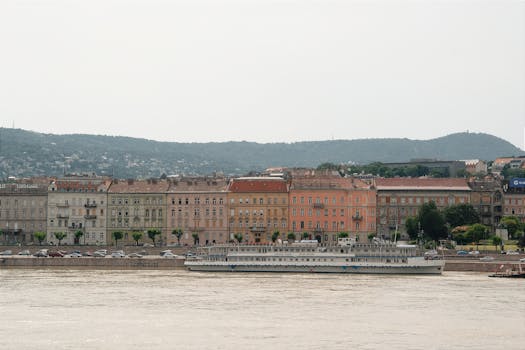
Choosing where to stay in Budapest can make or break your trip. The Hungarian capital is a sprawling city split in two by the Danube River, with the hilly, historic Buda side to the west and the flat, vibrant Pest side to the east. Each neighborhood has its own distinct personality, advantages, and drawbacks — and the right choice depends entirely on your travel style, budget, and priorities.
Should you stay in the tourist-friendly heart of Pest with everything within walking distance, or choose the quieter Buda side for atmosphere and views? Is the Jewish Quarter’s nightlife scene your priority, or would you rather wake up to a panoramic vista from the Castle District? Is a five-star hotel on the Danube worth the splurge, or would a well-located apartment rental give you more space and flexibility?
This comprehensive guide to where to stay in Budapest breaks down every major neighborhood, compares accommodation types, provides specific hotel and hostel recommendations across every budget, and gives you the local insight you need to choose the perfect base for your Budapest adventure.
Buda vs. Pest: Understanding Budapest’s Two Sides
The most fundamental decision when choosing where to stay in Budapest is which side of the river you want to be on. While the city has been unified since 1873, Buda and Pest retain very different characters that will significantly affect your daily experience.
Pest is where the action is. The eastern (flat) side of the city contains the vast majority of Budapest’s restaurants, bars, shops, nightlife, museums, and practical infrastructure. It is denser, livelier, noisier, and more urban. Most first-time visitors will find Pest more convenient as a base because virtually everything they want to see and do is either within walking distance or a short tram ride away. The main tourist districts (V, VI, VII) are all in Pest.
Buda is the quieter, greener, more residential side. The hills provide stunning views and a sense of escape from the urban bustle. The Castle District and Gellért Hill are major attractions, and several excellent restaurants and bars are on the Buda side. However, Buda has significantly fewer dining and nightlife options, and getting to the main Pest attractions requires crossing the river (easy by tram or bus, but adds time to every outing). Buda is ideal for travelers who prioritize atmosphere, quiet evenings, and scenic views over convenience and nightlife access.
The Best Neighborhoods to Stay in Budapest: District by District
District V (Belváros-Lipótváros) — Best for First-Time Visitors
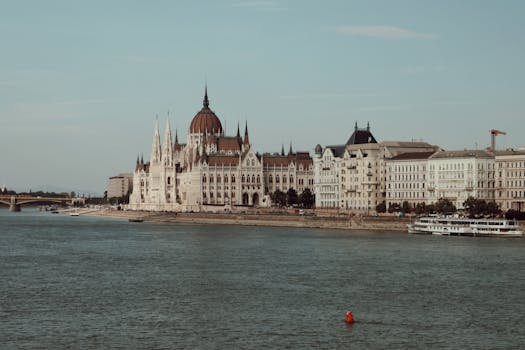
District V is Budapest’s city center and the most popular area for tourists. It sits on the Pest bank of the Danube and contains many of the city’s top attractions: the Hungarian Parliament Building, St. Stephen’s Basilica, the Danube Promenade with the Shoes on the Danube memorial, Vörösmarty tér, and Váci utca (the main pedestrian shopping street). Nearly everything is walkable, and public transport connections are excellent — three metro lines intersect here.
Pros: Unbeatable location for sightseeing. Walking distance to most major attractions. Excellent transport links. High concentration of restaurants, cafes, and shops. Beautiful Danube-front setting. Most hotels here offer river or Buda views from upper floors.
Cons: The most expensive district for accommodation. Can feel touristy, particularly along Váci utca. Restaurants near the main sights tend to be overpriced. Traffic noise can be an issue for street-facing rooms. Limited nightlife compared to Districts VI and VII.
Best For: First-time visitors, luxury travelers, couples seeking a romantic Danube-view setting, travelers who want maximum convenience, older travelers or those with mobility concerns who want to minimize walking.
Budget: Hotels from $80–120/night (mid-range) to $200–500+/night (luxury). Apartments from $60–100/night.
District VI (Terézváros) — Best for Culture and Elegance
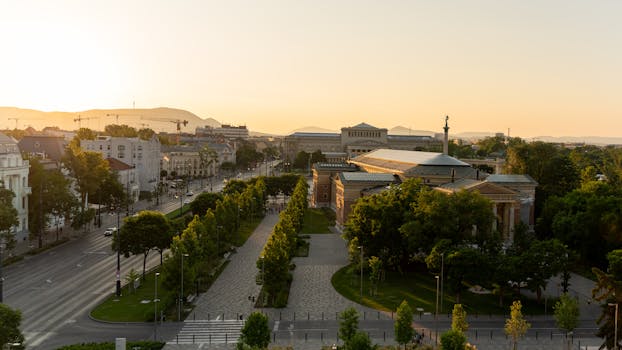
District VI is centered on Andrássy út, Budapest’s grandest boulevard and a UNESCO World Heritage site lined with neo-Renaissance palaces, embassies, and luxury boutiques. The neighborhood is home to the Hungarian State Opera House, the House of Terror Museum, and numerous theaters. Liszt Ferenc tér is a popular restaurant and bar square with a lively atmosphere on warm evenings.
Pros: Beautiful architecture and tree-lined streets. Central location with easy access to Districts V and VII. Excellent cultural offerings. Good restaurant and cafe scene. M1 metro runs the length of Andrássy út (Europe’s oldest metro line). Generally feels more refined than the party-oriented District VII.
Cons: Can be slightly more expensive than District VII. Some streets farther from Andrássy Avenue are less atmospheric. Traffic on the main boulevard can be noisy.
Best For: Culture lovers, couples, travelers who appreciate architectural beauty, those who want to be near nightlife without being in the middle of it.
Budget: Hotels from $70–110/night (mid-range) to $150–300/night (luxury). Apartments from $50–90/night.
District VII (Erzsébetváros) — Best for Nightlife and Young Travelers
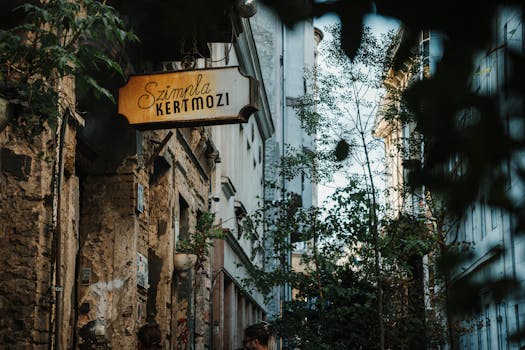
The former Jewish Quarter has transformed into Budapest’s hippest neighborhood, famous worldwide for its ruin bars — uniquely Budapest drinking establishments built in abandoned buildings and courtyards. Szimpla Kert, the original ruin bar, is here, along with dozens of others. The neighborhood is also home to the Great Synagogue (Europe’s largest), an excellent food scene, street art, vintage shops, and a creative, youthful energy that permeates every street.
Pros: Budapest’s best nightlife at your doorstep. Excellent restaurants and street food. Vibrant, youthful atmosphere. Very affordable accommodation. Good transport connections. Best food scene in the city.
Cons: Can be very noisy at night, especially on weekends — ruin bars operate until 3–4 AM and the streets stay loud. Not ideal for families or light sleepers. Some streets can feel gritty. The party atmosphere may not suit everyone.
Best For: Young travelers, solo travelers, nightlife enthusiasts, foodies, budget travelers, digital nomads.
Budget: Hotels from $50–90/night (mid-range). Hostels from $15–30/night. Apartments from $40–70/night. This is Budapest’s best-value central district.
District I (Várkerület) — Best for History and Romance
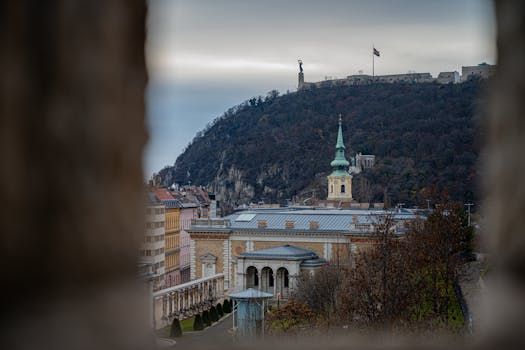
The Castle District on the Buda side is Budapest’s most historically atmospheric neighborhood. Perched atop Castle Hill, it offers cobblestone streets, medieval architecture, Buda Castle, Fisherman’s Bastion, Matthias Church, and some of the most spectacular views over the Danube and Pest skyline. During the day it bustles with tourists, but in the evenings it transforms into a remarkably peaceful enclave above the city.
Pros: The most atmospheric neighborhood in Budapest. Stunning views. Quiet evenings. Rich history at every turn. Close to Gellért Hill and the Tabán area. Romantic setting perfect for couples.
Cons: Limited dining and nightlife options. Expensive accommodation for what you get. Reaching Pest attractions requires going downhill and crossing the river. Fewer transport options (funicular, bus 16, or a steep walk). Very touristy during the day. Limited shopping and everyday conveniences.
Best For: History enthusiasts, couples on romantic trips, photographers, travelers who prioritize atmosphere over convenience.
Budget: Hotels from $100–150/night (mid-range) to $250–600/night (luxury). Limited apartment options.
District VIII (Józsefváros) — Best for Budget and Authenticity
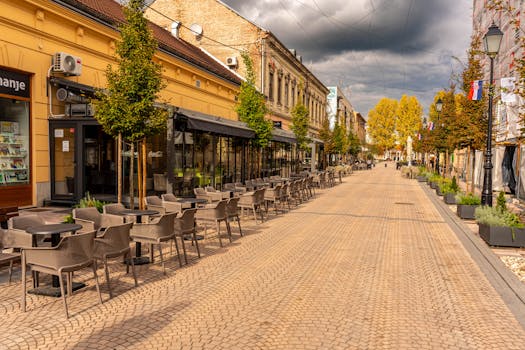
District VIII is Budapest’s most rapidly changing neighborhood. The Palace Quarter (Palotanegyed) around the National Museum has been beautifully renovated and now boasts elegant streets, independent cafes, and a growing food scene. Corvin Quarter, anchored by the Corvin Plaza shopping center, is a modern urban development. The district offers genuine local atmosphere at prices well below the tourist center.
Pros: Significantly cheaper than Districts V, VI, and VII. Authentic local neighborhood feel. Walking distance to the city center. Growing food and coffee scene. Interesting street art and cultural venues. Great value for money.
Cons: Some streets outside the Palace Quarter can feel rough, particularly after dark. Fewer tourist-oriented services. Not as polished or convenient as the inner districts.
Best For: Budget travelers, repeat visitors, travelers who want a more local experience, digital nomads, longer stays.
Budget: Hotels from $40–70/night. Hostels from $12–25/night. Apartments from $30–55/night.
District II and District XII — Best for Families and Peace
The residential districts on the Buda side — particularly District II (Rózsadomb/Rose Hill) and District XII (Hegyvidék) — offer a completely different Budapest experience. These leafy, hilly neighborhoods are where well-off Budapestians live, with excellent schools, parks, and a village-like atmosphere just minutes from the city center. Access to the city is easy via the tram network and HÉV suburban railway.
Best For: Families with young children, travelers seeking absolute peace and quiet, longer stays, those who want access to nature and hiking trails in the Buda hills while still being close to the city.
District XIII (Újlipótváros) — Best Emerging Neighborhood
The northern end of Pest along the Danube, District XIII is Budapest’s most liveable neighborhood according to many locals. Újlipótváros (the area closest to the river and Margaret Bridge) has excellent restaurants, charming residential streets with Art Nouveau buildings, proximity to Margaret Island, and good transport connections. It is slightly off the main tourist trail but offers exceptional value and a genuinely local atmosphere.
Best For: Repeat visitors who know Budapest, travelers who want a local neighborhood base with easy city access, joggers (Margaret Island is a 5-minute walk), food lovers exploring beyond the tourist center.
Types of Accommodation in Budapest
Hotels
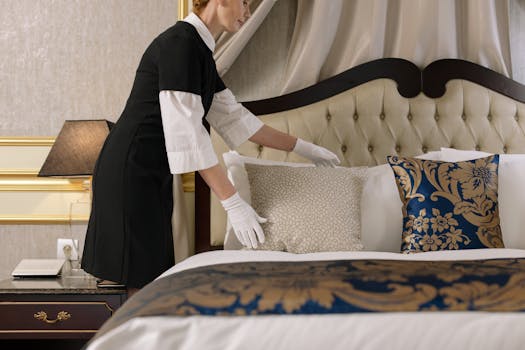
Budapest’s hotel scene ranges from international luxury chains to charming boutique properties. The city offers exceptional value compared to Western European capitals — a four-star hotel in Budapest often costs what a budget hotel charges in Paris or London. Luxury properties along the Danube include the Four Seasons Gresham Palace (one of Europe’s most beautiful hotels, from $400/night), Matild Palace (Marriott Luxury Collection, from $250/night), and the InterContinental Budapest (from $180/night). Strong mid-range options include Hotel Moments on Andrássy Avenue, Casati Hotel near the Opera, and Hotel Clark at the Buda end of the Chain Bridge.
Apartments and Short-Term Rentals
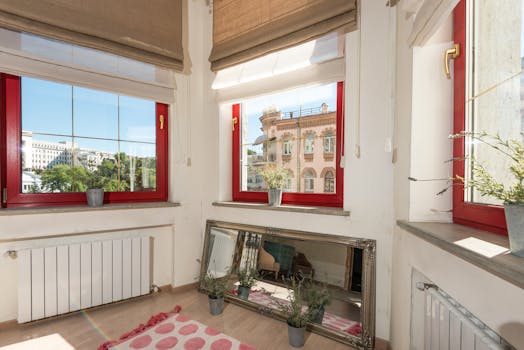
Apartment rentals are extremely popular in Budapest and often represent the best value, especially for families, groups, or stays longer than three nights. A well-located one-bedroom apartment in District V or VII typically costs $50–100/night — less than a comparable hotel room — and gives you a kitchen, living space, and a more authentic neighborhood experience. Multi-bedroom apartments for families or groups can be remarkably affordable on a per-person basis.
When booking apartments, prioritize properties with good reviews mentioning noise levels (important in District VII), accurate photos, responsive hosts, and clear check-in instructions. The best apartments provide local tips, restaurant recommendations, and sometimes even complimentary Hungarian wine or pálinka as a welcome gift.
Hostels

Budapest is consistently ranked among the best hostel cities in Europe. The city’s hostels go far beyond basic dorm beds — many are creative, well-designed spaces with social programs, bar areas, and excellent locations. Maverick Lodges operates several properties ranging from party hostels to more relaxed options. Wombat’s near the Danube offers clean, modern facilities. The Hive Party Hostel in the Jewish Quarter is social and lively. For a quieter option, Unity Hostel provides a relaxed atmosphere with a garden. Dorm beds start from as low as 4,000–8,000 HUF ($11–21) per night.
Spa Hotels
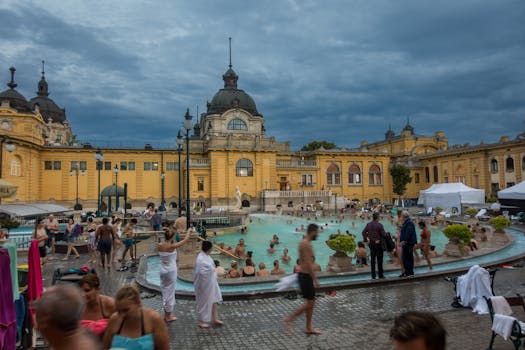
Budapest’s unique selling point — its thermal baths — extends to its hotel offerings. Several hotels have direct access to thermal baths or on-site spa facilities fed by natural mineral springs. The Danubius Hotel Margitsziget on Margaret Island has its own thermal water supply and medical spa. The Aquincum Hotel also on Margaret Island offers thermal pool access. On the Buda side, several properties near Gellért Hill and the thermal baths offer packages that combine accommodation with bath entry. Staying at a spa hotel allows you to enjoy thermal bathing at your own pace, including early morning and late evening soaks when the public baths may be closed.
Budapest Neighborhood Comparison: Quick Reference
| District | Best For | Hotel Price | Nightlife | Walkability |
|---|---|---|---|---|
| V (Center) | First-timers, luxury | $80–500+ | Moderate | Excellent |
| VI (Terézváros) | Culture, elegance | $70–300 | Good | Excellent |
| VII (Jewish Quarter) | Nightlife, budget | $50–150 | Excellent | Excellent |
| I (Castle District) | History, romance | $100–600 | Limited | Moderate |
| VIII (Józsefváros) | Budget, authenticity | $40–100 | Growing | Good |
| II/XII (Buda hills) | Families, peace | $60–200 | Limited | Low |
| XIII (Újlipótváros) | Local experience | $50–150 | Moderate | Good |
Practical Tips for Booking Accommodation in Budapest
When to Book: For peak season (June through August) and major events (Formula 1 in late July, Sziget Festival in August, Christmas markets in December), book at least two to three months in advance. For shoulder seasons, two to four weeks ahead is usually sufficient. Last-minute deals can be found in the winter low season (January through March, excluding New Year).
Price Expectations (2026): Budapest remains one of Europe’s best-value capitals for accommodation. Budget travelers can find clean, comfortable hostels from $12–25/night and basic hotel rooms from $40–60/night. Mid-range hotels and well-located apartments run $70–150/night. Luxury hotels start around $200/night and top out at $500+ for the finest properties.
Transport Considerations: Budapest’s public transport system is excellent and affordable, so staying slightly outside the absolute center can save significant money without sacrificing convenience. Properties near metro stations, major tram lines (especially trams 2, 4, or 6), or the HÉV suburban railway offer easy citywide access.
Noise Warning: If you are a light sleeper, avoid accommodations on the lower floors of buildings in Districts V (traffic noise) and VII (nightlife noise). Street-facing rooms in the Jewish Quarter can be extremely loud on weekend nights. Always check recent reviews for mentions of noise. Inner courtyard-facing rooms are generally quieter.
Safety Considerations When Choosing Where to Stay in Budapest
Budapest is one of Europe’s safest capital cities, and serious crime affecting tourists is rare. However, as with any major city, some areas are better than others, and awareness helps you choose accommodation wisely.
The safest and most tourist-friendly areas are Districts I, V, VI, and the gentrified parts of District VII. District VIII (Józsefváros) has improved dramatically in recent years, particularly the Palace Quarter, but some streets farther from the center can feel less welcoming after dark — particularly around Keleti train station and the areas east of the Grand Boulevard. Districts II, XI, XII, and XIII are residential and very safe.
The most common safety concern for tourists is pickpocketing, which can occur in crowded tourist areas, on public transport (particularly the M1 metro and tram 2), and in busy nightlife districts. Choose accommodation with secure storage for valuables, and be mindful of your belongings in crowded areas. Avoid leaving drinks unattended in bars, particularly in the Jewish Quarter nightlife scene.
Taxi scams have historically been a concern — always use Bolt or Főtaxi rather than hailing cabs on the street, and your accommodation choice becomes less relevant to this concern. Avoid the unofficial taxi drivers who sometimes approach tourists at Keleti station and the airport.
Where to Stay in Budapest by Season
Summer (June – August): This is peak tourist season with the highest accommodation prices. Book well in advance for Districts V and VII. Consider Districts VIII or XIII for better rates. Properties with air conditioning are essential — Budapest summers regularly reach 35°C. Accommodation near Margaret Island is ideal for escaping the heat, with the island’s parks, pools, and running track easily accessible.
Winter (December – February): Hotel prices drop significantly (except during Christmas and New Year). This is a great time to book luxury hotels at mid-range prices. Proximity to thermal baths becomes especially appealing — consider hotels near Széchenyi (Districts V, VI, XIV) or Rudas (Districts I, XI). The Christmas market at Vörösmarty tér makes District V accommodation even more desirable in December.
Spring and Autumn: The shoulder seasons offer the best balance of pleasant weather, manageable crowds, and reasonable prices. Any central district is an excellent choice. Spring blooms in City Park make the area near Széchenyi Baths particularly beautiful, while autumn foliage in the Buda hills rewards those staying on the western side of the city.
Where to Stay During Major Budapest Events
Sziget Festival (August): Europe’s largest music festival takes place on Óbuda Island (Hajógyári Sziget) in northern Budapest. If you are attending, accommodation in District III (Óbuda) or District XIII minimizes travel time. However, many festival-goers camp on the island itself. Book months in advance — hotel prices across the city spike during Sziget week.
Hungarian Grand Prix (late July): The Hungaroring circuit is located in Mogyoród, about 20 km northeast of the city center. If attending, accommodation near the M2 metro (eastern end) can simplify your commute, though shuttle buses run from the center. Hotel prices increase citywide during race weekend.
Christmas Markets (November – January): Budapest’s famous Christmas markets at Vörösmarty tér (District V) and the Basilica (District V/VI) are among Europe’s best. Staying in District V or VI puts you within walking distance of both markets and their festive atmospheres.
Arriving by car changes the calculation. Central hotels nearly always charge for parking, street parking in the inner zones is capped at three hours on weekdays, and it’s paid by phone only since July 2026. Our Budapest parking guide covers the zones, the garages and the park-and-ride car parks, which can make a hotel slightly further out the smarter booking.
Frequently Asked Questions About Where to Stay in Budapest
What is the best area for a first visit? District V (Belváros-Lipótváros) or District VI (Terézváros) are the best choices for first-time visitors. Both are central, safe, well-connected by public transport, and within walking distance of most major attractions. District V is slightly more convenient but more expensive; District VI offers a better balance of value and location.
Should I stay in Buda or Pest? For most visitors, Pest is the better choice due to its wider range of restaurants, nightlife, and attractions. The Pest side is where the vast majority of your time will likely be spent. Buda is better for travelers who prioritize tranquility, historic atmosphere, and views over convenience. If you have a week or more, consider splitting your stay between both sides.
Is it safe to use Airbnb in Budapest? Yes, apartment rentals are well-established and popular in Budapest. The market is well-regulated and most hosts are professional and responsive. Standard precautions apply: read recent reviews, verify the exact location, check for hidden fees, and confirm check-in procedures before arrival. Properties with Superhost or equivalent status generally provide a reliable experience.
How far in advance should I book? For summer travel (June–August), book at least six to eight weeks in advance for the best selection. For major events (Sziget, Grand Prix, Christmas markets), book two to three months ahead. For winter or shoulder season travel, two to three weeks is usually sufficient. Last-minute deals can be found in January through March.
Is it better to stay in a hotel or apartment? Hotels offer convenience, daily housekeeping, and on-site services (concierge, breakfast, sometimes pool or spa). Apartments offer more space, kitchen facilities, and a more local experience, often at a lower price per night. For stays of three nights or more, especially for families or groups, apartments usually offer better value. For short stays or first visits, hotels provide a smoother, more hassle-free experience.
Do I need a car in Budapest? No — and having one is actually a disadvantage. Parking in central Budapest is expensive, difficult to find, and heavily regulated. The city’s excellent public transport network (metro, trams, buses) and the ride-sharing app Bolt cover all your transport needs. A car is useful only for day trips to destinations outside Budapest.
What is the cheapest area to stay? District VIII (Józsefváros) and the outer parts of District VII offer the lowest prices among central locations. District XIII (Újlipótváros) provides excellent value with a more polished neighborhood feel. For the absolute lowest prices, look at Districts IX, X, or XIV — farther from the center but connected by metro.
Are there areas to avoid? Budapest has no truly dangerous areas for tourists, but some zones are less comfortable after dark. The area immediately around Keleti train station can feel seedy. Streets in eastern District VIII outside the Palace Quarter can be run-down. The far end of District IX south of the Grand Boulevard is industrial and inconvenient. None of these areas are dangerous, but they are not ideal bases for a leisure visit.
Money-Saving Tips for Budapest Accommodation
Travel in the off-season: January through March (excluding New Year) offers the lowest hotel prices. A luxury hotel that charges $300/night in July may cost $120–150/night in February. The city is equally beautiful in winter, and you will have thermal baths and Christmas markets largely to yourself.
Book apartments for longer stays: If staying four nights or more, apartment rentals almost always beat hotel prices on a per-night basis. Many apartment hosts offer weekly discounts of 10–20%. You will also save on food by having kitchen access for some meals.
Consider District VIII or XIII: These neighborhoods offer accommodation at 30–50% less than Districts V or VI while remaining easily walkable or a short tram ride to the center. The savings can be substantial over a week-long stay.
Use loyalty programs: Major hotel chains (Marriott, Hilton, IHG, Accor) all have properties in Budapest. If you have status with any loyalty program, Budapest is an excellent place to use it — the redemption value for points at Budapest luxury properties is often much higher than at properties in more expensive cities.
Check for package deals: Many Budapest hotels offer packages that include thermal bath entry, airport transfers, or meal credits. These packages can represent significant savings compared to booking each element separately. The Budapest Card, which includes free public transport and attraction discounts, is also sometimes bundled with hotel bookings.
Detailed Hotel Recommendations by Budget
Luxury Hotels (From $200/night)
Four Seasons Gresham Palace (District V) — Occupying one of Budapest’s most beautiful Art Nouveau buildings directly opposite the Chain Bridge, this is the city’s finest hotel. The stunning glass-roofed lobby, Danube views from many rooms, world-class spa, and impeccable service justify the premium price for those celebrating a special occasion. From $400/night.
Matild Palace (District V) — The newest addition to Budapest’s luxury hotel scene, Matild Palace occupies a gorgeously restored Habsburg-era palace. The rooftop bar with panoramic city views is one of Budapest’s best-kept secrets. Part of Marriott’s Luxury Collection, making it accessible via Bonvoy points. From $250/night.
The Ritz-Carlton Budapest (District V) — Classic luxury with an excellent central location near the Basilica. The spa and pool are among the best hotel facilities in the city. The club lounge is outstanding value for elite members. From $220/night.
Hotel Clark (District I) — A design-forward boutique property at the Buda end of the Chain Bridge with a celebrated rooftop bar and restaurant. The location offers the best of both worlds — Buda atmosphere with Pest just across the bridge. From $200/night.
Mid-Range Hotels ($70–200/night)
Hotel Moments Budapest (District VI) — A stylish boutique hotel on Andrássy Avenue with beautifully designed rooms, excellent breakfast, and a charming courtyard garden. One of the best values in Budapest’s mid-range segment. From $120/night.
Casati Budapest Hotel (District VI) — A converted 19th-century residential building with 25 individually designed rooms, a lovely inner courtyard, and genuine boutique character. Walking distance to the Opera and the Jewish Quarter. From $100/night.
Boutique Hotel Victoria (District I) — A small, family-run hotel on the Buda bank with stunning river and Parliament views from its front-facing rooms. The location near the Fisherman’s Bastion is superb, and the personalized service sets it apart from chain properties. From $90/night.
Three Corners Lifestyle Hotel (District V) — Modern and well-designed with an excellent central location at a competitive price point. The rooftop terrace offers lovely city views. A solid choice for travelers who want a central location without the premium price tag. From $80/night.
Iberostar Grand Budapest (District VII) — Located right in the Jewish Quarter, this adults-only hotel offers a refined experience with a rooftop pool and terrace. Excellent for couples who want nightlife proximity with hotel comfort. From $110/night.
Budget Hotels and Hostels (Under $70/night)
Maverick City Lodge (District VIII) — Maverick operates several hostels in Budapest, and this one in the Palace Quarter area strikes an excellent balance between social atmosphere and comfort. Private rooms are available alongside dorms. Clean, well-designed, and with a great bar. Dorms from $15/night, private rooms from $50/night.
Wombat’s City Hostel (District VI) — A reliable, clean, and modern hostel from the well-known European chain. The location near the Danube and city center is excellent. Good common areas and a lively but not overwhelming social scene. Dorms from $18/night.
Flow Hostel (District V) — Small, clean, and surprisingly central for the price. Great for solo travelers who want basic but well-maintained accommodation in the heart of the city. Dorms from $16/night.
Hotel Sissi (District IX) — Named after Empress Elisabeth, this family-run hotel offers simple, clean rooms at budget-friendly prices. Slightly south of the center but with good tram connections. Private rooms from $45/night.
Budapest Accommodation for Digital Nomads and Long Stays
Budapest has become one of Europe’s top digital nomad destinations thanks to its excellent internet infrastructure, affordable cost of living, vibrant cafe culture, and high quality of life. For remote workers planning to stay a month or more, the accommodation strategy shifts significantly from a short-term tourist visit.
Best neighborhoods for digital nomads: District VII (Jewish Quarter) and District VIII (Palace Quarter) offer the best combination of coworking spaces, cafes with good WiFi, affordable apartments, and social infrastructure. District XIII (Újlipótváros) is popular with nomads who prefer a quieter residential base. Monthly apartment rentals in these areas range from 250,000–450,000 HUF ($660–1,200) for a one-bedroom apartment — remarkably affordable by European standards.
Coworking spaces: Budapest has excellent coworking options including Kaptar (multiple locations), Impact Hub Budapest, Mosaik in the Jewish Quarter, and Kubik. Most offer day passes (3,000–5,000 HUF / $8–13) and monthly memberships (40,000–70,000 HUF / $106–185). Many of Budapest’s specialty coffee shops also welcome laptop workers and provide reliable WiFi.
For stays of one month or longer, look for apartments on local rental platforms rather than tourist-oriented sites. Facebook groups for Budapest expats and digital nomads are excellent resources for finding sublets and shared apartments. Hungarian landlords typically require a one or two month security deposit, and lease terms are negotiable for shorter stays.
Getting from Budapest Airport to Your Accommodation
Budapest Ferenc Liszt International Airport (BUD) is located about 16 km southeast of the city center. The journey to central Budapest takes 30–50 minutes depending on traffic and your chosen transport method.
Airport Shuttle (miniBUD): The most popular option for most travelers. Shared shuttle vans that drop passengers at their hotel or accommodation. Book online in advance for the best rates — approximately 6,000–10,000 HUF ($16–26) per person depending on the number of passengers.
Public Transport: The cheapest option. Bus 100E runs directly from the airport to Deák Ferenc tér in the city center. It needs its own airport ticket, 2,500 HUF ($7.60), as ordinary tickets and passes are not valid on it, and the journey takes about 35–45 minutes. Alternatively, bus 200E connects to the Kőbánya-Kispest M3 metro station, from which you can reach any part of the city.
Taxi/Bolt: A taxi from the airport runs on the city’s regulated meter tariff and costs roughly 13,500–16,000 HUF ($41–49) to the center, including the 800 HUF airport surcharge, slightly more to Buda. Use the official Főtaxi stand at the airport or book via the Bolt app. Never accept rides from unofficial taxi drivers who approach you in the terminal.
Private Transfer: Pre-booked private transfers are available from approximately $30–40 for a sedan. These offer door-to-door service with a driver waiting in the arrivals hall holding your name. Worth considering for families with luggage or late-night arrivals.
Accessibility and Special Needs Accommodation in Budapest
Budapest has made significant strides in accessibility in recent years, but the city’s historic architecture means that challenges remain. When choosing where to stay in Budapest with mobility concerns, prioritize modern or recently renovated hotels, which are more likely to have elevators, accessible bathrooms, and step-free access. The major international chain hotels (Marriott, Hilton, InterContinental) typically meet international accessibility standards. Many older boutique hotels and apartment buildings in Budapest have stairs, narrow doorways, and no elevators — always confirm accessibility details directly with the property before booking.
For wheelchair users, the Pest side is generally more accessible than the Buda side due to its flat terrain. The Castle District in Buda, while beautiful, involves significant elevation changes and cobblestone surfaces that present challenges. District V and the flatter parts of Districts VI and VII offer the best combination of accessibility and convenience. The metro system has limited accessibility (only the M4 line is fully accessible), but Budapest’s tram network and many bus routes offer low-floor vehicles. Bolt has no wheelchair-accessible category in Budapest, and few ordinary taxis can take a wheelchair, so book a specialist accessible transfer with a ramp well ahead.
Traveling with Pets: Pet-Friendly Accommodation in Budapest
Budapest is a relatively dog-friendly city, and finding pet-friendly accommodation is easier than in many European capitals. Many hotels and apartments welcome dogs (cats less commonly), often for a small surcharge of 3,000–8,000 HUF ($8–21) per night. When booking, always confirm the pet policy in advance and check for any size or breed restrictions.
Margaret Island is Budapest’s best green space for dogs, with plenty of room to run. City Park (Városliget) near Széchenyi Baths is another excellent option. The Buda hills offer numerous hiking trails where dogs can enjoy nature. When choosing where to stay in Budapest with a pet, proximity to green spaces should be a key consideration — Districts II, XII, and XIII (near Margaret Island) are particularly good choices.
Where to Stay in Budapest: Our Top Picks Summary
Best overall location: District VI (Terézváros) — combines a central position, beautiful architecture, cultural richness, and excellent value. Hotel Moments Budapest is our top recommendation here for most travelers.
Best for luxury: District V (Belváros) — the Four Seasons Gresham Palace and Matild Palace represent the pinnacle of Budapest hospitality, both offering unforgettable Danube views and world-class service.
Best for budget: District VII (Erzsébetváros) — the widest range of affordable options from hostels to mid-range hotels, combined with the best food and nightlife scene in the city. Maverick City Lodge is our pick for budget travelers.
Best for romance: District I (Castle District) — the atmospheric cobblestone streets, panoramic Danube views, and quiet evenings create the perfect romantic backdrop. Boutique Hotel Victoria offers charm and views at a reasonable price.
Best for families: District II or XII (Buda residential areas) — safe, quiet, green, and family-oriented with easy access to Margaret Island and the city center.
Best for repeat visitors: District XIII (Újlipótváros) — discover the Budapest that locals love, with excellent restaurants, a beautiful Danube promenade, and Margaret Island at your doorstep.
Explore More of Budapest
Finding the right place to stay is just one part of planning your Budapest trip. Explore our other comprehensive guides: things to do in Budapest, our Budapest thermal baths guide, and our Budapest food guide for everything you need to know about eating in the city.
Where to Stay in Budapest — Neighbourhood by Neighbourhood
Once you’ve picked an area, these guides help you lock in the right room at the right price.
- a full neighbourhood breakdown — which district suits your trip and your budget.
- the best hotels — our favourites across the price range.
- the best hostels — social, central and genuinely good value.
- Airbnb and apartments — what to know before booking a flat here.
- the luxury hotels — the five-star stays, spa hotels and grand-dame addresses.
Once You Have Booked the Bed
Picking a district is the first decision. These guides cover everything that follows it.
- the Budapest travel guide — airport transfers, transport passes and arriving without stress
- Budapest nightlife — useful before you book — District VII is loud, and that cuts both ways
- Budapest itineraries — how many nights you actually need, day by day
- day trips from Budapest — worth checking before you choose a base near a station
- Budapest history and culture — the story of the neighbourhoods you are choosing between
- festivals and events — the weeks when rooms sell out and prices double
- Budapest with kids — family-sized rooms, quiet streets and apartments over hotels
- romantic Budapest — the Danube-view rooms and spa hotels worth the splurge
- shopping in Budapest — which districts put the boutiques and markets on your street