Budapest Festivals & Events: Your Complete Seasonal Guide
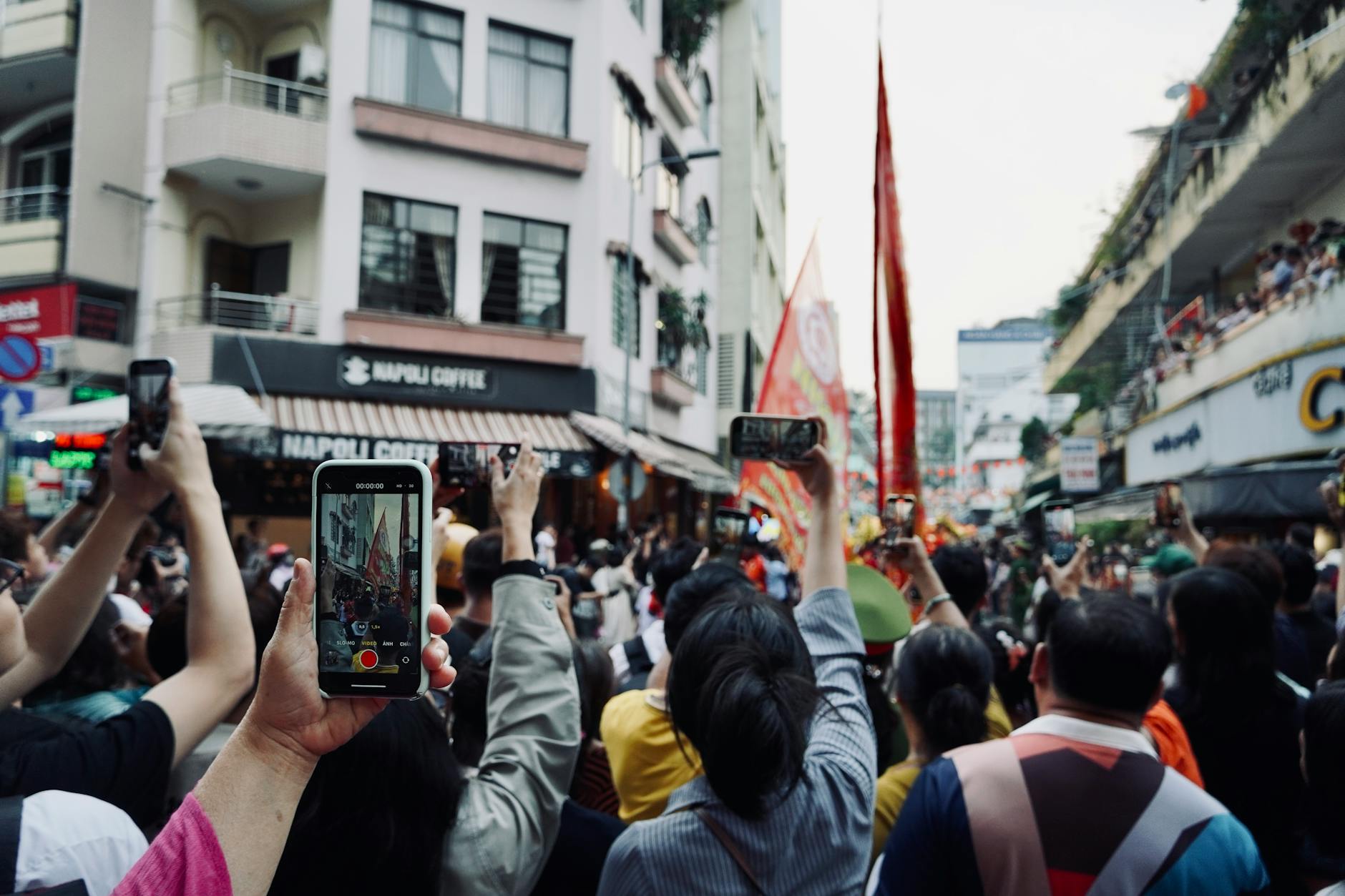
Budapest is one of those rare European capitals where the festival calendar never truly goes quiet. From the electric energy of Sziget Festival on a Danube island in August to the warm glow of Christmas market Budapest stalls in December, Budapest festivals give travelers a reason to visit in every season. Whether you are drawn to classical music, folk traditions, world-class wine, or one of the continent’s biggest open-air music events, the Hungarian capital delivers celebrations that rival anything you will find in Berlin, Barcelona, or Prague.
We have spent years exploring Budapest events across all twelve months, and the sheer variety still surprises us. Planning your trip around the festival calendar is one of the smartest moves you can make: it shapes your accommodation budget, your itinerary, and even the neighborhoods you will want to stay in. A visit timed for the Budapest Spring Festival offers an entirely different atmosphere than one built around St. Stephen’s Day fireworks in August or a cozy weekend at the Mangalica Festival in February.
In this comprehensive guide, we walk you through every major Budapest festival and event season by season, then dive deep into the two headline attractions — Sziget Festival and the Budapest Christmas Markets. We have also compiled a month-by-month calendar table, a list of free events, and the practical tips you need to make the most of your festival trip. Let us get started.
Spring Festivals in Budapest (March–May)
Spring is when Budapest shakes off winter and the city’s cultural institutions shift into high gear. Temperatures climb into the 15–22 °C range, outdoor terraces reopen along the Danube, and several of the most important Budapest festivals of the year take place within just a few weeks of one another.
March 15 National Day
March 15 commemorates the 1848 Revolution against Habsburg rule and is one of Hungary’s three national holidays. The day begins with flag-raising ceremonies at the National Museum, where Sándor Petőfi famously recited his poem “Nemzeti dal” to the crowd. Expect street celebrations across the city — Hungarians pin kokárda (tricolor rosettes) to their clothing, and free concerts and theatrical performances fill Kossuth Square near Parliament. The atmosphere is patriotic but welcoming to visitors, and it is an excellent window into Hungarian identity. Entry to most events is free.
Budapest Spring Festival (April)
The Budapest Spring Festival (Budapesti Tavaszi Fesztivál) is the largest annual cultural festival in Hungary, typically running for two to three weeks in April. Venues across the city — from the Hungarian State Opera House to the Palace of Arts (MÜPA) — host classical music concerts, opera, ballet, contemporary dance, jazz, and visual arts exhibitions. In 2026, the festival is expected to run from early to mid-April, with ticket prices ranging from 3,000 HUF to 25,000 HUF (roughly 8–65 EUR) depending on the performance. We recommend booking headliner shows at least two weeks in advance through the official festival website.
Cherry Blossom Season
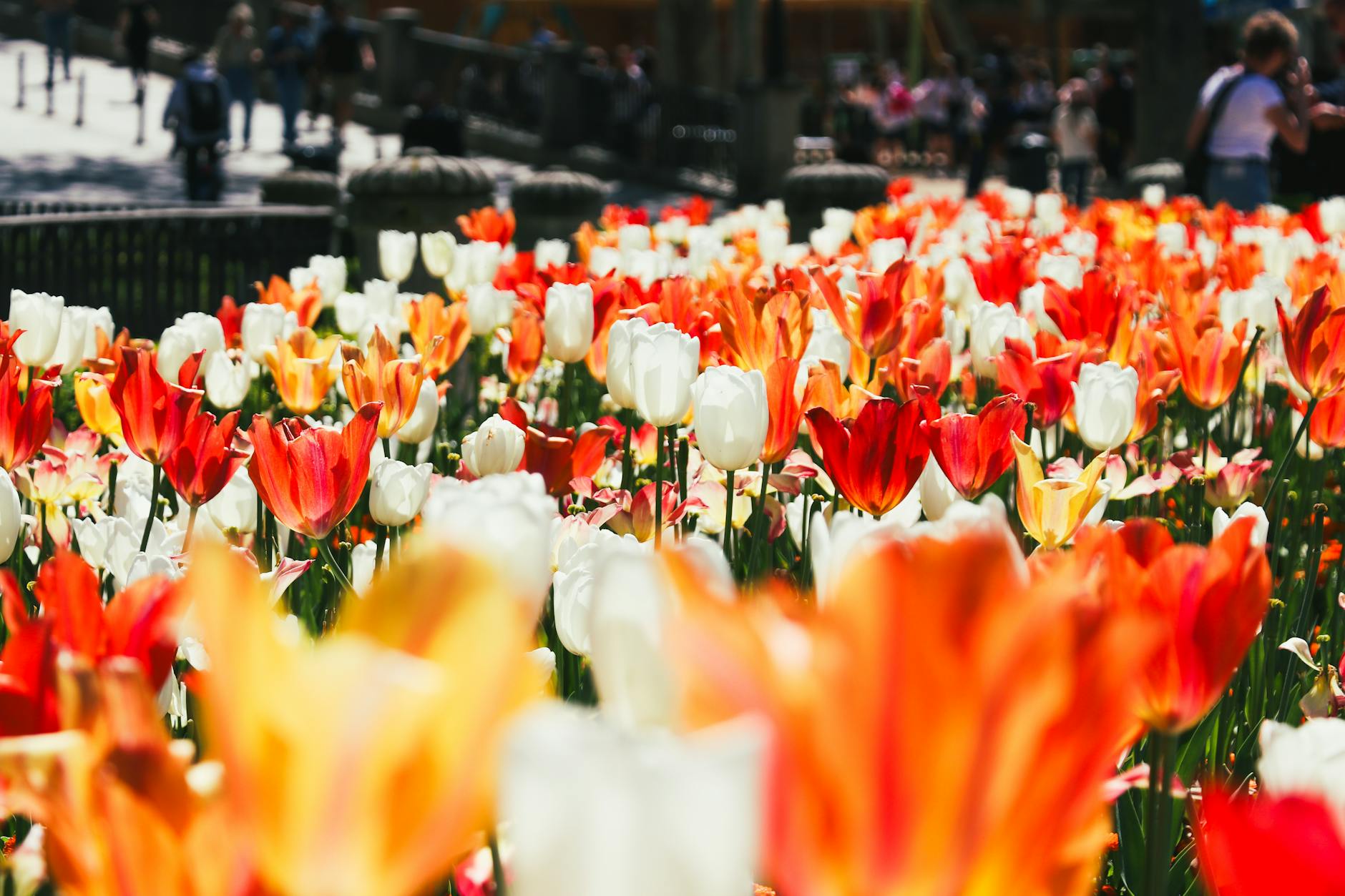
While not a formal festival, cherry blossom season in Budapest has become an increasingly popular draw for visitors. The Japanese Garden on Margaret Island and the hillside parks of the Buda side burst into pink and white bloom from late March through mid-April. Locals flock to Gellért Hill and Normafa for picnics under the blossoms, and you will find pop-up vendors selling lángos and coffee nearby. It is free, photogenic, and pairs perfectly with a Budapest Spring Festival evening performance.
Easter Markets and Traditions
Budapest’s Easter markets appear on Vörösmarty Square and around St. Stephen’s Basilica in the weeks leading up to Easter Sunday. Stalls sell hand-painted eggs, embroidered textiles, honey, pálinka, and traditional pastries. The markets are smaller and far less crowded than their Christmas counterparts, making them a relaxed alternative. Look out for folk dance performances and egg-painting workshops — great for families. Most stalls accept both HUF and EUR, though you will get a better rate paying in forints.
Rosalia Rose Wine Festival
Held in late May, the Rosalia Rose Wine Festival celebrates Hungary’s rapidly growing rosé scene with tastings from over 100 winemakers. The venue rotates between Buda Castle and other scenic locations. A tasting pass costs around 6,000–9,000 HUF (15–23 EUR) and includes a branded glass and a set number of pours. It is a stylish, sociable event and a wonderful way to close out the spring festival season.
Summer Budapest Festivals (June–August)
Summer is peak season for Budapest festivals, and for good reason. Long daylight hours, temperatures between 25–35 °C, and an explosion of open-air events make June through August the most exciting time to be in the city. This is also when accommodation prices are highest, so book early.
Night of the Museums (June)
Múzeumok Éjszakája (Night of the Museums) takes place on a Saturday in late June and is one of Europe’s best cultural late-night events. Over 200 museums, galleries, and cultural institutions across Budapest stay open until the early hours, offering special exhibitions, guided tours, live music, and workshops. A single wristband — typically around 4,000 HUF (10 EUR) — grants access to all participating venues and free shuttle buses that loop between them. It sells out quickly, so buy yours online as soon as tickets drop.
Budapest Summer Festival
The Budapest Summer Festival transforms Margaret Island’s open-air theatre into a world-class concert and performance venue from late June through August. Expect opera, ballet, jazz, folk, and pop acts in a stunning riverside setting. Ticket prices range from 4,000 to 18,000 HUF (10–47 EUR). The island is accessible by tram, bus, or a pleasant walk across Margaret Bridge, and we recommend arriving early to grab a spot on the lawn nearby for a pre-show picnic.
Sziget Festival (August 11–15, 2026)
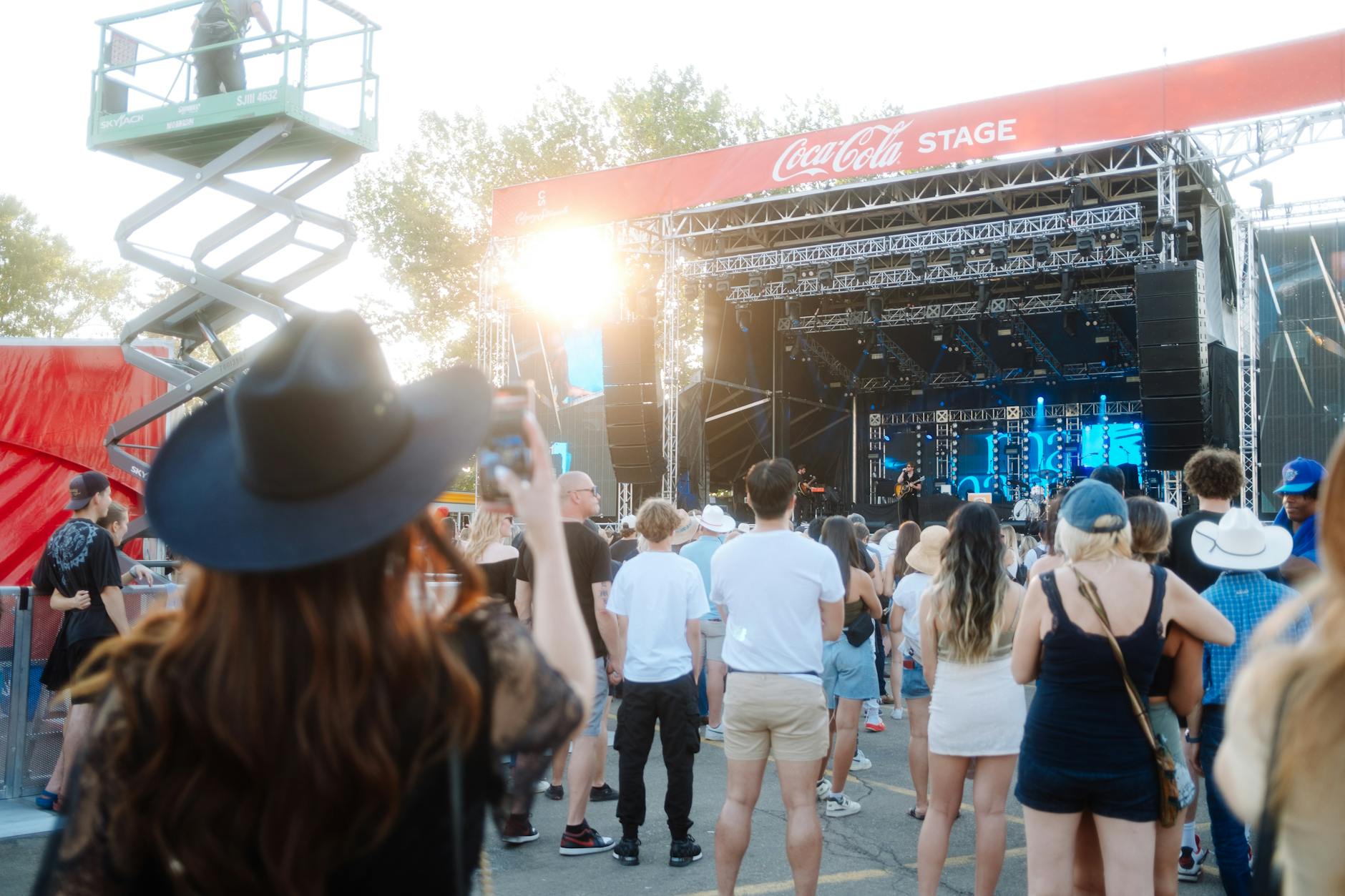
We dedicate a full section to Sziget Festival below, but here is the headline: running from August 11–15 in 2026 on Óbuda Island, Sziget is one of the biggest music festivals in Europe, drawing over 500,000 attendees from more than 100 countries. The confirmed 2026 lineup includes Twenty One Pilots, Florence + the Machine, and Lewis Capaldi, with many more acts to be announced. Week passes typically start around 95,000 HUF (245 EUR), while day tickets begin at approximately 35,000 HUF (90 EUR).
Budapest Beer Festival
The Budapest Beer Festival (Főzdefeszt) brings together Hungary’s thriving craft brewery scene alongside international brewers for a long weekend in June or July. Held at various locations — often Szabadság tér or a repurposed industrial space — the event features over 300 beers on tap, food trucks, and live DJs. Entry is free on some days; tasting packages start around 5,000 HUF (13 EUR). Pair your beers with street food from some of the city’s best vendors.
St. Stephen’s Day / August 20
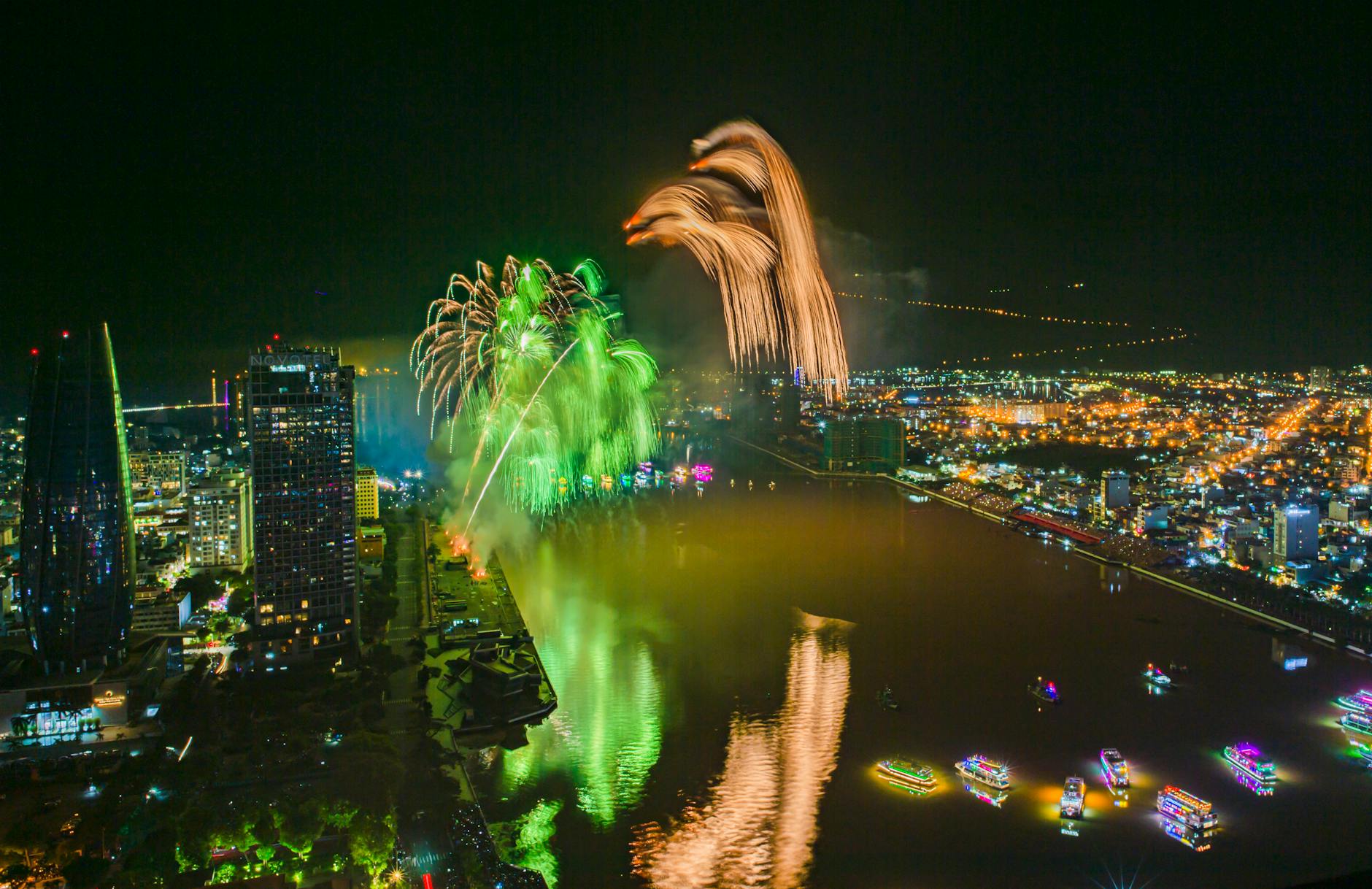
St. Stephen’s Day on August 20 is the biggest national holiday in Hungary, celebrating the founding of the state and the country’s first king. The day kicks off with an air show over the Danube, followed by the procession of the Holy Right Hand (Szent Jobb) relic from St. Stephen’s Basilica. The Street of Hungarian Flavours (Magyar Ízek Utcája) stretches along the Pest embankment and Andrássy Avenue, offering traditional dishes from every region of Hungary — think mangalica sausages, chimney cake, and fisherman’s soup. The highlight is the evening fireworks display over the Danube, widely considered the most spectacular pyrotechnic show in Central Europe. Position yourself along the Pest embankment between Chain Bridge and Elizabeth Bridge by 8 PM for the best views. The entire day is free to enjoy.
Buda Castle Folk Arts Festival
Held in the Buda Castle District around mid-August, the Mesterségek Ünnepe (Festival of Folk Arts) showcases traditional Hungarian crafts, folk music, and dance. Artisans demonstrate pottery, weaving, leather-working, and woodcarving while folk ensembles perform throughout the day. Entry to the castle grounds during the festival is free, making it an ideal complement to St. Stephen’s Day celebrations happening the same week.
Autumn Festivals in Budapest (September–October)
As temperatures cool to a comfortable 12–22 °C and summer crowds thin out, Budapest’s autumn Budapest festivals take on a more refined, local feel. This is the season for wine lovers, film buffs, and anyone who appreciates contemporary art.
Budapest Wine Festival / Buda Wine Festival (September)
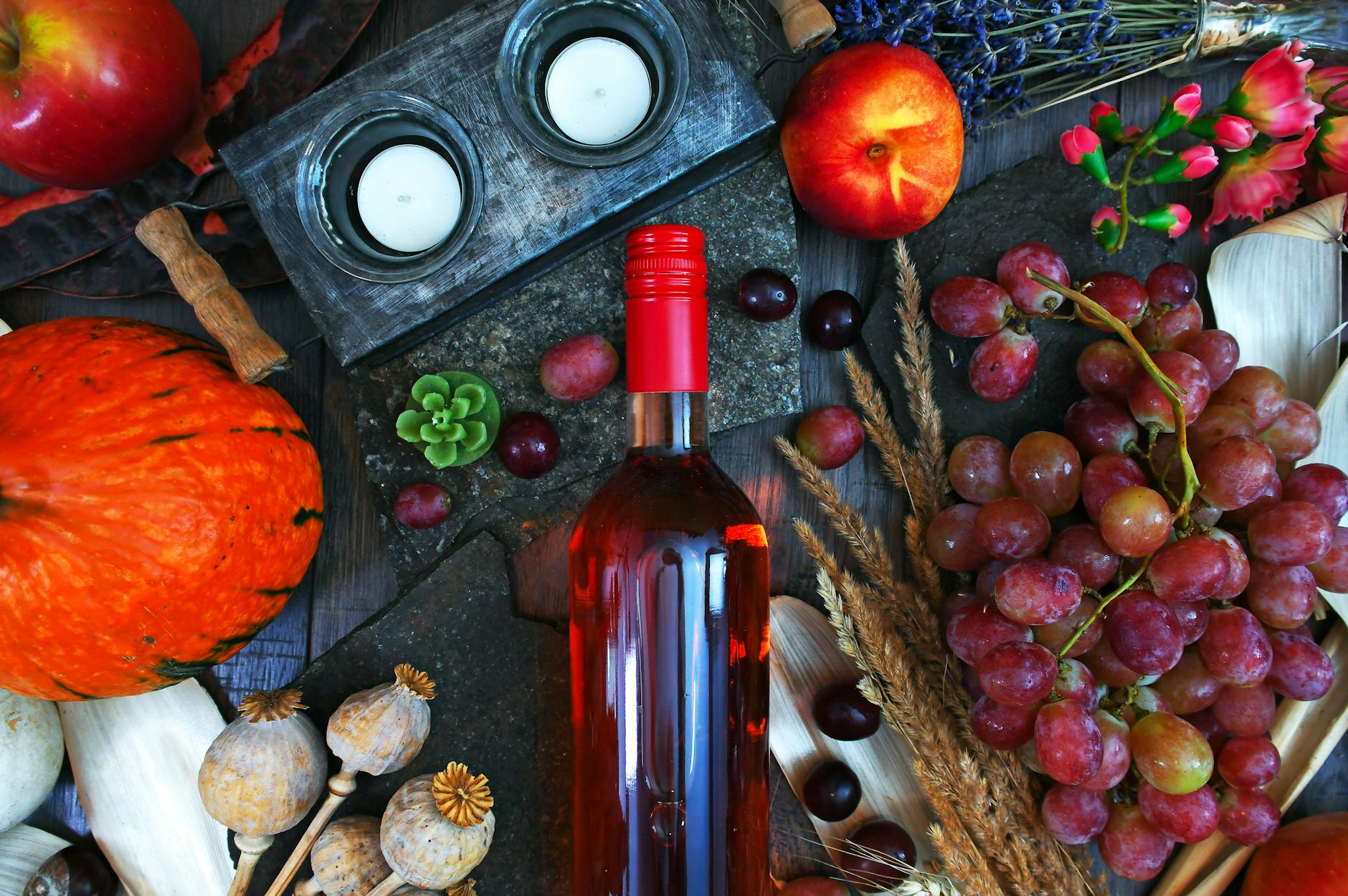
The Budapest Wine Festival (Budavári Borfesztivál) is one of the most prestigious wine events in Central Europe. Held in the courtyard of Buda Castle in mid-September, it brings together over 200 wines from Hungary’s 22 wine regions — Tokaj, Eger, Villány, and Somló among them. A tasting pass (around 10,000–15,000 HUF / 26–39 EUR) includes a crystal glass and access to guided tastings. Gourmet food stalls, live jazz, and sunset views over the Danube make it an unforgettable evening. Premium VIP packages with winemaker dinners are available for around 40,000 HUF (103 EUR).
Budapest International Documentary Festival
The BIDF (Budapest International Documentary Festival) screens dozens of award-winning and emerging documentaries from around the world across several independent cinemas in Budapest. Running for about a week in late September or early October, individual screening tickets cost 2,000–3,000 HUF (5–8 EUR), and festival passes offer significant savings. If you love non-fiction storytelling, this under-the-radar festival is a gem.
Cafe Budapest Contemporary Arts Festival
CAFe Budapest is the city’s premier contemporary arts festival, running for roughly three weeks in October. It brings together theatre, dance, music, circus, and visual art from Hungarian and international performers. Many events are ticketed (3,000–15,000 HUF / 8–39 EUR), but free installations and open-air performances pop up across the city. Keep an eye on their official programme — the highlights sell out fast.
October 23 National Holiday
October 23 marks the anniversary of the 1956 Hungarian Revolution against Soviet occupation. Ceremonies and wreath-laying take place at key memorial sites, particularly at Kossuth Square by Parliament and at the corner of Práter utca where the revolution began. Museums offer free or reduced admission, and the day has a respectful, contemplative tone quite different from the celebratory March 15 and August 20 holidays. If you are interested in Budapest’s history and culture, this is a deeply meaningful day to be in the city.
Night of the Spas / Bath Party Events
Budapest’s thermal bath culture gets a party-season boost in autumn with Sparty (spa party) events at venues like Széchenyi and Lukács Baths. These after-dark events feature DJs, laser shows, and cocktail bars set among the neo-baroque pools. Tickets range from 8,000–15,000 HUF (21–39 EUR). Book online in advance — these events sell out quickly, especially on weekends.
Winter Budapest Festivals (November–February)
Budapest in winter is magical. Cold temperatures (often hovering around 0 °C) are offset by steaming thermal baths, hearty cuisine, and some of the most atmospheric Budapest festivals of the year. The city’s Christmas markets alone draw hundreds of thousands of visitors.
Budapest Christmas Markets (Mid-November to January 1)
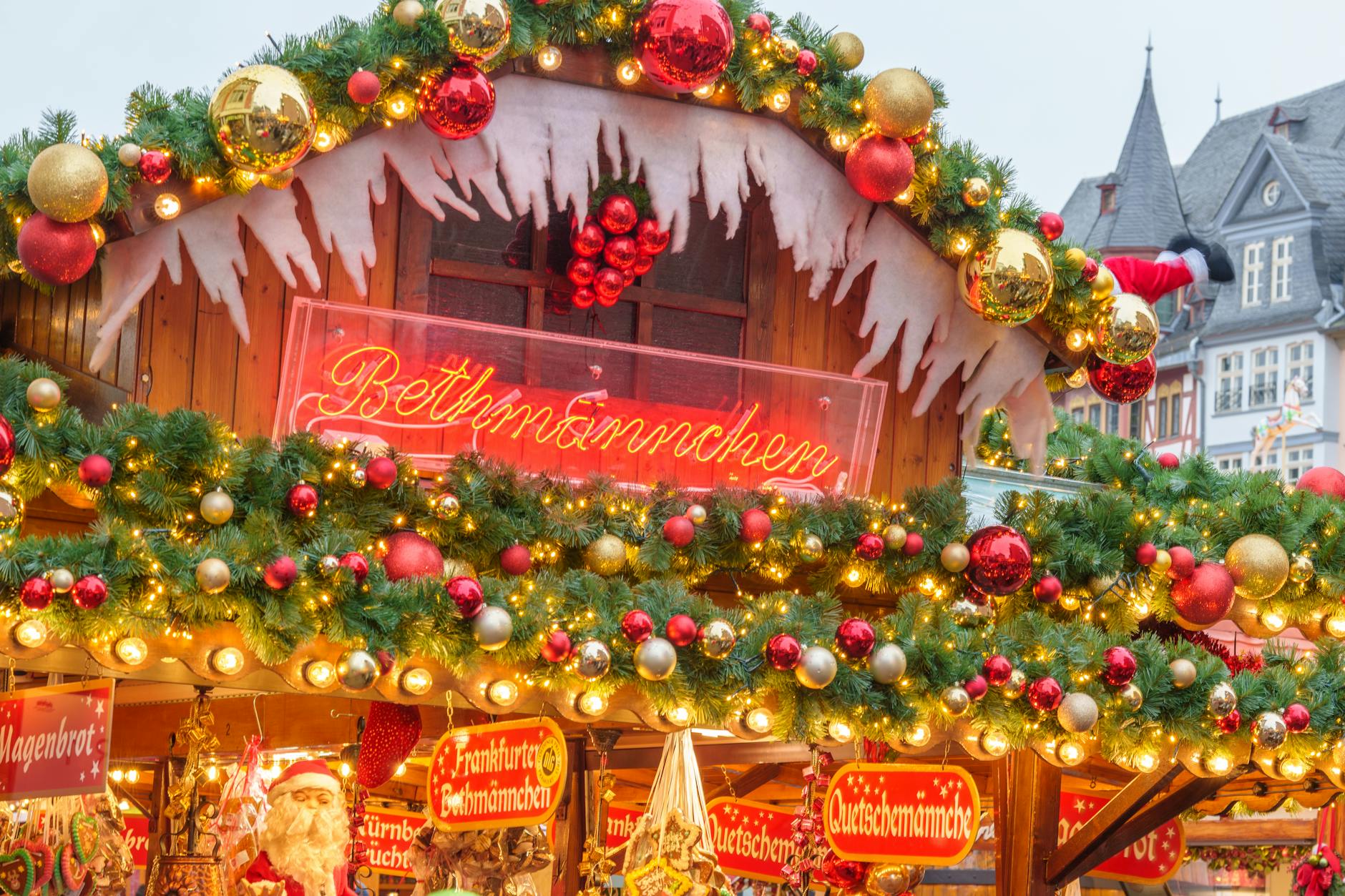
We cover the Christmas markets in their own dedicated section below, but in brief: the Christmas market Budapest scene is among the best in Europe. The two flagship markets at Vörösmarty Square and St. Stephen’s Basilica open in mid-November and run through January 1. Smaller markets appear at Óbuda, the Castle District, and along Fővám tér near the Great Market Hall. Expect handmade gifts, mulled wine, chimney cake, and a light show at the Basilica that runs every half hour after dark. Admission is free.
New Year’s Eve Celebrations
Budapest has become one of Europe’s hottest New Year’s Eve destinations. The main public celebrations center on the Danube banks, with free outdoor concerts, fireworks, and thousands of revelers gathering along the embankment. Liberty Bridge is sometimes closed to traffic and opened as a pedestrian party zone. Ruin bars in the Jewish Quarter host legendary NYE parties (tickets from 10,000–25,000 HUF / 26–65 EUR), and Danube river cruise packages with dinner and champagne run from 30,000–80,000 HUF (78–207 EUR). If you prefer something low-key, many thermal baths hold special New Year sessions.
Budapest Carnival / Farsang
Farsang is Hungary’s Carnival season, peaking in the weeks before Lent (usually February). While not as massive as Venice or Rio, Budapest’s Carnival traditions include masked balls, folk dance gatherings, and the famous fánk (Hungarian doughnuts) that appear in every bakery. The Opera House and various cultural centres host Carnival-themed galas with tickets ranging from 5,000 to 30,000 HUF (13–78 EUR).
Mangalica Festival (February)
The Mangalica Festival is a celebration of Hungary’s iconic woolly pig breed, held in and around the Great Market Hall in early February. Dozens of producers offer mangalica sausages, salamis, crackling, and other pork products alongside live cooking demonstrations and folk music. Entry is free, and you can easily spend a morning tasting your way through the stalls. It pairs wonderfully with a visit to the Budapest food scene.
Sziget Festival Deep Dive
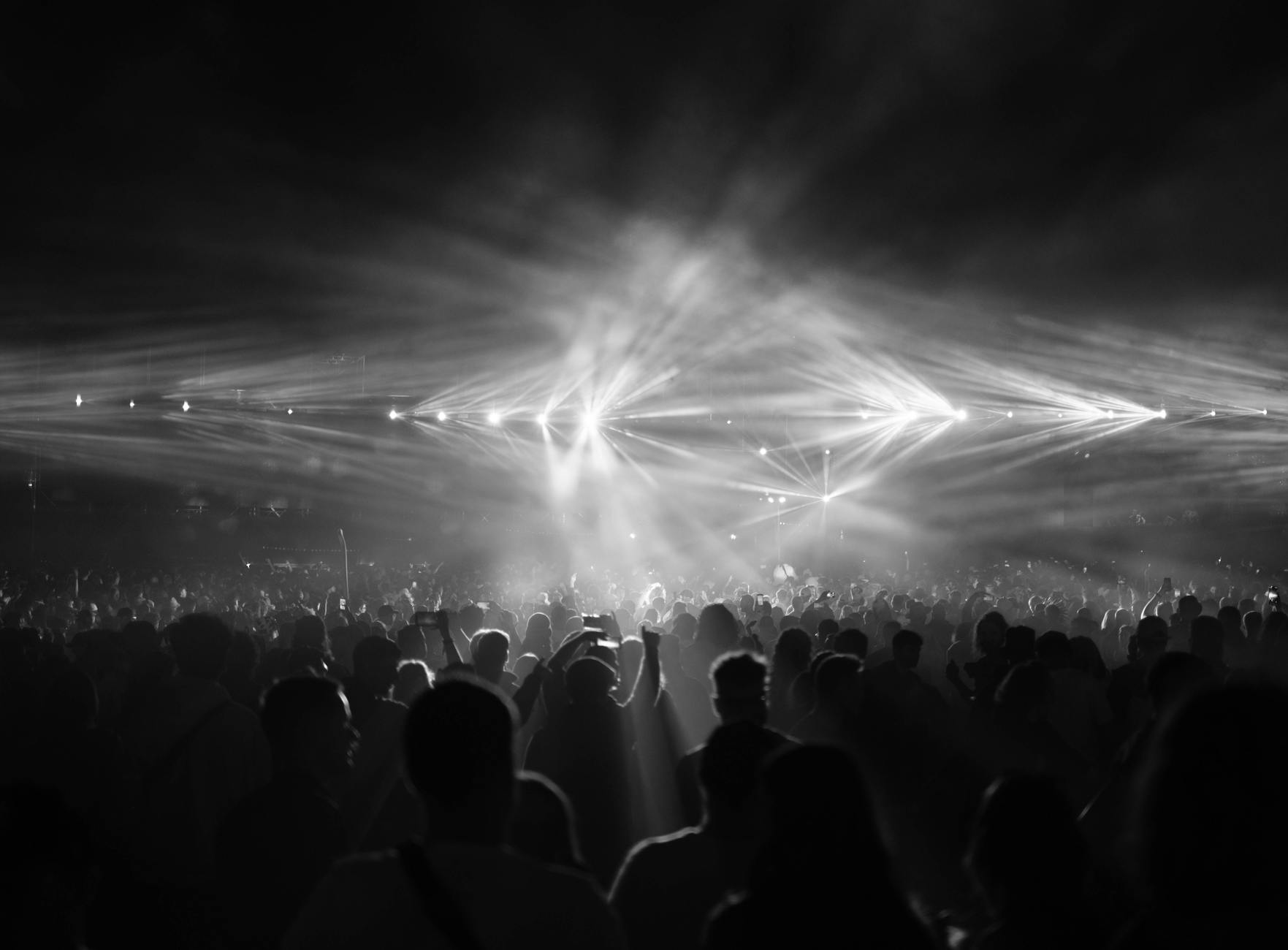
Sziget Festival is not just a music festival — it is a self-contained city of art, culture, and community that springs up on Óbuda Island (Hajógyári-sziget) in the Danube every August. Since its founding in 1993 as a modest student event called “Diáksziget” (Student Island), it has grown into one of Europe’s “Big Five” festivals alongside Glastonbury, Roskilde, Primavera Sound, and Tomorrowland. In a typical year, over 500,000 people from more than 100 countries pass through its gates.
In 2026, Sziget runs from August 11–15. The confirmed headliners so far include Twenty One Pilots, Florence + the Machine, and Lewis Capaldi, with dozens more acts across the Main Stage, A38, Europe Stage, Colosseum, and smaller intimate venues. Beyond music, expect circus performances, theatre, film screenings, art installations, a beach, a dedicated “Art of Freedom” social awareness programme, and more food vendors than you could try in a week.
Tickets and Passes
Sziget offers several ticket tiers. A 5-day festival pass typically costs around 95,000–110,000 HUF (245–285 EUR) at early-bird pricing, rising to 120,000+ HUF (310+ EUR) closer to the event. Day tickets start at approximately 35,000 HUF (90 EUR). VIP and Superstar packages, which include premium camping, showers, and backstage perks, can run above 250,000 HUF (645 EUR). We strongly recommend buying early — the first price tier sells out within weeks of going on sale, and the savings are substantial.
Camping and Accommodation
Most Sziget attendees camp on the island itself. Basic camping is included with your festival pass — just bring your own tent. Upgraded options include pre-pitched tents (from 30,000 HUF / 78 EUR), glamping packages with real beds (from 80,000 HUF / 207 EUR), and even floating hotel rooms on barges moored alongside the island. If camping is not your style, Budapest’s full range of hotels and hostels is a short commute away — the HÉV suburban train from Batthyány tér stops at Filatorigát, a 10-minute walk from the festival gate. Book your Budapest accommodation months in advance if visiting during Sziget, as the city fills up quickly.
Getting There
Óbuda Island is in northern Budapest. The most common routes are the HÉV suburban rail (Batthyány tér to Filatorigát station), special festival shuttle buses from Széll Kálmán tér, or simply walking across the dedicated pedestrian bridge from Óbuda. During Sziget, the city runs extended public transport hours. Taxis and ride-shares work but expect surge pricing and traffic around the island.
Essential Tips
- Bring a refillable water bottle — there are free water refill stations across the island.
- Cash is useful for some vendors, but most stalls now accept cards and the Sziget cashless wristband system.
- Wear comfortable shoes you do not mind getting dusty or muddy.
- Sunscreen and a hat are non-negotiable in August — shade is limited.
- Earplugs improve your experience at the louder stages and help you sleep in the campground.
- The festival app is your best friend for schedules, maps, and real-time updates.
Budapest Christmas Markets Guide
The Christmas market Budapest season typically begins in mid-November and runs through January 1. Budapest’s markets have been voted among Europe’s best multiple years running, and it is easy to see why: stunning historic backdrops, artisan vendors, exceptional food, and a festive atmosphere that rivals Vienna or Prague at a fraction of the cost.
Top Market Locations
Vörösmarty Square is the original and largest Christmas market in Budapest. Situated at the top of the famous Váci utca shopping street, it features over 100 wooden stalls selling handmade ornaments, ceramics, leather goods, embroidered textiles, and Hungarian specialty foods. A large stage hosts daily live performances.
St. Stephen’s Basilica market is newer but has quickly become a favourite thanks to its jaw-dropping 3D light show projected onto the Basilica facade every 30 minutes after dark. The market here is slightly more upscale, with curated artisan vendors and a synthetic ice rink. Both markets are free to enter.
Smaller but charming markets also appear at Óbuda (more local, less touristy), the Buda Castle District, and Fővám tér near the Great Market Hall.
What to Eat and Drink
- Kürtőskalács (chimney cake) — a warm, sweet spiral of dough coated in cinnamon, walnut, or chocolate. Around 1,200–1,800 HUF (3–5 EUR).
- Forralt bor (mulled wine) — served in collectible ceramic mugs that change design each year. About 1,500–2,500 HUF (4–6 EUR) with mug deposit.
- Lángos — deep-fried flatbread topped with sour cream and cheese. Roughly 1,500–2,500 HUF (4–6 EUR).
- Mangalica sausages grilled on the spot — rich, fatty, and perfect for cold evenings.
- Mézeskalács (Hungarian gingerbread) — beautifully decorated and ideal as gifts.
What to Buy
The best souvenirs include hand-painted Herend-style ceramics, embroidered tablecloths and bags, artisan honey and pálinka (fruit brandy), paprika gift sets, and handmade Christmas ornaments. Prices are reasonable — expect to spend 2,000–10,000 HUF (5–26 EUR) for most artisan items.
Tips for Avoiding Crowds
- Visit on weekday afternoons — weekends from 5–8 PM are the busiest.
- Late November and early December are less crowded than the two weeks before Christmas.
- The St. Stephen’s Basilica market is busiest during light show times; visit between shows for shorter queues.
- Start at smaller markets (Óbuda, Fővám tér) for a more relaxed experience before hitting the flagship locations.
Free Budapest Events Worth Your Time
Not every great Budapest event requires a ticket. The city is remarkably generous with free cultural programming, especially during major holidays and summer months. Here are our top picks for free Budapest festivals and events that deliver outstanding experiences without costing a forint.

- National Day celebrations (March 15, August 20, October 23) — Free concerts, ceremonies, street food festivals, and the August 20 fireworks are all open to the public.
- Free outdoor concerts — During summer, Margaret Island, City Park, and various squares host free open-air performances ranging from classical to jazz to folk.
- Buda Castle Folk Arts Festival — Free entry to the castle grounds during this mid-August artisan showcase.
- Gallery openings in the ruin bar district — Budapest’s ruin bars, particularly Szimpla Kert and Élesztő, host rotating art exhibitions, film nights, and cultural talks. Check their social media for weekly schedules.
- Budapest Design Week — Held in October, several exhibitions and talks are free to attend.
- Thermal bath outdoor viewing areas — While bath entry itself costs money, watching the Sparty light shows from outside Széchenyi Baths is a mini-spectacle on its own.
- Danube promenade events — Throughout the year, spontaneous markets, busker performances, and pop-up installations appear along the Pest embankment.
For more ideas on experiencing the city without breaking the bank, check our Budapest on a budget guide.
Annual Budapest Events Calendar
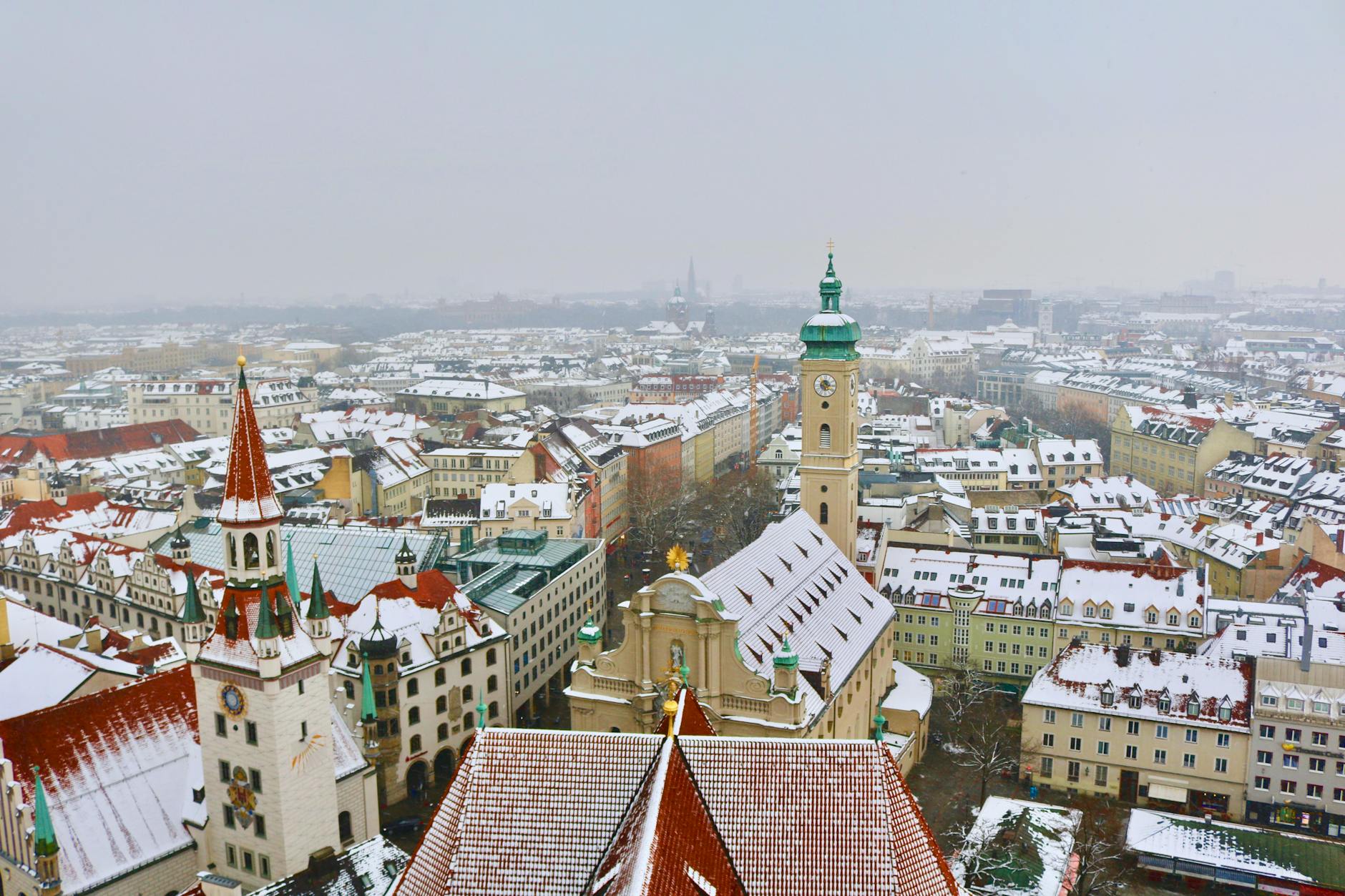
Use this month-by-month table to plan your trip around the Budapest festivals that interest you most. We have included estimated dates for 2026 where confirmed and typical timing for annual events.
| Month | Event | Type | Location | Duration | Free/Paid |
|---|---|---|---|---|---|
| January | New Year’s Day Concerts | Music | Various concert halls | 1 day | Paid |
| February | Mangalica Festival | Food & Culture | Great Market Hall | 2–3 days | Free |
| February | Farsang / Carnival | Cultural | Citywide | 2–3 weeks | Mixed |
| March | March 15 National Day | National Holiday | National Museum, Kossuth Sq. | 1 day | Free |
| April | Budapest Spring Festival | Arts & Culture | Multiple venues | 2–3 weeks | Paid |
| April | Easter Markets | Market / Cultural | Vörösmarty Sq., Basilica | 2–3 weeks | Free entry |
| May | Rosalia Rose Wine Festival | Wine | Buda Castle area | 2–3 days | Paid |
| June | Night of the Museums | Cultural | 200+ venues citywide | 1 night | Paid (wristband) |
| June–August | Budapest Summer Festival | Performing Arts | Margaret Island | ~10 weeks | Paid |
| June/July | Budapest Beer Festival | Food & Drink | Rotating venues | 3–4 days | Mixed |
| August 11–15 | Sziget Festival | Music & Arts | Óbuda Island | 5 days | Paid |
| August | Buda Castle Folk Arts Festival | Folk / Crafts | Buda Castle | 3–4 days | Free |
| August 20 | St. Stephen’s Day | National Holiday | Danube embankment, citywide | 1 day | Free |
| September | Budapest Wine Festival | Wine | Buda Castle | 4 days | Paid |
| September/October | Budapest Documentary Festival | Film | Independent cinemas | 5–7 days | Paid |
| October | CAFe Budapest Arts Festival | Contemporary Arts | Multiple venues | 3 weeks | Mixed |
| October 23 | October 23 National Holiday | National Holiday | Kossuth Sq., memorial sites | 1 day | Free |
| Oct–Nov | Night of the Spas / Sparty | Nightlife / Wellness | Széchenyi, Lukács Baths | Select dates | Paid |
| Mid-Nov–Jan 1 | Budapest Christmas Markets | Market / Cultural | Vörösmarty Sq., Basilica | ~6 weeks | Free entry |
| December 31 | New Year’s Eve | Celebration | Danube banks, Liberty Bridge | 1 night | Mixed |
Practical Tips for Festival-Goers in Budapest
A little preparation goes a long way when visiting Budapest during its busiest festival periods. Here is what we have learned from years of attending Budapest festivals and events.

Book Accommodation Early
Prices spike 30–60% during Sziget, August 20, and the Christmas market season. For Sziget in particular, book 3–6 months ahead. For the Christmas markets, two months is usually sufficient. Check our where to stay in Budapest guide for neighbourhood recommendations based on what you plan to do.
Getting Around During Festivals
Budapest’s public transport (BKK) runs extended hours during major festivals. Buy a 24-hour (2,500 HUF / 6.50 EUR) or 72-hour (5,500 HUF / 14 EUR) travel card for unlimited rides on metro, tram, and bus. During August 20 fireworks and Sziget, expect road closures along the Danube — stick to public transport or walk. Bolt and Uber operate in Budapest and are useful late at night, though surge pricing applies during big events.
Safety
Budapest is generally very safe for tourists, even during large festivals. The usual precautions apply: watch for pickpockets in crowded areas (especially at Christmas markets and on public transport), keep your phone secure, and stay aware of your surroundings. Emergency number: 112 (EU-wide). Pharmacies (gyógyszertár) are easy to find, and several operate 24 hours.
What to Wear
Summer festivals: light, breathable clothing, sunscreen, hat, and comfortable walking shoes. Evenings by the Danube can be breezy, so carry a light jacket. Winter markets: layer up with a warm coat, scarf, gloves, and waterproof boots — cobblestone streets get slippery when wet. Spring and autumn: layers are your best friend as temperatures can swing 10 °C within a single day.
Buying Tickets in Advance
For paid events like Sziget, Budapest Spring Festival headline performances, Wine Festival tasting passes, and Sparty bath parties, buying online in advance saves both money and queueing time. Official festival websites and Jegy.hu (Hungary’s main ticketing platform) are your most reliable sources. Avoid third-party resellers unless verified.
Useful Apps and Websites
- BKK Futár — Real-time public transport schedules and route planning.
- Sziget Festival app — Essential for lineup schedules, maps, and notifications during the festival.
- Funzine.hu — English-language event listings for Budapest, updated weekly.
- WeLoveBudapest.com — Local recommendations for events, restaurants, and hidden gems.
- Google Maps — Reliable for walking directions and real-time transit info in Budapest.
For a complete day-by-day planning approach, see our Budapest itinerary guide. If you want to extend your trip beyond the city, our day trips from Budapest guide covers the best excursions.
Frequently Asked Questions About Budapest Festivals
What is the best time of year to visit Budapest for festivals?
It depends on your interests. August is peak festival season with Sziget, St. Stephen’s Day, and the Folk Arts Festival all happening within the same two weeks. December is magical for Christmas markets. For a balance of great weather, manageable crowds, and strong cultural programming, September (Wine Festival, CAFe Budapest) is our top recommendation.
Is Sziget Festival worth attending?
Absolutely. Sziget is more than a music festival — it is a complete cultural experience with art, theatre, workshops, and an unbeatable international atmosphere. Even if you are not a die-hard music fan, the energy and variety make it worthwhile. A day ticket lets you sample the experience without committing to the full five days.
Are Budapest Christmas markets free to visit?
Yes, entry to all Budapest Christmas markets is completely free. You only pay for what you eat, drink, or buy at the stalls. Budget around 5,000–10,000 HUF (13–26 EUR) per person for a comfortable evening of mulled wine, chimney cake, and browsing.
How do I get around Budapest during major festivals?
Public transport is the best option. BKK extends service hours during major events, and the metro, trams, and buses cover the entire city efficiently. Buy a multi-day travel card for convenience. Road closures are common during August 20 fireworks and Sziget, so avoid taxis during peak times.
Do I need to speak Hungarian to enjoy Budapest festivals?
Not at all. Budapest is very tourist-friendly, and most festival staff, vendors, and younger locals speak English. Signage at major festivals is typically bilingual. Learning a few basic Hungarian phrases — like “köszönöm” (thank you) and “egészségedre” (cheers) — will earn you smiles, but it is not essential.
What should I budget for a festival-focused trip to Budapest?
Budapest remains excellent value compared to Western European capitals. Excluding flights, a mid-range festival trip (3–5 nights) might look like this: accommodation 25,000–50,000 HUF/night (65–130 EUR), food and drink 8,000–15,000 HUF/day (21–39 EUR), festival tickets 0–95,000 HUF (0–245 EUR depending on the event), and transport 5,500 HUF (14 EUR) for a 72-hour pass. Total: roughly 150,000–350,000 HUF (390–900 EUR) for a comfortable 4-night trip.
Budapest’s Festivals and Events — In Depth
We’ve written a full guide to each of the events below, with 2026 dates, ticket prices and the practical details that make or break the day.
- Sziget Festival — dates, lineup, ticket and camping prices, and the first-timer tips that matter on Óbuda Island.
- the Budapest Wine Festival — the Buda Castle setting, what your ticket includes and the wine regions worth seeking out.
- the Christmas markets — Vörösmarty Square and the Basilica — expected 2026 dates, what to eat and when to go.
- New Year’s Eve in Budapest — fireworks over the Danube, party cruises, ruin bars and a thermal-bath countdown.
- the Budapest Spring Festival — now the Bartók Spring International Arts Weeks — opera, baroque, dance and jazz across the city.
- the Hungarian Grand Prix — Hungaroring tickets, grandstand choices, getting there from the city and beating the heat.
Plan Your Budapest Festival Trip
Budapest is a city that celebrates with genuine passion — whether it is a crowd of 500,000 on Óbuda Island, a quiet glass of Tokaji in a Buda Castle courtyard, or the simple warmth of a chimney cake at a Christmas market stall. No matter when you visit, there is a festival, event, or cultural experience waiting for you.
We hope this guide helps you time your trip perfectly. For more detailed planning, explore our other Budapest guides:
- Budapest Travel Guide — Everything you need to know before your trip
- Things to Do in Budapest — Attractions, experiences, and hidden gems
- Budapest Food Guide — What to eat, where to eat, and what to drink
- Where to Stay in Budapest — Neighbourhood breakdown and hotel recommendations
- Budapest on a Budget — How to experience the city without overspending
- Budapest Nightlife Guide — Ruin bars, clubs, and after-dark culture
- Budapest Itinerary — Day-by-day plans for your trip
- Day Trips from Budapest — The best excursions beyond the city
- Budapest History and Culture — Understanding the city’s rich past
Start planning, book those tickets, and get ready to experience the best Budapest festivals first-hand. We will see you there.
Around the Calendar
Once your dates are set, these guides fill in the rest of the trip.
- Budapest’s thermal baths — open year-round, and best on exactly the days a festival is rained off
- Budapest with kids — which festivals genuinely work for families
- romantic Budapest — the Christmas markets, the wine festival and the couples’ version of the calendar
- shopping in Budapest — festival markets, seasonal stalls and where to shop between events