Traditional Hungarian Food: 15 Best Dishes to Try (2026)
From gulyás and pörkölt to lángos and Dobos torte — the traditional Hungarian dishes worth seeking out and where to eat the real thing in Budapest.
In this guide
- Paprika is the whole story
- Goulash is a soup — clear that up first
- Pörkölt, paprikás and the stew family
- Halászlé, the fisherman’s soup
- The home-cooking classics worth seeking out
- Hortobágyi palacsinta and the savoury surprises
- Save room: the sweets
- Where street food meets tradition
- Where I send people to eat the real thing
- Markets and the DIY approach
- A few dishes to put on your list
- Ordering, tipping and timing
- Frequently asked questions
This article contains advertising. Our booking links are routed through a partner that adds commission tracking automatically, so if you book through one we earn a commission from the provider, at no extra cost to you. It never affects what we recommend. Affiliate disclosure
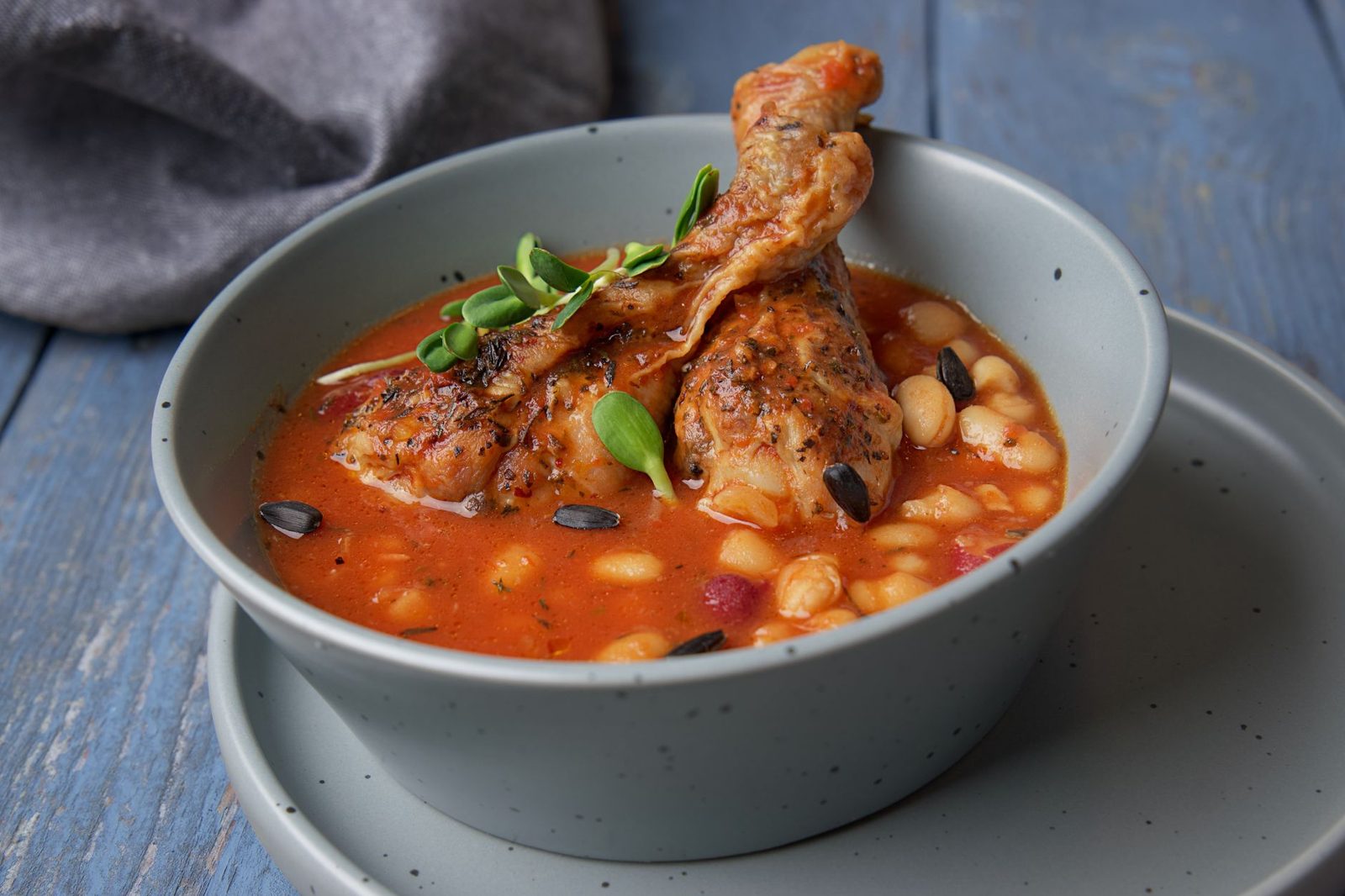
My first real lesson in Hungarian cooking happened at a tiny étkezde near Rákóczi tér, where a woman in a floral apron set down a bowl of gulyás and watched my face until I took the first spoonful. It was nothing like the gloopy “goulash” I’d eaten at home — this was a clear, deep-red broth, smoky with paprika, studded with tender beef, potato and little pinched dumplings. That bowl rewired how I think about Hungarian cooking, and it is the dish I send every first-time visitor to chase.
Eating well here is less about chasing Michelin stars and more about understanding a handful of techniques the whole cuisine is built on. Get those, and you can walk into any neighbourhood vendéglő and order like you grew up two streets over. This guide walks through the dishes that actually matter, clears up the goulash confusion that trips up almost everyone, and tells you where I send friends to eat the real thing without paying tourist prices on the Danube promenade.
Paprika is the whole story
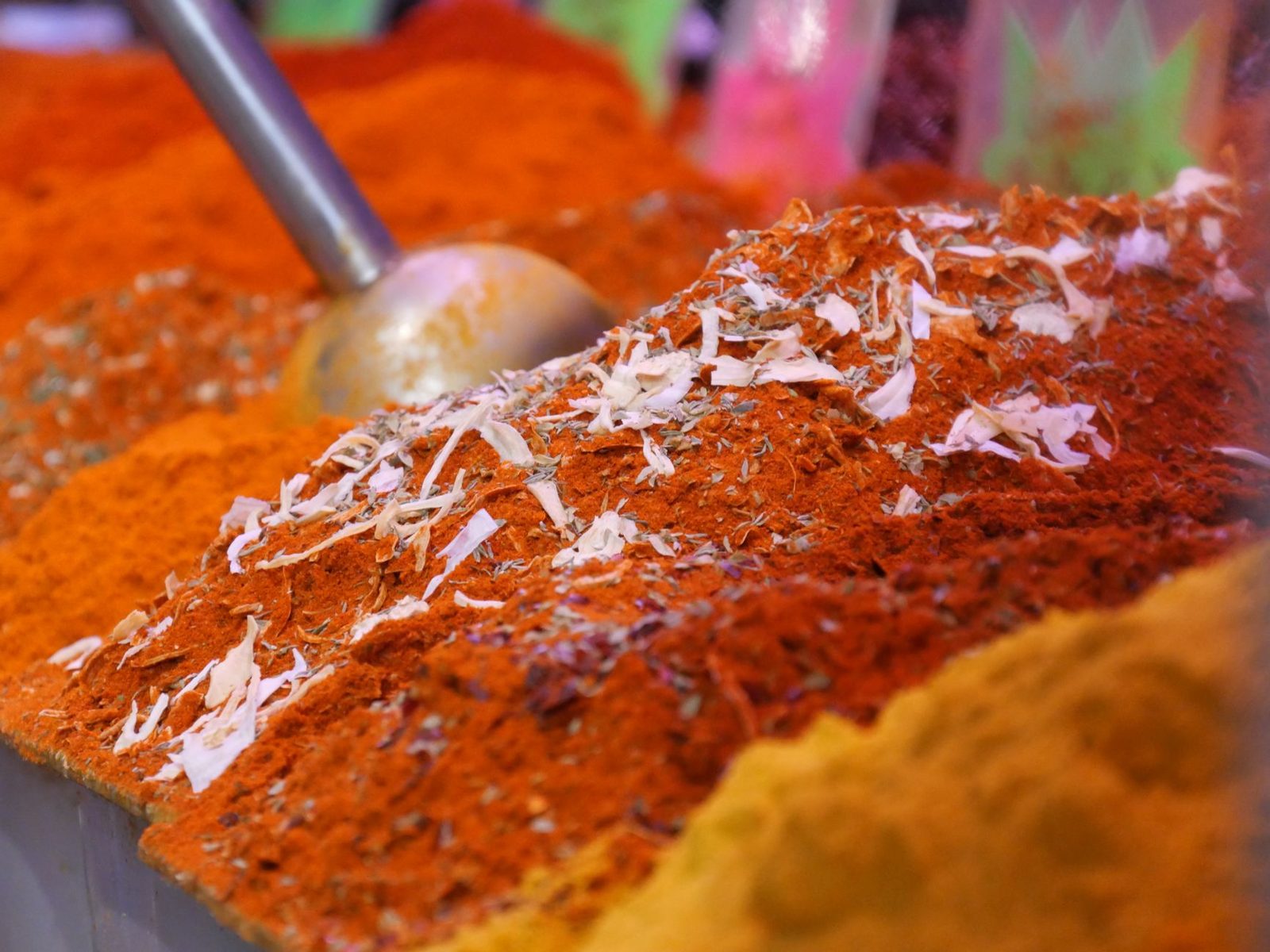
If one ingredient defines traditional Hungarian food, it is paprika — and not the dusty stuff that lives forgotten in most spice racks. Hungarian paprika is fresh, fragrant and graded by heat and sweetness, from the gentle édesnemes (“noble sweet”) to the fiery erős. It goes into the pot early, bloomed in hot fat and onions, where it turns dishes a glowing brick-red and lends that unmistakable sweet-smoky backbone. Buy a tin from the Great Market Hall to take home; it keeps the memory alive far better than a fridge magnet.
The second pillar is fat and onion. Most savoury dishes start the same way: a generous amount of lard or oil, a mountain of finely chopped onion cooked slow and patient, then paprika stirred off the heat so it never scorches. Master that base and goulash, pörkölt and paprikás are all just variations on a theme.
Goulash is a soup — clear that up first
Here is the single most useful thing to know before you order. In Hungary, gulyás is a soup: brothy, generous, eaten from a bowl with bread, traditionally cooked outdoors in a bogrács kettle. The thick, sauce-heavy stew that English menus call “goulash” is actually pörkölt. Order “goulash” expecting stew and you’ll be politely confused; order gulyás and you’ll get the soup. Knowing the difference instantly marks you as someone who did their homework.
Real gulyás carries beef (sometimes shin, for the gelatin), potato, carrot, a little tomato and green pepper, and csipetke — tiny hand-pinched pasta. It’s a one-bowl meal that costs very little and warms you to the bones on a grey November afternoon.
Pörkölt, paprikás and the stew family
Pörkölt is the rich, thick stew most foreigners picture when they hear “goulash.” Meat (beef, pork, veal or game) is browned with onion and paprika and braised down until the sauce clings to every piece. There’s no flour and no cream — just meat, fat, onion and paprika reducing into something glossy and intense. It’s almost always served over nokedli (soft egg dumplings) or tarhonya (toasted egg-barley pasta).
Add sour cream at the end and pörkölt becomes paprikás. The most famous version is paprikás csirke, chicken paprikash — pieces of chicken in a silky, tangy, paprika-stained sauce that may be the most comforting plate in the whole repertoire. Order it with nokedli to soak up every drop.
Halászlé, the fisherman’s soup
Down by the rivers, paprika meets freshwater fish in halászlé, a fiercely red fish soup built from carp and catfish. It’s a Christmas Eve tradition in many households and a point of regional pride — the Szeged style strains the broth silky, the Baja style serves it over matchstick pasta. It is properly spicy, so ask before assuming. A bowl of halászlé with a glass of crisp white is one of the great cheap thrills of Hungarian dining.
The home-cooking classics worth seeking out
Beyond the famous stews, the dishes Hungarians actually eat at home are where the cuisine gets truly endearing. Töltött káposzta — cabbage leaves rolled around spiced pork and rice, simmered with sauerkraut and smoked meat — is the Sunday-lunch centrepiece and tastes even better reheated the next day. Lecsó is the summer staple, a loose stew of peppers, tomato and onion that doubles as a side or a light supper with sausage and egg.
Then there’s főzelék, the everyday vegetable dish that rarely makes the guidebooks but defines weekday eating: vegetables (peas, lentils, squash, spinach) cooked into a thick, savoury porridge, often crowned with a fried egg or a sausage. It’s humble, cheap, vegetable-forward and exactly the kind of food you’ll never find on a tourist menu. Vegetarians will find it a lifeline — I’ve rounded up more meat-free options in my guide to vegan and vegetarian Budapest.
Hortobágyi palacsinta and the savoury surprises
Palacsinta are thin Hungarian crêpes, and they go both ways. Hortobágyi palacsinta wraps them around a paprika-meat filling and blankets them in a creamy paprika sauce — a brilliant starter that surprises people expecting dessert. On the sweet side, the same crêpes get rolled with túró (curd cheese), ground walnuts and sugar, or the legendary Gundel palacsinta with walnuts, rum and dark chocolate sauce, sometimes flambéed at the table.
Save room: the sweets
Hungarian baking deserves its own pilgrimage, and much of it is bound up with the city’s grand café tradition — worth pairing with a stop at one of the historic Budapest coffee houses. The icons are worth knowing by name so you can order with confidence.
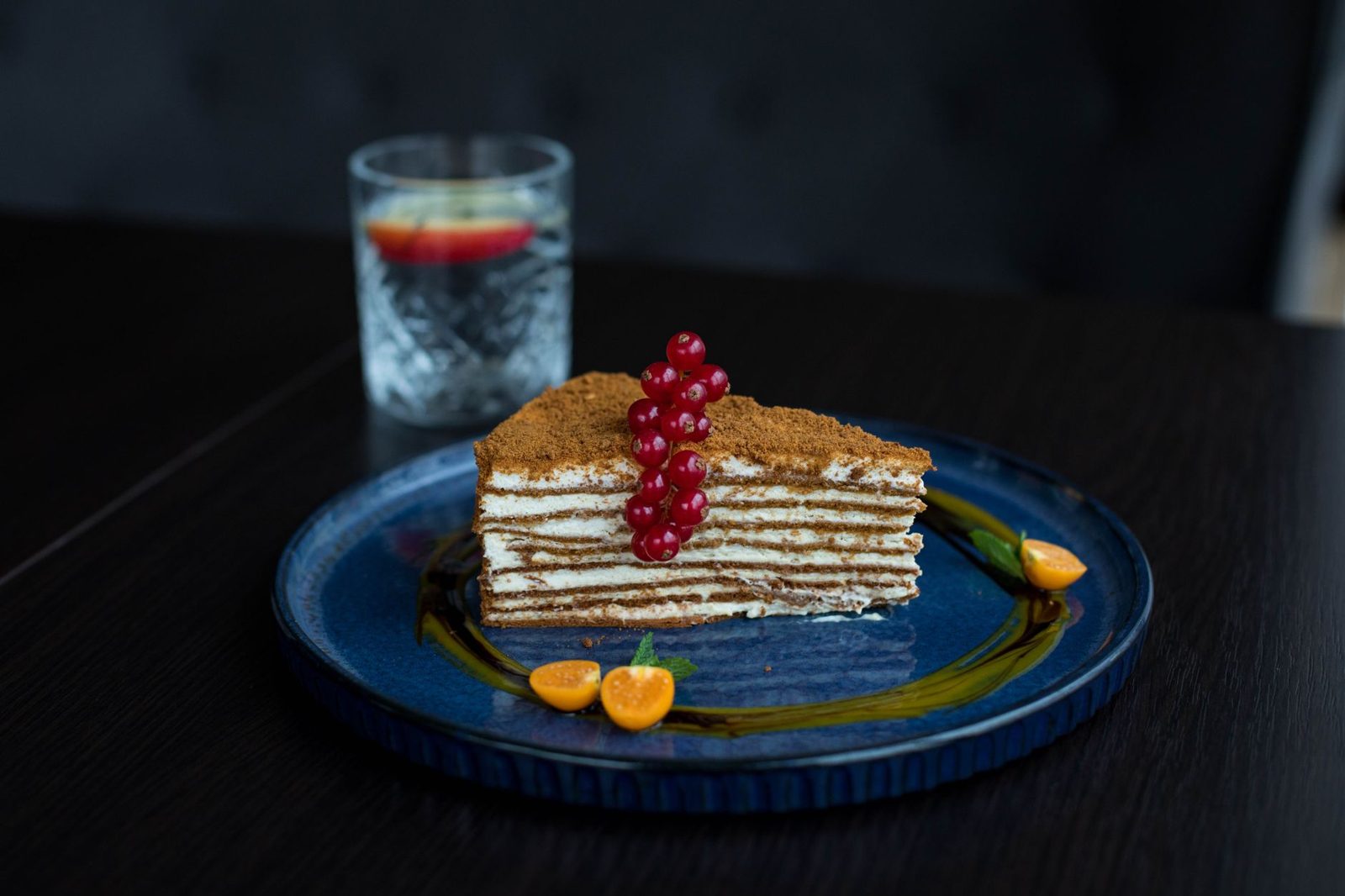
- Dobos torta — sponge layered with chocolate buttercream under a shattering caramel top, invented in 1885 and still a benchmark of Hungarian patisserie.
- Somlói galuska — a gloriously messy trifle of sponge, walnuts, chocolate, rum and whipped cream; order it when you can’t decide.
- Eszterházy torta — almond-meringue layers with cognac buttercream, finished with that distinctive feathered icing.
- Rétes — Hungarian strudel, paper-thin pastry around sour-cherry, túró or poppy-seed filling; the stand at the Great Market Hall does a fine one.
- Kürtőskalács — the spiral “chimney cake” cooked over coals, more a street treat than a sit-down dessert (more on it below).
Where street food meets tradition
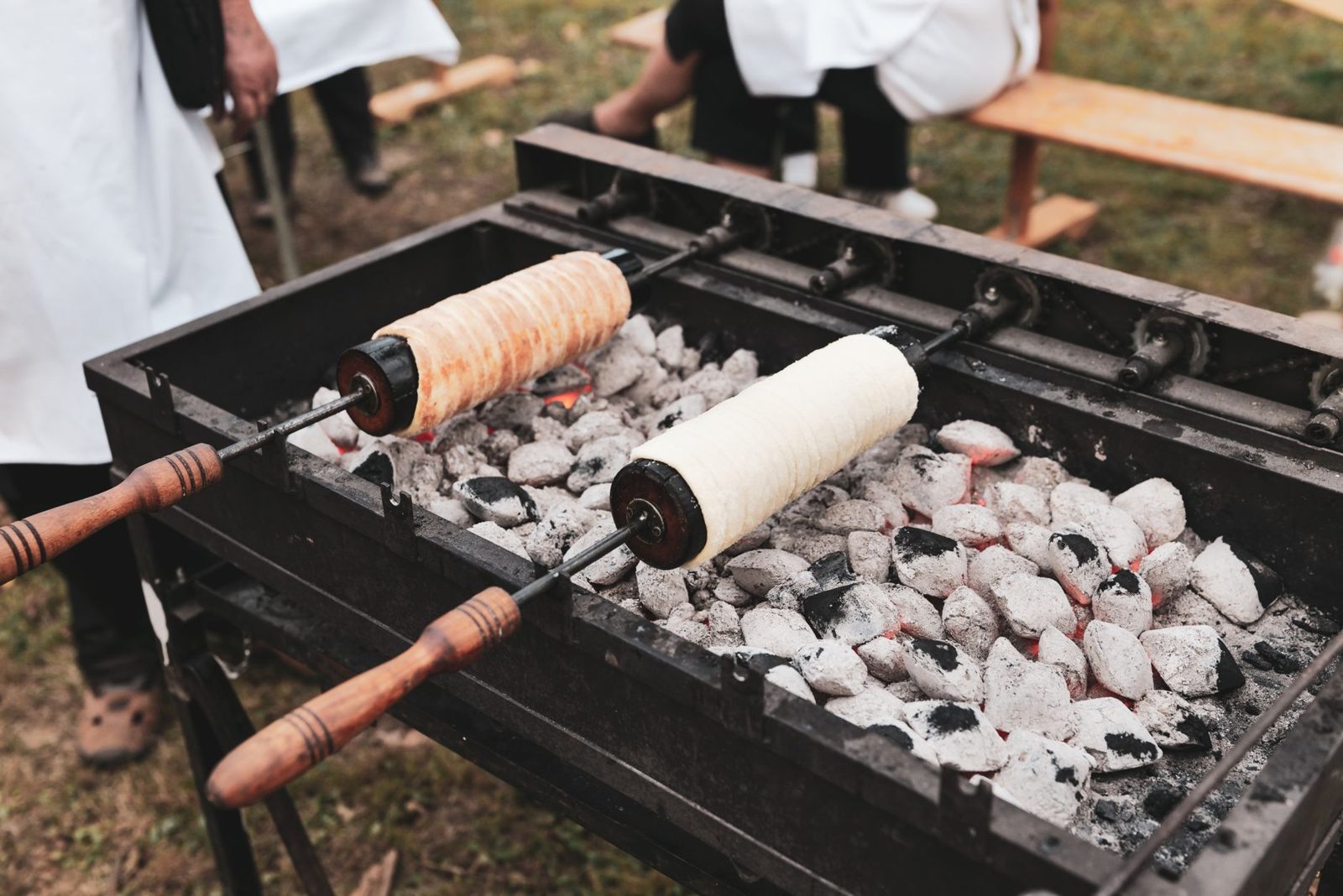
Some of the most beloved traditional Hungarian food is eaten standing up. Lángos — deep-fried dough rubbed with garlic and piled with sour cream and cheese — is the undisputed king, best from a market stall rather than a tourist kiosk. Kürtőskalács, the chimney cake, gets its crisp caramel shell from rolling over open coals before a dusting of cinnamon or walnut. Both belong on any first-timer’s list, and I’ve mapped the best stalls in my dedicated Budapest street food guide.
Where I send people to eat the real thing
You can eat traditional Hungarian food badly in Budapest very easily — the trick is avoiding the laminated-menu traps near Váci utca and heading to places locals actually fill. These are my reliable recommendations, from cheap-and-cheerful to special-occasion.
| Restaurant | Best for | Roughly per main | Area |
|---|---|---|---|
| Gettó Gulyás | Gulyás, pörkölt, paprikás — book ahead | €9–14 | Jewish Quarter (VII) |
| Stand25 Bisztró | Michelin-chef takes on classics | €12–18 | Hold utca Market (V) |
| Kéhli Vendéglő | Century-old Óbuda institution, live music | €14–22 | Óbuda (III) |
| Frici Papa | Cheap, hearty étkezde portions | €5–9 | Király utca (VII) |
| Pest-Buda Bisztró | Refined classics near the Castle | €15–25 | Castle District (I) |
For everyday eating, look for the word étkezde or önkiszolgáló — self-service canteens where office workers queue for főzelék, a slab of meat and a slice of cake for the price of a coffee back home. Stand25 inside the Hold utca market deserves its reputation; many Hungarians will tell you it serves the city’s best gulyás, courtesy of a Michelin-starred chef who wanted classics done properly.
Markets and the DIY approach
The Great Market Hall (Nagyvásárcsarnok) is the obvious starting point — the upstairs stalls ladle out gulyás and lángos, and the ground floor sells paprika, salami and Tokaji to take home. It’s touristy but genuinely good, and a brilliant rainy-day option. For a fuller picture of the city’s market halls, including the quieter ones locals prefer, see my guide to Budapest’s markets.
A few dishes to put on your list
If you only have a long weekend and a finite appetite, here’s the running order I’d actually follow to taste the breadth of the cuisine without repeating yourself:
- A bowl of gulyás soup — the foundational experience
- Chicken paprikás with nokedli — the comfort classic
- Beef or game pörkölt — the “real” goulash stew
- Töltött káposzta — if you’re here on a Sunday
- Lángos from a market stall — the great street snack
- Halászlé — for the brave and paprika-loving
- Somlói galuska or Dobos torta — close it out with cake
Ordering, tipping and timing
A few practicalities smooth the experience. Portions are large, so the soup-then-main combo can defeat you; many locals treat gulyás as a meal in itself. Tipping runs around 10–12%, increasingly added as a service charge, so check the bill before doubling up. Lunch is often the best value — many kitchens run a napi menü (daily set lunch) for a fraction of dinner prices. And pair boldly: a glass of dry Hungarian white or a robust Bikavér red turns a simple plate of pörkölt into an event. My Hungarian wine guide covers what to order with what.
For the bigger picture — markets, modern bistros, dietary tips and how it all fits together — the complete Budapest food guide is the place to start, and the best restaurants in Budapest roundup covers where to splurge.
Frequently asked questions
What is the difference between goulash and pörkölt?
Gulyás is a brothy paprika soup with beef, potato and vegetables, eaten from a bowl. Pörkölt is the thick, sauce-heavy meat stew that English speakers usually picture as “goulash,” served over dumplings with no soup at all. Both start from the same paprika-and-onion base.
Is traditional Hungarian food spicy?
Mostly no. Paprika brings deep colour and sweet-smoky flavour rather than heat, so most dishes are richly seasoned but mild. The big exception is halászlé (fisherman’s soup), which is often genuinely spicy — ask before you order if you’re heat-averse, and look for a pot of erős paprika or csípős paprika cream on the table to add your own.
How much does a traditional Hungarian meal cost in Budapest?
A hearty main at a no-frills étkezde runs about €5–9, while a sit-down meal at a good traditional restaurant lands around €12–22 per person before drinks. Lunch set menus are the best value of all, often half the dinner price.
What should vegetarians eat?
Főzelék (thick vegetable stews), lángos with cheese and sour cream, túrós csusza (curd-cheese pasta), gomba paprikás (mushroom paprikash) and rántott sajt (fried cheese) are all meat-free and genuinely Hungarian. Dedicated spots have multiplied too — see my vegan and vegetarian guide for the current best.
Where do locals actually eat traditional food?
At neighbourhood vendéglők and self-service étkezde away from the tourist core, at market-hall stalls, and at institutions like Kéhli in Óbuda or Stand25 at the Hold utca market. The rule of thumb: if the menu is in six languages and there’s a tout outside, keep walking.
Hungarian cooking is unusually easy to eat as a family — the portions are generous, the flavours are not aggressive, and almost every restaurant will do a half portion for a child without being asked twice. Our guide to family restaurants in Budapest lists the places that handle a pushchair and a toddler without flinching.
Last updated June 2026. Photos: Sylwester Ficek (Pexels); Vladimir Srajber (Pexels); Dirk Pothen (Pexels); Valeria Boltneva (Pexels).