Budapest Coffee Houses: Best Historic Café Guide (2026)
From the gilded New York Café to Espresso Embassy's flat whites — a guide to Budapest coffee houses old and new, with prices, reservations and what to order.
In this guide
- Why coffee runs so deep here
- New York Café: the showstopper
- Gerbeaud: the grande dame
- Centrál and the literary cafés
- A note on Ruszwurm
- What to order at a grand café
- The specialty coffee revolution
- Espresso Embassy and the new guard
- The ritual of the writers’ café
- A few more cafés worth a detour
- Historic or specialty: how to choose
- Tips for a good café morning
- Frequently asked questions
This article contains advertising. Our booking links are routed through a partner that adds commission tracking automatically, so if you book through one we earn a commission from the provider, at no extra cost to you. It never affects what we recommend. Affiliate disclosure
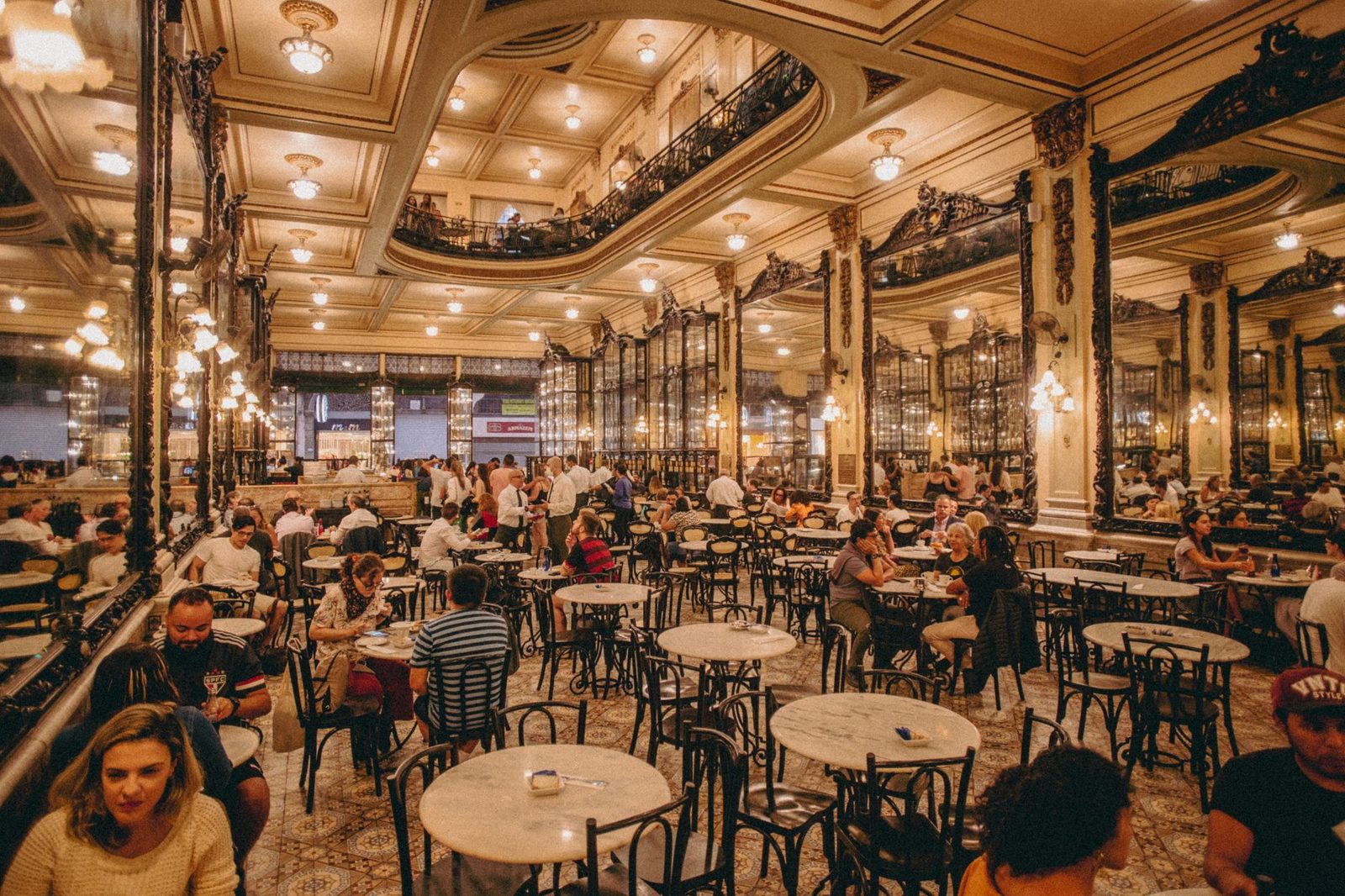
The first time I pushed through the doors of the New York Café, I actually laughed out loud — at the sheer, gilded, over-the-top nerve of the place. Marble columns, frescoed ceilings, twisted gold everywhere, a pianist tinkling away beneath chandeliers the size of small cars. It is ridiculous and magnificent in equal measure, and it tells you immediately that coffee in this city was never just about caffeine. It was about sitting, talking, scribbling and being seen.
Budapest coffee houses come in two flavours. There are the gilded survivors of the belle époque, where you nurse a slice of cake under a painted ceiling and pretend you’re a 1900s poet. And there’s the sharp, modern specialty scene that has quietly made the city one of central Europe’s best for a genuinely excellent flat white. This guide covers both, with the practical details — prices, reservations, what to order — that the romantic write-ups usually skip.
Why coffee runs so deep here
At the turn of the 20th century, Budapest had something like 500 coffee houses, and they were the engine room of the city’s cultural life. Writers had their regular tables (and unpaid tabs), newspapers were founded over espresso, and the café doubled as office, salon and second home for a generation that couldn’t afford to heat their own apartments. That history is why the grand cafés still feel like institutions rather than just pretty rooms — you’re sitting in the living room of a whole literary era.
New York Café: the showstopper
Opened in 1894 and often billed as the most beautiful café in the world, the New York Café inside the Anantara New York Palace hotel is the one everyone photographs. The neo-Renaissance interior is genuinely jaw-dropping. It is also unapologetically a tourist experience: prices are steep, the queue can top an hour in summer, and the coffee is fine rather than transcendent. Go anyway — but go with the right expectations.
A few practical notes save a lot of pain. Reserve ahead through the hotel, ideally a week or two out in high season, or come right at opening (it runs daytime into the evening) to beat the worst of the crowd. Budget around €8–12 for a coffee-and-cake stop, more if you stay for the live music and the full pastry trolley. Treat it as a one-off splurge for the room, not your daily flat white.
Gerbeaud: the grande dame
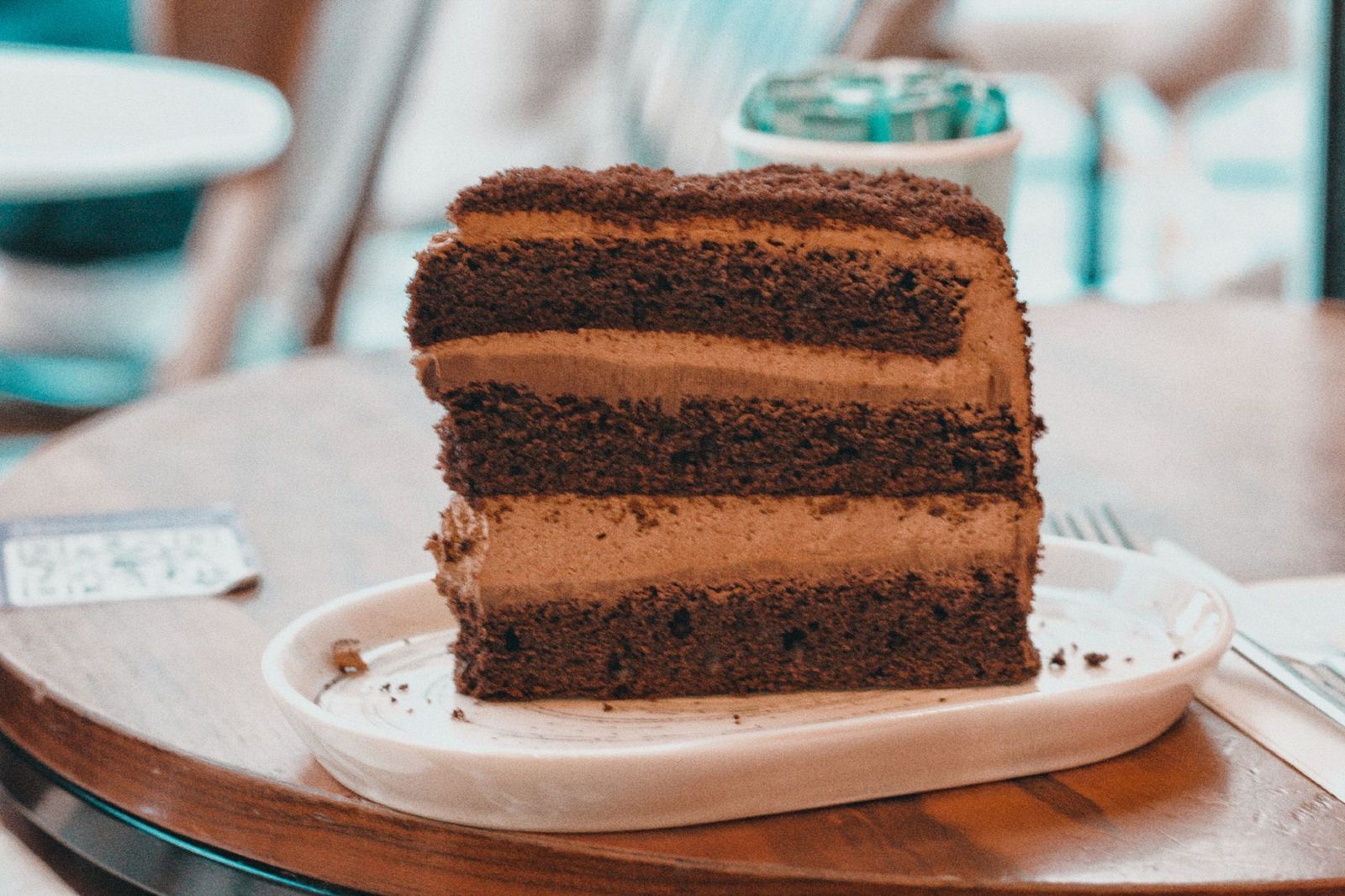
On Vörösmarty tér, Gerbeaud has been the city’s most famous confectionery since 1858, when it began life as Kugler’s before Swiss confectioner Emil Gerbeaud took over and made it legendary. The wood-panelled rooms and terrace draw a steady crowd, and the signature Gerbeaud slice — apricot jam and walnut under chocolate — is a rite of passage at around 4,250 HUF. It doesn’t take reservations, so aim for before 10:00 or after 15:00 on a weekday to avoid the scrum.
Centrál and the literary cafés
For the grand-café atmosphere without quite the same crowds, Centrál Kávéház is my reliable pick. Open since 1887 and lovingly revived in 2000, it was one of the great literary haunts and still functions as a proper all-day café and restaurant — coffee and a krémes in the afternoon, a full dinner at night. Pastries land in the 1,000–2,500 HUF range, gentler than Gerbeaud, and you can usually get a table.
Művész Café on Andrássy út, near the Opera House, earns its nickname as the “little Gerbeaud”: the same belle-époque sparkle and excellent cakes for noticeably less. It’s my go-to when I want the historic feel without the headline prices, and the people-watching on Andrássy is a bonus.
A note on Ruszwurm
If you’ve read older guides, you’ll see Ruszwurm in the Castle District listed as the city’s oldest café, baking since 1827. Sad news: after a long legal battle with the city, Ruszwurm permanently closed in 2025, ending nearly two centuries of trade. I’m leaving it here so you’re not left hunting for a shuttered door — for a Castle-side coffee now, Walzer Café or the cafés around Szentháromság tér are the better bet.
What to order at a grand café
The cakes are the whole point, and Hungarian patisserie is world-class. These are the classics worth ordering, most of which overlap with the sweets in my traditional Hungarian food guide:
- Dobos torta — sponge and chocolate buttercream under a glassy caramel lid, invented in 1885.
- Eszterházy torta — almond-meringue layers with cognac cream and that signature feathered icing.
- Krémes — a wobbling tower of vanilla custard between puff pastry; messy and wonderful.
- Somlói galuska — rum-soaked sponge trifle with walnuts, chocolate and cream.
- Gerbeaud szelet — the apricot-and-walnut slice that built a café’s reputation.
Order your coffee the local way too: a simple eszpresszó, a kávé with a glass of water, or a tejeskávé (coffee with milk). Asking for a “regular coffee” gets you a strong short black, so specify if you want it long.
The specialty coffee revolution
Somewhere around 2012, Budapest’s coffee scene split in two. While the grand cafés kept doing their thing, a wave of third-wave roasters arrived obsessed with single-origin beans, V60 pour-overs and properly trained baristas. Today the specialty scene rivals anything in Vienna or Berlin, and it’s where I actually drink my morning coffee.
Espresso Embassy and the new guard
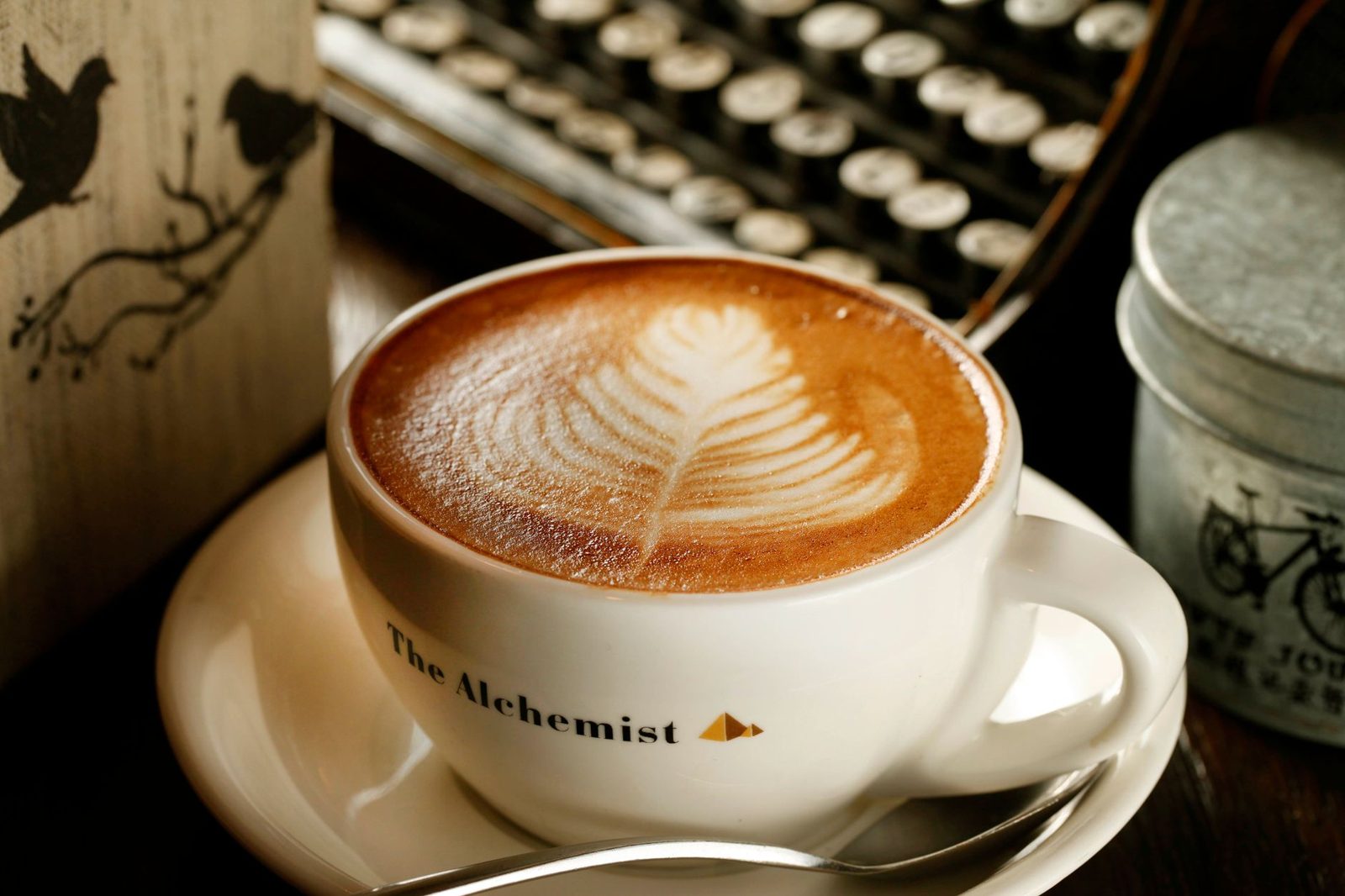
Espresso Embassy, opened in 2012 near Bank utca by barista champion Tibor Várady, is widely credited with kicking the whole movement off, and it’s still arguably the city’s best cup — bright, precise espresso and a serious pour-over menu in a stripped-back, design-led room. My Little Melbourne, near Madách tér in the Jewish Quarter, brought Australian coffee culture to town and remains a buzzy, friendly favourite for a flat white.
Beyond those two, the scene runs deep. Fekete near the National Museum pairs excellent coffee with a leafy courtyard; Kontakt hides down a passage off Károly körút for the purists; Madal does reliable single-origin across several branches; and a fresh crop including CAUSE LAB and Vaskapu Coffee Beyond in up-and-coming Ferencváros keeps pushing the quality bar. You’re never more than a few streets from a genuinely good cup.
The ritual of the writers’ café
To understand why these rooms matter, picture the early 1900s. The New York was the unofficial headquarters of the influential literary journal Nyugat, and the story goes that writers threw the café’s keys into the Danube so it could never close. Penniless poets were served a “writers’ dish” of cold cuts and given free paper and ink. Every regular had a törzsasztal, a reserved table, and the waiters knew your order and your gossip. That ritual — lingering for hours over a single coffee while you read, argued or wrote — is still completely acceptable here. Nobody will rush you out, and that unhurried permission is half the pleasure.
A few more cafés worth a detour
Beyond the headliners, a handful of spots reward the curious. Gerlóczy, a French-leaning café-bistro on a quiet square near the centre, does the best café breakfast in the city and feels like a Parisian brasserie that wandered east. Auguszt, run by the same confectionery family since 1870, is where in-the-know locals buy their cakes without the tourist mark-up. And for something completely different, the courtyard cafés of the Jewish Quarter blur the line between coffee house and ruin bar — caffeine by day, cocktails by night. Mixing a grand café, a specialty bar and one of these in a single day is the most enjoyable way to take the city’s coffee temperature.
Historic or specialty: how to choose
You don’t have to pick a side — do both, on different days. Here’s how the headline options stack up.
| Café | Style | Best for | Rough coffee + cake |
|---|---|---|---|
| New York Café | Belle-époque grandeur | The wow factor, photos | €8–12 |
| Gerbeaud | Historic confectionery | The famous cake slice | €7–11 |
| Centrál Kávéház | Literary grand café | All-day, fewer crowds | €5–8 |
| Művész | Belle-époque, value | Andrássy people-watching | €4–7 |
| Espresso Embassy | Third-wave specialty | The best actual coffee | €3–5 |
| My Little Melbourne | Antipodean specialty | A proper flat white | €3–5 |
Tips for a good café morning
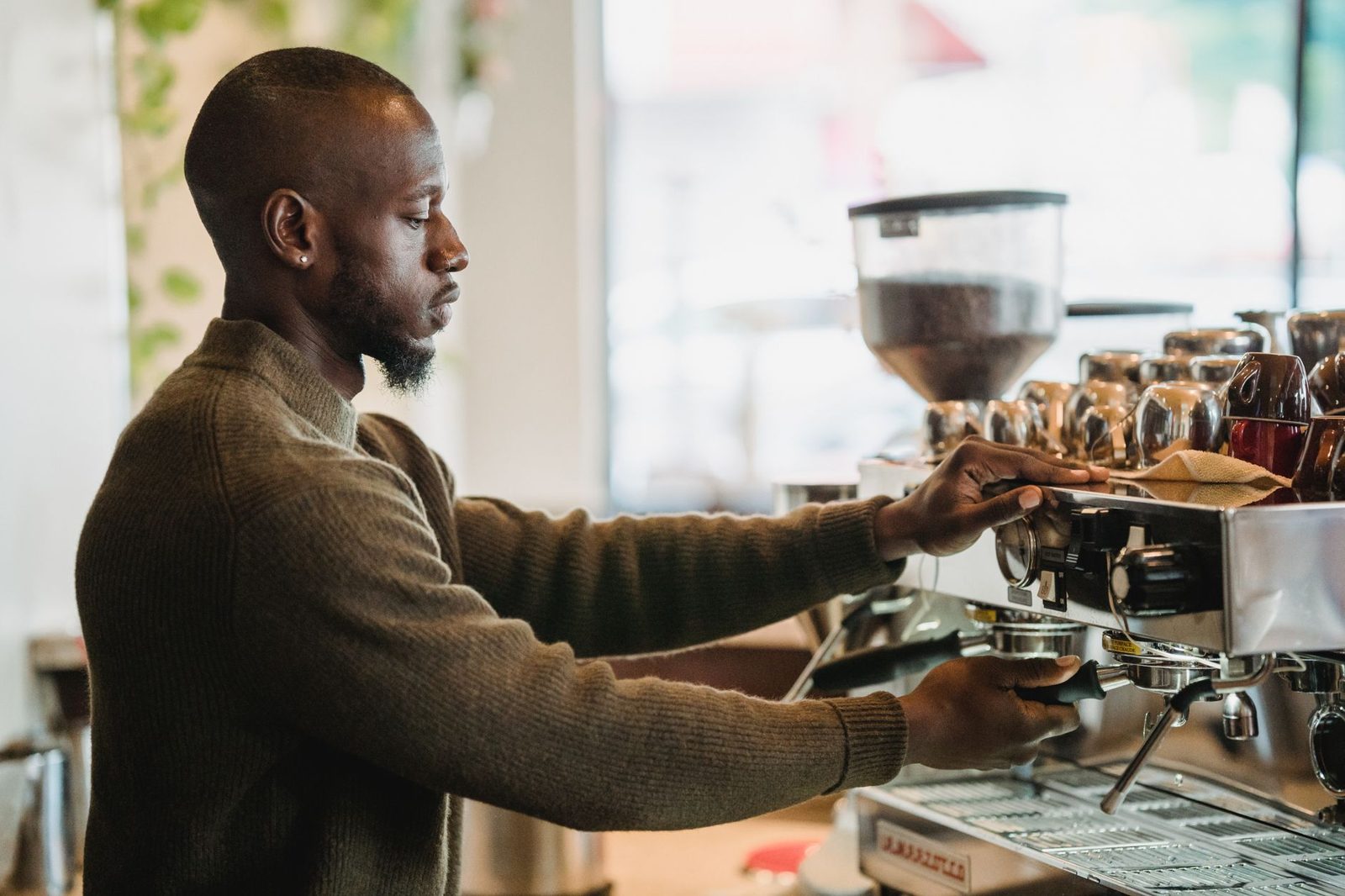
A handful of things smooth the experience. At the grand cafés, dress a notch above scruffy and expect a service charge of 10–12% on the bill. Mornings before 10:00 are calm everywhere; the New York and Gerbeaud crowds build through the afternoon. Most specialty bars open early and close by late afternoon, so they’re a breakfast-and-elevenses play, not an evening one. And if you want the historic atmosphere on a budget, Centrál or Művész give you 90% of the romance at half the New York price.
A café crawl pairs naturally with the rest of the city’s eating. Combine it with a grazing session from my Budapest street food guide, a sit-down meal from the best restaurants roundup, or browse the full Budapest food guide to plan a day around your appetite.
Frequently asked questions
Which is the most beautiful coffee house in Budapest?
The New York Café is the consensus pick — its 1894 neo-Renaissance interior is regularly called the most beautiful café in the world. Gerbeaud on Vörösmarty tér is the other showstopper. Both are worth seeing even if you only stop for a single coffee.
Do I need a reservation for the New York Café?
It’s strongly recommended in high season. Book through the Anantara New York Palace hotel a week or two ahead, or arrive right at opening; walk-ins can face waits of an hour or more on busy summer days.
Are Budapest coffee houses expensive?
The grand historic cafés are a splurge — expect €8–12 for coffee and cake at the New York, a little less at Gerbeaud. The specialty bars are far gentler, with an excellent coffee running €3–5. Centrál and Művész sit comfortably in between for the historic feel without the top prices.
Is Ruszwurm still open?
No. Ruszwurm, the Castle District café that operated from 1827, permanently closed in 2025 after a legal dispute with the municipality. For coffee in the Castle area, try Walzer Café or the spots around Szentháromság tér instead.
Where do locals actually drink coffee in Budapest?
For everyday coffee, locals head to the specialty bars — Espresso Embassy, My Little Melbourne, Fekete, Kontakt and Madal among them. The grand cafés are saved for special occasions and visiting friends, which is exactly how you should treat them too.
Last updated June 2026. Photos: Jonathan Borba (Pexels); Gizem Özkan (Pexels); minchephoto photography (Pexels); Mizuno K (Pexels).