Budapest Hidden Gems: 20 Secret Spots Only Locals Know (2026)
Discover Budapest hidden gems: secret courtyards, communist-era relics, caves, the Buda Hills railways, serene baths and quirky museums most visitors never find.

In this guide
- Underground secrets
- Cold War and communist relics
- Secret courtyards and passages
- Green escapes and the Buda Hills
- Hidden gems district by district
- Offbeat museums and oddities
- Quiet baths and viewpoints
- Hidden gems for food and drink lovers
- Street art and alternative districts
- Riverside and island secrets
- When to seek out the quiet corners
- How to find your own hidden gems
- Hidden gems with kids
- Hidden gems that cost nothing
- A hidden-gems day plan
- A few favourites at a glance
- Frequently asked questions
This article contains advertising. Our booking links are routed through a partner that adds commission tracking automatically, so if you book through one we earn a commission from the provider, at no extra cost to you. It never affects what we recommend. Affiliate disclosure
Once you have ticked off the Parliament and the baths, the real fun begins: seeking out Budapest hidden gems, the secret courtyards, eerie Cold War relics, leafy hills and quirky museums that most visitors walk straight past. Budapest rewards the curious like few cities, partly because so much of its 20th-century history is tucked just out of sight. This guide rounds up my favourite off-the-beaten-path spots, grouped so you can slot a couple into any day, and discover the city the way locals know it.
These pair perfectly with the headline sights; think of them as the second layer of a trip. For the essentials, see our landmarks guide and the wider things to do in Budapest.
Underground secrets
Budapest sits on a honeycomb of caves and tunnels, and some of its best hidden experiences are below ground. The Hospital in the Rock, a WWII and Cold War emergency hospital and nuclear bunker carved into Castle Hill, is one of the city’s most gripping museums, all original equipment and waxwork patients, see our Hospital in the Rock guide. Nearby, the Buda Castle Labyrinth winds through atmospheric caverns beneath the district. And for the genuinely adventurous, Budapest is the only capital where you can go proper caving on a guided tour through the Pál-völgy or Mátyás-hegy cave systems in the Buda hills.
Cold War and communist relics
For a powerful, under-visited slice of history, head to Memento Park on the city’s edge, an open-air graveyard of giant communist-era statues, Lenin, Marx and triumphant workers, gathered up after 1989 and displayed with a knowing irony. It is a striking, slightly surreal place that tells you more about Hungary’s recent past than any textbook. It connects to the story told in our communist Budapest guide, and pairs well with the House of Terror in town.
Secret courtyards and passages
The inner districts hide a network of courtyards and covered passages (udvarok) that most tourists never enter. The grand Gozsdu Udvar in the Jewish Quarter, a series of linked courtyards now full of bars and weekend markets, is the best known, but half the fun is pushing open an unassuming door on a grand old apartment block to find a hidden inner courtyard, faded, leafy and quietly beautiful. The Paris Court (Párisi Udvar), a dazzlingly restored Art Nouveau arcade, is a jaw-dropper worth seeking out.
Green escapes and the Buda Hills
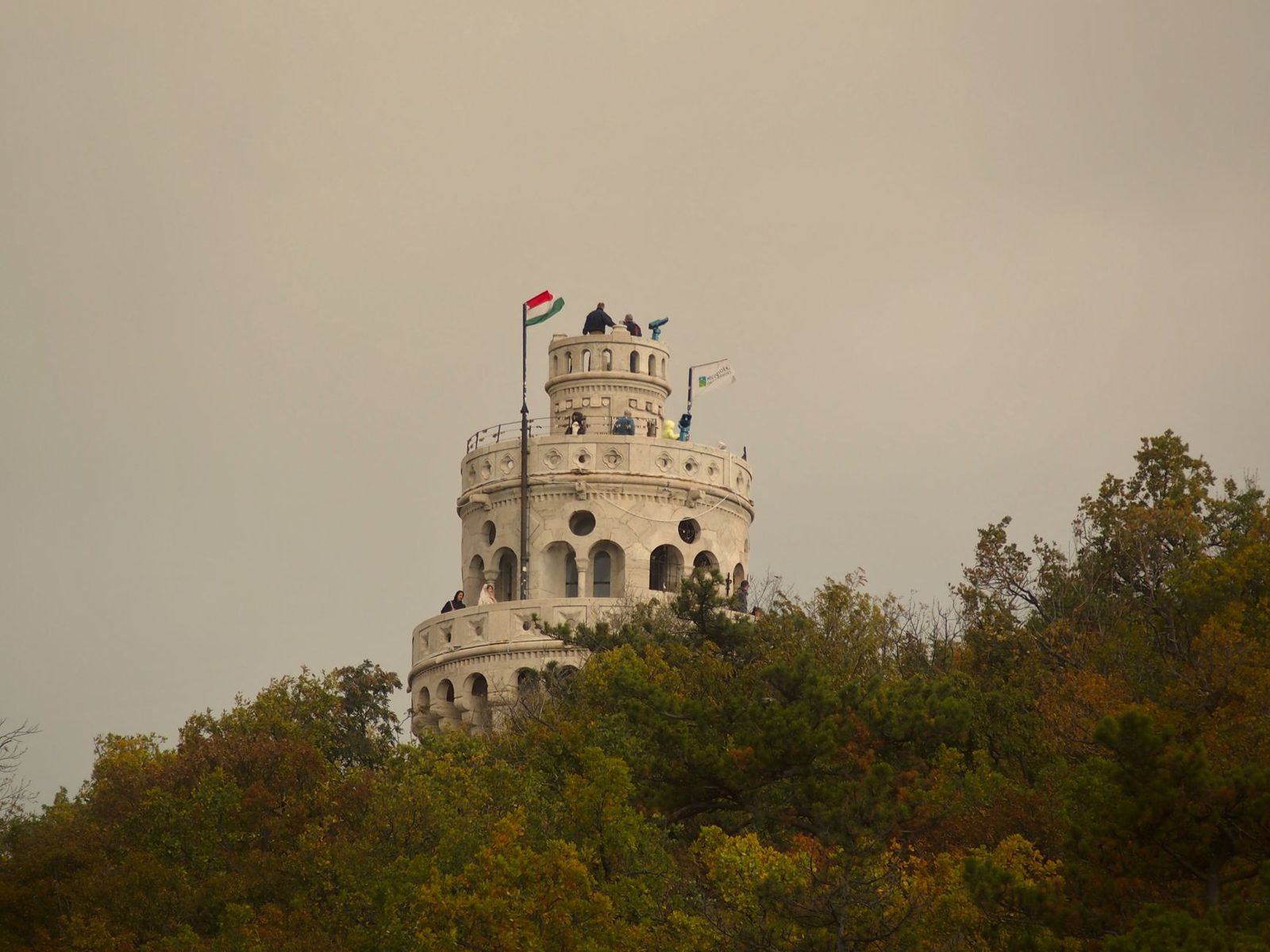
Most visitors never leave the centre, which means the Buda Hills are a glorious secret. Take the quirky Cogwheel Railway up, then ride the Children’s Railway (famously staffed by kids, a charming communist-era institution) through the forest, and climb the Elisabeth Lookout Tower for the highest view over the city. Closer in, Margaret Island has quiet corners, a Japanese garden, medieval ruins and a musical fountain, away from its busier paths. These leafy escapes are a side of Budapest few day-trippers ever see.
Hidden gems district by district
Each part of the city hides its own surprises. In District V (the inner city), slip into the breathtaking Paris Court arcade and find the quiet riverside steps away from the crowds at Vigadó tér. In District VII (the Jewish Quarter), beyond the famous ruin bars lie hidden synagogues, the Rumbach Street synagogue’s restored interior, and weekend antique markets in tucked-away courtyards. Over in District VIII (Józsefváros), a gritty-turned-trendy area, you will find the grand Hungarian Natural History Museum and the moving Kerepesi Cemetery, a vast, leafy necropolis where Hungary’s great figures lie among monumental tombs. On the Buda side, the Tabán and Víziváros neighbourhoods reward aimless wandering with quiet churches, old staircases and river views. Exploring with district in mind helps you string several gems into one walk rather than crisscrossing the city.
Offbeat museums and oddities
Budapest does quirky museums brilliantly. The Pinball Museum lets you play dozens of vintage machines for a flat fee, the House of Houdini celebrates the Budapest-born escapologist, and there are small museums devoted to everything from marzipan to electrotechnology. The Tomb of Gül Baba, a restored Ottoman pilgrimage site on the Buda side, is a serene, little-visited spot with lovely views. For more, our museums guide digs deeper.
Quiet baths and viewpoints
Skip the crowds at the famous baths and seek out the serene Veli Bej, a beautifully restored 16th-century Ottoman bath that caps visitor numbers, or the locals’ Lukács. For views without the tour buses, the Citadella on Gellért Hill is well known, but the lesser-visited viewpoints around the Buda hills and from rooftop bars give you the skyline with elbow room, see our photography spots guide.
Hidden gems for food and drink lovers
Some of the best discoveries are edible. Skip the touristy central spots and seek out the neighbourhood market halls, the Rákóczi tér and Hold utca market halls feel far more local than the Great Market Hall, with cheap, authentic food stalls upstairs. Hunt down a proper old-school cukrászda (pastry shop) away from the centre for cakes at half the price of the famous cafés. And for drinks, the city’s smaller, specialist wine bars and the lesser-known ruin bars beyond Szimpla offer the same atmosphere with fewer selfie sticks; our wine bars and ruin bars guides point you to the good ones. A food tour with a local guide is one of the fastest ways to find these spots.
Street art and alternative districts
The Jewish Quarter (District VII) is famous for its ruin bars, but it is also an open-air gallery of large-scale murals and street art, wander the side streets and look up. The up-and-coming districts beyond the tourist core reward exploration too, with independent cafés, galleries and a local, lived-in feel. A street-art walking tour is a great way to decode it, see our walking tours guide.
Riverside and island secrets
The Danube hides quiet pleasures. The Római-part, a leafy stretch of riverbank in the north of the city, is where locals go for shaded bike paths, fishermen’s pubs and a slow afternoon by the water, a world away from the tourist embankments. The northern tip of Margaret Island, beyond the busy southern entrance, has peaceful gardens and the romantic ruins of a medieval Dominican convent. And on the Buda bank, the restored Várkert Bazár gardens beneath the castle are a beautiful, often-overlooked spot to sit with a view across the river.
When to seek out the quiet corners
Timing turns a good hidden-gem hunt into a great one. Early mornings give you the courtyards, viewpoints and riverbanks almost to yourself, before the day-trippers arrive. Weekdays are quieter than weekends across the board. And the shoulder seasons, spring and autumn, are ideal for the Buda hills and island walks, with mild weather and golden light. Even in peak summer, the hidden gems are precisely where you escape the crowds at the famous sights, so build a few into the hot midday hours when the headline attractions are heaving.
How to find your own hidden gems
Half the magic is discovery, so leave room to wander. Push open courtyard doors (where it is clearly public), ride a tram to the end of the line, follow a quiet side street, and chat with locals for their recommendations. Budapest layers its history in plain sight, faded grandeur, communist remnants, Ottoman survivals, and the rewards go to those who slow down and look. Build a free afternoon into your itinerary just for aimless exploring.
Hidden gems with kids
Travelling with children opens up its own set of lesser-known treats. The Children’s Railway in the Buda hills, run largely by uniformed schoolchildren, is a magical ride through the forest that few tourists know about. The Pinball Museum is a hands-on hit with all ages, and the Buda hills chairlift (Libegő) glides over the treetops to the Elisabeth Lookout. Even Memento Park’s giant statues fascinate older kids. These spots get you away from the crowds while keeping younger travellers genuinely entertained; our Budapest with kids guide has more family-friendly ideas.
Hidden gems that cost nothing
Many of the city’s best secrets are free. Wandering the hidden courtyards, climbing to the Buda-hills viewpoints, strolling the Római-part riverbank, exploring Margaret Island’s quiet northern end, and decoding the District VII street art all cost nothing but curiosity. The faded grandeur of the old apartment-block stairwells, the peaceful Várkert Bazár gardens, and the riverside views at dusk are there for anyone willing to wander. If you are watching the budget, these free discoveries are some of the most memorable things you can do, see our free things to do guide for more.
A hidden-gems day plan
To string several together: start with an early-morning wander through the inner-city courtyards and the Paris Court before the crowds, then ride up to the Buda hills via the Cogwheel and Children’s Railways for forest air and the Elisabeth Lookout. Come back down for a late lunch at a local market hall, spend the afternoon at the Hospital in the Rock or Memento Park for a dose of dramatic history, and end with sunset over the river from the Várkert Bazár gardens or a quiet rooftop. It is a day that shows you a completely different Budapest from the standard tourist trail, and it is the kind of day people remember most.
A few favourites at a glance
- Hospital in the Rock, gripping bunker-hospital museum under Castle Hill.
- Memento Park, communist statues exiled to the suburbs.
- Children’s Railway & Cogwheel Railway, a forested ride in the Buda hills.
- Paris Court & Gozsdu Udvar, dazzling arcades and courtyards.
- Veli Bej, the serene secret bath.
- Tomb of Gül Baba, a peaceful Ottoman shrine with a view.
- Pinball Museum, hands-on retro fun.
Some of the city’s best-kept secrets are whole neighbourhoods rather than single sights: the 1930s streets of Újlipótváros, the folk-style cottages of the Wekerle estate in Kispest, the cellar village of Budafok. The guide to Budapest’s districts covers all 23, including the outer ones worth a special trip.
Frequently asked questions
The Hospital in the Rock, Memento Park’s communist statues, the Buda Hills railways, hidden courtyards like the Paris Court, the serene Veli Bej bath, and the Tomb of Gül Baba are among the best off-the-beaten-path spots.
Is Budapest good for off-the-beaten-path travel?
Excellent. Its layered history, caves, courtyards, communist relics and leafy hills, means there is a rich second layer of sights beyond the famous landmarks, rewarding curious, slow-paced exploration.
Can you go caving in Budapest?
Yes, it is the only capital where you can take a guided caving tour through natural cave systems (Pál-völgy and Mátyás-hegy) in the Buda hills, a genuinely unusual hidden-gem experience.
What is Memento Park?
An open-air museum on the city’s edge displaying giant communist-era statues removed from Budapest after 1989, a striking, slightly surreal window into Hungary’s recent history.
The best-kept secret of all sits two hours out of town: Hollókő, a UNESCO-listed Palóc village that most visitors to Budapest never hear about.
Last updated June 2026. Photos: Kirandeep Singh Walia (Pexels); Máté Bagi (Pexels); Image Hunter (Pexels).