Here is a tip that separates people who have done Budapest from people who have done it well: skip the queues at the famous baths and go to Lukács Baths Budapest instead. This is the bath where actual Budapesters go, an unflashy, deeply therapeutic spa on the Buda side near Margaret Bridge, where pensioners do their morning laps, writers once held court, and a few hours in the mineral water costs around €25 (roughly 7,000 HUF), about half what you would pay at the headline baths. It is the quietest, most local, and best-value of the big thermal baths, and for a certain kind of traveller it is the best one full stop.
This guide covers what makes Lukács different, the 2026 prices, the pools, the famous “wall of gratitude”, and exactly who should choose it over the tourist baths. For the full picture, see our Budapest thermal baths guide.
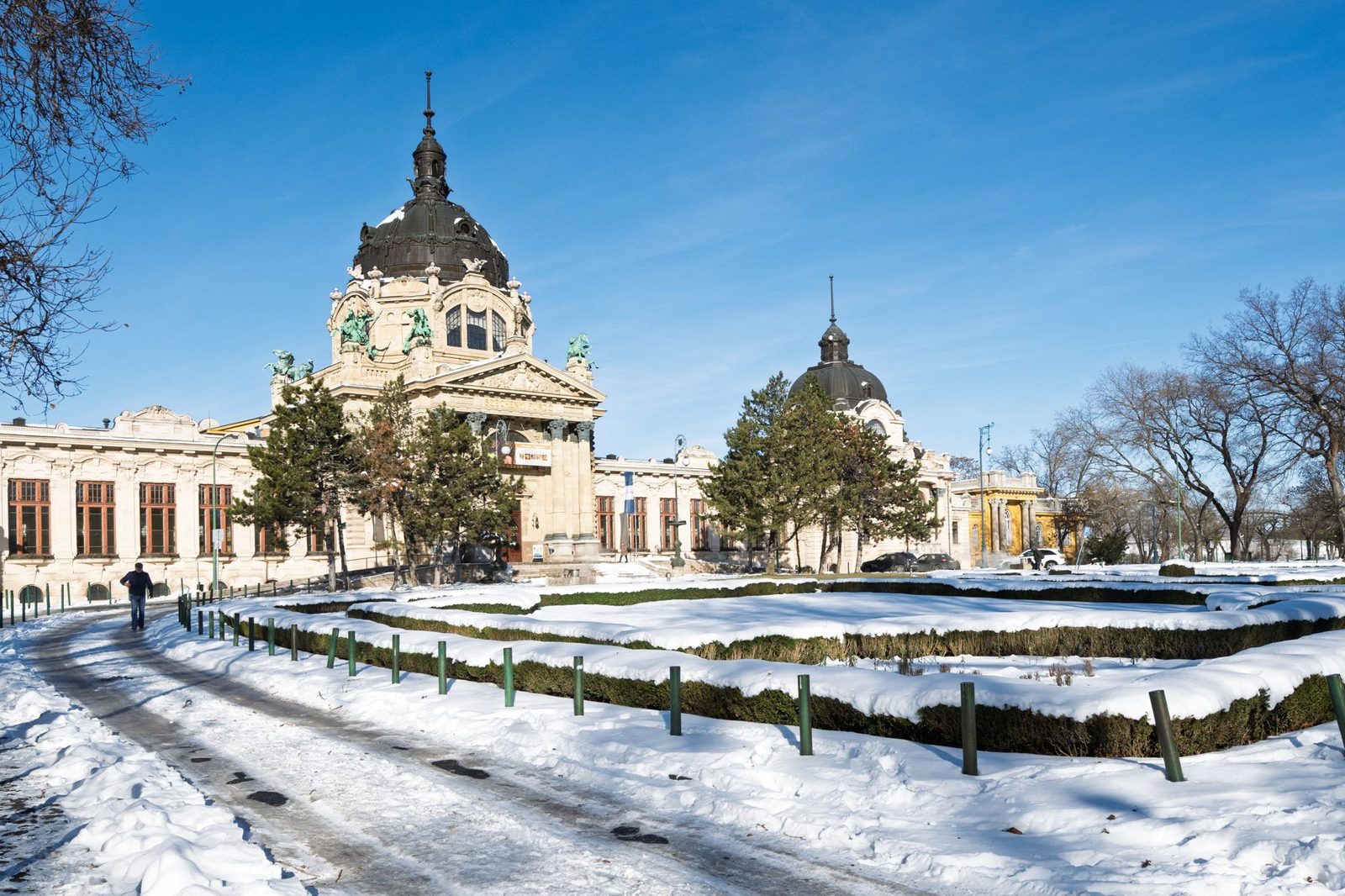
Why locals love Lukács
The honest reason is that Lukács is not a show. There is no neo-baroque palace, no rooftop bar, no DJ. What there is, is genuinely curative thermal water, a calm, slightly old-fashioned atmosphere, and a crowd that is overwhelmingly Hungarian, retirees on doctors’ referrals, swimmers doing serious lengths, locals who treat it as part of their weekly routine. If Széchenyi is the spectacle and Rudas is the experience, Lukács is the real thing: a working medicinal bath that happens to welcome visitors. You come here to soak and to slow down, not to take photos.
A long and slightly bookish history
Healing water has drawn people to this spot for the better part of a thousand years. The Knights of St John (the Hospitallers) ran a monastery and infirmary here in the Middle Ages, the Ottomans built baths during their occupation, and in the 19th century Lukács developed into the spa we know today. What makes its story charming is its association with Budapest’s intellectual life: in the late 19th and early 20th centuries, writers, poets and artists made Lukács their haunt, soaking and arguing and drinking the spring water. That faintly literary, faintly faded grandeur still clings to the place, and it is part of the appeal.
The wall of gratitude
Do not leave without looking at the courtyard walls. They are covered in marble plaques, dozens upon dozens of them, left over more than a century by grateful patients from around the world thanking the waters for curing their ailments. Written in many languages and dating back to the 1800s, they are genuinely moving, a physical record of people who believed this water gave them their health back. It is the kind of small, human detail you simply do not get at the big tourist baths, and it tells you everything about how seriously Hungarians take their thermal cures.
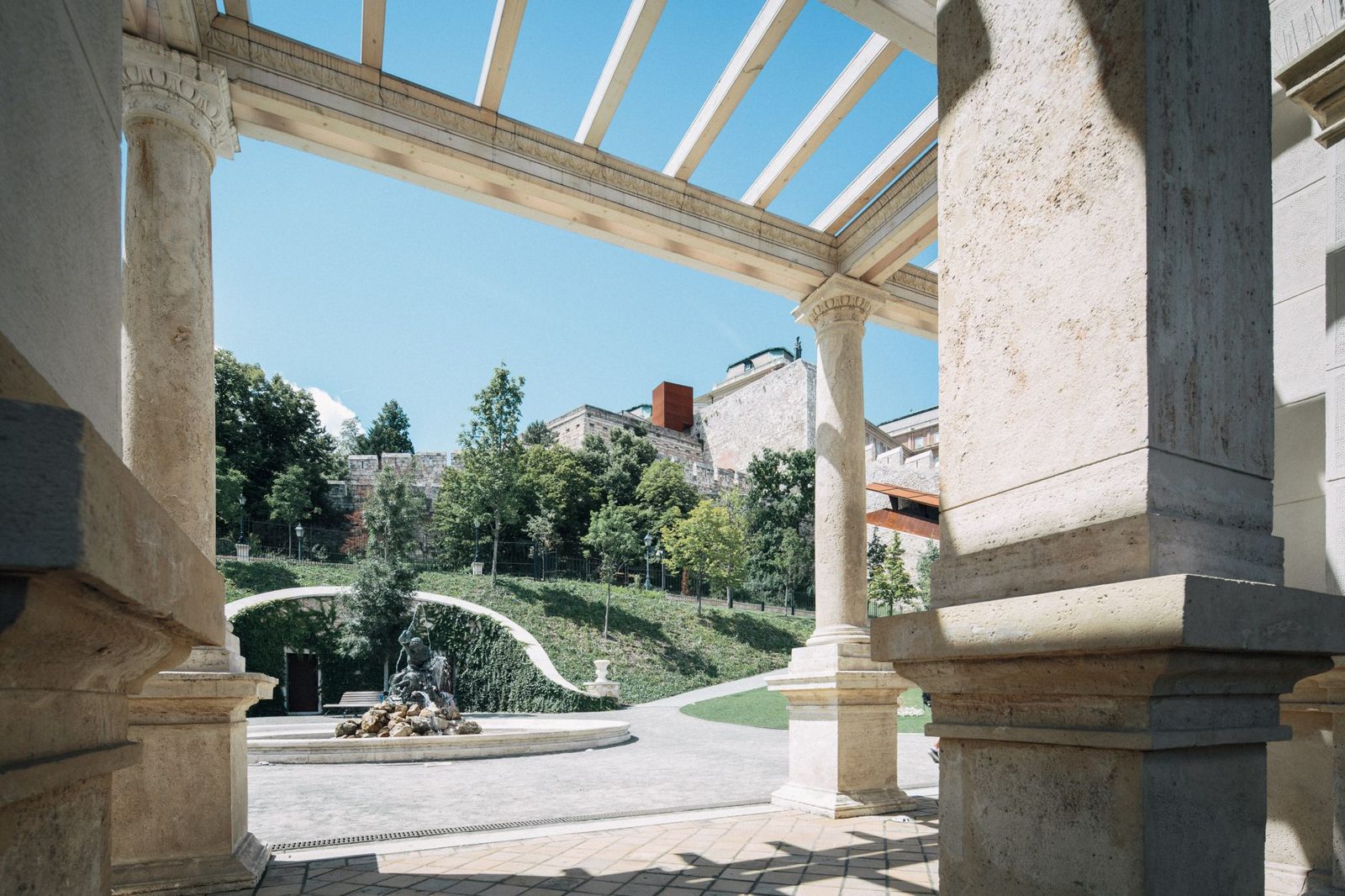
The pools, saunas and steam rooms
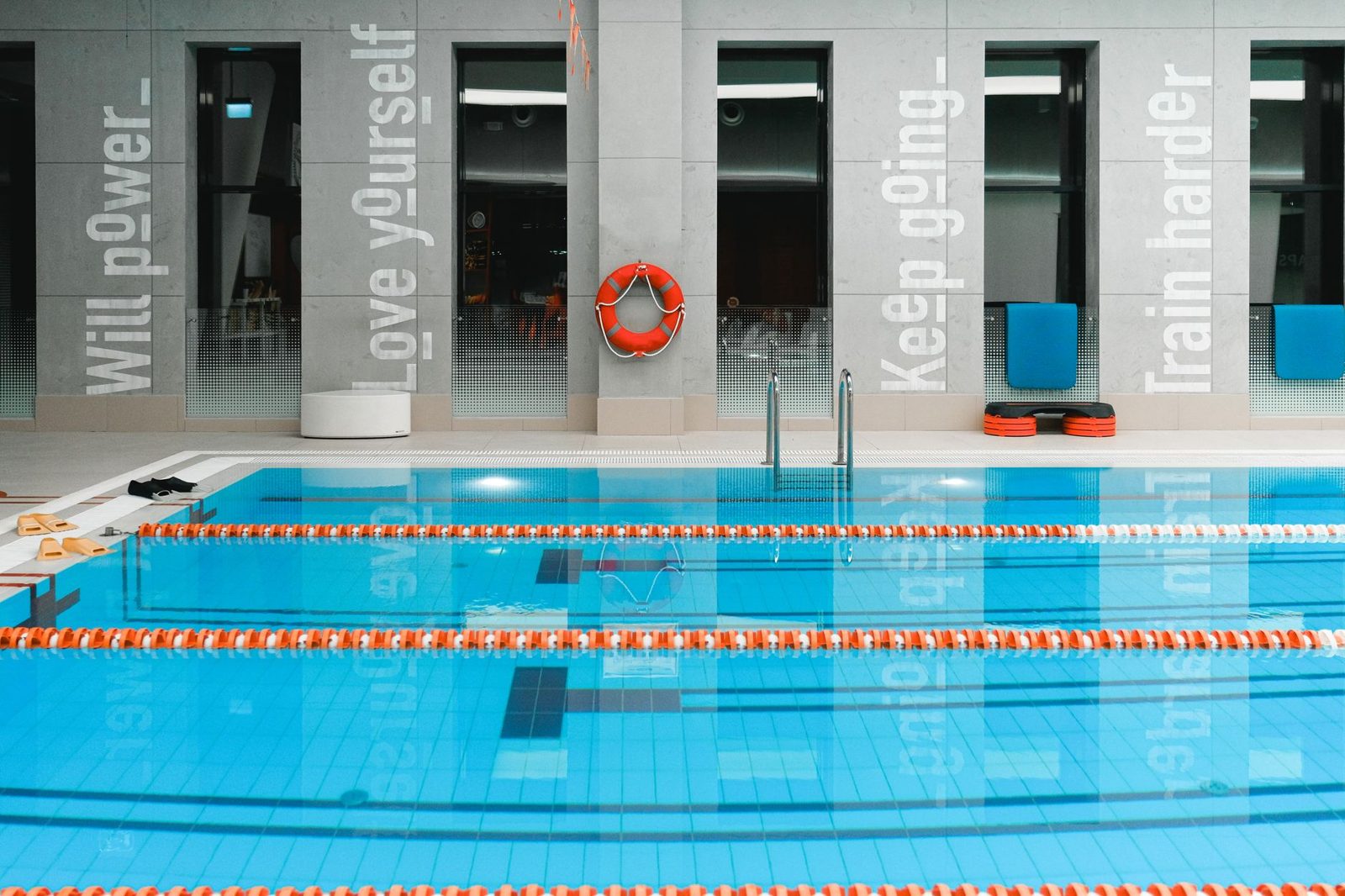
Lukács is mid-sized: you get one large indoor swimming pool and two outdoor pools (including a warmer thermal pool and a pool with massage jets and a current), plus a thermal section with a series of sitting pools at varying temperatures, and a generous wellness area, locals will tell you there are around eleven saunas and five steam rooms across the complex. The water is rich in calcium, magnesium and sulphate, traditionally prescribed for joint, bone and circulation complaints. The layout is practical rather than grand: this is a place built for bathing, not for Instagram, and the cycle of hot pool, cool pool, sauna, rest works just as well here as anywhere, with a fraction of the crowd.
The thermal water: what it is actually good for
Lukács takes its medicinal role seriously, and this is where it differs most from the tourist baths. The springs here deliver calcium-magnesium-hydrogen-carbonate water with sulphate and a touch of fluoride, traditionally prescribed for degenerative joint conditions, chronic arthritis, spinal complaints and post-injury rehabilitation. The bath has a long association with proper balneotherapy, and crucially it offers a treatment you will struggle to find elsewhere: weight-bath therapy (súlyfürdő), a Hungarian speciality in which patients hang in the warm water with weights gently applied to stretch and decompress the spine under medical supervision. You will see the harnesses and frames in one of the pools. Most visitors will not need any of this, but it tells you what kind of place Lukács is, less a leisure attraction, more a genuine medical spa that also happens to be a wonderful, cheap soak.
What it costs in 2026
| Ticket | Price (2026) | Notes |
|---|---|---|
| Day ticket with locker | ~€25 / ~7,000 HUF | All pools, saunas, steam rooms |
| Day ticket with cabin | slightly more | Private changing cubicle |
| Discounted entry | varies | Some passes and off-peak rates available |
The value here is the headline. For roughly half the price of Széchenyi you get the same essential experience, hot mineral water, saunas, the full ritual, minus the crowds and the spectacle. If you are travelling on a budget, this is the smart choice; see how it fits your daily spend in our Budapest budget guide.
Opening hours
Lukács generally opens early (around 6am or 7am) and runs into the evening (around 8pm), seven days a week, with last entry before closing. The early start suits its lap-swimming regulars; an early-morning soak here, before the city wakes up, is a lovely quiet ritual. Hours can shift seasonally, so confirm on the official site.
A morning at Lukács: the local ritual
To get the most out of Lukács, do as the regulars do. Arrive early, soon after opening, when the lap pool belongs to a handful of serious swimmers and the thermal pools are nearly empty. Shower, then start your laps or ease straight into the warm thermal water. Work through the temperature cycle, hot pool, a spell in a sauna, a cool rinse, a rest, repeating until you feel thoroughly loosened. Take a slow look at the wall of gratitude on your way between pools. Finish with a long soak in the warmest outdoor pool, and if you are feeling traditional, a small cup from the drinking hall on the way out. The whole thing is unhurried by design, and an hour or two here resets you more completely than any number of sights.
Drink the waters
Like several of Budapest’s historic baths, Lukács has a drinking hall (ivócsarnok) where you can sample the mineral spring water. It is an acquired taste, warm and mineral-heavy, but trying a small cup is part of the tradition and a nod to the bath’s medicinal heritage. A taste is plenty.
The springs, the lake and the cave
There is a hidden geological story beneath Lukács. The bath is fed by a cluster of warm springs on the Buda side, and behind the complex sits the small Malom-tó (Mill Lake), a warm pond whose steaming surface betrays the thermal water feeding it. This same spring system once powered mills and supplied neighbouring baths, and the hillside above is riddled with caves carved by the warm water over millennia. You do not need to seek any of this out to enjoy your visit, but it is a reminder that Budapest sits on one of the richest concentrations of thermal springs of any capital in the world, more than a hundred of them, which is why the city calls itself the “City of Spas”.
Who Lukács is for (and who it is not)
Choose Lukács if you want a calm, authentic, good-value soak; if you are a swimmer who wants to do real lengths; if you have already done the big baths and want the local version; or if crowds and noise put you off. Look elsewhere if you want the grand architectural spectacle (go to Széchenyi), the Ottoman-and-rooftop experience (go to Rudas), or a party atmosphere (the spa party is at Széchenyi). Lukács is about substance over show, and not everyone is in the mood for that on a short trip, which is exactly why it stays quiet.
When to go
Because Lukács is a locals’ bath, its rhythms are different from the tourist spas. Early mornings belong to the lap swimmers; late mornings and early afternoons are the calmest for visitors; weekends are busier but still nothing like the crush at Széchenyi. There is no need to fight for space here, which is the whole point. In the colder months it is especially pleasant, warm water, quiet courtyards, steam rising; see our Budapest in winter guide.
Getting there, and combining with Margaret Island
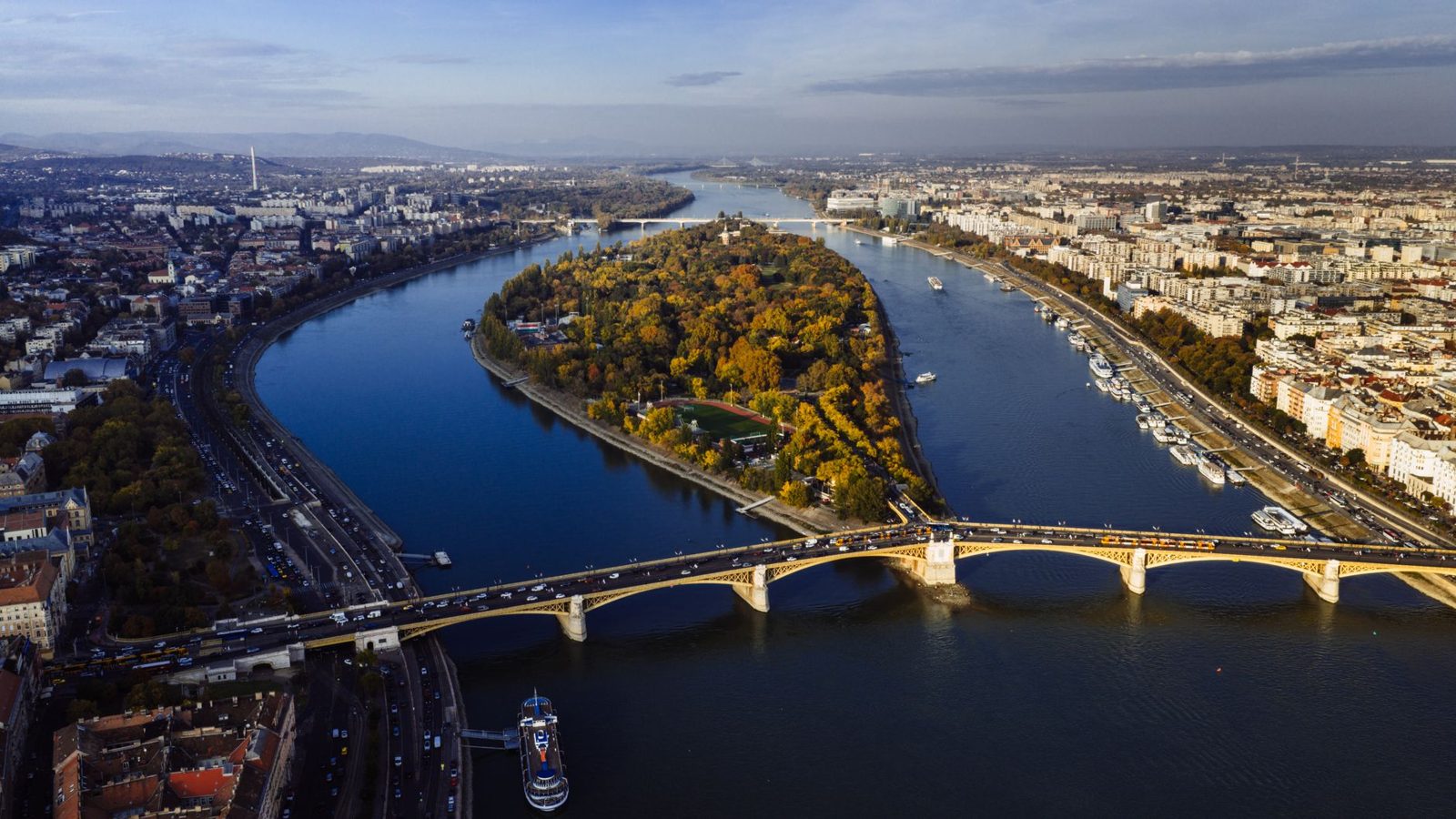
Lukács is on the Buda riverbank just north of Margaret Bridge (Margit híd), easily reached by tram (the 17, 19 and 41 run along the Buda side) or a short walk from the Margaret Bridge tram and bus stops. Its location is a gift, because Margaret Island, Budapest’s leafy car-free park in the middle of the Danube, is right next door. I love pairing a soak at Lukács with a walk or a rented bike around the island’s running track, gardens and musical fountain. It makes for one of the most relaxing half-days in the city. For routes and tickets, see our public transport guide, and weave it into a wider plan with our itineraries.
Facilities and accessibility
Lukács is a functional, well-equipped complex rather than a luxury one. Expect lockers and cabins, showers, a buffet for snacks and drinks, and the usual sauna and steam facilities, plus a dedicated medical/therapy wing. As with most of the historic baths, some areas involve steps and older fittings, so if step-free access is essential, contact the bath ahead of your visit to check the current arrangements. Bring your own toiletries and a towel to keep costs down. It is an easy, low-stress bath to visit, which is part of why locals keep coming back.
How Lukács compares
Lukács is the value-and-calm pick. Széchenyi wins on grandeur and the famous outdoor pools; Rudas wins on Ottoman atmosphere and the rooftop. With the Gellért and Király baths both closed for renovation, Lukács is also one of the easiest open baths to simply turn up to without a long queue. For a full side-by-side, see our Budapest bath comparison, and read the bath etiquette guide before your first visit.
Lukács vs the headline baths (2026)
| Bath | From (2026) | Crowd | Vibe |
|---|---|---|---|
| Lukács | ~€25 / 7,000 HUF | Mostly locals | Calm, therapeutic, great value |
| Széchenyi | ~€36–47 | Very touristy | Grand, busy, big outdoor pools |
| Rudas | ~12,000 HUF | Mixed | Ottoman + rooftop Danube view |
What to bring
Pack a swimsuit (required throughout; Lukács is co-ed), flip-flops, a towel or be ready to rent one, and a swim cap, which you will likely need for the lap pool. Bring a water bottle to stay hydrated, and a padlock is not needed as lockers run off a wristband, just remember your locker number.
Frequently asked questions
Is Lukács Baths Budapest worth visiting?
Yes, especially if you want an authentic, calm, good-value soak rather than a tourist spectacle. It is the locals’ favourite, with genuine medicinal water and a fraction of the crowds at half the price of Széchenyi.
How much does Lukács cost in 2026?
A day ticket with a locker is around €25 (about 7,000 HUF), making it consistently the best value of Budapest’s major thermal baths.
Is Lukács good for swimming?
Yes, it has a proper indoor lap pool and is popular with local swimmers, bring a swim cap. It is one of the better baths for doing actual lengths rather than just soaking.
Is Lukács touristy?
No, and that is the appeal. The crowd is mostly local Hungarians, the atmosphere is calm and unpretentious, and it never feels overrun the way the headline baths can.
Are children allowed at Lukács?
Yes, Lukács admits families, though it is primarily a quiet, therapeutic bath rather than a play-focused one. For more family-friendly options see our Budapest with kids guide.
What is the wall of gratitude at Lukács?
It is a collection of marble plaques in the courtyard, left over more than a century by grateful patients thanking the waters for healing them. It is one of the bath’s most distinctive features.
Last updated June 2026. Written from quiet weekday visits. Photos: Marcelo Gonzalez (Pexels); Bence Szemerey (Pexels); SHVETS production (Pexels); K (Pexels).
Leave a Reply