Budapest Bath Comparison: Best Spa Choice for You (2026)
Which Budapest thermal bath should you choose? A practical 2026 Budapest bath comparison of Széchenyi, Rudas, Lukács and Veli Bej by price, atmosphere and crowds, with clear picks for every traveller.
In this guide
- What makes Budapest’s baths special
- The Budapest bath comparison table (2026)
- First, the two famous baths that are closed
- Széchenyi: the grand all-rounder
- Rudas: the atmosphere pick
- Lukács: the locals’ value bath
- Veli Bej: the quiet secret
- The other baths worth knowing
- Quick picks by type of traveller
- Summer or winter: does the season change your pick?
- Price comparison
- Location and logistics
- Can you do two baths in one day?
- Five mistakes people make choosing a bath
- How to choose, in three questions
- Frequently asked questions
This article contains advertising. Our booking links are routed through a partner that adds commission tracking automatically, so if you book through one we earn a commission from the provider, at no extra cost to you. It never affects what we recommend. Affiliate disclosure
Budapest has so many thermal baths that choosing one can feel paralysing, so here is a Budapest bath comparison that cuts through it. The short version: for your first visit and the grand spectacle, go to Széchenyi; for Ottoman atmosphere and a rooftop Danube view, go to Rudas; for a quiet, cheap, local soak, go to Lukács. Two of the most famous baths, Gellért and Király, are currently closed for renovation, so do not plan around them. Below I compare every bath worth your time on price, atmosphere, crowds and location, with clear picks for each type of traveller.
I have soaked in all of these across multiple trips, so this is a practical comparison, not a copy-paste of opening hours. For the deep dives on each one, follow the links through to our individual guides, and see the overview in our Budapest thermal baths guide.
What makes Budapest’s baths special
A quick bit of context, because it shapes how you should choose. Budapest sits on more than a hundred thermal springs, more than any other capital in the world, and has been bathing in them since Roman and Ottoman times. That is why the city calls itself the “City of Spas”, and why a thermal bath here is not a hotel-pool afterthought but a genuine cultural institution. The baths split loosely into two types: historic thermal baths (Széchenyi, Rudas, Lukács, the closed Gellért and Király) built around medicinal springs, and modern “experience” or adventure baths and outdoor summer lidos aimed at families and fun. This comparison focuses on the historic thermal baths, the ones most visitors come for, but I will flag the alternatives below.
The Budapest bath comparison table (2026)
| Bath | From (2026) | Atmosphere | Crowds | Best for |
|---|---|---|---|---|
| Széchenyi | ~€36–47 | Grand neo-baroque palace | Very high | First-timers; iconic outdoor pools |
| Rudas | ~12,000 HUF | 16th-c Ottoman + modern rooftop | Medium–high | Atmosphere; rooftop; couples |
| Lukács | ~€25 / 7,000 HUF | Calm, local, therapeutic | Low | Value; swimmers; peace |
| Veli Bej | ~5,700–7,200 HUF | Intimate restored Ottoman | Low (capped) | Quiet; architecture; budget |
| Gellért | Closed | Art Nouveau icon | — | Closed until ~2028–29 |
| Király | Closed | Historic Ottoman | — | Closed since 2020 |
First, the two famous baths that are closed
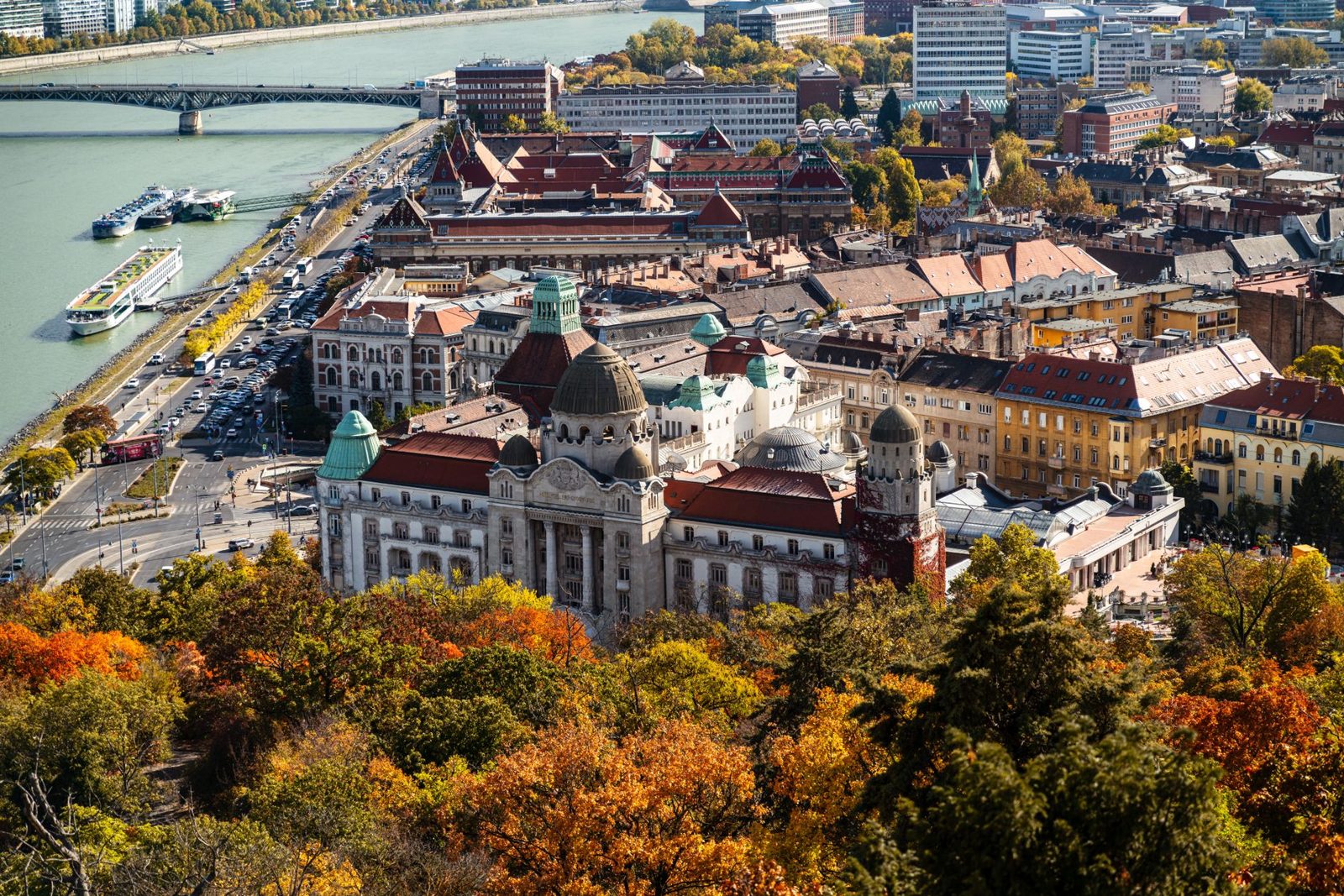
Before you fall in love with a photo, know this: two of Budapest’s most celebrated baths are out of action. The Art Nouveau Gellért Baths closed in October 2025 for a multi-year, €51 million restoration and are not expected back until around 2028–29. The historic Király Baths have been shut since 2020, with a stalled renovation and no firm reopening date. Both appear all over Pinterest and old blog posts, so it is easy to plan a visit that cannot happen. For 2026 and 2027, treat them as off the menu and choose from the open baths below.
Széchenyi: the grand all-rounder
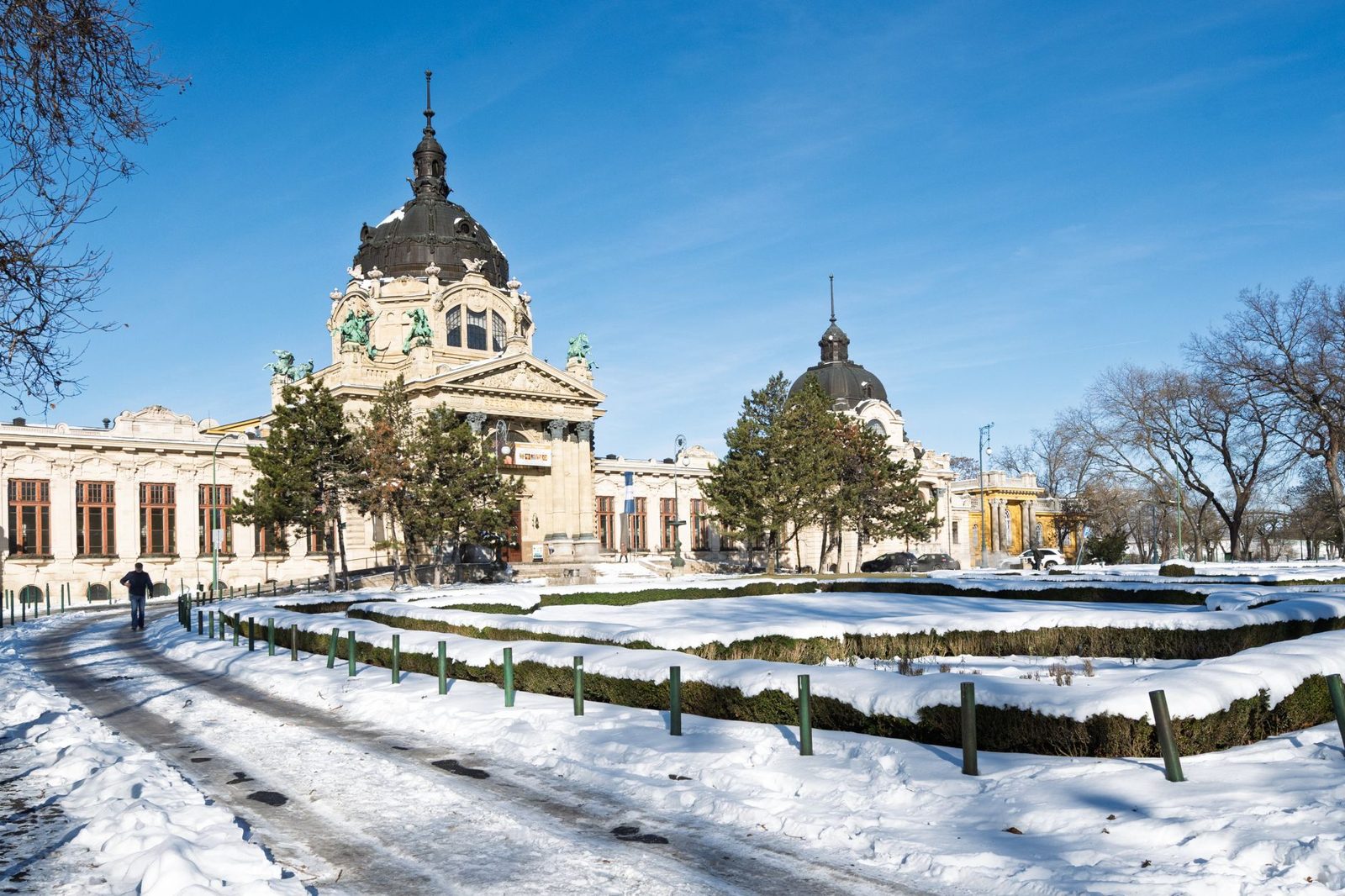
The biggest and most famous, a vast yellow palace in City Park with eighteen pools, including the postcard outdoor thermal pools where steam rises and chess is played. It is the easiest to recommend to a first-timer because it delivers the full spectacle, and it admits children, so families can go. The trade-off is crowds: it is busy, loud and unmistakably touristy, especially midday at weekends. Choose it for the experience of the place itself; just go early or late. Full details in our Széchenyi Baths guide.
Rudas: the atmosphere pick
My personal favourite. A genuine 1550s Ottoman bath, an octagonal pool under a domed roof, paired with a modern rooftop hot tub overlooking the Danube. It is smaller and far more atmospheric than Széchenyi, and its Friday/Saturday night sessions are the most romantic thing you can do in the city after dark. The catches: the historic Turkish section is single-sex on weekdays (mixed at weekends and nights), and it does not admit under-14s. Choose it for atmosphere, the rooftop, and couples. See the Rudas Baths guide.

Lukács: the locals’ value bath
The insider’s choice: a calm, slightly old-fashioned medical spa near Margaret Bridge where actual Budapesters go, at roughly half the price of Széchenyi. No spectacle, no rooftop, just genuinely curative water, a good lap pool, and a peaceful atmosphere. Choose it for value, for swimming, and for a soak without the crowds. It pairs beautifully with Margaret Island next door. Read the Lukács Baths guide.
Veli Bej: the quiet secret
If you want the Ottoman atmosphere of Rudas or the serenity of the closed Gellért, but without crowds, Veli Bej is the answer. A beautifully restored 16th-century Ottoman bath run by a hospitaller order, it deliberately limits visitor numbers, so it stays calm, and it is wonderfully cheap (around 5,700–7,200 HUF for a few hours). There is no party, no rooftop bar, just five thermal pools under a restored dome. Book ahead, because the capacity cap means it fills up.
The other baths worth knowing
Beyond the headline four, a few more are worth a mention depending on your trip:
- Palatinus, the big open-air summer lido on Margaret Island, with thermal and fun pools, slides and lawns. Brilliant for families on a hot day (summer only).
- Paskál and Dandár, smaller, low-key local thermal baths well off the tourist trail, cheap and quiet.
- Dagály / Csillaghegyi, large pool complexes popular with locals for swimming and summer sunbathing.
- Aquaworld, a large indoor water park on the city’s edge, slides and wave pools rather than thermal tradition, aimed squarely at families with energetic kids.
For a first or second visit, though, the four historic baths above are where I would spend your time, the others are for longer stays or specific needs like a family beach day in summer.
Quick picks by type of traveller
If you want the answer in one line:
- First time in Budapest? Széchenyi. Do the iconic thing.
- Couples / romance? Rudas night bathing. Unbeatable.
- Travelling with kids? Széchenyi (most baths, including Rudas and Veli Bej, restrict children). See our Budapest with kids guide.
- On a budget? Veli Bej or Lukács.
- Want to actually swim? Lukács.
- Peace and quiet? Veli Bej or Lukács.
- Ottoman history? Rudas (or Veli Bej).
- A party? The Sparty at Széchenyi on Saturday nights.
Summer or winter: does the season change your pick?
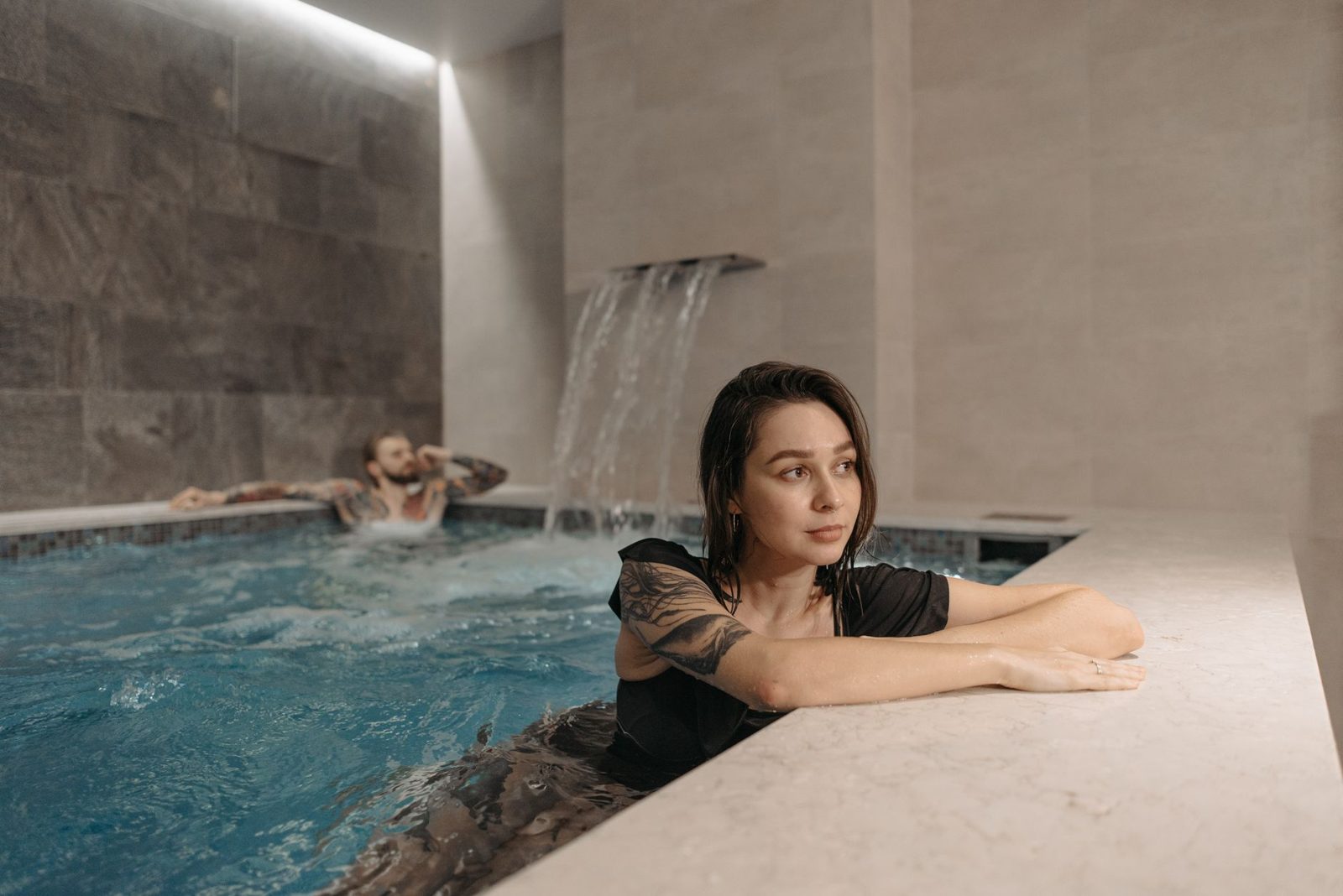
It can. In winter, the magic is the outdoor thermal pools, soaking in 38°C water while it snows, which makes Széchenyi (big outdoor pools) and Rudas (open-air rooftop) especially rewarding; see our Budapest in winter guide. In high summer, the historic baths are still lovely, but you might also fancy an outdoor lido like Palatinus for a sunbathing-and-swimming day; our Budapest in summer guide covers the warm-weather options. Lukács and Veli Bej are good year-round because their appeal is indoor calm rather than outdoor drama.
Price comparison
Roughly, from cheapest to priciest in 2026: Veli Bej (~5,700–7,200 HUF) and Lukács (~7,000 HUF / €25) are the value options; Rudas sits in the middle (~12,000 HUF weekday, more at weekends and for night bathing); and Széchenyi is the most expensive (~€36–47 depending on how you book). Across the board, booking online is cheaper than paying at the door, and for Rudas night sessions it is the only option. If you are counting forints, our Budapest budget guide shows how a bath visit fits your daily spend.
Location and logistics
Geography may decide it for you. Széchenyi is in City Park on the Pest side (its own M1 metro stop). Rudas and the closed Gellért sit together on the Buda riverbank at the foot of Gellért Hill near Elisabeth and Liberty bridges. Lukács and Veli Bej are a little further north on the Buda side near Margaret Bridge and Margaret Island. If you are based in central Pest, Széchenyi is the easiest; if you are exploring Buda, Rudas or Lukács slot in naturally. Our public transport guide covers getting to each.
Can you do two baths in one day?
You can, but I would not. The whole point of a thermal bath is to slow down, and a proper visit, the hot-cold-rest cycle, a sauna, a long soak, deserves two to three unhurried hours. Doing two in a day leaves you waterlogged and rushed. If you have several days and want variety, spread them out: maybe Széchenyi early in the trip for the spectacle, then a quiet Lukács or an atmospheric Rudas night session later. Our itineraries build bath time in sensibly.
Five mistakes people make choosing a bath
- Planning around Gellért or Király. Both are closed. Beautiful in old photos, unvisitable now.
- Defaulting to Széchenyi without thinking. It is great, but if you want calm or romance, Lukács or Rudas will serve you far better.
- Bringing kids to an adults-only bath. Rudas and Veli Bej restrict under-14s; go to Széchenyi with children.
- Trying to “do” two baths in a day. You will rush both. One proper soak beats two hurried ones.
- Turning up at noon on a Saturday. The worst time everywhere. Go early or in the evening.
How to choose, in three questions
Still stuck? Ask yourself three things. First, spectacle or serenity? If spectacle, Széchenyi; if serenity, Lukács or Veli Bej. Second, are you travelling with children? If yes, Széchenyi is your realistic option. Third, is atmosphere or budget more important? For atmosphere, Rudas; for budget, Veli Bej or Lukács. Answer those and the choice usually makes itself. And before you go, skim our bath etiquette guide so the wristbands, lockers and gendered sessions do not catch you off guard.
Frequently asked questions
Which Budapest bath is best?
For a first visit, Széchenyi, for its scale and iconic outdoor pools. For atmosphere, Rudas. For value and calm, Lukács. The “best” depends on whether you want spectacle, history or peace.
Which is the best bath for couples?
Rudas, especially the Friday/Saturday night bathing sessions, with the Ottoman bath and rooftop tub lit up over the Danube. It is the most romantic bath experience in the city.
Which Budapest bath is best for families?
Széchenyi, as it admits children, whereas Rudas and Veli Bej generally do not. Stick to the cooler pools with little ones, as the thermal water is hot.
Are Gellért and Király baths open?
No. Gellért closed in 2025 for renovation until roughly 2028–29, and Király has been closed since 2020 with no firm reopening date. Choose Széchenyi, Rudas, Lukács or Veli Bej instead.
What is the cheapest Budapest thermal bath?
Veli Bej (around 5,700–7,200 HUF for a few hours) and Lukács (around €25) are the best value of the main baths, roughly half the price of Széchenyi.
Do I need to book Budapest baths in advance?
Online booking is cheaper and saves you the cashier queue everywhere, and it is essential for Rudas night sessions and for capacity-capped Veli Bej. Walk-ins are usually fine at Lukács.
One more angle worth considering: if you’re travelling as a couple, several of these baths sell private cabins, rooftop slots and two-person packages that change the experience entirely. We’ve covered those separately in our guide to a Budapest couples spa day.
Last updated June 2026. Based on repeat visits to every bath listed. Photos: Pho Tomass (Pexels); Ozan Tabakoğlu (Pexels); Pavel Danilyuk (Pexels); Marcelo Gonzalez (Pexels).