Király Baths Budapest: Best Hidden Ottoman Spa Guide (2026)
The 16th-century Király Baths Budapest have been closed since 2020 and remain shut in 2026. Here's the history, why the renovation stalled, and where to find the same Ottoman atmosphere at an open bath.
In this guide
- What makes Király historically special
- The Ottoman baths of Buda
- Why it closed, and why it has stayed closed
- Will the Király Baths reopen?
- Where to get the same Ottoman atmosphere instead
- Rudas Baths, the obvious heir
- Veli Bej, the quiet secret
- Lukács, for a local soak
- Open Ottoman-style baths at a glance (2026)
- Compare your options
- Seeing the building
- Frequently asked questions
This article contains advertising. Our booking links are routed through a partner that adds commission tracking automatically, so if you book through one we earn a commission from the provider, at no extra cost to you. It never affects what we recommend. Affiliate disclosure
2026 status: the Király Baths Budapest are closed, and have been since 2020. This 16th-century Ottoman bath, one of the oldest and most historically important in the city, was shut for renovation, but the project stalled amid ownership and funding disputes and, frustratingly, real work never properly began. As of 2026 there is no confirmed reopening date, so you cannot visit. If the Király Baths Budapest were on your list for their intimate, candle-lit Ottoman atmosphere, read on, I will explain what happened and, more usefully, where to find that same atmosphere at a bath that is actually open.
For the complete picture of the city’s spas, our Budapest thermal baths guide covers every bath worth your time.
What makes Király historically special
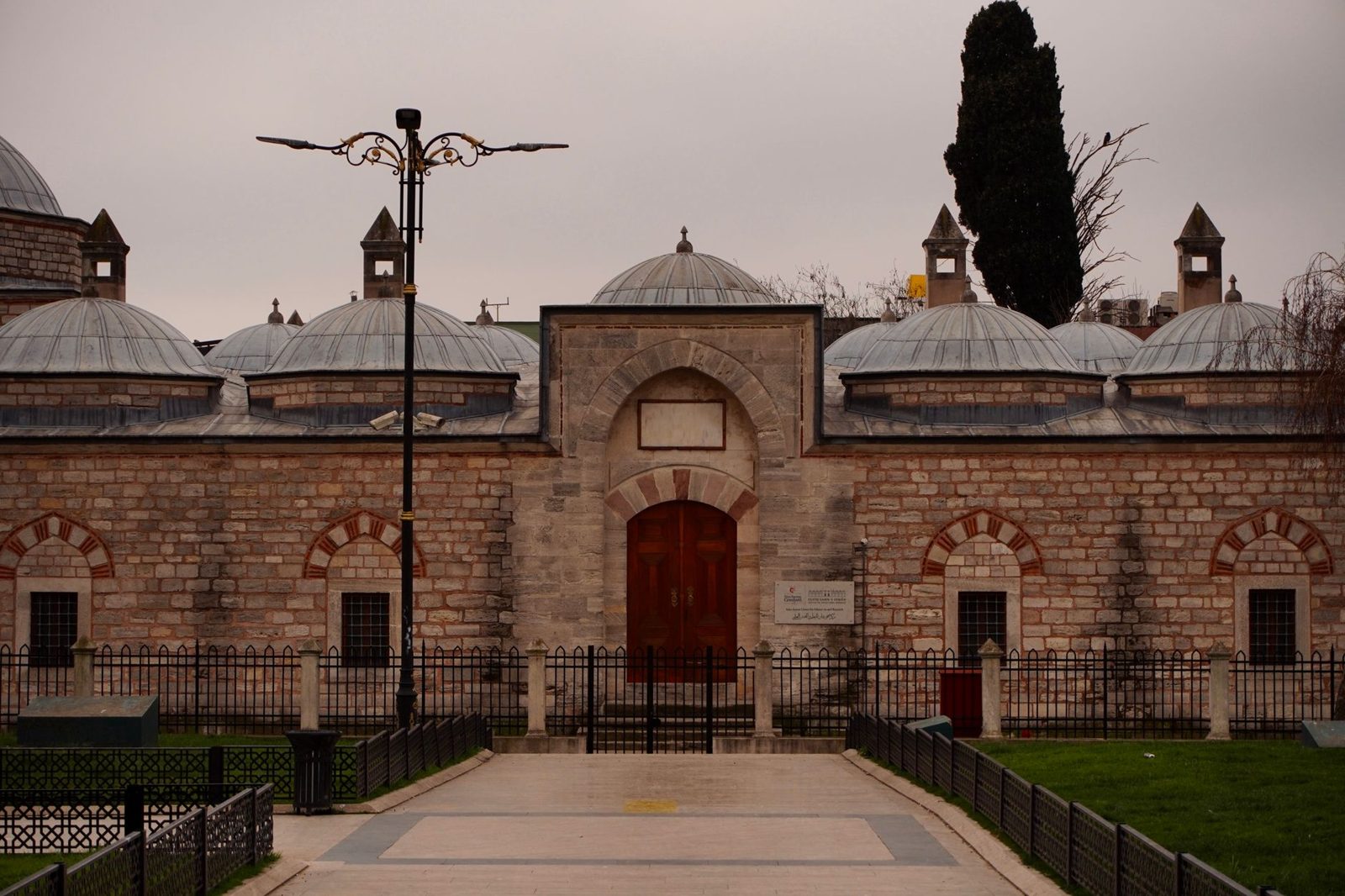
Király is one of a tiny handful of genuine Ottoman baths surviving in Budapest, and arguably the most evocative. It was built around 1565 under the Ottoman governor Sokollu Mustafa Pasha, during the Turkish occupation of Buda. Unusually, it was constructed inside the old city walls rather than over a hot spring, the Ottomans piped water in, the idea being that the garrison could still bathe even under siege. At its heart is a classic Ottoman octagonal pool beneath a domed roof pierced with star- and hexagon-shaped skylights, so shafts of daylight fall through the steam onto the water. It is the kind of space that feels unchanged in four and a half centuries.
The name, incidentally, has nothing to do with royalty in the modern bath, “Király” means “king” in Hungarian, but the bath actually took its name from the König family, who owned and ran it in the 18th and 19th centuries (König means king in German, and the name was translated). They added the baroque and neoclassical sections that wrap around the Ottoman core.
The Ottoman baths of Buda
Király belongs to a small, precious group: the Turkish baths built during the roughly 150 years of Ottoman rule over Buda (1541–1686). The occupiers were enthusiastic bath-builders, and a few of their domed hammams survive to this day, an architectural inheritance that makes Budapest’s bath culture genuinely unique in Europe. Of the originals, Rudas and Király are the great survivors, with Veli Bej and the Rác baths also tracing their roots to this era. Each follows the same essential plan: a central octagonal pool of hot thermal water beneath a dome punctured with small skylights, surrounded by cooler and hotter side pools. Sitting in one of these pools, watching dust and steam drift through the shafts of light, is to experience bathing almost exactly as people did here in the 1500s. That continuity is precisely why losing access to Király stings, and why the city’s other Ottoman baths are such treasures.
Why it closed, and why it has stayed closed
Király closed for renovation in 2020. On paper this should have been a triumphant restoration of a priceless monument. In practice, the project became tangled in complications, disputes over ownership and operating rights, and questions over funding, and the upshot is that no substantial renovation has actually taken place. The building has simply sat shuttered, slowly deteriorating, while the paperwork is argued over. Various optimistic reopening dates have floated around, including 2026, but on the ground there is little sign of progress, and locals I have spoken to are not holding their breath.
Will the Király Baths reopen?
Eventually, almost certainly, it is a protected historic monument and too important to abandon. But I would not plan any trip in 2026 or the next year or two around it. If you are reading this in a later year, check the current official status before you build it into your plans, because a sensitively restored Király would be a genuine highlight. For now, treat it as closed and look elsewhere.
Where to get the same Ottoman atmosphere instead
The good news is that Király’s particular magic, an intimate, historic, dome-and-steam Ottoman soak, is available at other open baths. Here is where I would go:
Rudas Baths, the obvious heir
If you wanted Király for the Ottoman experience, go to Rudas Baths instead. It is the same era (16th century), the same octagonal-pool-under-a-dome layout, and arguably even more atmospheric, plus it has a modern rooftop hot tub overlooking the Danube that Király never had. It is open, central, and it is my single favourite bath in the city. Note that the historic Turkish section at Rudas runs a gendered schedule on some days, with mixed (swimsuit) bathing at weekends, our Rudas guide explains the timetable.
Veli Bej, the quiet secret
For the intimate, low-key end of Király’s appeal, Veli Bej is the answer. It is another genuine 16th-century Ottoman bath, beautifully restored and run today by a hospitaller order, with five thermal pools under a restored dome. It deliberately limits visitor numbers, so it stays peaceful, and a few hours costs only around 5,700–7,200 HUF. It is the closest thing to a secret bath left in central Budapest. Book ahead.
Lukács, for a local soak
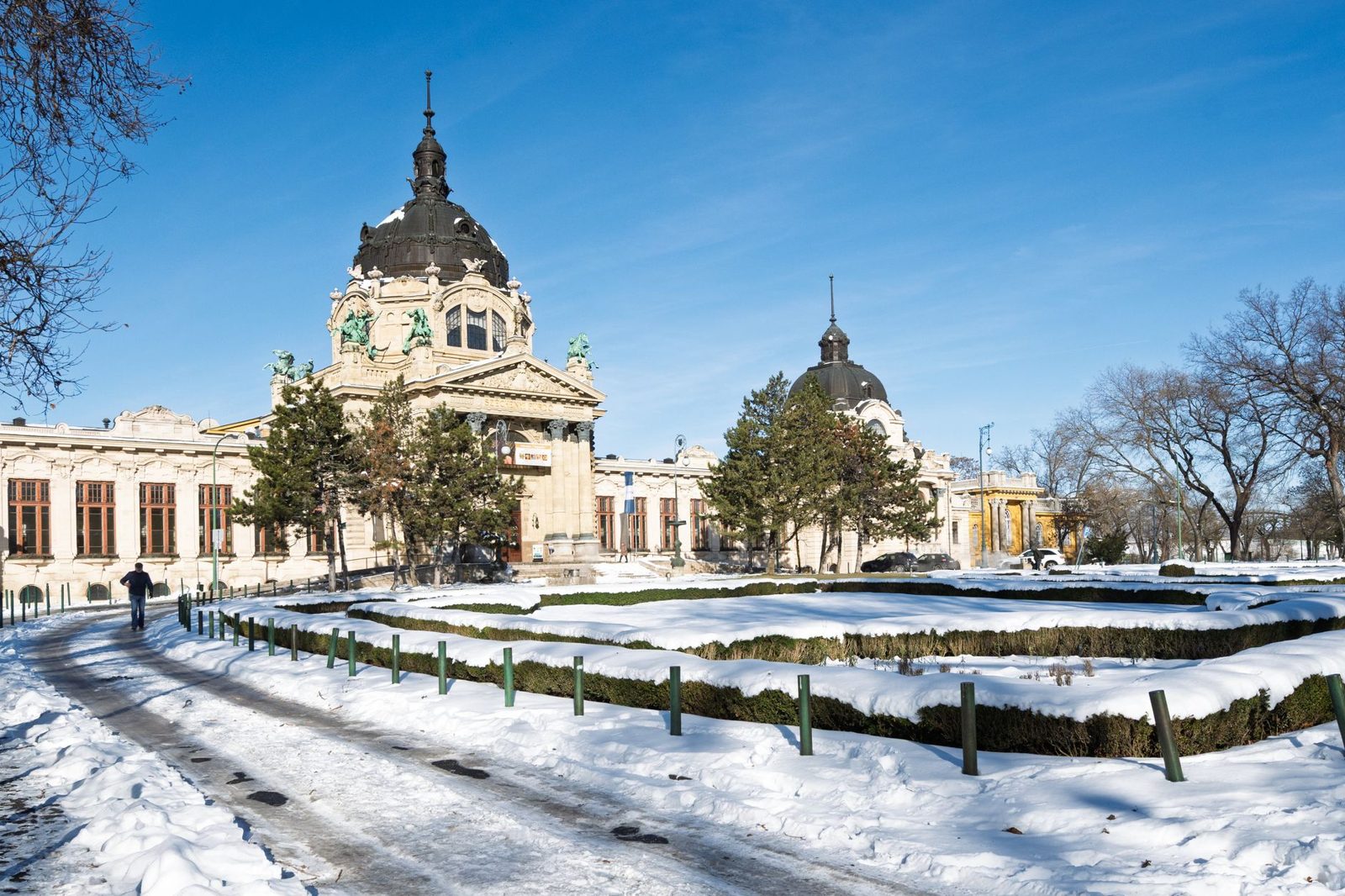
If it was the unfussy, non-touristy feel you were after, Lukács Baths is the locals’ choice, calm, therapeutic and affordable, just up the river in Buda. It is not Ottoman, but it has the everyday, lived-in atmosphere that Király regulars loved.
Open Ottoman-style baths at a glance (2026)
| Bath | From (2026) | Why go |
|---|---|---|
| Rudas | ~12,000 HUF | 16th-c Ottoman dome + rooftop Danube tub; the closest match to Király |
| Veli Bej | ~5,700–7,200 HUF | Restored Ottoman bath, capped numbers, serene and cheap |
| Lukács | ~€25 / 7,000 HUF | Quiet local bath nearby in Buda (not Ottoman, but unfussy) |
Compare your options
To weigh these up properly, our Budapest bath comparison lays out price, atmosphere, crowds and location side by side, and the bath etiquette guide covers what to bring and how the Ottoman gendered sessions work, handy if you are heading to Rudas. Note that the famous Art Nouveau Gellért Baths are also closed for a long renovation, so the two grand “must-sees” that are currently shut are Király and Gellért, plan around the ones that are open.
Seeing the building
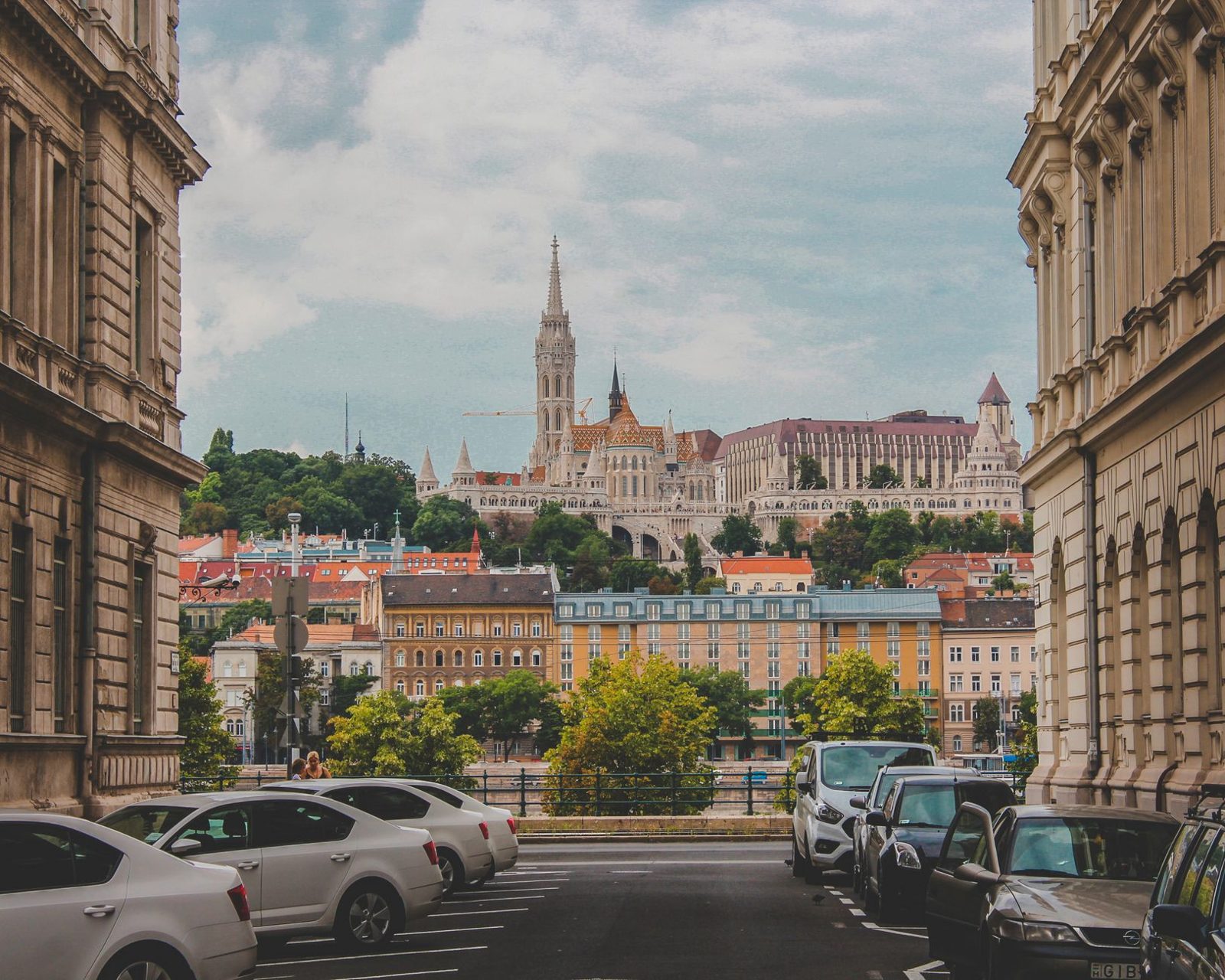
Király sits on Fő utca in the Víziváros (Watertown) district of Buda, a short walk from Batthyány tér. You can see its distinctive green-domed roofs from the street, but there is nothing to do there beyond a quick look. I would fold it into a Buda-side wander, the area around Batthyány tér has lovely river views back to the Parliament, and combine your day with an actual soak at Rudas or Lukács. For planning a Buda day, our itineraries help you string it together.
Frequently asked questions
Are the Király Baths Budapest open?
No. The Király Baths have been closed since 2020 and remain shut in 2026 with no confirmed reopening date. The planned renovation stalled, so you cannot currently visit.
When will the Király Baths reopen?
It is unclear. Various dates including 2026 have been mentioned, but little actual renovation has happened. Treat it as closed indefinitely and check the official status before relying on it.
What is the best alternative to the Király Baths?
Rudas Baths, for the same 16th-century Ottoman octagonal-pool experience (plus a rooftop tub), or the small, serene Veli Bej. Both are open and capture Király’s historic atmosphere.
How old are the Király Baths?
They date to around 1565, built during the Ottoman occupation of Buda, making them one of the oldest baths in the city. The name comes from the König family who later owned them, not from royalty.
Can I see the Király Baths from outside?
Yes, the green-domed building is visible from Fő utca in Buda, near Batthyány tér, but it is closed to visitors. Combine a look with a soak at nearby Rudas or Lukács.
Last updated June 2026. We track the renovation and will update this guide if a credible reopening date is announced. Photos: photodailly (Pexels); Czapp Árpád (Pexels); Marcelo Gonzalez (Pexels).