Hungarian Parliament: Best Tours, History & Visiting Tips (2026)
A first-person 2026 guide to touring the Hungarian Parliament — the building's history and statistics, what you see on the 45-minute tour, the crown jewels, EU vs non-EU ticket prices, how to book, and the best free views.
In this guide
- A building designed to make a statement
- What you see on the tour
- 2026 tickets: why your passport matters
- How and when to book
- A square where history happened
- Getting there and what’s around it
- The best views of the Parliament
- Tips for visiting the Hungarian Parliament
- Is the Parliament tour worth it?
- Frequently asked questions
This article contains advertising. Our booking links are routed through a partner that adds commission tracking automatically, so if you book through one we earn a commission from the provider, at no extra cost to you. It never affects what we recommend. Affiliate disclosure
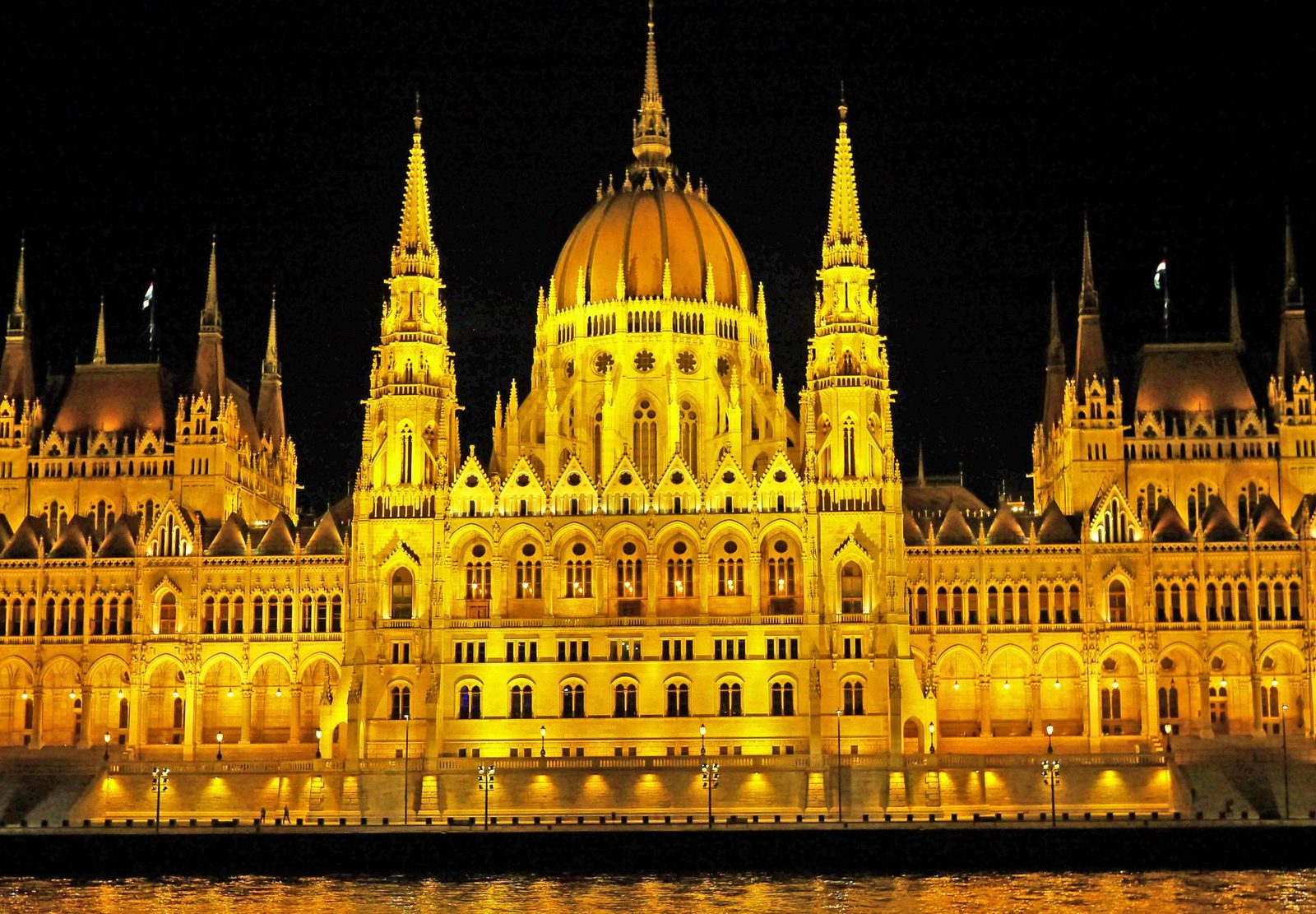
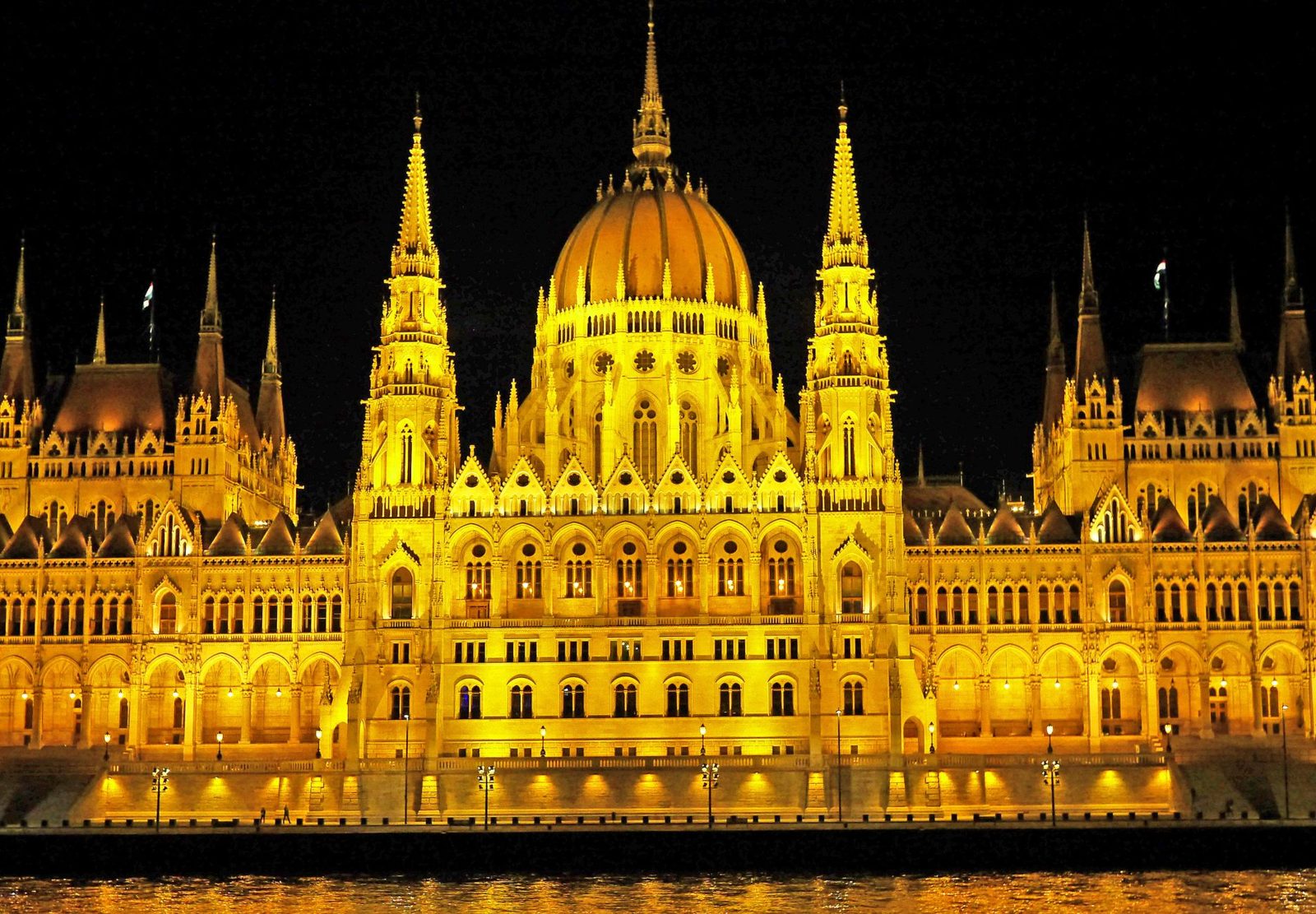
You see it long before you reach it. From a river cruise, from the Buda hills, from halfway across the Chain Bridge, the Hungarian Parliament dominates the Pest waterfront — a vast neo-Gothic confection of spires, pinnacles and that unmistakable red dome, looking less like a working government building than a cathedral that learned to legislate. It’s the most photographed building in the country, and going inside lives up to the outside, provided you’ve sorted your ticket in advance.
That last part trips up more visitors than anything else. The Parliament can only be seen on a guided tour, the tours sell out days or even weeks ahead in peak season, and the price you pay depends on your passport. Get those details right and you’ll have one of the most memorable hours of your trip. Here’s everything you need to know for 2026.
A building designed to make a statement
When Hungary celebrated a thousand years since the Magyar tribes arrived, it wanted a parliament to match its ambitions. The architect Imre Steindl won the competition and worked on the building from 1885 until 1904 — he went blind and died before it was finished. The result is the largest building in Hungary and one of the biggest parliament buildings in the world: 268 metres of riverfront façade, 691 rooms, and a central dome rising exactly 96 metres, a number chosen to echo the year 896 when the Magyars settled the Carpathian Basin. By unwritten agreement no building in central Budapest tops that 96-metre mark, which is why the Parliament and St Stephen’s Basilica share the skyline’s high point.
Steindl borrowed the silhouette of Westminster but filled it with Hungarian symbolism, and the numbers inside are almost comic in their excess: something like forty kilograms of gold leaf, hundreds of statues, dozens of varieties of stone. It was built to project a young nation’s confidence, and more than a century later it still does.
What you see on the tour
The guided tour is short — around 45 minutes — but it packs in the showpieces. You climb the magnificent main staircase under frescoed ceilings and gilded columns, pass the curious brass cigar holders in the lobbies (members would leave their cigars burning during votes, hence the numbered stands), and step into the chamber of the former House of Lords, a soaring hall of dark wood and stained glass.
The climax is the sixteen-sided central Dome Hall, where the Holy Crown of Hungary is displayed under armed guard alongside the royal sceptre, orb and sword. The crown — with its famously bent cross on top — has been a symbol of Hungarian statehood for a thousand years, and seeing it in the hush of the dome, with the honour guard standing motionless, is genuinely moving. No photography is allowed in this room, so put the phone away and just look.
2026 tickets: why your passport matters
Here’s the wrinkle that surprises people. The Parliament charges EU and EEA citizens far less than everyone else — and the gap is large. You choose your ticket category when booking, and you may be asked to show ID matching it on the day, so don’t be tempted to buy the cheaper EU ticket if you don’t qualify; the fine if you’re caught roughly cancels out the saving.
| 2026 ticket type | EU / EEA citizen | Non-EU citizen |
|---|---|---|
| Adult (18–64) | 14,270 HUF (≈ €37) | 23,150 HUF (≈ €60) |
| Youth/child (6–17) | 7,710 HUF (≈ €20) | 12,730 HUF (≈ €33) |
| Senior (65+) | 13,500 HUF (≈ €35) | 22,770 HUF (≈ €59) |
| Child under 6 | Free | Free |
It’s not a cheap visit by Budapest standards — a non-EU adult ticket is one of the priciest single attractions in the city — but for the architecture and the crown jewels I still think it’s worth it. If the budget is tight and you only want the outside, the building is free to admire from Kossuth Square and spectacular from the river.
How and when to book
Tours run only at fixed times in a range of languages, and the English slots in particular go fast. Buy online through the official ticketing site (jegymester.hu/parlament) rather than turning up and hoping — in summer and around weekends the day’s tours can be sold out by mid-morning. I’d book a week or two ahead for a date you can’t move, and at the very least a few days out.

The Parliament keeps seasonal hours: roughly 8:00 to 18:00 from April to October and 8:00 to 16:00 from November to March. Crucially, the building closes to visitors when Parliament is in session and on certain official days, so the calendar on the booking site is the final word — always check it before locking in travel plans around a specific slot. Arrive at the underground visitor centre on the Kossuth Square side at least 15 minutes early, because there’s an airport-style security check before the tour.
A square where history happened
Kossuth Square isn’t just a pretty forecourt — it has been a stage for some of the defining moments of modern Hungary. It was here, in October 1956, that a peaceful crowd gathered during the revolution against Soviet rule was fired on in one of the darkest episodes of that autumn; the underground exhibition beneath the square tells that story soberly and is free to enter. From a balcony of this same building the Hungarian Republic was proclaimed in 1989 as communism crumbled. Standing in the square, it’s worth remembering that the elegant façade above you has watched the country remade more than once.
The crown displayed inside carries its own improbable saga. Spirited out of Hungary at the end of the Second World War, it spent decades in American custody at Fort Knox before being returned in 1978, and it has been moved to the Parliament’s Dome Hall as the symbolic heart of the nation. The slightly bent cross on its top — knocked askew at some forgotten point in its long life — was left exactly as it is, and now appears that way even on the national coat of arms.
Getting there and what’s around it
The building stands on Kossuth Lajos tér, with its own metro stop — Kossuth Lajos tér on the M2 (red) line — delivering you right under the square. If you’re working out how the metro and trams connect, our Budapest public transport guide covers tickets and lines. Tram 2, which runs along the Pest embankment past the Parliament, is one of the most scenic rides in the city in its own right.
The square itself rewards a wander before or after your tour. There’s a sober underground exhibition about the 1956 uprising, equestrian statues, and the eternal flame. A few minutes south along the river you reach the Shoes on the Danube memorial — sixty pairs of iron shoes cast into the embankment to mark the spot where Jewish Hungarians were shot into the river in 1944, a quietly devastating monument that connects directly to the story told in the Jewish Quarter.
A practical note on the visit itself: the tour involves a fair amount of standing and stair-climbing, though there is lift access for those who need it, and the visitor centre has cloakrooms for bags and coats. Tours leave promptly, so latecomers can be turned away — that 15-minute buffer for security really does matter. Photography is fine throughout except in the Dome Hall, and there’s a small shop on the way out if you want a tasteful souvenir rather than a fridge magnet from the square.
The best views of the Parliament
Some of the finest things about this building cost nothing. The classic head-on view is from the Buda bank by the Batthyány tér embankment, looking straight across the water — magical at sunset and after dark when the whole façade is floodlit. The Fishermen’s Bastion up on Castle Hill gives you the elevated postcard angle, and a Danube cruise glides right past it. The Parliament is, unsurprisingly, near the top of our list of Budapest photography spots and one of the city’s essential landmarks.

Tips for visiting the Hungarian Parliament
- Book online, days ahead. English tours sell out fastest. The official site is jegymester.hu/parlament — avoid resellers charging a mark-up.
- Bring ID matching your ticket type. If you bought an EU ticket, be ready to prove EU/EEA citizenship.
- Check it’s open. The building shuts to visitors during parliamentary sessions and on official days — the booking calendar shows what’s available.
- Arrive 15 minutes early for the security screening at the underground visitor centre.
- No photos of the crown jewels. Photography is banned in the Dome Hall; respect it.
- See it from across the river too. The exterior at night, viewed from the Buda embankment, costs nothing and may be the highlight.
Is the Parliament tour worth it?
For the architecture, the staircase and the chance to stand a few metres from a thousand-year-old crown, yes — even at the higher non-EU price I’d do it again. Just go in with realistic expectations: it’s a guided 45 minutes, not a wander-at-your-own-pace museum, and the real magic is the building itself. Pair it with the view from Buda Castle across the river and a stroll over the Chain Bridge, and you’ve built a day around the most beautiful corner of Budapest’s history and culture.
Three hundred metres south along the same embankment, and easy to walk straight past, is Shoes on the Danube Bank — sixty pairs of iron shoes marking the place where Arrow Cross militiamen shot Jewish Hungarians into the river in 1944 and 1945. It is free, it takes twenty minutes, and it is the more affecting of the two.
The nearest stop is Kossuth Lajos tér on the M2 line, rebuilt as part of the square’s renovation — the Budapest metro guide covers what makes this deep, Soviet-era line worth knowing beyond just this one stop.
On 15 March the Parliament is at the centre of the national holiday, with a military flag-raising on Kossuth Lajos tér in the morning, and in recent years the Holy Crown has been among the national treasures free to see that day. Our Budapest in March guide explains how the day works and what else is free.
Frequently asked questions
How much does a Hungarian Parliament tour cost in 2026?
An adult tour is 14,270 HUF (about €37) for EU/EEA citizens and 23,150 HUF (about €60) for everyone else. Children under six go free, and there are reduced rates for youths and seniors.
Can you visit the Hungarian Parliament without a guided tour?
No. The interior can only be seen on an official guided tour of about 45 minutes. The exterior and Kossuth Square, however, are free to explore at any time.
Do you need to book Parliament tickets in advance?
Strongly recommended. English-language tours sell out days or weeks ahead in peak season. Book through the official site, jegymester.hu/parlament.
What are the Parliament’s opening hours?
Roughly 8:00–18:00 from April to October and 8:00–16:00 from November to March, but it closes to visitors when Parliament is in session, so always check the booking calendar.
What’s the nearest metro to the Parliament?
Kossuth Lajos tér station on the M2 (red) line opens directly onto the square in front of the building.