Budapest Art Nouveau: Best 10 Buildings & Walking Tour (2026)
A first-person 2026 guide to Budapest's Art Nouveau (the Hungarian Szecesszió) — Lechner's tiled masterpieces, the Gresham Palace, Bedő House, Párisi Udvar and more, which buildings you can enter, and a self-guided walking route.
In this guide
- What makes Hungarian Art Nouveau different
- Why Budapest, and why around 1900
- Lechner’s masterpieces
- The one you can actually go inside
- Glamour, gilt and grand hotels
- Music, beasts and stained glass
- A self-guided Art Nouveau walk
- Where Art Nouveau meets coffee
- Tips for an Art Nouveau day
- Is it worth seeking out?
- Frequently asked questions
This article contains advertising. Our booking links are routed through a partner that adds commission tracking automatically, so if you book through one we earn a commission from the provider, at no extra cost to you. It never affects what we recommend. Affiliate disclosure
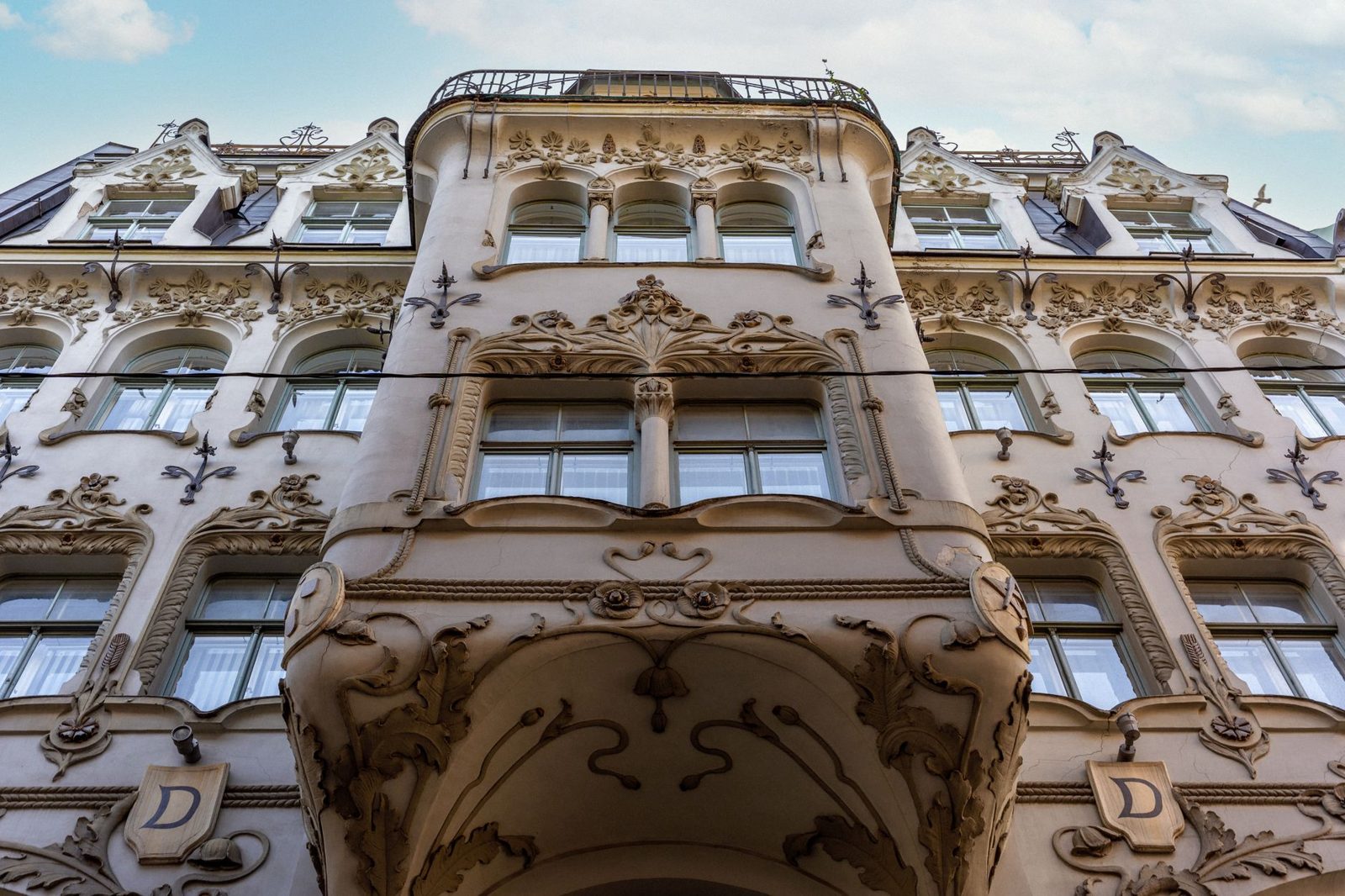
Most visitors photograph Budapest’s grand neo-Gothic and Baroque set-pieces and never notice the city’s quieter genius hiding in plain sight: a rippling green-and-gold roof here, a façade crawling with ceramic flowers there, a doorway framed by sinuous ironwork that looks grown rather than built. This is Budapest’s Art Nouveau — or, in its distinctly Hungarian form, the Szecesszió — and once you’ve tuned your eye to it, you start seeing it on half the street corners in town.
The style flowered here around 1900, just as Budapest was booming into a confident imperial capital, and Hungary gave it a flavour found nowhere else: folk patterns from the countryside, motifs borrowed from the East, and the unmistakable glazed ceramics of the Zsolnay works in Pécs. This guide walks you through the buildings worth seeking out, flags which ones you can actually go inside in 2026, and sketches a route to link the best of them.
What makes Hungarian Art Nouveau different
Across Europe the turn of the century threw up regional variations on the same impulse — away from historical imitation, toward nature, curves and craft. Vienna had its Secession, Paris and Brussels their Art Nouveau, Barcelona its Modernisme. Hungary’s version had a mission baked in: its architects wanted a national style, something recognisably Magyar rather than borrowed from Western Europe. So they reached for embroidery patterns from Transylvanian villages, tulips and folk flora, and a colour palette that could only come from one place.
That place was the Zsolnay porcelain manufactory, whose hard, frost-proof, iridescent “pyrogranite” tiles clad the roofs and façades of the era’s boldest buildings. The presiding genius of it all was Ödön Lechner, sometimes called the Hungarian Gaudí, whose buildings still feel startlingly original a century on.
Why Budapest, and why around 1900
The timing was no accident. In 1896 Hungary threw a vast party for the thousandth anniversary of the Magyar conquest, and the millennium fever poured money and ambition into the capital. Budapest was doubling in size, a newly wealthy middle class was commissioning apartment blocks, banks and villas, and the country was hungry to express a modern national identity within the Austro-Hungarian empire. Art Nouveau arrived at exactly the right moment to carry that mood — new, forward-looking, and adaptable to Hungarian folk themes.
The result is that the style clusters in the parts of the city that were being built or rebuilt right then: the financial streets of Lipótváros, the apartment boulevards, the institutions of a confident young capital. Walk those districts with your eyes up and you’re essentially reading the optimism of a single remarkable decade frozen in tile and iron.
Lechner’s masterpieces
Two buildings show Lechner at full throttle, and there’s a frustrating asterisk on each. The Museum of Applied Arts on Üllői út is his most famous work — a riot of green-and-gold Zsolnay tiling crowned by a dome that fuses Hungarian folk art with Indian and Islamic influences. The catch: it has been closed for a long-running, repeatedly stalled renovation for years, and at the time of writing in 2026 there is still no confirmed reopening date. You can admire the extraordinary exterior, but don’t plan on getting inside.
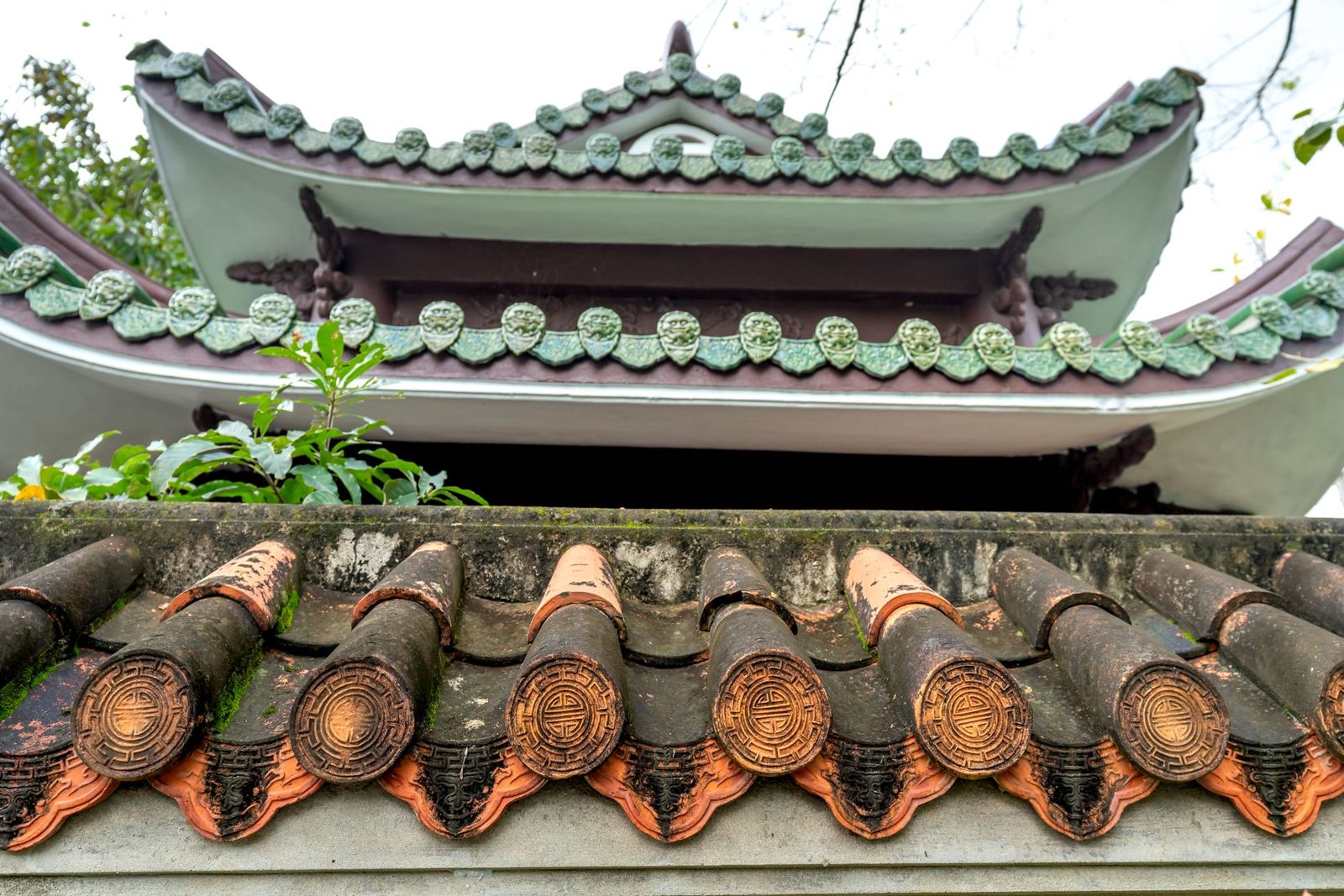
Happier news at the former Royal Postal Savings Bank on Hold utca, a short walk from Parliament. Lechner topped it with a fairy-tale roof of golden ceramic and a swarm of bee motifs — bees climbing toward their hives, a witty nod to thrift and saving — and decked the façade in folk-flower tiles. Lechner reportedly shrugged that the rich rooftop ornament was for the birds to enjoy, since no one at street level could see it properly. It’s a working state financial building now, so interior access is limited to occasional heritage open days, but the exterior is a joy and the neighbouring Hold utca market hall makes a good pairing.
The one you can actually go inside
If you want to stand inside an Art Nouveau interior rather than just crane your neck at façades, head for the House of Hungarian Art Nouveau in the Bedő House on Honvéd utca, a beautifully preserved 1903 apartment building by Emil Vidor. Its lower floors now hold a private museum crammed with period furniture, glass, ceramics and paintings, and there’s an atmospheric café on the ground floor where you can sit among the original fittings. It’s modestly priced, rarely crowded, and the single best place to actually feel the era rather than observe it from the pavement.
Glamour, gilt and grand hotels
Some of the city’s most spectacular Art Nouveau has been folded into luxury hotels, which means — handily — you can usually wander into the public areas. The Gresham Palace facing the Chain Bridge, completed in 1906, is the showstopper: built for an English insurance company and now the Four Seasons, its lobby unfurls in stained glass, wrought-iron peacock gates and gilded mosaics. Nobody minds a respectful look around. It’s also one of the prettiest sights near the river, as our guide to Budapest’s bridges notes.
Nearby, the Párisi Udvar — the Parisian Court — is a jaw-dropping glass-roofed shopping arcade that reopened after a meticulous restoration as a Hyatt hotel; step in for a coffee under its soaring stained-glass ceiling. And on Szervita tér, look up at the Turkish Banking House, whose plain façade is topped by a glittering gold mosaic of Hungary’s patron figure surrounded by national heroes — easy to miss, unforgettable once spotted.
Music, beasts and stained glass
The Liszt Academy of Music, opened in 1907, hides one of the richest Art Nouveau interiors in the city behind a relatively restrained façade — gilded halls, a statue of Liszt over the door, and a famously warm concert hall. The easiest way in is to catch a concert, which is a wonderful thing to do here anyway. Out at the Budapest Zoo, don’t miss the Elephant House, a whimsical oriental fantasy of Zsolnay tiles and minaret-like turrets that’s an attraction in its own right.
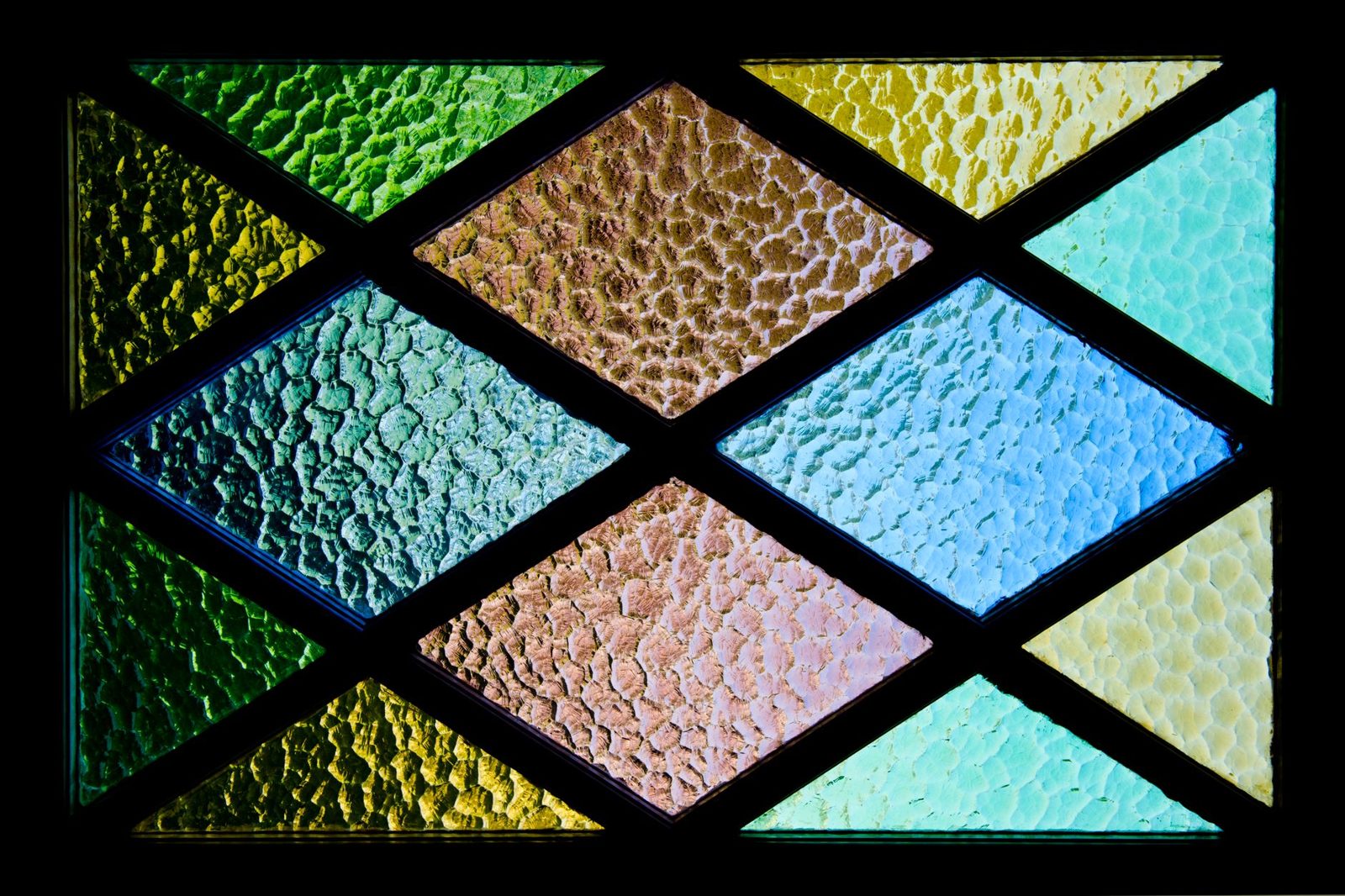
Stained glass was central to the style, and its Hungarian master was Miksa Róth, whose work glows in many of these buildings. There’s even a small Miksa Róth Memorial House museum in his former home and studio, a lovely, low-key stop for anyone who’s caught the Art Nouveau bug. One landmark to note as currently off-limits: the famous Gellért hotel-and-baths complex, an Art Nouveau icon, is closed for a major renovation, so it’s one to admire from the outside for now rather than visit.
| Art Nouveau highlight | Can you go inside in 2026? |
|---|---|
| Museum of Applied Arts (Lechner) | No — closed for long-running renovation; exterior only |
| Former Postal Savings Bank (Lechner) | Exterior only; rare heritage open days |
| House of Hungarian Art Nouveau (Bedő House) | Yes — museum and café, modest admission |
| Gresham Palace (Four Seasons) | Yes — public lobby, free to look |
| Párisi Udvar (Hyatt) | Yes — café and lobby under the glass roof |
| Liszt Academy | Yes — best via a concert or guided tour |
| Gellért complex | No — closed for renovation |
A self-guided Art Nouveau walk
The densest cluster sits in Lipótváros, the 5th district, which makes a satisfying half-day on foot. Start at the Gresham Palace by the Chain Bridge, walk inland to the Postal Savings Bank and the Hold utca market, then continue to the Bedő House for a proper look inside and a coffee. From there it’s a short stroll to the Párisi Udvar arcade. With more time, add the Liszt Academy near Oktogon and, on a separate trip, the zoo’s Elephant House in the City Park. Many of these spots also feature in our roundup of Budapest photography spots, and a knowledgeable guide adds a lot — several Budapest walking tours focus specifically on the Szecesszió.
Where Art Nouveau meets coffee
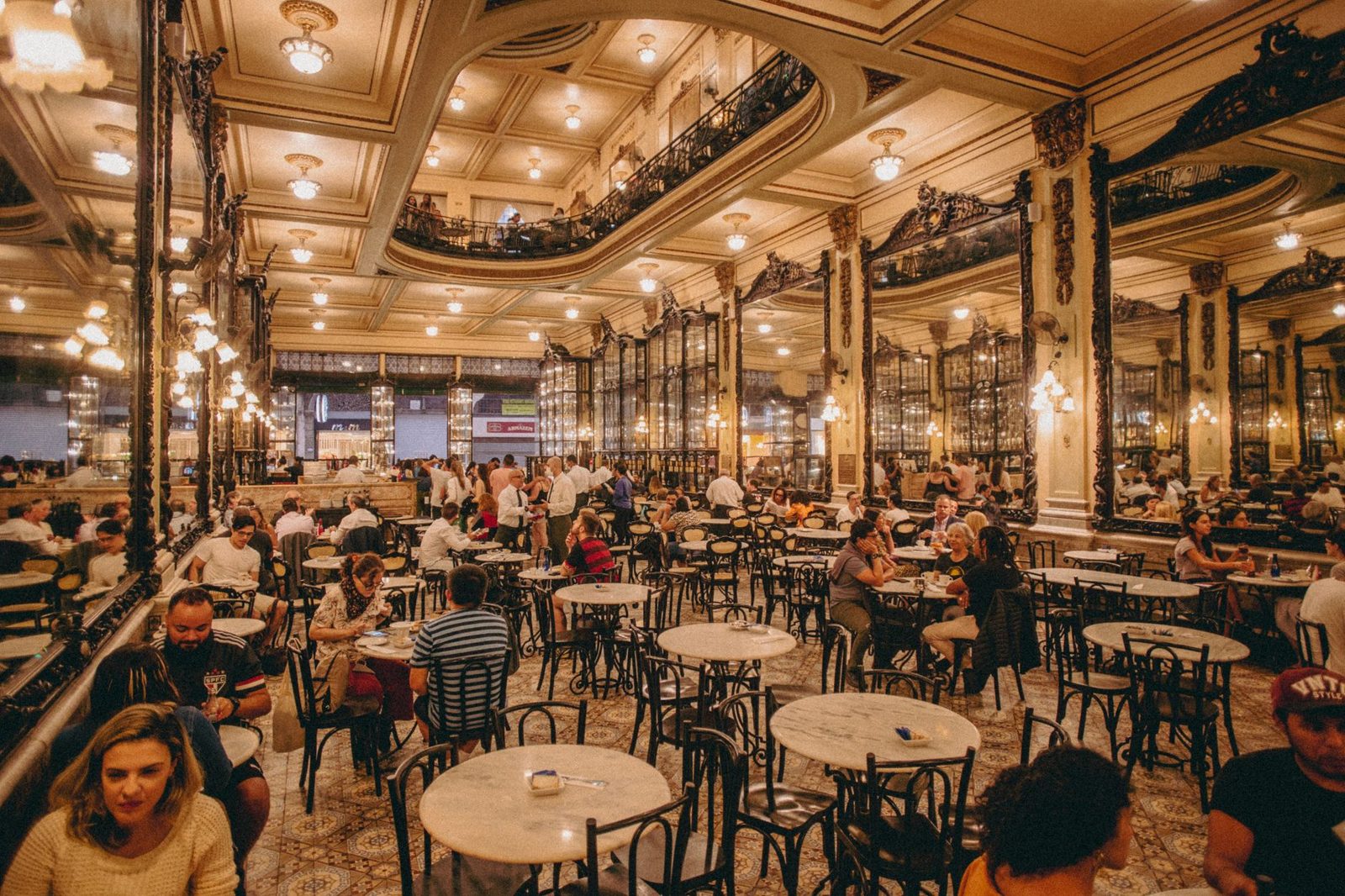
This was the golden age of the Budapest café, and several of the era’s gilded coffee houses still pour espresso beneath painted ceilings. The Párisi Udvar café is pure theatre, and the city’s grand historic cafés — covered in our guide to Budapest’s coffee houses — let you soak up turn-of-the-century opulence over a slice of cake. It’s the most enjoyable way imaginable to appreciate the period: sit down, look up, and let the room do the work.
Tips for an Art Nouveau day
- Look up. The best details — tiled roofs, mosaics, bee motifs — are above eye level and easy to walk straight past.
- Manage expectations on interiors. Lechner’s two masterpieces are largely exterior-only right now; the Bedő House is your reliable inside fix.
- Use the hotels. Gresham Palace and Párisi Udvar welcome a respectful look around their public spaces — buy a coffee and linger.
- Book a Liszt Academy concert to see its interior at its best while hearing world-class music.
- Cluster your walk in District V to cover the most buildings with the least walking.
- Catch the light. Zsolnay-tiled roofs glow most vividly in low morning or late-afternoon sun.
Is it worth seeking out?
Absolutely — and it’s one of the most rewarding ways to see a side of the city the crowds miss. Hungarian Art Nouveau is playful, proud and utterly distinctive, and tracking it down turns an ordinary walk into a treasure hunt. Fold it into a broader exploration of Budapest’s history and culture, and round it off in the collections covered in our guide to Budapest’s museums, and you’ll come away with a far richer sense of how this city saw itself a century ago.
If the Hungarian Secession gets under your skin, the best of it outside Hungary is a train ride away. Subotica, just over the Serbian border, has a City Hall and a Synagogue by Marcell Komor and Dezső Jakab that rival anything in Budapest, and it sits right on the rail route south. The Budapest to Belgrade guide explains how to break the journey there.
Frequently asked questions
What is the best Art Nouveau building in Budapest?
Ödön Lechner’s Museum of Applied Arts is the most celebrated, though it’s currently closed for renovation. For a building you can enter, the House of Hungarian Art Nouveau in the Bedő House and the Gresham Palace lobby are the standouts.
Can you go inside Budapest’s Art Nouveau buildings?
Some yes, some no. The Bedő House (a museum), the Gresham Palace and Párisi Udvar hotel lobbies, and the Liszt Academy are all visitable. Lechner’s Museum of Applied Arts and Postal Savings Bank are essentially exterior-only in 2026.
Is the Museum of Applied Arts open?
No. It has been closed for a long-running, repeatedly delayed renovation and has no confirmed reopening date as of 2026, though the spectacular tiled exterior can still be admired.
What is the Hungarian Secession style?
It’s Hungary’s national take on Art Nouveau, blending folk-art patterns, eastern motifs and colourful Zsolnay ceramics into a style designed to look distinctly Magyar rather than Western European.
Where can I see Art Nouveau buildings together?
The 5th district (Lipótváros) has the densest cluster — Gresham Palace, the Postal Savings Bank, the Bedő House and Párisi Udvar are all within an easy walk of each other.
Are there Art Nouveau cafés in Budapest?
Yes. The Párisi Udvar café and several grand historic coffee houses preserve their turn-of-the-century interiors and are a delightful way to experience the era.
Art Nouveau in Budapest did not stop at secular buildings. Several of the city’s churches and basilicas carry Zsolnay tilework and Lechner-school detailing, and they are free to walk into — the cheapest way to see this style up close.
Last updated June 2026. Photos: Anastasiya Badun (Pexels); Quang Nguyen Vinh (Pexels); Tim Mossholder (Pexels); Jonathan Borba (Pexels).