The best way to understand Budapest is on foot, the city is dense, walkable and full of stories that only make sense when a good guide points them out. There is a thriving scene of Budapest walking tours, from genuinely excellent “free” tip-based tours to deep-dive themed walks through the Jewish Quarter, communist history, food, and the ruin-bar district. This guide explains which tours are worth your time, how the free ones actually work, and three self-guided routes if you would rather go it alone.
Whatever you choose, a walking tour on day one pays off for the rest of your trip. Pair it with our things to do in Budapest overview and a day-plan from our itineraries.
How “free” walking tours work
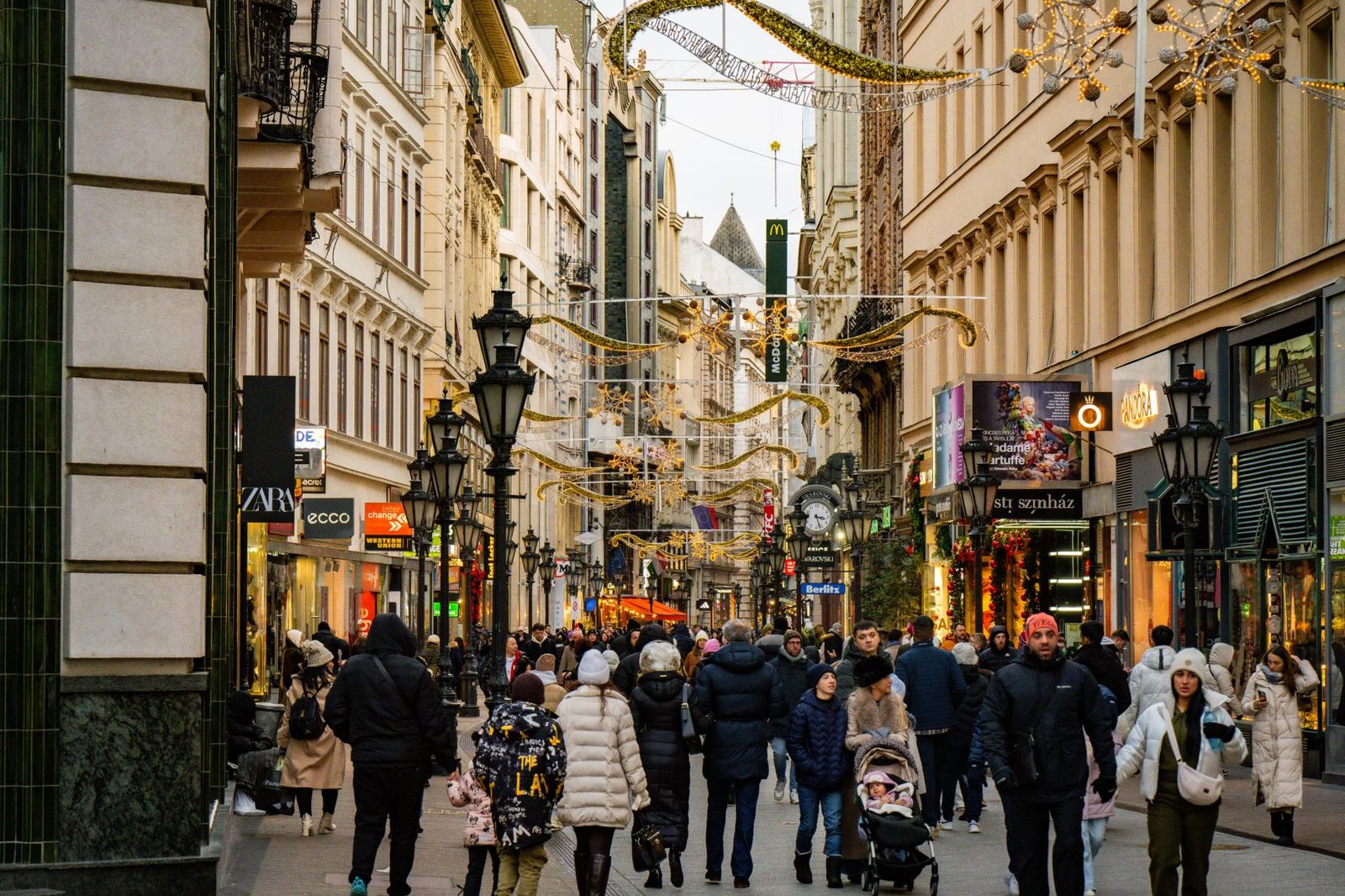
Budapest is one of the best cities in Europe for free walking tours, but “free” needs an asterisk: they run on tips. You join without paying up front, the guide works for gratuities, and you give what you feel it was worth at the end, typically around €10–20 per person for a good two-to-three-hour tour. They are a brilliant, low-commitment introduction, and because guides live on tips, they tend to be energetic and engaging. Just book a slot online so you are not turned away on a busy day, and bring cash for the tip.
The best free tours
A few long-running operators consistently get it right. TripToBudapest has been running since 2007 with licensed guides and offers a general city tour plus themed Jewish District and Communism walks, most departing from Erzsébet tér by the big Ferris wheel, with a separate Buda Castle tour meeting at Batthyány tér. Platforms like GuruWalk and Walkative! aggregate well-reviewed local guides too. For a first morning, the general “grand tour” of the Pest side and a crossing toward the Castle is the one I would pick.
Themed and paid tours worth paying for
Once you have the lay of the land, the themed tours are where it gets rich:
- Jewish Quarter and history, the synagogues, the wartime ghetto, and the area’s remarkable revival, covered in depth in our Jewish Quarter guide.
- Communism walks, the Soviet decades, daily life behind the Iron Curtain, and the 1956 uprising, often paired with the House of Terror.
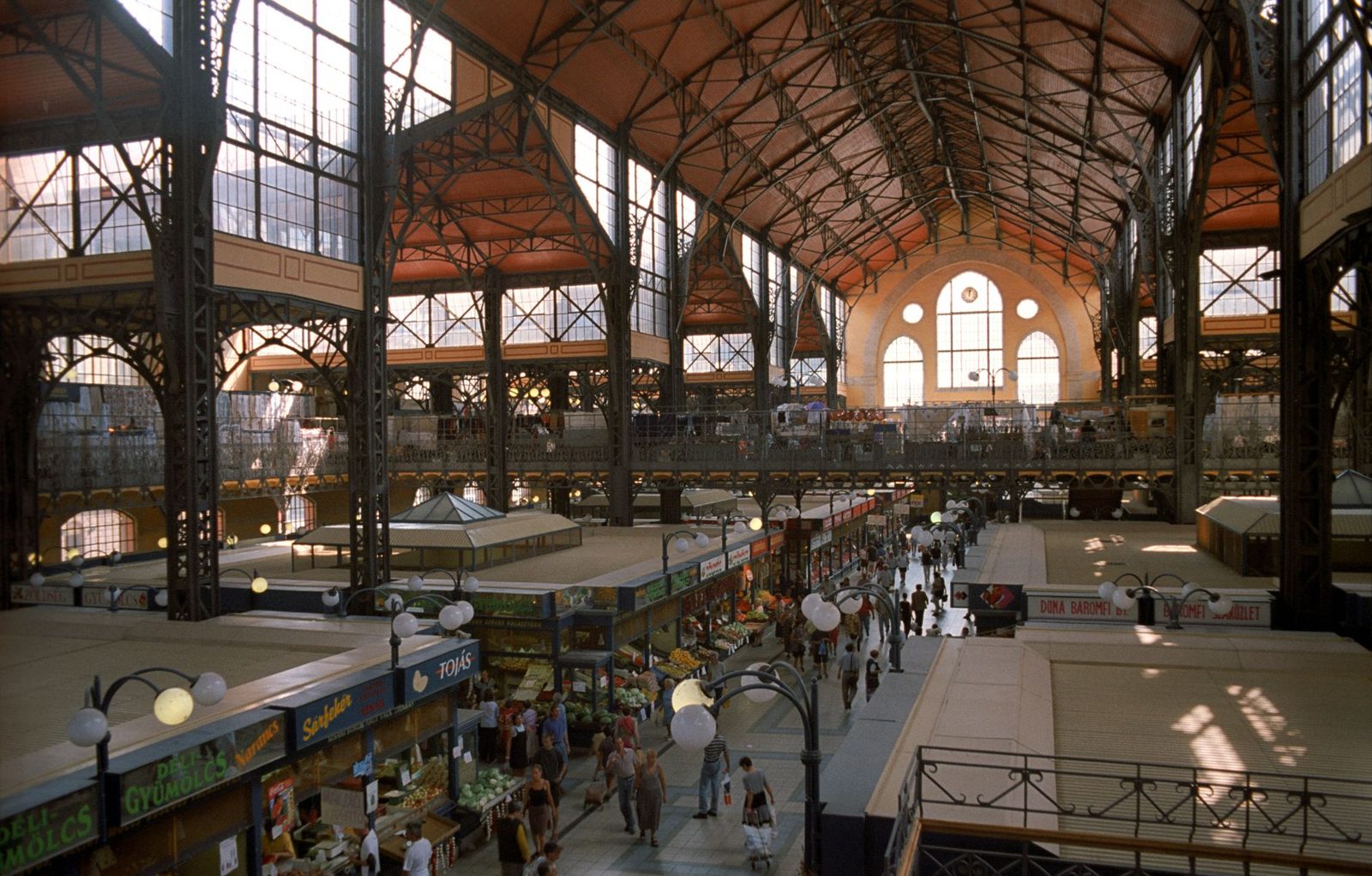
- Food tours, market visits and tastings of lángos, chimney cake and more; see our food tours guide.
- Ruin-bar tours and pub crawls, an easy, social way into the nightlife; see our pub crawl guide.
- Caves and Buda Castle tours, including the labyrinth beneath the castle hill.

What to expect on a walking tour
A typical Budapest walking tour runs two to three hours at an easy pace, with frequent stops where the guide tells stories, points out details and answers questions. Groups range from a handful of people on a small-group tour to twenty-plus on a popular free tour. Guides almost always speak excellent English (many tours run in several languages), and the good ones weave history, politics and local gossip into something genuinely entertaining rather than a dry recital of dates. You will walk one to three kilometres, so comfortable shoes matter more than anything.
More themed walks worth knowing
Beyond the classics, Budapest’s walking scene runs deep. Architecture buffs can find Art Nouveau and Bauhaus walks; photography tours time the light at the best viewpoints; and “hidden Budapest” walks dig into courtyards and passages most visitors never see, our hidden gems guide covers that territory. There are also evening ghost and legend walks, street-art tours of District VII, and gentle Buda-hills nature walks for those who want greenery over grandeur.
Tipping etiquette, explained
On free tours, tipping is how the guide earns a living, so it is expected rather than optional. A fair tip for a good two-to-three-hour tour is around €10–20 per person, more if the guide was exceptional, less is fine if money is tight, but do tip something. Bring it in cash (forints or euros both usually accepted); few guides take cards. On paid tours, the price covers the guide, but a small extra tip for an outstanding experience is still appreciated.
Self-guided route 1: the Pest riverfront
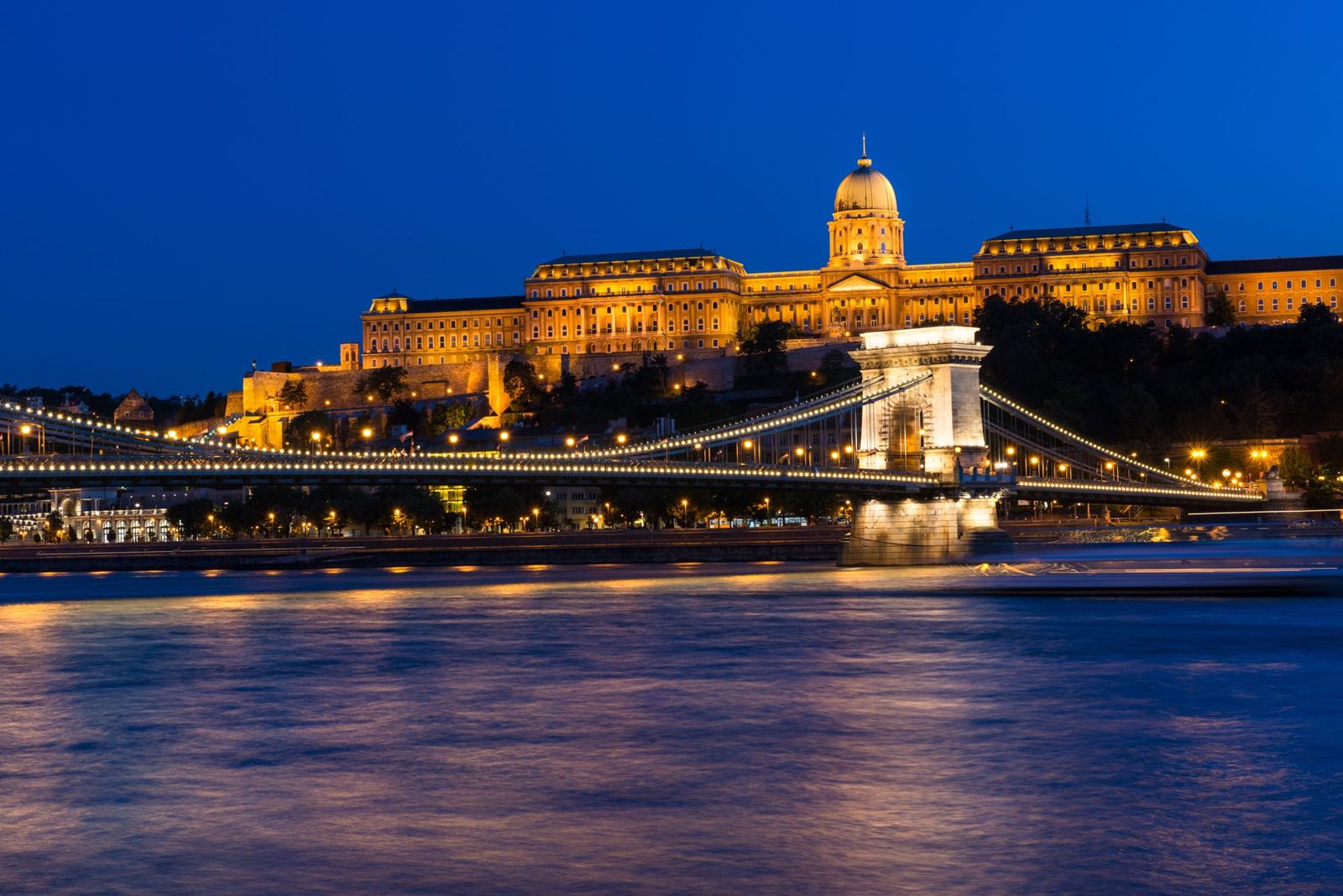
If you prefer your own pace, start at the Parliament, walk south along the embankment past the Shoes on the Danube memorial, continue to the Chain Bridge, then cut inland to St. Stephen’s Basilica. It is flat, about an hour at a stroll, and takes in several headline landmarks.
Self-guided route 2: the Castle District
Cross the Chain Bridge, ride the funicular (or walk) up to the Castle District, and wander from Buda Castle along to Matthias Church and Fisherman’s Bastion. The back lanes are quiet and lovely, and the views over Pest are the best in the city. Allow two hours with photo stops.
Self-guided route 3: Jewish Quarter and ruin bars
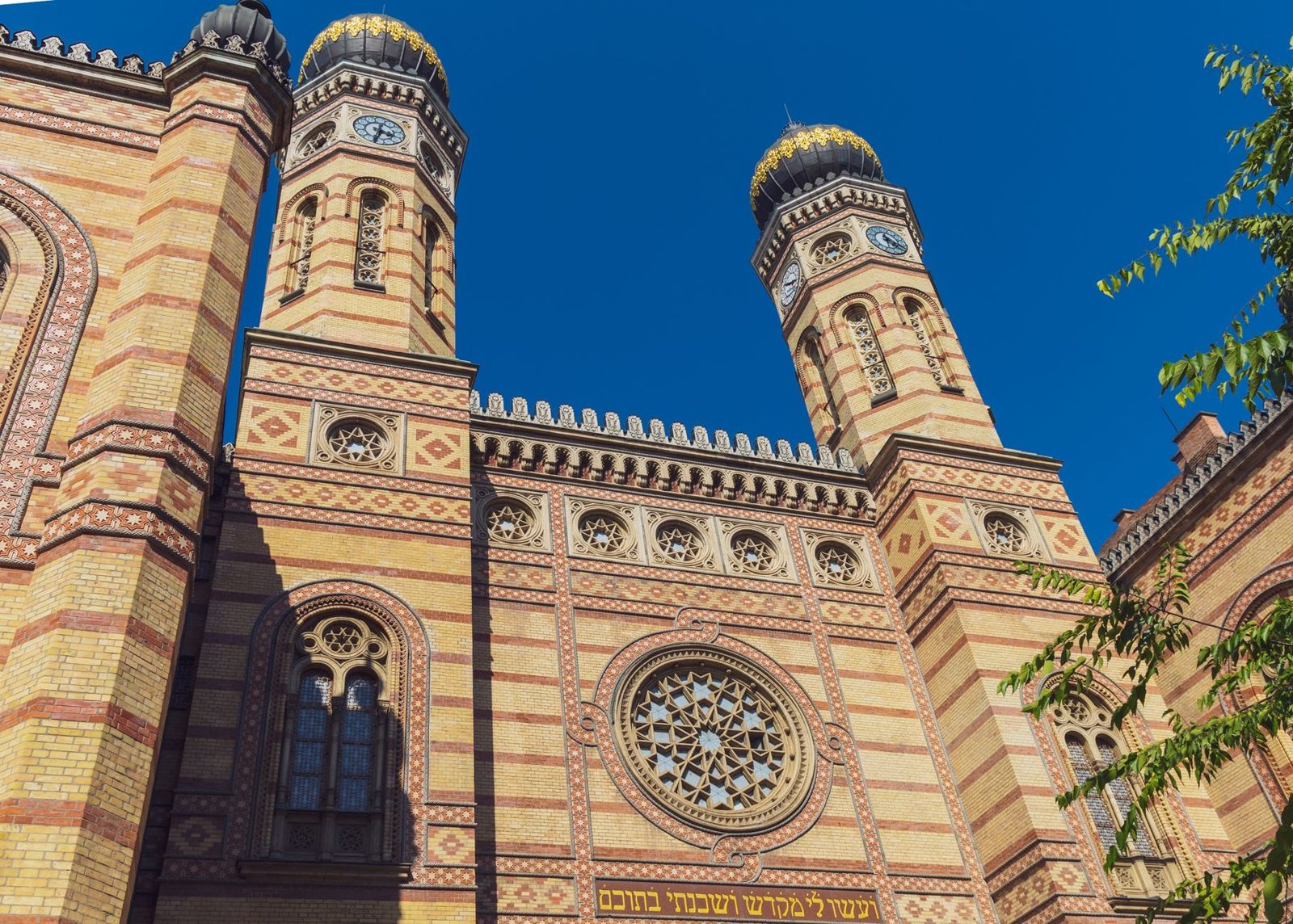
Explore District VII on foot, the Dohány Street Synagogue, the street art, the courtyards, and finish at a ruin bar like Szimpla Kert. It is the city’s most atmospheric neighbourhood walk, and it flows naturally into an evening out.
Self-guided route 4: Andrássy Avenue
For a flat, elegant walk, follow Andrássy Avenue from Deák Ferenc tér out to Heroes’ Square, passing the Opera House, grand cafés and mansions, then finish in City Park with the Széchenyi Baths and Vajdahunyad Castle. It is about 45 minutes at a stroll, and you can hop on the historic M1 metro beneath if your feet give out.
Accessibility and who tours suit
Budapest is hilly on the Buda side and cobbled in the historic quarters, so some walks involve steps and uneven ground, the Castle District and Fisherman’s Bastion in particular. If mobility is a concern, choose flatter Pest-side and riverfront tours, and ask operators about step-free options when booking. Tours suit almost everyone otherwise: solo travellers find them sociable, families can pick shorter routes, and history lovers get the context that turns a pretty building into a story. For getting to meeting points, see our public transport guide.
Tours for families and special interests
Travelling with kids? Shorter, story-driven tours (legends, the castle, the caves) hold children’s attention better than history-heavy walks, and our Budapest with kids guide has more ideas. Food lovers should prioritise a market-and-tastings tour; night owls, a ruin-bar crawl. Photography walks are timed for the best light, and pair naturally with our photography spots guide.
Walking tours in winter
Tours run year-round, and winter has its own appeal, fewer crowds, crisp light, and the Christmas markets in full swing, though you will want layers, gloves and waterproof shoes. Indoor-leaning options (the Opera House, museum-focused walks, food tours with café stops) are kinder on cold days. See our Budapest in winter guide for what to expect.
Self-guided route 5: green Buda and Margaret Island
For a gentler, greener walk away from the crowds, head to Margaret Island and stroll its car-free length, the Japanese garden, the musical fountain, the old water tower and the ruins of a medieval convent, then cross to the Buda bank near the Lukács Baths. Combine it with a soak and you have a perfect low-key half-day. Keen walkers can go further into the Buda Hills, where a cogwheel railway and the kid-run Children’s Railway climb into forested hills with lookout towers. It is a completely different, leafy side of the city that most visitors miss.
Combine your walk with the rest of your day
A walking tour slots neatly into a wider plan. Do a morning city tour, then reward yourself with a thermal soak (our thermal baths guide), an afternoon coffee in a historic café, or an evening ruin-bar crawl. A food tour can double as lunch. Our itineraries show how to thread walks, sights and downtime together so you see a lot without feeling rushed.
Common mistakes to avoid
- Not booking free tours. Popular slots fill up; reserve online and arrive a few minutes early.
- Forgetting tip cash. Guides on free tours rely on tips, and most don’t take cards.
- Wearing the wrong shoes. Cobbles and the climb to the Castle punish flimsy footwear.
- Cramming too much in. One good tour plus free time beats three back-to-back walks.
- Skipping the Buda side. Some visitors never cross the river, missing the city’s best views.
Why take a tour instead of going solo?
You can absolutely explore Budapest with a map and a guidebook, the self-guided routes above prove it. But a good guide adds the layer you cannot get from signage: the context, the politics, the personal stories, the “look up at that balcony, here is what happened there” details that turn a handsome facade into a memorable place. Guides also handle logistics, where to enter, what is worth your time, what to skip, and answer the questions a book cannot. For a first day in an unfamiliar city, a couple of hours with a local is the single best-value thing you can do, and it makes everything you see afterward richer.
Booking and costs, summarised
Free tours: reserve a slot online (no card needed for most), turn up a few minutes early, and tip €10–20 per person in cash at the end. Paid small-group and themed tours: book ahead, especially food tours and anything capped at small numbers, with prices typically ranging from around €20 to €60 depending on length and inclusions. Private tours cost more but flex entirely to your interests and pace. Whatever you book, double-check the meeting point, Erzsébet tér and Batthyány tér are the two usual ones, and confirm the language of the tour.
Practical tips
Wear comfortable shoes, Budapest’s cobbles and the climb to the Castle are no joke, and dress for the weather, as most tours run rain or shine. Mornings are cooler and less crowded in summer. Book online for free tours, carry small cash for tips, and check the meeting point carefully (Erzsébet tér and Batthyány tér are the two common ones). In high summer, an early start beats the midday heat; our best time to visit and packing guides help you prepare.
Frequently asked questions
Are free walking tours in Budapest really free?
They are free to join but run on tips, plan to give around €10–20 per person for a good tour. It is still excellent value and a great introduction to the city.
Which Budapest walking tour is best for first-timers?
A general city “grand tour” covering the Pest side and a Danube crossing toward the Castle is ideal on day one. Add a themed tour (Jewish Quarter, communism or food) once you know the layout.
Do I need to book a walking tour in advance?
For free tours, book a slot online so you are guaranteed a place on busy days. Paid and themed tours, especially food and small-group tours, should be booked ahead as they sell out.
Are Budapest walking tours suitable for children?
Yes, especially shorter, story-led tours about the castle, caves or city legends. For very young children, a self-guided stroll you can pause and adapt may work better than a fixed two-hour tour.
How long are Budapest walking tours?
Most general tours run two to three hours. Themed and food tours can run three to four hours. Wear comfortable shoes and dress for the weather.
Last updated June 2026. Photos: Elijah Cobb (Pexels); Czapp Árpád (Pexels); KITSUN YUEN (Pexels).