Budapest in Winter: Best Magical Cold-Weather Itinerary (2026)
A complete guide to Budapest in winter: thermal baths in the snow, Christmas markets, ice skating, cosy cafés, New Year's Eve, what to pack and why winter is great value.
In this guide
- What the weather is really like
- Thermal baths in the snow
- Christmas markets
- Ice skating and outdoor winter fun
- Cosy indoor escapes
- New Year’s Eve
- Fewer crowds, lower prices
- A perfect winter weekend
- Winter events beyond Christmas
- Photographing Budapest in winter
- Where to base yourself
- What to pack for winter
- Getting around in winter
- Is Budapest worth visiting in winter?
- Frequently asked questions
This article contains advertising. Our booking links are routed through a partner that adds commission tracking automatically, so if you book through one we earn a commission from the provider, at no extra cost to you. It never affects what we recommend. Affiliate disclosure
Spending Budapest in winter might just be the city at its most magical, and its best value. Yes, it is cold (expect daytime temperatures hovering around freezing from December to February, often colder at night), and the days are short. But this is when the thermal baths come into their own, steaming in the frosty air, when the Christmas markets fill the squares with mulled wine and the smell of chimney cake, and when the crowds thin and prices drop. If you do not mind bundling up, winter is a wonderful, atmospheric time to visit, and this guide explains how to make the most of it.
From the baths to the markets to the cosy cafés, here is everything to do, and how to stay warm doing it. For the seasonal trade-offs versus other times of year, see our best time to visit Budapest guide, and build a plan with our itineraries.
What the weather is really like
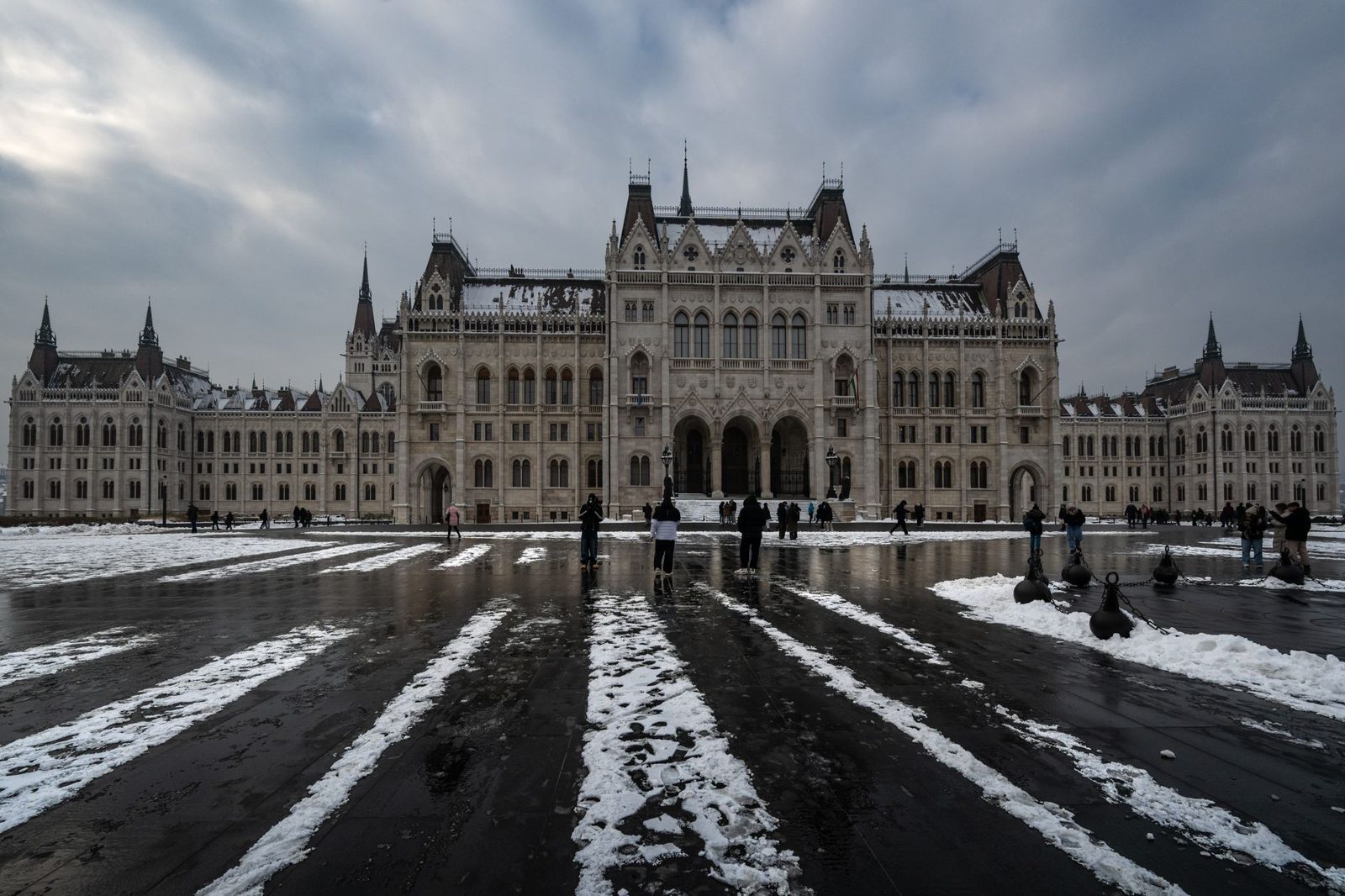
Be realistic and you will have a great time. December through February brings cold, often grey weather, with daytime highs typically around 0–5°C and nights below freezing; snow is possible but not guaranteed, and when it falls it makes the city postcard-pretty. Daylight is limited, the sun sets by around 4pm in midwinter, which actually works in your favour, because the city’s illuminated monuments come on early and you get those golden, lamp-lit evenings for hours. Dress in proper layers and the cold becomes part of the charm rather than an obstacle; our packing guide covers exactly what to bring.
Thermal baths in the snow
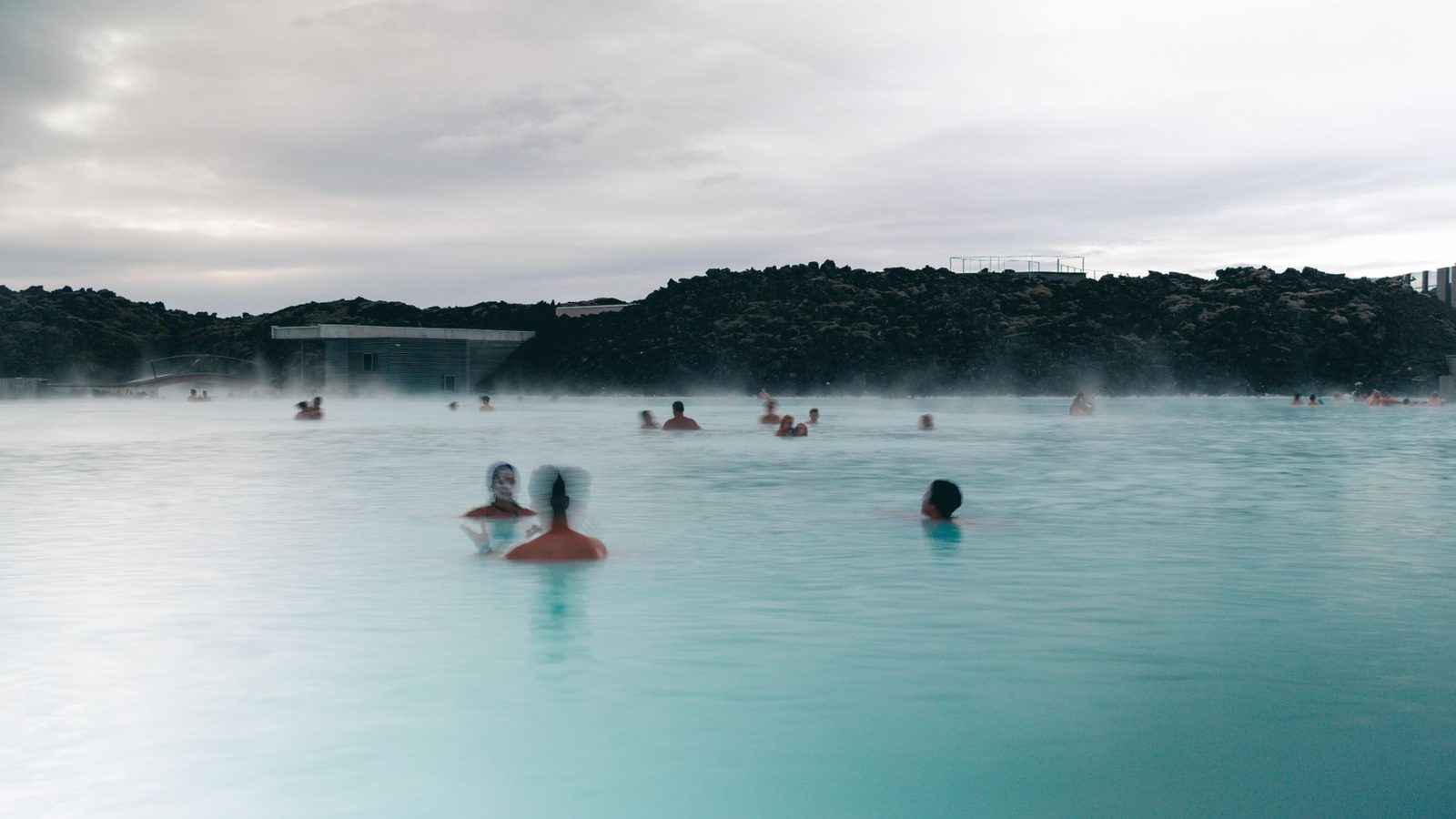
If you do one thing in winter, make it a thermal bath. There is nothing quite like lowering yourself into a 38°C outdoor pool while your hair frosts and steam rises all around you, it is the quintessential Budapest winter experience, and the contrast of hot water and cold air is sublime. Széchenyi with its grand outdoor pools is the classic choice, while Rudas offers a steaming rooftop tub with a Danube view. Winter is genuinely the best season for the baths; our full thermal baths guide helps you choose.
Christmas markets
From mid-November through early January, Budapest hosts some of Central Europe’s loveliest Christmas markets. The big two are on Vörösmarty Square (the city’s main, oldest market) and in front of St. Stephen’s Basilica, where a light show plays on the facade and there is an ice rink for skating. Expect stalls of handmade crafts, steaming mulled wine (forralt bor), chimney cake (kürtőskalács), and hearty Hungarian street food, goulash, sausages, lángos. The markets are free to wander and are the social heart of the city in December. Our Christmas markets guide has the details.
Ice skating and outdoor winter fun
City Park’s ice rink, set beside the fairytale Vajdahunyad Castle, is one of Europe’s largest and most beautiful outdoor rinks, skating here with the floodlit castle as a backdrop is a delight. It is an easy pairing with a soak at the nearby Széchenyi Baths. Bundle up, rent some skates, and you have a perfect winter afternoon.
Cosy indoor escapes
When you need to thaw out, Budapest excels at indoor comfort. The grand historic coffee houses, the New York Café, Gerbeaud, Centrál, were made for lingering over cake and a hot drink while it is cold outside. The city’s museums and the opera house give you culture in the warm, and the ruin bars of District VII are cosy and atmospheric in winter, many with covered, heated courtyards. A long, slow lunch of goulash is never a bad idea either; see our food guide.

New Year’s Eve
Budapest throws a memorable New Year’s Eve, with street parties along the main boulevards, fireworks over the Danube, special dinner cruises, and bath parties at Széchenyi. It is one of the liveliest nights of the year and a fun time to be in town if you do not mind the crowds. Our New Year’s Eve guide covers the options.
Fewer crowds, lower prices
One of the underrated joys of winter (outside the Christmas and New Year peak) is how much calmer and cheaper the city is. January and February are low season: hotel rates drop, the big sights are quiet, and you can enjoy the baths and museums without the summer crush. If value and breathing room matter to you, deep winter is the savvy traveller’s secret; pair it with our budget guide to stretch your forints further.
A perfect winter weekend
If you have a couple of days, here is how I would spend a winter weekend. Start the first morning at the Parliament and the Pest-side landmarks while you are fresh and warm, then thaw out over a long lunch and cake in a historic café. Spend the afternoon at the Christmas markets as the lights come on, and have a hearty dinner. Devote the second day to the thermal baths, arrive when they open, soak for a couple of hours in the steaming outdoor pools, then warm up indoors before exploring a museum or the Castle District. End with mulled wine and a cosy ruin-bar courtyard. Two days, perfectly balanced between cold-weather sightseeing and warm indoor comfort.
Winter events beyond Christmas
The season is not just about December. January and February bring their own calendar, from the opera and concert season in full swing to the famous Busójárás carnival in nearby Mohács (a UNESCO-listed masked festival to scare away winter), an easy add-on for those interested in folk traditions. The baths run special evening sessions, and the city’s café and dining scene is at its cosiest. Check our festivals and events guide for what is on during your dates.
Photographing Budapest in winter
Winter is a gift for photographers. The early sunset means the golden hour and the illuminated monuments line up in the late afternoon, giving you the Parliament, Chain Bridge and Fisherman’s Bastion glowing against a deep blue sky without staying up late. Snow on the Buda hills, steam rising from the baths, and the twinkling Christmas markets all make for memorable shots. Our photography spots guide shows where to point your camera.
Where to base yourself
In winter, location matters even more, you will want to minimise time out in the cold between sights. Staying centrally in Pest (around the Basilica, the Jewish Quarter or the inner districts) puts you within walking distance of the markets, cafés and many landmarks, with easy transport to the baths. Our where to stay guide breaks down the neighbourhoods, and winter’s low-season rates mean you can often afford a more central or upscale base than in summer.
What to pack for winter
Layering is everything. Bring a warm waterproof coat, hat, gloves and scarf, thermal layers, and proper insulated, grippy footwear, the cobbles and bridges can be icy. Do not forget a swimsuit for the baths, and a small towel. Hand warmers are a nice luxury for the markets. With the right kit, the cold is completely manageable and you will be far more comfortable than the under-dressed tourists shivering at the markets.
Getting around in winter
Budapest’s public transport, metro, trams and buses, runs reliably through winter and is the warm, easy way to get around; our transport guide has the details. Walking is lovely but plan for early darkness and occasional ice. Taxis and the Bolt app are handy for cold nights.
Is Budapest worth visiting in winter?
Absolutely, with the right expectations. If you want beach weather and long days, this is not the season. But if the idea of steaming baths in the frost, glittering Christmas markets, cosy cafés and a calmer, cheaper city appeals, winter shows Budapest at its most atmospheric. It is one of my favourite times to be here.
Frequently asked questions
Is Budapest cold in winter?
Yes, expect daytime highs around 0–5°C and sub-zero nights from December to February, with possible snow. It is very manageable with proper layers, and the cold makes the thermal baths even more magical.
What is there to do in Budapest in winter?
Soak in the outdoor thermal baths, visit the Christmas markets, skate at the City Park rink, linger in historic coffee houses, explore museums and ruin bars, and enjoy a lively New Year’s Eve, all with fewer crowds.
When are the Budapest Christmas markets open?
Generally from mid-November to early January, with the main markets at Vörösmarty Square and St. Stephen’s Basilica. See our Christmas markets guide for current dates.
Is winter a good time to visit Budapest?
Yes, if you embrace the cold. You get the baths at their best, festive markets, cosy indoor culture, and, outside the holidays, low-season prices and quiet sights.
Winter loosens its grip fast here. By early April the Budapest Spring Festival is under way and the terraces start reopening — a good argument for timing a late-winter trip toward the end of the season.
Last updated June 2026. Photos: Marcelo Gonzalez (Pexels); It’s MJ! (Pexels); Molnár Tamás Photography™ (Pexels).