Budapest 5 Day Itinerary: Best Complete Experience (2026)
A day-by-day Budapest 5 day itinerary for 2026: grand Pest, Buda Castle Hill, the thermal baths and ruin bars, a Danube day trip and a slower final day, with current prices.
In this guide
- Day 1: Grand Pest and the river at night
- Day 2: Castle Hill and the Buda views
- Day 3: Thermal baths and the Jewish Quarter
- Day 4: A day trip up the Danube
- Day 5: Markets, a museum and a slower Budapest
- Where to eat along the way
- Where to stay and how to get around
- Practical tips for five days in Budapest
- Frequently asked questions
This article contains advertising. Our booking links are routed through a partner that adds commission tracking automatically, so if you book through one we earn a commission from the provider, at no extra cost to you. It never affects what we recommend. Affiliate disclosure
Five days is the length I quietly recommend to anyone who asks me how long to spend in Budapest. Two days and you are sprinting between the headline sights; a week and you start running out of obvious things to do unless you really slow down. Five gives you room to see both halves of the city properly, sink into the thermal baths without watching the clock, spend an evening in the ruin bars and still escape for a day trip up the Danube. I have built this Budapest 5 day itinerary the way I would walk it myself, grouping things by neighbourhood so you are not zig-zagging across the river, with current 2026 prices and the small bookings that are genuinely worth making in advance.
A quick word on geography before we start, because it makes everything click. The city is two old towns stitched together by the Danube: hilly, quiet Buda on the west bank with the castle and the views, and flat, lively Pest on the east with the grand boulevards, the nightlife and most of the hotels. The bridges between them are walkable, the public transport is excellent and cheap, and a 72-hour travelcard plus a couple of single tickets will cover this whole itinerary. Pick a base in central Pest, district V, VI or VII, and you can walk to a surprising amount of what follows.
Day 1: Grand Pest and the river at night
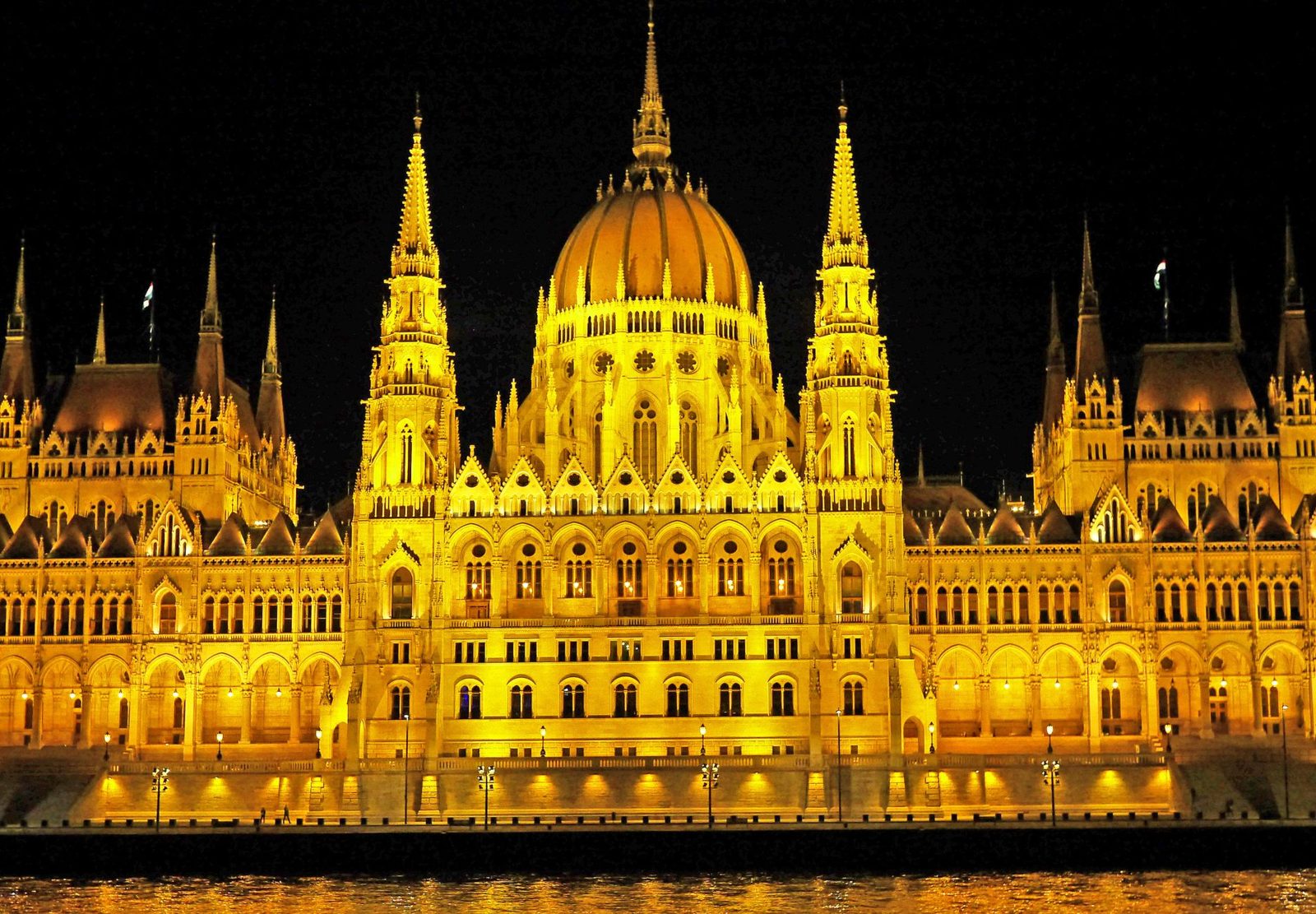
Start where Budapest shows off. The neo-Gothic Hungarian Parliament on the Pest bank is the single most photographed building in the country, and the interior tour through the gilded central hall and the crown jewels is worth doing — but book it online well ahead, because tours sell out one to three weeks out in summer and close entirely when the chamber is in session. In 2026 a guided tour runs around 14,270 HUF (€37) for EU citizens and 23,150 HUF (€60) for non-EU visitors, a noticeable jump from a couple of years ago, so reserve your slot before you fly.
From there, wander south to St Stephen’s Basilica, where about €11 gets you into the nave and a combined ticket of roughly €21 adds the treasury and the 360-degree panorama terrace at the top of the dome. Stroll out along leafy Andrássy Avenue, the city’s Champs-Élysées, past the Opera House toward Heroes’ Square and City Park, riding the historic yellow M1 metro back if your feet give out. Save your energy for the evening, though, because Budapest’s defining experience is the floodlit skyline after dark. Ride scenic tram 2 along the embankment or take an hour-long river cruise to watch the Parliament and Castle glow gold over the water.
Day 2: Castle Hill and the Buda views
Cross to Buda and give the whole day to Castle Hill, a compact UNESCO-listed quarter you can cover on foot. Ride the funicular or walk up to Buda Castle, the sprawling former royal palace that now holds the Hungarian National Gallery (Tuesday to Sunday, 10am to 6pm) and the Budapest History Museum. The real magic is just north along the cobbles at Matthias Church, with its psychedelic tiled roof, and the fairy-tale white turrets of Fisherman’s Bastion right behind it.
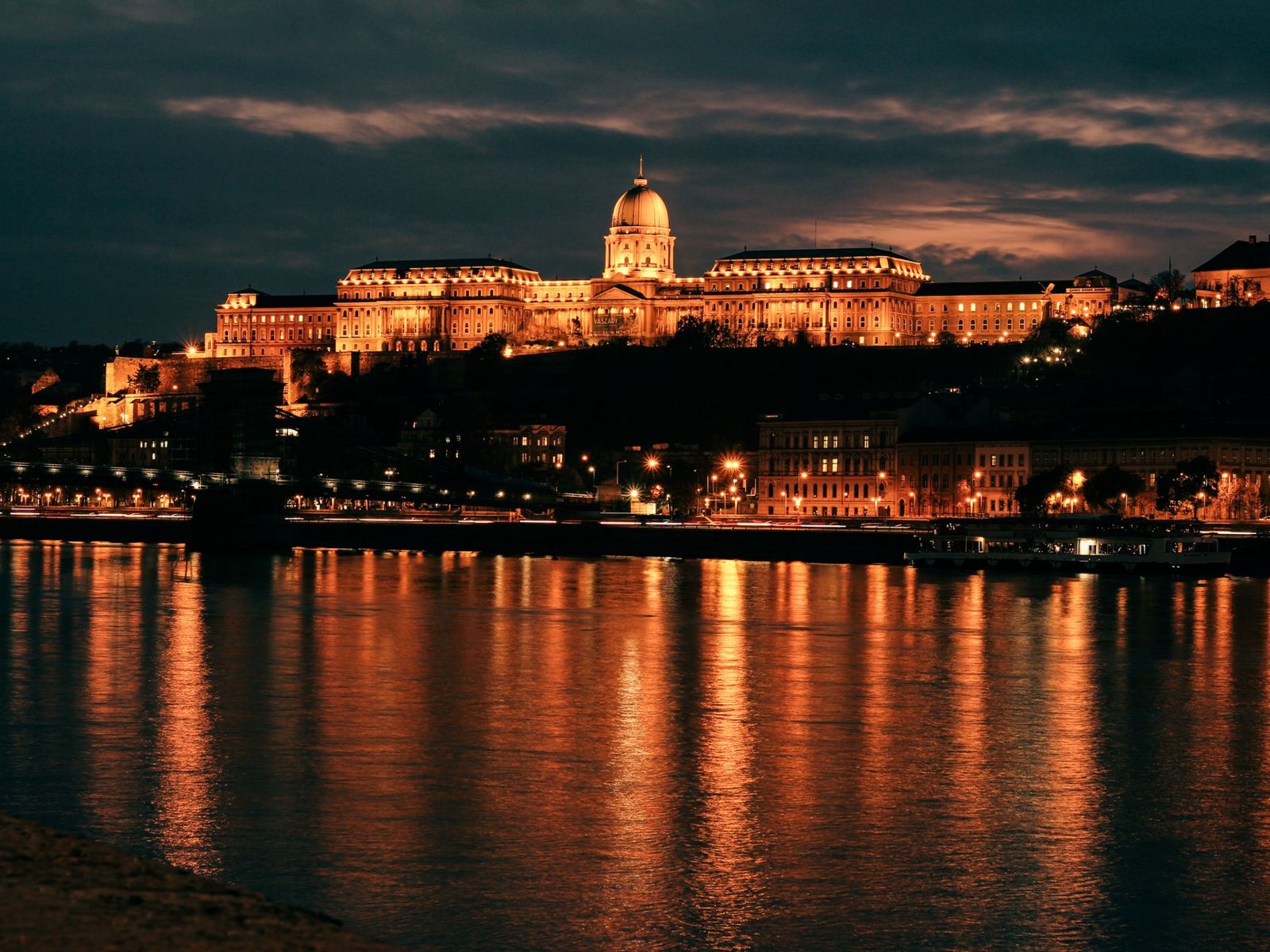
The Bastion is a clever piece of value: the lower terrace is free and always open, and the panoramic upper towers cost just 1,700 HUF (about €4), free if you arrive before 9am or after the ticket window closes at 9pm. The view across the river to the Parliament is the postcard shot of Budapest. In the late afternoon, walk or take a bus up Gellért Hill to the Citadella and the Liberty Statue, the best sunset vantage point in the city, looking straight down the Danube as the lights come on. It is the kind of slow, scenic day that justifies giving Budapest five.
Day 3: Thermal baths and the Jewish Quarter
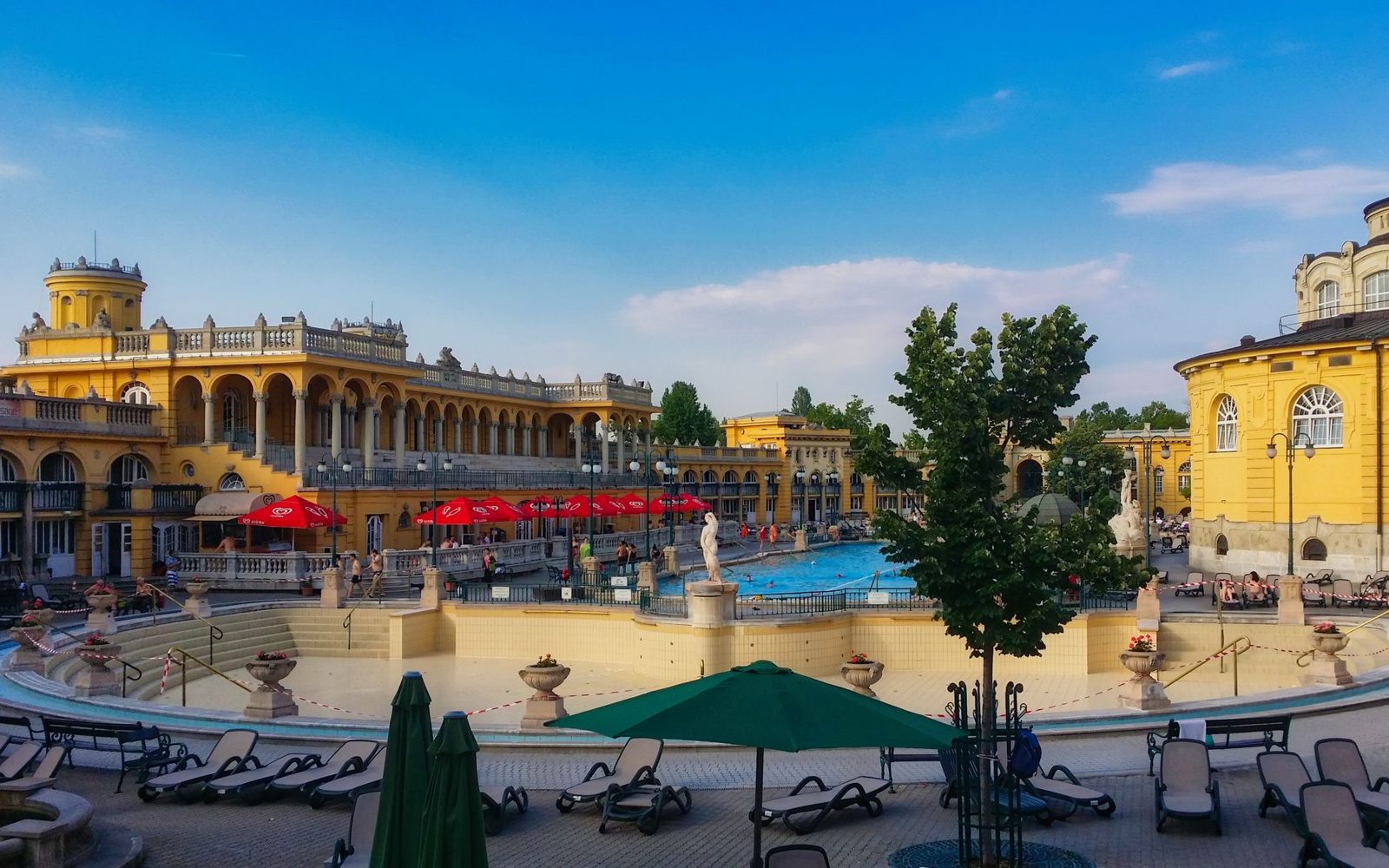
This is the day Budapest does better than almost anywhere. Spend the morning at the Széchenyi Baths in City Park, the grand yellow neo-baroque complex where steam rises off the outdoor pools even in winter; a weekday ticket with a locker runs around 13,000 HUF, and arriving early before 9am is both cheaper and far less crowded. One important note for 2026: the famous Gellért and Király baths remain closed for renovation, so do not build a day around them — Széchenyi, Rudas and Lukács are your open options, all covered in our Széchenyi Baths guide.
Spend the afternoon in District VII, the Jewish Quarter, the most atmospheric corner of Pest. Tour the magnificent Dohány Street Synagogue, the largest in Europe, and its moving Holocaust memorial garden, then let yourself get lost among the street art, third-wave cafes and crumbling courtyards. As night falls the same streets become the city’s nightlife heartland: this is the home of the ruin bars, eccentric watering holes built into derelict buildings and strung with fairy lights and salvaged junk. Start at the original, Szimpla Kert, and follow your nose from there, as laid out in our guide to Budapest’s ruin bars.
Day 4: A day trip up the Danube
By day four you have earned a change of scene, and Budapest is blessed with easy escapes. My top pick for a first visit is Szentendre, a riverside town of cobbled lanes, pastel houses, art galleries and marzipan shops just forty minutes out on the HÉV suburban train — the gentlest possible day trip, and easy to do on your own; see our Szentendre day trip guide. If you would rather see more of the river, the Danube Bend strings together Szentendre, the cathedral town of Esztergom and the hilltop castle at Visegrád, where the river sweeps through forested hills; our Danube Bend day trip guide covers the routes. Both get you back to Budapest in time for dinner.
| Day | Focus | Highlights |
|---|---|---|
| Day 1 | Grand Pest and the river | Parliament, St Stephen’s Basilica, Andrássy, night cruise |
| Day 2 | Buda Castle Hill | Buda Castle, Matthias Church, Fisherman’s Bastion, Gellért Hill sunset |
| Day 3 | Baths and the Jewish Quarter | Széchenyi Baths, Dohány Synagogue, ruin bars |
| Day 4 | Danube day trip | Szentendre or the Danube Bend |
| Day 5 | Markets, museums and slow city | Great Market Hall, a museum, Margaret Island, dinner cruise |
Day 5: Markets, a museum and a slower Budapest
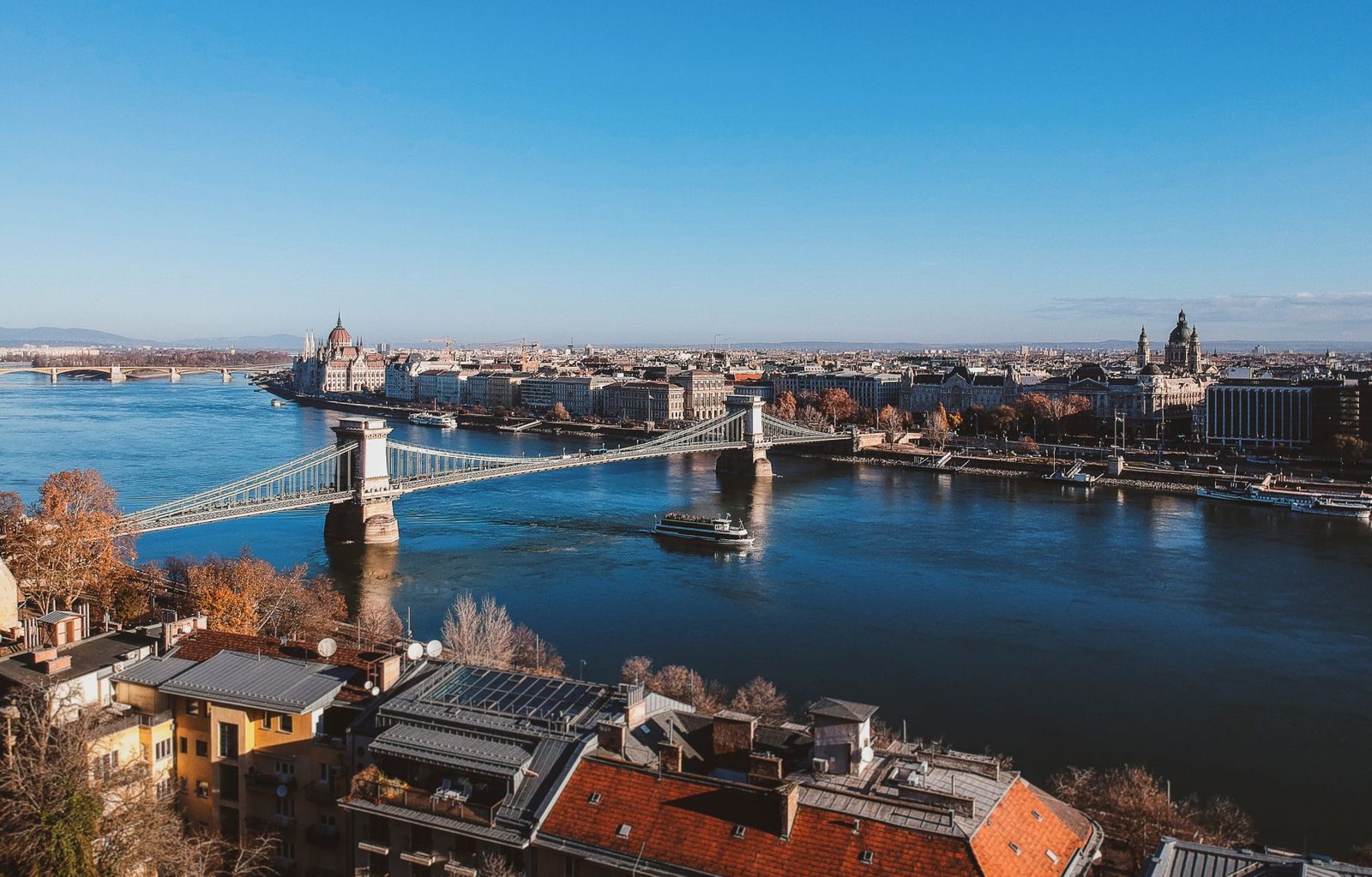
Use your last day to fill in the gaps and enjoy the city at a gentler pace. Start at the Great Market Hall on the Pest side of Liberty Bridge, a cathedral of fresh produce, paprika, salami and Tokaji wine, with langos and other street food on the upper level (it is closed on Sundays, so plan around that). From there it is a short walk over the now permanently car-free Liberty Bridge — a lovely stroll in its own right — toward the Gellért side.
Pick one museum or gallery that suits your taste, whether that is the House of Terror on Andrássy, the Hungarian National Museum, or the bath-and-art combination on Castle Hill, rather than trying to cram in several. In the afternoon, escape the traffic entirely on Margaret Island, the long green park in the middle of the Danube with its musical fountain, running track and rentable bikes. Round off five days the way you began them, on the water: a dinner cruise with the illuminated city sliding past is a fitting farewell, and a romantic one if you are travelling as a couple.
Where to eat along the way
You will not go hungry, and you need not plan every meal, but a few pointers help. For a proper introduction to traditional Hungarian cooking — goulash soup, paprika chicken, chimney cake — book a table at a classic spot like Gettó Gulyás in the Jewish Quarter or one of the market-hall bistros, where a hearty meal runs around 4,000 to 7,000 HUF a head. For something quicker, the langos and sausage stalls at the Great Market Hall and the food trucks at Karaván beside Szimpla Kert are cheap, filling and fun. Pencil in at least one slow morning at a grand coffee house — the New York Café is the showstopper — and one dinner with a Danube view. Wash it all down with a glass of sweet Tokaji or a robust Egri Bikavér, and you will have tasted the country’s greatest hits without ever booking more than a day ahead.
Where to stay and how to get around
For a five-day trip I would base myself in central Pest. District V puts you within walking distance of the Parliament, the Basilica and the river; District VI around Andrássy is elegant and central; and District VII, the Jewish Quarter, is loud, fun and ideal if nightlife is a priority. Our guide to where to stay in Budapest breaks down the neighbourhoods in detail. Getting around could not be simpler: buy a 72-hour BKK travelcard, download the BudapestGO app, and lean on the metro and the trams, all explained in our public transport guide. Almost everything in this plan is reachable by tram, metro or on foot.
Practical tips for five days in Budapest
- Book the Parliament tour online one to three weeks ahead, especially in summer.
- Arrive at Széchenyi Baths before 9am for cheaper entry and empty pools.
- Carry the thermal bath essentials: swimsuit, flip-flops and a small padlock or rented locker.
- Remember the Gellért and Király baths are closed for renovation in 2026.
- The Great Market Hall is shut on Sundays; do day five’s market visit on another day if needed.
- Pay in forints, not your home currency, at every card terminal and ATM.
- Save the dinner cruise or a riverside dinner for a clear evening — the skyline is the point.
That is five full days that balance the must-sees with the small pleasures that make people fall for this city. You can browse the full set of Budapest itineraries for other trip lengths, or, if your dates are tighter or looser, scale this one with our one day in Budapest and three-day plans, stretch it with the seven-day itinerary, and time it well using our guide to the best time to visit Budapest. However you slice it, five days is when Budapest stops being a checklist and starts feeling like a place you already miss.
If one of your evenings is free, consider the Hungarian State Opera House — cheap seats and standing room make a full opera or ballet performance surprisingly affordable, and the auditorium is reason enough on its own.
Frequently asked questions
Is 5 days too long for Budapest?
Not at all. Five days is arguably the ideal length: enough to see both Buda and Pest properly, enjoy the thermal baths and nightlife without rushing, and still take a day trip up the Danube. It is only too long if you do not slow down and enjoy the city’s slower pleasures.
How much does a Budapest 5 day itinerary cost?
Budapest is one of Europe’s better-value capitals. Outside of accommodation, a comfortable mid-range visitor might spend roughly €60–90 a day on food, transport, baths and attractions. See our Budapest budget guide for a full breakdown by travel style.
What day trip should I take on a Budapest 5 day itinerary?
For a first visit, Szentendre is the easiest and most charming, reachable in about 40 minutes on the suburban train. If you want more scenery and history, the Danube Bend combines Szentendre, Visegrád and Esztergom into one rewarding day.
Do I need to book attractions in advance?
The Hungarian Parliament tour is the main one to book ahead, often one to three weeks out in peak season. Most other sights, including the baths, can be entered on the day, though buying bath tickets online can save a little time at the door.
Which thermal baths are open in 2026?
Széchenyi, Rudas and Lukács are open and excellent. The Gellért and Király baths are closed for renovation in 2026, so plan your bath day around the open options.
With two more days you could add a second country. Our seven-day itinerary builds in the cross-border runs to Vienna and Bratislava without making the week feel rushed.
Last updated June 2026. Photos: Pixabay (Pexels); Incze Sándor Zoltán (Pexels); Domenico Adornato (Pexels); Kateryna Unuvar (Pexels).