Rudas Baths Budapest: Best Ottoman Spa Rooftop Guide (2026)
A complete 2026 guide to Rudas Baths Budapest: the Ottoman dome, the rooftop hot tub, the confusing gender schedule, night bathing, prices and the best time to visit.
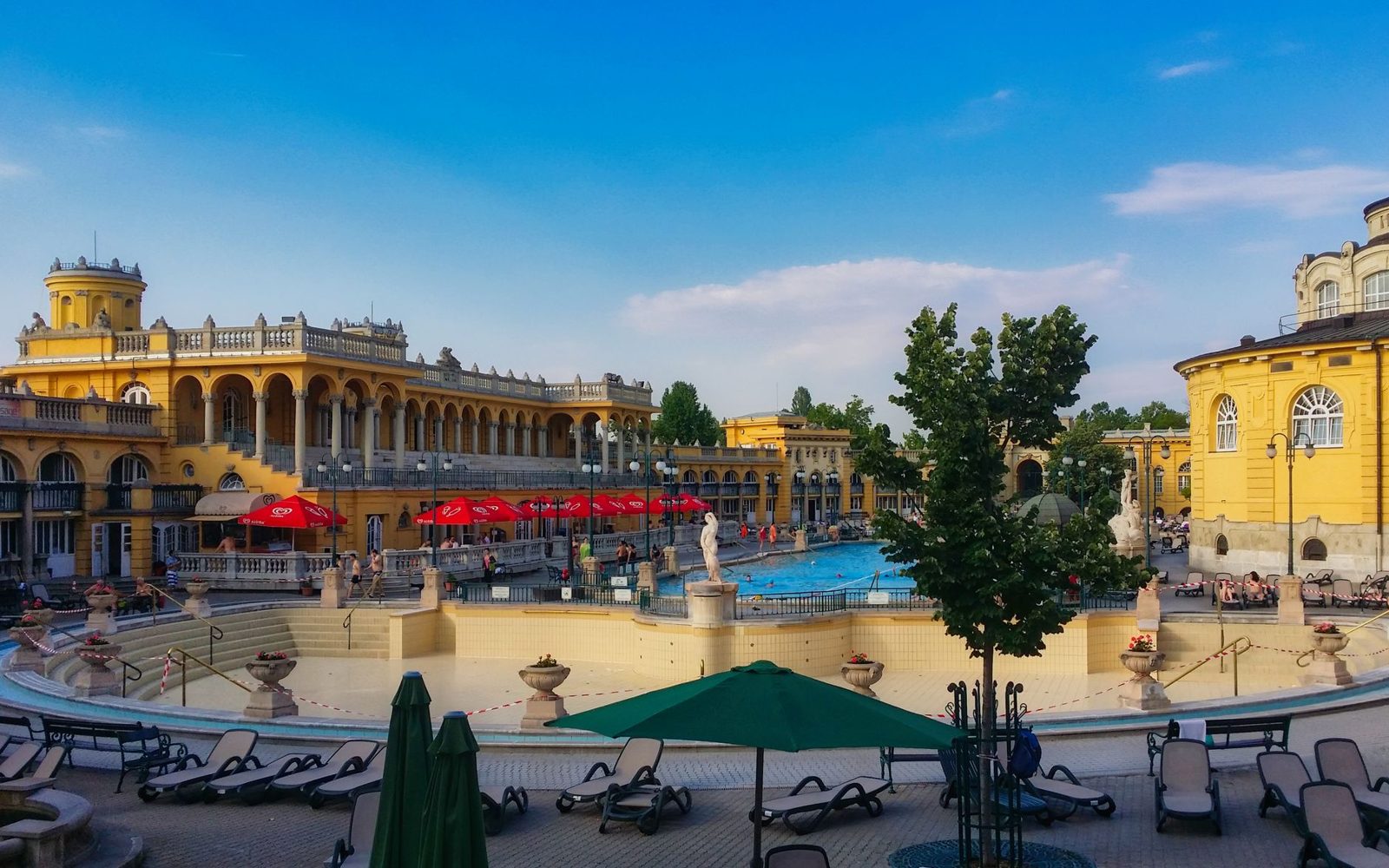
In this guide
- Why Rudas is my favourite
- A bath with 450 years of history
- The rooftop pool, the bit everyone wants
- A Rudas visit, step by step
- The gendered Turkish schedule (read this carefully)
- The four parts of Rudas
- What it costs in 2026
- Drink the water: the ivócsarnok
- Night bathing: the best-kept secret
- Which ticket should you buy?
- Opening hours
- Massages and treatments
- The rules that catch people out
- How busy does it get?
- When to go
- Getting there
- Make a day of it: Gellért Hill above the baths
- How Rudas compares
- What to bring
- Frequently asked questions
This article contains advertising. Our booking links are routed through a partner that adds commission tracking automatically, so if you book through one we earn a commission from the provider, at no extra cost to you. It never affects what we recommend. Affiliate disclosure
If you ask me which thermal bath to choose in Budapest, my answer comes with a hesitation, because the honest one is not the famous yellow palace everyone photographs. It is Rudas Baths Budapest, a working 16th-century Ottoman hammam tucked under Gellért Hill, where you soak in an octagonal pool beneath a 450-year-old dome pierced with little star-shaped windows, and then climb to a rooftop hot tub looking straight up the Danube. In 2026 a weekday ticket starts around 12,000 HUF (roughly €30), and it buys you the most atmospheric few hours you can have in the city with your clothes off.
I have sent friends to Széchenyi and friends to Rudas, and it is the Rudas crowd who come back evangelical. This guide covers everything, the confusing gendered Turkish schedule, the rooftop, night bathing, 2026 prices and the best time to go, so you get it right first time. For how it stacks up against the rest, see our Budapest thermal baths guide.
Why Rudas is my favourite
Three reasons. First, the Turkish bath itself is the real thing, not a reconstruction: a genuine Ottoman steam-and-soak space from the 1550s, dim and timeless, where light falls through the dome onto the water. Second, the rooftop pool is a stroke of genius, a modern circular hot tub perched on top of the old building with a panoramic view over the river and the Pest skyline, especially magic at dusk. And third, it manages to feel historic and a little bit cool at the same time, with night-bathing sessions that turn it into the most romantic spot in town. Where Széchenyi is a grand public lido, Rudas is an experience.
A bath with 450 years of history
The core of Rudas was built around 1550 under the Ottoman governor Sokollu Mustafa Pasha, the same prolific builder behind several of Buda’s Turkish baths. The octagonal thermal pool sits under a 10-metre dome supported by eight columns, with coloured-glass apertures scattering daylight across the steam, the design has barely changed in four and a half centuries. Over the years a 19th-century swimming pool, a drinking hall for the spring water, and finally a sleek modern wellness wing and rooftop were bolted on, so Rudas today is a genuinely odd, wonderful collage of eras. The spring water here is rich in minerals and mildly radioactive (in the harmless, traditional spa-water sense), and Hungarians have been taking it for joints and circulation for centuries.
The rooftop pool, the bit everyone wants
Let us be honest about what sells Rudas to most visitors: the rooftop. It is a round, shallow hot pool (a big jacuzzi, really) on the roof of the building, open to the sky, with an uninterrupted view across the Danube to Pest and along the river to Liberty Bridge. Soaking up there as the sky turns pink, glass of something in hand, is one of those travel moments that justifies the whole trip. It is included in your standard ticket during the day, but, and this is important, it is extremely popular, so it can be busy. Go early or come for a night-bathing session for the best of it.

A Rudas visit, step by step
If it is your first Hungarian bath, the lack of instructions can be disorienting. Here is the rhythm I follow so you can walk in like you have done it before. You collect a waterproof wristband at the entrance, this is your ticket and locker key in one. Change, lock your locker by pressing the band to the pad (note the number), and shower before entering the pools, as the locals do. Head into the Turkish bath and ease into the warm octagonal pool first, then start the cycle that makes thermal bathing actually work: a spell in a hot pool (up to 42°C in the side basins), then a sharp dip in the cold plunge, then a few minutes resting on the stone benches. Repeat two or three times. When you are pleasantly poached, go up to the rooftop to cool off in the open air with the view. End with a long, gentle soak. Allow at least two hours; three is better. Rush it and you have wasted the trip.
The gendered Turkish schedule (read this carefully)
Here is the thing that confuses everyone. The historic Turkish (Ottoman) section at Rudas is single-sex on most weekdays and mixed at weekends. The wellness wing, swimming pool and rooftop are co-ed all the time, but the old Turkish bath follows a traditional timetable. Roughly:
| Day | Turkish (Ottoman) bath | Dress |
|---|---|---|
| Monday, Wednesday, Thursday, Friday (day) | Men only | Traditional: a small apron provided; swimwear optional |
| Tuesday (day) | Women only | Traditional; swimwear optional |
| Weekends (Sat & Sun) | Mixed / co-ed | Swimsuits required |
| Night bathing (Fri & Sat) | Mixed / co-ed | Swimsuits required |
Two practical notes. On single-sex days the tradition is to bathe nude or in the little apron (kötény) the bath provides, though in practice many men now wear swim shorts. If the idea of single-sex nude-ish bathing is not for you, simply come at the weekend or for a night session, when it is mixed and swimsuits are required throughout. None of this applies to the rooftop, pool or wellness areas, which are always co-ed and always swimsuit-only.
The four parts of Rudas
It helps to picture Rudas as four connected experiences under one roof, because your ticket and the day’s schedule determine which you can use:
- The Turkish bath, the historic octagonal pool and its hot/cold side basins under the Ottoman dome. Single-sex on weekdays, mixed at weekends and nights.
- The swimming pool, a 19th-century lap pool for actual swimming (cap recommended).
- The wellness wing, a modern section with additional thermal pools, saunas and steam rooms, co-ed and swimsuit-only.
- The rooftop pool, the panoramic hot tub on top, co-ed, swimsuit-only, included in a full ticket.
A standard “all areas” ticket gets you everything that the day’s schedule allows; on a weekday, that means the Turkish bath is restricted to one gender, so check before you buy if mixed bathing matters to you.
What it costs in 2026
| Ticket | Price (2026) | Notes |
|---|---|---|
| Weekday day ticket (all areas) | from ~12,000 HUF | Includes rooftop, pool, sauna |
| Weekend day ticket | ~13,000–15,000 HUF | Mixed Turkish bath included |
| Night bathing (Fri/Sat, 10pm–3am) | ~15,000 HUF | Online only; all pools |
Booking online is worth it: it is cheaper than the door on weekends and, for the night sessions, it is the only way in. Compared with Széchenyi, Rudas is similar money for a smaller but far more atmospheric experience, weigh it up in our Budapest bath comparison.
Drink the water: the ivócsarnok
One quirk most visitors miss: Rudas has a drinking hall (ivócsarnok) where you can sample the mineral spring waters that made this spot famous in the first place. The waters here have been bottled and prescribed for centuries for digestive and metabolic complaints, they taste, frankly, peculiar (warm, faintly metallic and sulphurous), but trying a small cup is part of the Rudas tradition and a fun, free curiosity. Do not down a litre; a taste is the idea.
Night bathing: the best-kept secret
On Friday and Saturday nights, Rudas runs late sessions from 10pm to around 3am, mixed, swimsuits required, and this is when the place is at its absolute best. The Turkish bath glows, the rooftop is lit and quiet, and the crowd is more couples-on-a-date than families-on-holiday. It is hands-down the most romantic thing to do in Budapest after dark, and a world away from the city’s louder nightlife, though if you do want the louder version, see our nightlife guide and the separate spa party at Széchenyi. Night tickets sell out, so book ahead.

Which ticket should you buy?
Keep it simple. For most visitors I recommend a weekend all-areas day ticket (so you get the Turkish bath co-ed with your travel companions) or, even better, a Friday/Saturday night session for atmosphere. Solo travellers happy with single-sex bathing can save a little by visiting on a weekday. Whatever you choose, buy online: it is cheaper than the door at weekends, and night sessions are online-only and do sell out. There is no need for any pricey “VIP” upgrade, the standard ticket already includes the rooftop, which is the headline attraction.
Opening hours
The main complex generally runs from 6am to 8pm daily, with the weekend night sessions on top (roughly 10pm–3am Friday and Saturday). The single-sex Turkish sections follow the daily schedule above. Last entry is usually an hour or so before closing, and you will be asked to leave the pools shortly before the official close, so do not cut it fine.
Massages and treatments
Rudas offers the usual spa add-ons, aroma and Swedish massages, plus various treatment packages, and because the bath is smaller and a touch more upmarket than Széchenyi, the experience tends to be calmer. Prices start from roughly €25–30 for a short massage and climb from there. As ever, book your slot online in advance, especially for weekends and night sessions, because walk-in availability is limited. If a serious massage is the main event for you, a dedicated day spa may serve you better, but as a relaxing add-on to a soak, it does the job nicely.
The rules that catch people out
- No children. Unlike Széchenyi, Rudas does not admit under-14s anywhere in the complex. It is an adults’ bath. Travelling as a family? Our Budapest with kids guide points you to family-friendly baths instead.
- Slippers are mandatory. Bring flip-flops or pool shoes; the stone floors are wet, hot and slippery.
- Swim cap for the lap pool. If you want to swim proper lengths in the 19th-century pool, you may need a cap.
- The Turkish bath is dim on purpose. Give your eyes a minute; the low light is part of the atmosphere.
How busy does it get?
Rudas is smaller than Széchenyi, which is part of its charm but also means it can feel crowded faster, especially the rooftop, which has limited capacity and a queue at peak times. The busiest windows are weekend afternoons and the early part of night sessions. For elbow room, aim for a weekday morning soon after the 6am opening, or the later end of a night session once the first wave has cycled through. Midweek in the low season (late autumn, early spring) you can sometimes have the Turkish bath almost to yourself, which is when it is at its most magical.
When to go
For the daytime, arrive at opening (6am) or in the last couple of hours before close to avoid the rooftop crush. For atmosphere over everything, choose a Friday or Saturday night session. If you specifically want the historic Turkish bath co-ed (so you can experience it with your partner), you need a weekend or a night session, on weekdays it is single-sex. In winter, the contrast of the steaming rooftop against the cold night air is sublime; see our Budapest in winter guide.
Getting there
Rudas sits on the Buda riverbank right at the foot of Gellért Hill, beside Elisabeth Bridge (Erzsébet híd). It is an easy walk from the Pest side across the bridge, or a short tram ride (the 19 and 41 trams stop nearby) along the Buda embankment. It is a five-minute walk from the closed Gellért Baths, so if you had Gellért on your list, Rudas is the natural, open replacement. For tickets and routes, see our public transport guide.
Make a day of it: Gellért Hill above the baths
Rudas sits at the foot of Gellért Hill, which gives you a brilliant way to extend the visit. Either before your soak (so you arrive sweaty and grateful for the water) or after (freshly relaxed), walk up the hill to the Citadella and the Liberty Statue for what I think is the finest panorama in Budapest, the whole sweep of the river, the bridges and the Parliament laid out below. It is about a 20–30 minute climb on shaded paths. This pairing, a hike up Gellért Hill and a soak at Rudas, is one of my favourite half-days in the city, and the hilltop is one of the best photography spots going. For more in the area, see our guide to the city’s best landmarks, and if you are planning a romantic trip, a night soak here features in our romantic Budapest guide.
How Rudas compares
Rudas is the atmosphere pick. For sheer scale and the iconic outdoor pools, Széchenyi wins. For a quiet, local, therapeutic soak, Lukács is the one. With both Gellért and Király closed for the foreseeable future, Rudas is also the best place to experience an authentic Ottoman bath in the city. Before your first visit, the bath etiquette guide covers the locker system and the unwritten rules.
What to bring
Pack a swimsuit (essential for weekend/night/rooftop), flip-flops, a towel or be ready to rent one, and a swim cap if you plan to swim laps. A waterproof phone pouch is great for rooftop photos. Lockers work off a wristband; note your locker number. There is a drink service near the rooftop, but bring a water bottle, the hot pools are dehydrating.
Frequently asked questions
Is Rudas Baths Budapest worth visiting?
Yes, it is my top pick in the city. The combination of a genuine 16th-century Ottoman bath and a rooftop hot tub with Danube views is unique, and far more atmospheric than the bigger, busier baths.
Is Rudas mixed or single-sex?
The rooftop, swimming pool and wellness wing are co-ed every day. The historic Turkish bath is single-sex on weekdays (women Tuesday; men most other days) and mixed at weekends and during night sessions.
Can you go to Rudas at night?
Yes. Friday and Saturday night bathing runs roughly 10pm–3am, mixed and swimsuit-only. It is the most atmospheric, and most romantic, time to visit. Book online in advance.
How much does Rudas cost in 2026?
Weekday day tickets start around 12,000 HUF, with weekends and night sessions a little more (around 15,000 HUF). Booking online is cheaper and is required for night bathing.
Are children allowed at Rudas?
No. Rudas does not admit children under 14 anywhere in the complex. For family-friendly thermal baths, Széchenyi is the better choice.
Do you have to be naked at Rudas?
Only potentially in the single-sex Turkish bath on weekdays, where the tradition is an apron or nude, though many wear swimwear. At weekends, night sessions, and in all co-ed areas, swimsuits are required.
Is there a queue for the rooftop?
Sometimes, yes. The rooftop pool has limited capacity, so at busy times you may wait. Visit early in the day or later in a night session to avoid the worst of it.
Is the rooftop pool included in the ticket?
Yes, rooftop access is included in a standard day ticket. It is very popular, so visit early or during a night session to enjoy it without the crowds.
Rudas is also the city’s most obvious romantic soak — that rooftop pool at dusk is hard to beat. If that’s what you’re here for, our Budapest couples spa guide compares it against the private options at Széchenyi and the hotel spas.
Last updated June 2026. Written from repeat daytime and night-bathing visits. Photos: Domenico Adornato (Pexels); Bence Szemerey (Pexels); Vish Pix (Pexels); Sergey Torbik (Pexels).