Budapest Spring Festival: Best 2026 Performing Arts Guide
The Budapest Spring Festival, rebranded the Bartok Spring International Arts Weeks, runs 1-12 April 2026 with opera, baroque, dance and jazz across the city's finest halls.
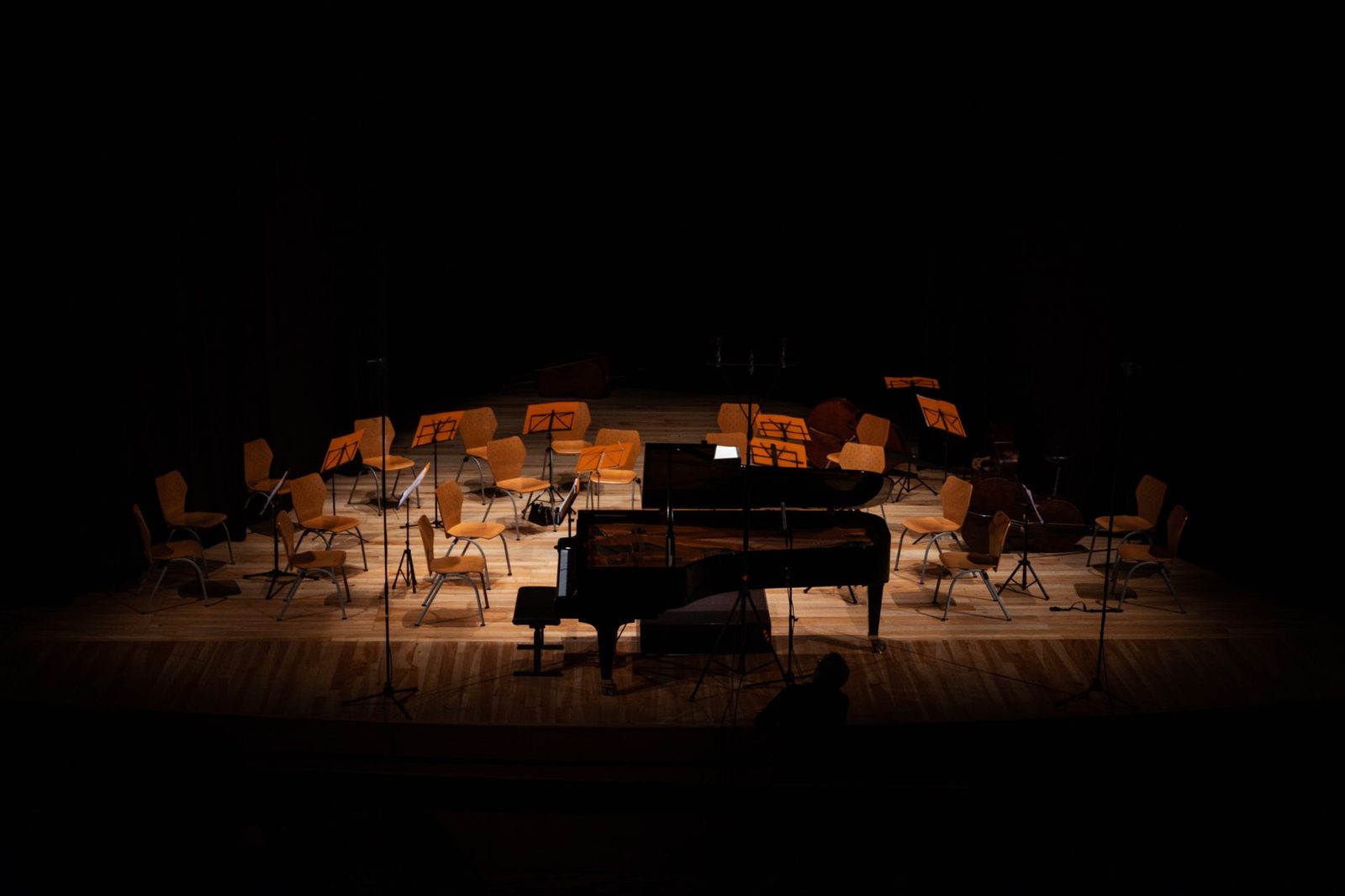
In this guide
- The Budapest Spring Festival is now the Bartók Spring
- Dates and the shape of 2026
- Baroque and classical: the heart of the festival
- Dance, opera and the experimental edge
- Jazz, world music and words
- Exhibitions worth your afternoon
- The main venues
- Tickets and what they cost
- How to build a trip around it
- What a festival evening actually feels like
- A little history, because it matters here
- Plan around Easter in 2026
- Frequently asked questions
This article contains advertising. Our booking links are routed through a partner that adds commission tracking automatically, so if you book through one we earn a commission from the provider, at no extra cost to you. It never affects what we recommend. Affiliate disclosure
There is a particular evening in early April when Budapest seems to exhale after winter. The plane trees along Andrássy are just budding, the river runs high and cold, and inside the great concert halls the lights go down on the first night of the city’s biggest arts season. I have spent three of those openings here now, and each time I am reminded that this is when Budapest shows off its cultural side without the summer crowds.
The festival most visitors still look up under the old name has been reinvented, and the 2026 edition is one of the richest in years. If you are timing a trip around classical music, opera, dance or jazz, this is the fortnight to aim for.
The Budapest Spring Festival is now the Bartók Spring
First, the thing that trips up almost everyone planning ahead. The event that ran for forty years as the Budapest Spring Festival was rebranded in 2021 as the Bartók Spring International Arts Weeks (Bartók Tavasz in Hungarian). Same idea, same spring slot, far broader programme — it now folds in the old festival’s classical core plus dance theatre, world music, literature and major exhibitions under one banner named for Béla Bartók, Hungary’s towering twentieth-century composer.
I mention this because half the blogs online still use the legacy name, and you will book nothing if you search only for it. The official programme and tickets live at bartoktavasz.hu. Once you know that, the rest is easy.
Dates and the shape of 2026
The 2026 Bartók Spring runs from 1 to 12 April — twelve days rather than the month-long sprawl of the old festival, which actually works in a visitor’s favour. You can build a long weekend or a week around it and realistically catch four or five events without sprinting across town. Roughly 120 programmes play out across some 40 venues, from grand halls to galleries and a couple of club spaces.
What sets this festival apart from a single concert series is the range. In one trip you might pair a candlelit baroque oratorio with a contemporary dance piece and a late-night electronic set, all curated under the same artistic vision. Below are the strands worth knowing before you book.
Baroque and classical: the heart of the festival
This is where the old Budapest Spring Festival DNA shows most clearly, and 2026 is a banner year for early-music fans. Vivaldi’s opera Il Tamerlano (also known as Bajazet) arrives with soprano Yulia Lezhneva, one of the most sought-after voices of the moment, alongside the Les Accents ensemble. For Bach lovers, the English Baroque Soloists and the Monteverdi Choir bring the St John Passion under conductor Peter Whelan — fittingly close to Easter.
The marquee name is Sir John Eliot Gardiner, a genuine pioneer of period performance, who comes to Budapest leading the Constellation Choir & Orchestra he founded in 2024, with a programme built around Bach’s Easter Oratorio. If you only have one classical night in you, this is the one I would chase tickets for.
Dance, opera and the experimental edge
The festival’s dance line-up is the strongest I have seen it. Pina Bausch’s legendary Tanztheater Wuppertal returns to Budapest after fifteen years, settling into Müpa for three evenings of Vollmond, the company’s hypnotic meditation on love and longing. The Latvian National Opera and Ballet, meanwhile, stages a piece on Vaslav Nijinsky — poignant here, since the great dancer spent his troubled later decades partly in Budapest.
On the opera side, the Hungarian premiere of Sinbad, the Sailor of Oman, directed by Csaba Káel, promises a genuine cross-cultural spectacle, and there are new one-act operas inspired by Thomas Mann and Friedrich Dürrenmatt. It is the kind of programming you would expect from a major European capital, at prices that still undercut Vienna or Salzburg.
Jazz, world music and words
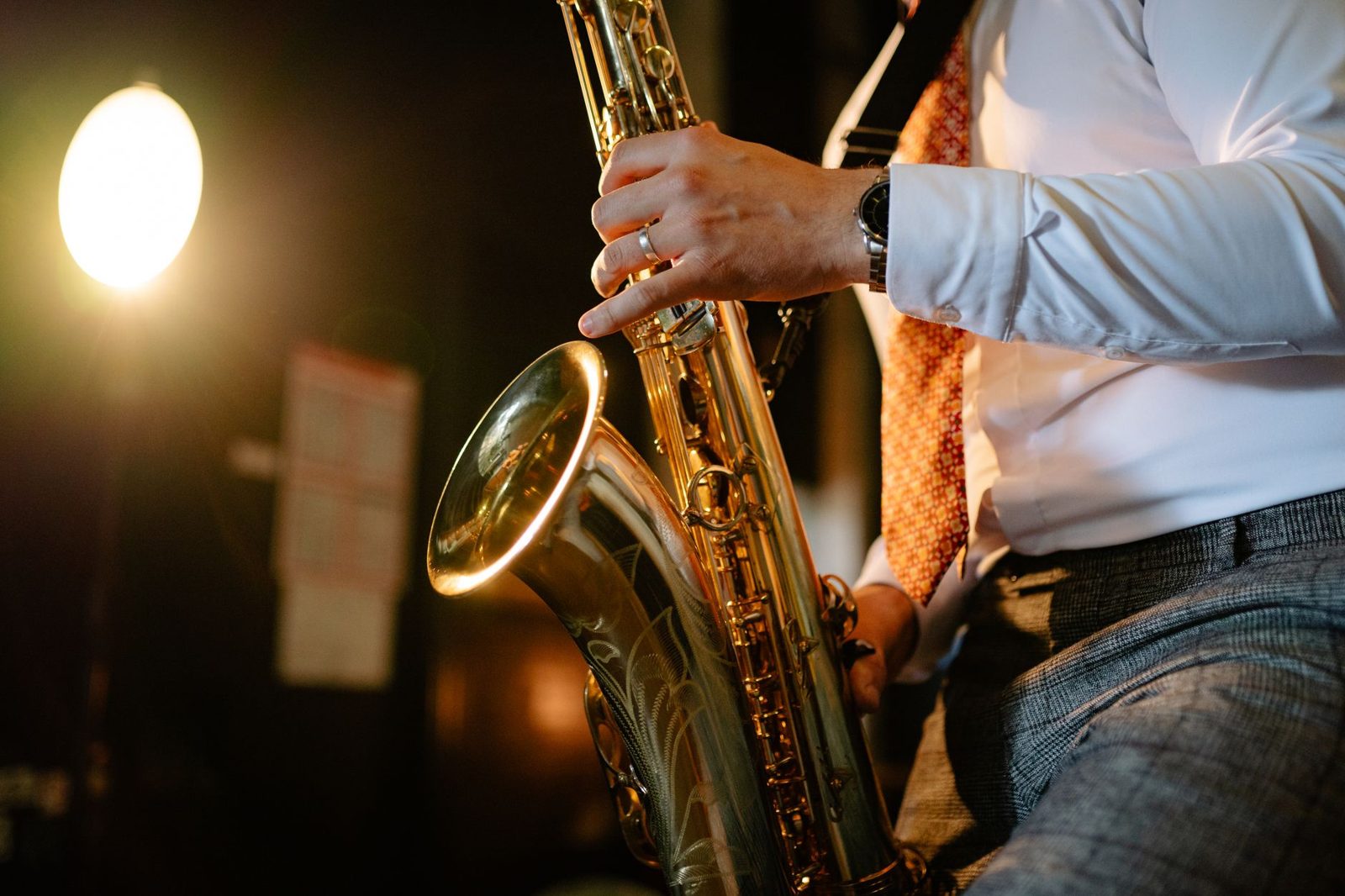
The festival has never been only about black-tie concerts, and the contemporary strands are half the fun. The Bad Plus — the boundary-pushing American jazz trio — bring their farewell tour to town, paying tribute to Keith Jarrett’s classic quartet. Over at the Akvárium Club, the Israeli duo Red Axes blur club music with psychedelic rock for a very different kind of evening.
Around the music sit the satellite events: Budapest Ritmo showcases global sounds, the Margó Literary Festival reaches its fifteenth edition, and Classical:NEXT brings the international classical industry to town. There is genuinely something most nights for most tastes.
Exhibitions worth your afternoon
If your evenings are spoken for by concerts, the daytime art programme fills the gaps. Drawing on the Ludwig Museum’s collection, Black Mirror — The Long Shadow of the Future gathers dystopian visions from recent contemporary art. At the Hungarian National Gallery up in Buda Castle, Dolce Vita — The Experience of Italy traces two centuries of Italian influence on Hungarian art. Both pair naturally with a slow morning and a coffee in one of the city’s grand cafés.
The main venues
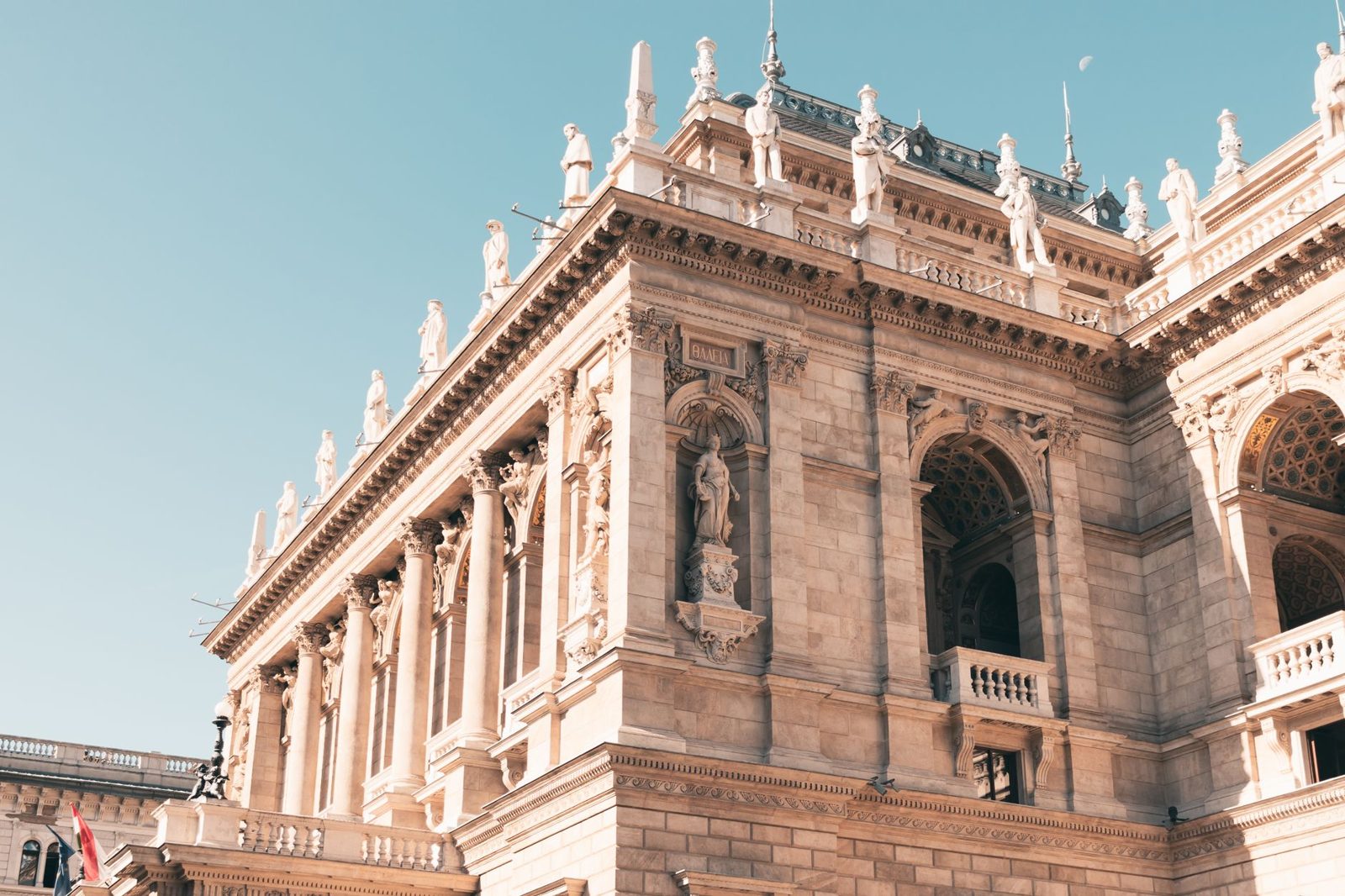
Half the pleasure of this festival is the buildings themselves. Müpa (the Palace of Arts) on the Pest riverbank is the modern hub, with the acoustically superb Béla Bartók Concert Hall; the neo-Renaissance Hungarian State Opera House on Andrássy is the historic showpiece. Here is how the key venues compare for planning.
| Venue | Location | Best for |
|---|---|---|
| Müpa Budapest (Palace of Arts) | District IX, Pest riverbank | Orchestral, dance, jazz |
| Hungarian State Opera House | Andrássy út, District VI | Opera, ballet, grand setting |
| Hungarian Music House | City Park (Városliget) | Intimate concerts, family shows |
| Akvárium Klub | Erzsébet tér, central Pest | Electronic, world music, late nights |
| Hungarian National Gallery | Buda Castle | Festival exhibitions |
Tickets and what they cost
Pricing is one of the great arguments for coming here rather than to a bigger Western festival. Tickets generally run from about 3,000 HUF to 25,000 HUF (roughly €8 to €65), depending on the act and the seat. A few practical notes from booking these myself:
- Book the headline names — Gardiner, the English Baroque Soloists, Pina Bausch — as soon as the programme opens; they sell out weeks ahead.
- Buy through the official site, bartoktavasz.hu, or the individual venue box offices rather than resale platforms.
- Müpa and the Opera House both have restricted-view seats that are genuinely cheaper and still acoustically fine.
- Exhibitions are ticketed separately and rarely need advance booking.
- Dress is smart-casual; only opera galas lean formal.
How to build a trip around it
Early April is shoulder season, which is the quiet superpower of this festival. Hotel rates sit well below the summer peak, the major sights have short queues, and the weather — usually 12 to 18°C — is ideal for walking between a morning exhibition and an evening concert. For a wider view of when to come, our guide to the best time to visit Budapest lays out the seasons in detail.
I would base myself in central Pest within walking distance of the Opera House, lean on the city’s public transport for the trip out to Müpa (tram 2 along the river is a scenic option), and leave daytimes free for the museums and the cafés. It pairs beautifully with the rest of the spring calendar — see how it sits among the city’s other events in our Budapest festivals and events guide.
If classical music is not your whole reason for visiting, the festival still makes a fine anchor for a broader cultural break. Combine a couple of concerts with the city’s main sights and you have one of the most rewarding weeks Budapest offers all year. For music lovers comparing seasons, it bookends nicely with the autumn Budapest Wine Festival and the late-summer juggernaut that is Sziget.
What a festival evening actually feels like
Numbers and line-ups only tell you so much, so here is the texture of it. You finish a long museum afternoon, change into something a notch smarter, and walk through a Pest that is just lighting up. The Opera House foyer hums with a mix of Hungarian regulars and visitors; at Müpa the riverside terrace catches the last of the sun before the bell calls you in. Intervals come with a glass of Hungarian sparkling wine and the particular buzz of an audience that has travelled for this.
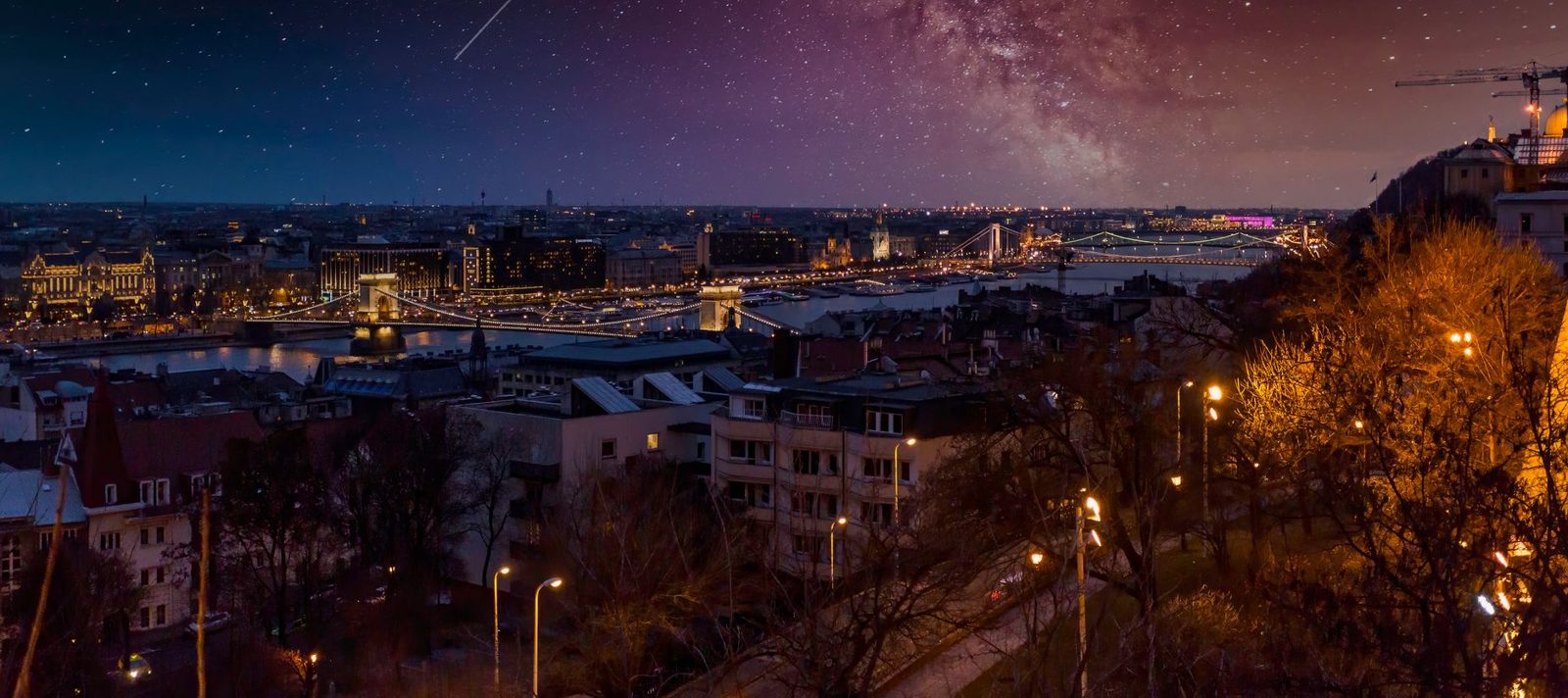
What struck me most, coming from London prices, was how unstuffy and accessible it all is. Students fill the cheap seats, the programmes are bilingual, and nobody minds a first-timer. You leave near eleven, the bridges are lit, and the walk back along the Danube is its own encore.
A little history, because it matters here
The original festival launched in 1981, in the late-communist years, as a rare window onto international culture for Hungarians and a magnet for visitors. That heritage is why the spring slot feels so embedded in the city’s calendar. Naming the reinvented version after Bartók — born in 1881, exactly a century before the first festival — ties it to the composer who did more than anyone to put Hungarian music on the world stage. Knowing that backstory adds a layer to whatever you end up seeing.
Plan around Easter in 2026
One date quirk worth flagging: in 2026 Easter Sunday falls on 5 April, smack in the middle of the festival. That is no accident with all the Bach and Vivaldi sacred works on the bill — the passions and oratorios land in their proper liturgical week, which gives them real weight. Practically, it means the city will be a touch busier over the Easter weekend and some shops keep holiday hours, so book your headline concert and a couple of dinners before you arrive rather than winging it.
The festival is the best reason to come in April, but not the only one: the blossom, the lengthening evenings and some of the best hotel prices of the warmer half of the year all fall in the same weeks. Our Budapest in April guide puts the whole month together, including when Easter falls.
Frequently asked questions
Is the Budapest Spring Festival the same as the Bartók Spring?
Yes. The long-running Budapest Spring Festival was rebranded in 2021 as the Bartók Spring International Arts Weeks. It keeps the same April timing and classical core but now spans dance, jazz, world music, literature and exhibitions. Search “Bartók Spring” or visit bartoktavasz.hu to book.
When is the festival in 2026?
The 2026 edition runs from 1 to 12 April, with around 120 programmes across roughly 40 venues. Future editions typically fall in late March or April, so spring travellers can plan a similar window in coming years.
How much do tickets cost?
Most tickets fall between 3,000 and 25,000 HUF (about €8 to €65), depending on the performer and seat. Headline international acts cost more and sell out fastest, so book early through the official channels.
Where are the main performances held?
The principal venues are Müpa Budapest (the Palace of Arts) on the Pest riverbank and the Hungarian State Opera House on Andrássy út, supported by the Hungarian Music House, the Akvárium Klub and city galleries for exhibitions.
Is April a good time to visit Budapest?
It is one of the best. April is shoulder season — mild weather, lighter crowds and lower hotel prices than summer — which makes pairing the festival with sightseeing especially pleasant.
Last updated June 2026. Photos: Matteo Basile (Pexels); Ozan Tabakoğlu (Pexels); Yan Krukau (Pexels); Robert Stokoe (Pexels).