Budapest Wine Festival: Best Buda Castle Guide (2026)
A regular's guide to the Budapest Wine Festival 2026 at Buda Castle — dates, what your ticket includes, the wine regions to seek out, the harvest parade and how to taste like a pro.
In this guide
- Dates, setting and the basics
- What your ticket includes
- The wines: a tour of Hungary in a weekend
- More than tasting: parades, music and food
- Tickets and prices in 2026
- How payment works
- When to go and tasting tips
- Getting there
- Where it fits in the festival year
- A little background
- Make a weekend of it
- A few practical notes
- Frequently asked questions
This article contains advertising. Our booking links are routed through a partner that adds commission tracking automatically, so if you book through one we earn a commission from the provider, at no extra cost to you. It never affects what we recommend. Affiliate disclosure
If I had to choose a single afternoon to sell someone on Budapest, it might be this one: a glass of honeyed Tokaji in hand, a folk band playing somewhere behind me, and the whole of Pest glittering across the Danube below the ramparts of Buda Castle. That’s the Budapest Wine Festival, and after a few years of going I’m convinced it has the most spectacular setting of any wine event in Europe. It’s elegant without being stuffy, and it’s the antithesis of a sweaty stadium gig — you sip, you stroll, you watch the sun go down over the river.
Held every September in the courtyards and terraces of the royal castle, the festival gathers the best of Hungary’s winemakers in one gorgeous spot. Here’s what to expect, how the tickets work, and how to taste your way through it like you’ve done it before.
Dates, setting and the basics
The 35th edition runs from 9 to 12 September 2026, spread across the upper reaches of Buda Castle — including the Savoy Terrace, the Hunyadi and Csikós courtyards, the Lion’s Court and the Fishing Children’s Terrace. Each space has its own character, and half the fun is wandering between them, drink in hand, with a new panorama around every corner. Early September is a lovely time to be in the city, too: warm but no longer baking, with the first hint of autumn in the evenings.
This is a refined, grown-up festival. The crowd skews local and knowledgeable, the pace is unhurried, and the emphasis is firmly on quality. If Sziget is Budapest letting its hair down, the Wine Festival is the city putting on its good shirt.
What your ticket includes
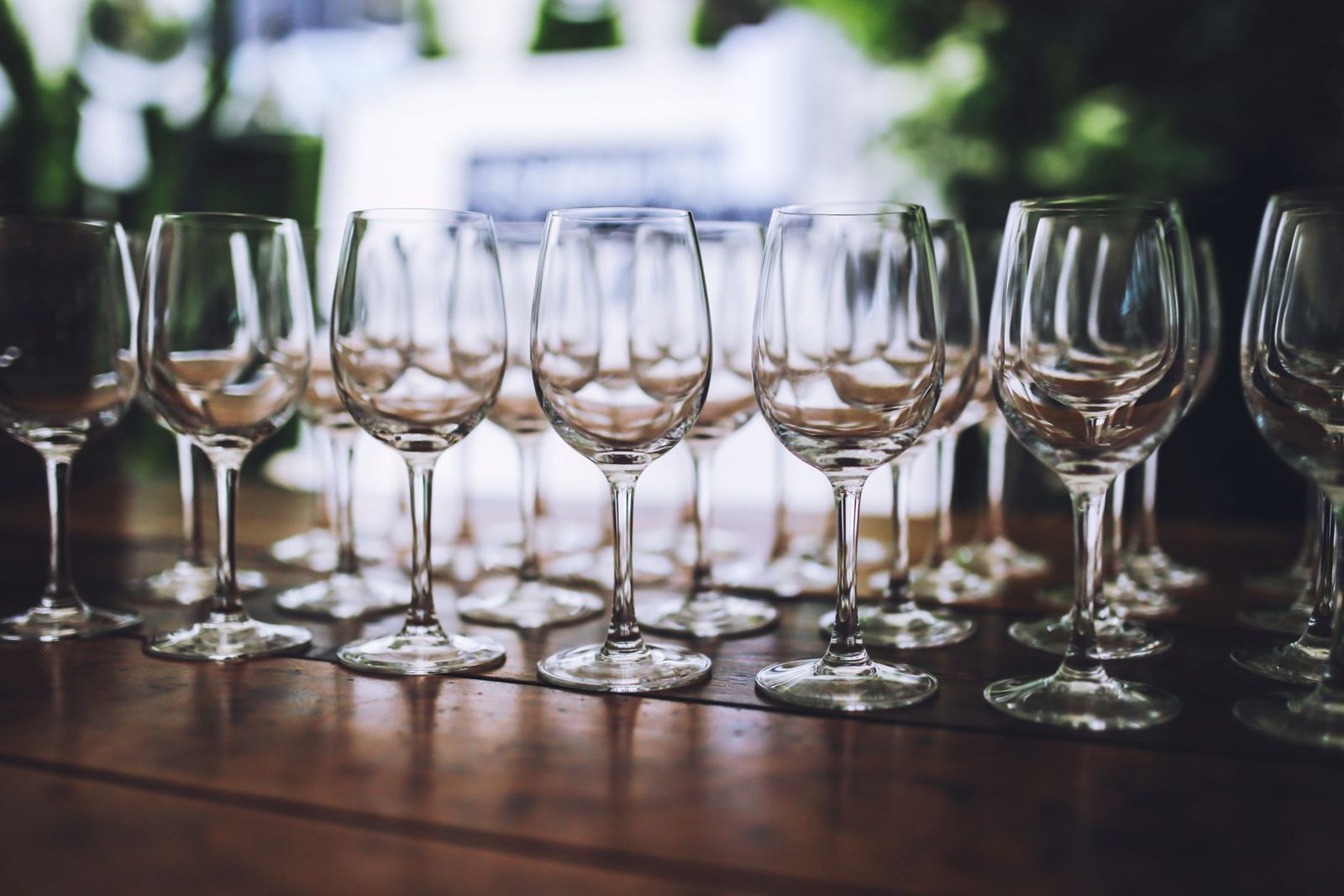
One thing that makes the entry fee better value than it first looks: every ticket comes with a proper crystal tasting glass and a neck-carrier pouch to hold it, so you’ve always got a hand free and a souvenir to take home. You also get a complimentary tasting at the VinAgora stand, which showcases medal-winners from the international wine competition of the same name. Beyond that, individual tastings and glasses are paid for at each winery’s stand — but the included glass means you’re set up to taste from the moment you walk in.

The wines: a tour of Hungary in a weekend
This is the heart of it. Around 200 wineries pour at the festival, representing essentially all 22 of Hungary’s wine regions, so you can taste your way across the entire country without leaving Castle Hill. It’s the single best crash course in Hungarian wine you’ll find. The regions I’d make a beeline for:
- Tokaj — the legendary sweet Aszú dessert wines, plus an exciting wave of bone-dry Furmint that’s redefining the region.
- Eger — home of Egri Bikavér (“Bull’s Blood”) reds and the fragrant Egri Csillag white blends.
- Villány — Hungary’s warmest region, producing bold, age-worthy reds, especially Cabernet Franc.
- Szekszárd — another red-wine heartland, known for spicy Kadarka and Bikavér.
- Badacsony and Somló — volcanic-soil whites from around Lake Balaton with real mineral character.
If the tastings spark a deeper interest, the Hungarian wine guide goes region by region, and the city’s year-round wine bars are the place to keep exploring after the festival packs up.
More than tasting: parades, music and food
The festival leans into pageantry. The highlight is the Harvest Procession (szüreti felvonulás), a colourful parade of folk costumes, horse-drawn carts and regional wine fraternities winding through the castle to mark the grape harvest. Across the weekend there are some 60 performances — jazz, folk, classical and pop on stages dotted around the terraces — so there’s always a soundtrack to your sipping.
The food deserves a mention too. Gourmet stalls serve everything designed to pair with wine: artisan cheeses, charcuterie, slow-cooked Hungarian dishes and proper sit-down options if you want to make an evening of it. For a fuller picture of the local table, the Budapest food guide is a good companion. Come hungry; tasting on an empty stomach is a rookie error.

Tickets and prices in 2026
Tickets are sold as day passes or a full four-day wristband, available online ahead of time or at the box offices by the castle gates. Rough 2026 pricing:
| Ticket | Roughly | Includes |
|---|---|---|
| Day ticket | ~€16–18 | Entry + crystal glass + carrier + VinAgora tasting |
| 4-day pass | ~€42–45 | All four days + glass + carrier + VinAgora tasting |
| Children under 14 | Free | Special wristband at the cashier |
Note that entry gets you in and gives you the glass; the wine itself is paid for tasting by tasting at each stand, which is how these festivals work everywhere. Budget some spending money on top of the ticket accordingly — it’s easy to lose an afternoon working through flights of Furmint.
How payment works
The festival is cashless. You pay either with a contactless bank card or by topping up a Festipay card (which carries a small refundable deposit). Top-up and info points are scattered around the site. As always with these systems, load in sensible amounts and reclaim any leftover balance before you leave.
When to go and tasting tips
A few things I’ve learned. Go for sunset if you can — the golden hour over the Danube from the castle terraces is the festival’s signature moment, and worth timing your visit around. Weekdays and early afternoons are calmer than Saturday evening. And pace yourself: with 200 wineries on offer, the temptation is to taste everything, but a strategy serves you better.
- Use the spit buckets. No shame in it — it’s how the pros taste twenty wines and still walk home.
- Drink water between tastings. Free water points keep you fresh.
- Start light, end rich. Work from crisp whites toward bold reds and finish with a sweet Tokaji Aszú.
- Chat to the winemakers. Many pour their own wines and love to talk; it’s the best part.
- Eat as you go. Cheese and charcuterie between flights resets your palate.

Getting there
The festival is up on Castle Hill, which has no metro. The easiest approaches are bus 16 from Deák Ferenc tér, the Castle funicular from the Chain Bridge, or simply walking up from the river — the climb is part of the experience. If you’re staying central it’s an easy trip; the things to do in Budapest guide maps out the castle district if you want to make a full day of it before the tasting begins.
Where it fits in the festival year
The Wine Festival is one of the jewels of Budapest’s autumn, and it pairs naturally with the shoulder-season sweet spot covered in the best time to visit guide. It’s a gentler counterpart to the summer’s Sziget Festival, and just one more reason — alongside everything else in the Budapest festivals and events calendar — that September is one of the most rewarding months to be in the city. If you love wine and a view, clear an afternoon for it.
A little background
The festival has been running since the early 1990s, born just as Hungary’s wine industry was reawakening after decades of communist-era mass production flattened its reputation. In the years since, a generation of ambitious winemakers has dragged Hungarian wine back to where it belongs, and this festival has grown up alongside that revival — reaching its 35th edition in 2026. The attached VinAgora international wine competition, whose medal-winners you can taste at the central stand, has become one of the region’s more respected awards. Knowing that backstory makes the tasting more rewarding: you’re not just drinking, you’re sampling the comeback of an entire wine culture.
Make a weekend of it
The festival rewards a bit of planning around it. Because it’s up on Castle Hill, you can easily fold in the area’s headline sights before the gates get busy — the views from Fisherman’s Bastion, the interior of Matthias Church, a museum or two. Afterwards, the castle district and the streets below have some of the city’s best restaurants if you want to carry the evening on with a proper dinner; the fine dining guide has the standouts, several of which build their menus around Hungarian wine.
And if the tastings leave you wanting to see where the wine actually comes from, you’re well placed. The baroque town of Eger, capital of Bull’s Blood country, makes a brilliant day trip — I cover it in the Eger day trip guide — turning a festival weekend into a proper Hungarian wine pilgrimage.
A few practical notes
Wear comfortable shoes — the castle’s cobblestones are unforgiving after a few glasses — and bring a light layer for the evening, as the terraces cool down nicely once the sun drops behind the Buda hills. Don’t lose the crystal glass you’re given at the gate; it’s your taster for the whole visit, and the carrier pouch keeps it safe between stands. If you’re visiting in early September as part of a longer trip, it slots neatly alongside the outdoor highlights still in season from the Budapest in summer guide.
The festival is only one reason to come in September. The harvest, the reopening of the concert season and the free Heritage Days weekend all fall in the same few weeks, and our Budapest in September guide puts them together into a week-by-week plan for the month.
Frequently asked questions
When is the Budapest Wine Festival 2026?
The 35th Budapest Wine Festival runs from 9 to 12 September 2026, held across the terraces and courtyards of Buda Castle. Early September brings pleasant late-summer weather, ideal for tasting outdoors.
How much are tickets, and what do they include?
Day tickets cost roughly €16–18 and a four-day pass around €42–45. Every ticket includes a crystal tasting glass, a neck-carrier pouch and a complimentary tasting at the VinAgora stand. Children under 14 enter free. Individual wine tastings are then paid for at each winery’s stand.
Where exactly is the Budapest Wine Festival held?
It takes place inside the Buda Castle complex on Castle Hill, using spaces such as the Savoy Terrace, Hunyadi Courtyard, Lion’s Court, Csikós Courtyard and the Fishing Children’s Terrace — all with sweeping views over the Danube and Pest.
What kinds of wine can you try?
Around 200 wineries pour, covering all of Hungary’s wine regions — sweet Tokaji Aszú and dry Furmint from Tokaj, Bull’s Blood reds from Eger, bold reds from Villány and Szekszárd, and volcanic whites from around Lake Balaton, among many others.
Is the Budapest Wine Festival family-friendly?
Yes — it’s a relaxed, civilised event, and children under 14 get in free with a special wristband. Alongside the wine there’s a harvest parade, live music and food stalls, so it works as a daytime outing as well as an evening one.
Do you need to book tickets in advance?
You can buy on the day at the box offices by the castle gates, but booking online ahead of time is wise for the busy Friday and Saturday sessions and often a touch cheaper. A four-day pass is the best value if you plan to return across the weekend.
The wine festival isn’t the only date worth planning around. In April the Budapest Spring Festival — now the Bartók Spring International Arts Weeks — fills the city’s concert halls, and in December the Christmas markets take over the squares.
Last updated June 2026. Photos: Karolina Grabowska www.kaboompics.com (Pexels); Elle Hughes (Pexels); C1 Superstar (Pexels); Effraimidou Georgia (Pexels).