You hear it before you see anything. Walk up from the Kerepes shuttle stop on a Sunday morning in late July and the air is already vibrating — a high, tearing whine rolling over the hills, then the deeper bark of engines on the throttle. By the time you crest the rise and the whole natural amphitheatre of the Hungaroring opens up below, with grandstands packed and flags from a dozen countries snapping in the heat, you understand why people come back year after year.
I have done this race weekend twice, both times basing myself in central Budapest and commuting out to the track, and the Hungarian Grand Prix remains one of the most enjoyable stops on the Formula 1 calendar — partly because of the racing, partly because you get a world-class city thrown in.
When and where it happens in 2026
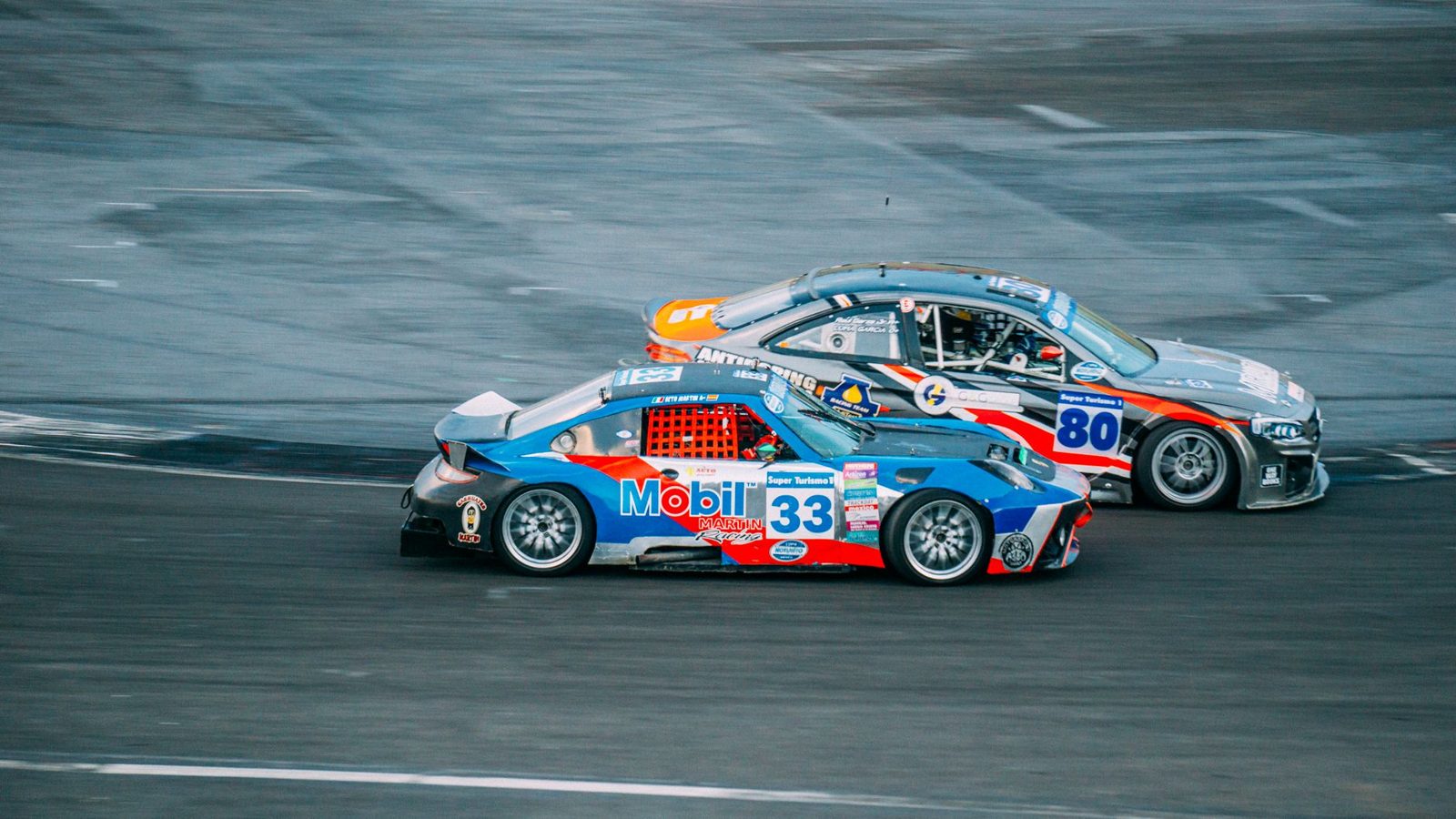
The 2026 race runs the weekend of 24 to 26 July at the Hungaroring, a permanent circuit set in rolling countryside near Mogyoród, about 20 kilometres north-east of the city centre. Practice fills Friday, qualifying takes its slot at 16:00 on Saturday, and the Grand Prix itself lights out at 15:00 on Sunday, running to 70 laps or a two-hour limit. Supporting the headline act are Formula 2, Formula 3 and the Porsche Mobil 1 Supercup, so there is track action from morning to evening all three days.
This is a milestone year, too: Formula 1 first raced here in 1986, the very first Grand Prix held behind the Iron Curtain, which makes 2026 four decades of racing at the same circuit. That heritage gives the weekend a real sense of occasion.
The track itself
The Hungaroring is often called “Monaco without the walls” — a tight, twisty, 4.4-kilometre lap with fourteen corners that flow into one another and very few proper straights. That layout makes overtaking genuinely hard, so qualifying matters enormously and the race becomes a chess match of strategy and tyre management. From the spectator’s point of view, the bowl-like setting is a gift: from the right vantage point you can see a huge sweep of the circuit at once, which you cannot say of many modern tracks.
Tickets: how the options work
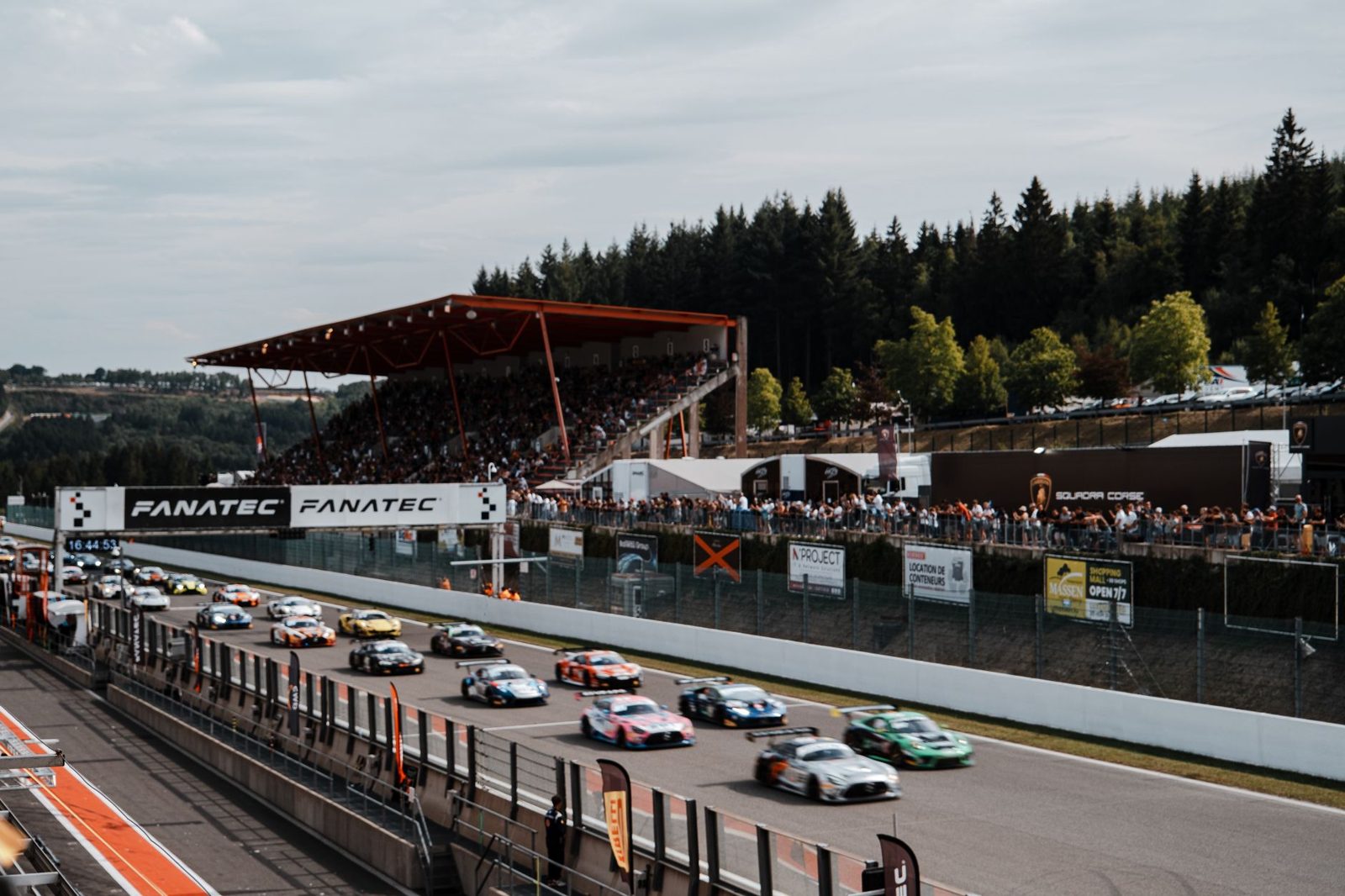
Tickets for the Hungarian Grand Prix sell out early most years, especially the better grandstands, so this is not a buy-on-the-day event. They are sold as weekend passes covering all three days rather than single-day tickets in most categories. Here is how the tiers break down.
| Ticket type | What you get | Rough 2026 price (3-day) |
|---|---|---|
| General Admission | Open grassy banks, no reserved seat, roam the GA areas | From around €130-160 |
| Grandstand (bronze/silver) | Allocated seat, shade varies, GA access included | From around €200 |
| Gold / Super Gold grandstand | Best views of grid, pit lane and podium | €350-500+ |
| VIP / hospitality | Paddock, lounges, catering, premium views | €1,000+ |
General admission is the move if you are on a budget and happy to walk — the grass banks at the Hungaroring are genuinely good, sloped so you can see the cars, and you can move around to different corners across the weekend. If you want a guaranteed seat with a view of the start and podium, the main grandstand was renovated recently and is the premium pick.
Choosing a grandstand
If you do go for a reserved seat, position matters more here than at most tracks. A few pointers from walking the place:
- Main grandstand — the grid, pit lane, start and podium ceremony; the all-rounder if you want the full show.
- Apex and Grid stands — around the final corner, great for wheel-to-wheel scraps as cars set up for the run to the line.
- Pit Exit and Turn 1 stands — the heavy braking into the first corner, often where overtakes actually happen.
- General admission hills — the elevated banks at Turns 4, 5 and 11 give sweeping views for a fraction of the price.
- Bring a portable radio or use the official app for commentary; trackside you lose the narrative without it.
Getting to the Hungaroring from Budapest
This is the part most first-timers overstress about, and it is genuinely manageable. Almost everyone stays in Budapest and travels out each day rather than camping near the circuit. The cheapest reliable route is public transport: take metro line M2 to its eastern terminus at Örs vezér tere, change to the HÉV suburban train (the H8 line) and ride out to Kerepes, then hop on the free shuttle bus that runs to the gates and is timed to meet the trains. Door to door it is about 60 to 75 minutes, but on race day allow closer to two hours with the queues.
For the return, the shuttles run from near Gate 3 to Gödöllő railway station, where trains back into the city are more frequent and comfortable than the HÉV. If you would rather not deal with changes, the official City Shuttle service runs minivans and coaches directly between the city and the track, roughly €25 one way or €38 return, operating continuously through the day.
Driving is an option many overlook: the Hungaroring is only a 25 to 30-minute drive via the M3 motorway when traffic behaves, and — unusually for an F1 venue — parking is free, though it fills on a first-come basis. Taxis run about €40 to €60 each way; Főtaxi is the official partner and, handily, the only firm allowed to use a dedicated lane on the M3 on race weekend. For the nuts and bolts of tickets, lines and apps in the city, our Budapest public transport guide covers everything you need before you set off.
Surviving the heat
Late July in Hungary is hot — frequently 30°C or more, and the Hungaroring has very little natural shade. The single biggest mistake I see is people arriving unprepared for a long day baking in the sun. Pack sunscreen, a hat, and far more water than you think you need (you can bring sealed bottles in). A small cushion makes the grandstand benches bearable, and ear protection is essential if you have kids with you — the noise is genuinely intense at trackside. Afternoon thunderstorms are not unheard of either, so a thin poncho earns its place in the bag.
Where to base yourself
Stay in the city, not out by the track. Budapest has the hotels, the restaurants and the nightlife to turn a race weekend into a proper holiday, and the commute out is straightforward. Districts V, VI and VII put you near the metro and the action; our guide on where to stay in Budapest breaks down the neighbourhoods. Book early, though — race weekend is one of the busiest of the year and prices climb accordingly. If you are flying in, the airport transfer options are simple once you know them.
Making a weekend of it
The beauty of this particular Grand Prix is the city wrapped around it. After a day at the track, a soak in a thermal bath is the perfect antidote to sunburn and stiff legs, and the evenings invite long dinners and a wander along the lit-up Danube. Late July is peak season, so expect warm nights and a buzzing atmosphere — see our Budapest in summer guide for what else is on. If your trip is part of a wider festival run, it sits in a stacked summer calendar alongside Sziget, all mapped out in our festivals and events guide.
The atmosphere is half the draw
What keeps the Hungarian Grand Prix near the top of fans’ favourite-race lists is the crowd. Budapest sits within a day’s drive of half a dozen countries, so the grandstands fill with Dutch orange, Italian red, German, British and Hungarian flags, and the mood is more festival than sporting fixture. Between sessions the fan zones run driver appearances, pit-lane walks on the Thursday, simulators and live music. Come Sunday, the post-race track invasion — fans pouring onto the start-finish straight beneath the podium — is a tradition worth staying for.
Why this race has staying power
For all the talk of processional racing, the Hungarian Grand Prix has produced some of the sport’s most memorable days — maiden victories, wet-weather chaos, and championship swings on a circuit where one mistake in qualifying can wreck a weekend. The combination of a technical, old-school layout, reliable mid-summer scheduling and a host city that fans actually want to spend time in has kept it on the calendar for four decades, with its place secured well into the future. In a season of glittering new venues, this one endures on character.
A practical note on timing your visit: late July is firmly peak season in Budapest, so flights and hotels are at their dearest and the city is at its busiest. If you can, arrive a day or two early to acclimatise and see the sights before the racing swallows your weekend. Crime is low and the city is very walkable, but the usual big-event caution applies in crowds — our is Budapest safe guide has the sensible details. Plan around the heat and the timing with our best time to visit Budapest overview.
Frequently asked questions
When is the Hungarian Grand Prix in 2026?
The 2026 race weekend runs from 24 to 26 July at the Hungaroring near Budapest. Qualifying is at 16:00 on Saturday 25 July and the race starts at 15:00 on Sunday 26 July, with Formula 2, Formula 3 and the Porsche Supercup supporting.
How do I get to the Hungaroring from Budapest?
The cheapest route is metro M2 to Örs vezér tere, then the H8 HÉV train to Kerepes, then a free shuttle bus to the gates — about 60 to 75 minutes. There is also a paid City Shuttle (around €25 one way), and driving takes 25 to 30 minutes with free parking on site.
Is general admission worth it?
For many fans, yes. The Hungaroring’s grassy banks are sloped for good sightlines, you can roam between corners across the weekend, and the price is a fraction of a reserved seat. The trade-off is no guaranteed spot and limited shade.
Do tickets sell out?
Frequently, especially grandstands. Buy well ahead through official channels rather than waiting for race weekend. Weekend passes covering all three days are the norm.
What should I bring to the track?
Sun protection, a hat, sealed water bottles, ear protection (vital for children), a seat cushion and a light rain poncho. Late July is hot with little shade, so plan for a long day in the sun.
Last updated June 2026. Photos: Ezkol Arnak (Pexels); Laura Paredis (Pexels); Wolfgang Vrede (Pexels); Gustavo Salazar (Pexels).
Leave a Reply