Hospital in the Rock Budapest: Best WWII Bunker Tour (2026)
An honest, first-hand guide to the Hospital in the Rock — Budapest's WWII hospital and secret Cold War nuclear bunker under Castle Hill — with 2026 prices, tour times and practical tips.
In this guide
This article contains advertising. Our booking links are routed through a partner that adds commission tracking automatically, so if you book through one we earn a commission from the provider, at no extra cost to you. It never affects what we recommend. Affiliate disclosure
I’ve taken a lot of tours in Budapest, but the one that genuinely stayed with me was an hour spent underground, in the cold, surrounded by wax figures of wounded soldiers. The Hospital in the Rock — Sziklakórház in Hungarian — is carved into the caves beneath Castle Hill, and it tells a story that runs from the siege of Budapest in 1945 straight through the paranoia of the Cold War. It’s not a glossy attraction. It’s something stranger and more affecting, and it’s the museum I most often nudge first-time visitors toward.
Here’s the short version of why it exists. The hill under Buda Castle is honeycombed with a natural cave system, and in the late 1930s, as war loomed, engineers turned a stretch of those caves into a secret emergency hospital. It was built to hold around 60 patients. By the brutal winter of 1944–45, with the city under siege, it was packing in more than ten times that number — surgeons operating by the light of failing generators while shells fell overhead.
From wartime ward to nuclear bunker
The hospital saw action again during the 1956 Hungarian Revolution, treating the wounded from the street fighting. Then came the part most people don’t expect. At the height of the Cold War, the facility was secretly enlarged and re-equipped as a nuclear-proof bunker, complete with its own air-filtration and decontamination systems, designed to keep functioning after an atomic or chemical attack. The whole thing was classified for decades. Local families who lived nearby had no idea what lay beneath their feet. It was only declassified in the 2000s and opened to the public as a museum in 2008.
What makes the visit land emotionally is the staging. Roughly 200 wax figures populate the wards, operating theatres and corridors — doctors mid-surgery, nurses tending stretchers, exhausted patients on cots. Much of the original equipment is still in place: the iron lungs, the surgical tables, the ventilation machinery, the diesel engines that powered the whole complex off the grid. You walk through it all, and the temperature alone (a steady chill around 18–20°C year-round) does half the storytelling.
What the guided tour is actually like
You can only visit on a guided tour, and that’s the right call — without context, it would just be dim rooms and mannequins. Tours run 60 minutes and leave every hour, on the hour, throughout the day. The guides are excellent: they move you through the wartime hospital section first, then into the Cold War bunker, explaining the medical realities, the political backdrop, and the engineering of survival underground.
The tour ends on a deliberately sober note. The final rooms turn from history to warning, with material on Hiroshima and Nagasaki and a clear anti-nuclear message. It’s not subtle, but after an hour underground contemplating what the bunker was built to withstand, it doesn’t need to be. I’ve seen plenty of people come up the stairs noticeably quieter than they went down.
A free audio guide is offered in eight languages — English, German, Italian, French, Russian, Spanish, Chinese and Hungarian — so you’re covered even if your tour’s live narration is in another language. The whole experience is very walkable, on the flat once you’re inside, though the entrance involves some steps.
Tickets and prices in 2026
The pricing here is unusual, so it’s worth understanding before you arrive. The museum offers two parallel programmes that include exactly the same tour: a standard “museum visit” (with VAT, and the option of a proper invoice) and a slightly cheaper “public benefit” donation that supports the foundation running the site. Both get you the identical 60-minute guided experience.
| Ticket type | Museum visit | Public benefit (donation) |
|---|---|---|
| Adult (18–65) | 9,500 HUF / €30 | 7,500 HUF / €24 |
| Senior (65+) / student (ISIC, 19–26) | 7,000 HUF / €22 | 5,500 HUF / €17 |
| Child (6–18) | 4,800 HUF / €15 | 3,750 HUF / €12 |
| EU senior 70+ / EU teacher / disabled +1 | Free | Free |
A few things that catch people out. Holders of a Budapest Card get 10% off the standard adult price. If you need a VAT invoice (business travellers, take note), you have to choose the museum-visit programme, not the donation. You can pay by card both online and on site, and Hungarian SZÉP cards are accepted on site for the museum-visit option. Prices for the English-language programme are pegged to the euro but charged in forints at the day’s exchange rate.
Because tours are capped and leave only once an hour, the popular midday slots in high season do sell out. I’d book online a day or two ahead in summer, or simply turn up early — the first tours of the morning are usually the quietest.
Getting there and when to go
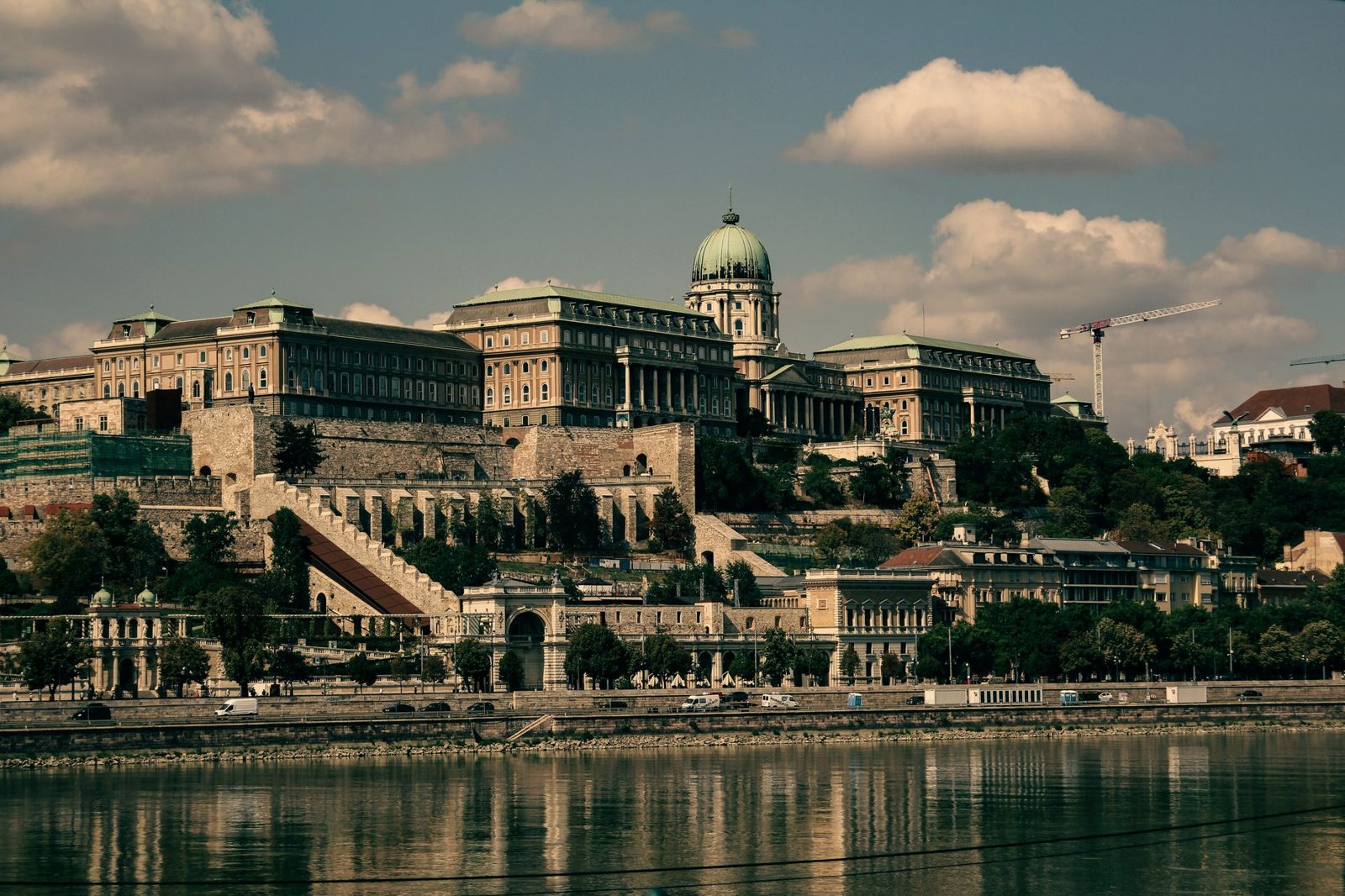
The entrance is at Lovas út 4/c, on the western, less-touristy flank of Castle Hill in the 1st district. It’s a short walk from Buda Castle, Matthias Church and Fisherman’s Bastion, which makes it easy to fold into a Castle Hill morning. There’s no metro up the hill; most people take bus 16 from Deák Ferenc tér, the funicular, or simply walk up from the river.
The museum is open daily, 10:00 to 19:00 — and being open on Mondays is a genuine bonus in a city where most museums close that day. It shuts only on a handful of dates: 1 January, 1 November, and 24, 25 and 31 December. Whatever the weather above ground, it’s the same cool, still air below, so this is a perfect plan for a rainy afternoon or a baking summer day.
Practical tips before you descend
A handful of things I wish I’d known the first time:
- Bring a layer. It’s around 18–20°C underground regardless of season — chilly if you’ve come straight from a 35°C July afternoon in a T-shirt.
- No photography inside. Out of respect for the subject matter, photos aren’t permitted on the tour, so put the phone away and just absorb it.
- It’s not for little ones. Children under 6 aren’t admitted at all, and under-12s aren’t really recommended given the wax figures depicting wounded patients. Accompanied 6–12s are fine if you think they’ll cope.
- Allow a clear hour. The tour is a fixed 60 minutes with no early exit, so don’t book a slot 45 minutes before another timed ticket elsewhere.
- Wear decent shoes. The floors are uneven cave rock in places.
How it fits into a Castle Hill day
I’d treat the Hospital in the Rock as the anchor of a half-day up on the hill. Do a morning tour, then surface for the views from Fisherman’s Bastion, a look inside Matthias Church, and a wander through the National Gallery if you’ve got the stamina — I round up all the options in the best Budapest museums guide. It also pairs thematically with the darker chapters of the city’s past covered in the House of Terror and communist Budapest guides, if you’re building a 20th-century history thread through your trip.
For the bigger picture of how all this connects — Roman ruins, royal palaces, world wars and the long shadow of communism — start with the Budapest history and culture overview, and slot the hospital among the other unmissable sights in the things to do in Budapest roundup. It rarely tops anyone’s pre-trip list, and it’s almost always one of the things they talk about most afterwards.
The caves beneath the city
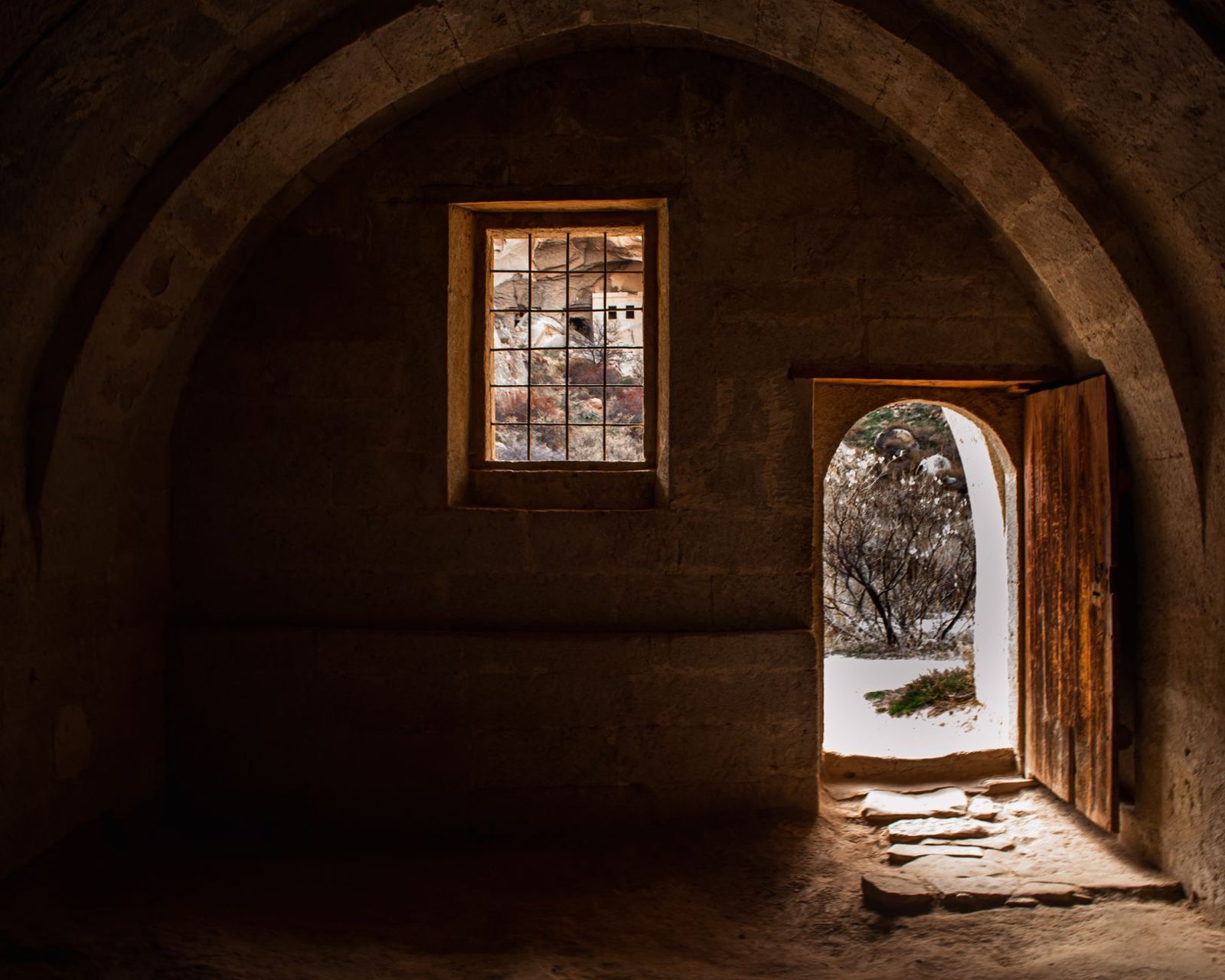
It helps to understand that the Hospital in the Rock isn’t a one-off excavation but part of something much older. Castle Hill is riddled with natural cavities carved out over millennia by the same thermal waters that feed Budapest’s famous baths. For centuries those cellars and passages served as wine stores, food cellars and, when trouble came, shelters. The Buda Castle Labyrinth occupies another stretch of the same network. So when wartime engineers needed somewhere bomb-proof to put a hospital, the rock had effectively already done most of the digging.
That lineage is part of what makes the place feel so uncanny. You’re not in a purpose-poured concrete box; you’re inside the living hill, with cave walls giving way to tiled operating rooms and then to the hard angles of Cold War machinery. The transitions between eras — 1940s field hospital, 1950s revolution, 1960s nuclear bunker — are visible in the fabric of the rooms themselves, and a good guide will point them out as you go.
Is it worth it? An honest take
I’ll be straight: at roughly €30 for an hour, the Hospital in the Rock is not the cheapest hour you’ll spend in Budapest, and if you’re on a tight budget there are plenty of free things to do up on the same hill. But I think it earns its ticket. It’s unlike anything else in the city, the guiding is genuinely good, and it gives the 20th century a human, claustrophobic immediacy that no statue or plaque manages. People who love history, engineering or Cold War stories tend to rate it among their favourite Budapest experiences. People who came purely for pretty views and chimney cake may find it heavier than they bargained for — which is, honestly, rather the point.
Frequently asked questions
Do you have to book a tour in advance?
Not strictly, but it helps. The Hospital in the Rock can only be visited on an hourly guided tour with a capped group size, so midday slots in summer do fill up. Book online a day or two ahead in peak season, or arrive early for the quieter morning tours.
How long does the Hospital in the Rock tour take?
The standard guided tour lasts 60 minutes and there’s no shortcut out, so set aside a full hour. Tours depart every hour on the hour during opening times, which are 10:00 to 19:00 daily.
How much does it cost in 2026?
Standard adult entry is 9,500 HUF (about €30), or 7,500 HUF (€24) on the cheaper public-benefit donation, both for the same tour. Students and seniors pay less, children 6–18 less again, and Budapest Card holders get 10% off the standard price.
Is the Hospital in the Rock suitable for children?
It’s not aimed at young children. Under-6s aren’t admitted, and the museum doesn’t recommend it for under-12s because of the realistic wax figures of wounded patients. Older children with an interest in history usually find it fascinating.
Can you take photos inside?
No. Photography isn’t allowed anywhere on the tour, partly out of respect for the subject and partly to keep groups moving. Buy a postcard or a book in the shop if you want a memento.
Last updated June 2026. Photos: Alejandro De Roa (Pexels); Incze Sándor Zoltán (Pexels); cottonbro studio (Pexels); Buğra (Pexels).