Free Things to Do in Budapest: 25 Best Activities (2026 Guide)
Twenty-five genuinely worthwhile free things to do in Budapest, from sunrise viewpoints and riverside monuments to parks, street art and free walking tours.
In this guide
- The best free viewpoints
- Free landmarks and monuments
- Free parks, islands and green escapes
- Free culture, art and atmosphere
- Markets worth a browse
- Free things to do in Budapest: the full list
- A few that are nearly free
- Free seasonal events worth timing a trip around
- Tips for doing Budapest on a budget
- Frequently asked questions
This article contains advertising. Our booking links are routed through a partner that adds commission tracking automatically, so if you book through one we earn a commission from the provider, at no extra cost to you. It never affects what we recommend. Affiliate disclosure
One of the first things people notice about Budapest is how far their money goes. The second thing they notice is how much of the city costs nothing at all. Some of my most memorable hours here have been entirely free: sunrise over the Danube from an empty stone terrace, an afternoon drifting around an island in the middle of the river, the changing of the guard at the presidential palace with barely another tourist in sight. You can have a wonderful trip here on almost no budget if you know where to look.
That is what this guide is for. I have pulled together the genuinely worthwhile free things to do in Budapest — not filler, but the viewpoints, parks, monuments and experiences I would happily do again whether or not they cost a forint. A few come with a tiny asterisk (a suggested donation, or a small fee only during peak hours), and I have flagged those honestly so there are no surprises at the door.
The best free viewpoints
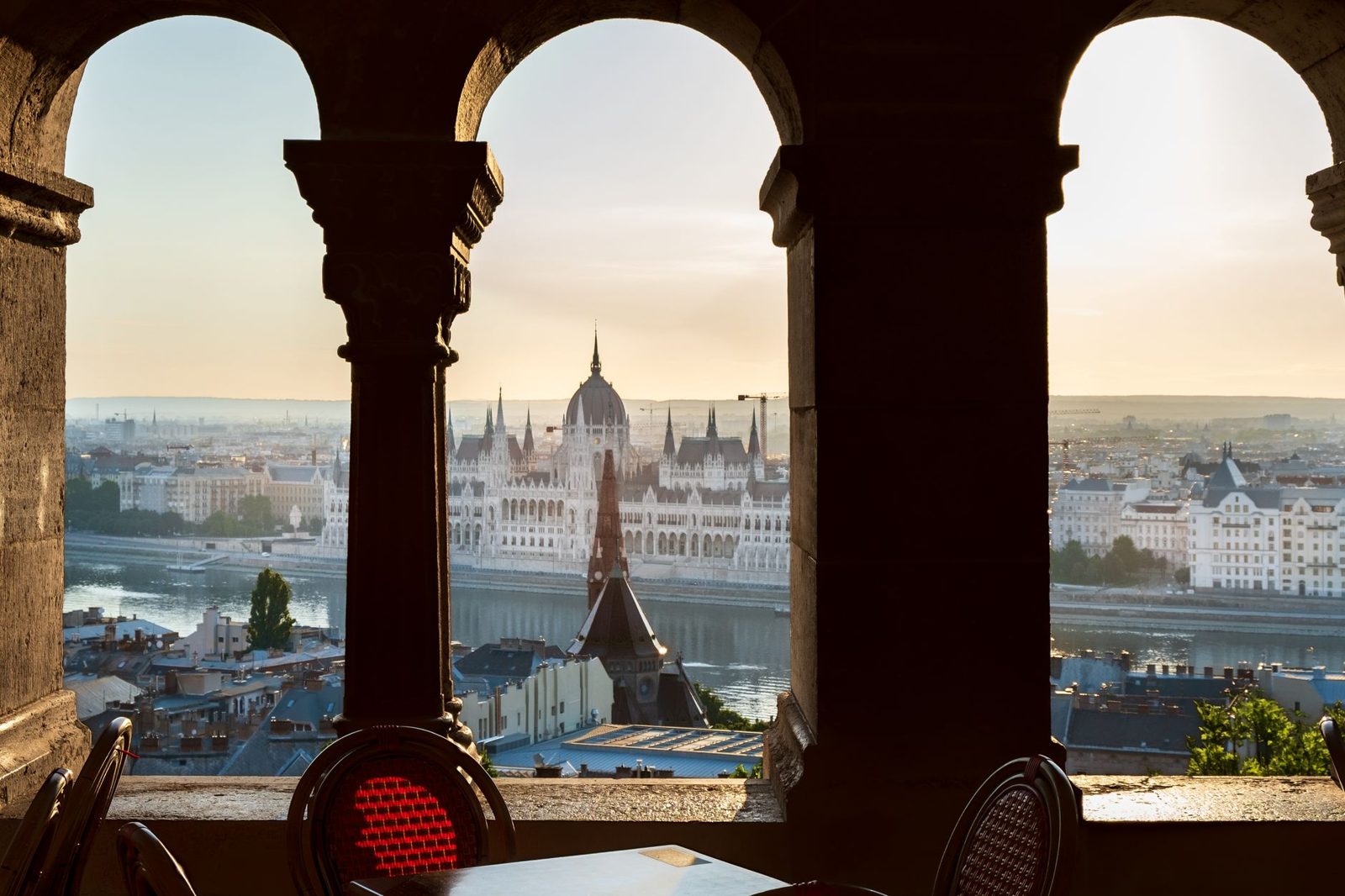
Budapest is built for looking at, and its best vantage points are mostly free. Fisherman’s Bastion, the white fairy-tale rampart on Castle Hill, charges a small fee for its upper turrets during the day — around 1,500 HUF — but the lower terraces are free, and the whole thing is free before roughly 9am and after the ticket booth closes in the evening. Come at sunrise and you will have the finest view in the city, over the river to Parliament, entirely to yourself.
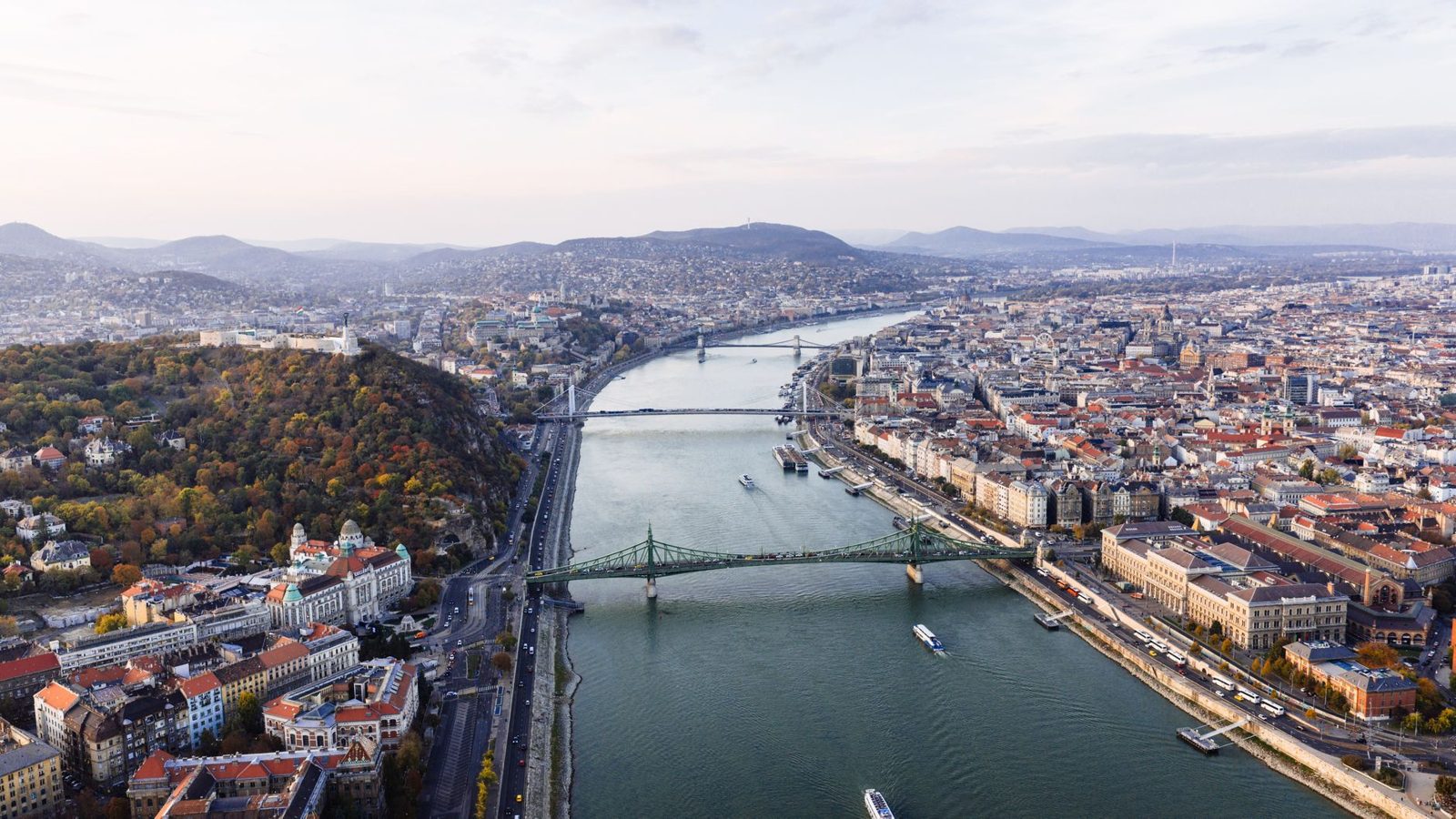
Across the water, Gellért Hill is the great free climb. Twenty to thirty minutes up the wooded paths brings you to the Citadella and the Liberty Statue, and a 360-degree panorama that takes in both Buda and Pest with the bridges stitched between them. Bring water and decent shoes; the reward is the widest view in Budapest for the price of a little effort. The grounds of Buda Castle, just along the ridge, are also free to wander, with their own Danube-facing terraces.
For something most visitors miss, ride out to the Buda hills and the Elisabeth Lookout Tower on János Hill — the highest point in the city. The neo-Romanesque tower is free to climb, and on a clear day the view stretches for miles. Getting there is half the fun, via the cogwheel railway and the Children’s Railway, both of which cost only a normal transport fare.
Free landmarks and monuments
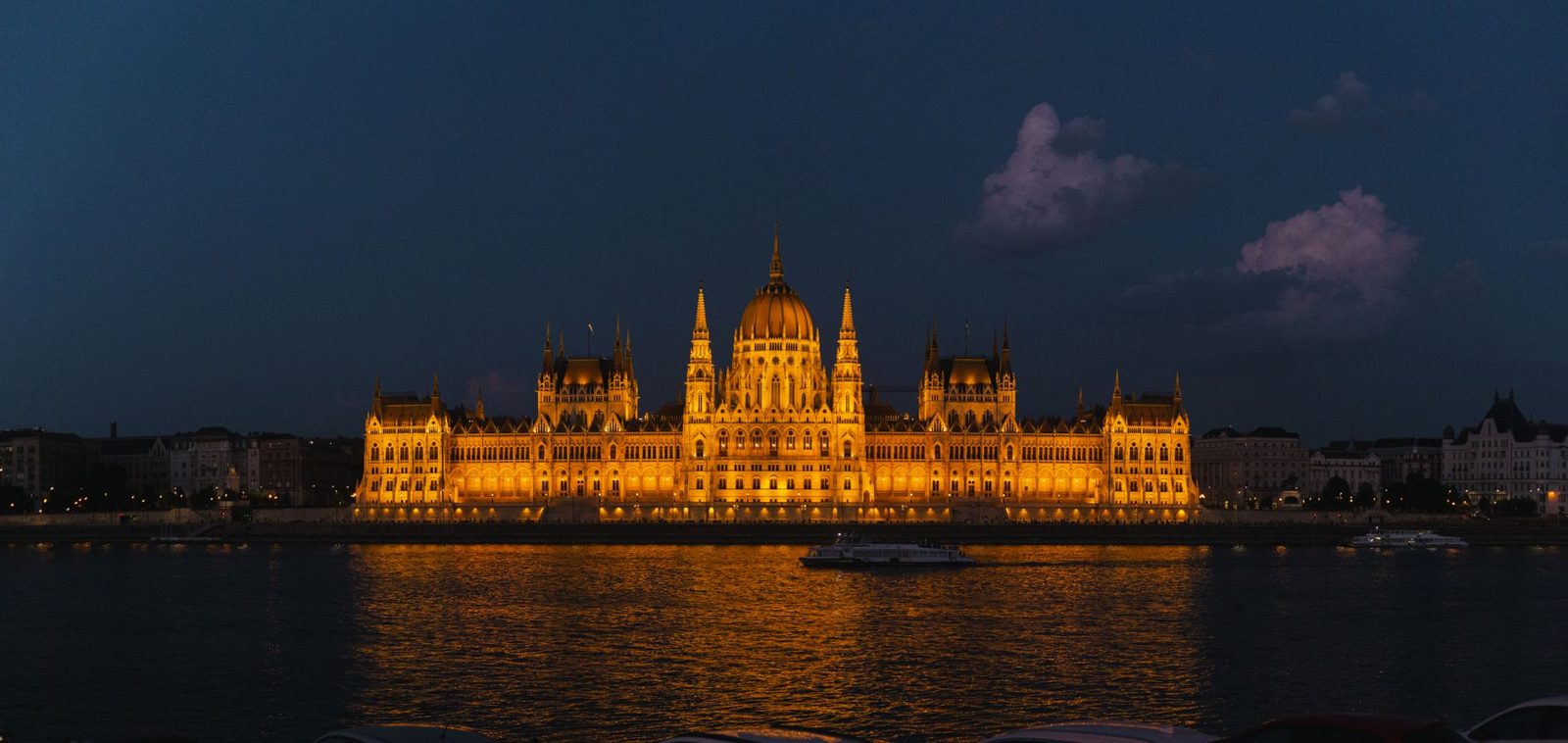
The exterior of the Hungarian Parliament — arguably Europe’s most beautiful legislative building — costs nothing to admire, and you should time your visit for the top of the hour to catch the ceremonial changing of the guard on Kossuth Square. Better still is the changing of the guard at the Sándor Palace, the presidential residence on Castle Hill, which happens on the hour from 9am to 5pm every day except Sunday, also free.
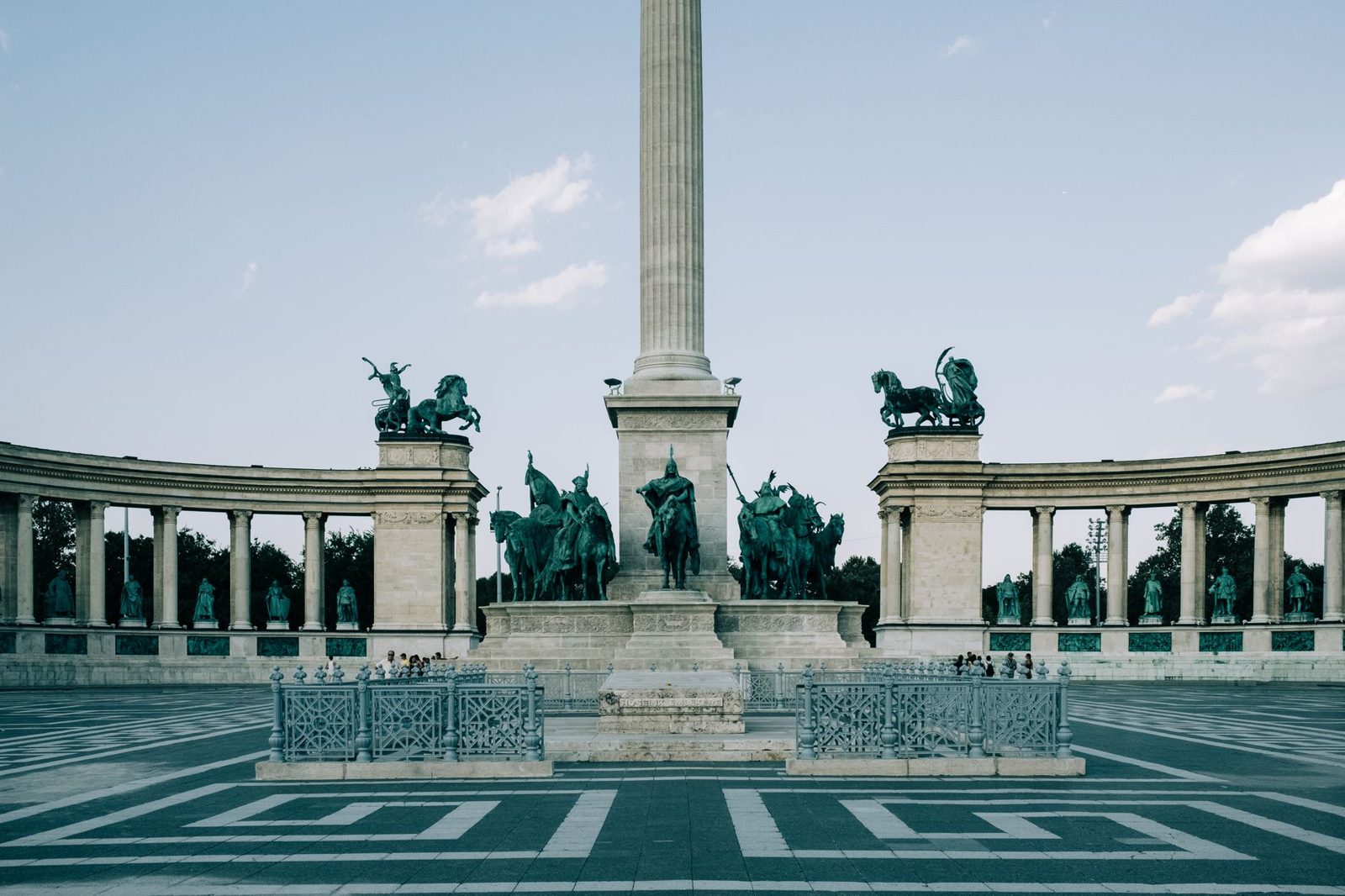
A short walk south along the Pest embankment brings you to the Shoes on the Danube, sixty pairs of cast-iron shoes memorialising Jews shot into the river in 1944. It is free, quietly devastating, and one of the most important things to see in the city. Nearby, Heroes’ Square — the grand colonnade of Magyar chieftains and statesmen at the end of Andrássy Avenue — is open to all at any hour, and looks especially good lit up at night.
St Stephen’s Basilica asks only for a small suggested donation of around 200 HUF to enter the vast main nave, where you can see the mummified right hand of Hungary’s first king. And do not overlook the bridges themselves: walking across the Széchenyi Chain Bridge or the elegant green Liberty Bridge is free, and gives you the city’s best angles on the castle and the river. My guide to Budapest’s bridges maps out each one.
Free parks, islands and green escapes
When the sightseeing tires you out, Budapest’s green spaces are free and generous. Margaret Island, the long car-free park in the middle of the Danube, is my favourite — you can walk or jog its loop, watch the musical fountain perform on the hour, and find Japanese gardens, a small ruin and shady lawns, all without spending a thing. It is reachable on foot from either bank or by tram across Margaret Bridge.
City Park (Városliget), behind Heroes’ Square, is the other great lung of the city, with its boating lake, the romantic Vajdahunyad Castle (free to wander the grounds) and plenty of space to picnic. On the Buda side, the leafy Tabán slopes below the castle are a peaceful spot for a rest. None of these cost a forint, and all of them give you a feel for how locals actually spend their weekends.
Free culture, art and atmosphere
Budapest’s free walking tours are a brilliant orientation on your first day. Several companies run them daily, meeting near St Stephen’s Basilica or Vörösmarty tér, and while they are technically free, the guides work for tips — budget around 8 to 10 EUR per person if you enjoy it, which most people do. They cover the headline sights with stories you would never get from a guidebook.
The Jewish Quarter, District VII, is an open-air gallery of street art — huge, striking murals fill the firewalls between buildings, and simply wandering the side streets with your eyes up is a free afternoon’s entertainment. The exterior of the magnificent Dohány Street Synagogue, the largest in Europe, is free to admire even if the interior is ticketed. For more of these under-the-radar corners, see my guide to Budapest’s hidden gems.
Hungary also throws open its museum doors for free on its three national holidays — 15 March, 20 August and 23 October — when most state museums waive admission. If your trip lands on one of those dates, take full advantage. And year-round, simply riding tram 2 along the Pest riverbank for the price of a normal ticket delivers a sightseeing route that rivals any paid bus tour.
Markets worth a browse
Wandering a market costs nothing and tells you more about a city than most museums. The Great Market Hall, Budapest’s grand covered market near Liberty Bridge, is free to explore, its ground floor piled with paprika, salami and produce and its iron-and-tile architecture a sight in itself. Out on the edge of town, the sprawling Ecseri flea market is a treasure hunt of communist-era relics and antiques — browsing is free even if the bargains are tempting.
Free things to do in Budapest: the full list
Here is the lot in one place — twenty-five genuinely free (or near-free) things to do, ready to drop into any itinerary.
| Category | How many | Best time |
|---|---|---|
| Viewpoints | 5 | Sunrise or sunset |
| Landmarks & monuments | 8 | Any time; hourly for the guards |
| Parks & nature | 5 | Daytime, especially weekends |
| Culture & atmosphere | 7 | Walking tours late morning |
- Watch the sunrise from Fisherman’s Bastion (free early morning)
- Climb Gellért Hill to the Citadella for the city’s widest view
- Wander the grounds of Buda Castle
- Climb the Elisabeth Lookout Tower on János Hill
- Cross the Chain Bridge on foot
- Walk the green Liberty Bridge
- See the Parliament exterior and the changing of the guard
- Catch the hourly guard change at Sándor Palace (not Sundays)
- Pay your respects at the Shoes on the Danube memorial
- Stand in Heroes’ Square at dusk
- Step inside St Stephen’s Basilica (small donation)
- Explore Margaret Island and its musical fountain
- Picnic in City Park by the boating lake
- Wander the grounds of Vajdahunyad Castle
- Relax on the Tabán slopes below the castle
- Join a tip-based free walking tour
- Hunt for street-art murals in the Jewish Quarter
- Admire the Dohány Street Synagogue from outside
- Ride tram 2 along the Danube for a ticket’s price
- Browse the Great Market Hall
- Treasure-hunt at the Ecseri flea market
- Visit state museums free on national holidays
- Window-shop along Andrássy Avenue
- Watch the river at night from the Pest promenade
- People-watch on Erzsébet tér, the city’s living room
A few that are nearly free
Some Budapest classics cost so little they may as well be free. A single transport ticket is 500 HUF, and the historic M1 yellow metro — a UNESCO-listed line from 1896 — is a ride through history for that price. The thermal baths are the one splurge I always tell people to make room for; they are not free, but they are the soul of the city. If a soak is beyond this trip’s budget, my guide to the Széchenyi Baths explains the cheapest ways in, including the early-bird ticket.
Free seasonal events worth timing a trip around
If your dates are flexible, some of the best free experiences in Budapest are tied to the calendar. On 20 August, St Stephen’s Day, the city stages one of Europe’s biggest firework displays over the Danube, and thousands line the embankments to watch for free. In late spring, the Budapest100 weekend throws open the doors of historic buildings across the city at no charge, a rare look behind the facades. Summer brings free open-air concerts in the parks and on Margaret Island, while the winter Christmas markets at Vorosmarty ter and the Basilica are free to wander even if the mulled wine is not. None of these cost anything to enjoy, and each can turn an ordinary visit into something you remember.
Tips for doing Budapest on a budget
A little planning stretches a free trip even further. Budapest’s tap water is clean and delicious, so carry a refillable bottle and use the public drinking fountains rather than buying water. Many of the free sights cluster along the river, so you can string a dozen together on foot in a single day without touching public transport. And if you do plan to mix free sights with a few paid ones, weigh up whether a Budapest Card pays off for you. For the full money-saving playbook, see my Budapest on a budget guide.
String enough of these together and you start to see why people fall for Budapest so hard — it is a city that gives generously without asking much in return. Pair this with my rundown of the best Budapest landmarks and the city’s most scenic photography spots, and for the bigger picture of how to fill your days, the master guide to things to do in Budapest ties it all together. A good walking tour is the easiest way to knit the free sights into one morning.
The line between free and ticketed here is blurrier than most cities, and it moves by the hour: Fisherman’s Bastion charges only inside a seasonal window, and Buda Castle charges only once you step indoors. Our Budapest attractions guide maps where that line falls sight by sight.
The best free viewpoint in Budapest is not quite as free as it looks, and not nearly as expensive as people assume. Our Fisherman’s Bastion guide sets out exactly where the paid boundary falls and which hours put the whole monument on the free side of it.
An entire island qualifies. The fountain, the convent ruins, the water tower, the gardens, the animal enclosure and a five-kilometre running track are all free, and there are no gates. Our Margaret Island guide walks the length of it and flags the one thing that does cost money.
The newly reopened Citadella park on Gellért Hill belongs on this list too — the walk up, the Liberty Statue plaza and the panorama from the fortress walls are all free, with only the exhibition inside charging admission.
Frequently asked questions
What are the best free things to do in Budapest?
The highlights are the free viewpoints — Fisherman’s Bastion at sunrise, Gellért Hill’s Citadella and the Buda Castle grounds — plus the Parliament exterior with its changing of the guard, the Shoes on the Danube memorial, Margaret Island, and a tip-based free walking tour. Wandering the Jewish Quarter’s street art and crossing the bridges on foot cost nothing and rank among the best experiences in the city.
Is Budapest expensive to visit?
Budapest is one of the better-value capitals in Europe. Food, drink and transport are noticeably cheaper than in Western Europe, and a huge share of the city’s best sights — viewpoints, parks, monuments and squares — are free. The main paid splurges most people make are the thermal baths and a Parliament interior tour, both of which are still reasonable.
Can you visit the Hungarian Parliament for free?
You can admire the exterior and watch the changing of the guard on Kossuth Square for free, which many visitors find is enough. Going inside requires a timed-entry ticket (around 10,000 HUF for non-EU visitors, less for EU citizens), so the interior is not free, but the building is stunning from the riverbank at no cost.
Are Budapest’s thermal baths ever free?
No — the famous thermal baths such as Széchenyi all charge entry, with weekday tickets starting around 13,200 HUF in 2026. There is no free public thermal bath. The cheapest option is an early-bird ticket before 9am, which knocks the price down noticeably if you do not mind an early start.
When are museums free in Budapest?
Most state-run museums offer free admission on Hungary’s three national holidays: 15 March, 20 August and 23 October. If your visit coincides with one of these dates, it is the perfect chance to see the major collections at no cost. Outside those days, a few small museums and galleries are always free, but most charge a modest entry fee.
Last updated June 2026. Photos: Allen B (Pexels); K (Pexels); Matias Mango (Pexels); Ch Jawad (Pexels).