Some day trips from Budapest are about ticking off a famous sight. Hollókő is different — it’s about stepping into a way of life that has almost vanished everywhere else in Hungary. This tiny Palóc village tucked into the Cserhát hills, about a hundred kilometres northeast of the capital, became a UNESCO World Heritage Site back in 1987, and it remains one of the most quietly moving places I’ve visited in the country.
What you get is a cluster of whitewashed, timber-galleried cottages under a ruined hilltop castle, lived in by people who still speak a distinct dialect and pull out hand-stitched folk costumes for festival days. A Hollókő day trip takes a bit more effort to organise than hopping a train to the Danube Bend, but the reward is a village that feels genuinely outside of time. Here’s how to do it properly in 2026.
Why Hollókő is worth the effort
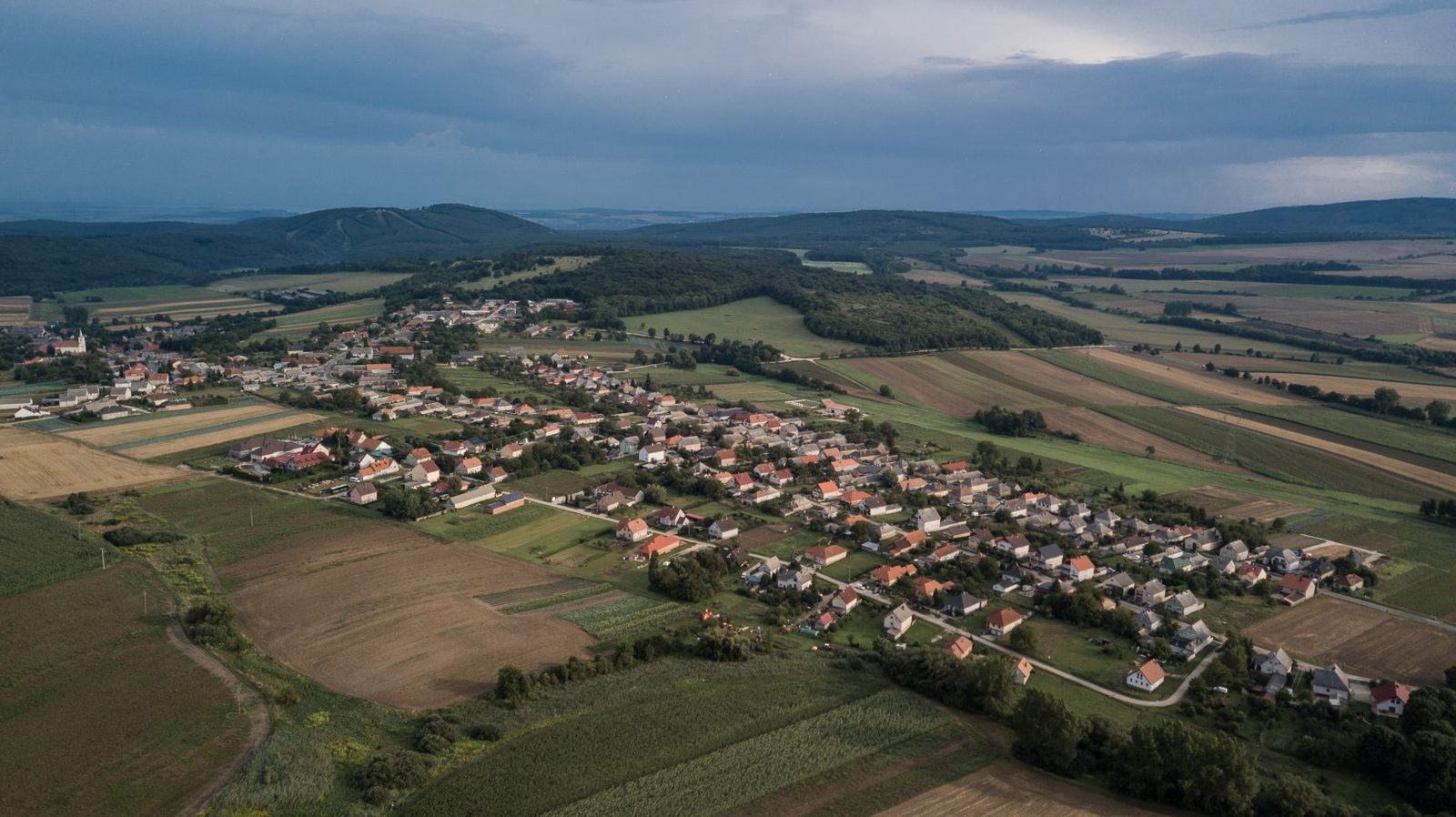
Hollókő was the first village ever added to the UNESCO list as a living cultural landscape rather than a single monument. The “Old Village” — the historic lower core — is the protected part: around sixty-odd houses rebuilt in traditional Palóc style after a fire early in the 20th century, with carved wooden balconies, steep shingled roofs and a doll-sized wooden-towered church at its heart. Crucially, people still live here. It isn’t a reconstructed theme park; it’s a real settlement that has chosen to keep its old face.
That authenticity is the whole point. You wander lanes barely wide enough for a cart, peek into craft workshops, and on the right weekend you’ll see locals in embroidered skirts and aprons going about festival rituals their grandparents performed. If you’ve already done the obvious escapes and want something with more soul, this is the one.
Getting to Hollókő from Budapest (the honest version)
Let me be straight with you: public transport to Hollókő is the trickiest part of the trip. There’s no train, and the direct buses are few and slow. Volánbusz coaches leave from Budapest’s Stadion bus terminal (right by the Puskás Ferenc Stadion metro stop on the M2 line), and the journey runs roughly two to three hours depending on the service, with only a handful of useful departures a day. Many travellers instead take a more frequent bus to the regional town of Szécsény and connect onward by local bus or taxi for the last stretch.
If you can drive, do — it’s about an hour and a half to two hours by car, and you’ll have the freedom to leave when you like. There’s a paid car park just outside the Old Village (entry to the village itself is free). The third option, and the one I’d recommend if buses give you a headache, is a guided day tour: several operators run Hollókő trips from Budapest, sometimes pairing it with Eger or a castle visit, and they take the transport puzzle entirely off your plate.
| Option | Time each way | Notes |
|---|---|---|
| Direct Volánbusz from Stadion | ~2–3 hours | Few departures; check times carefully both ways |
| Bus via Szécsény + connection | ~2.5 hours | More frequent to Szécsény, then local bus/taxi |
| Car | ~1.5–2 hours | Easiest; paid car park by the Old Village |
| Guided tour | Full day | No planning; often combined with Eger |
Because connections are sparse, check the return times before you even set off — getting stuck in a village of a few hundred people with no evening bus is a real possibility. For a wider look at how the region’s escapes compare, the overview of day trips from Budapest is a useful starting point.
The Old Village: a living open-air museum
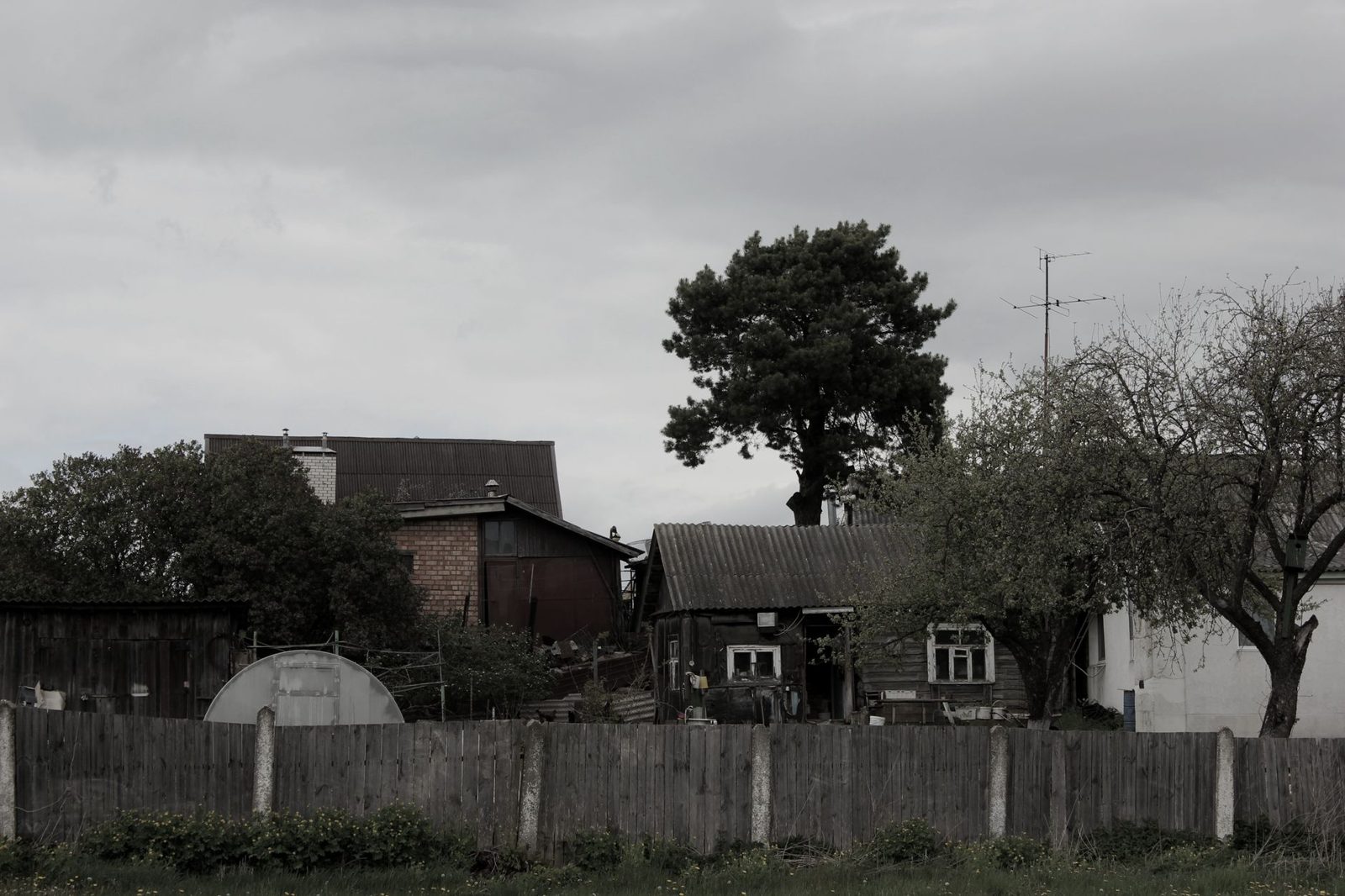
Once you’re there, everything happens on foot, and the Old Village is small enough to wander without a map. The two cobbled lanes are lined with those distinctive Palóc houses — brilliant white walls, dark carved wooden galleries running along the front, and roofs that sweep low over the porches. The cottages were rebuilt to their old pattern after a fire in 1909, which is partly why the ensemble looks so harmonious.
At the centre stands the little Church of St Martin, a modest whitewashed chapel with a shingled wooden bell tower from the late 19th century. It’s the picture everyone takes home, and rightly so. Climb the lane behind it and you get the classic view: white houses cascading down the hill towards the church, with the wooded ridge and castle rising behind.
The little museums and workshops
Several of the cottages have been turned into tiny museums and craft houses. None takes more than fifteen minutes, and entry fees are small, so it’s worth dipping into a few:
- The Village Museum — a furnished Palóc peasant house showing how a family lived, slept and cooked a century ago.
- The Weaver’s House — looms and textiles, with demonstrations of the embroidery the region is famous for.
- The Doll Museum — figures dressed in the full range of Palóc costumes from different villages.
- The Post Museum — a charming one-room look at rural postal history.
- Craft and souvenir shops — where you can buy genuine hand-embroidered pieces and pottery directly from makers.
Buy a combined ticket at the village if you plan to see several; it works out cheaper than paying at each door.
Hollókő Castle
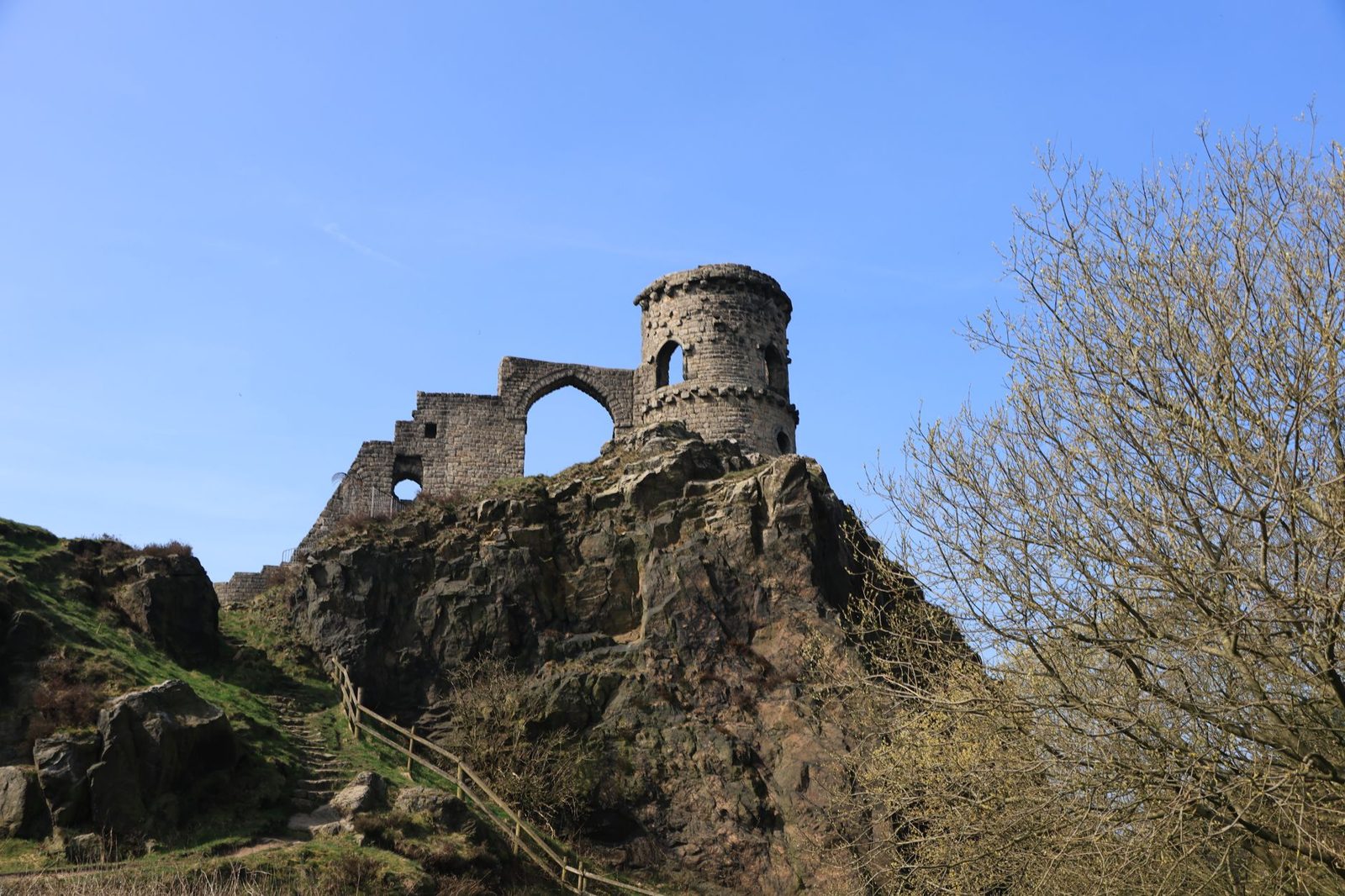
Crowning the ridge above the village are the restored ruins of Hollókő Castle, parts of which date to the 13th century. It’s a sweaty fifteen-to-twenty-minute climb up a forest path from the Old Village, but the reward is a genuine medieval fortress and a sweeping panorama over the Cserhát hills and the white roofs below. The castle is generally open year-round with longer hours in the warmer months — in high season roughly 10am to 5:30pm daily — and admission has lately sat around the 2,000–3,000 HUF mark for adults. Check the official site before you go, as both hours and prices shift seasonally.
The name itself comes with a legend: “Hollókő” means “raven stone,” and the story goes that ravens carried away the stones of the castle each night at the bidding of a witch — a tale the locals will happily retell.
Easter in Hollókő: the festival to plan around
If you can time your visit for Easter, do. The Hollókő Easter Festival is the village’s signature event, and in 2026 it runs from Good Friday through Easter Monday, roughly the 3rd to the 6th of April. The whole village dresses in full folk costume, there are folk-music and dance performances, egg-painting, pottery and craft demonstrations, horse-drawn carriages and food stalls.
The highlight is the Palóc water-sprinkling custom (locsolkodás): on Easter Monday the young men “sprinkle” the women with water — historically buckets, now usually something gentler — in a fertility ritual that’s equal parts tradition and good-humoured chaos. It’s one of the most photogenic folk events in Hungary, and the village gets busy, so arrive early and consider booking transport ahead. To slot it into a broader plan, see our guide to Budapest festivals and events.
The Palóc people and their crafts
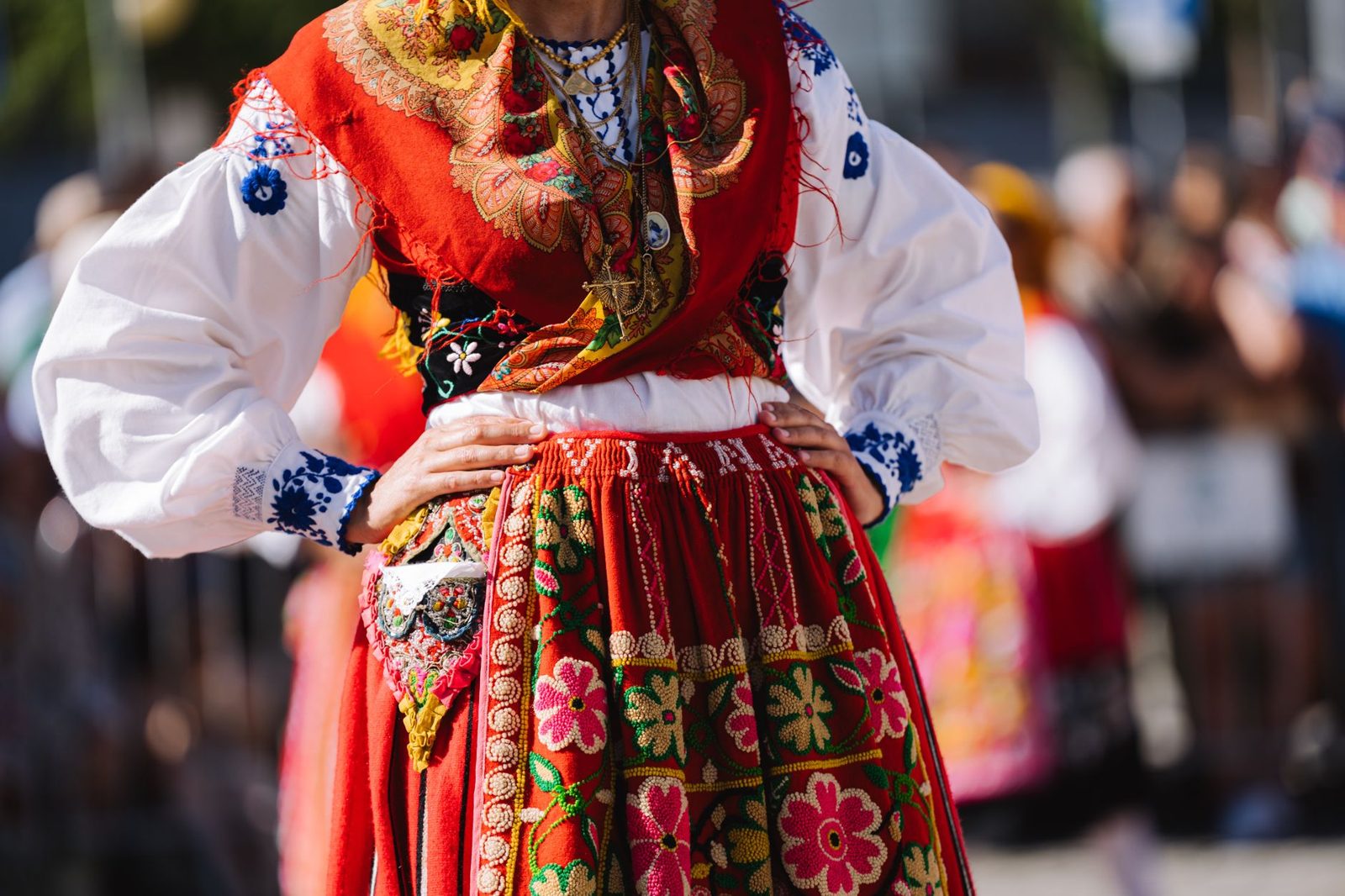
What makes Hollókő more than a pretty postcard is the Palóc culture behind it. The Palóc are an ethnographic group of northern Hungary with their own dialect, songs and — most visibly — extraordinarily ornate folk dress: layered, brightly embroidered skirts, bonnets and aprons for the women, dark waistcoats and boots for the men. The embroidery tradition is alive in the village’s workshops, and a hand-stitched piece makes a far better souvenir than a fridge magnet.
Where to eat
There are a few small restaurants and cottage kitchens in and around the Old Village serving hearty regional cooking — think rich meat stews, stuffed cabbage and Palóc soup, a creamy lamb-and-green-bean soup named after the region itself. Portions are generous and prices are well below Budapest’s. If you want to understand the dishes before you order, our rundown of traditional Hungarian food covers the classics you’ll see on the menu.
A suggested day plan
Aim to arrive mid-morning. Start with a slow loop of the Old Village lanes and the church, ducking into two or three of the little museums. Climb to the castle before lunch while you’ve got energy, soak up the view, then come back down for a long regional lunch. Spend the early afternoon browsing the craft houses and chatting to makers, then catch your transport home in good time. A relaxed visit fills six to eight hours without ever feeling rushed — this is not a place to hurry.
Practical tips
Wear comfortable shoes: the lanes are cobbled and the castle path is steep and can be slippery after rain. Bring some cash for the small museum fees and craft purchases, though the restaurants take cards. Outside of Easter and the late-summer Castle Days, weekdays are blissfully quiet — and a little melancholy in the best way. Finally, double-check museum and castle opening days in the low season, when some close midweek. If you’re weighing this against other escapes, compare it with the artists’ colony of Szentendre, the wine town of Eger, or a summery Lake Balaton day trip, and check the best time to visit Budapest to line your dates up with good weather.
Frequently asked questions
Is Hollókő worth visiting as a day trip?
Yes, if you appreciate folk culture and don’t mind a longer journey. Hollókő is a genuinely lived-in UNESCO village, not a reconstruction, and a half to full day exploring the Old Village, its museums and the hilltop castle is a memorable contrast to Budapest’s grandeur. It’s best for travellers who’ve already seen the obvious sights.
How do you get to Hollókő from Budapest without a car?
Take a Volánbusz coach from the Stadion bus terminal (M2 metro), either direct (around two to three hours, only a few departures) or via Szécsény with a local connection. Because services are infrequent, check return times in advance. A guided tour or a car are easier alternatives.
When is the Hollókő Easter Festival 2026?
It runs from Good Friday to Easter Monday, roughly 3–6 April 2026. Expect folk costumes, music, craft demonstrations and the traditional Palóc water-sprinkling on Easter Monday. It’s the most spectacular time to visit, but also the busiest, so plan transport ahead.
Is there an entrance fee for Hollókő village?
The Old Village itself is free to enter; you only pay for parking if you drive, plus small admission fees for the individual museums and the castle. A combined museum ticket bought in the village is usually the best value if you want to see several.
How long do you need in Hollókő?
Around six to eight hours makes for an unhurried visit: the village lanes, two or three museums, the castle climb and a leisurely regional lunch. The village is compact, so the time goes into savouring it rather than covering distance.
Last updated June 2026. Photos: Wittmann Csaba (Pexels); Darcy Lis | Photography & travels (Pexels); Jan Wright (Pexels); Diogo Miranda (Pexels).