Shopping in Budapest: Markets, Souvenirs & Best Buys (2026)
Shopping in Budapest is one of Europe’s great retail pleasures — a city where centuries-old market halls stand alongside sleek modern malls, where you can haggle over Soviet-era memorabilia at a flea market in the morning and browse luxury boutiques on Andrássy Avenue by afternoon. With authentic local craftsmanship and prices far below Western European capitals, this comprehensive Budapest shopping guide will steer you to the best finds in the city.
In this guide — updated for 2026 — we cover every market, mall, shopping street, and souvenir worth your attention, along with practical tips on VAT refunds, payment methods, and how to spot authentic Hungarian goods. If you are planning your first trip, pair this article with our Budapest travel guide and Budapest itinerary for a complete picture of the city.
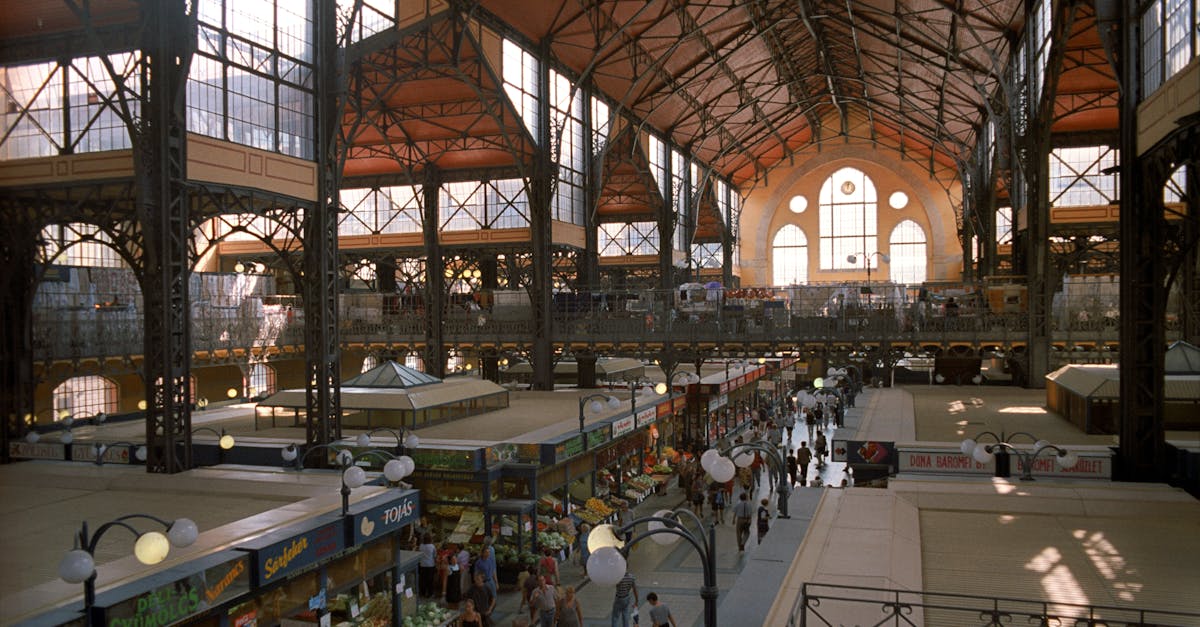
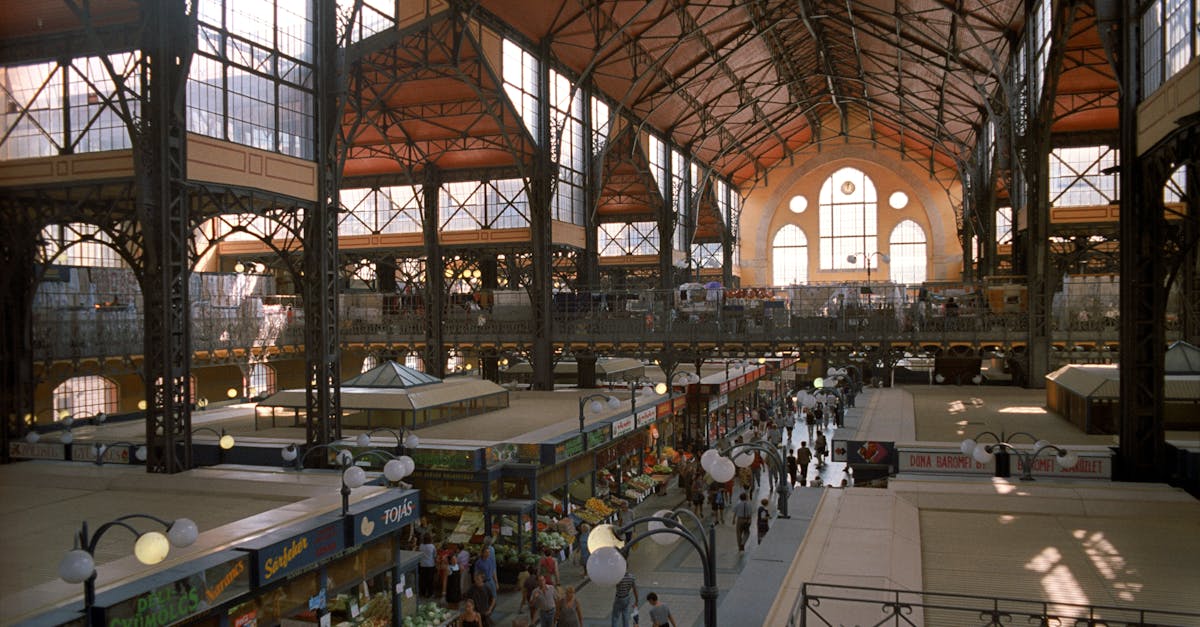
Great Market Hall in Budapest with its ornate iron structure and colorful Zsolnay tile roof” class=”wp-image-177″/>The Great Market Hall (Nagyvásárcsarnok) — Budapest’s Iconic Shopping Landmark
No guide to shopping in Budapest would be complete without the Great Market Hall Budapest — the city’s largest and oldest indoor market, and arguably its most photographed. Officially called the Nagyvásárcsarnok, this cavernous neo-Gothic structure at the Pest end of Liberty Bridge has been the beating heart of Budapest’s food and souvenir trade since it opened in 1897. With its soaring iron framework and a roof decorated in vibrant Zsolnay ceramic tiles, the building itself is worth the visit. But the real magic is inside.
Layout: What to Find on Each Floor
The Great Market Hall spans three levels, each with a distinct character:
- Basement level: A working local market with fresh produce vendors, a small supermarket, and pickle stalls that locals actually use. The least touristy floor with the best prices.
- Ground floor: The main event — rows of stalls selling Hungarian paprika in every grade (sweet, hot, smoked), Pick salami, foie gras, Tokaji wine, honey, dried sausages, and local cheeses. Paprika prices range from 800 HUF (roughly 2 EUR) for a basic bag to 3,500 HUF (9 EUR) for premium gift tins.
- Upper floor (first floor): The souvenir and folk art level — embroidered tablecloths, hand-painted eggs, wooden toys, lace, and leather goods. Food stalls serve lángos (deep-fried flatbread) and goulash soup. See our Budapest food guide for more on what to eat.
Opening Hours and Best Time to Visit
The Great Market Hall is open Monday 6:00–17:00, Tuesday to Friday 6:00–18:00, and Saturday 6:00–15:00. Closed on Sundays. The best time to visit is between 9:00 and 11:00 on a weekday morning — early enough to beat the tour groups, late enough that all stalls are open. On Saturdays, arrive by 10:00 at the latest.
Tips to Avoid Tourist Traps at the Great Market Hall
The Great Market Hall is a genuine working market, but it also knows its audience. Keep these tips in mind:
- Compare paprika prices before buying — the stalls at the front entrance often charge 30–50% more than those deeper inside. A quality 100g tin of sweet paprika should cost around 1,200–2,000 HUF (3–5 EUR).
- Check the origin labels. Some paprika and salami sold here is not actually Hungarian-made. Look for “Product of Hungary” and recognized brands like Kalocsai or Szegedi paprika.
- Beware of short-changing. While rare, it does happen — always count your change, especially when paying with larger bills. Card payment is increasingly accepted, but many smaller stalls still prefer cash in HUF.
- Skip the upper-floor lángos if you want value — prices are inflated at around 2,500–3,500 HUF (6–9 EUR) with toppings. You can find better and cheaper lángos at local stands throughout the city.
- Embroidered goods on the upper floor range wildly in quality. Hand-embroidered pieces from Kalocsa or Matyó regions are genuinely special and will cost 5,000–20,000 HUF (13–52 EUR) depending on size. Machine-made imitations are much cheaper — ask the vendor about the origin.
Budapest’s Best Markets — Beyond the Great Market Hall
The Great Market Hall may be the most famous, but the best Budapest markets extend far beyond a single building. The city has a thriving market culture that ranges from artisan food halls to sprawling flea markets where you can unearth genuine treasures. Here are the markets every visitor should know about.
Szimpla Kert Sunday Farmers’ Market
Budapest’s most famous ruin bar transforms every Sunday morning (9:00–14:00) into a superb farmers’ market. Vendors sell organic produce, artisan cheeses, fresh bread, homemade jams, Hungarian wines, and street food. Live music and great coffee add to the atmosphere. More curated and upscale than the Great Market Hall, with an emphasis on small-batch products. Read our Budapest nightlife guide for more on the ruin bars.
Hold Street Market (Belvárosi Piac)
This renovated indoor market near the Basilica has become a favorite among locals and food-savvy visitors. It features high-quality food vendors, a wine bar, specialty coffee, and fresh produce stalls with a polished food-hall feel. Prices are slightly above average, but the quality is excellent. Open daily except Sundays.
Fény utca Market
On the Buda side near Mammut mall at Széll Kálmán tér, Fény utca Market is where Buda residents do their daily shopping. A no-frills market with excellent prices on produce, meats, dairy, and baked goods. Very few tourists, making it refreshingly genuine. Open Monday to Saturday.
Lehel Market (Lehel Csarnok)
Near Lehel tér metro station, this market occupies a distinctive ship-shaped building. Inside: butchers, bakers, produce vendors, and household goods. The outdoor area is particularly lively on weekday mornings. A purely local experience with no tourist souvenirs.
Ecseri Flea Market (Ecseri Bolhapiac)
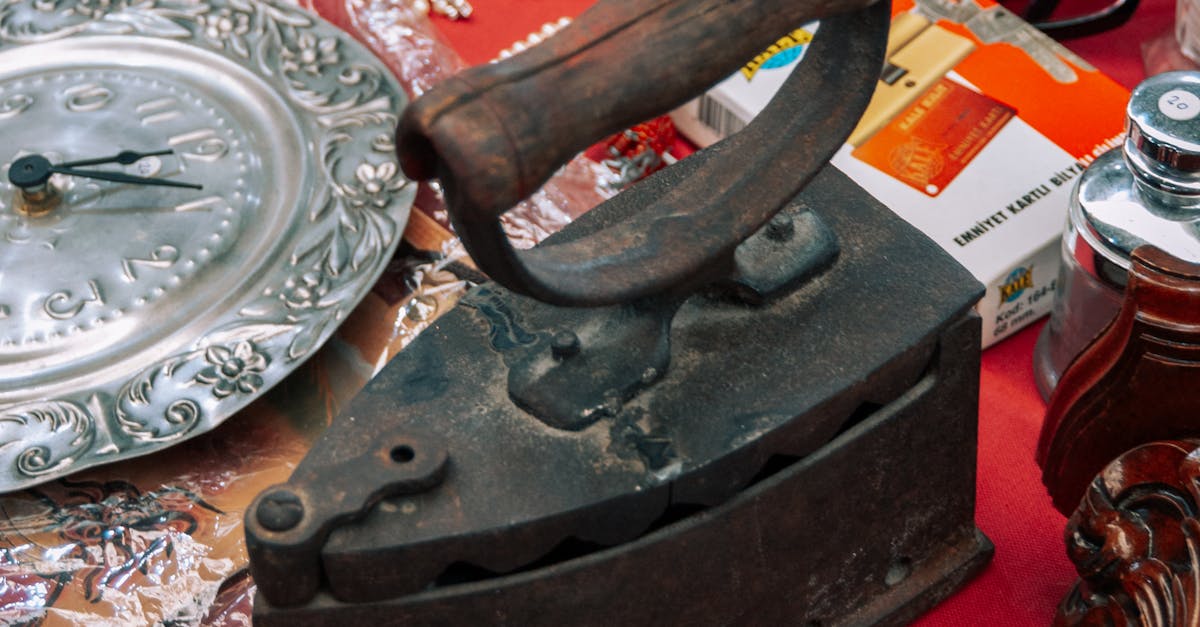
Located in the 19th district (about 30 minutes from the center by bus), this sprawling open-air market is Budapest’s best source for antiques, communist-era memorabilia, vintage porcelain, old maps, jewelry, and collectibles. Saturday is the best day — arrive between 7:00 and 10:00 for the widest selection. Prices are negotiable and bargaining is expected. See our Budapest on a budget guide for more money-saving tips.
Gozsdu Weekend Market
The Gozsdu Courtyard passage in the Jewish Quarter hosts a lively weekend market with handmade crafts, jewelry, vintage clothing, street food, and design products from local artists. It is a great place to pick up one-of-a-kind gifts. The market runs on Saturdays and Sundays, typically from 10:00 to 18:00, and the atmosphere is young, creative, and fun.
Shopping Districts and Streets in Budapest
Beyond the markets, Budapest has several well-defined shopping districts and streets, each with a distinct personality. Whether you want international luxury brands, quirky local boutiques, or mainstream high-street fashion, there is a neighborhood for you.
Váci utca — The Main Pedestrian Shopping Street
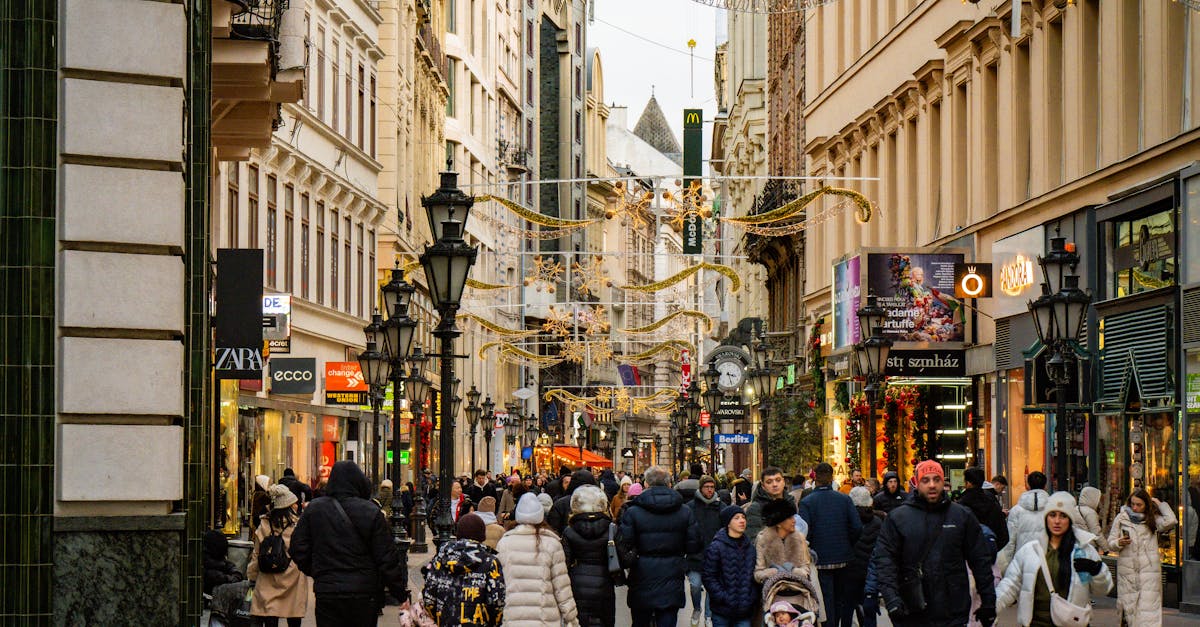
Budapest’s most famous shopping street runs from Vörösmarty tér to the Great Market Hall. It is lined with international brands (Zara, H&M, Mango), souvenir shops, and cafes. The northern section is more upscale, while the southern stretch is tourist-oriented. A word of caution: Váci utca has many overpriced, low-quality souvenir shops selling mass-produced imports. It is fine for browsing, but for authentic Hungarian products, head to the Great Market Hall or specialty stores we recommend below. Our Budapest things to do guide covers nearby attractions.
Fashion Street (Deák Ferenc utca)
Running perpendicular to Váci utca near Deák Ferenc tér, this elegantly renovated stretch features Hugo Boss, Lacoste, Tommy Hilfiger, Massimo Dutti, and Calvin Klein. The buildings are beautifully restored and the atmosphere is more polished and less touristy than Váci utca.
Andrássy Avenue — Luxury Shopping in Budapest
The UNESCO-listed Andrássy Avenue (Andrássy út) is where you will find luxury shopping — Louis Vuitton, Gucci, Burberry, and other high-end brands housed in stunning 19th-century buildings. Even if designer shopping is not in your plans, the architecture is magnificent. Learn more in our Budapest history and culture guide.
Király utca and the Jewish Quarter — Indie Boutiques and Vintage
For the most original shopping in Budapest, head to the Jewish Quarter (District VII) and Király utca. Independent Hungarian fashion designers, vintage clothing shops, record stores, art galleries, and concept stores line these streets. The neighborhood has a bohemian energy that makes it a joy to explore — with a ruin bar or specialty coffee shop always nearby.
Shopping Malls in Budapest
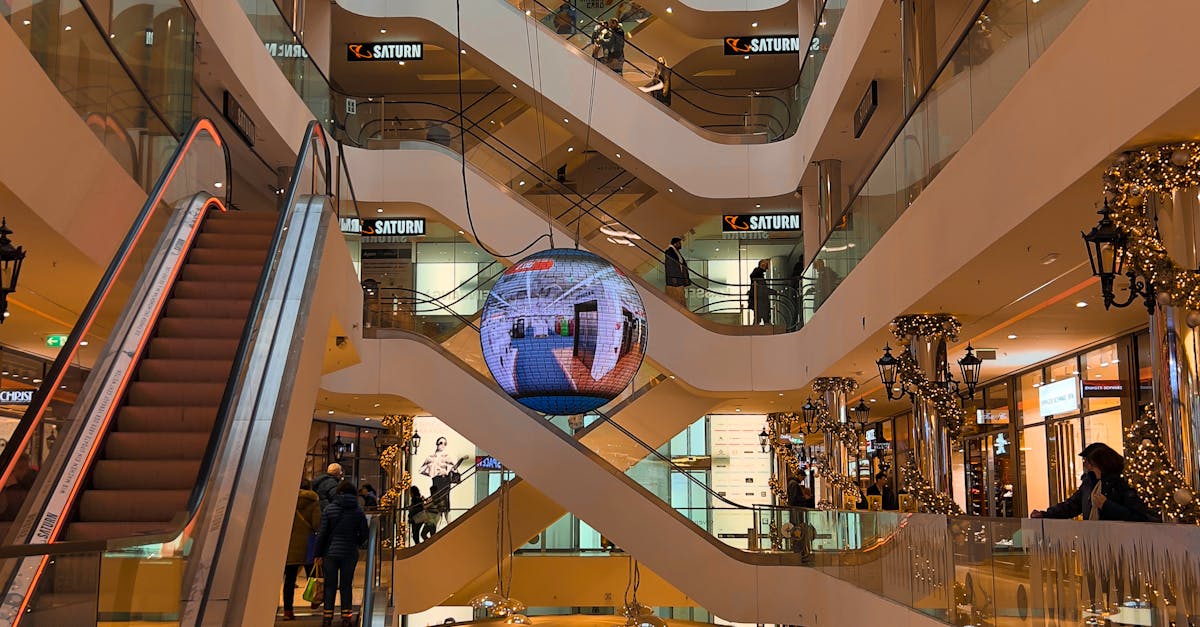
While Budapest’s markets and streets offer the most character, the city’s shopping malls provide convenience, reliable opening hours, and air conditioning in summer. They are particularly useful on rainy days or when you need to get all your shopping done in one place.
WestEnd City Center
Directly behind Nyugati railway station, WestEnd is one of Central Europe’s largest malls with over 400 stores (H&M, Zara, Reserved, Media Markt), a food court, cinema, and rooftop garden. Open Monday to Saturday 10:00–21:00, Sunday 10:00–18:00.
Arena Mall (Arena Plaza)
Near Keleti railway station, Arena Mall has around 200 stores, a cinema, and a bowling alley. Less crowded than WestEnd with a good mix of fashion, electronics, and home goods. Open Monday to Saturday 10:00–21:00, Sunday 10:00–19:00.
Allee Shopping Center
A modern mall on the Buda side near the Danube, with a curated store selection, strong food court, and open-air terrace. A good option if staying in Buda — check our where to stay in Budapest guide for neighborhood recommendations.
Mammut I & II
Located at Széll Kálmán tér (a major transport hub on the Buda side), the twin Mammut malls house around 300 stores. The complex is a reliable all-purpose shopping destination with everything from fashion to groceries. Conveniently adjacent to the Fény utca Market if you want to combine mall and market shopping in one trip.
MOM Park
A smaller, more upscale mall in the 12th district of Buda, MOM Park caters to a wealthier local clientele with premium brands and a quality cinema. It is less hectic than the larger malls and worth visiting if you prefer a more relaxed shopping experience.
Practical Mall Information
Most malls open Monday to Saturday 10:00–21:00, with shorter Sunday hours (10:00–18:00 or 19:00). Many stores close on Sundays by Hungarian law, though malls remain open with reduced options. All malls accept card payments; some stores accept EUR but at unfavorable rates.
Best Budapest Souvenirs — What to Buy in Budapest
One of the best things about shopping in Budapest is the wealth of genuinely unique, locally made products you can bring home. Hungary has a rich tradition of food, drink, and craftsmanship that translates into excellent Budapest souvenirs. Here is our guide to what to buy in Budapest — the authentic goods that are worth your suitcase space.
Hungarian Paprika
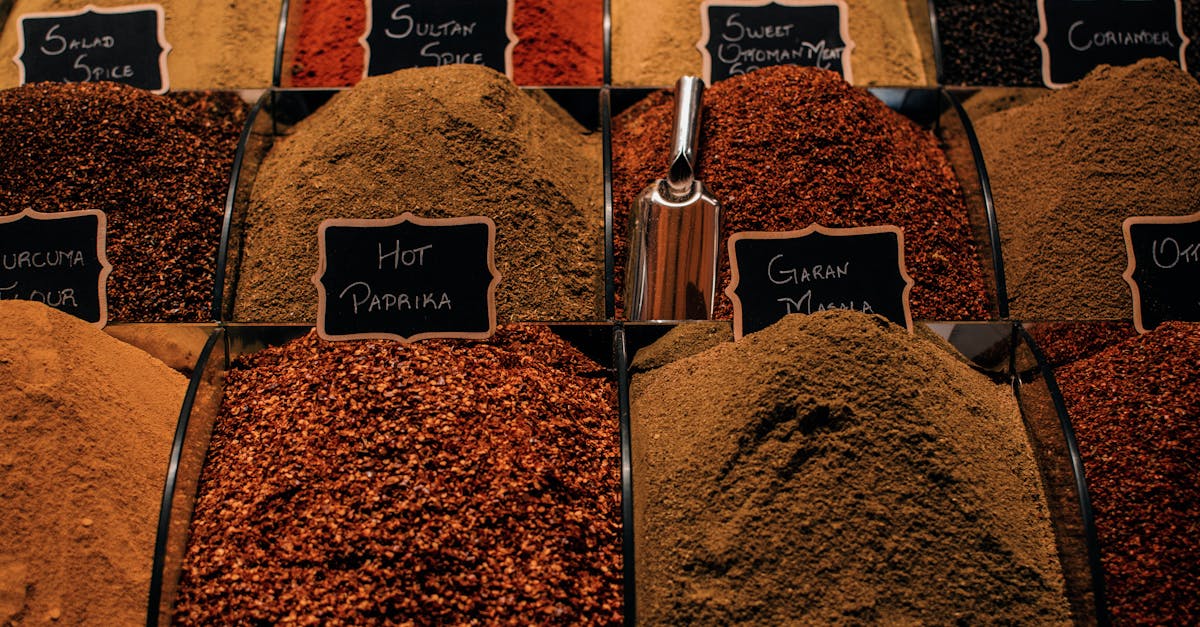
Paprika is Hungary’s national spice, and it comes in several varieties: édes (sweet/noble sweet), csípős (hot), füstölt (smoked), and félédes (semi-sweet). The best paprika comes from two regions — Szeged and Kalocsa — and you should look for these origin labels. Sweet paprika is the most versatile and popular variety for cooking. A quality decorative tin (100–250g) makes an excellent gift and costs between 1,500–3,500 HUF (4–9 EUR). Buy from the Great Market Hall, specialty food shops, or the Paprika Market at Vörösmarty tér — just check the labels to ensure it is genuinely Hungarian.
Tokaji Wine
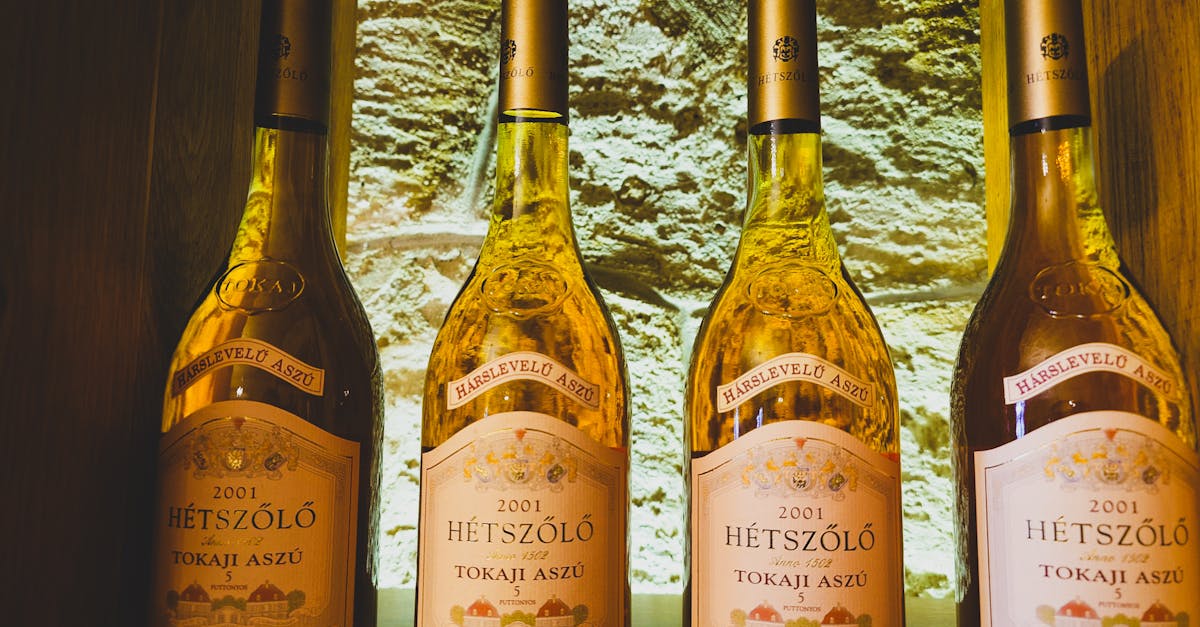
Tokaji Aszú is Hungary’s legendary sweet wine, once called “the wine of kings, the king of wines” by Louis XIV. Made from botrytized grapes in the Tokaj region of northeastern Hungary, it ranges from 3 puttonyos (lighter sweetness) to 6 puttonyos (rich, honeyed nectar). A good bottle of Tokaji Aszú 5 puttonyos costs around 5,000–15,000 HUF (13–39 EUR). Dry Tokaji Furmint has also surged in popularity — crisp, mineral, and excellent value at 2,000–5,000 HUF (5–13 EUR). Buy from wine shops in the city center or at the Great Market Hall. If you want to explore Hungary’s wine regions further, our day trips from Budapest guide includes vineyard excursions.
Herend and Zsolnay Porcelain
Hungary is home to two world-renowned porcelain manufacturers. Herend has been producing hand-painted luxury porcelain since 1826 — their pieces are collected worldwide and recognizable by their delicate floral and animal motifs. A small Herend figurine starts around 15,000 HUF (39 EUR), while larger pieces can reach into the thousands of euros. The Herend flagship store on Andrássy Avenue is the place to buy. Zsolnay, based in Pécs, is known for its distinctive eosin-glazed decorative ceramics that shimmer with iridescent colors. Zsolnay pieces are generally more affordable than Herend and make striking souvenirs.
The Rubik’s Cube
Did you know the Rubik’s Cube is a Hungarian invention? Ernő Rubik created it in Budapest in 1974. You can buy original Rubik’s brand cubes in many toy and souvenir stores throughout Budapest — a fun, lightweight, and genuinely Hungarian souvenir that doubles as an in-flight entertainment on the way home. Expect to pay 3,000–5,000 HUF (8–13 EUR) for an original cube.
Embroidered Lace and Folk Art
Hungarian folk embroidery is a living tradition, with distinct regional styles including Kalocsa (bright floral patterns on white), Matyó (elaborate red, blue, and green designs from the Mezőkövesd region), and Halas lace (delicate white lacework). Authentic hand-embroidered tablecloths, runners, blouses, and decorative pieces are available at the Great Market Hall’s upper floor, specialty folk art shops, and the Gozsdu Weekend Market. Prices for hand-embroidered pieces start around 5,000 HUF (13 EUR) for small items and can exceed 50,000 HUF (130 EUR) for large, intricate tablecloths.
Pick Salami
Pick is Hungary’s most famous salami brand, produced in Szeged since 1869. Their winter salami (téliszalámi) is a dry-cured, mold-ripened delicacy with a distinctive white coating and rich, complex flavor — it holds a protected geographical indication status in the EU. Vacuum-packed versions are available at the Great Market Hall and supermarkets, making them easy to transport. A quality piece costs around 2,000–4,000 HUF (5–10 EUR).
Pálinka — Hungarian Fruit Brandy
Pálinka is Hungary’s national spirit — a potent fruit brandy distilled from plum, apricot, cherry, pear, or quince. By law, genuine Hungarian pálinka must be made from 100% fruit with no added sugar or flavorings. The best pálinkas are smooth, aromatic, and complex. Look for brands from recognized distilleries, and expect to pay 3,000–10,000 HUF (8–26 EUR) for a quality bottle. Artisan pálinkas from small producers can cost significantly more but offer exceptional character.
Unicum Liqueur
Unicum is Hungary’s iconic herbal liqueur — a bitter, dark digestif made from a secret blend of over 40 herbs and spices. The recipe has been guarded by the Zwack family since 1790. It comes in the distinctive round bottle and is an acquired taste — intensely bitter and aromatic. If the original is too strong for your palate, try Unicum Szilva (plum-flavored) or Unicum Next (a slightly lighter version). A bottle costs around 3,000–5,000 HUF (8–13 EUR).
Handmade Chocolates and Confections
Budapest has a growing artisan chocolate scene. Rozsavolgyi Csokoládé produces award-winning bean-to-bar chocolates with beautifully designed packaging — an excellent upmarket gift. Szamos Marzipan is a beloved Hungarian brand specializing in marzipan confections and chocolates. Their flagship shop on Váci utca is a sweet-tooth’s paradise. For our full guide to Hungarian food and culinary traditions, visit our Budapest food guide.
Where to Buy Authentic Souvenirs vs. Tourist Trap Goods
One of the biggest challenges when shopping in Budapest for souvenirs is distinguishing authentic Hungarian products from cheap imports that simply have “Budapest” stamped on them. Here is how to shop smart.
How to Spot Authentic Products
- Check country-of-origin labels. Genuine Hungarian paprika will say “Product of Hungary” and ideally specify the Szeged or Kalocsa region. The same applies to salami, wine, and pálinka.
- Look for protected designations. Products like Tokaji Aszú, Pick winter salami, and Kalocsa paprika have EU-protected status. This is your guarantee of authenticity.
- Ask about handmade items. For embroidery and folk art, ask the vendor where the piece was made and whether it is hand- or machine-embroidered. Genuine artisans are proud to explain their work.
- Avoid very cheap “porcelain.” If a piece claiming to be Herend or Zsolnay costs a fraction of the expected price, it is almost certainly a fake. Buy from official stores or authorized dealers.
- Be skeptical on Váci utca. Many souvenir shops on the main tourist strip sell mass-produced goods from China — fridge magnets, T-shirts, and paprika of questionable origin. There are exceptions, but the density of tourist-trap shops is highest here.
Recommended Shops for Authentic Souvenirs
- Memories of Hungary — Located in the former Luxus department store on Vörösmarty tér, this well-curated shop specializes in authentic Hungarian products: quality paprika, Herend and Zsolnay porcelain, folk art, wines, and design items. Prices are fair and everything is genuinely Hungarian.
- Paprika Market (Vörösmarty tér) — A dedicated paprika and Hungarian food shop right on the main square. Good selection of properly labeled paprika, spice mixes, and gift sets.
- Bortársaság (Wine Society) — A reputable wine shop with multiple locations, offering an expertly curated selection of Hungarian wines with knowledgeable staff who can guide your purchases.
- Herend flagship store (Andrássy Avenue) — The only place to guarantee you are buying genuine Herend porcelain. The staff provides certificates of authenticity.
- Szamos Marzipan (Váci utca) — While Váci utca has many tourist traps, Szamos is a genuinely Hungarian brand with high-quality marzipan and chocolate products.
Practical Shopping Tips for Budapest
Before you set out on your Budapest shopping guide adventure, here are the practical details that will save you time, money, and frustration.
VAT Refund for Non-EU Visitors
If you are visiting from outside the European Union, you can claim a VAT (Value Added Tax) refund on purchases over 94,001 HUF (approximately 245 EUR) made at a single store in a single transaction. Hungary’s standard VAT rate is 27% — one of the highest in Europe — so the refund can be significant. Here is how to claim it:
- Ask for a tax-free form (Global Blue or Planet) at the time of purchase. The store must participate in the tax-free scheme.
- Keep the goods unused and in their original packaging.
- At the airport before departure, present the goods, receipts, and completed tax-free form to customs for stamping.
- Submit the stamped form at the tax refund counter at the airport, or mail it in using the provided envelope.
- You will receive the refund via credit card, cash, or bank transfer — minus a processing fee. The actual refund is typically 18–20% of the purchase price after fees.
Opening Hours
Most shops open Monday to Friday 10:00–18:00/19:00, Saturday 10:00–13:00/14:00. Malls keep longer hours (10:00–21:00 weekdays). Sunday closures are important — most standalone shops close, and many mall stores follow suit. Plan major shopping for weekdays or Saturdays.
Payment Methods — HUF vs EUR
Hungary uses the Hungarian Forint (HUF). Many tourist shops accept euros, but at unfavorable rates. Use a bank card with no foreign transaction fees, or withdraw HUF from bank-operated ATMs — avoid the Euronet ATMs in tourist areas, which charge high fees. Carry some cash for smaller vendors and flea markets.
Bargaining
Bargaining is not customary in regular shops, markets, or malls in Budapest. The one exception is the Ecseri Flea Market, where polite negotiation is expected and vendors typically set their initial prices with some room for haggling. At other markets, prices are generally fixed — though buying multiple items from the same stall at the Great Market Hall may earn you a small discount if you ask nicely.
Sizes and Conversions
Hungary uses European sizing for clothing and shoes. If you are coming from the US or UK, remember that sizes differ — a US women’s size 8 is roughly a European 38, and a US men’s shoe size 10 is approximately a European 44. Most stores have conversion charts, and staff are generally helpful with sizing questions.
Budapest Shopping Venues Comparison
To help you plan your shopping itinerary, here is a comparison of Budapest’s main shopping venues at a glance.
| Venue | What to Buy | Price Level | Best For | Hours |
|---|---|---|---|---|
| Great Market Hall | Paprika, salami, wine, embroidery, souvenirs, fresh food | Budget to Mid-range | Authentic food souvenirs, cultural experience | Mon–Fri 6:00–18:00, Sat 6:00–15:00 |
| Ecseri Flea Market | Antiques, vintage items, communist memorabilia, collectibles | Budget (negotiable) | Treasure hunters, antique lovers | Mon–Sat 7:00–16:00 (best on Sat) |
| Szimpla Sunday Market | Organic produce, artisan food, handmade crafts | Mid-range | Foodies, organic and artisan products | Sun 9:00–14:00 |
| Hold Street Market | Gourmet food, fresh produce, wine, coffee | Mid-range to Upscale | Food enthusiasts, quality local products | Mon–Sat 6:00–18:00 |
| Váci utca | International brands, mainstream souvenirs, fashion | Mid-range (watch for inflated prices) | Window shopping, mainstream brands | Daily 10:00–19:00 (varies by store) |
| Fashion Street | Premium fashion brands (Hugo Boss, Lacoste, Tommy Hilfiger) | Mid-range to Upscale | Brand-name fashion shopping | Daily 10:00–20:00 (varies) |
| Andrássy Avenue | Luxury brands (Louis Vuitton, Gucci), Herend porcelain | Luxury | High-end fashion and gifts | Mon–Sat 10:00–19:00 |
| Jewish Quarter / Király utca | Indie design, vintage clothing, local art, handmade jewelry | Budget to Mid-range | Unique finds, local designers, creative gifts | Daily 11:00–19:00 (varies) |
| WestEnd City Center | Everything — fashion, electronics, food court, groceries | Budget to Mid-range | One-stop shopping, rainy day option | Mon–Sat 10:00–21:00, Sun 10:00–18:00 |
| Gozsdu Weekend Market | Handmade crafts, jewelry, street food, vintage | Mid-range | Original gifts, creative atmosphere | Sat–Sun 10:00–18:00 |
Frequently Asked Questions About Shopping in Budapest
Here are answers to the most common questions visitors ask about shopping in Budapest.
What are the best souvenirs to buy in Budapest?
The best Budapest souvenirs are products with genuine Hungarian heritage: paprika from the Szeged or Kalocsa regions, Tokaji Aszú wine, Pick winter salami, pálinka fruit brandy, Unicum herbal liqueur, Herend or Zsolnay porcelain, hand-embroidered lace and folk art, and a Rubik’s Cube (a Hungarian invention). These items are authentic, widely available, and range from affordable food items to luxury porcelain — so there is something for every budget.
Is Budapest cheap for shopping compared to Western Europe?
Yes, Budapest remains significantly more affordable than cities like Paris, London, or Vienna. Locally made products — food, drink, folk art, and crafts — are especially good value. International brand clothing and electronics are priced closer to Western European levels, though still slightly lower in many cases. The biggest savings come from food, markets, local wines and spirits, and handmade goods. Check our Budapest on a budget guide for more ways to save.
Are shops in Budapest open on Sundays?
Most standalone shops and many stores within shopping malls are closed on Sundays. Malls themselves are usually open with reduced hours, but expect limited options. Tourist-oriented stores on Váci utca and in the city center may open on Sundays with shorter hours. Supermarkets have mixed Sunday hours. If you only have a Sunday for shopping, head to a shopping mall or one of the weekend markets (Szimpla Sunday Market, Gozsdu Weekend Market).
Can I pay with euros in Budapest shops?
Some tourist-oriented shops, markets, and restaurants accept euros, but the exchange rate offered is almost always unfavorable — you could lose 5–10% compared to paying in Hungarian Forints. We strongly recommend paying by card (with no foreign transaction fees) or withdrawing HUF from bank-operated ATMs. Avoid the independent Euronet ATMs that target tourists with poor rates.
How do I claim a VAT refund when shopping in Budapest?
Non-EU residents can claim a VAT refund on single purchases exceeding 94,001 HUF (approximately 245 EUR) at participating stores. Request a tax-free form at the point of sale, keep goods unused and in original packaging, get the form stamped by customs at the airport before departure, and submit it at the refund counter. Hungary’s 27% VAT rate means the refund — typically 18–20% after fees — can be substantial on larger purchases like porcelain or designer goods.
What is the best time to visit the Great Market Hall?
Visit between 9:00 and 11:00 on a weekday morning for the best experience. All stalls will be open and stocked, but the tour-group crowds that arrive after 11:00 have not yet descended. Avoid Saturday afternoons (the market closes at 15:00 and gets very hectic in the final hours) and skip Sundays entirely, as the market is closed.
Is it safe to buy food souvenirs like paprika and salami to bring home?
Yes — properly packaged paprika, vacuum-sealed salami, and sealed bottles of wine, pálinka, and Unicum are easy to transport. Within the EU there are no restrictions. For travel outside the EU, check your destination’s customs regulations — sealed, commercially packaged products are generally permitted, but fresh meats and dairy may be restricted.
Where can I find vintage and antique items in Budapest?
Ecseri Flea Market is the top choice — visit on Saturday morning. In the city center, the Jewish Quarter has vintage clothing shops along Király utca, and the Gozsdu Weekend Market features vintage vendors. For high-end antiques, explore Falk Miksa utca near the Parliament.
Shopping in Budapest — In Depth
We’ve written a dedicated guide to each of the below, with 2026 prices, opening hours and what’s actually worth buying.
- the Central Market Hall — opening hours, the three floors, what to buy and where to eat lángos upstairs.
- the best Budapest souvenirs — 20 authentic Hungarian gifts — paprika, Tokaji, porcelain, folk embroidery — and what to avoid.
- Budapest fashion and designers — Hungarian labels from Nanushka to Vass Shoes, the key shopping streets and vintage stores.
- the Budapest flea market — Ecseri Piac on a Saturday morning — Soviet memorabilia, Belle Époque jewellery and haggling tips.
Plan Your Budapest Shopping Trip
Budapest is a city that rewards the curious shopper. From the atmospheric halls of the Nagyvásárcsarnok to the creative energy of the Jewish Quarter’s indie boutiques, from the luxury of Andrássy Avenue to the untamed sprawl of the Ecseri Flea Market, every style and budget is catered to. The key to great shopping in Budapest is knowing where to look and what to look for — and with this guide, you are well prepared for 2026.
Before you go, make sure you have the full picture of what Budapest has to offer. Browse our guides to make the most of your trip:
- Budapest Travel Guide — Everything you need to plan your trip
- Things to Do in Budapest — Top attractions and experiences
- Budapest Food Guide — What to eat and where
- Budapest Thermal Baths Guide — The city’s legendary spa culture
- Where to Stay in Budapest — Best neighborhoods and accommodations
- Budapest on a Budget — How to save money
- Budapest Nightlife Guide — Ruin bars, clubs, and evening entertainment
- Budapest Itinerary — Day-by-day travel plans
- Day Trips from Budapest — Explore beyond the city
- Budapest History and Culture — The stories behind the city
- Budapest Festivals and Events — What is happening and when
- Budapest with Kids — Family-friendly tips and activities
- Romantic Budapest — For couples visiting the city
Happy shopping, and enjoy Budapest!