Renting a Car in Budapest and Driving in Hungary
Hungary's blood alcohol limit is zero, not 0.05%. What renting a car actually costs, the camera-based vignette system, and why driving into central Budapest itself is the one thing to avoid.
In this guide
- Do you actually need a car?
- Where a car actually earns its keep
- What it costs and what to book
- Licence, age and paperwork
- One-way rentals and electric vehicles
- The vignette system (e-matrica)
- Speed limits and enforcement
- Fuel
- Driving into central Budapest: don’t
- If something goes wrong
- Practical tips
- The honest verdict
- Frequently asked questions
- Photo credits
This article contains advertising. Our booking links are routed through a partner that adds commission tracking automatically, so if you book through one we earn a commission from the provider, at no extra cost to you. It never affects what we recommend. Affiliate disclosure
Zero. That’s the legal blood alcohol limit for driving anywhere in Hungary — not 0.05%, not “under the limit after one beer,” but 0.0 grams per litre, full stop. It’s the single most important thing to know before car rental Budapest searches turn into an actual booking, and it’s the rule most visitors from Western Europe and North America get wrong, since it’s stricter than what they’re used to at home. Get that one straight and the rest of driving in Hungary is refreshingly ordinary: decent roads, clear signage, and a toll system that runs on cameras rather than barriers.
This guide covers whether you need a car at all, what renting one actually costs, the paperwork and age rules, the vignette system, speed limits and enforcement, and where driving works against you rather than for you — mainly, central Budapest itself. Prices and rules were checked in September 2026.
Do you actually need a car?
For a trip confined to Budapest itself, the honest answer is almost always no. The city’s public transport — metro, tram, bus — covers the centre thoroughly and cheaply, parking in the historic districts is expensive and increasingly restricted, and several of the most atmospheric streets are narrow, one-way, or partly pedestrianised in ways that make driving more stressful than useful. A car earns its cost the moment your plans extend beyond the city: day trips to Lake Balaton, the Danube Bend towns, or across the border into Slovakia or Austria are all considerably easier with your own vehicle and a fixed schedule than stitching together public transport connections.
Where a car actually earns its keep
The clearest case for renting is a multi-stop day trip where public transport would mean several separate connections and a fixed return time. Lake Balaton’s smaller towns beyond the main rail-served resorts, the Danube Bend towns of Szentendre, Visegrád and Esztergom strung together in a single loop rather than visited one at a time, and cross-border day trips into Slovakia or Austria all work considerably better with your own schedule than public transport allows — worth weighing against the longer-distance options covered in the Budapest to Prague guide, which walks through the same train-versus-drive trade-off for a bigger trip. A car also pays off for a group splitting the cost four or five ways, where the per-person price undercuts train or bus tickets for the same group, and for travellers with heavy luggage or mobility needs who’d rather not manage connections and station stairs. The Lake Balaton day-trip guide and the wider day-trips roundup both cover which specific excursions are easiest by train versus genuinely better with a car.
Conversely, a car is close to a liability for a single-city Budapest trip, a solo traveller without other stops planned, or anyone uncomfortable navigating unfamiliar road signage and a foreign motorway system under time pressure. If your trip is genuinely just Budapest plus one or two well-connected day trips — Szentendre by train, Lake Balaton by the fast rail service — public transport handles it without the parking headaches, insurance decisions, or vignette admin a rental adds.
What it costs and what to book
Economy and compact cars are the most competitively priced category and the sensible default for city-adjacent trips — anything larger mainly pays off if you’re travelling as a group or need the boot space for luggage. Rates vary heavily by season, agency and how far ahead you book, and the usual rules of car rental apply everywhere: booking direct through a major international agency’s own site is sometimes but not always cheaper than an aggregator, and the advertised daily rate rarely includes the extras — collision damage waiver with a sensible (low or zero) excess, a second driver, or a full tank of fuel on return rather than the more expensive “pre-paid fuel” option many agencies push at pickup.
Major international agencies operate desks at Budapest Airport’s arrivals level in both terminals — see the airport guide for what else is on that level if you’re picking up straight off a flight — alongside a handful of local operators that can undercut the big names on price but are worth researching for reviews first, since service quality varies more among smaller agencies. Whichever you book, photograph the car from all angles before driving off the lot — existing scratches and dents are the most common source of post-rental billing disputes, and a timestamped photo record settles the argument before it starts.
Insurance is the other place rental costs quietly balloon. The basic collision damage waiver bundled into most rates typically leaves a meaningful excess (sometimes running into four figures in euros) that you’re liable for if the car is damaged, and agencies routinely offer a “super CDW” or excess-reduction add-on at the counter for a daily fee. Whether that’s worth buying depends on what cover you already have — many credit cards and standalone annual excess-insurance policies cover exactly this gap for a fraction of the agency’s daily rate, so check before travelling rather than paying for duplicate cover at the desk under time pressure with a queue behind you. Either way, read what the excess actually covers before declining the upsell: glass, tyres and the underside of the vehicle are common exclusions even on a “fully comprehensive” package, and that’s exactly the kind of damage a pothole or an unfamiliar gravel side road can cause.
Licence, age and paperwork
A standard driving licence from the EU, UK, US, Canada, Australia or most other countries is accepted for a short-term rental, though non-EU licences are sometimes required to be accompanied by an International Driving Permit depending on the agency and your home country — check this specifically when booking rather than assuming, since it varies and getting caught without one at pickup can mean losing the reservation. Minimum rental age generally runs 19 to 21 depending on the car category, with a licence held for at least one year, and a young-driver surcharge is common for renters under 25. Bring your passport, licence, and the credit card used for booking to the pickup desk — a card in a different name than the booking, or a debit card where a credit card is required for the security deposit, are both common reasons for an awkward delay at the counter.
One-way rentals and electric vehicles
Most major agencies offer one-way rentals — picking up in Budapest and dropping off in another city, whether within Hungary or across a border into Austria, Slovakia or beyond — but expect a substantial one-way fee on international drop-offs specifically, sometimes enough to change the economics of the whole trip. Confirm the fee before booking rather than after, since it’s not always prominently displayed during the initial search. Electric and hybrid vehicles are increasingly available from the larger agencies, and Hungary’s charging network has expanded considerably in recent years along motorways and in larger towns, though it remains thinner than Western Europe’s in rural areas — worth checking route coverage in a charging-network app before committing to an EV for anything beyond city and motorway driving.
The vignette system (e-matrica)
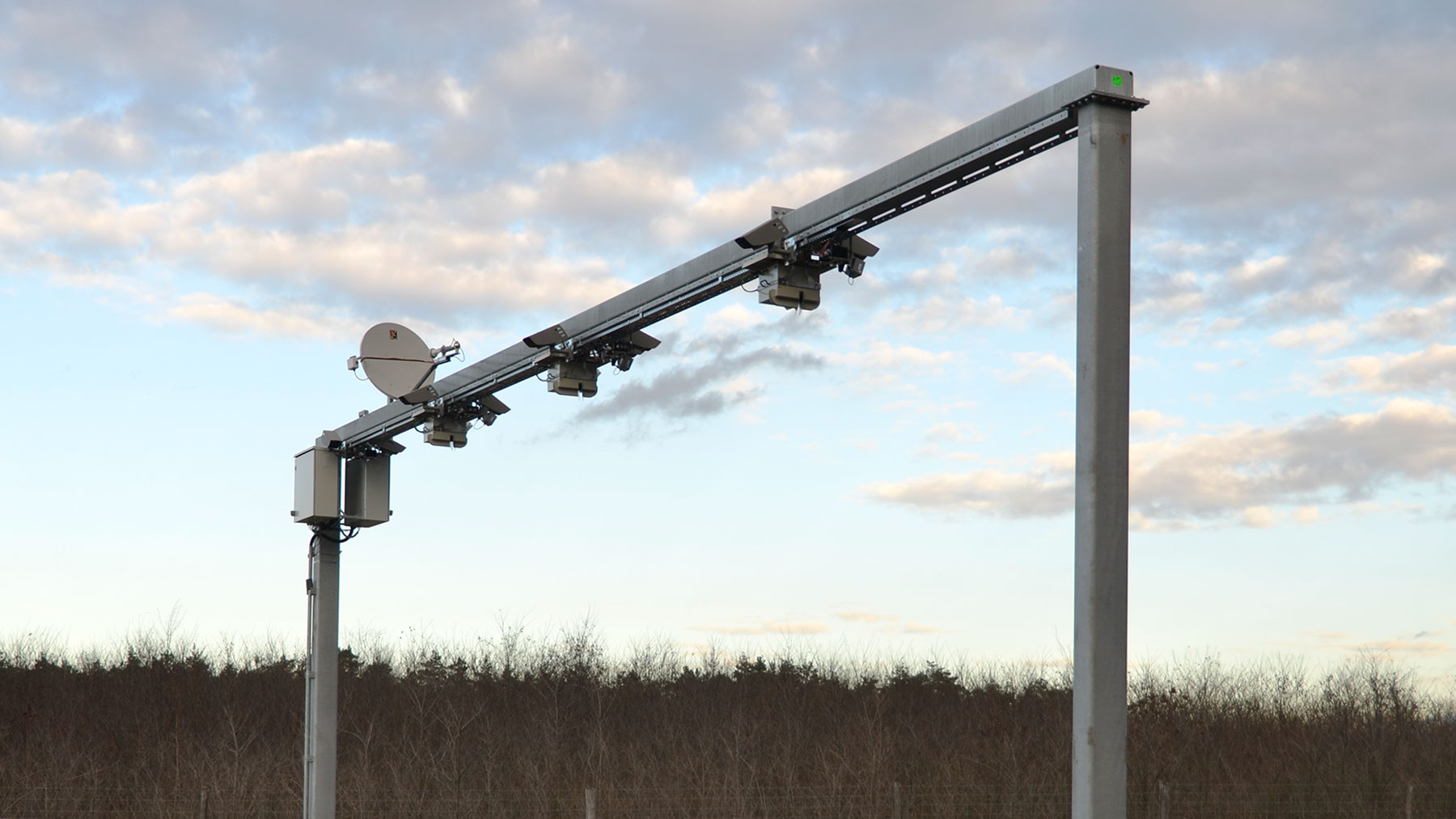
Hungary’s motorways run on a sticker-free, camera-based toll system rather than physical barriers or booths. You buy an e-vignette (e-matrica) covering your travel dates — options include 1-day (from roughly €15), 10-day (from roughly €19), monthly and annual passes — through the official e-matrica website, a mobile app, or at petrol stations, and the system checks compliance automatically via number-plate-recognition cameras mounted on gantries over the road. There’s no physical sticker to display and no toll booth to stop at; the whole system runs on your registration plate being matched against a paid vignette in the database.
Most rental agencies include a valid vignette in the rental price for the car’s registered use, but this isn’t universal — confirm it explicitly when booking, since driving without one (or with an agency-provided vignette that doesn’t cover your actual route or dates) risks a substantial fine that lands on you, not the rental company, if a camera catches the mismatch. If you’re crossing into Slovakia or Austria as part of your trip, note that each country runs its own separate vignette system — a valid Hungarian e-matrica does nothing for you the moment you cross a border, so budget for a second (or third) vignette purchase if your route touches either.
Because enforcement is entirely camera-based, mistakes are also entirely digital — a fine for an unpaid vignette typically arrives by post or, for a rental car, gets charged retroactively to the card on file weeks after you’ve returned home, sometimes with an administration fee added on top by the rental agency for processing it. Buying the correct vignette before you start driving, rather than assuming the rental car has one, is the cheapest way to avoid that entire process.
Speed limits and enforcement
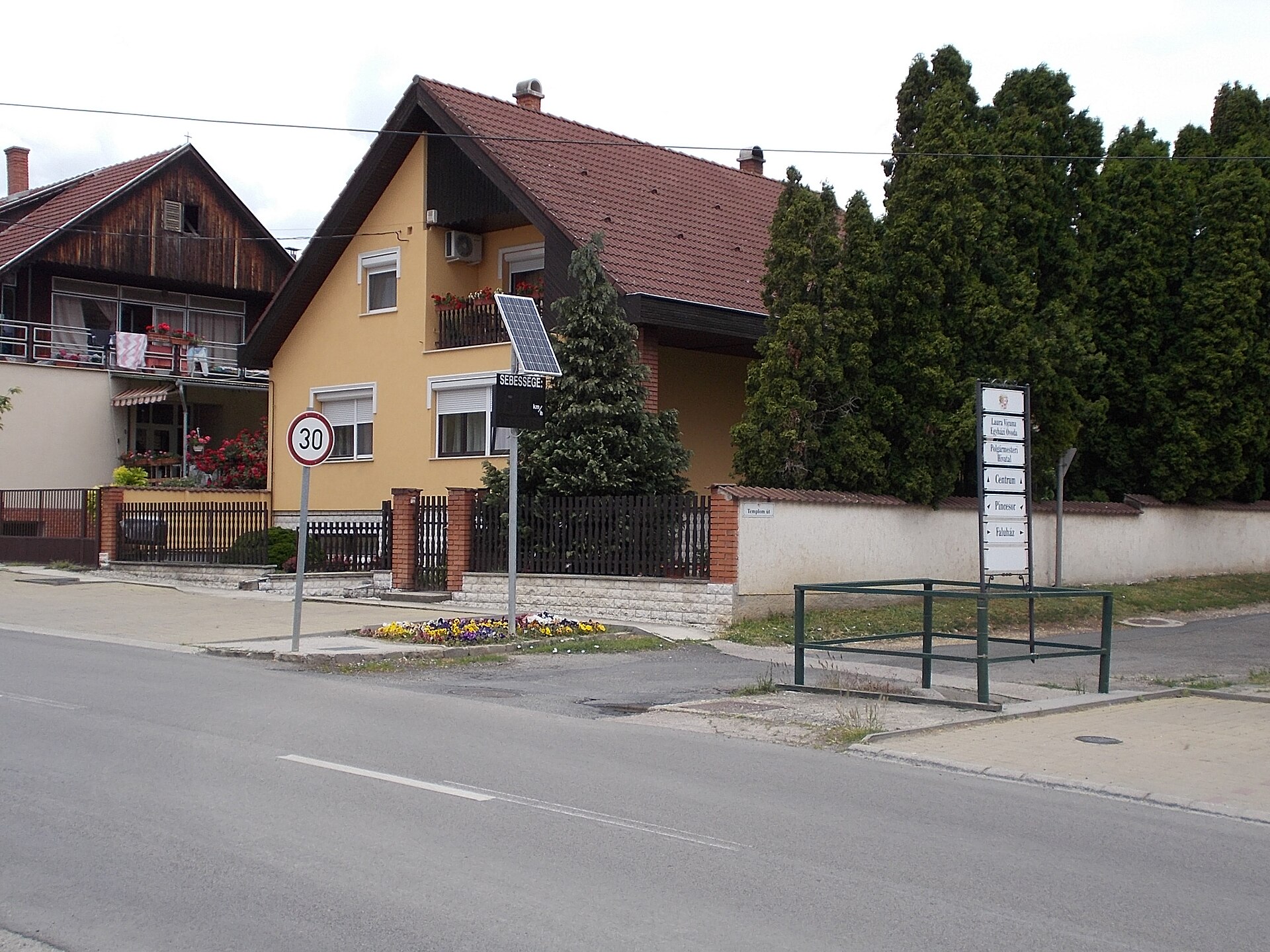
Limits run 50 km/h in built-up areas, 90 km/h on rural single-carriageway roads, and 130 km/h on motorways, with lower limits — sometimes as low as 30 km/h — posted near schools and through small villages, and higher limits up to 110 km/h on some divided rural roads. Speed cameras, both fixed and mobile, are common, including small solar-powered radar-and-signage units posted at village entrances specifically to slow through-traffic — worth genuinely respecting, since Hungarian village speed limits catch out more visiting drivers than the motorway limits do.
Hungary’s zero blood-alcohol limit is enforced with random roadside breath checks, and the penalties for testing positive — even marginally — are serious, up to and including licence suspension and criminal charges for higher readings. Headlights are required at all times outside built-up areas, even in daylight, and mobile phone use while driving is illegal without a hands-free setup. Mandatory equipment includes a warning triangle and first-aid kit in the vehicle at all times; roadside checks can and do fine drivers for a missing item, so verify the rental car is properly equipped at pickup rather than assuming.
Fuel
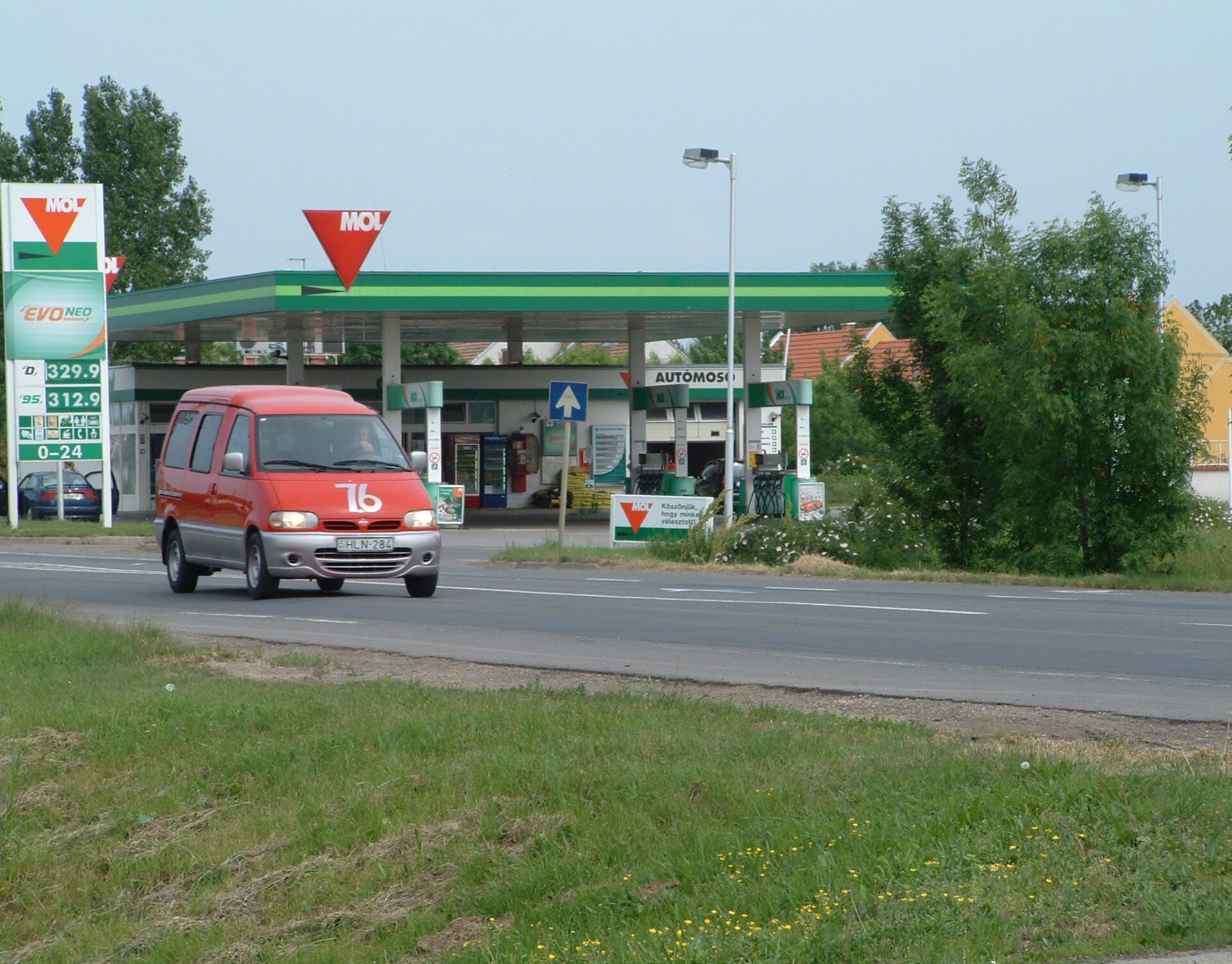
MOL is Hungary’s dominant fuel retailer and the most widely available brand on both motorways and rural roads, alongside international names like Shell and OMV in and around Budapest. Diesel and unleaded petrol are both widely available; prices move with international markets the same as anywhere else in Europe, so check current rates rather than relying on a figure that will be out of date within weeks. Return the car with the same fuel level you received it at (typically full-to-full) unless you’ve deliberately opted into a pre-paid fuel plan at pickup — the pre-paid option is almost always the worse deal unless you’re certain you’ll run the tank close to empty.
Driving into central Budapest: don’t
If your trip is otherwise car-free and you’re only picking up a rental for a day trip out of the city, the sharpest piece of practical advice here is to avoid driving into the historic centre at all — collect the car from an airport or edge-of-town location, route around downtown rather than through it, and return it the same way. Central Budapest’s narrow one-way grid, tram tracks that dominate several key streets, aggressive paid-parking enforcement, and genuinely bad rush-hour congestion combine to make city-centre driving one of the least pleasant parts of an otherwise easy country to drive in.
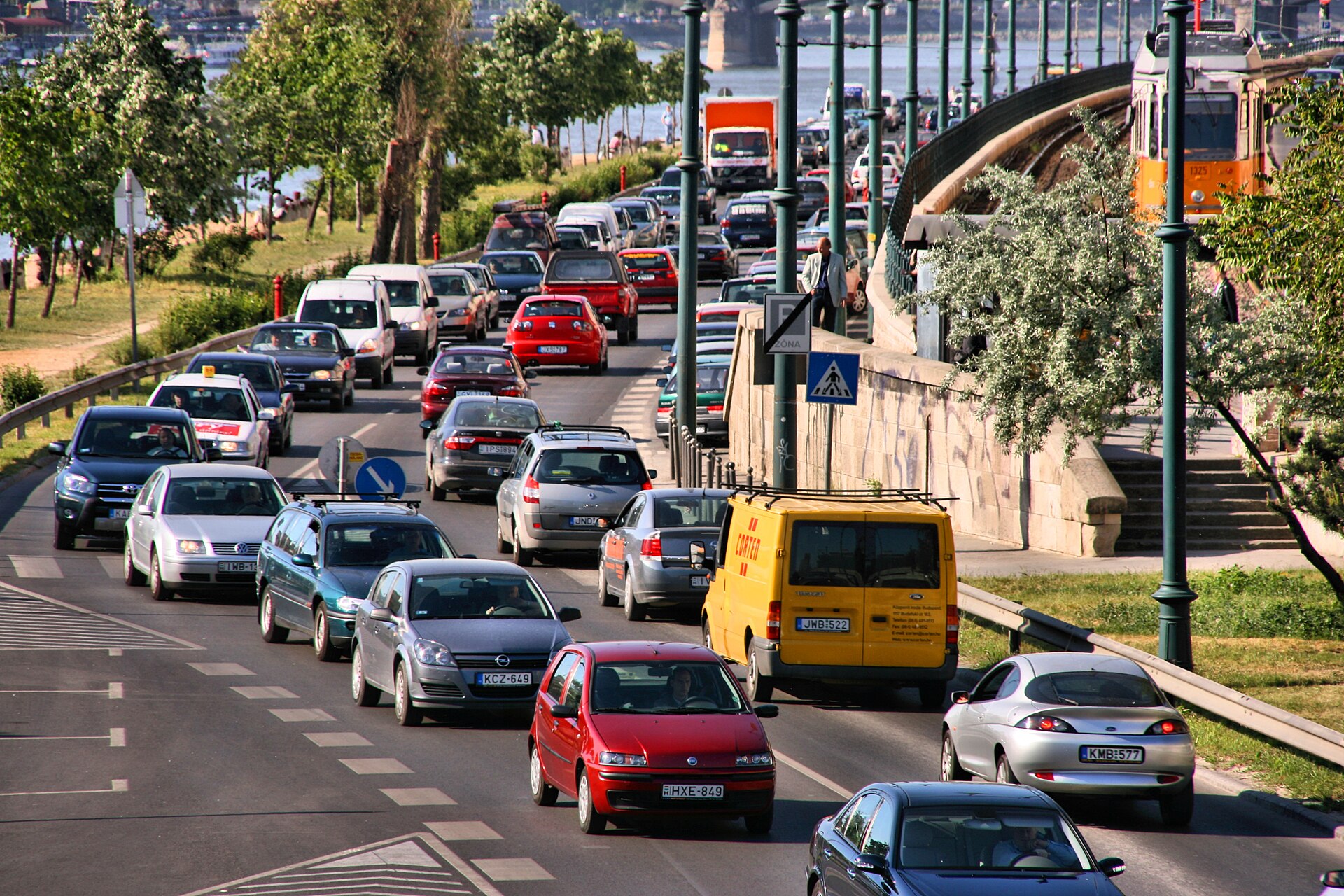
Paid parking operates across four zones in the centre, priced 300–800 HUF per hour depending on zone, enforced weekdays 08:00–20:00 (free outside those hours and on weekends in most zones), with a maximum three-hour stay strictly enforced in the innermost zones — you can’t simply restart a new session in the same spot to extend it. Payment runs through a mobile app, SMS or phone call rather than a physical meter, a system that changed in mid-2026 and can catch out visitors expecting to feed coins into a machine. If you’re only in Budapest itself, the getting around Budapest guide covers the metro, tram and bus network that makes a car genuinely unnecessary for the city portion of most trips.
If something goes wrong
For a breakdown, the rental agreement should include a 24-hour assistance number — call that first rather than a general roadside service, since the agency’s own recovery partner is who ultimately needs to authorise repairs or a replacement vehicle. For an accident, Hungarian law requires you to notify police for any collision involving injury or significant damage; for minor scrapes with no injuries, exchanging details and photographing the scene thoroughly (both vehicles, plates, surrounding road position, any visible damage) is standard practice, and your rental agreement will specify whether a police report is required to process a damage claim even for minor incidents — some agencies insist on one regardless of severity, so check this in the rental terms before you need it. Keep the rental agency’s emergency contact number saved in your phone rather than only in the glovebox paperwork, since that’s not always where you’ll be standing when you need it.
Practical tips
Download the parking payment app for whichever zone you’ll be in before you arrive, since setting it up curbside with no data connection is a frustrating way to start a parking session. Keep a printed or saved copy of your vignette confirmation in the car, even though the system is camera-based and doesn’t require you to display anything — it’s useful if a roadside police check asks for proof. If you’re driving beyond Hungary’s borders, check your rental agreement’s cross-border policy explicitly; some agencies restrict which neighbouring countries a rental car may legally enter, and driving into a restricted country can void your insurance entirely.
GPS and phone navigation both work well throughout Hungary, but download offline maps for your route regardless — rural signal coverage is generally decent but not flawless, and losing navigation on an unfamiliar rural road is a worse problem than it needs to be. Roundabouts are common and follow standard give-way-to-the-right-already-in-the-circle rules found across most of continental Europe; if that’s unfamiliar from home, a few minutes reviewing the rule before you set off beats learning it live in traffic. Toll motorways are clearly signed with blue “M” route numbers (M1, M3, M5, M7 and so on), and the free alternative national roads run in parallel for most routes, typically slower but a reasonable option if you’d rather not buy a vignette for a very short motorway stretch.
The honest verdict
Rent a car for what’s outside Budapest, not for the city itself. The zero-alcohol rule and the vignette system are the two things most likely to catch out a visiting driver, and both are easy to handle once you know they exist — book the right vignette, don’t drink at all if you’re driving that day, and the rest of driving in Hungary is straightforward, well-signed and considerably calmer than the traffic you’ll find on a Budapest street at rush hour. Match the rental to the trip rather than the trip to the rental — a car sitting unused and accumulating parking fees in a hotel garage for three days is money spent solving a problem you didn’t actually have.
Parking is where a hire car in Budapest starts to cost real money, and the rules changed on 1 July 2026: the roadside machines have gone, zone rates rose to as much as 800 Ft an hour, and central zones now have a three-hour limit. The guide to parking in Budapest explains the zones, how to pay by app with a foreign phone, and where you can leave a car all day.
Frequently asked questions
What is the blood alcohol limit for driving in Hungary?
Zero — 0.0 g/l, with no allowance for even a single drink. This is stricter than the 0.05% or 0.08% limits common elsewhere in Europe and North America, and it’s strictly enforced with random roadside breath tests.
Do I need an International Driving Permit to rent a car in Budapest?
EU, UK, US, Canadian and Australian licences are generally accepted on their own, but requirements vary by agency and by your home country — some non-EU licences need an accompanying International Driving Permit. Confirm with your specific rental agency before travelling rather than assuming.
What is Hungary’s e-matrica vignette and do I need one?
It’s Hungary’s camera-based motorway toll system — you buy a vignette covering your travel dates online, via an app, or at a petrol station, and gantry cameras check compliance automatically rather than a physical sticker or toll booth. Yes, it’s required on all Hungarian motorways; check whether your rental price includes one before assuming it does.
Should I drive in central Budapest?
Generally no. Narrow one-way streets, tram tracks, expensive and strictly enforced paid parking, and heavy congestion make central Budapest one of the least pleasant places in the country to drive. Public transport covers the centre well; save a rental car for trips beyond the city.
How much does parking cost in central Budapest?
Rates run 300–800 HUF per hour across four zones, enforced weekdays 08:00–20:00 and free outside those hours in most zones. The innermost zones cap a single stay at three hours, and payment is via app, SMS or phone call rather than a coin-operated meter.
Is a car worth renting for a Budapest-only trip?
Rarely. Public transport covers the city well, parking is expensive and restricted in the centre, and several central streets are difficult to navigate by car. A rental earns its cost once your plans extend to day trips beyond the city — Lake Balaton, the Danube Bend, or across a border — rather than for getting around Budapest itself.
What happens if I’m in an accident with a rental car in Hungary?
For any collision involving injury or significant damage, Hungarian law requires notifying the police. For minor incidents, exchange details and photograph the scene thoroughly. Check your specific rental agreement, since some agencies require a police report to process any damage claim regardless of severity.
Photo credits
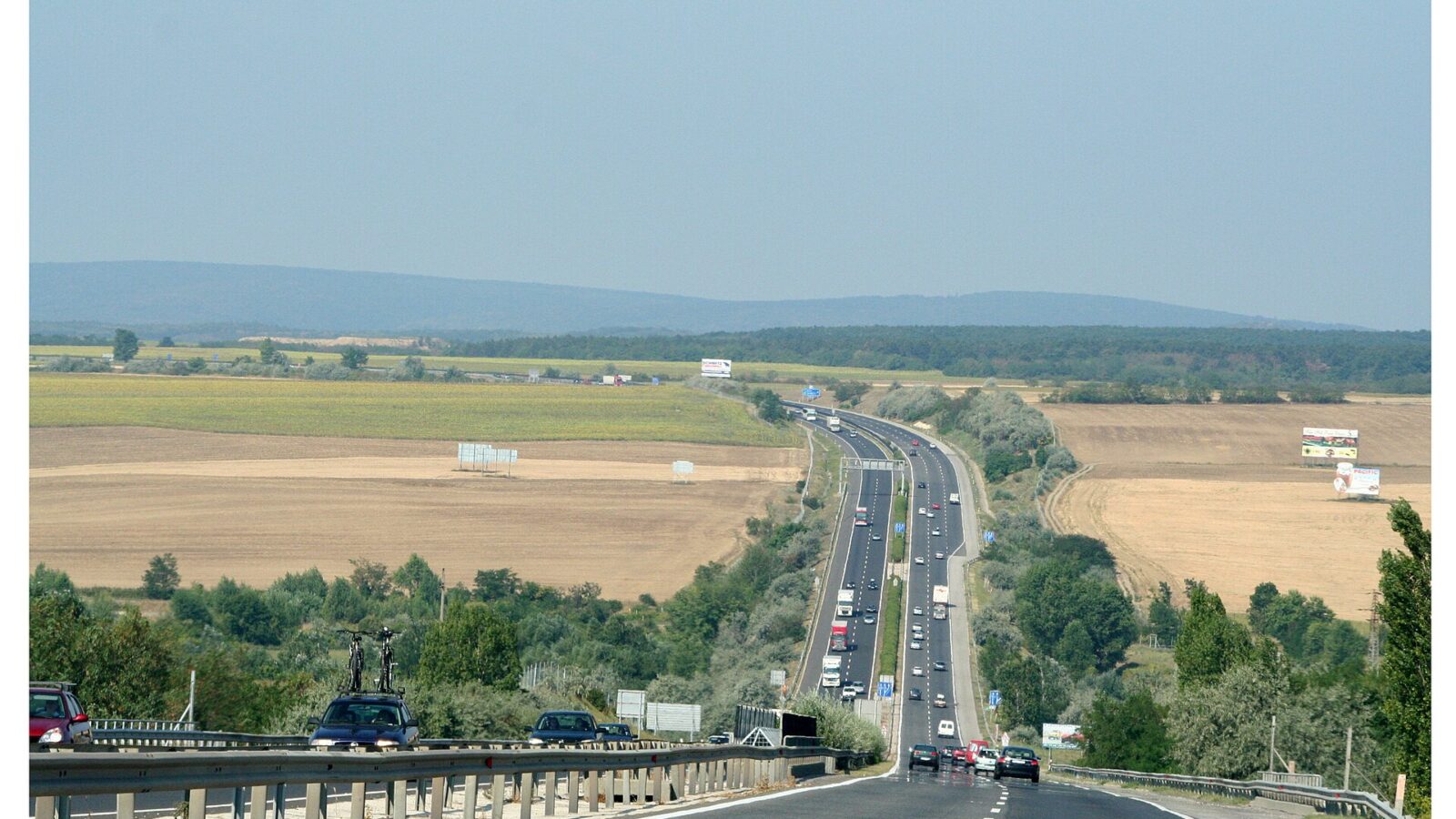
Traffic congestion on a Budapest street beside the Danube by Marek Ślusarczyk (Tupungato), CC BY 3.0, via Wikimedia Commons.
A toll enforcement gantry of the kind used on Hungarian motorways by Cameramann, CC BY-SA 4.0, via Wikimedia Commons.
A MOL fuel station beside a Hungarian road by Ignácz Csaba, CC BY-SA 3.0, via Wikimedia Commons.
A radar-enforced village speed limit sign in Hungary by Globetrotter19, CC BY-SA 3.0, via Wikimedia Commons.