Hungary is in the European Union but not the eurozone, which catches a surprising number of first-time visitors off guard at the airport ATM. The money here is the Hungarian forint, abbreviated HUF or written as Ft, and getting your head around it before you arrive saves you both confusion and a chunk of cash that would otherwise vanish into bad exchange rates. After years of paying for everything from langos at the market to dinners overlooking the Danube, I have a fairly settled routine for handling money in the city, and it comes down to a few simple rules.
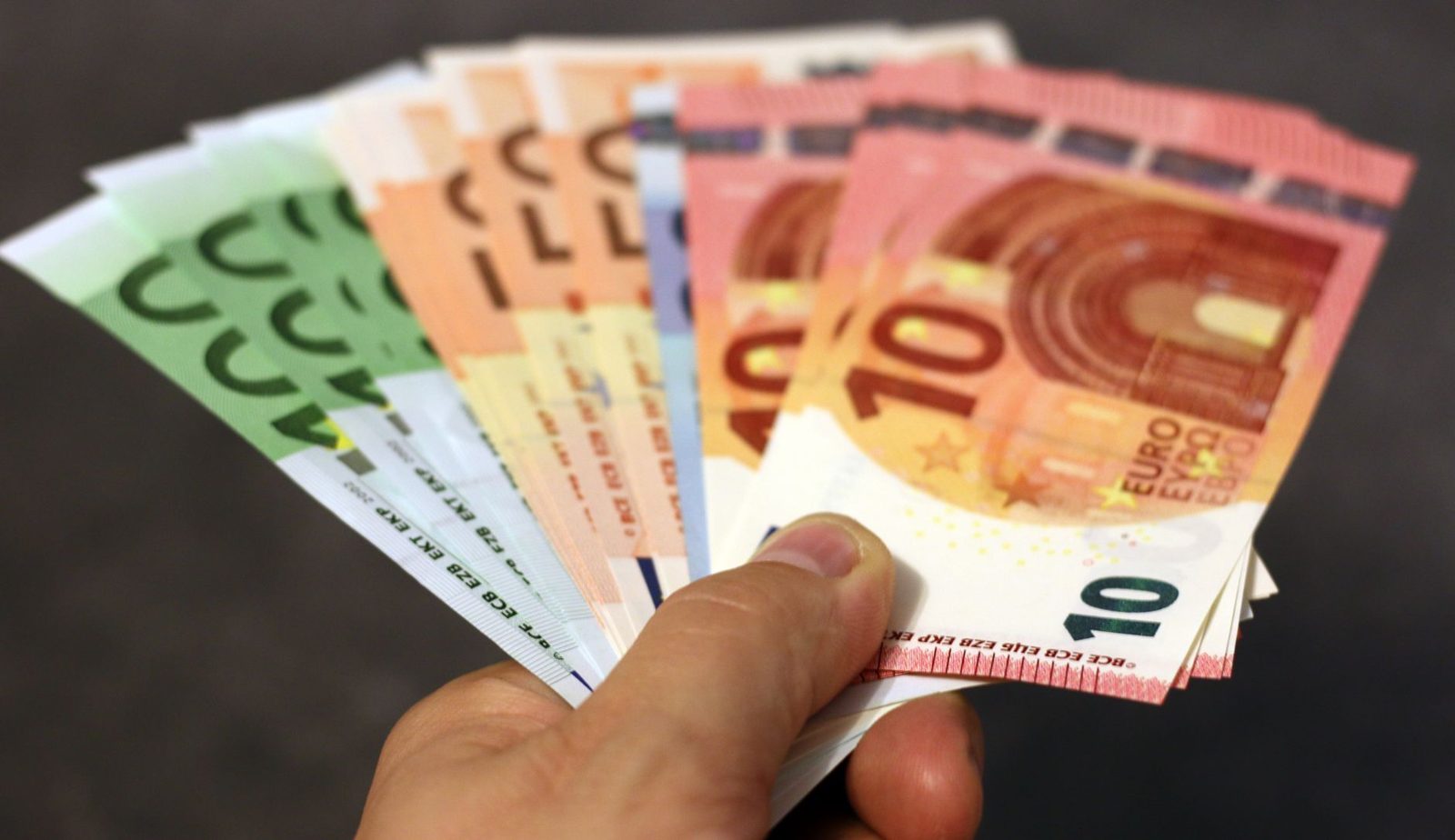
The forint can feel comical at first because the numbers are so big. A coffee might be 1,200, a casual lunch 4,000, a nice dinner 12,000, and you will routinely pull notes with five zeros out of an ATM. It sounds alarming until you internalise the rough conversion, and then it becomes second nature. Below I will walk through the exchange rate as it stands in 2026, the cheapest way to get forints, the traps that quietly overcharge tourists, and how cards, cash and tipping actually work day to day.
Meet the forint
The forint comes in coins of 5, 10, 20, 50, 100 and 200 Ft, and banknotes of 500, 1,000, 2,000, 5,000, 10,000 and 20,000 Ft. The 20,000 note is worth roughly fifty euros, so be a little careful breaking it; smaller shops, markets and cafes sometimes grumble at receiving one for a small purchase. There are no euro prices in everyday life. A few hotels, tourist restaurants and souvenir shops will let you pay in euros, but they set their own poor exchange rate and you almost always lose money doing it, so think of Budapest as a forint-only city and you will not go wrong.
The exchange rate in 2026
As of mid-2026 the euro buys roughly 350 forints, and the US dollar a little over 300, though the forint has actually strengthened by around eight percent against the euro since the start of the year. For quick mental maths I round the euro to 350 and the dollar to 300: a 3,500 Ft museum ticket is about ten euros, a 1,750 Ft beer is about five. The rate does drift, so it is worth glancing at a currency converter the week before you travel rather than trusting a figure you read months ago. Over a short city break the day-to-day wobble barely matters, but it does affect whether a given exchange booth is offering you a fair deal.
Cash or card? Mostly card
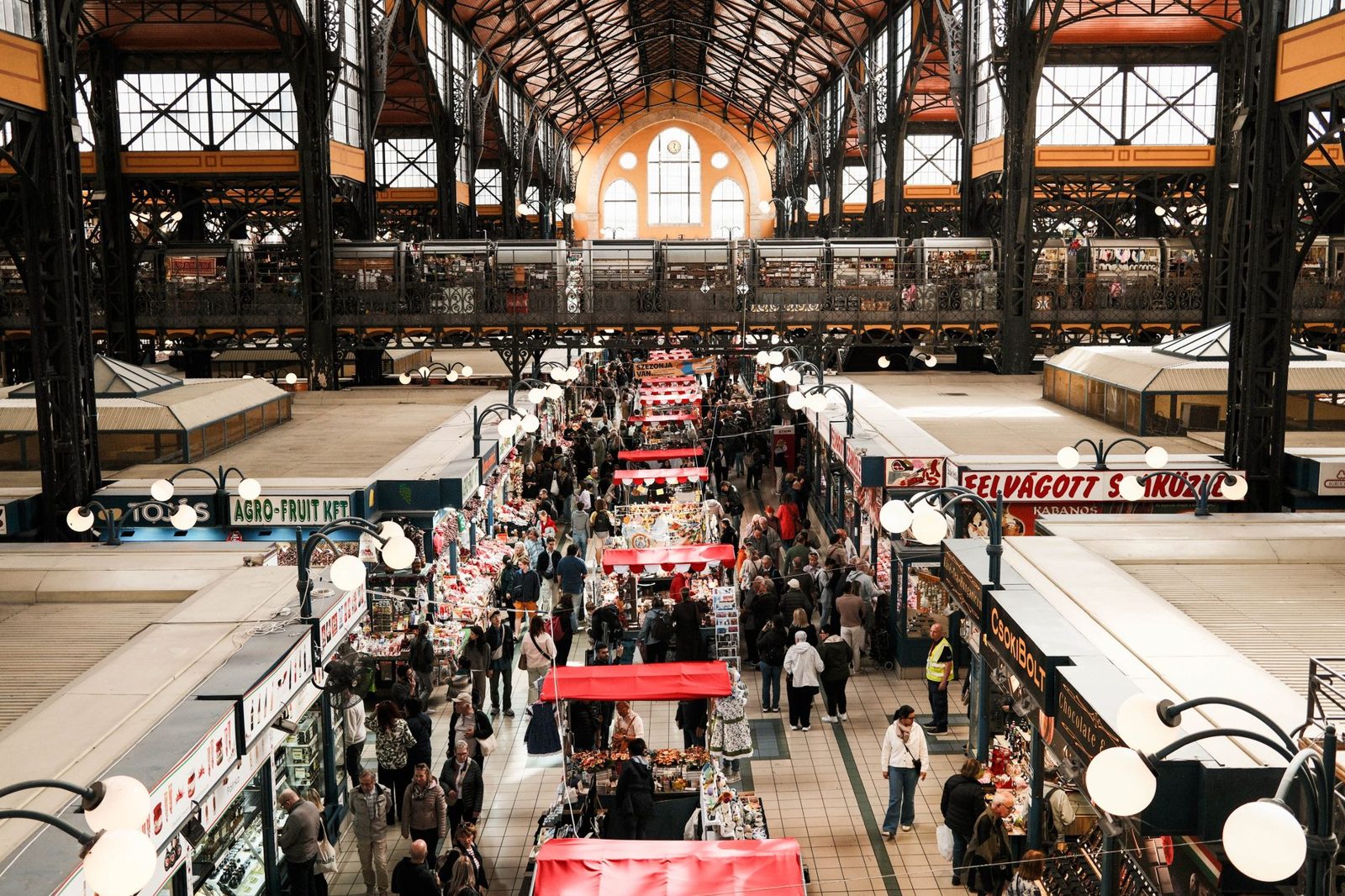
Budapest has become very card-friendly. Visa, Mastercard and contactless payments work in the overwhelming majority of restaurants, shops, supermarkets, museums and even most taxis, and tapping a phone is completely normal. You could spend most of a trip barely touching cash. That said, I always keep some forints on me, because the places that still prefer cash are exactly the charming ones: the produce stalls at the Great Market Hall, smaller neighbourhood bistros, the langos window, public toilets, and the occasional ruin bar at the door. A reasonable rhythm is to put hotels, big restaurants and attractions on a card and keep maybe 20,000 to 30,000 Ft in your pocket for the small stuff.
The cheapest way to get forints
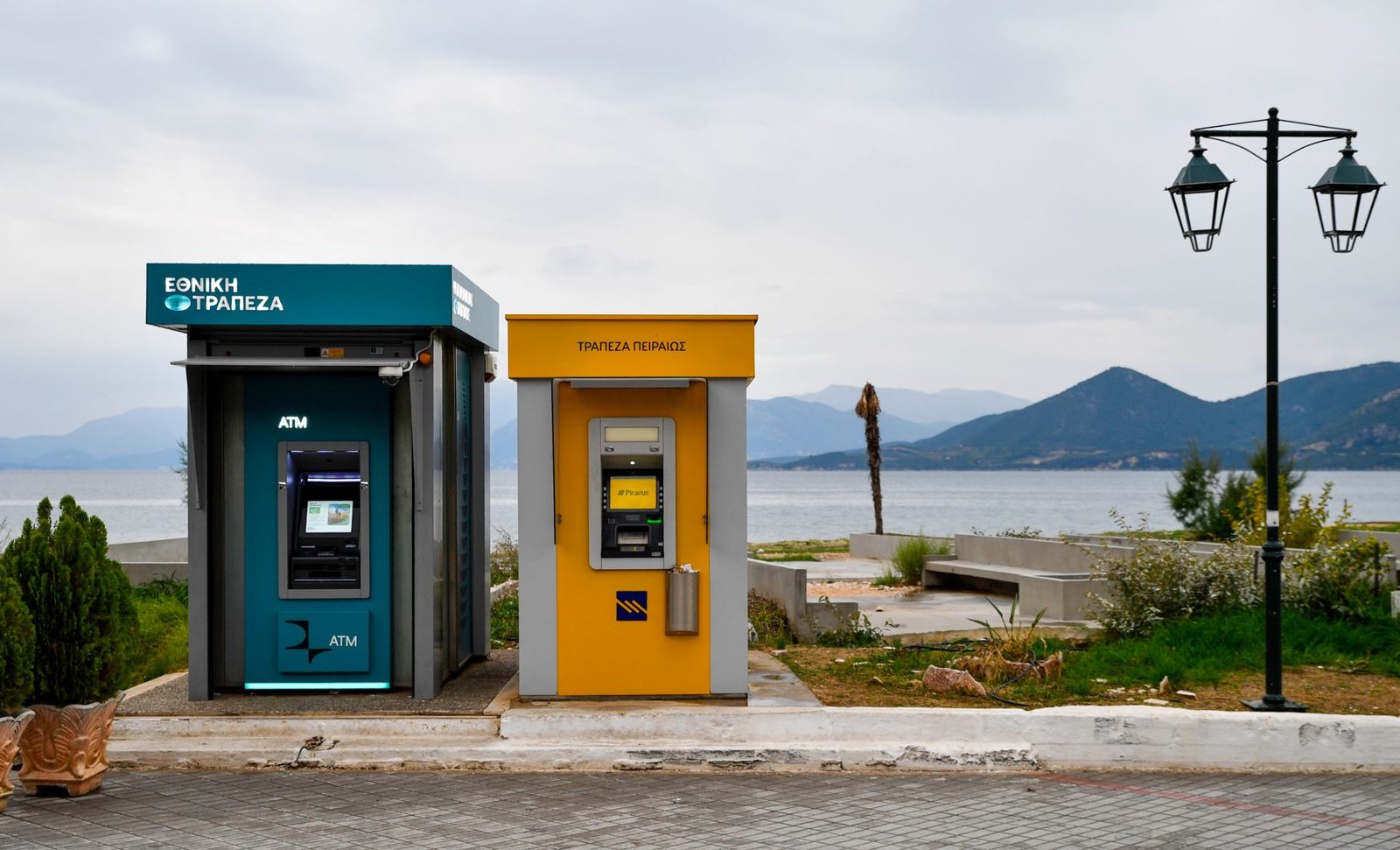
The single best method is to withdraw forints from a proper bank ATM using a debit card, ideally a low-fee travel card. Stick to machines attached to real Hungarian banks — OTP, Erste, Raiffeisen, CIB and K&H are the names to look for — which dispense forints at the interbank rate with modest or no fees. What you want to avoid are the freestanding blue-and-yellow Euronet machines that cluster all over the tourist districts. They are designed to look convenient and they are anything but, layering on hefty fixed fees and pushing predatory currency conversion that can quietly cost you ten percent or more on every withdrawal. Walk one block to a bank machine instead.
The golden rule: always pay in forints
This is the tip that saves the most money for the least effort, and it applies at every ATM and every card terminal in the city. Whenever a machine or a card reader offers to charge you “in your home currency” — euros, dollars, pounds — it is offering dynamic currency conversion, and it always bakes in a worse exchange rate than your own bank would give. Decline it. Choose to be charged in Hungarian forints and let your bank handle the conversion. The prompt is deliberately worded to make the home-currency option look helpful and reassuring; ignore that and pick forints every single time, whether you are withdrawing cash or tapping for dinner.
Exchange offices: where they help and where they hurt
If you prefer to bring cash and change it, the quality of exchange offices varies wildly. The worst rates in the city are, predictably, at the airport and the main train stations, where you should change only the bare minimum to get into town if you change anything at all. The reputable independent offices clustered around Deák Ferenc tér and Astoria offer rates close to the mid-market figure; always check the buy and sell columns on the board, ask for the exact amount you will receive after any commission, and count your forints before you walk away. Never, ever change money with the freelancers who loiter near exchange windows offering a “better rate” on the street — that is a classic Budapest scam, and you may walk off with worthless foreign notes instead of forints. There is more on dodging these tricks in our guide to whether Budapest is safe.
Should you bring euros from home?
A common question, and the answer is mostly no. Bringing a small euro float as a backup is sensible — fifty or a hundred euros tucked away covers you if a card is lost or swallowed — but planning to spend euros is a false economy because the places that accept them give you a dismal rate. Equally, do not order a big pile of forints from your home bank before flying, since that exchange counter rarely beats a Budapest bank ATM. The efficient plan is to land with a backup of euros, withdraw forints from a bank machine once you arrive, and run cards for everything else.
| What you are paying for | Typical price (2026) | Roughly in euros |
|---|---|---|
| Single transport ticket | 500 Ft | €1.40 |
| Espresso in a cafe | 900–1,400 Ft | €2.50–4 |
| Langos at the market | 1,000–1,800 Ft | €3–5 |
| Pint of craft beer | 1,400–1,800 Ft | €4–5 |
| Casual lunch for one | 3,500–5,000 Ft | €10–14 |
| Dinner with wine for two | 20,000–30,000 Ft | €57–86 |
| Thermal bath day ticket | ~13,000 Ft | ~€37 |
Tipping in Budapest
Tipping is expected in sit-down restaurants and bars, with around 10 to 15 percent being the norm for good service. Two local quirks are worth knowing. First, an increasing number of restaurants now add a service charge of around 12.5 percent directly to the bill; if you see it, you do not need to tip on top, so always scan the receipt. Second, the customary way to tip is not to leave coins on the table but to tell the server the total you want to pay, including the tip, when you hand over your card or cash. If your bill is 9,000 Ft and you want to add ten percent, you say “10,000” as you pay. For taxis, rounding up is enough; for housekeeping and tour guides, a small cash tip is a kind gesture rather than an obligation.
The tourist tax and other small costs
One charge that surprises people appears at checkout: Budapest levies a tourist tax of four percent of the room rate per night on accommodation, and many hotels and apartments collect it separately from your booking total, often in cash. It is small but worth budgeting for. Otherwise the everyday extras are minor — a few hundred forints for a public toilet, a small deposit on some festival cups — and easily covered by the cash float I suggested above. To see how all of this adds up across a trip, pair this with our breakdown of how much Budapest costs.
A quick money checklist
- Use a debit card to withdraw forints from a real bank ATM (OTP, Erste, Raiffeisen, CIB, K&H).
- Avoid the blue-and-yellow Euronet machines and their hidden fees.
- At every ATM and card reader, choose to be charged in forints, never your home currency.
- Pay by card for most things; keep 20,000–30,000 Ft cash for markets, small bistros and tips.
- Change cash only at reputable offices near Deák tér or Astoria, never with street touts.
- Bring a small euro backup, but plan to spend forints.
- Check restaurant bills for an included service charge before adding a tip.
Handle money this way and the forint stops being intimidating within a day. Get your cash from a bank ATM, keep cards as your default, decline every offer to convert into your own currency, and you will spend your forints on goulash and bath tickets rather than on fees. Slot this into the wider Budapest trip planning guide and the practical first-timer tips, and the money side of your trip will run quietly in the background, exactly as it should.
Frequently asked questions
What currency does Budapest use — can I pay in euros?
Budapest uses the Hungarian forint (HUF). Hungary is in the EU but not the eurozone. A few tourist-facing businesses accept euros, but at poor rates, so you are better off paying in forints almost everywhere.
What is the best way to get Budapest currency?
Withdraw forints from a bank-branded ATM (OTP, Erste, Raiffeisen, CIB or K&H) with a low-fee debit card, and always choose to be charged in forints. This consistently beats airport counters, hotel desks and the Euronet machines.
Should I use cash or card in Budapest?
Cards and contactless are accepted almost everywhere, so card can be your default. Keep some cash for markets, small restaurants, the langos stand, tips and the occasional cash-only spot.
How much is the euro worth in forints in 2026?
In mid-2026 one euro is worth roughly 350 forints and one US dollar a little over 300, though the rate drifts, so check a converter shortly before you travel.
How much should I tip in Budapest?
Around 10 to 15 percent in restaurants and bars for good service, given by telling the server the total including the tip. Check first whether a service charge of about 12.5 percent has already been added to your bill.
Last updated June 2026. Photos: Pixabay (Pexels); Margo Evardson (Pexels); Andrea Piacquadio (Pexels); Airam Dato-on (Pexels).
Leave a Reply