Budapest Travel Tips: 25 Best Essential Tips From a Local (2026)
The Budapest travel tips that save you money and hassle: currency, transport, safety, baths, tipping, scams, connectivity and the things first-timers wish they'd known.
In this guide
- Money and currency
- Getting around
- Staying safe
- The thermal baths
- Eating and drinking
- Tipping etiquette
- Language and etiquette
- Staying connected
- When to visit
- Practical odds and ends
- Money-saving quick wins
- Health, pharmacies and emergencies
- Tips for families, solo and LGBTQ travellers
- Making the most of day trips
- What surprises first-time visitors
- Frequently asked questions
This article contains advertising. Our booking links are routed through a partner that adds commission tracking automatically, so if you book through one we earn a commission from the provider, at no extra cost to you. It never affects what we recommend. Affiliate disclosure
A handful of Budapest travel tips will save you money, time and the odd rookie mistake, and make a great city even easier to enjoy. Budapest is safe, affordable and welcoming, but it has its quirks: a currency that is not the euro, a bath culture with unwritten rules, tap-water that is fine to drink, and a few tourist traps worth sidestepping. This guide gathers everything I wish someone had told me before my first visit, grouped so you can skim what you need.
Treat this as your pre-trip cheat sheet, then dive into the specifics via our Budapest travel guide. Here are the tips that matter most.
Money and currency
Hungary uses the forint (HUF), not the euro, so do not assume euros are welcome, while some tourist spots accept them, you will get a poor rate. Pay by card widely (it is accepted almost everywhere), but always choose to be charged in forints, not your home currency, when the card machine asks, the “convenience conversion” rate is bad. Withdraw cash from bank ATMs rather than the blue Euronet tourist machines, which charge high fees, and avoid airport and street currency-exchange booths. Carry a little cash for markets, small cellars, tips and the occasional cash-only spot. Our currency guide goes deeper.
Getting around
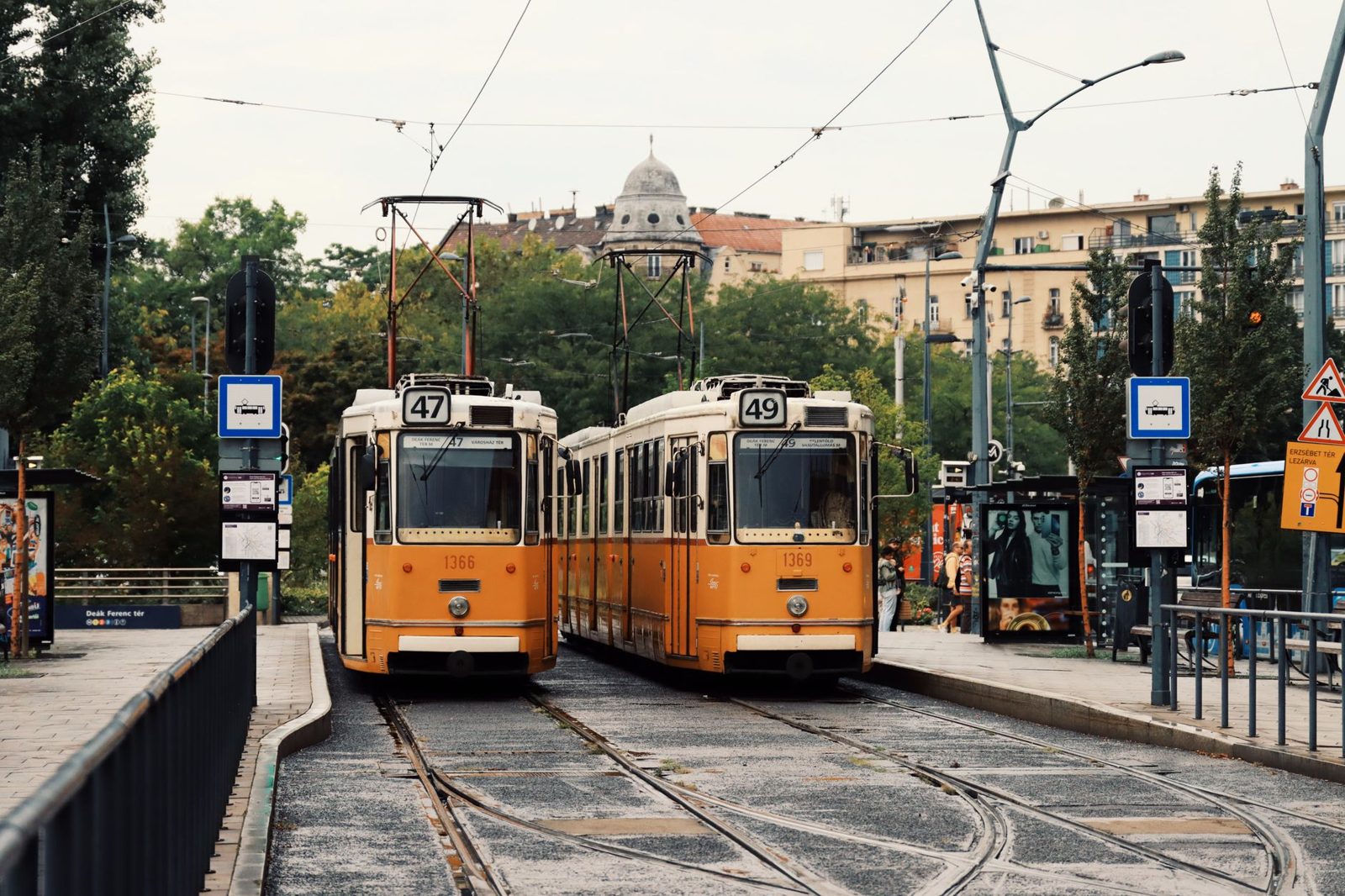
Budapest’s public transport, metro, trams, buses and trolleybuses, is cheap, frequent and the best way to get around; buy a travelcard (24/72-hour, or the monthly pass for a week or more) rather than singles if you are riding often, and always validate your ticket. Walking covers much of the compact centre. For taxis, use the Bolt app or a licensed company rather than hailing on the street, and never get into an unmarked “taxi” touting outside stations or clubs. From the airport, the 100E bus is a bargain into the centre. See our transport and airport transfer guides.
Staying safe
Budapest is a safe city by European standards, with low violent crime. The main risks are petty: pickpocketing in crowded tourist spots and on transport, and a few well-known scams (overpriced bars, dodgy taxis, “free” roses or bracelets that aren’t). Keep valuables secure, be wary of overly friendly strangers steering you to a particular bar, and you will be fine. Our is Budapest safe guide covers the specifics and the scams to know.
The thermal baths
The baths are a highlight, but they catch first-timers out. Bring a swimsuit (required in co-ed areas), flip-flops and a towel, and learn the wristband-locker system before you go. Book online to skip queues and save money, and go early or late to dodge crowds. Each bath has a different character, our bath comparison helps you choose, and the etiquette guide covers the rules. Note that Gellért and Király baths are currently closed for renovation.
Eating and drinking
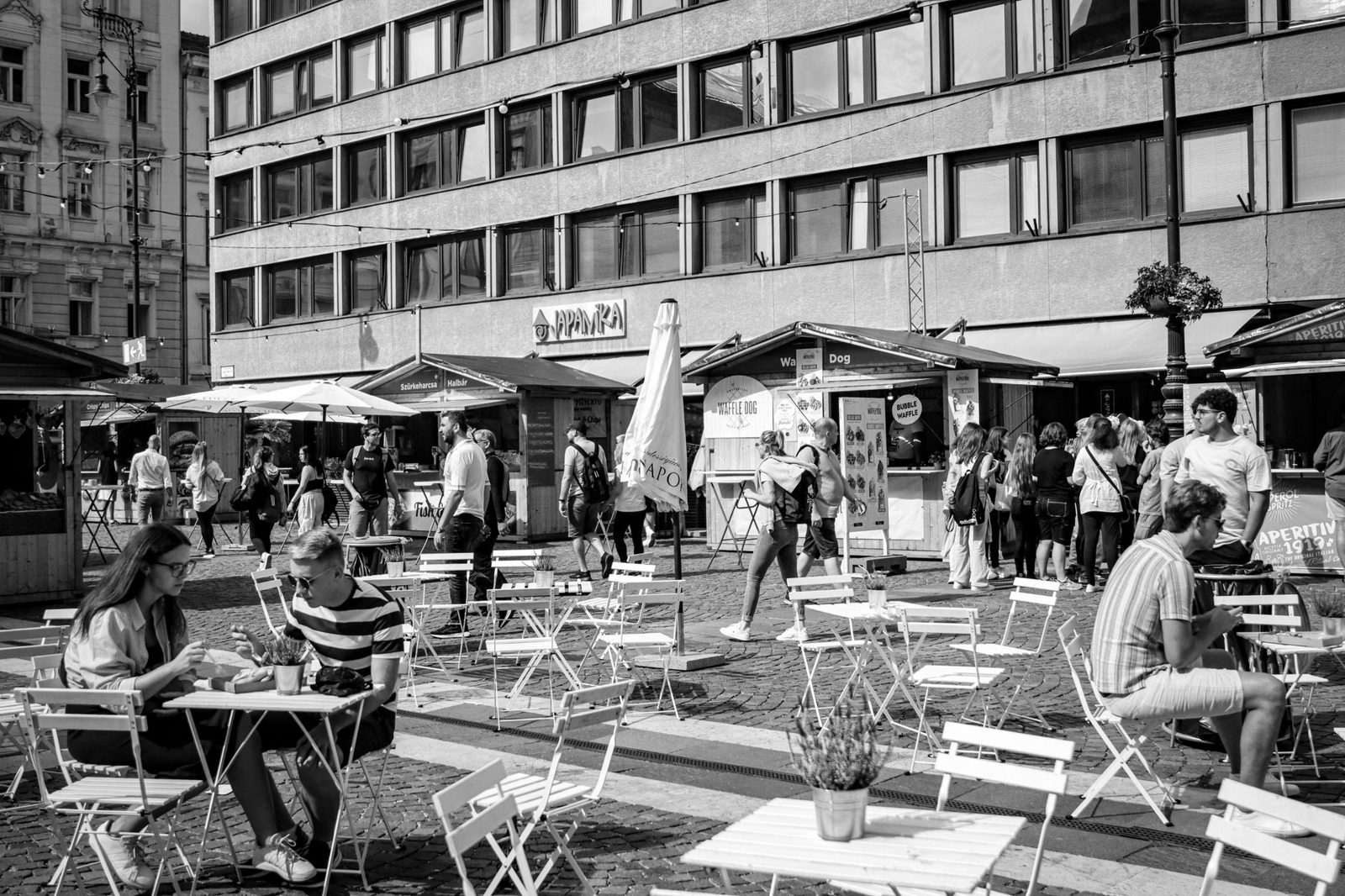
Eat well and cheaply by following a few rules: seek out the daily set lunch (napi menü) for the best value, avoid restaurants with touts and laminated picture menus right by the big sights, and do not be shy of simple local spots. Tap water is safe and free, ask for it rather than paying for bottled. Tipping is customary, around 10% (check whether service is already added). Try the local wine and the ruin bars rather than imported brands and tourist-trap bars. Our food guide points the way.
Tipping etiquette
Tipping is expected but modest. In restaurants and bars, around 10% is standard, leave it in cash or tell the server the total you want to pay (do not just leave coins on the table in some places). Check your bill first, as some restaurants add a service charge, in which case an extra tip is not needed. Round up for taxis, and tip a bath masseur or a free-tour guide if they did a good job. Our currency guide has the details.
Language and etiquette
Hungarian is famously difficult, but you do not need to speak it, English is widely understood in tourist areas, especially among younger people. Still, a few words go a long way: “szia” (hi/bye), “köszönöm” (thank you), “kérem” (please). A traditional toast is “egészségedre” (cheers, good luck pronouncing it). Hungarians can seem reserved at first but are warm once engaged. A small cultural note: clinking beer glasses was historically avoided for patriotic reasons, though this is fading.
Staying connected
Free Wi-Fi is widespread in cafés, hotels and public spaces. For data on the go, an eSIM or cheap local SIM is easy and inexpensive, just do not buy at the airport. EU visitors can usually roam free under their home plan. See our SIM card and eSIM guide for the best options.
When to visit
Each season has its charm: summer is lively but hot and busy, winter brings steaming baths and Christmas markets with low-season prices, and spring and autumn offer the best balance of weather and crowds. The baths are wonderful year-round (especially in the cold). Our best time to visit guide breaks it down month by month.
Practical odds and ends
- Tap water is safe and good, skip bottled.
- Pharmacies (gyógyszertár) are common for minor needs.
- Public toilets sometimes charge a small fee, carry coins.
- Smoking is banned indoors in public venues.
- Shops and some attractions keep shorter hours on Sundays.
- The emergency number is 112 (EU-wide).
- Validate transport tickets or risk a fine from inspectors.
- Carry your passport or a copy as ID.
Money-saving quick wins
- Buy a travelcard instead of single transit tickets if riding more than a few times a day.
- Eat the daily set lunch (napi menü) for the cheapest hot meal.
- Choose the cheaper baths (Lukács, Veli Bej) and book online.
- Drink Hungarian wine and beer rather than imports.
- Take the 100E airport bus, not a taxi.
- Always pay in forints and use bank ATMs, not Euronet machines.
- Visit in the January–February low season for the cheapest rates.
Our budget guide turns these into a full daily plan.
Health, pharmacies and emergencies
Budapest is a healthy, low-risk destination. Tap water is safe to drink, and pharmacies (gyógyszertár) are plentiful for minor ailments, with some open late or 24 hours. EU visitors should carry their EHIC/GHIC card; everyone else should have travel insurance, as private clinics are quick but charge. The universal emergency number is 112. Keep a copy of your passport and any important medications in their original packaging. None of this is cause for worry, just sensible preparation for any trip.
Tips for families, solo and LGBTQ travellers
Budapest works well for most travellers. Families will find plenty of kid-friendly attractions and family baths (see our Budapest with kids guide), though note some historic baths restrict children. Solo travellers, including solo women, generally find the city comfortable and easy, with the usual big-city night-time caution. Budapest has a visible and welcoming LGBTQ scene, particularly around the inner districts, though attitudes can be more conservative than in Western Europe, so discretion in very public settings is sometimes wise. Overall it is a relaxed, friendly city to explore however you travel.
Making the most of day trips
Budapest is a superb base for day trips, the Danube Bend, Szentendre, Eger and Lake Balaton are all within easy reach by train. Buy train tickets via the MÁV app or at the station, reserve seats on InterCity services, and check return times so you are not stranded. Our day trips guide covers the best escapes and how to reach each.
What surprises first-time visitors
A few things catch people off guard, in good and bad ways. The baths really are as wonderful as the photos. The city is bigger and grander than expected, with elegant boulevards and a serious café culture. Prices are low but rising, and the touristy centre is pricier than a few streets away. Ruin bars are unique and worth seeking out. And the two famous baths everyone has seen, Gellért and Király, are sadly closed for now, so plan around the open ones.
Two of the tips above — never hail a taxi in the street, and buy a travelcard rather than singles — have enough detail behind them to need their own page. Our guide to getting around Budapest has the regulated taxi tariff, the current BKK fares and the night bus network in full.
One tip worth its own page: check what the city pass actually covers before you buy it. Our Budapest Card guide has the current prices and the arithmetic, including the detail that catches most people out — the thermal baths are discounted, not included.
If you’re driving, read up on parking before you arrive rather than on the pavement. Budapest removed its parking machines in July 2026, so street parking is now paid by app, web, SMS or phone, and the SMS option only really works with Hungarian numbers. The parking guide explains how to set it up with a foreign phone and card, and when parking is free.
Frequently asked questions
What should I know before visiting Budapest?
That it uses the forint (not the euro), is safe but has petty scams to avoid, has world-class thermal baths worth packing a swimsuit for, and rewards paying in forints, using bank ATMs, and eating where locals do.
Is English spoken in Budapest?
Yes, widely in tourist areas, restaurants and among younger people. A few Hungarian pleasantries are appreciated but not necessary to get by.
Do you tip in Budapest?
Yes, around 10% in restaurants and bars (check if service is already included), rounding up for taxis, and a tip for good service from guides or masseurs. Cash is appreciated.