Budapest Fashion: Best 2026 Designers & Shopping Streets
A 2026 guide to Budapest fashion - Hungarian designers from Nanushka to Vass Shoes, the best shopping streets, independent boutiques and vintage stores.
In this guide
- Nanushka: the one that went global
- The designers worth seeking out
- Heritage on your feet: Vass and Tisza
- Fashion Street and Deák Ferenc utca
- Andrássy Avenue: the luxury mile
- Váci utca: an honest take
- Király utca and the independent quarter
- Vintage and concept stores
- Malls, if it rains
- Where to shop for what
- Catching the fashion calendar
- Practical shopping tips
- Is Budapest good for fashion shopping?
- Jewellery, accessories and design objects
- Pairing shopping with a coffee break
- Frequently asked questions
This article contains advertising. Our booking links are routed through a partner that adds commission tracking automatically, so if you book through one we earn a commission from the provider, at no extra cost to you. It never affects what we recommend. Affiliate disclosure
Most people don’t fly to Budapest to shop for clothes — they come for the baths, the ruin bars, the goulash. But spend a slow afternoon drifting between the boutiques off Andrássy Avenue and the independent studios of the Jewish Quarter, and you’ll discover a fashion scene that punches far above the city’s reputation. Hungary has quietly produced one genuinely global label and a deep bench of designers working in a distinctive, pared-back, slightly melancholic Central European register.
I’ve spent a few happy afternoons here ducking in and out of stores, and the appeal is that it still feels like discovery rather than a luxury conveyor belt. You get internationally known names, heritage shoemakers, sharp young independents and proper vintage, all within walking distance and mostly without the crowds you’d fight in Milan or Paris. Here’s where to look.
Nanushka: the one that went global
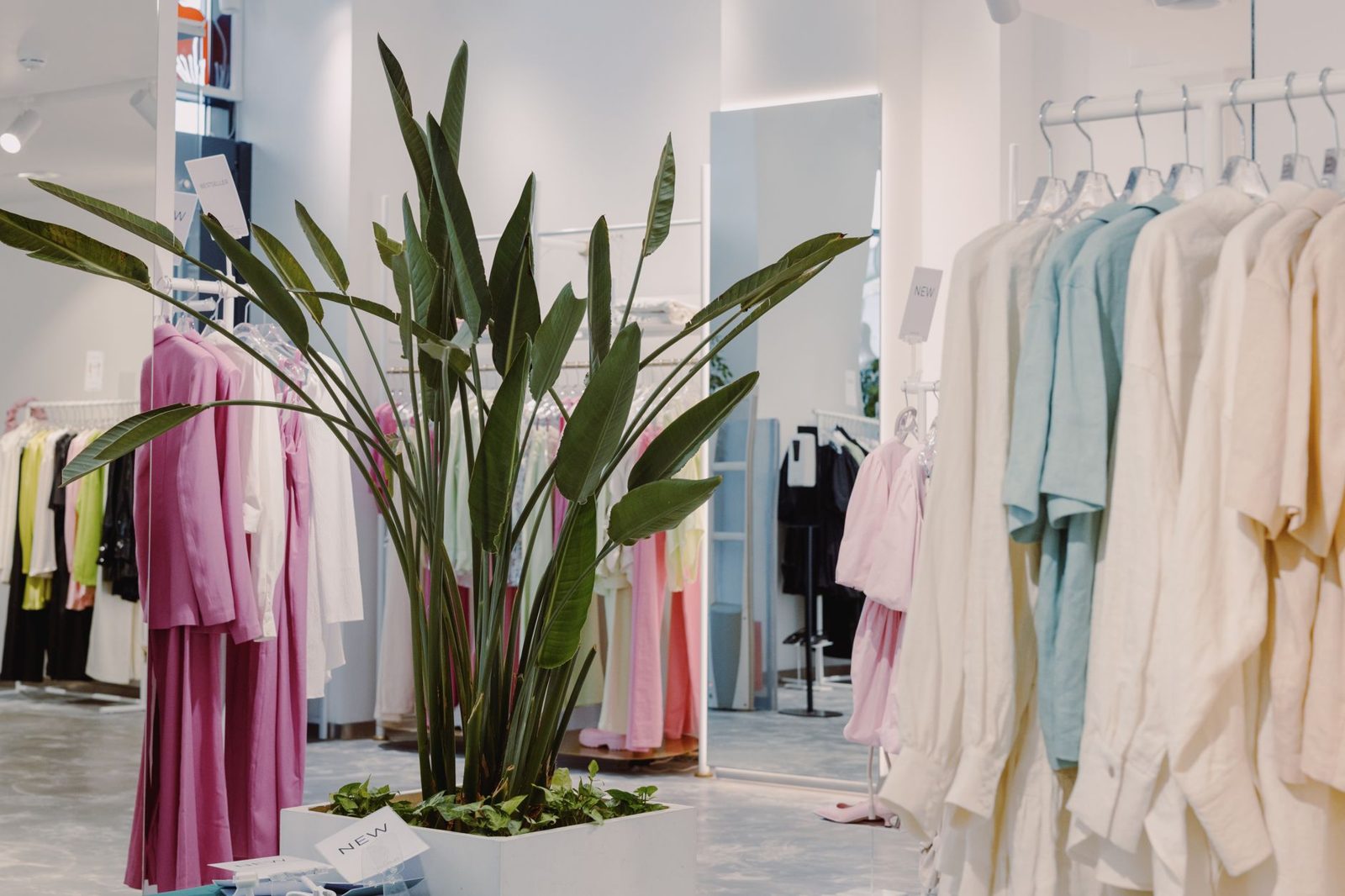
If you know one Hungarian label, it’s Nanushka. Founded by designer Sandra Sándor, it grew from a Budapest studio into a brand stocked in fashion capitals worldwide, best known for its sculptural “vegan leather” puffer jackets and that effortless, slightly bohemian tailoring. The flagship store sits in the heart of District V, and — very Budapest — it comes with its own café, so you can browse the collection and then sit down for a coffee among the racks. Even if you’re not buying, it’s worth a look as a piece of homegrown design that made good.
The designers worth seeking out
Beyond Nanushka, a cluster of Hungarian names reward the curious. AERON has built an international following on refined knitwear and clean leather pieces. Nubu, founded by Judit Garam, trades in minimalist tailoring with clean lines and timeless cuts, with a presence on Andrássy and in the Buda malls. Dóri Tomcsányi makes bold, characterful womenswear that’s been a fixture of the local slow-fashion world for years, while NON+, by Sarolta Kiss, pursues a sustainable, less-is-more philosophy.
For something more directional, look up Je Suis Belle, a runway label from a designer duo, and Use Unused for contemporary unisex pieces. What ties the scene together is a recognisable sensibility — muted palettes, considered construction, a certain understated cool — that feels distinct from the louder fashion of Western Europe.
Heritage on your feet: Vass and Tisza
Two very different Hungarian footwear names are worth a detour. Vass Shoes has been hand-making bespoke and ready-to-wear men’s shoes since 1896; their small shop near Váci utca is a pilgrimage for anyone who appreciates Goodyear-welted craftsmanship, and prices, while serious, undercut the famous London makers. At the other end of the spectrum, Tisza Shoes is a reborn socialist-era sneaker brand — its retro trainers and bags, stamped with the distinctive “T” logo, have become a cult design souvenir and a slice of Hungarian pop nostalgia.
Fashion Street and Deák Ferenc utca
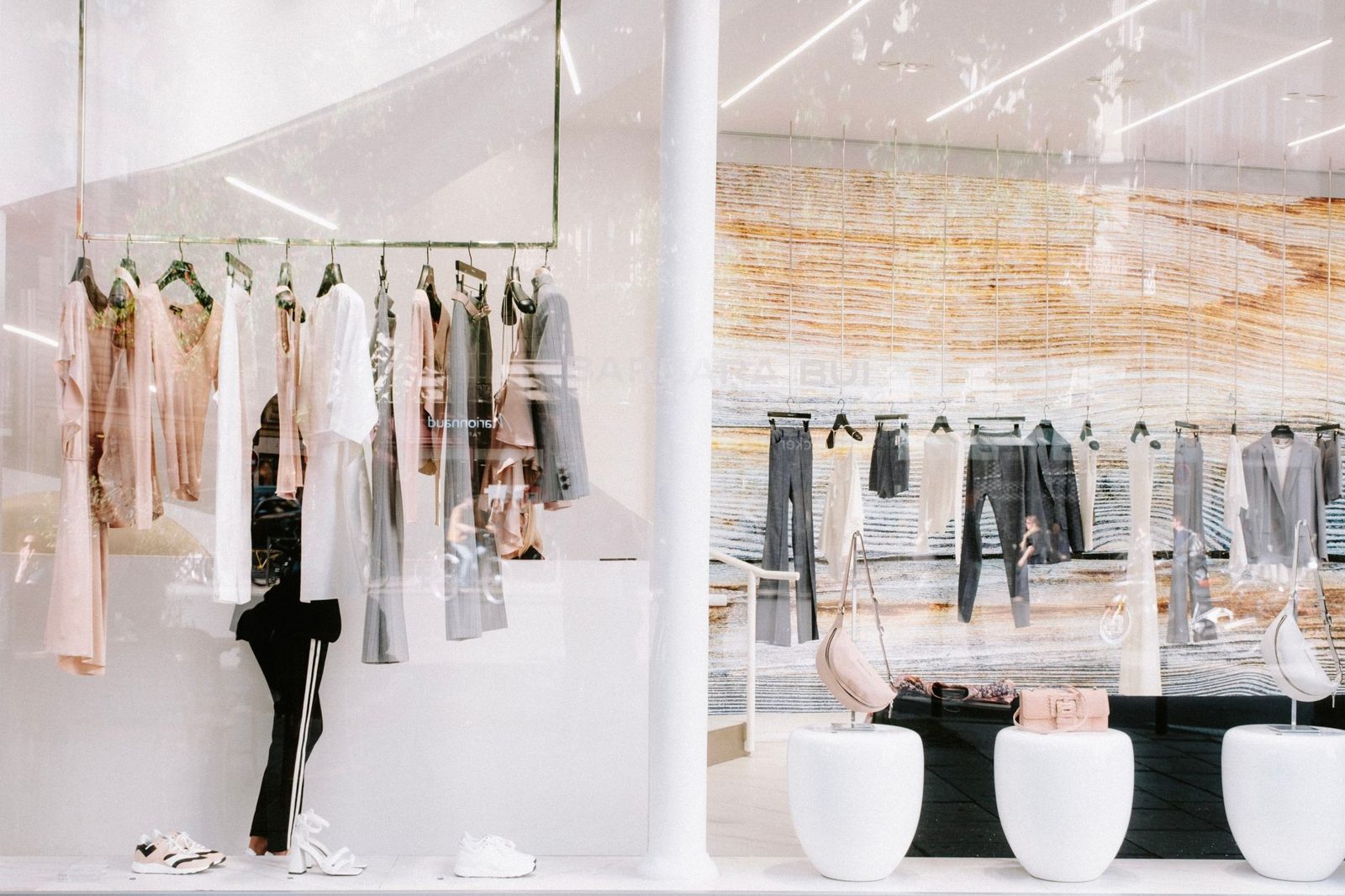
For mainstream international labels in an elegant setting, head to Deák Ferenc utca, officially branded “Fashion Street,” which runs between Vörösmarty tér and Deák Ferenc tér. It’s a short, smart pedestrian stretch lined with the likes of Hugo Boss, Massimo Dutti and similar premium high-street names, with cafés spilling onto the pavement. It’s the most concentrated, comfortable place to shop brands you’ll recognise, and it sits right in the centre near the start of our recommended walking routes.

Andrássy Avenue: the luxury mile
Budapest’s grandest boulevard, the UNESCO-listed Andrássy Avenue, is sometimes called the city’s Champs-Élysées, and its lower stretch near the centre is where the global luxury houses cluster — Louis Vuitton, Gucci and their neighbours occupy beautiful nineteenth-century facades. Even window-shopping here is a pleasure thanks to the architecture; the avenue is a showcase of the city’s Art Nouveau and eclectic heyday, which we explore in our Art Nouveau guide. Stroll up toward the Opera House and you’re combining sightseeing with shopping in one elegant walk.
Váci utca: an honest take
Every guidebook sends you to Váci utca, the long pedestrian spine of the old town, and you’ll inevitably end up there. It’s pretty and lively, with a mix of mid-market chains, souvenir shops and cafés, but be clear-eyed: it’s the most touristy shopping street in the city, prices skew higher, and the “folk craft” on offer is variable. Enjoy it for the atmosphere and the people-watching, do your serious shopping elsewhere, and you won’t be disappointed.
Király utca and the independent quarter
For genuinely interesting independent shopping, walk the length of Király utca and the surrounding streets of the District VII Jewish Quarter. This is the city’s design heartland: small concept stores, local labels, jewellery studios and homeware mixed in among the ruin bars and cafés. It pairs perfectly with a wander through the area’s history and street art, covered in our Jewish Quarter guide. Over in Buda, the Bartók Béla út stretch has its own smaller cluster of designer and craft shops.

Vintage and concept stores
Budapest has a strong second-hand and concept-store culture. Retrock is the best-known vintage destination, a rambling spread of curated retro, reworked pieces and emerging designers. Printa, in the Jewish Quarter, blends an eco-conscious screen-printing studio with a shop and café, selling sustainable apparel and design objects. For digging deeper — and cheaper — the city’s flea markets are a treasure hunt; our flea market guide tells you where to go and when.
Malls, if it rains
When the weather turns, the shopping centres cover the international high-street basics. WestEnd by Nyugati station and Arena Mall are the big central options, while MOM Park and Allee over in Buda lean slightly more upscale. They’re unremarkable but practical, with the usual global chains, food courts and cinemas under one roof.
Where to shop for what
| If you want… | Go to… |
|---|---|
| Homegrown designer labels | Nanushka & boutiques in District V / VII |
| Global luxury houses | Andrássy Avenue |
| Premium high-street brands | Deák Ferenc utca (Fashion Street) |
| Independent & concept stores | Király utca, Jewish Quarter |
| Handmade shoes | Vass Shoes, near Váci utca |
| Vintage & second-hand | Retrock, flea markets |
| Rain-proof high street | WestEnd, Arena Mall, MOM Park |
Catching the fashion calendar
If your timing is lucky, the Budapest Central European Fashion Week runs twice a year, in spring and autumn, showcasing regional designers and turning parts of the city into pop-up runways and showrooms. It’s a good moment to see where Hungarian and Central European fashion is heading, and some events are open to the public. Even outside fashion week, the city’s design scene keeps a steady drumbeat of trunk shows and studio openings, especially in District VII.
Practical shopping tips
- Claim your VAT refund. Non-EU visitors can reclaim VAT on larger purchases — ask the shop for a tax-free form and keep your receipts for the airport.
- Pay in forints. If a card machine offers to charge you in your home currency, decline; paying in HUF avoids a poor built-in exchange rate.
- Check opening hours. Many independent boutiques keep shorter hours and some close on Sundays, while malls stay open daily.
- Mind the sizing. Hungarian and EU sizing differs from US and UK; try things on rather than trusting the label.
- Combine with sightseeing. The best shopping streets double as some of the prettiest walks, so build a route rather than a shopping sprint.
Is Budapest good for fashion shopping?
For homegrown design, yes — emphatically. You won’t find the sheer density of a Milan or a Paris, and if you’re only after global luxury logos you’ll do it faster elsewhere. But for discovering an under-the-radar design culture, picking up a Nanushka piece on its home turf, commissioning handmade shoes or unearthing vintage in the Jewish Quarter, Budapest is a quietly excellent and refreshingly affordable place to shop. Fold it into a day that mixes boutiques with neighbourhoods and cafés — our neighbourhoods guide and the wider Budapest shopping guide show you how — and it becomes one of the trip’s nicer surprises.
Jewellery, accessories and design objects
Fashion in Budapest spills well beyond clothes. The independent quarter is dotted with small jewellery ateliers turning out contemporary, often architectural pieces in silver and gold, and several Hungarian accessory labels make beautiful leather bags and belts at prices that would be double in Western Europe. Design-led concept stores stock homeware, ceramics and stationery that make smarter, more personal gifts than anything on the souvenir racks — think hand-thrown mugs, screen-printed totes and locally made candles. If you like your keepsakes to lean stylish rather than touristy, this is the city’s sweet spot, and it dovetails neatly with the edible and craft gifts in our souvenirs guide and the food finds at the Central Market Hall.
Pairing shopping with a coffee break
One of the quiet joys of shopping here is how café-friendly it is. The Nanushka flagship has its own coffee bar, Printa brews while you browse, and the design streets of District VII are wall-to-wall with specialty roasters and grand old coffee houses. Budapest practically invented the café-as-living-room, so build a pause into your shopping loop — our coffee houses guide points you to the best, from gilded historic salons to third-wave newcomers. It turns a shopping errand into one of the more civilised afternoons the city offers.
Frequently asked questions
What Hungarian fashion brands should I look for in Budapest?
Nanushka is the standout global name, famous for its vegan-leather puffers. Also look for AERON knitwear, Nubu’s minimalist tailoring, Dóri Tomcsányi, NON+ and Je Suis Belle. For footwear, Vass Shoes offers handmade men’s shoes and Tisza Shoes makes cult retro sneakers.
Where is the best shopping in Budapest?
Deák Ferenc utca (“Fashion Street”) has premium high-street brands, Andrássy Avenue holds the global luxury houses, and Király utca and the Jewish Quarter are best for independent and concept stores. Váci utca is the famous tourist street but skews pricey and touristy.
Is Váci utca worth it for shopping?
It’s worth a stroll for the atmosphere, but it’s the most tourist-oriented shopping street in Budapest, with higher prices and variable-quality souvenirs. Do your serious shopping on Fashion Street, Andrássy or among the District VII independents instead.
Can tourists claim a VAT refund on shopping in Budapest?
Yes. Non-EU visitors can reclaim Hungarian VAT on qualifying purchases above a minimum spend. Ask the retailer for a tax-free form at the time of purchase, keep your receipts, and process the refund at the airport when you leave the EU.
When is Budapest Central European Fashion Week?
It runs twice a year, typically in spring and again in autumn, showcasing Hungarian and regional designers across various city venues. Some shows and showroom events are open to the public, making it a good time to see the local scene up close.
Where can I find vintage clothing in Budapest?
Retrock is the best-known vintage and concept store, and Printa in the Jewish Quarter pairs sustainable design with a café. For cheaper digging, head to the city’s flea markets, where you can hunt for retro clothing, accessories and curios.
Last updated June 2026. Photos: Ron Lach (Pexels); Mathias Reding (Pexels); Tibor Szabo (Pexels); Burst (Pexels).