Budapest Neighborhoods: Best Districts for Tourists (2026)
A 2026 guide to Budapest neighborhoods - the best districts to stay in, Buda vs Pest, who each area suits, what you'll pay, and where to be cautious.
In this guide
- Buda or Pest? Start here
- District V — Belváros-Lipótváros: the safe first choice
- District VI — Terézváros: grand and cultured
- District VII — Erzsébetváros: the Jewish Quarter
- District XIII — Újlipótváros: local and leafy
- District I — the Castle District: Buda at its prettiest
- District IX — Ferencváros: up-and-coming and good value
- District VIII — Józsefváros: mixed but improving
- District XI — Újbuda: the Buda alternative
- What you’ll pay, neighbourhood by neighbourhood
- How to choose your neighbourhood
- Getting between neighbourhoods
- Areas to approach with care
- Tying it to where you’ll actually sleep
- Frequently asked questions
This article contains advertising. Our booking links are routed through a partner that adds commission tracking automatically, so if you book through one we earn a commission from the provider, at no extra cost to you. It never affects what we recommend. Affiliate disclosure
The single best decision I made on my first trip to Budapest had nothing to do with which sights I saw — it was where I chose to sleep. I booked a flat in District VII expecting “central and lively” and got “ruin-bar noise until 4am.” Three nights in, I understood the city’s geography in a way no map had taught me. Picking the right base here matters more than in most capitals, because the districts have genuinely distinct personalities.
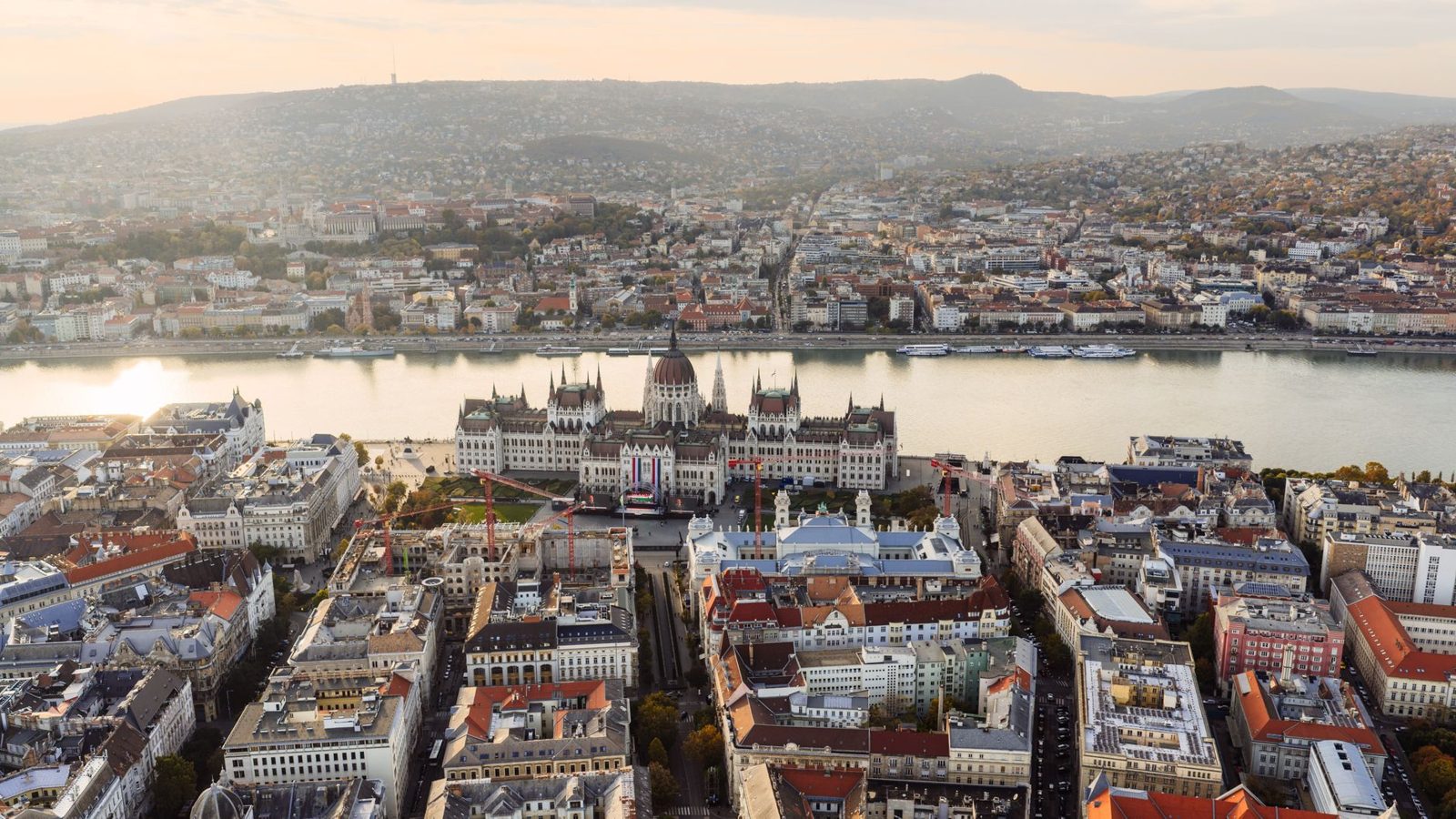
Budapest is split down the middle by the Danube — hilly, residential Buda on the west bank, flat and buzzing Pest on the east — and then carved into 23 numbered districts that spiral outward like the arrondissements of Paris. Most visitors only need to know a handful of them. This guide walks through the Budapest neighborhoods worth basing yourself in, who each one suits, and which corners to think twice about, so you can match the area to the trip you actually want.
Buda or Pest? Start here
Before districts, the big fork: Buda or Pest. Pest is where the vast majority of visitors stay — flat, walkable, and stuffed with cafes, bars, restaurants and the bulk of the famous sights. Buda is hillier, greener and noticeably quieter, more residential, with postcard set-pieces like Castle Hill scattered through it. As a rule, first-timers and anyone prioritising convenience should stay in Pest; Buda rewards return visitors and those who value calm and views over being in the thick of it.
One quirk worth knowing: the district number tells you something about location. The lower-numbered central districts (V, VI, VII) are the tourist core, while higher numbers generally sit further out. Locals say “the fifth” or “the seventh” rather than the neighbourhood name, so it helps to hold both in your head.
District V — Belváros-Lipótváros: the safe first choice
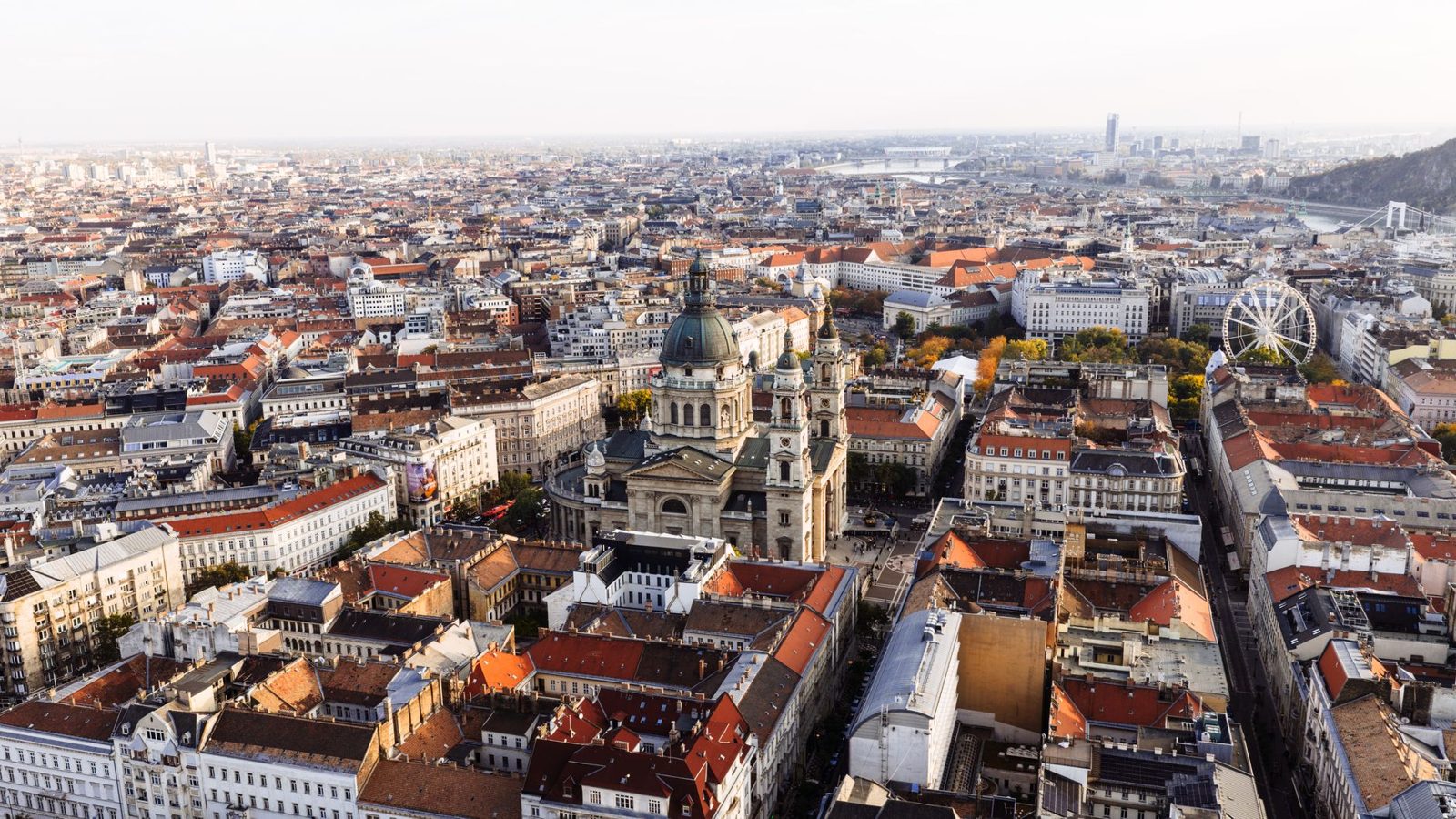
If it’s your first visit and you want zero friction, stay in the Fifth. Belváros-Lipótváros is as central as Budapest gets, and almost everything sits within a 20-minute walk: the Parliament, St Stephen’s Basilica, the Shoes on the Danube memorial, the Chain Bridge and the river promenade. It’s flat, polished, exceptionally walkable and packed with restaurants and cafes. The trade-off is price and a certain touristy gloss — this is the most expensive central district and the least “local.” For a short, sight-heavy trip, I still think it’s the smartest base in the city.
District VI — Terézváros: grand and cultured
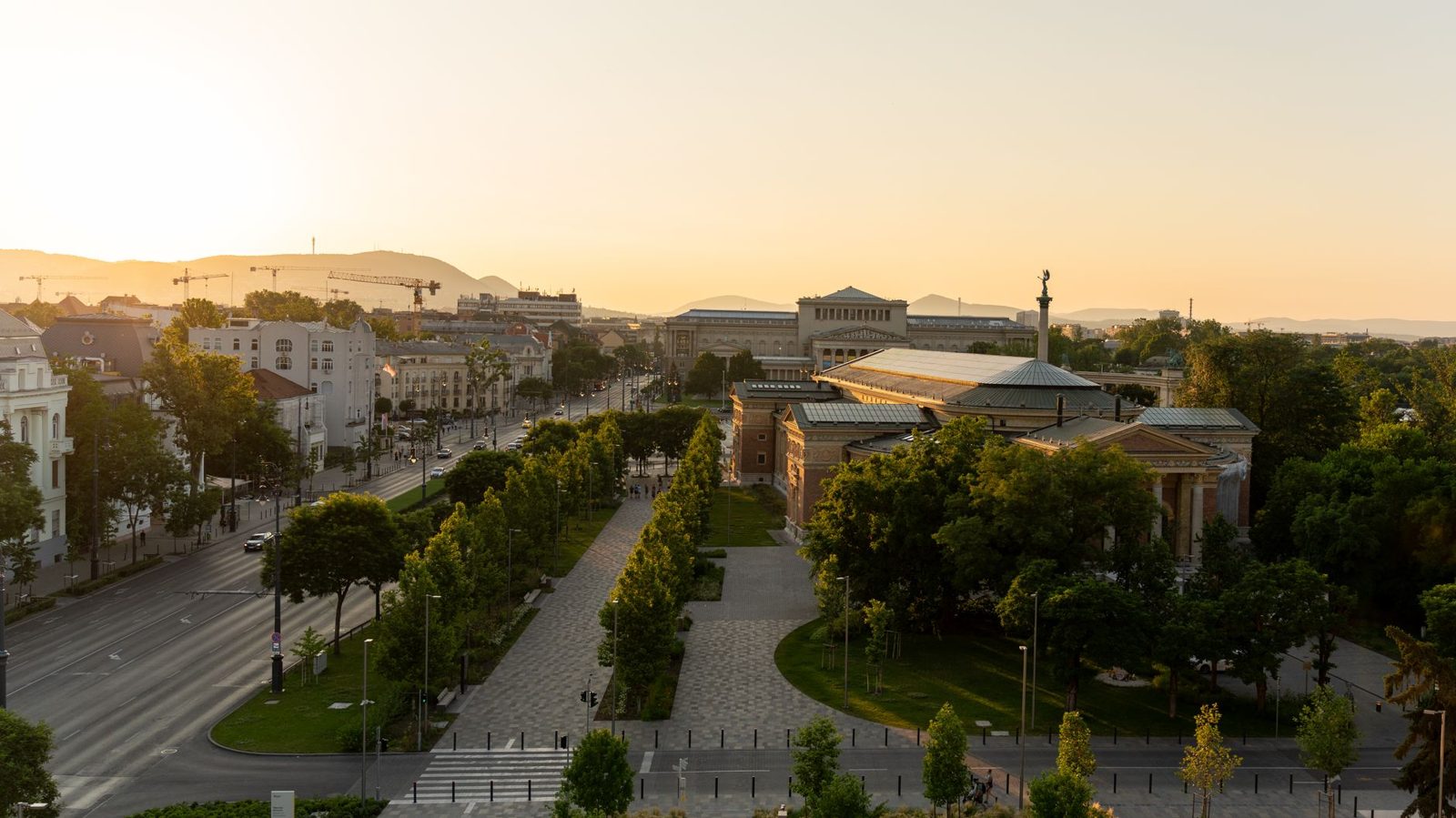
Just northeast, the Sixth runs along Andrássy Avenue, the city’s grandest boulevard, lined with stately old buildings and crowned by the Opera House. This is the cultural heart — theatres, museums and some of the city’s better hotels and restaurants — and it stays elegant without feeling like a theme park. It’s central and convenient but distinctly less touristy than District V, which makes it my pick for travellers who want polish and a bit of breathing room. Heroes’ Square and City Park sit at the top of the avenue.
District VII — Erzsébetváros: the Jewish Quarter
The Seventh is the city’s most fashionable and most divisive neighbourhood. The historic Jewish Quarter has reinvented itself as the engine of Budapest nightlife, home to the famous ruin bars, street food and a dense tangle of trendy spots, all anchored by the Dohány Street Synagogue — the largest in Europe. It’s thrilling and walkable and you’ll never be bored. But it’s also loud, and the party spills into the small hours, so light sleepers should choose their street carefully or look one district over. For nightlife-focused trips, nowhere beats it; see my Budapest ruin bars guide for the lay of the land.
District XIII — Újlipótváros: local and leafy
My quiet favourite. Just north of the Fifth, Újlipótváros is a leafy, genuinely residential neighbourhood of tree-lined streets, neighbourhood bistros and a relaxed local rhythm — yet it’s a short walk or tram ride from the centre and borders the green expanse of Margaret Island. You get authentic Budapest daily life, lower prices than the tourist core, and easy access to everything, without the late-night noise. It’s where I’d send a return visitor or anyone staying a week or more.
District I — the Castle District: Buda at its prettiest
Over in Buda, the First is the city’s most photogenic quarter: cobblestone lanes, pastel facades, Matthias Church and the sweeping terraces of Fisherman’s Bastion, with panoramic views around nearly every corner. It is undeniably beautiful. The catch is that it’s quiet after dark and a little removed from everyday life — long on curated history, short on corner shops and casual cafes. Stay here for romance and views; don’t stay here if you want to roll out of bed into a buzzing dinner scene.
District IX — Ferencváros: up-and-coming and good value
South of the centre, the Ninth has quietly become one of the city’s most interesting areas. It’s home to the Great Market Hall, the riverside Bálna (“Whale”) complex, the National Theatre and a serious craft-beer scene around Ráday utca and beyond. Prices are gentler than the central districts, it’s well connected by tram and metro, and it feels lived-in rather than staged. A strong choice for travellers who want value and authenticity without going far from the action.
District VIII — Józsefváros: mixed but improving
The Eighth is the city’s great divider. Its inner, “Palace Quarter” half — closest to the centre — is full of grand old mansions, the National Museum and a growing cafe culture, and represents real value for how central it is. Its outer reaches are rougher and best skipped for accommodation. If you book in the Eighth, stay in the Palace Quarter near the centre and check the exact street; the difference of a few blocks is significant here.
District XI — Újbuda: the Buda alternative
If you want Buda without total isolation, the Eleventh is the answer. Újbuda spreads along the Buda riverbank south of Gellért Hill, taking in the Gellért thermal complex (closed for renovation until around 2028), the leafy Bartók Béla út cafe-and-gallery strip and a real student-and-resident energy. It’s well connected to Pest by tram and metro, cheaper than the central districts, and a good base for travellers who want green space and local life with the bridges still within easy reach.
| District | Name | Vibe | Best for |
|---|---|---|---|
| V | Belváros-Lipótváros | Central, polished | First-timers, short trips |
| VI | Terézváros | Grand, cultural | Culture, elegance |
| VII | Erzsébetváros | Buzzing, loud | Nightlife, young travellers |
| XIII | Újlipótváros | Leafy, residential | Longer stays, repeat visitors |
| I | Castle District | Pretty, quiet | Romance, views |
| IX | Ferencváros | Up-and-coming | Value, authenticity |
| XI | Újbuda | Local, green | Buda base, budget |
What you’ll pay, neighbourhood by neighbourhood
Location drives price here as much as the property itself. The central Fifth and Sixth command the highest nightly rates, and the inner Seventh isn’t far behind thanks to demand from the nightlife crowd. Step just outside that core — into the Thirteenth, the Ninth, the inner Eighth or across to the Eleventh in Buda — and the same standard of room often costs noticeably less, while still leaving you a short tram or metro hop from the sights. My rule of thumb: if your trip is short and sight-focused, pay the premium to be central and walk everywhere; if you’re staying a week or travelling on a budget, a leafier outer district plus a travelcard is the better value, and you’ll see a more honest slice of the city in the bargain. Rates also swing hard by season, climbing over summer, the Christmas-market weeks and the Grand Prix, so book early if your dates are fixed.
How to choose your neighbourhood
Match the area to your priorities rather than chasing a single “best” district:
- First time, 2–3 nights — District V for maximum walkability to the headline sights.
- Nightlife and bars — District VII, ideally on a quieter side street.
- Culture and elegance — District VI along Andrássy Avenue.
- Local life and value — District XIII or IX, both central enough.
- Romance and views — District I in Buda.
- Families and longer stays — District XIII for calm, space and easy transport.
Getting between neighbourhoods
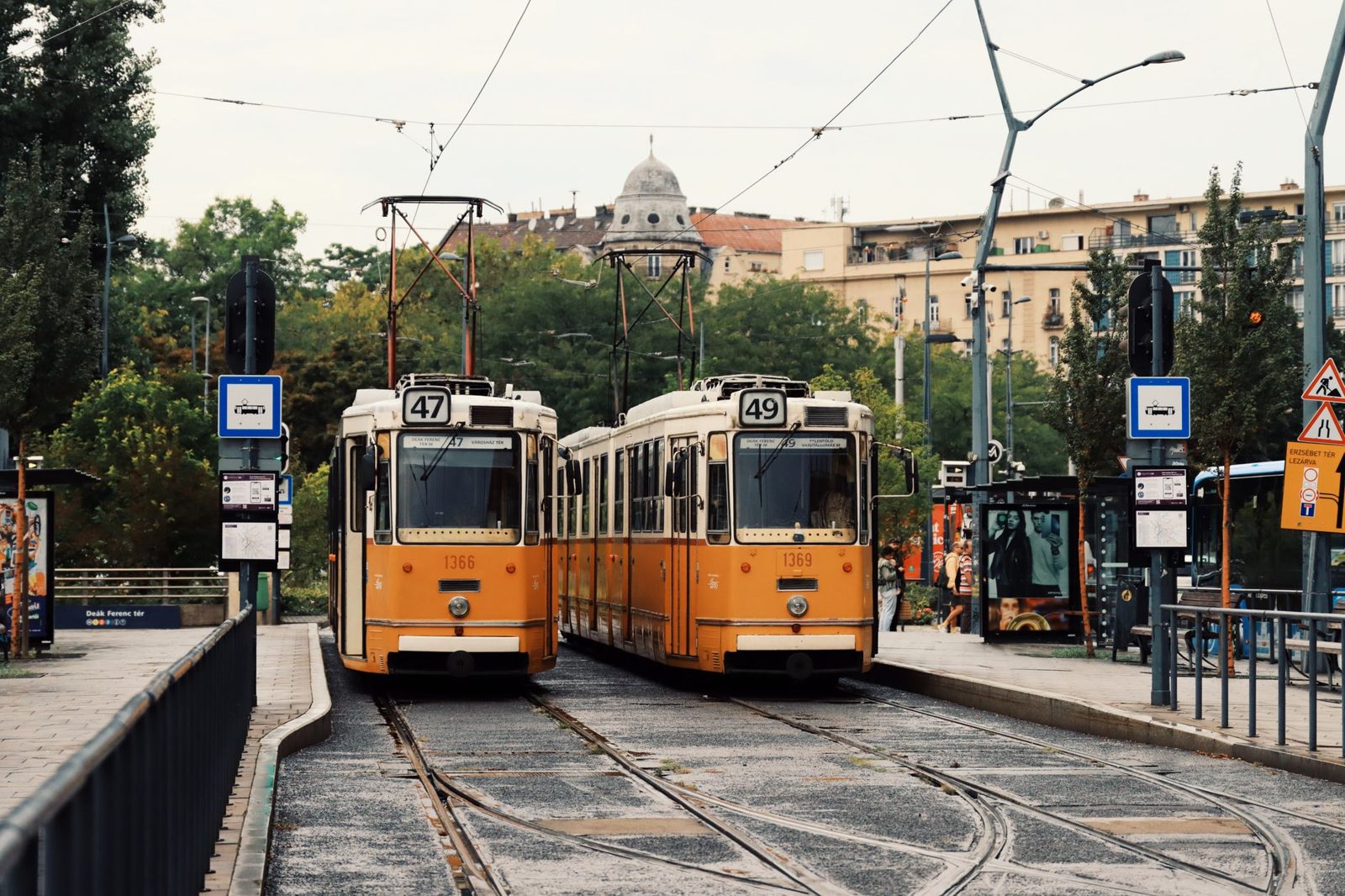
Wherever you stay, Budapest’s public transport makes the whole city accessible. Four metro lines, an extensive tram network (the riverside 2 line is a sightseeing trip in itself) and night buses mean you’re never stranded, and a single ticket or a 24/72-hour travelcard covers it all. That’s worth remembering when you’re weighing a cheaper outer-district flat against a pricier central one — a 15-minute tram ride can save you a meaningful amount per night.
Areas to approach with care
Budapest is a very safe city overall, but a few caveats help. The outer stretches of District VIII and parts of District X are rougher and offer little reason to stay. In the nightlife core of District VII, the usual big-city cautions apply late at night — overpriced bars, the occasional scam — rather than real danger. And around the main railway stations (Keleti and Nyugati) the immediate blocks can feel scruffy. None of this should put you off; just book by specific street, not just district number, and read recent reviews.
Tying it to where you’ll actually sleep
Once you’ve settled on a neighbourhood, the next step is the room itself. My guides to the best hotels in Budapest, the city’s hostels and renting a Budapest Airbnb break down options by budget, and the broader where to stay in Budapest pillar pulls the whole picture together.
This page is about where to book. If you want to know what each district is like beyond the hotel zones, from Roman Óbuda to the Wekerle garden city and the wine cellars of Budafok, see our guide to what all 23 Budapest districts are actually like.
Frequently asked questions
What is the best neighbourhood to stay in Budapest?
For first-time visitors, District V (Belváros-Lipótváros) is the best all-round base — it’s the most central, flat and walkable, with most major sights within 20 minutes on foot. District VI suits culture lovers, District VII suits nightlife, and District XIII is great for longer or more local stays.
Should I stay in Buda or Pest?
Most visitors should stay in Pest: it’s flat, walkable and packed with restaurants, bars and sights. Buda is quieter, hillier and more residential, better suited to return visitors or those who prioritise calm and views over convenience.
Is the Jewish Quarter a good place to stay?
District VII is the best area for nightlife and has a brilliant atmosphere, but it’s loud well into the early hours. It’s ideal for younger travellers and night owls; light sleepers should pick a quiet side street or base themselves one district over.
Which Budapest neighbourhoods should I avoid?
Budapest is generally very safe, but the outer parts of District VIII and District X are rougher and offer little for visitors, and the blocks right around Keleti and Nyugati stations can feel scruffy. Book by specific street rather than district number.
How are Budapest’s districts organised?
The city has 23 districts (kerület) numbered in a spiral, with the lower numbers (I, V, VI, VII) forming the central core split across Buda and Pest. Locals refer to areas by number, so it helps to learn both the number and the name of your chosen neighbourhood.
Each district shops differently, too. Our guide to Budapest fashion maps the Hungarian designers, boutique streets and vintage stores onto the neighbourhoods above.
Last updated June 2026. Photos: K (Pexels); Tibor Szabo (Pexels); K (Pexels); Efrem Efre (Pexels).