Budapest Souvenirs: Best 20 Authentic Hungarian Gifts (2026)
An honest 2026 guide to the best Budapest souvenirs - paprika, Tokaji, porcelain, folk embroidery and more, with where to buy them and what to avoid.
In this guide
- Paprika — the obvious one, done right
- Tokaji and Hungarian wine
- Pálinka and Unicum: the spirited souvenirs
- Herend porcelain — the heirloom splurge
- Zsolnay and more affordable porcelain
- Folk embroidery and Halas lace
- Sweet things: marzipan and chocolate
- The quirky and the iconic
- A souvenir cheat sheet
- Where to actually shop
- What to skip
- Packing and customs notes
- Edible gifts (and what won’t survive the trip)
- How to spot the real thing
- My personal top five
- Frequently asked questions
This article contains advertising. Our booking links are routed through a partner that adds commission tracking automatically, so if you book through one we earn a commission from the provider, at no extra cost to you. It never affects what we recommend. Affiliate disclosure
I have a small confession: my kitchen cupboard contains four tins of Hungarian paprika I will probably never finish, bought over three separate trips because I can never resist the embroidered red-and-gold containers at the market. That’s the thing about shopping for keepsakes in Budapest — the genuinely good stuff is so woven into the culture that it doubles as a story you bring home, not just an object.
The flip side is that the tourist drags are stuffed with mass-produced rubbish — wobbly matryoshka dolls that aren’t even Hungarian, plastic “crystal,” fridge magnets by the bucket. After several visits and a lot of mistakes, I’ve worked out what’s worth your suitcase space and what to walk past. Here’s my honest shortlist of what to buy and, just as importantly, where.
Paprika — the obvious one, done right
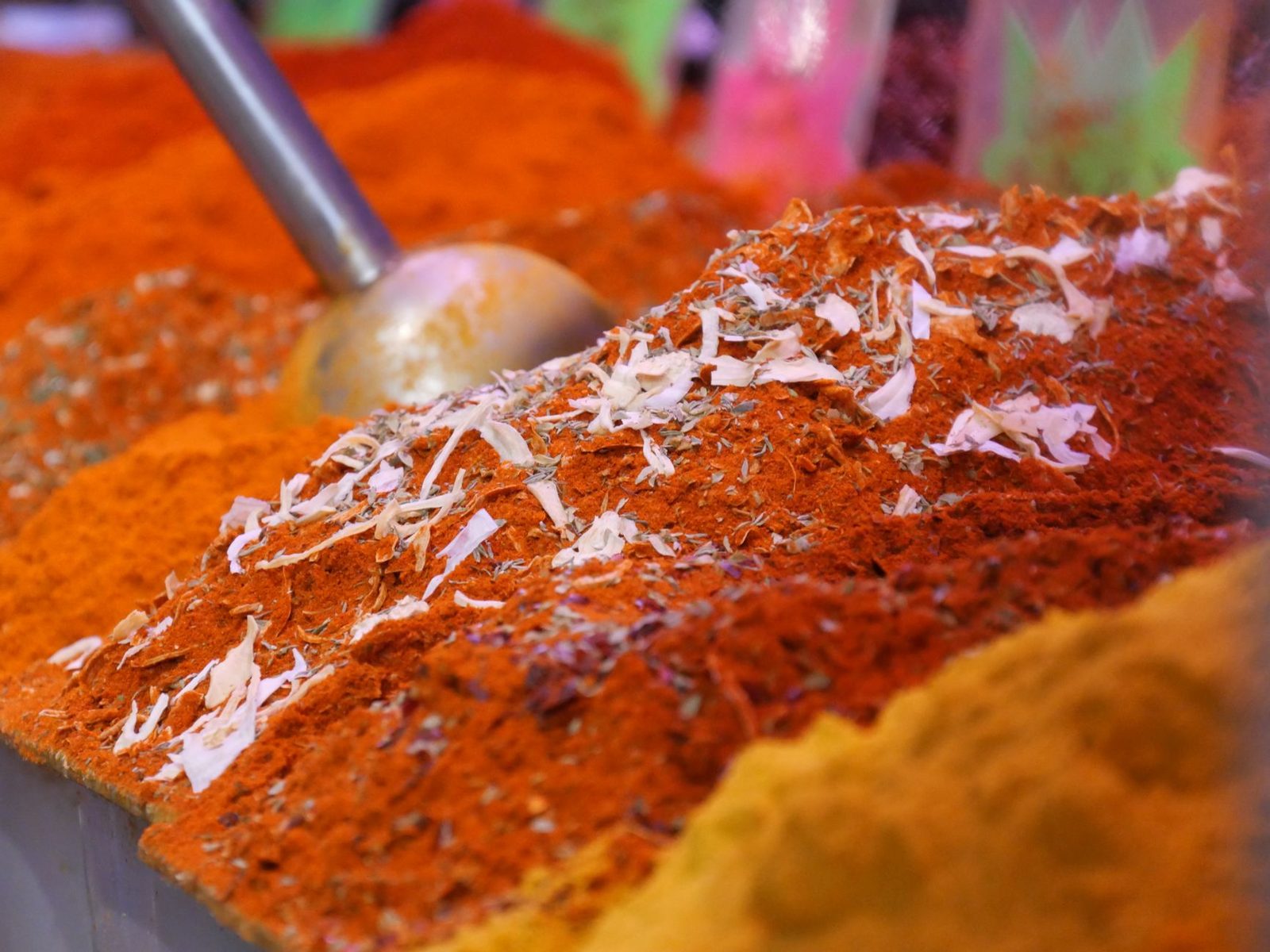
Yes, it’s the cliché, and yes, you should still buy it. Hungarian paprika has a depth you rarely find in the jar back home, and a tin costs next to nothing. Look for the words édes (sweet) or erős (hot), and ideally a regional mark from Kalocsa or Szeged, the two paprika capitals. Skip the airport tins and buy from a market stall or specialist; you’ll get fresher spice and prettier packaging. The squeezy tubes of paprika paste (pirosarany) are a fun, lightweight bonus for cooks.
Tokaji and Hungarian wine
If you bring one bottle home, make it Tokaji Aszú — the honeyed dessert wine that Louis XIV called “the wine of kings.” The sweetness is graded in puttonyos: a 5 or 6 puttonyos bottle is richer and more prized. Hungary’s dry wines are having a moment too, from volcanic Furmint to the bold reds of Villány and Eger’s famous Bull’s Blood. A specialist wine shop will vacuum-wrap bottles for your case. For the full picture of the country’s 22 wine regions, see our Hungarian wine guide.

Pálinka and Unicum: the spirited souvenirs
For something stronger, pálinka is Hungary’s fierce fruit brandy — apricot (barack) and plum (szilva) are the classics, often 40% and up, so a small bottle goes a long way. The other native spirit is Unicum, a jet-black herbal liqueur made by the Zwack family since 1790, sold in its distinctive round bottle. It’s a bracing, bitter, love-it-or-hate-it digestif — buy it for the friend who likes a challenge.
Herend porcelain — the heirloom splurge
If you want something that will outlive all of us, Herend is the name. Hand-painted in a Hungarian village since 1826, it has graced royal tables across Europe; the lattice Apponyi pattern is the signature. It is not cheap — a single mug can run €80 and a teapot far more — but even a small piece is a genuine work of art. The Herend brand stores in the city centre will arrange careful shipping for larger pieces.
Zsolnay and more affordable porcelain
For something with the same craft heritage but a gentler price, look at Zsolnay from Pécs, famous for its iridescent eosin glaze that shifts green and gold in the light — a small eosin dish or figurine is a lovely, packable gift. Hollóházi porcelain is more affordable still, and Ajka crystal makes elegant glassware. Any of these beats a “crystal” trinket of unknown origin.
Folk embroidery and Halas lace
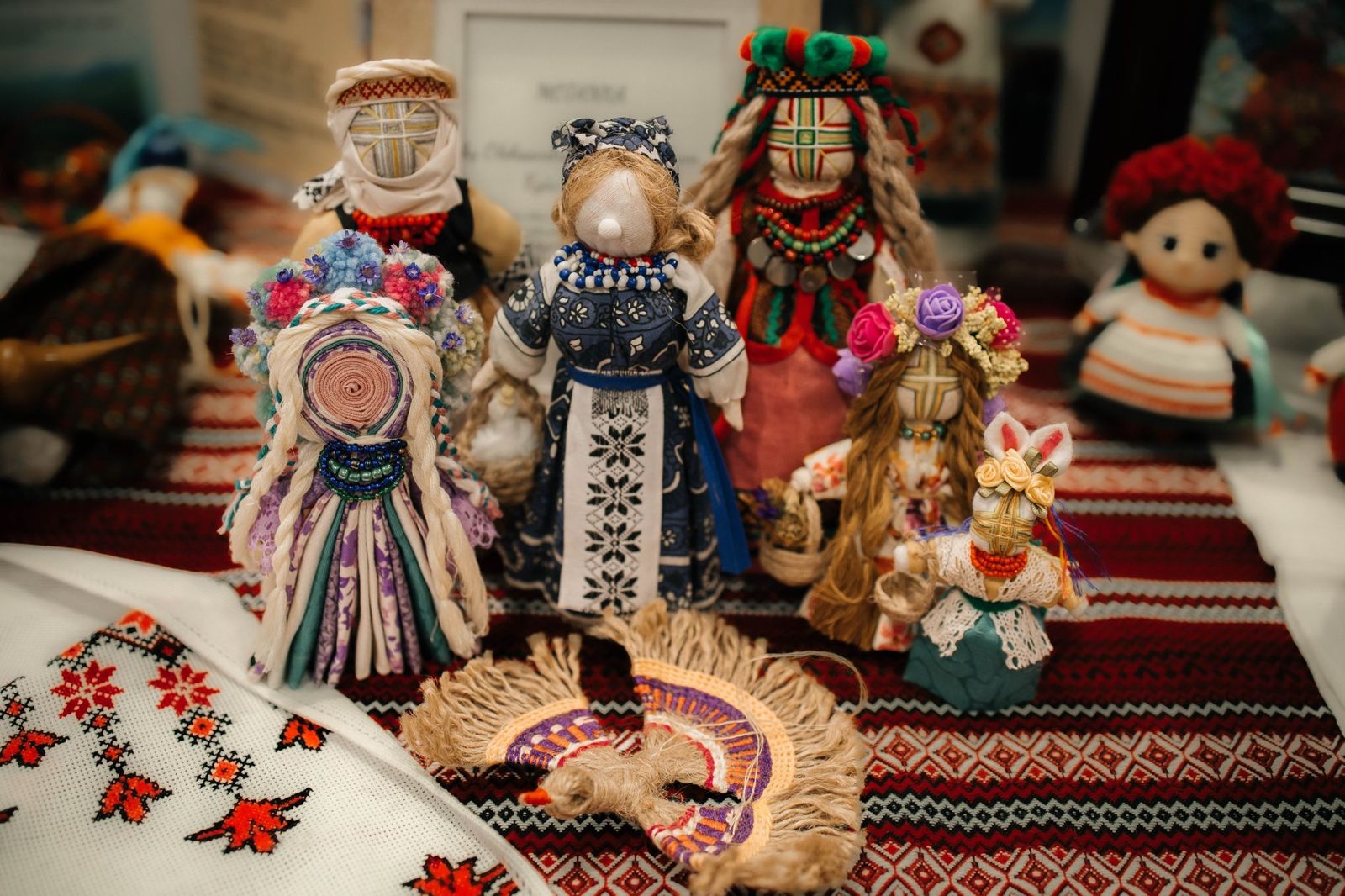
Hungarian folk textiles are spectacular and they pack flat. The riot of colourful flowers is Kalocsa embroidery; the rose-heavy motifs from Mezőkövesd are Matyó work, recognised by UNESCO. At the top end sits Halas lace from Kiskunhalas — fantastically intricate, hand-stitched, and pricey enough to come with a numbered certificate of authenticity. A small embroidered tablecloth, blouse or cushion cover is a souvenir you’ll actually use.
Sweet things: marzipan and chocolate
Hungary has a serious sweet tooth. Szamos marzipan is a national institution (there’s even a marzipan museum in nearby Szentendre), and their boxed figures travel well. For chocolate, look beyond the supermarket to craft makers like Rózsavölgyi Csokoládé, whose bean-to-bar tablets in Art-Deco wrappers are as pretty as they are delicious. Pair a box with a coffee-house visit from our historic coffee houses guide.
The quirky and the iconic
A few left-field picks earn their place. The Rubik’s Cube was invented by Hungarian architect Ernő Rubik in 1974, so a cube bought here has real provenance. Hand-painted wooden toys, folk dolls in regional dress, enamel pins, and beautifully illustrated Hungarian cookbooks all make characterful, affordable gifts. And if you’ve fallen for the city’s bathhouse culture, the gift shops at the major baths sell branded towels and slippers.

A souvenir cheat sheet
| Souvenir | Rough 2026 price | Best bought at |
|---|---|---|
| Paprika (tin) | €3–8 | Great Market Hall, spice stalls |
| Tokaji Aszú (bottle) | €15–40+ | Specialist wine shops |
| Pálinka (small bottle) | €10–25 | Wine/spirit shops, market |
| Unicum | €12–20 | Supermarkets, market |
| Herend porcelain (small) | €80+ | Herend brand stores |
| Zsolnay eosin piece | €30–90 | Zsolnay stores, design shops |
| Kalocsa embroidery | €10–40 | Folk craft shops, market |
| Halas lace (certified) | €50–200+ | Specialist lace shops |
| Craft chocolate / marzipan | €8–20 | Rózsavölgyi, Szamos |
Where to actually shop
The single best one-stop is the Great Market Hall at the foot of Liberty Bridge, where the upper gallery is wall-to-wall paprika, embroidery, lace and Tokaji — convenient, if a touch touristy. For curated folk craft, the Folkart co-operative shop near Váci utca sells the real, certified handmade pieces. The “Memories of Hungary” stores near St Stephen’s Basilica are polished and reliable for gifts under one roof. For porcelain go straight to the Herend and Zsolnay brand stores, and for design-led, contemporary takes on Hungarian craft, the small studios in the Jewish Quarter are worth an hour. Our Central Market Hall guide and the wider markets guide go deeper on each.
What to skip
- Matryoshka dolls. They’re Russian, not Hungarian — a giveaway that a stall sells generic tourist tat.
- “Crystal” with no maker’s mark. Real Ajka or Bohemian crystal is marked; unmarked sparkle is just glass.
- Mass-produced fridge magnets and printed tees. Fine for a euro, but they’re not a story.
- Supermarket paprika at airport prices. Buy the same quality for a third of the cost at the market.
- Anything claiming to be foie gras you can’t keep cool. Tinned versions travel; fresh does not, and customs rules vary.
Packing and customs notes
A little planning saves heartbreak at the carousel. Wrap wine and pálinka in clothes and check them — liquids over 100ml can’t fly in hand luggage — and ask wine shops to vacuum-seal bottles. Porcelain and lace should travel in your cabin bag, padded. If you’re heading outside the EU, check your home country’s limits on alcohol and any rules on animal products like goose-liver pâté before you buy. Tinned and sealed foods are the safest bet for long-haul. For more on shopping districts and opening hours, our complete Budapest shopping guide ties everything together.
Edible gifts (and what won’t survive the trip)
Beyond paprika and sweets, Hungary’s pantry makes excellent presents. A stick of Pick winter salami is dense, keeps well and clears most customs within the EU; jars of acacia honey, sour-cherry preserves and stone-ground mustard travel happily too. Loose-leaf teas and dried mushroom mixes are light and lovely. What you cannot realistically bring home is the fresh stuff Hungarians adore — túró rudi (the cult curd-cheese chocolate bar) needs refrigeration, fresh lángos goes soggy in an hour, and a real cream cake won’t last the metro ride. Eat those on the spot and read our traditional Hungarian food guide for what to seek out while you’re there.
How to spot the real thing
Authenticity is the whole game with Hungarian craft, and a few habits keep you honest. Turn porcelain over and look for the maker’s stamp — genuine Herend and Zsolnay are always marked. Ask whether embroidery is hand-stitched (kézi hímzés) or machine-made; the handmade pieces have slight, charming irregularities and cost more for good reason. Certified Halas lace comes with a numbered hologram. With paprika and wine, regional labelling (Kalocsa, Szeged, Tokaj) is your guarantee of origin. Prices at the market are generally fixed rather than haggled, so if a stall is open to heavy bargaining, treat it as a hint that you’re looking at mass-produced goods rather than the genuine article.
My personal top five
If you’re short on time and suitcase space, here’s what I’d grab without overthinking it: a tin of Kalocsa-marked sweet paprika for the cook in your life; a 5-puttonyos Tokaji Aszú for the wine drinker; a small Zsolnay eosin dish that catches the light on a windowsill; a bar of Rózsavölgyi craft chocolate to eat on the plane home; and a hand-embroidered Matyó cushion cover that turns a sofa into a souvenir. Total damage, somewhere around €60–80, and every piece is unmistakably Hungarian rather than generic airport fare. Mix in a Rubik’s Cube for a kid and you’ve covered everyone on your list.
Frequently asked questions
What is the most popular souvenir from Budapest?
Paprika is the classic — inexpensive, distinctly Hungarian and sold in attractive tins. Other top picks include Tokaji dessert wine, pálinka fruit brandy, folk embroidery from Kalocsa, and Herend or Zsolnay porcelain for something more special.
Where is the best place to buy souvenirs in Budapest?
The Great Market Hall at the foot of Liberty Bridge is the best one-stop for paprika, embroidery, lace and wine. For certified handmade folk craft, use the Folkart co-operative shop; for porcelain, visit the Herend and Zsolnay brand stores directly.
How much should I budget for Budapest souvenirs?
Small, characterful gifts like paprika, Unicum or craft chocolate cost €3–20. A good bottle of Tokaji is €15–40, embroidery €10–40, and porcelain or certified Halas lace runs from €30 into the hundreds for heirloom pieces.
Can I bring Hungarian paprika and wine home on a plane?
Yes. Paprika travels easily in hand or hold luggage. Wine and pálinka must go in checked baggage because of the 100ml liquid rule — wrap bottles in clothing or ask the shop to vacuum-seal them. Check your home country’s alcohol allowance if travelling outside the EU.
Is Herend porcelain worth buying?
If you want an heirloom, yes. Herend has been hand-painted in Hungary since 1826 and is genuinely collectible, though even small pieces start around €80. For the same craft heritage at a lower price, consider Zsolnay’s iridescent eosin pieces.
What souvenirs should I avoid in Budapest?
Skip matryoshka dolls (they’re Russian), unmarked “crystal,” generic printed T-shirts and overpriced airport paprika. Stick to items with a clear Hungarian provenance — regional paprika, certified lace, marked porcelain and proper Tokaji.
If you’d rather hunt than shop, the Ecseri flea market is where the genuinely old things surface — and our guide to Budapest fashion and designers covers the modern Hungarian labels worth carrying home instead.
Last updated June 2026. Photos: Dirk Pothen (Pexels); Kalilou Tirera (Pexels); Mariya Klyachko (Pexels); Tahir Xəlfə (Pexels).