Best Time to Visit Budapest: Best Month-by-Month Guide (2026)
When is the best time to visit Budapest? A season-by-season and month-by-month guide to weather, crowds, prices and the key 2026 festival dates.
In this guide
- The short answer
- Spring (March to May)
- Summer (June to August)
- Autumn (September to October)
- Winter (November to February)
- Budapest month by month
- The best time for what you want to do
- If you’re coming for an event
- What the weather means for packing
- When to avoid (and how to soften it)
- Daylight hours matter more than you’d think
- Best time for a romantic trip
- How to dodge the worst of the crowds
- The baths are a year-round trump card
- Frequently asked questions
This article contains advertising. Our booking links are routed through a partner that adds commission tracking automatically, so if you book through one we earn a commission from the provider, at no extra cost to you. It never affects what we recommend. Affiliate disclosure
People always want a single month, and I never quite give them one. Budapest is a genuinely four-season city: it does flowering spring terraces, sticky midsummer festival heat, golden October light and steaming thermal baths in the snow, and each of those is somebody’s perfect trip. So the honest answer to when you should come depends on what you’re after — sunshine and long days, low prices and elbow room, Christmas-market glow, or a specific event you’ve already got your heart set on.
That said, I do have favourites, and after years of visiting in every month I’ll happily tell you which weeks I’d book first. This guide runs through the seasons and the months one by one — weather, crowds, costs and the big 2026 dates — so you can match the city to the trip you actually want. For everything else about organising your visit, see my complete Budapest travel guide.
The short answer
If you just want my recommendation: aim for late April to June, or September to early October. These shoulder-season windows give you warm, comfortable days of roughly 18–24°C, terraces and river cruises in full swing, manageable crowds, and hotel prices often 30–40% below the July–August peak. They’re the weeks I’d choose for a first visit, every time. Everything after this is about the trade-offs if those months don’t suit you.
Spring (March to May)
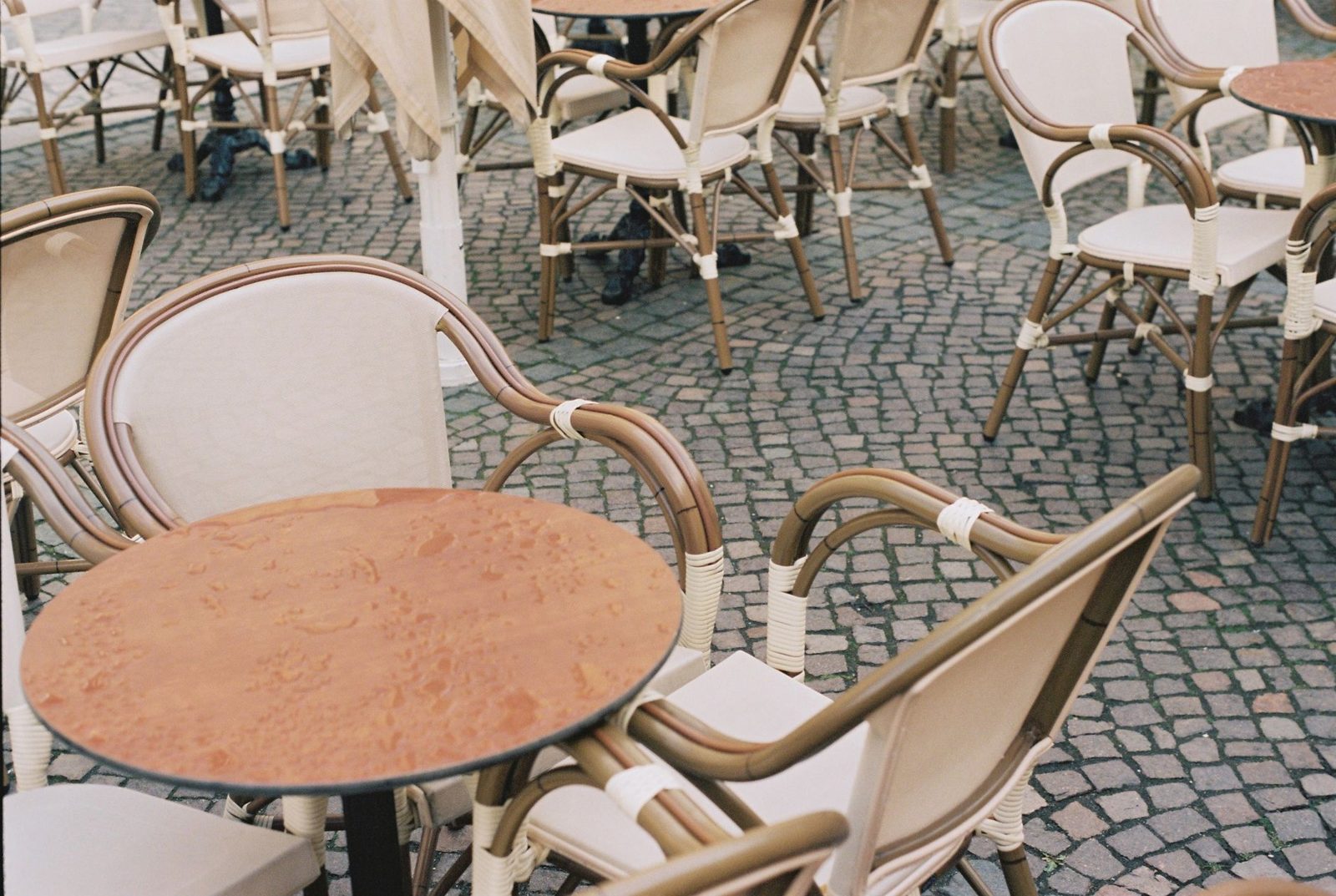
Spring is a lovely time to arrive. March can still be grey and chilly, and it’s often the cheapest month of the year, but by April the parks are greening, café terraces spill onto the pavements and the light turns soft and photogenic. May is close to ideal — warm but not hot, long evenings, and the city feels like it’s exhaling after winter. Pack layers, because a bright afternoon can turn into a cool, jacket-worthy night.
Summer (June to August)
Summer is peak season for a reason: the longest days, buzzing ruin-bar gardens, open-air baths and a constant churn of events. June is gorgeous. July and August, though, get properly hot — often 30°C and sometimes pushing 35°C — and the central sights and queues are at their busiest and priciest. If you come midsummer, plan your sightseeing for mornings and evenings and your afternoons for a shady terrace or a cool thermal pool.
Two big dates dominate the summer calendar. The Formula 1 Hungarian Grand Prix runs 24–26 July 2026 at the Hungaroring just northeast of the city, and the Sziget Festival — one of Europe’s largest music festivals — takes over Óbuda Island from 11–15 August 2026. Both pack the city and push accommodation prices up, so book months ahead if you’re coming for them, and brace for higher rates even if you’re not.
Autumn (September to October)
Autumn might be my favourite season here. September keeps summer’s warmth without its crowds or heat, the Budapest Wine Festival fills the Castle district in early September, and queues shrink noticeably once the school holidays end. October brings golden foliage on Margaret Island and the Buda hills, crisp air and that lovely low autumn sun. By late October you’ll want a proper coat, but the thermal baths start to feel especially good as the temperature drops.
Winter (November to February)
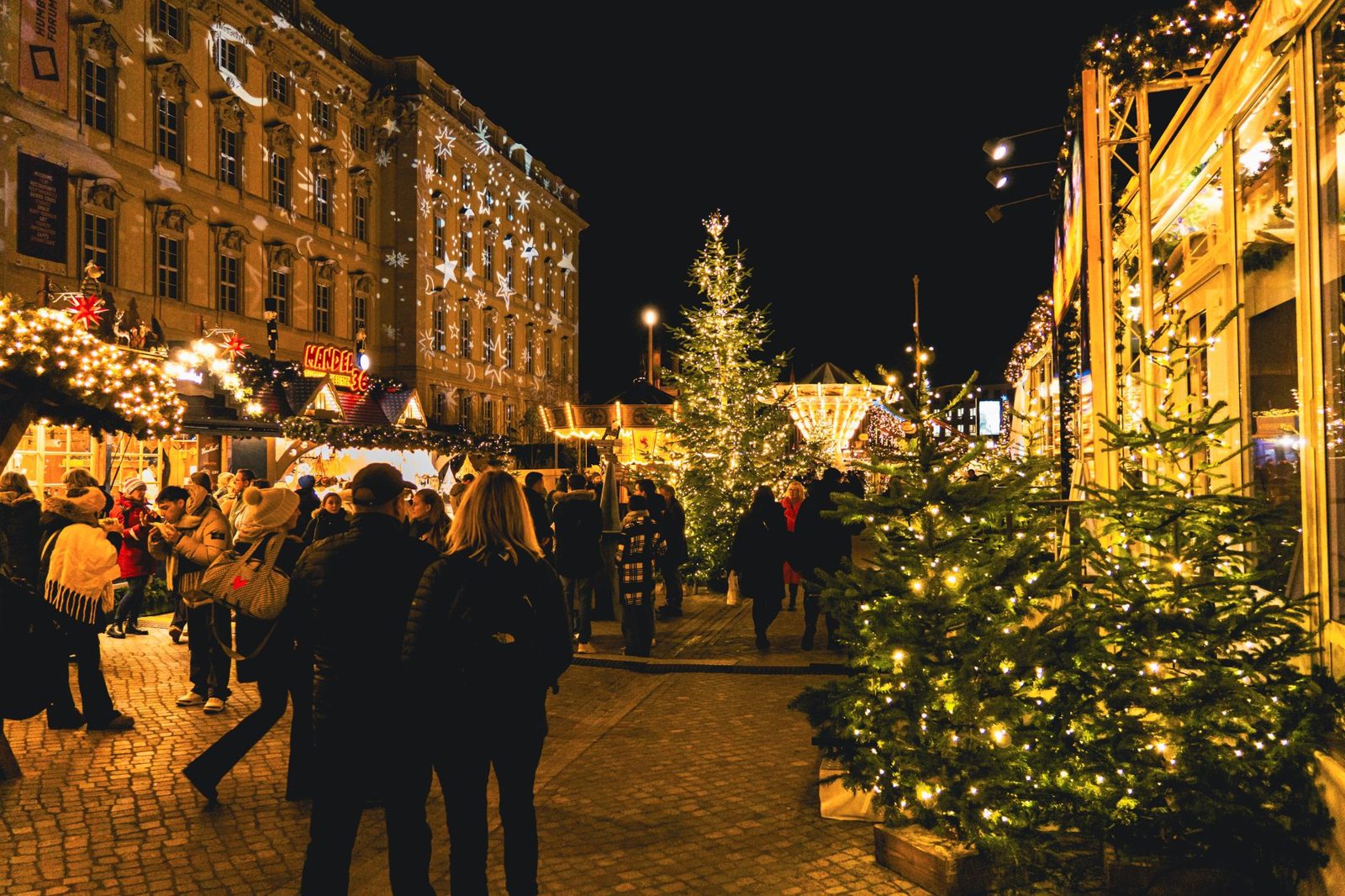
Don’t write winter off. Yes, it’s cold — December averages hover around freezing — but this is when Budapest is at its most atmospheric. The Christmas markets at Vörösmarty tér and St. Stephen’s Basilica run from mid-November into early January, mulled wine in hand, and there’s nothing quite like soaking in an outdoor thermal pool while steam rises into the frosty air. New Year’s Eve is a huge street party; January and February are the quietest, cheapest weeks of the year if you don’t mind short days and the occasional grey sky.
Budapest month by month
| Month | Typical weather | Crowds & price | Why go |
|---|---|---|---|
| January | Cold, 0°C, short days | Lowest | Bargains, steamy baths, few tourists |
| February | Cold, crisp | Low | Quiet sightseeing, cheap hotels |
| March | Cool, 5–12°C | Low, cheapest | Spring stirrings, value |
| April | Mild, 12–18°C | Rising | Blossom, terraces reopen |
| May | Warm, 18–23°C | Moderate | Near-ideal weather |
| June | Warm, 22–27°C | Busy | Long days, festivals begin |
| July | Hot, 28–33°C | Peak, pricey | Grand Prix, river life |
| August | Hot, 28–34°C | Peak, pricey | Sziget Festival |
| September | Warm, 20–26°C | Easing | Wine festival, sweet spot |
| October | Cool, 12–18°C | Moderate | Autumn colour, fewer queues |
| November | Chilly, 5–11°C | Low | Markets open mid-month |
| December | Cold, 0–5°C | High late month | Christmas markets, NYE |
For a deeper dive into the two ends of the year, I’ve written full guides to Budapest in summer and Budapest in winter.
The best time for what you want to do
The “best” month really does shift with your priorities. For the lowest prices and emptiest sights, come in January, February or March. For reliable sunshine and outdoor life, target May, June or September. For the famous Christmas markets, you’ll need late November or December. And for the thermal baths, honestly any time works, but they’re at their most magical in winter — soaking at Széchenyi Baths with snow on the ground is a Budapest rite of passage.
If you’re coming for an event
Some trips are built around a date rather than a season. The Sziget Festival in mid-August and the Hungarian Grand Prix in late July are the two giants, and both transform the city — expect a brilliant atmosphere but full hotels and premium prices. If you’re flexible, the early-September wine festival and the Christmas markets deliver a strong sense of occasion with far less pressure on your wallet. Whatever you’re targeting, lock in accommodation early; the good central places vanish first.
What the weather means for packing
Budapest’s continental climate swings hard between seasons, so what you bring matters. Summer calls for light, breathable clothes, sunscreen and a refillable water bottle for the heat; spring and autumn want layers and a light waterproof; winter needs a serious coat, gloves and warm, waterproof footwear for icy pavements. Whatever the month, comfortable walking shoes and a swimsuit for the baths are non-negotiable — I unpack the details in my what to pack for Budapest guide.

When to avoid (and how to soften it)
There’s no truly bad time to visit, but a few stretches need managing. The depths of July and August can be uncomfortably hot for heavy sightseeing, and prices spike around the Grand Prix, Sziget and New Year’s Eve. If your dates are fixed on a peak, you can still have a wonderful trip — book early, sightsee at the cooler ends of the day, and use the baths and the Danube to escape the heat. If you can flex your dates at all, nudging a week or two into the shoulder season pays off in both comfort and cost; my Budapest on a budget guide has more on timing for value.
Daylight hours matter more than you’d think
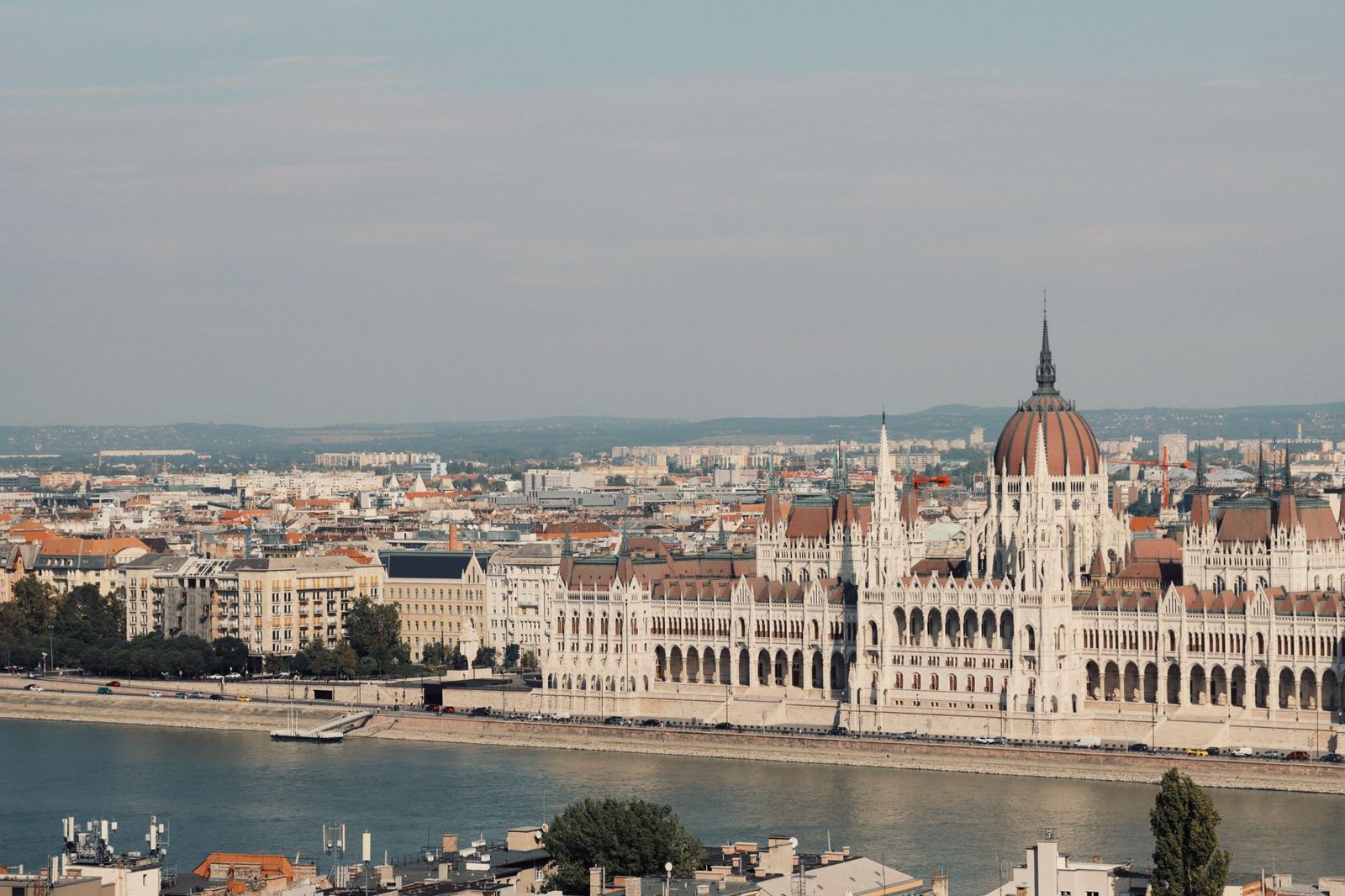
One thing the temperature charts don’t tell you is how much daylight you’ll actually get. In June, Budapest enjoys around sixteen hours of light, with the sun up before 5am and lingering past 8.30pm — perfect for packing in sights and long riverside evenings. In December it’s closer to eight and a half hours, so the famous skyline views go dark by mid-afternoon. That’s not a reason to avoid winter — the city’s bridges and Parliament look spectacular lit up — but it does mean planning daytime activities earlier and leaning into the cosy, after-dark side of the trip.
Best time for a romantic trip
For couples, the shoulder seasons and winter both have a strong case. A May or September evening cruise along the Danube at sunset is hard to beat, while December pairs Christmas-market lights with a private thermal soak and candlelit dinners. The months I’d personally pick for romance are late September, when the weather is kind and the light is golden, and the run-up to Christmas, when the whole centre glows. Avoid the sweaty crush of high summer if hand-in-hand strolls are the point of the trip.
How to dodge the worst of the crowds
If crowds are your main worry, two levers help most: timing and timing-of-day. Visiting in the shoulder or low season is the obvious one, but even in peak summer you can reclaim the big sights by arriving at opening time or in the last hour before closing, when the tour groups have moved on. Mid-week is quieter than weekends almost everywhere, and the thermal baths are calmest on weekday mornings. A little strategy goes a long way toward making a busy month feel manageable.
The baths are a year-round trump card
Whatever month you land in, Budapest’s thermal baths quietly fix the weather. Too hot in August? The cool pools and shaded courtyards are a relief. Grey and freezing in January? Sinking into a steaming 38°C outdoor pool is pure bliss. They’re the single most reliable activity in the city’s calendar, open through every season, which is part of why I tell people not to over-think the month — there’s always a great way to spend a Budapest afternoon.
Frequently asked questions
What is the best time of year to visit Budapest?
Late April to June and September to early October are the sweet spots — warm, comfortable weather, manageable crowds and hotel prices well below the midsummer peak. May and September are the standout months for a first visit.
What is the cheapest month to visit Budapest?
January, February and March are the cheapest, with March often the lowest of all. You’ll trade warm weather for short days and cold, but you’ll have the city and its thermal baths nearly to yourself and pay a fraction of summer rates.
When are Budapest’s Christmas markets open in 2026?
The main markets at Vörösmarty tér and St. Stephen’s Basilica typically run from mid-November to early January, with the Basilica’s market usually staying open into the first days of the new year. December is the busiest and most festive time to visit.
When is Sziget Festival and the Hungarian Grand Prix in 2026?
The Hungarian Grand Prix runs 24–26 July 2026 at the Hungaroring, and Sziget Festival takes place 11–15 August 2026 on Óbuda Island. Both fill the city and raise accommodation prices, so book well ahead.
Is winter a good time to visit Budapest?
Yes, if you don’t mind the cold. Winter brings Christmas markets, a lively New Year’s Eve, the lowest prices outside the holidays, and the unbeatable experience of an outdoor thermal bath in the snow. Just pack for genuinely cold, sometimes icy conditions.
Spring deserves a special mention: the Budapest Spring Festival — now the Bartók Spring International Arts Weeks — fills the first half of April with opera, dance and jazz, and it lands just as the city starts to warm up.
Last updated June 2026. Photos: Efrem Efre (Pexels); Rafael Gonzales (Pexels); János Csatlós (Pexels); It’s MJ! (Pexels).