Sziget Festival: Best 2026 Survival Guide for Budapest
A two-time visitor's guide to Sziget Festival 2026 — dates, the lineup, ticket and camping prices, how to reach Óbuda Island, and the first-timer tips that make or break your week.
In this guide
- The essentials: dates and location
- The 2026 lineup
- It’s so much more than music
- Tickets and passes
- Camping: where you’ll actually live
- Getting to the island
- The cashless system
- What to pack
- First-timer tips from someone who’s done it
- Where Sziget sits in the festival calendar
- Food and drink on the island
- A realistic day at Sziget
- Frequently asked questions
This article contains advertising. Our booking links are routed through a partner that adds commission tracking automatically, so if you book through one we earn a commission from the provider, at no extra cost to you. It never affects what we recommend. Affiliate disclosure
People who haven’t been tend to picture Sziget as just another big European music festival. It isn’t. For one week every August, a leafy island in the Danube north of central Budapest transforms into a temporary city of a few hundred thousand people — the “Island of Freedom” — with its own beaches, theatres, art districts and a genuinely global crowd. I’ve been twice now, and the thing that keeps drawing people back isn’t a single headliner; it’s the sense that you’ve moved into a self-contained, slightly utopian little world for five days.
Founded back in 1993 as a scrappy student event, Sziget has grown into one of the largest festivals on the continent, with well over half its attendees travelling in from abroad. That international mix is its secret sauce — you’ll camp next to Dutch students, Australians on a gap year, Italian regulars and Hungarians who’ve come every summer since their teens. Here’s everything I’d tell a friend before their first Sziget.
The essentials: dates and location
Sziget 2026 runs from 11 to 15 August 2026, with an unofficial “Day 0” on 10 August when campers move in and the first acts warm up. It all happens on Óbudai-sziget (Óbuda Island), a green island in the river in the north of the city, easily reached from the centre in around half an hour. The festival is a full camping affair — most people pitch a tent and stay on the island for the whole run, though you can also buy day tickets and commute in if camping isn’t your thing.
Because it’s mid-August, expect heat: daytime temperatures often sit in the high 20s to mid 30s Celsius, with the occasional dramatic thunderstorm to cool things off. That timing is right in the sweet spot of the Budapest summer — the Budapest in summer guide covers what the city’s like in the same week.
The 2026 lineup
Sziget books more than 300 acts across a dozen-plus stages, spanning pop, rock, hip-hop, indie, electronic and house. The 2026 headliners announced so far are a strong, broad bunch: Florence + The Machine, Twenty One Pilots, Zara Larsson, Bring Me The Horizon, Skepta, Jorja Smith, Lewis Capaldi and Sombr, with hundreds more names filling out the bill as the festival approaches.
My advice, honestly, is not to over-plan around the big names. Half the joy of Sziget is wandering into a tent you’d never have chosen and discovering your new favourite band, or stumbling on a brass-heavy Balkan party at 2am. The main-stage headliners are the anchors; the magic is in the gaps between them.

It’s so much more than music
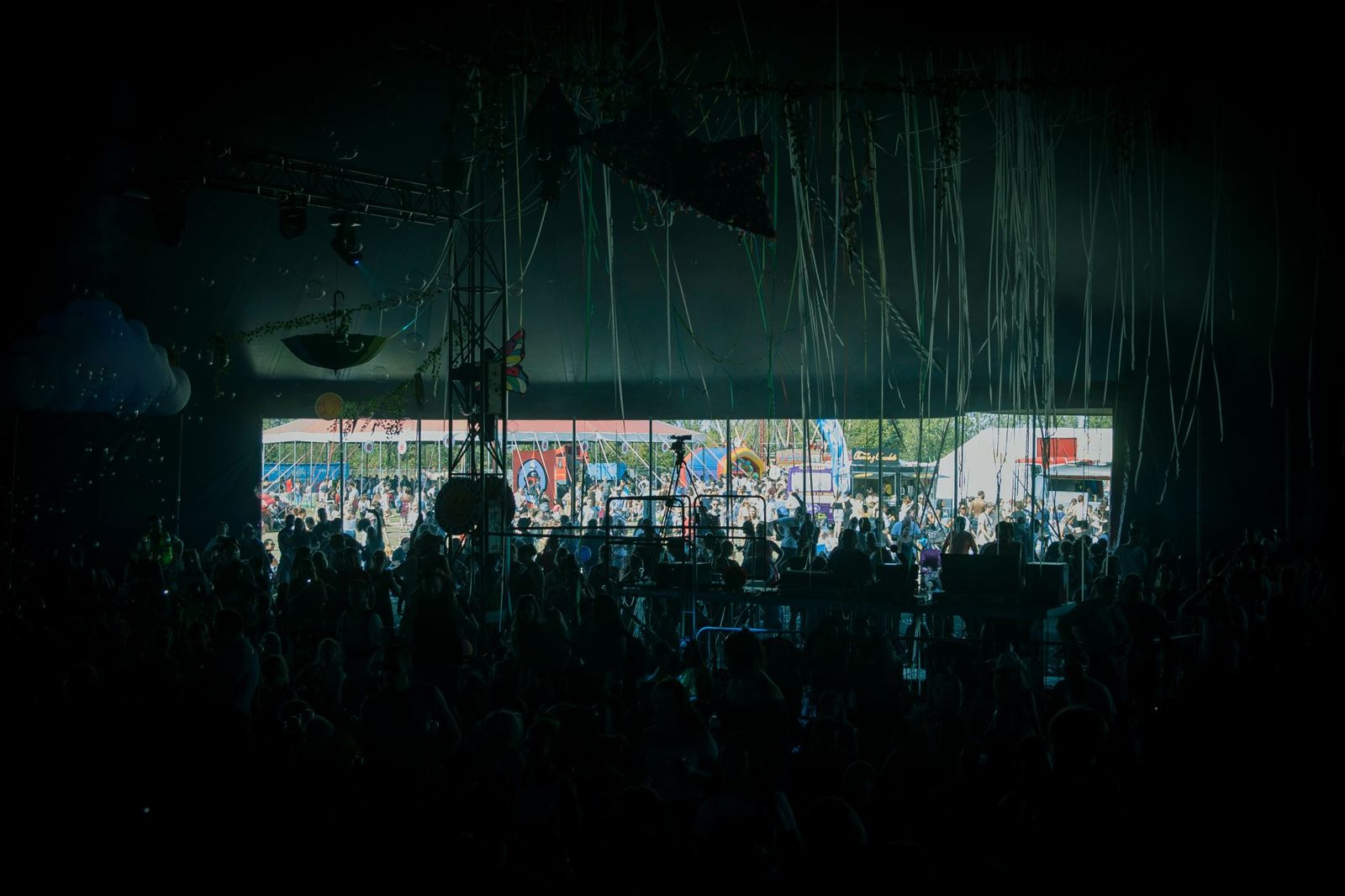
This is what surprises first-timers most. Sziget devotes huge areas of the island to things that have nothing to do with bands. There’s the dazzling Cirque du Sziget tent of contemporary circus, a sprawling art zone of installations, a Museum Quarter, a Danube beach, a wellness and yoga area, sports courts, a famous and proudly inclusive rainbow community space, and roaming theatre and street performers at every turn. You could genuinely have a brilliant week here and barely watch a full concert.
That breadth is why Sziget feels less like a gig and more like a festival holiday. Build in downtime to explore it — some of my best Sziget memories are daytime ones, floating in the river or watching acrobats while the main stages slept.
Tickets and passes
Pricing is tiered and rises in phases as the festival nears, so the single biggest money-saving move is to buy early. As a rough guide for 2026:
| Pass type | Roughly | Good for |
|---|---|---|
| Day ticket | from ~€75 | Dipping in for one or two acts |
| 3-day pass | ~€225 | A long weekend of the festival |
| 5-day full pass | ~€355 | The full island experience |
| VIP passes | higher | Premium viewing, lounges, better facilities |
| + Camping | added on top | Staying on the island overnight |
Remember that camping is a separate add-on to your festival pass, not included by default, and that VIP and standard tickets each come in day and multi-day flavours. Early-bird day tickets can dip toward €59, while last-minute ones creep toward €99 — another reason to commit early.
Camping: where you’ll actually live
Most Szitizens (yes, that’s what regulars call themselves) camp, and there’s a tier for every style. The standard campsites are included-area, first-come-first-served patches of grass — cheap and social but basic. Above that sit options like quieter “Bohemian” camping, pre-pitched tents, and proper glamping at “Hotel Sziget” if you want a real bed, air-con and private showers. There are also “Camping Plus” zones with better facilities and lockers throughout.
If roughing it on the island isn’t for you, plenty of people base themselves in the city and commute. In that case, browse the where to stay in Budapest guide — staying in the north of Pest keeps you closest to the island.
Getting to the island
Reaching Sziget from central Budapest is straightforward. The classic route is the HÉV suburban train (the H5 line) from Batthyány tér to the Filatorigát stop, a short signposted walk from the entrance — it takes around 20–30 minutes. There are also festival boats up the Danube, which are a lovely arrival, and plenty of people cycle. The wider transit system is covered in the Budapest public transport guide; a travelcard is worth it if you’re commuting daily.
The cashless system
Sziget runs entirely cashless on the island. You load money onto a festival wristband or the Festipay app and tap to pay for everything — food, drinks, merch. Top-up points and the app are everywhere, but a couple of tips: top up in larger chunks to avoid queues, keep an eye on your balance, and note that you can usually reclaim leftover credit afterwards (within a deadline), so don’t over-load on the final day.
What to pack
Five days of camping in August demands a bit of prep. The essentials I never skip:
- Sun protection — hat, high-SPF sunscreen, sunglasses. The island shade is limited and the heat is real.
- A refillable water bottle — there are free water points; staying hydrated is the difference between a great week and a rough one.
- Comfortable, closed shoes — the island is huge and you’ll walk kilometres a day; flip-flops won’t cut it.
- A power bank — charging lockers exist but are busy; a battery pack keeps your tickets and map alive.
- Earplugs and a sleep mask — the campsite never fully sleeps.
- A light rain layer — those August storms roll in fast.
First-timer tips from someone who’s done it
A few lessons learned the hard way. Pace yourself — five days is a marathon, not a sprint, and burning out on day two is a rite of passage you can skip. Agree on a meeting point with your group, because phone signal gets patchy when a few hundred thousand people are online at once. Embrace the daytime programme rather than sleeping until the headliners. And do leave the island at least once to see the actual city — Budapest’s ruin bars, baths and river views are reason enough to have come, and they’re all detailed across the things to do in Budapest guide. A bath at one of the thermal complexes is the perfect cure for a festival hangover.
If you want to keep the party going off the island, the city’s late-night scene — covered in the ruin bars and Budapest clubs guides — picks up exactly where Sziget leaves off.
Where Sziget sits in the festival calendar
Sziget is the giant, but it’s not the only show in town. If your trip doesn’t line up with mid-August, the Budapest festivals and events calendar runs through the alternatives — from the spring arts festival to the autumn wine festival at Buda Castle and the Formula 1 Grand Prix that lands just a couple of weeks before Sziget each summer. But if you can make the dates work, the island remains a bucket-list week — equal parts music marathon, camping adventure and the friendliest temporary city you’ll ever live in.
Food and drink on the island
You won’t go hungry. Sziget’s food offering has come a long way from the greasy-chips era — these days the island is lined with stalls serving everything from Hungarian lángos and grilled sausage to Thai, Mexican, Indian, burgers, poke bowls and a solid range of vegan and vegetarian options. Prices are festival-inflated, as you’d expect, but there’s real variety. To drink, beer and wine flow freely, and you’ll find the very Hungarian fröccs (wine spritzer) everywhere, which is exactly what you want in the August heat. If the local flavours grab you, the Budapest street food guide explains what to look for once you’re back in the city.
One practical note: eating well across five days adds up on the cashless wristband, so budget for it. Bringing your own snacks into the campsite is allowed and takes the edge off the food spend.
A realistic day at Sziget
To set expectations, here’s roughly how a Sziget day flows once you’ve settled in. Mornings are slow and gloriously lazy — people surface late, queue for coffee, and drift to the beach or a yoga session to shake off the night before. Early afternoon is for exploring: the art zone, the circus, the smaller stages where the day’s surprises hide. Things build through the evening, the main stages peak with the headliners after dark, and then the island shifts into its nocturnal gear — the electronic stages, the riverside bars and the spontaneous parties that run until sunrise.
The trick is not to try to do all of it every day. Pick your must-see acts, leave plenty of blank space, and let the island surprise you. Five days feels long on paper and somehow vanishes in practice. It’s the closest thing to living inside a festival that Europe offers, and once you’ve done it, you understand why so many people treat it as an annual pilgrimage.
Frequently asked questions
When is Sziget Festival 2026?
Sziget Festival 2026 runs from 11 to 15 August 2026, with a “Day 0” move-in and opening night on 10 August. It takes place on Óbuda Island in the Danube in northern Budapest.
How much do Sziget tickets cost?
As a 2026 guide, day tickets start around €75 (early-bird from roughly €59), three-day passes run about €225, and the full five-day pass is around €355. VIP versions cost more, and camping is an add-on purchased separately. Prices rise in phases, so buy early.
Do you have to camp at Sziget?
No. Camping is hugely popular and part of the experience, but it’s an optional add-on. Many people buy day or multi-day tickets and commute from accommodation in the city, which is about 20–30 minutes away by HÉV train.
How do you get to Sziget from central Budapest?
The easiest way is the H5 HÉV suburban train from Batthyány tér to Filatorigát, around 20–30 minutes, then a short walk. There are also festival boats up the Danube and bike routes to the island.
Is Sziget only about music?
Not at all. Alongside 300-plus musical acts, Sziget has a contemporary circus, art installations, a Danube beach, wellness and yoga areas, sports, theatre and a celebrated inclusive community space. Many people rate the non-music programme as their highlight.
Last updated June 2026. Photos: James Frid (Pexels); Lisa from Pexels (Pexels); Ann H (Pexels); Nicolas Arroyo (Pexels).