Budapest Hostels: Best Budget Accommodation Guide (2026)
An honest 2026 guide to the best hostels in Budapest — party vs chilled, real dorm prices, which neighbourhood to pick, hidden costs and booking tips.
In this guide
- What a hostel bed actually costs in Budapest
- Which neighbourhood to base yourself in
- The best party hostels
- The best social-but-chilled hostels
- Budapest hostels compared at a glance
- Dorm or private room?
- The hidden costs nobody mentions
- When to book and how to save
- Safety and solo travel
- Getting from the airport to your hostel
- What’s on your doorstep
- Hostel, apartment or hotel?
- A few things first-timers get wrong
- Frequently asked questions
This article contains advertising. Our booking links are routed through a partner that adds commission tracking automatically, so if you book through one we earn a commission from the provider, at no extra cost to you. It never affects what we recommend. Affiliate disclosure
I’ve checked into more Budapest hostels than I’d care to admit — a few chosen carefully over morning coffee, one or two booked in a panic at 1 a.m. when a night bus dropped me on the wrong side of the river. What keeps pulling me back is simple: this is still one of the great budget-bed cities in Europe. You can land a clean dorm in a beautiful old apartment building for the price of two beers back home, and you’re rarely more than a ten-minute walk from a thermal bath, a ruin bar, or the Danube.
What’s changed over the years is the variety. The city no longer offers just grungy party crashpads. There are design-led places with espresso machines and quiet floors, family-run spots where the owner remembers your name, and yes, the legendary party houses where sleep is optional. This guide walks through the best of them, what you’ll actually pay in 2026, which neighbourhood to pick, and the little costs nobody warns you about.
What a hostel bed actually costs in Budapest
Budapest remains genuinely cheap by Western European standards, though prices have crept up since the forint’s wobbles. As a rule of thumb in 2026, expect roughly 4,000–9,000 HUF (around €10–23) for a dorm bed, and 16,000–24,000 HUF (€40–60) for a private double in a hostel. Party hostels and weekends sit at the top of that range; an eight-bed mixed dorm in February can dip well below it.
Those numbers shift a lot with the calendar. A bunk that costs €11 on a wet Tuesday in November can triple during the Sziget festival in August or over a New Year’s Eve weekend. If you’re travelling on a tight budget, my honest advice is to come in the shoulder months — late March, or October — when the weather still cooperates and the dorm prices haven’t.
Which neighbourhood to base yourself in
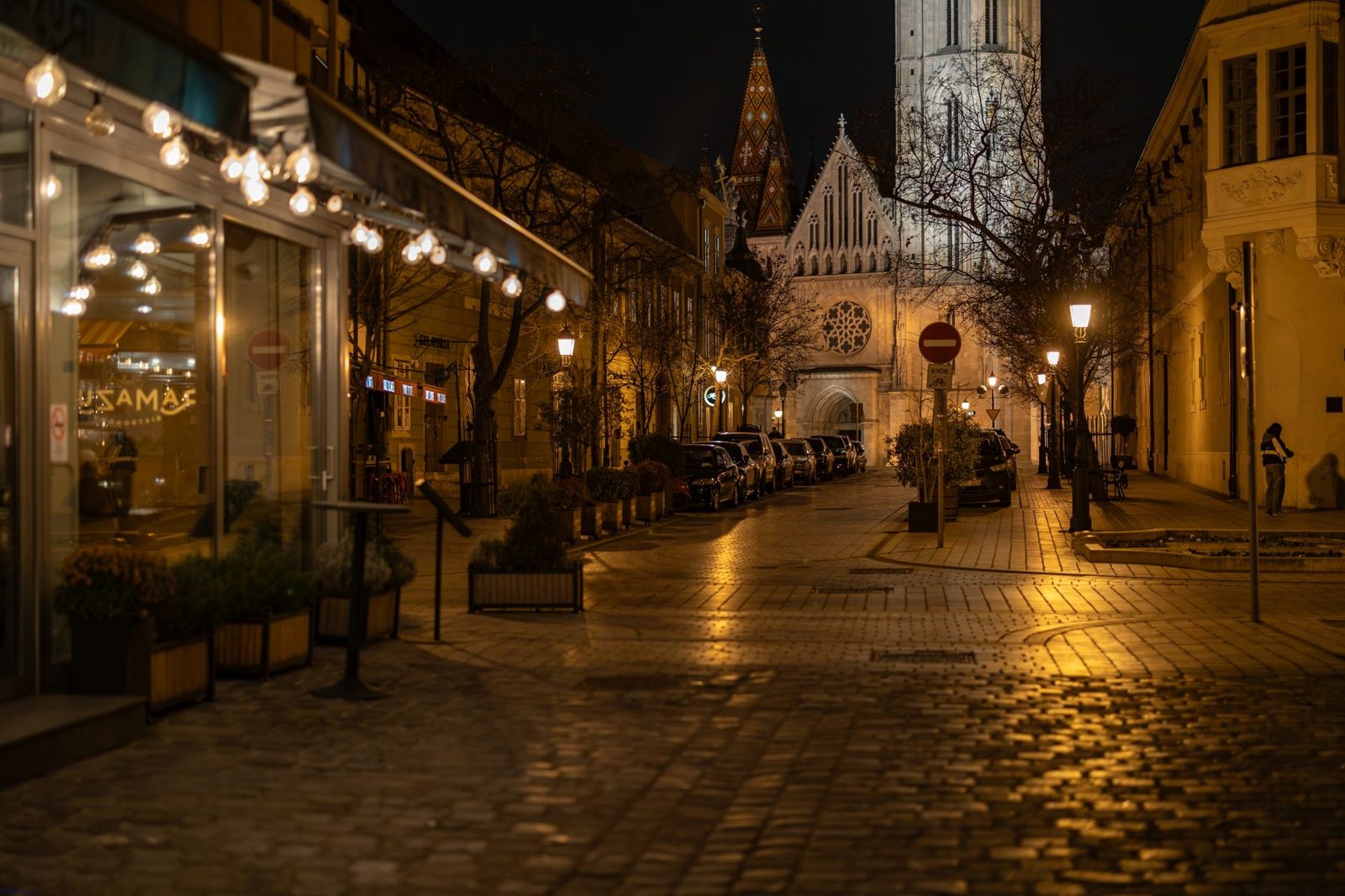
Where you sleep matters more than the hostel’s star rating. Most travellers want District VII, the old Jewish Quarter (Erzsébetváros). This is the beating heart of the nightlife scene — Szimpla Kert, Gozsdu Courtyard and a dozen ruin bars are on your doorstep — which is exactly why you either love it or can’t sleep through it. If you’ve come to party, book here and embrace the noise.
For something calmer but still central, District V (Belváros-Lipótváros) puts you beside the Danube, the Parliament and St. Stephen’s Basilica, with quieter streets at night. District VI (Terézváros), strung along grand Andrássy Avenue near the Opera, splits the difference nicely. Cross to the Buda side and you’ll find leafy, residential quiet near the Castle — peaceful, scenic, but a tram ride from the action. I sort out where each district suits which traveller in my deeper guide to Budapest’s neighbourhoods.
The best party hostels
If your trip is built around ruin bars and pub crawls, a handful of places have earned their reputation. The Hive Party Hostel is the giant of the scene — over 300 beds, a rooftop bar with a daily happy hour from 4 to 7 p.m., and a location steps from Gozsdu Courtyard. It’s loud, social and unapologetic about it; come for the crowd, not the quiet.
Carpe Noctem takes the opposite approach to scale. It’s tiny and famously intense — a single small dorm setup where the staff run nightly events and everyone goes out together, so you arrive a stranger and leave with a group chat. Onefam (formerly Retox/Vitae’s sister brand in spirit) is the polished all-rounder, with family-style dinners and organised nights out, a short stagger from Szimpla Kert. Dorms at these run roughly €18–35 depending on the night.
The best social-but-chilled hostels
Not everyone wants to be handed a shot at check-in. Wombat’s Budapest sits inside a converted historic hotel, so the rooms are unusually spacious and light — no cramped, windowless bunk caves — with a buzzy bar you can take or leave. Maverick Hostel & Ensuites (the Athenaeum branch) blurs the line between chic hotel and hostel, with ensuite dorms and proper private rooms in a grand old building near the river.
Island Hostel wins on atmosphere: a hammock-strewn terrace and a relaxed bar that draws a slightly mellower, conversation-over-carnage crowd, with dorms from around €11. Vitae Hostel is the homey, friendly option where solo travellers and small groups both fit in, with something low-key happening most evenings. These are the places I send people who want to meet others without committing to a 4 a.m. finish.
Budapest hostels compared at a glance
| Hostel | Vibe | Dorm from (2026) | Best for | Area |
|---|---|---|---|---|
| The Hive Party Hostel | Big party, rooftop | ~€18 | Nightlife first-timers | District VII |
| Carpe Noctem | Tiny, intense, social | ~€19 | Solo travellers wanting a crew | District VI/VII |
| Onefam | Organised fun | ~€20 | Group nights out | District VII |
| Wombat’s | Polished, spacious | ~€16 | Comfort on a budget | District VII |
| Maverick Athenaeum | Hotel-hostel hybrid | ~€14 | Couples, light sleepers | District V |
| Island Hostel | Chilled, terrace | ~€11 | Laid-back socialising | District VII |
| Vitae Hostel | Homey, friendly | ~€12 | First solo trip | District V/VII |
Dorm or private room?
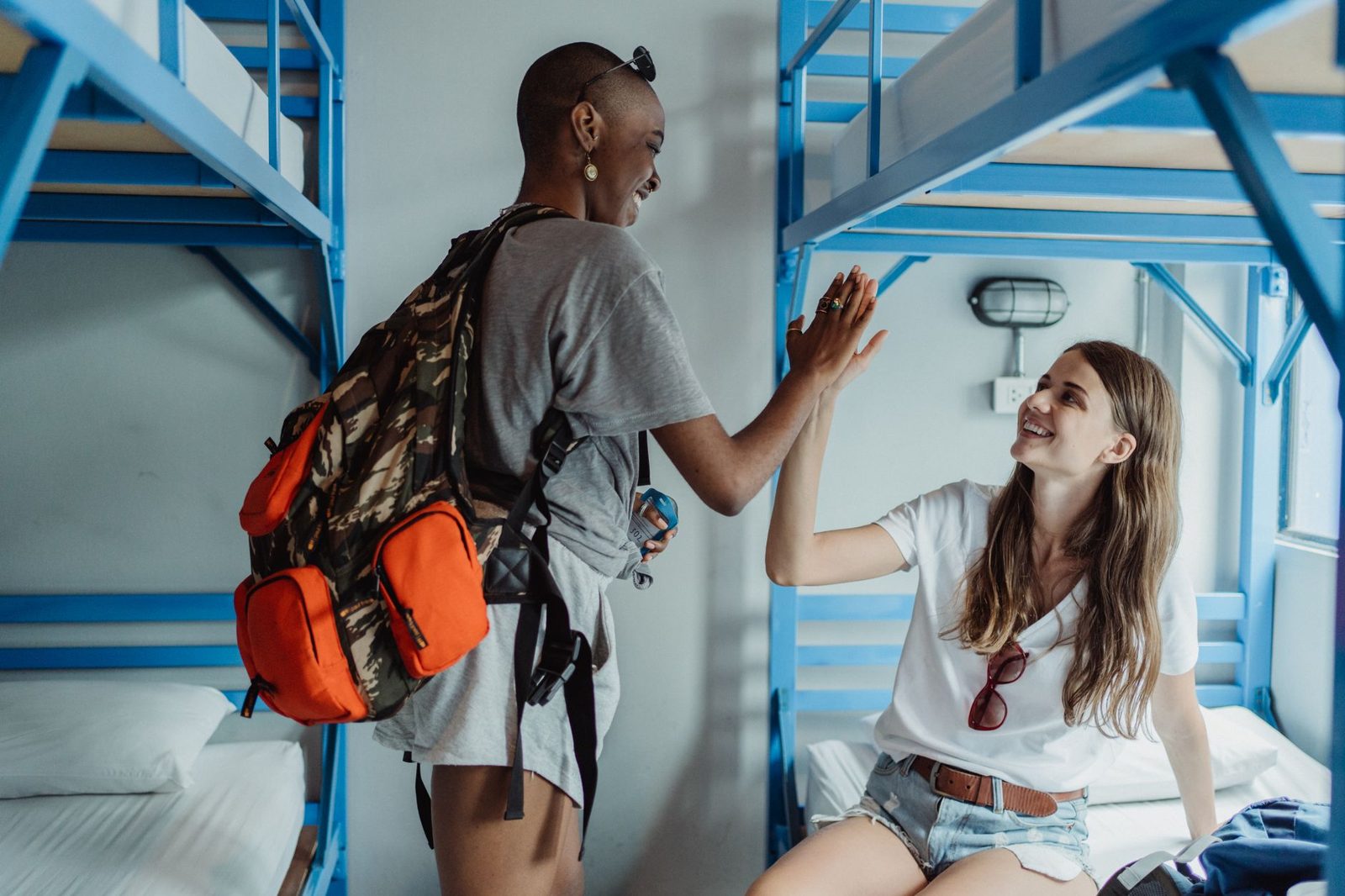
The dorm is the cheapest bed and the fastest way to make friends — there’s a reason solo travellers swear by them. Look for the details that separate a good dorm from a rough one: privacy curtains on each bunk, a reading light and personal plug socket, and a proper locker big enough for a carry-on. Female-only dorms are widely available and worth requesting if that’s your preference.
That said, hostel private rooms in Budapest are such good value that couples and friends often skip the dorm entirely. For €40–60 you get a lockable double with the hostel’s social spaces, bar and tours still on tap — frequently cheaper than a mid-range hotel and far more sociable. If you want the full sweep of options from dorms up to design hotels, my where to stay in Budapest guide lays them all out.
The hidden costs nobody mentions
The headline dorm price is rarely the final number. A few extras turn up again and again, and budgeting for them up front saves a grumpy moment at the front desk:
- City tourist tax — Budapest adds a tourist tax of around 4% of the room rate per night, often collected in cash on arrival and not shown in your online total.
- Towels and linen — bedding is almost always included, but a towel can cost €1–2 to rent. Pack a quick-dry one.
- Key or locker deposit — some places ask for a small refundable cash deposit for a locker padlock or key card.
- Card surcharges — a handful of smaller hostels still prefer cash for incidentals; have some forint on hand.
- Breakfast — sometimes free, sometimes a few euros extra; the corner bakery (pékség) is usually cheaper and better anyway.
When to book and how to save
For the popular party hostels in summer, book two to four weeks ahead — the best-rated rooms genuinely sell out, and last-minute walk-ins pay a premium. Outside peak season you can be far more relaxed, and I’ve happily booked the same afternoon. Mid-week stays are reliably cheaper than Friday and Saturday, and a Sunday-to-Thursday trip can shave a real chunk off your total. If you’re squeezing the whole trip, pair this with my tips on visiting Budapest on a budget.
Safety and solo travel
Budapest is a comfortable, low-stress city for solo and first-time travellers, and its hostels are part of why. The usual sensible habits apply: use the locker for your passport and laptop, keep an eye on your drink in the busier party houses, and choose a place with 24-hour reception if you’re arriving on a late flight. The party district is busy and well-lit until the small hours, but it’s still a nightlife zone — walk home with company when you can.
Getting from the airport to your hostel
Most hostels sit in the central Pest districts, which are easy to reach from Ferenc Liszt Airport. The cheapest route is the 100E airport bus straight into the centre, then a short tram or metro hop; a private transfer or taxi is quicker if you land late or travel with a group. I compare every option, with current prices, in my guide to the Budapest airport transfer, and the citywide passes are covered in Budapest public transport.
What’s on your doorstep
The beauty of a Jewish Quarter hostel is that the city’s best nights out start at the front door. Szimpla Kert, the original ruin bar, is a five-minute walk from most of them, and the whole tangle of Budapest’s ruin bars spreads out from there. If you’d rather let someone else plan the chaos, a Budapest pub crawl is the classic hostel icebreaker — most front desks sell tickets and half your dorm will already be going.
Hostel, apartment or hotel?
A hostel isn’t always the right call, even on a budget. If you’re a couple after privacy, a short-let apartment can match a hostel private room on price while giving you a kitchen and a washing machine — I weigh that up in my guide to Budapest Airbnb stays. And if you’d rather have a front desk and a lift, the city’s mid-range and four-star options have become surprisingly affordable; my pick of the best hotels in Budapest covers those. The rule I follow: choose a hostel when you want company and atmosphere, an apartment when you want self-sufficiency, and a hotel when you want to be looked after.
A few things first-timers get wrong
Two small bits of prep save most of the friction. First, pack hostel-smart: a padlock for older lockers, earplugs and an eye mask for the party houses, flip-flops for shared showers, and a quick-dry towel so you’re not paying the rental fee. Second, read the recent reviews rather than the average score — a 9.2 from two years ago tells you less than three honest write-ups from last month about thin walls, weak Wi-Fi or a check-in that closes early. The hostels that stay good are the ones whose recent guests still rave.
Frequently asked questions
How much does a hostel cost in Budapest?
In 2026, budget on roughly €10–23 for a dorm bed and €40–60 for a private double, depending on season and how party-focused the hostel is. Add about 4% city tax on top, and book ahead in summer when prices climb.
Which area is best for hostels in Budapest?
District VII, the Jewish Quarter, is the classic choice for nightlife and central access, though it’s noisy at night. District V is calmer and beside the river, while the Buda side is quietest of all. Choose by how much sleep you actually want.
Are Budapest hostels safe for solo travellers?
Yes — the city is one of Europe’s easier solo destinations, and its hostels are sociable and well-run. Use your locker, pick somewhere with 24-hour reception for late arrivals, and apply the usual care with drinks and valuables in the busier party hostels.
Should I book a dorm or a private room?
Dorms are cheapest and the most social; private hostel rooms cost €40–60 but are still far less than a hotel and keep the social spaces. Couples and light sleepers often find the private room the better value once you factor in a decent night’s sleep.
Do I need to book hostels in advance?
In summer and over festival or New Year weekends, book two to four weeks ahead for the popular places. Off-season you can be spontaneous — same-day bookings are usually fine and sometimes cheaper.
Last updated June 2026. Photos: Ketut Subiyanto (Pexels); Istvan Gerenyi (Pexels); Porapak Apichodilok (Pexels); Ketut Subiyanto (Pexels).