Buda Castle: Best Complete History & Visiting Guide (2026)
A first-person 2026 guide to Buda Castle and Castle Hill — the palace's much-rebuilt history, the museums inside, the funicular and free ways up, the Castle District lanes, the best viewpoints and how long to spend.

In this guide
- A palace rebuilt again and again
- What’s actually inside
- Getting up to the castle
- The Castle District is the real attraction
- The best views, and when to come for them
- Don’t miss what’s underneath
- How long to spend and how to plan it
- The gardens at the foot of the hill
- Practical tips for visiting Buda Castle
- Is Buda Castle worth visiting?
- Frequently asked questions
This article contains advertising. Our booking links are routed through a partner that adds commission tracking automatically, so if you book through one we earn a commission from the provider, at no extra cost to you. It never affects what we recommend. Affiliate disclosure
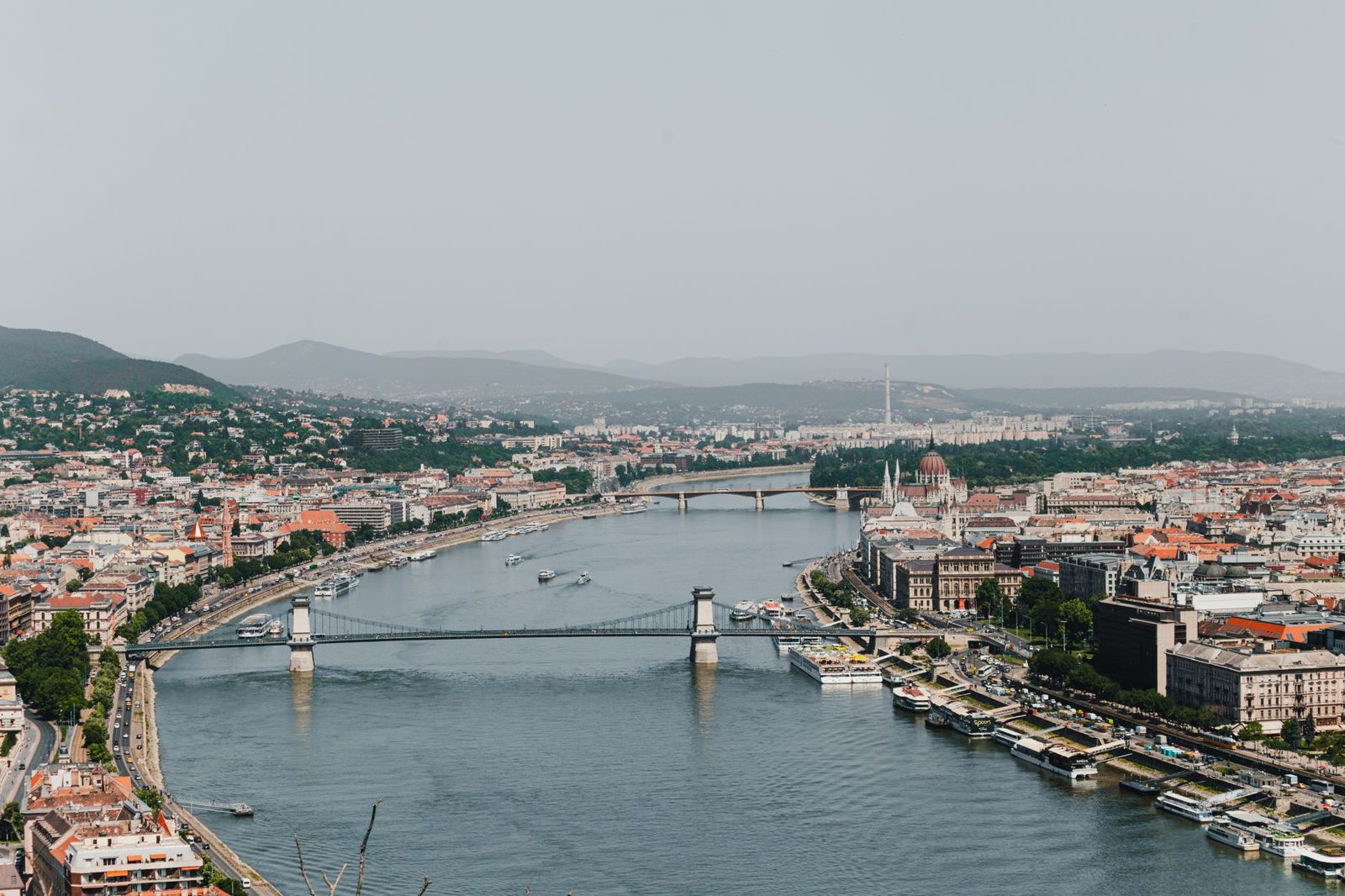
There’s a moment, about halfway up Castle Hill, when Budapest suddenly arranges itself below you: the Danube curling between Buda and Pest, the Chain Bridge stitching the two halves together, and the neo-Gothic Parliament glowing on the far bank like something cut from a fairy tale. That view is the real reason to climb up to Buda Castle, and it’s free. The palace itself, the museums, the cobbled lanes of the old town around it — those are the bonus.
Buda Castle is the single most recognisable landmark on the Budapest skyline, and also one of the most misunderstood by first-time visitors, who often expect a furnished royal residence and instead find a vast Baroque palace full of art galleries and a history museum. Once you know what it actually is — and isn’t — you can plan a half-day up here that’s genuinely one of the highlights of any trip. Here’s how I’d do it.
A palace rebuilt again and again
The first royal castle went up on this hill in the 13th century after the Mongol invasions convinced Hungary’s kings they needed a fortress, not a riverside palace. What you see today is mostly a Baroque reconstruction, because the building has been flattened and rebuilt so many times it’s almost a metaphor for the city. The siege of Budapest in the winter of 1944–45 left it a burnt-out shell; the communist government rebuilt the exterior but gutted the lavish interiors, turning the palace into a complex of public museums.
That layered, much-broken history is why the castle feels grand from a distance but a little austere up close. You’re not walking through a king’s bedchamber. You’re walking through a 20th-century reconstruction of a palace that has been a fortress, a Habsburg residence, a battlefield and a symbol, in roughly that order. In recent years an ambitious restoration programme has been steadily rebuilding lost features — the ornate St Stephen’s Hall reopened in 2021, and the old riding hall and guard buildings have returned — so the complex keeps changing.
What’s actually inside
The palace today holds three major institutions, and you’ll want to decide in advance which (if any) you’re going inside, because you could easily spend a full day in just one. Walking the grounds and courtyards costs nothing, so plenty of visitors never buy a ticket at all.

The Hungarian National Gallery fills the central wings and is the big draw — a deep collection of Hungarian art from medieval altarpieces to the moody canvases of Mihály Munkácsy and the dazzling works of the Secessionists. Climbing up into the dome for a 360-degree panorama is worth the visit on its own. The Budapest History Museum (also called the Castle Museum) occupies the southern wing and is where you descend into the genuine medieval and Gothic remnants that survived under the later palace — the most authentically old part of the whole site. The National Széchényi Library, Hungary’s national library, takes up another wing and is more of a working research institution than a tourist attraction.
Getting up to the castle
Castle Hill rises steeply from the river, and there are several ways up depending on your energy and budget. The famous one is the funicular — the Sikló — a pair of vintage wooden cabins that have been hauling passengers up the hillside since 1870. It’s a lovely two-minute ride with a view, and it deposits you right by the Habsburg Steps and the Turul statue at the top.
| Way up Castle Hill | 2026 detail |
|---|---|
| Funicular (Sikló) | Around 5,000 HUF return / 3,000 HUF one-way (adult); runs daily 08:00–22:00, closed alternate Mondays for maintenance |
| Bus 16 | From Deák Ferenc tér across the Chain Bridge up to the castle; covered by a normal transit ticket |
| Walking up | Free; 10–15 minutes up the stepped paths from the Chain Bridge or via the Castle Garden Bazaar |
| Castle Garden Bazaar (Várkert Bazár) | Free escalators and lift partway up the hill from the riverbank — the easiest free option |
My honest take: the funicular is charming but short, and the queue at midday can be longer than the ride. If you want to save money, the escalators inside the beautifully restored Castle Garden Bazaar at the foot of the hill carry you much of the way up for nothing, and bus 16 from Deák tér costs only a standard ticket. I’d ride the funicular once for the experience — ideally down rather than up, when the view opens out in front of you — and walk the other direction.
The Castle District is the real attraction
Here’s the thing first-timers miss: the palace is only one end of Castle Hill. The whole hilltop is a cobbled medieval district — the Várnegyed — and wandering its quiet streets is, for me, the best part of coming up here. At the northern end you’ll find Matthias Church, with its dizzyingly patterned tiled roof, and the fairy-tale white turrets of the Fishermen’s Bastion, whose terraces frame that postcard view across to Pest.
Between the two ends run lanes of pastel townhouses, little wine bars, the Sándor Palace (the Hungarian president’s official residence, where an hourly changing of the guard takes place), and any number of viewpoints over the river. It’s compact enough to cross in fifteen minutes but rewarding enough to lose an afternoon in. The Matthias Church interior is covered properly in our guide to Budapest’s churches and basilicas, and the Bastion is one of the best vantage points in the city, as you’ll see in our roundup of Budapest photography spots.
The best views, and when to come for them
The eastern terraces of the castle and the Fishermen’s Bastion look straight across the Danube at the Pest skyline, and the headline act of that skyline is the Hungarian Parliament, which is at its most photogenic in the golden hour and again after dark when it’s floodlit. If you can time your visit so you’re up on the hill as the sun drops behind Buda and the lights come on across the river, you’ll understand why people fall for this city. The bridges below are worth knowing too — our guide to Budapest’s bridges explains what you’re looking at.
Mornings are the calmest time up here. By late morning the tour groups arrive and the Bastion in particular gets busy. If you’re an early riser, the hour after the funicular opens at eight gives you the lanes almost to yourself.
Don’t miss what’s underneath
Castle Hill is honeycombed with cellars and natural caves, and one of them holds the extraordinary Hospital in the Rock, a secret wartime hospital and Cold War bunker now preserved as a museum. It’s one of the most memorable things you can do in the district and a complete contrast to the grand palace above it. There’s also a touristy Labyrinth of caves under the castle if you’ve time to spare.
How long to spend and how to plan it
If you only want the views, the lanes and a wander through the palace courtyards, give the hilltop two to three hours. Add a museum and you’re looking at a comfortable half-day; add the Hospital in the Rock and Matthias Church interior and you’ve filled a full one. Because the district sits a little apart from the Pest sights, most people treat it as its own block of the trip — it slots neatly into the second day of a 3-day Budapest itinerary.

The gardens at the foot of the hill
Don’t rush straight up. The Castle Garden Bazaar — Várkert Bazár — at the base of the hill on the Buda riverbank is a gorgeous Neo-Renaissance complex of terraced gardens, fountains and arcades that was derelict for decades and reopened after a meticulous restoration. It’s free to wander, the planting is beautiful in spring and summer, and the gentle climb through its terraces (or the escalators tucked inside) is a far prettier way up than the road. I’d build in twenty minutes here on the way to the top.
Up on the hill itself, the Castle District has a handful of cafés and wine bars where you can sit with that view rather than just photograph it. Prices are predictably touristy right by Matthias Church, but step a street back and you’ll find quieter spots. A glass of Hungarian wine on a terrace as the Pest lights come on is, frankly, one of the great cheap luxuries of the city — and a fine reward for the climb.
Practical tips for visiting Buda Castle
- The grounds are free. You only pay to enter the museums, the funicular, the Bastion upper terraces or the Hospital in the Rock. A lot of the magic up here costs nothing.
- Museums close on Mondays. Both the National Gallery and the History Museum shut on Mondays, so plan another day for them if Monday is your castle day.
- Wear proper shoes. The cobbles are uneven and the hill is steep — this is not the day for slippery soles.
- Ride the funicular downhill. The view is far better facing out over the river, and the queue is usually shorter at the top.
- Come for sunset. The Pest panorama at golden hour, with Parliament lighting up, is the single best reason to be here in the evening.
- Use the Várkert Bazár escalators if you’d rather not climb or queue — they’re free and start right on the riverbank.
Is Buda Castle worth visiting?
Completely — but reset your expectations first. Come for the views, the medieval district, the museums and the sheer drama of the hilltop, not for furnished royal apartments. Spend a slow morning or a golden evening up here, mix the free wandering with one paid attraction that interests you, and Buda Castle becomes exactly what it should be: the high point, literally and otherwise, of a trip through Budapest’s history and culture.
Fifteen minutes north along the ridge from the palace is the other half of Castle Hill’s draw. Our Fisherman’s Bastion guide covers what is free up there and what is not — the answer is more generous than the ticket desk suggests — along with the morning sequence that gets you round both before the coaches arrive.
At the northern end of the same ridge, twenty minutes’ walk from the palace, stands the hill’s other headline building. Our Matthias Church guide has the ticket prices, the opening hours that catch weekend visitors out, and the morning sequence that gets you round both before the coaches.
Frequently asked questions
Is Buda Castle free to enter?
The courtyards, terraces and grounds are free to walk around at any time. You only pay if you go inside the Hungarian National Gallery, the Budapest History Museum, or take the funicular up the hill.
How much is the Buda Castle funicular in 2026?
A return ticket is around 5,000 HUF for adults and a one-way around 3,000 HUF, with discounts for children. It runs daily from 08:00 to 22:00 and closes on alternate Mondays for maintenance.
How do you get up to Buda Castle?
You can ride the vintage funicular from the Chain Bridge, take bus 16 from Deák Ferenc tér, walk up the stepped paths in 10–15 minutes, or use the free escalators inside the Castle Garden Bazaar (Várkert Bazár) on the riverbank.
What is inside Buda Castle?
The palace houses the Hungarian National Gallery, the Budapest History Museum, and the National Széchényi Library. It is not a furnished royal residence — the original interiors were destroyed in the Second World War.
How long should I spend at Buda Castle?
Allow two to three hours for the grounds, views and Castle District lanes, or a half to full day if you add a museum and the Hospital in the Rock.