Budapest to Krakow: The Night Train and Its Alternatives
The nightly Metropol-Carpatia sleeper is still the best way from Budapest to Krakow. How the train divides in the night, what berths cost and where to book, plus the coach, car and day-train alternatives.
In this guide
- At a glance
- The night train: Metropol-Carpatia
- Seats or a sleeper?
- What it costs
- Where to book
- On board: practicalities
- Arriving at Kraków Główny
- Going the other way: Krakow to Budapest
- Breaking the journey
- Delays, connections and the morning after
- Luggage and families
- Is the night train worth it?
- By day: trains with changes
- By coach
- By car
- By air
- Making a trip of it
- Practical tips
- Frequently asked questions
- Photo credits
This article contains advertising. Our booking links are routed through a partner that adds commission tracking automatically, so if you book through one we earn a commission from the provider, at no extra cost to you. It never affects what we recommend. Affiliate disclosure
Budapest and Krakow are less than 300 kilometres apart as the crow flies, but the mountains of Slovakia sit squarely in between, and no railway runs straight across them. So the direct train from Budapest to Krakow goes the long way round: north up the Danube to the Slovak border, west to Bratislava, up through Czechia in the dark and back east through Polish Silesia, arriving in Krakow the next morning. It sounds absurd on a map. In practice it’s one of the most civilised ways to travel between the two cities: you go to bed in one and wake up in the other, having paid for a berth instead of a hotel room.
This page covers that night train, the Metropol-Carpatia, in detail: how it works, what the sleeping cars are like, what it costs and where to book it. Then the alternatives — daytime trains with changes, direct coaches, driving through Slovakia and flying — with an honest word on when each one makes sense. Prices were checked in September 2026; treat them as the right order of magnitude, because night-train fares swing a long way with demand and with how early you book. We haven’t printed departure times, because they shift with every December timetable change. Check them on the booking sites below.
At a glance
| Option | Time | Rough cost | Best for |
|---|---|---|---|
| Night train (Metropol-Carpatia) | Overnight: evening departure, morning arrival | Seats roughly €20–100, sleepers roughly €50–400 | Saving a hotel night and a daylight day |
| Day trains with changes | Most of a day, with two or three changes | Depends on the route; rail passes work well | Pass holders and people who want to see the countryside |
| Direct coach | Most of a day | Often the cheapest, booked early | Tight budgets |
| Driving | About 400 km, six to seven hours without long stops | Fuel plus motorway tolls in three countries | A road trip through the Tatras |
| Flying | A short flight, when a direct one runs | Varies widely | Rarely worth it once you add the airports |
The night train: Metropol-Carpatia
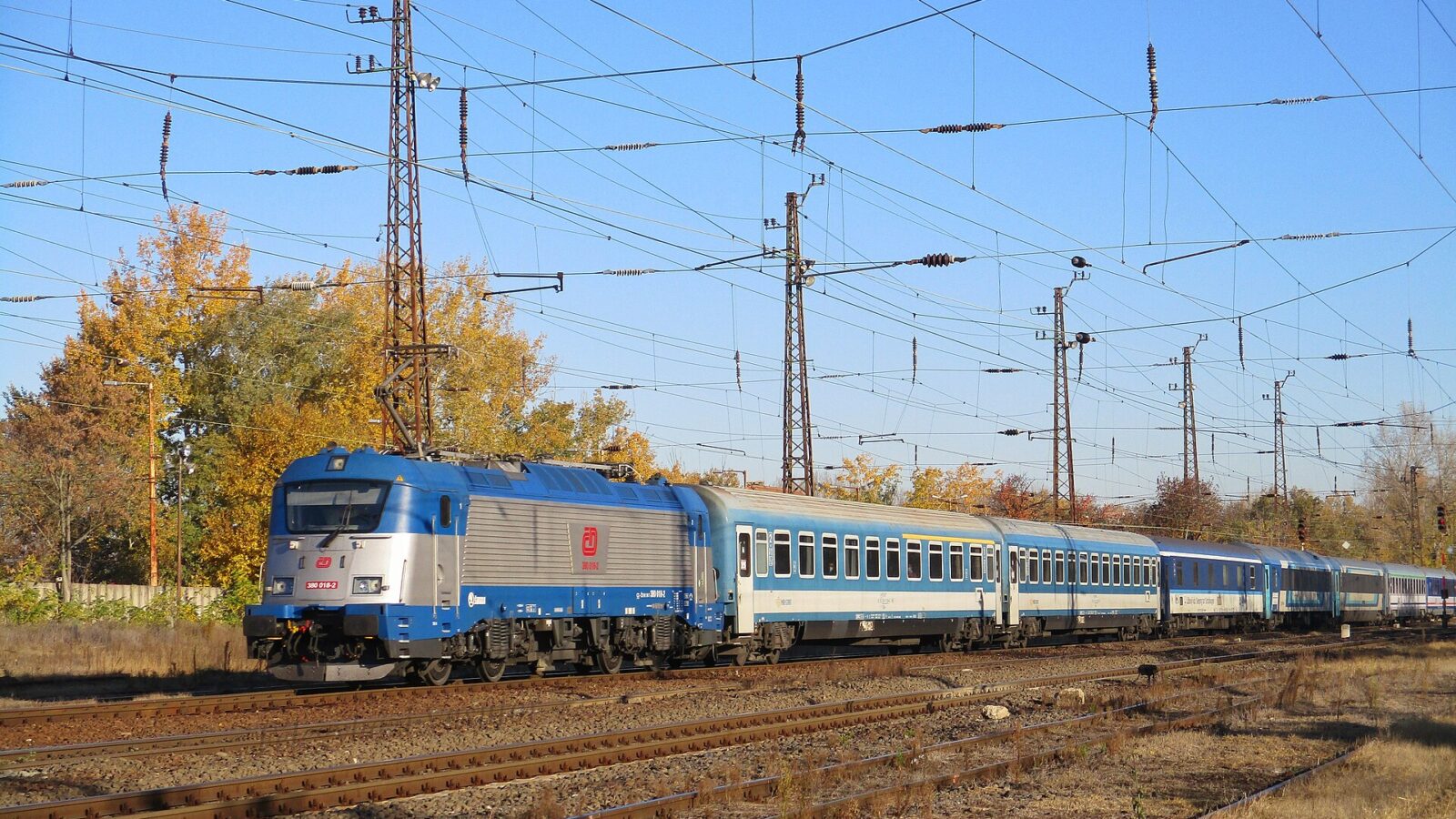
MÁV, Hungary’s national railway, lists two EuroNight trains that leave Budapest for Poland every night under the same numbers, 476/407. The Metropol-Chopin runs to Warsaw. The Metropol-Carpatia is the one you want: it runs via Vác, Štúrovo, Nové Zámky, Bratislava and Katowice to Krakow, then carries on east through Tarnów and Rzeszów to Przemyśl near the Ukrainian border. Both run daily, and both carry ordinary seated coaches and sleeping cars, with the on-board service run by WARS, the Polish Railways catering company.
It’s worth understanding what “Metropol-Carpatia” actually means, because it explains the one thing that trips people up. This isn’t a single train that runs unchanged from Budapest to Krakow. It’s a set of through carriages that start in Budapest as part of the Metropol, get shunted onto other trains during the night, and are divided again further on, with the Warsaw cars going one way and the Krakow and Przemyśl cars another. You’ll feel the bumps of coupling and uncoupling in the small hours. More importantly, you must board the carriage number printed on your ticket and stay in it. The coach next door may be heading for Warsaw.
Leaving Budapest, the train heads north along the Danube through Vác and crosses into Slovakia at Štúrovo, opposite Esztergom’s great basilica on the Hungarian bank, before turning west for Bratislava. The Czech part of the journey passes in the dark. By the time you’re awake you’re in Poland, coming through Katowice, and you pull into Kraków Główny, the city’s main station, in the morning.
Seats or a sleeper?
The seated coaches are the cheapest way on, and they’re fine for a short hop along the line. For the full run to Krakow, a night sitting up is a long one, and the saving over a berth is rarely worth the wrecked next day. Book the sleeper if you possibly can.
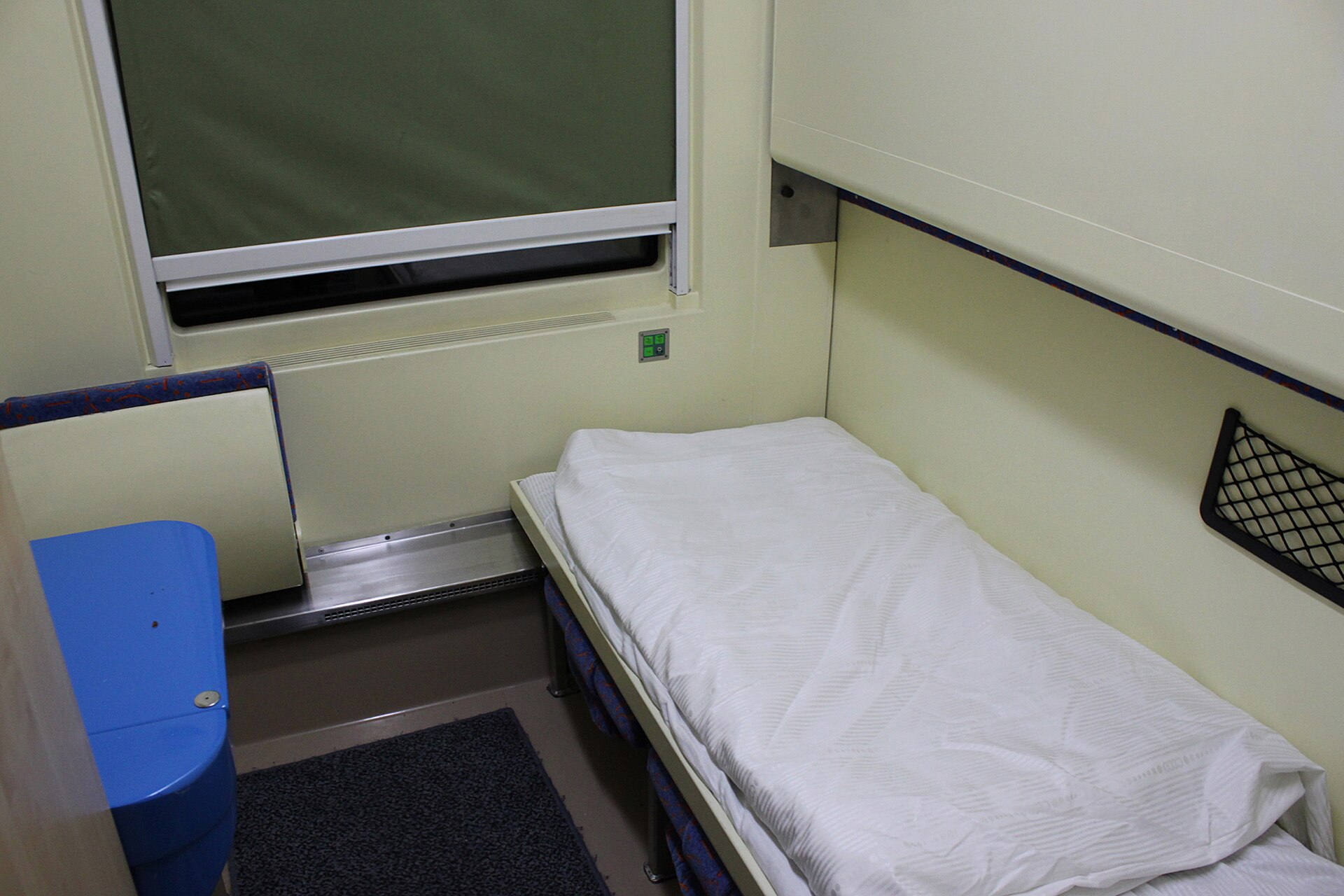
The sleeping cars are the classic central European sort: compartments with up to three beds, bedding provided, and a washbasin in the compartment, with the toilets at the end of the corridor. You can book a single berth in a shared compartment, which is the cheapest way to lie flat, or pay more for a compartment for two, or to yourself. There’s no shower to count on, so treat the arrival as a reason to check in somewhere with good water pressure. The sleeping-car attendant looks after the tickets overnight, can usually sell you a hot drink and a simple breakfast, and will knock before the train reaches Krakow if you ask.
What it costs
MÁV’s own guide to its night trains puts seats at roughly €20–100 and sleepers at roughly €50–400, across all its international overnight routes. Where you land in those ranges on the Krakow train depends on three things: how many people share the compartment, how full the train is, and how early you book. A berth in a shared three-bed compartment booked a month ahead sits towards the bottom of the sleeper range. A compartment to yourself in the last week of July sits much higher.
Where to book
MÁV itself says the lowest fares for travel to Poland are available only at its international ticket offices, to a limited extent, or on the Polish Railways website, intercity.pl, which has an English version and sells the through carriages from Budapest. That’s where to start. MÁV recommends booking about a month before you travel, and on summer weekends and around public holidays the sleepers can sell out earlier than that. If the website fights you, the international ticket counter at Keleti can sell the same journey, though not always at the cheapest fare.
Two things to check on the ticket before you leave for the station: the departure time, and the Budapest station. International trains don’t all leave from the same place, so don’t assume. The guide to Budapest’s train stations explains how Keleti, Nyugati and Déli divide up the work, and how to reach each by metro.
On board: practicalities
- Food: bring your own supper. Buy it before you set off, since station choice late in the evening is limited, and a bag of pogácsa and some fruit from a Budapest bakery makes a better picnic than anything you’ll find on board.
- Water: take more than you think. Sleeping compartments get warm.
- Security: lock the compartment door from the inside at night and keep your passport, phone and wallet in the bunk with you rather than in a bag on the rack.
- Sleep: earplugs and an eye mask make a real difference, given the shunting.
- Borders: Hungary, Slovakia, Czechia and Poland are all in the Schengen Area, so there are no routine passport checks, but police do carry out spot checks on international trains. Carry your passport or national ID card.
- Money: Poland uses the złoty, not the euro. Take a bank-branded ATM at Kraków Główny rather than one of the independent machines, and when a card terminal offers to charge you in your home currency, decline and pay in złoty. Our money guide has the same advice for Hungary, where the same tricks apply.
Arriving at Kraków Główny
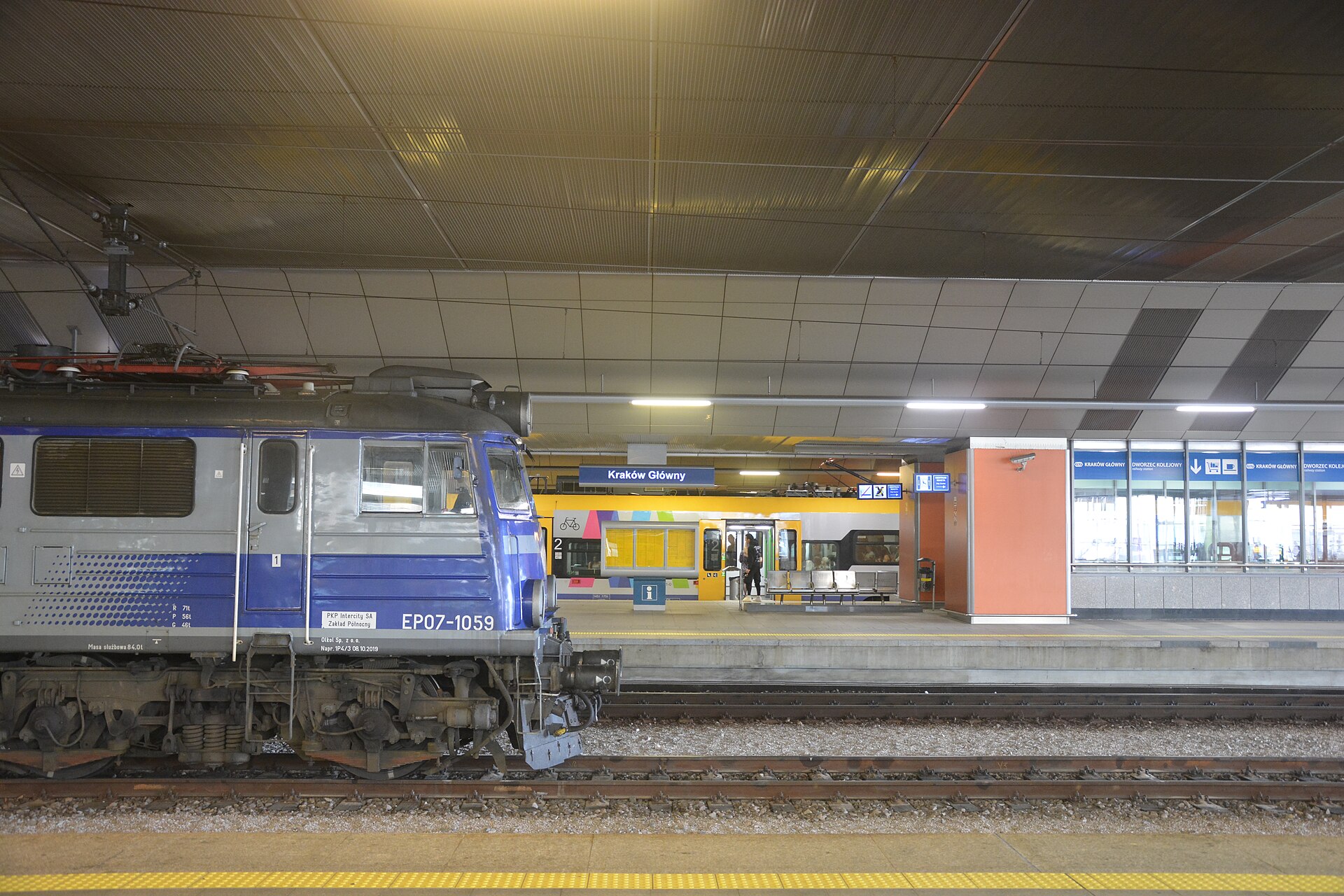
Kraków Główny is a modern station tucked beneath the Galeria Krakowska shopping centre on the edge of the Old Town. From the platforms it’s a ten- to fifteen-minute walk to the Rynek Główny, the main market square, through the ring of park called the Planty. Arriving early in the morning, most hotels will hold your bags, and the cafés around the square open early.
Going the other way: Krakow to Budapest
The same service runs in the opposite direction every night, starting from Przemyśl and picking up in Krakow in the evening, so everything above applies in reverse: book on intercity.pl, board the carriage number on your ticket, and expect some shunting in the night before you roll into Budapest in the morning.
One thing catches out almost everyone leaving from Kraków Główny for the first time. Polish departure boards give two numbers: the peron, which is the platform, and the tor, which is the track beside it. Each platform has a track on either side, so “peron 3, tor 5” means go to platform 3 and find track 5 along one edge of it. Check both before you head up the stairs, and give yourself a few minutes to find your carriage, since the through cars for Budapest are only a small part of a long train.
Arriving in Budapest early in the morning, the metro is the quickest way to most central hotels, and a single ticket is 500 Ft (€1.25). With heavy bags, book a cab by app rather than accepting an offer on the concourse; the Budapest taxi guide explains the fixed fares and how to avoid the touts, and the metro guide covers the lines from each station.
Breaking the journey
Because the train calls at Bratislava on its way north, you don’t have to board in Budapest at all. A day in the Slovak capital, then the night train from there, turns a transfer into a two-city trip, and Bratislava is about two and a half hours from Budapest by day train. Check that the booking site sells the Bratislava–Krakow section before you plan around it.
Alternatively, split the trip with a night somewhere in between. Vienna has direct trains towards Poland and makes a natural stop on the Central European loop, and the Czech city of Ostrava sits on the day route if you want somewhere less visited. Either way, you lose the neatness of going to bed in Hungary and waking up in Poland, but you gain a city.
Delays, connections and the morning after
Night trains that are split and joined across four countries don’t always run to the minute, and a late arrival of half an hour or more isn’t unusual. Build slack into the morning you arrive. In particular, don’t book a timed entry to the Auschwitz-Birkenau memorial or the Wieliczka salt mine for the morning you get off the train; plan either for the afternoon, or better, for the following day. The same goes in the other direction for anything timed on your first morning in Budapest, a Parliament tour for example.
If you’re catching an onward flight or train from Krakow, give yourself a margin of several hours. The night train is a lovely way to travel and a poor way to make a tight connection.
Luggage and families
There’s no luggage allowance to worry about in the usual sense, but space in a sleeping compartment is tight. Soft bags stow far more easily than big hard suitcases, which may end up standing in the corridor or wedged by your feet. Pack what you’ll need for the night in a small bag, so you’re not unpacking a case on a narrow bunk at midnight.
Children tend to love sleeper trains, and a compartment booked for the whole family is a genuinely memorable way to travel. Book the entire compartment so you’re not sharing with strangers, enter everyone’s age when you book so that any child fares apply, and bring snacks, water and whatever helps them sleep. The top bunks come with a guard rail, but younger children are happier on the bottom one.
Is the night train worth it?
For most people, yes, and the case is simple arithmetic. The train gets you from one city centre to the other while you sleep, which saves a night’s hotel bill and a daylight day you would otherwise spend in a bus seat or an airport. For a couple sharing a two-berth compartment, the combined cost often compares well with a budget hotel plus a bus ticket.
But go in with the right expectations. The carriages are serviceable rather than luxurious, the shunting in the night is real, and if you’re a light sleeper you’ll know about every stop in Czechia. If that sounds unbearable, pay for a compartment to yourself, or take the day route and stop somewhere on the way. If it sounds like an adventure, it is one.
By day: trains with changes
There’s no direct daytime train between Budapest and Krakow, but you can make the journey in a long day with two or three changes. The usual combinations run west to Bratislava or Vienna first, then north through Czechia via Břeclav and Ostrava, into Poland at Katowice and on to Krakow. The details change with each timetable, so let a planner do the work: intercity.pl, ÖBB’s planner and MÁV’s all show the through options.
The day route makes most sense if you hold an Interrail or Eurail pass, or if you’d like to break the journey. Vienna is the obvious stop, about two hours forty minutes from Budapest by Railjet; the Budapest to Vienna train guide covers that leg in full. Bratislava is closer still, and the Bratislava guide makes the case for stopping there.
By coach
Direct coaches, typically including Flixbus, take the road route straight across the Slovak mountains, usually arriving at Krakow’s bus station beside Kraków Główny. It’s the only way to travel directly by public transport without going round by Bratislava, and booked early it’s often the cheapest option of all. The trade-off is most of a day in a coach seat, winding roads through the mountains, and none of the sleep the night train gives you. Check the current timetable and fares with the operators, because the number of departures changes with the season.
Coaches from Budapest generally leave from Népliget, the city’s international bus station on the M3, which is further out than the railway stations. Allow time to get there.
By car
The drive is about 400 kilometres and takes six to seven hours without long stops. There are two broad ways to do it. The direct route crosses central Slovakia through the mountains on a mix of main roads and short motorway sections, and it’s the scenic choice, with the High Tatras rising to the east as you approach the Polish border. The alternative runs west to Bratislava and north via Žilina on faster roads, but covers more kilometres.
Each country handles tolls its own way. Hungary and Slovakia both use electronic vignettes that you buy online before you drive on the motorways; Poland charges on certain motorway sections instead, including parts of the A4 near Krakow. If you’re renting, check that the car may leave Hungary, and expect a hefty one-way fee if you’re dropping it in Poland. The Budapest car rental guide covers the vignettes, the paperwork and the one-way fees.
The verdict: driving is excellent if the road trip is the point and you’ll stop in the mountains on the way. As a way simply to get from one city to the other, it’s slower and more expensive than the night train.
By air
Direct flights between Budapest and Krakow come and go with the airlines’ schedules, and when there isn’t one, a connection via Warsaw or Vienna takes longer than the night train. Even with a direct flight, the time spent getting to Budapest Airport, going through security, and getting into Krakow from Balice airport (there’s a train into Kraków Główny) eats most of the advantage. Fly only if a direct flight happens to suit your plans; the Budapest Airport guide covers the Budapest end.
Making a trip of it
A lot of people who make this journey are doing the Central European loop: Budapest, Vienna, Prague and Krakow in some order, often with Bratislava thrown in. The night train is the neatest way to link Krakow with Budapest at either end of that loop. For the Prague leg, see the Budapest to Prague guide; to plan the Budapest days themselves, start with the Budapest itinerary hub.
What draws most visitors to Krakow is well known: the Old Town and its huge market square, Wawel Castle above the Vistula, the old Jewish quarter of Kazimierz, the Wieliczka salt mine just outside the city, and, an hour or so away, the Auschwitz-Birkenau memorial and museum, where entry needs booking well ahead. Allow at least three nights if you want to see more than the Old Town.
Practical tips
- Book the night train on intercity.pl about a month ahead. For summer weekends, earlier.
- Check the carriage number on your ticket and board that carriage. The train divides during the night.
- Confirm the departure time and the Budapest station on the ticket, not from memory or a guidebook.
- Get to the station 20–30 minutes early to find your carriage along the platform without a sprint.
- Carry a passport or national ID card for spot checks.
- Bring supper, water, earplugs and something to read. Charge your phone before you board.
- On arrival, get złoty from a bank ATM and always pay by card in the local currency.
For everything else about travelling around Budapest before you leave, see the getting around Budapest hub.
Frequently asked questions
Is there a direct train from Budapest to Krakow?
Yes, the nightly Metropol-Carpatia EuroNight, which runs via Slovakia, Czechia and Katowice to Krakow and on to Przemyśl, with seated coaches and sleeping cars. There’s no direct daytime train; by day you’ll need two or three changes.
How long does the train from Budapest to Krakow take?
It’s an overnight journey: you leave Budapest in the evening and reach Krakow the next morning. Check intercity.pl or MÁV’s journey planner for the current times, which change with each December timetable.
How much is the night train from Budapest to Krakow?
MÁV puts its night-train fares at roughly €20–100 for a seat and €50–400 for a sleeper. Booked about a month ahead, a berth in a shared compartment sits towards the bottom of that sleeper range; a private compartment in high summer costs a good deal more.
Where do I book the Budapest to Krakow night train?
On the Polish Railways site, intercity.pl, which MÁV itself points to for the lowest fares, or at MÁV’s international ticket offices in Budapest.
Do I need a passport to travel from Budapest to Krakow?
All four countries on the route are in the Schengen Area, so there are no routine border checks, but you must carry a passport or national ID card, and police do spot-check international trains.
Is the bus cheaper than the train from Budapest to Krakow?
Booked early, the coach is often the cheapest option. But it takes most of a day, and the night train saves you a hotel night, which usually closes the gap.
Can you drive from Budapest to Krakow in a day?
Easily. It’s about 400 kilometres and six to seven hours without long stops, through Slovakia. You’ll need electronic vignettes for the Hungarian and Slovak motorways, and Poland charges tolls on some motorway sections.
Photo credits
The Metropol night train in Hungary: 380 Metropol by SzGSz21, CC BY-SA 4.0, via Wikimedia Commons.
Sleeping-car compartment: 75 WLAB10mnouz 61 51 0-90 010-9 interior 021015 EN446 by NAC, CC BY-SA 4.0, via Wikimedia Commons.
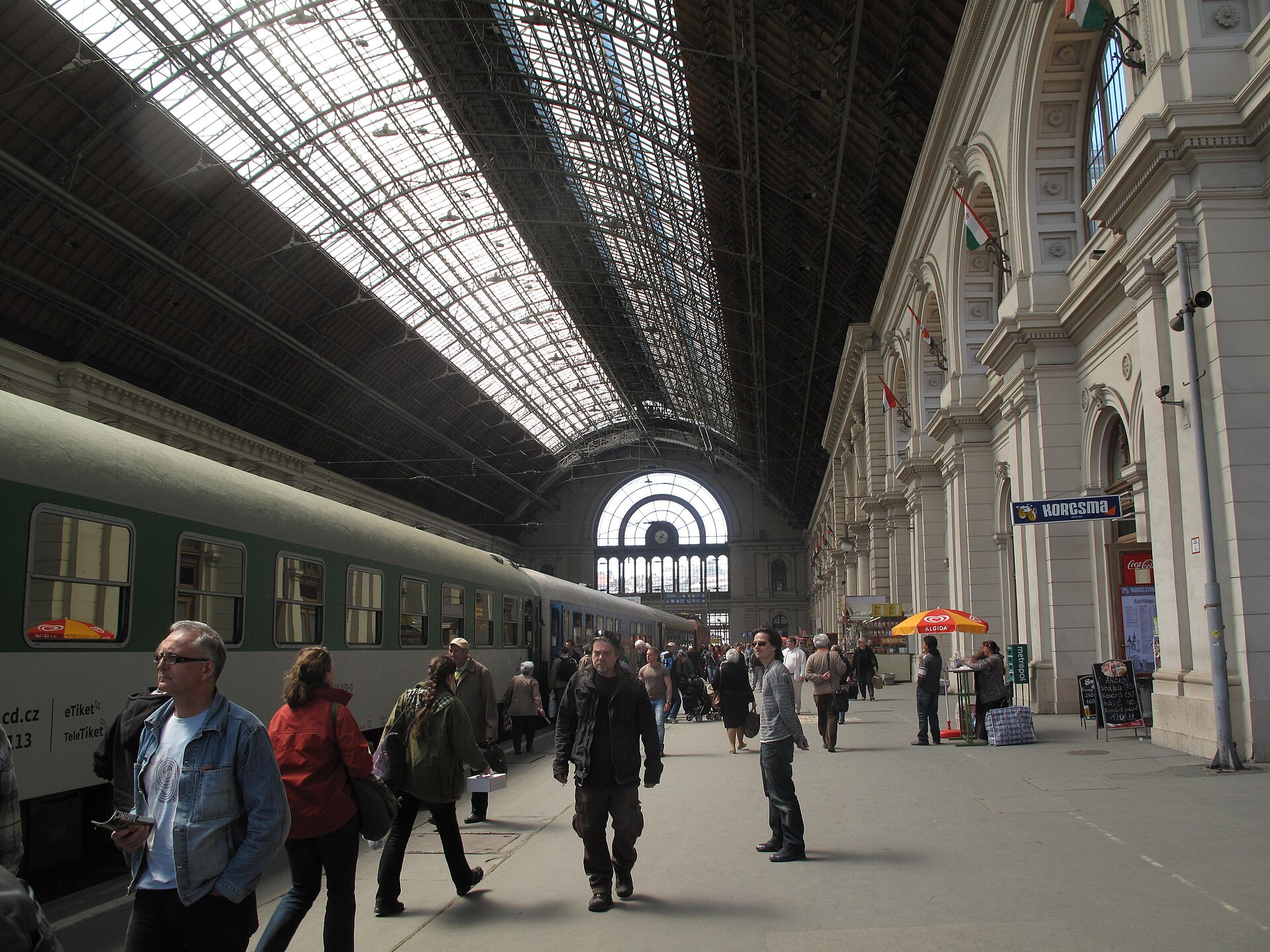
Keleti station platform: Budapest-Keleti station, train shed, 2011 by Dezidor, CC BY 3.0, via Wikimedia Commons.
Kraków Główny station: 202207 Kraków Główny 01 by Jonashtand, CC BY-SA 4.0, via Wikimedia Commons.