District VIII (Józsefváros): Budapest’s Most Misunderstood District
District VIII beyond its reputation: the Palace Quarter and the National Museum, Corvin köz and 1956, the Rákóczi tér market, the botanical garden, the national pantheon, and an honest look at safety.
In this guide
- District VIII at a glance
- The reputation, and why it misleads
- The Palace Quarter
- The Hungarian National Museum
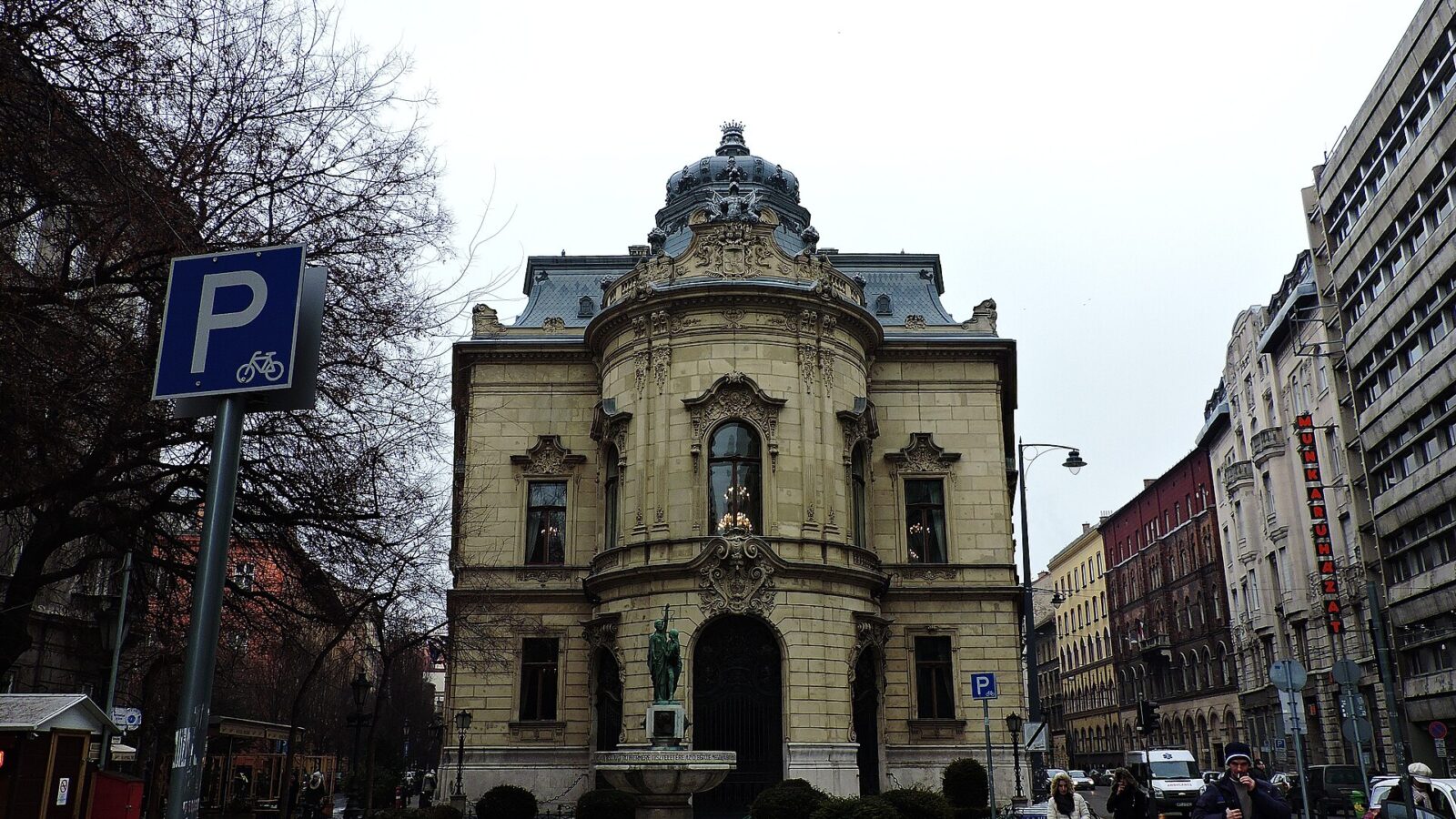
- The Wenckheim Palace
- Mikszáth Kálmán tér and around
- József körút, the district’s boulevard
- 1956 and the Corvin Passage
- Middle Józsefváros
- Rákóczi tér and its market hall
- Mátyás tér and Teleki tér
- How the district is changing
- The Füvészkert botanical garden
- The Fiumei Road Cemetery
- Keleti station and Baross tér
- Eating and drinking
- Safety, honestly
- Getting around
- District VIII through the year
- Should you stay in District VIII?
- A walk through District VIII
- Is District VIII worth it?
- Frequently asked questions
- Photo credits
This article contains advertising. Our booking links are routed through a partner that adds commission tracking automatically, so if you book through one we earn a commission from the provider, at no extra cost to you. It never affects what we recommend. Affiliate disclosure
In a courtyard just off the Grand Boulevard, a bronze boy with a rifle stands on a rock in front of a cinema. He’s a pesti srác, a Pest kid, one of the young insurgents who fought from this passage in 1956, and the cinema behind him still shows films. Plenty of people on the trams rattling past on József körút never notice him. That’s District 8 Budapest, Józsefváros, in miniature: a district crowded with history, quietly changing, and saddled with a reputation that has never quite caught up with it.
This guide covers the whole district rather than just its headlines: the grand Palace Quarter behind the National Museum, the 1956 sites around the Corvin Passage, the market and squares of middle Józsefváros, the botanical garden, the national pantheon at the Fiumei Road Cemetery and Keleti station, with an honest section on safety, where to eat and how to get around. Opening hours and prices were checked in November 2026 against the venues’ own sites; treat them as the right order of magnitude and confirm them before you go. For how District VIII fits with its neighbours, see our guide to all 23 Budapest districts.
District VIII at a glance
| What | District VIII |
|---|---|
| Official name | Józsefváros (Joseph Town, after Emperor Joseph II) |
| Nickname | Nyócker, slang for nyolcadik kerület, “eighth district” |
| Area | 6.85 km² |
| Population | 76,811 (2016) |
| Neighbours | District V across the Small Boulevard, District VII across Rákóczi út, District IX across Üllői út, and Districts VII and XIV at Keleti station |
| Main sights | The Hungarian National Museum, the Palace Quarter, the Wenckheim Palace library, Corvin köz, the Rákóczi tér market hall, the Füvészkert botanical garden, the Fiumei Road Cemetery, Keleti station |
| Getting around | M4 at Rákóczi tér, II. János Pál pápa tér and Keleti; M3 along Üllői út; M2 at Keleti; trams 4 and 6 on József körút |
| Best for | History, architecture, markets, a central base at lower prices than the districts next door |
| Not for | Visitors who want polished streets and nothing else |
The reputation, and why it misleads
Ask a Budapester about the Eighth and you’ll probably hear a story before you hear a fact. For decades Józsefváros was the inner-city district with the roughest name, a byword for poor housing and petty crime, with streets around Mátyás tér that people from other districts avoided. The slang name, Nyócker, carries all of that, and it went national with Nyócker!, Áron Gauder’s 2004 animated comedy about the multi-ethnic, rough-edged life of the district.
The trouble with the reputation is that it describes one part of the district, at one point in its history, as if it were the whole. Józsefváros is really three places:
- The Palace Quarter, the inner corner behind the National Museum, where nineteenth-century aristocrats built town palaces. It’s one of the handsomest parts of Pest and increasingly a student and café neighbourhood.
- The streets beyond the Grand Boulevard around Rákóczi tér, Mátyás tér and Teleki tér. This is where the old reputation came from, and where much of the change has been.
- The newer, greener Józsefváros of the Corvin Quarter, the university campuses, the botanical garden and the great cemetery on Fiumei út, with Keleti station on the district’s northern edge.
Parts of it are still poor, and you’ll notice that. But walk it by day with the ordinary awareness you’d bring to any big city’s inner districts and you’ll see a side of Budapest that most visitors, who never cross the Grand Boulevard, simply miss.
The Palace Quarter
Start behind the Hungarian National Museum, where the streets fill with the town palaces that Hungary’s aristocracy built in the nineteenth century. The Palace Quarter, Palotanegyed, is quiet, a little faded in places and grand in others, and it’s one of the best neighbourhoods in the city for an aimless walk.
The Hungarian National Museum
The National Museum on Múzeum körút is the obvious place to begin, and its neoclassical portico, with a statue of the poet János Arany in front, is the landmark of the whole quarter. Inside, the two-part permanent exhibition on the history of Hungary is the core of the visit, alongside the Roman and medieval stone collections, a display called “On the Border Between East and West” and the temporary shows.
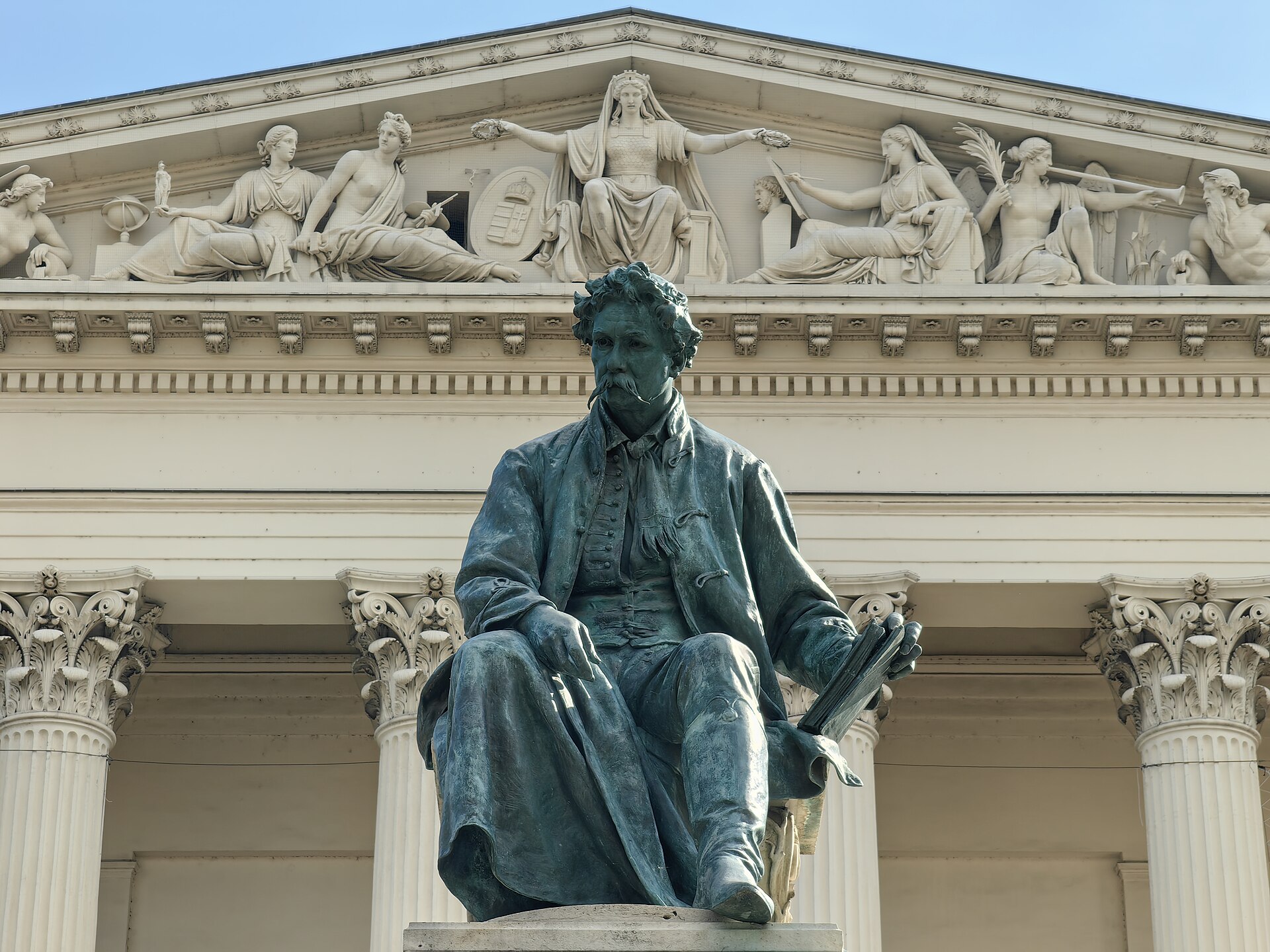
Be aware that part of the building is out of action. Since 2 December 2025, five spaces, including the halls for the Coronation Mantle and the Seuso Treasure, Széchényi Hall and the Open Repository, have been closed for renovation, and the museum’s site gives no reopening date, so check it before you go if they are your reason for visiting. The museum is open Tuesday to Sunday from 10:00 to 18:00 (the ticket office closes at 17:00), and a full ticket for the permanent exhibitions is 3,500 HUF (about €9.50), with discounted tickets at 1,750 HUF and a family ticket at 7,200 HUF. The Budapest Card is valid for the permanent exhibitions. Visitors who need step-free access should check the museum’s news page for lift information before going.
The Wenckheim Palace
The finest of the palaces, the Wenckheim Palace near Kálvin tér, is now the central library of the Metropolitan Ervin Szabó Library. The library’s website offers palace walks and guided tours for visitors, and a day card costs 1,700 HUF; check the site for the current times before you go, and remember that the reading rooms are working spaces.
Mikszáth Kálmán tér and around
The heart of the quarter’s café life is Mikszáth Kálmán tér, a small square of terraces and bars behind the museum, with Krúdy utca running off it. Students from the university buildings nearby keep it busy, and on a warm evening it has the easy, slightly scruffy charm that District VII’s party streets lost years ago. It’s a good place to sit with a coffee or a beer and watch the neighbourhood go by.
József körút, the district’s boulevard
József körút, the stretch of the Grand Boulevard that cuts through the district, is worth noticing in its own right. Trams 4 and 6 run its length, the shopfronts change from smart to scruffy and back again every few blocks, and the side streets open off it into a very different city on each side. Inside the boulevard lies the Palace Quarter and the student streets; outside it, the residential grid around Rákóczi tér and the Corvin Quarter. Walking a few hundred metres of it, between Rákóczi tér and Corvin köz, is a quick way to get the measure of the whole district.
1956 and the Corvin Passage
Józsefváros was one of the main battlegrounds of the 1956 revolution. During the fighting, insurgent groups operated from the Corvin Cinema and the buildings around it, and more than 400 of the district’s insurgents died. Corvin köz, the passage around the cinema off the Grand Boulevard, is now a memorial site as well as a working cinema.
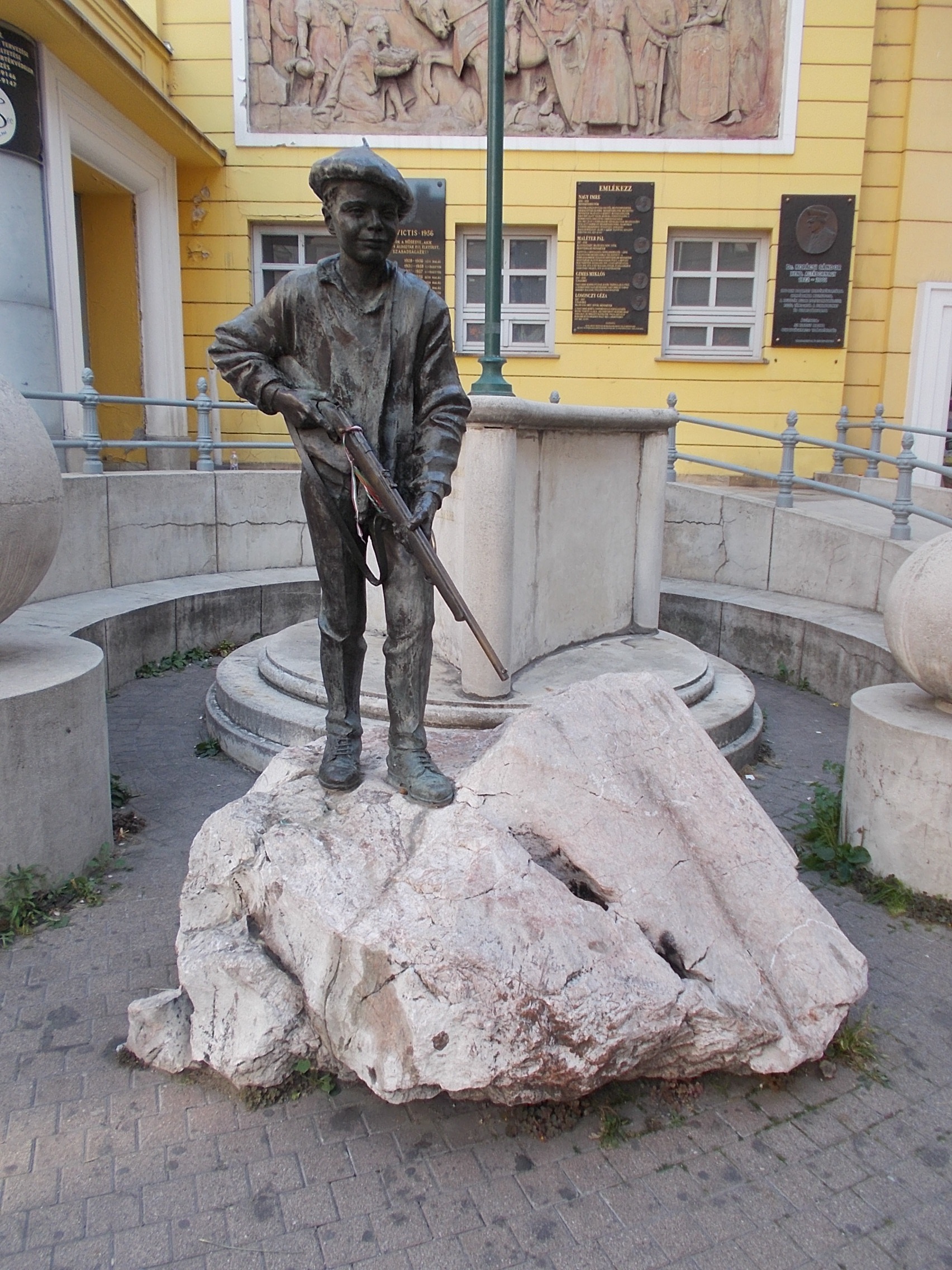
Lajos Győrfi’s statue of the pesti srác, unveiled in 1996, stands in front of the cinema, with memorial plaques on the walls around it. It’s a small, affecting place, and it’s worth reading up before you go: our guides to communist-era Budapest and Budapest’s history put 1956 in context.
Behind the cinema, the Corvin Quarter shows the other side of the district’s story: a large redevelopment project, with new offices, flats and university buildings replacing rundown blocks. It isn’t pretty in the way the Palace Quarter is, but it’s a clear sign of how fast this part of the city is changing.
Middle Józsefváros
Rákóczi tér and its market hall
Rákóczi tér, on the Grand Boulevard, has the district’s market hall, a proper neighbourhood market rather than a tourist attraction. Construction began in 1894 and the hall opened in 1897; it burned down in 1988 and was rebuilt, reopening in 1991. Inside, under the green iron roof, you’ll find fruit and vegetables, meat and everyday groceries, with prices and customers that tell you exactly who it’s for.
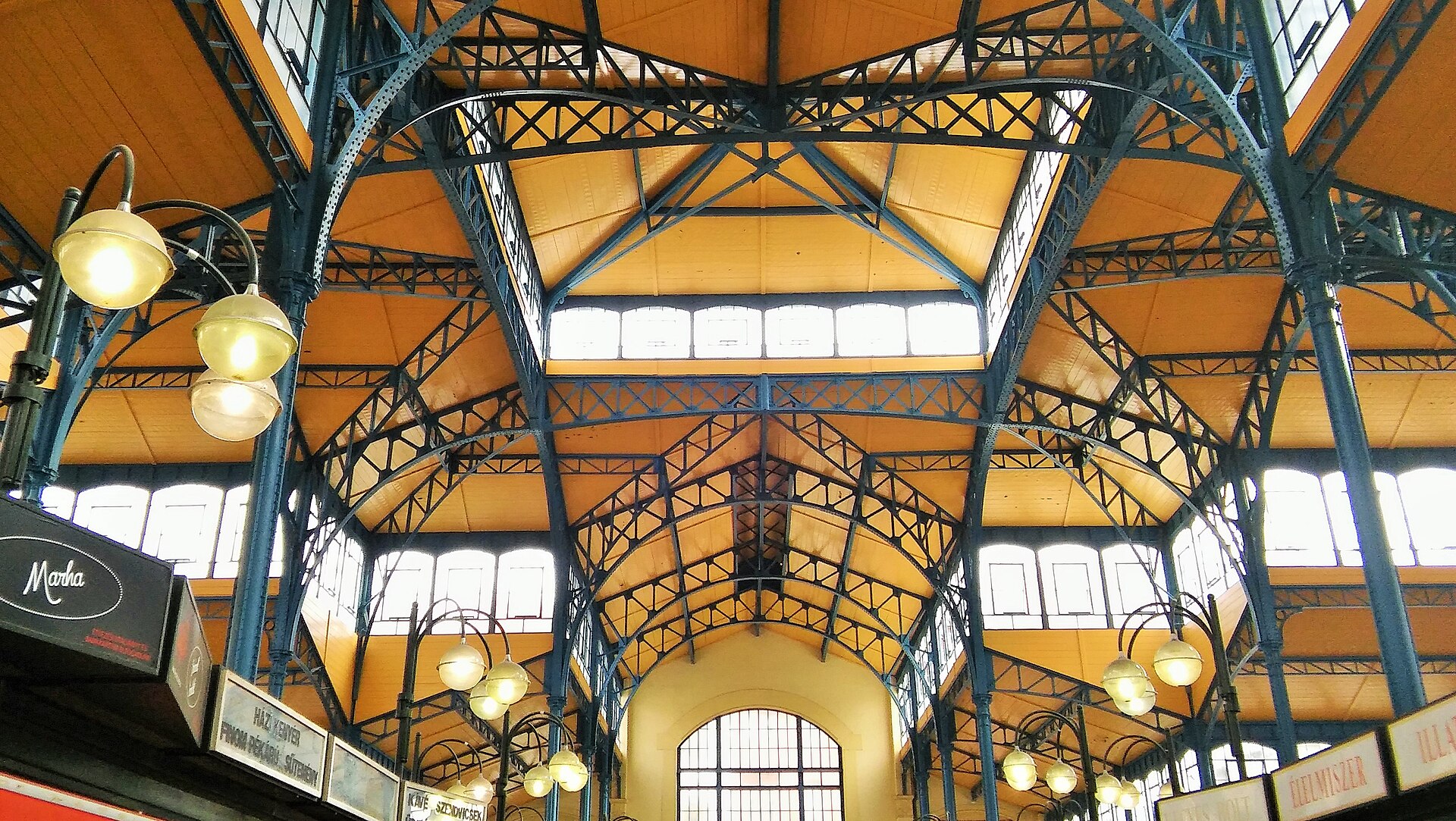
It’s open Monday from 6:00 to 16:00, Tuesday to Friday from 6:00 to 18:00 and Saturday from 6:00 to 13:00, and closed on Sundays and public holidays; entry is free. The M4 stops right outside, and trams 4 and 6 run along the boulevard close by. If you’ve been to the Central Market Hall and found it overrun, come here for the contrast. Our guide to Budapest’s markets compares them.
Mátyás tér and Teleki tér
Further out, Mátyás tér and Teleki tér are the squares the old reputation was built on. Mátyás tér, once a byword for the district’s problems, is now a leafy neighbourhood park of lawns, paths and benches.
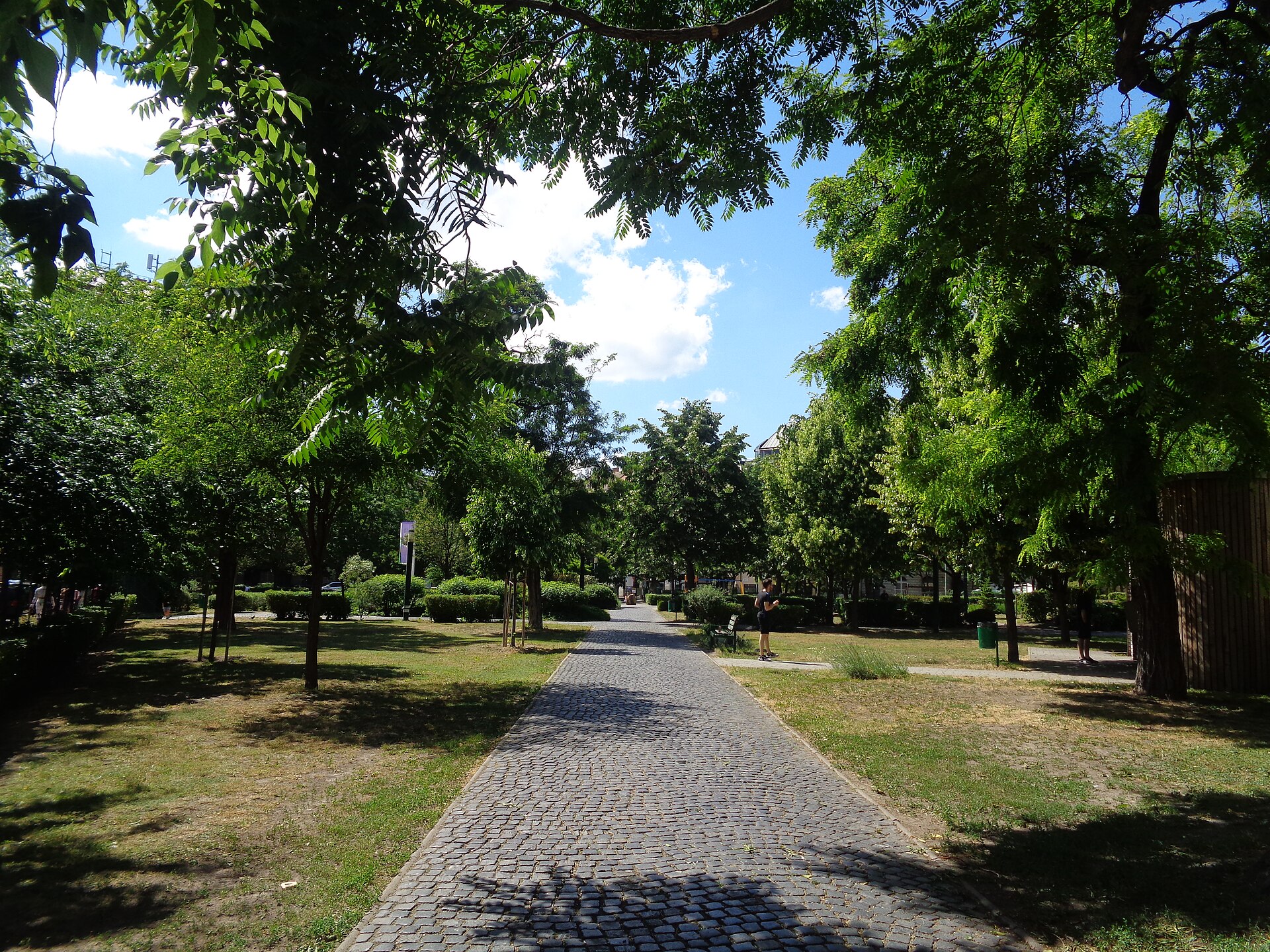
This is still one of the poorer parts of central Budapest, and you’ll see that in the state of some buildings. It isn’t a sightseeing area as such, but walking through it by day gives you a much fuller picture of the city than the boulevards do, and you’re very unlikely to be bothered.
How the district is changing
If you last heard about Józsefváros twenty years ago, a lot of what you heard is out of date. The changes are uneven, and they’re not all welcome to everyone who lives here, but they’re impossible to miss.
- The Corvin Quarter has replaced blocks of rundown housing behind the cinema with offices, flats and university buildings, and brought a weekday population of office workers and students with it.
- The Chinese market has gone. The sprawling Józsefváros Market on Kőbányai út, known to everyone as the Chinese market and for years one of the city’s great bargain bazaars, closed for good in June 2014.
- The squares have been rebuilt. Mátyás tér, once the centre of the district’s bad name, is now a park, and the streets around it are calmer than their reputation.
- The Palace Quarter has filled with cafés. Students from the universities nearby, and people priced out of the districts next door, have given the streets behind the National Museum a lively, slightly bohemian feel.
None of that has erased the district’s older character. There are still peeling courtyards, corner bars that open at dawn and long-established neighbourhood shops, and parts of the district remain among the poorer corners of central Budapest. That mix is exactly what makes it more interesting than the tidier districts on either side.
The Füvészkert botanical garden
Hidden behind walls on Illés utca, the Füvészkert, the botanical garden of Eötvös Loránd University, is one of the district’s best-kept secrets: old trees, lawns and glasshouses, a few minutes from the Corvin Quarter and a world away from the traffic.
From 1 November 2026 it’s open from 9:00 to 16:00, with the last tickets sold at 15:30. Tickets in 2026 are 2,200 HUF (about €6) for adults, 1,100 HUF for students and 1,300 HUF for pensioners, with a family ticket for two adults and two children under 14 at 5,500 HUF; prices can change on event days. It’s at its best from spring to autumn.
The Fiumei Road Cemetery
The Fiumei úti sírkert, the Fiumei Road Cemetery, is Hungary’s national pantheon, and it’s one of the most rewarding places in Budapest that most visitors never see. Its 56 hectares hold the graves of the poets Endre Ady, János Arany and Attila József, the novelist Mór Jókai and the composer Ferenc Erkel, among many others, and the great mausoleums of the statesmen Lajos Batthyány, Ferenc Deák and Lajos Kossuth.
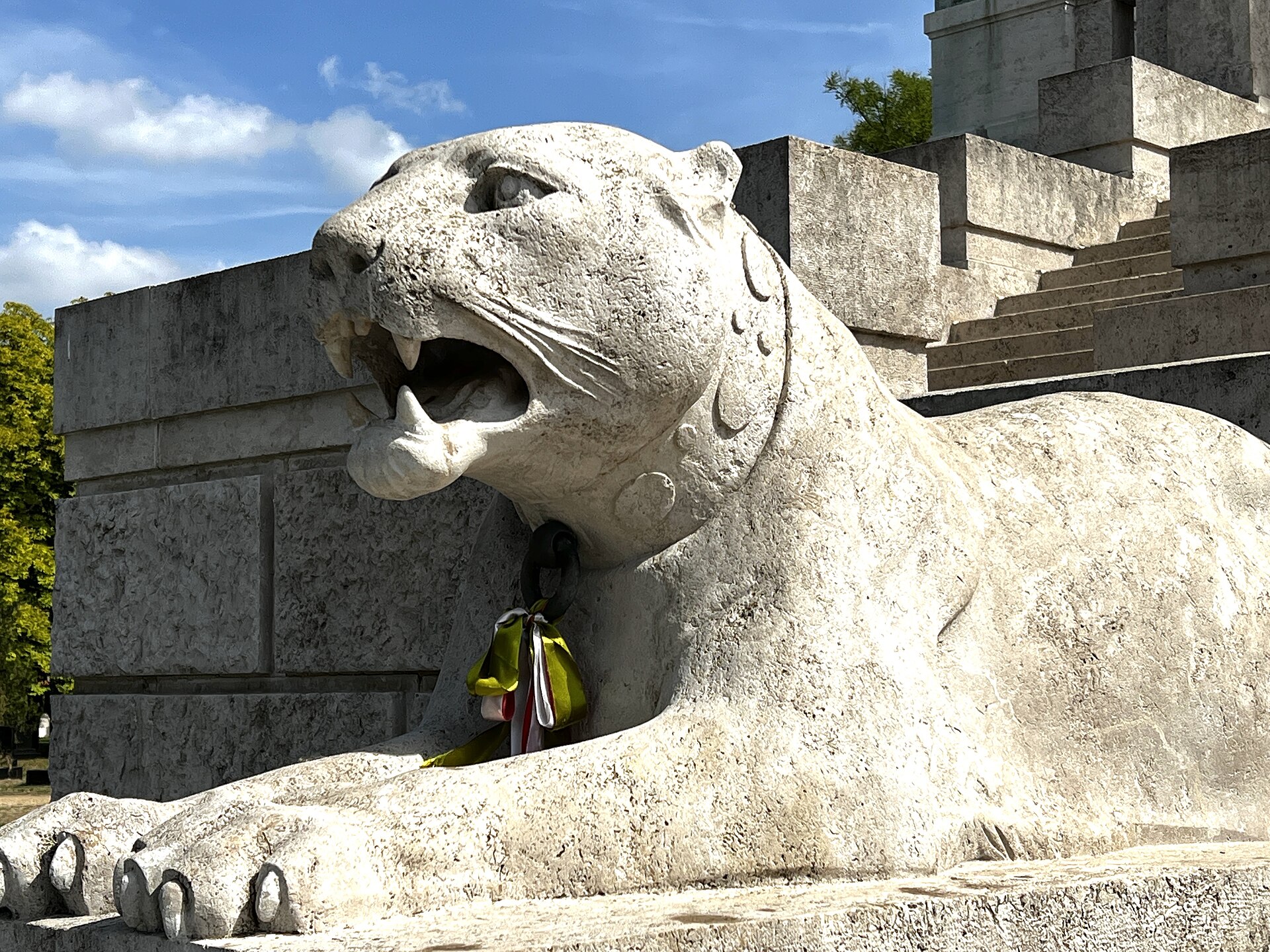
Entry is free during opening hours, which from November to February are 7:30 to 17:00. The cemetery is at Fiumei út 16–18, and tram 24 stops at the main entrance. Children under 14 must be accompanied by an adult. The National Heritage Institute, which has run the cemetery since 2016, has maps on its website; pick out a few graves before you go, because the grounds are big enough to wander for hours. Around All Saints’ Day at the start of November, Hungarian cemeteries fill with candles and visitors, and this one feels very different then.
Keleti station and Baross tér
On the district’s northern edge, Keleti station, the Eastern Railway Station, opened in 1884, and its grand facade faces Baross tér, where Districts VII, VIII and XIV meet. It’s the station for trains to Vienna and many other international destinations, and the M2 and M4 metro lines meet underneath it.
Like big stations everywhere, it attracts touts, so keep your wits about you and use the official taxi rank or an app. Our guide to Budapest’s train stations covers Keleti in detail, and the Budapest to Vienna train guide explains the most popular route out.
Eating and drinking
District VIII doesn’t have a famous restaurant strip, and that’s part of its appeal. The eating is spread out and mostly local:
- Around Mikszáth Kálmán tér and Krúdy utca: cafés, wine bars and small bistros for the student and arts crowd, the most relaxed place in the district for an evening drink.
- The Rákóczi tér market: for picnic supplies, fresh produce and a look at how the neighbourhood shops.
- The Corvin Quarter: newer, mostly chain-style places aimed at office workers and students, useful rather than memorable.
- The back streets: old-fashioned neighbourhood eateries and bakeries, cheap and unpretentious.
For the city’s food scene as a whole, see our Budapest food guide.
Safety, honestly
Is District VIII safe? For visitors, broadly yes. The Palace Quarter, the area around the National Museum, the Corvin Quarter and the main boulevards are busy, ordinary city streets by day and in the evening. Middle Józsefváros is poorer and looks it in places, but it’s not a no-go area, and Mátyás tér, once the byword for the district’s problems, is now a park.
The sensible precautions are the ones you’d take in any big city. Keep an eye on your phone and wallet around Keleti station and on busy trams, stick to main streets late at night if you don’t know the area, and don’t buy anything from people approaching you in the street. Our guide to safety in Budapest covers the city-wide picture.
Getting around
- M4: stops at Rákóczi tér, II. János Pál pápa tér and Keleti, and links the district with Kálvin tér, the river and Buda. It opened in 2014, and Alstom, which built its trains, describes it as Central-Eastern Europe’s first automated metro line.
- M3: runs under Üllői út, the border with District IX, with stations at Kálvin tér, Corvin-negyed, Semmelweis Klinikák and Nagyvárad tér.
- M2: meets the M4 at Keleti.
- Trams 4 and 6: along József körút, the district’s stretch of the Grand Boulevard, past Corvin köz and Rákóczi tér.
- Tram 24: to the main entrance of the Fiumei Road Cemetery.
| Stop | Line | For |
|---|---|---|
| Kálvin tér | M3, M4 | The National Museum, the Palace Quarter, the Wenckheim Palace |
| Rákóczi tér | M4 | The market hall |
| Corvin-negyed | M3 | Corvin köz and the Corvin Quarter |
| Keleti pályaudvar | M2, M4 | Keleti station and Baross tér |
| Fiumei Road Cemetery main entrance | Tram 24 | The national pantheon |
Our public transport guide explains tickets and passes.
District VIII through the year
- 15 March: the national holiday marking the 1848 revolution centres on the National Museum, which is free that day; the official programme in 2026 included free family events there.
- 20 August and 23 October: the museum’s permanent exhibitions are also free on these national holidays, the second of which is the anniversary of the 1956 revolution.
- Every third Saturday: the permanent exhibitions are free for Hungarian and EEA citizens under 26, and for parents or relatives accompanying at least two children.
- Late 2026 into 2027: the museum’s temporary exhibitions include one on Louis the Great, until 31 December 2026, and “Children of ’56”, from 22 October 2026 to 30 January 2027.
- Winter: the Füvészkert keeps shorter hours (9:00–16:00 from November), and the Fiumei Road Cemetery opens 7:30–17:00 from November to February.
Should you stay in District VIII?
The Palace Quarter, just behind the National Museum, is one of the better-value places to stay in central Budapest: walkable to the Danube and District V, with the M3 and M4 on the doorstep and a lively café scene. The streets close to the Grand Boulevard and the Corvin Quarter are fine too. Further out, it makes less sense for a short trip. Our guide to which district to book compares it with the alternatives.
A walk through District VIII
This half-day route works best on a weekday or Saturday morning, when the market is open; the National Museum is closed on Mondays.
- Start at the Hungarian National Museum on Múzeum körút, near Kálvin tér, and give the permanent exhibition an hour.
- Walk into the Palace Quarter behind it, with its town palaces, and stop for a coffee on Mikszáth Kálmán tér.
- Look in at the Wenckheim Palace library near Kálvin tér, if its visitor times suit.
- Cross to Rákóczi tér for the market hall (closed on Sundays).
- Follow the Grand Boulevard south to Corvin köz and the 1956 memorial in front of the cinema.
- Finish in the Füvészkert, the botanical garden on Illés utca, before it closes at 16:00 in winter.
With more time, give the Fiumei Road Cemetery a separate morning; tram 24 stops at the gate. For the neighbouring districts, our guides to District VII and District V pick up across Rákóczi út and the Small Boulevard.
Is District VIII worth it?
Yes, and more than its reputation suggests. The National Museum, the Palace Quarter and the Fiumei Road Cemetery would each justify a visit on their own, and Corvin köz is one of the most important places in the city for understanding 1956. What makes it worth the time, though, is the range: palaces and market stalls, students and pensioners, new glass offices and peeling courtyards, all within a twenty-minute walk. Don’t come expecting polish, and don’t believe everything you hear about the Eighth.
Frequently asked questions
Is District 8 in Budapest safe?
For visitors, broadly yes. The Palace Quarter, the Corvin Quarter and the main boulevards are ordinary, busy city streets. Parts of middle Józsefváros are poorer, but not dangerous by day; take the usual big-city precautions, especially around Keleti station.
What is District 8 known for?
The Hungarian National Museum, the aristocratic Palace Quarter, the 1956 fighting around the Corvin Cinema, the Rákóczi tér market hall, the Fiumei Road Cemetery and Keleti station, as well as its long-standing rough reputation.
What does Nyócker mean?
Nyócker is slang for nyolcadik kerület, the eighth district. It became widely known through Nyócker!, Áron Gauder’s 2004 animated film about life in the district.
Is District 8 a good place to stay?
The Palace Quarter behind the National Museum is a good-value, central base, and the area near the Grand Boulevard and the Corvin Quarter works well too. The outer parts of the district make less sense for a short visit.
Is the Hungarian National Museum worth visiting?
Yes, for its permanent exhibitions on Hungarian history, but note that five spaces, including the Coronation Mantle and Seuso Treasure halls, have been closed for renovation since December 2025. A full ticket is 3,500 HUF, and it’s closed on Mondays.
Can you visit the Fiumei Road Cemetery?
Yes. Entry is free during opening hours, 7:30–17:00 from November to February, and tram 24 stops at the main entrance on Fiumei út. Children under 14 must be with an adult.
Photo credits
The Wenckheim Palace (featured image): Metropolitan Ervin Szabó Library (Wenckheim Palace), Budapest (33594809230) by Dimitris Kamaras from Athens, Greece, CC BY 2.0, via Wikimedia Commons.
The Hungarian National Museum and the Arany statue: Budapest, Nemzeti Múzeum, 44 by Christo, CC0, via Wikimedia Commons.
The pesti srác statue in Corvin köz: Corvin Gasse, Statue, 2021 Józsefváros by Globetrotter19, CC BY-SA 3.0, via Wikimedia Commons.
The Rákóczi tér market hall: Rákóczi téri vásárcsarnok belső1 by 12akd, CC0, via Wikimedia Commons.
Mátyás tér: Mátyás tér – park (a) by Sir Morosus, CC BY-SA 4.0, via Wikimedia Commons.
The Kossuth Mausoleum: Detail du mausolee de Kossuth Lajos de Budapest by Christiane Angibous-Esnault, CC BY-SA 4.0, via Wikimedia Commons.