Eger Day Trip from Budapest: Best Wine, Castle & Baths (2026)
Plan an Eger day trip from Budapest: how to get there by train, the castle and baroque old town, the Ottoman minaret, and tasting Bull's Blood in the Valley of the Beautiful Women.
In this guide
This article contains advertising. Our booking links are routed through a partner that adds commission tracking automatically, so if you book through one we earn a commission from the provider, at no extra cost to you. It never affects what we recommend. Affiliate disclosure
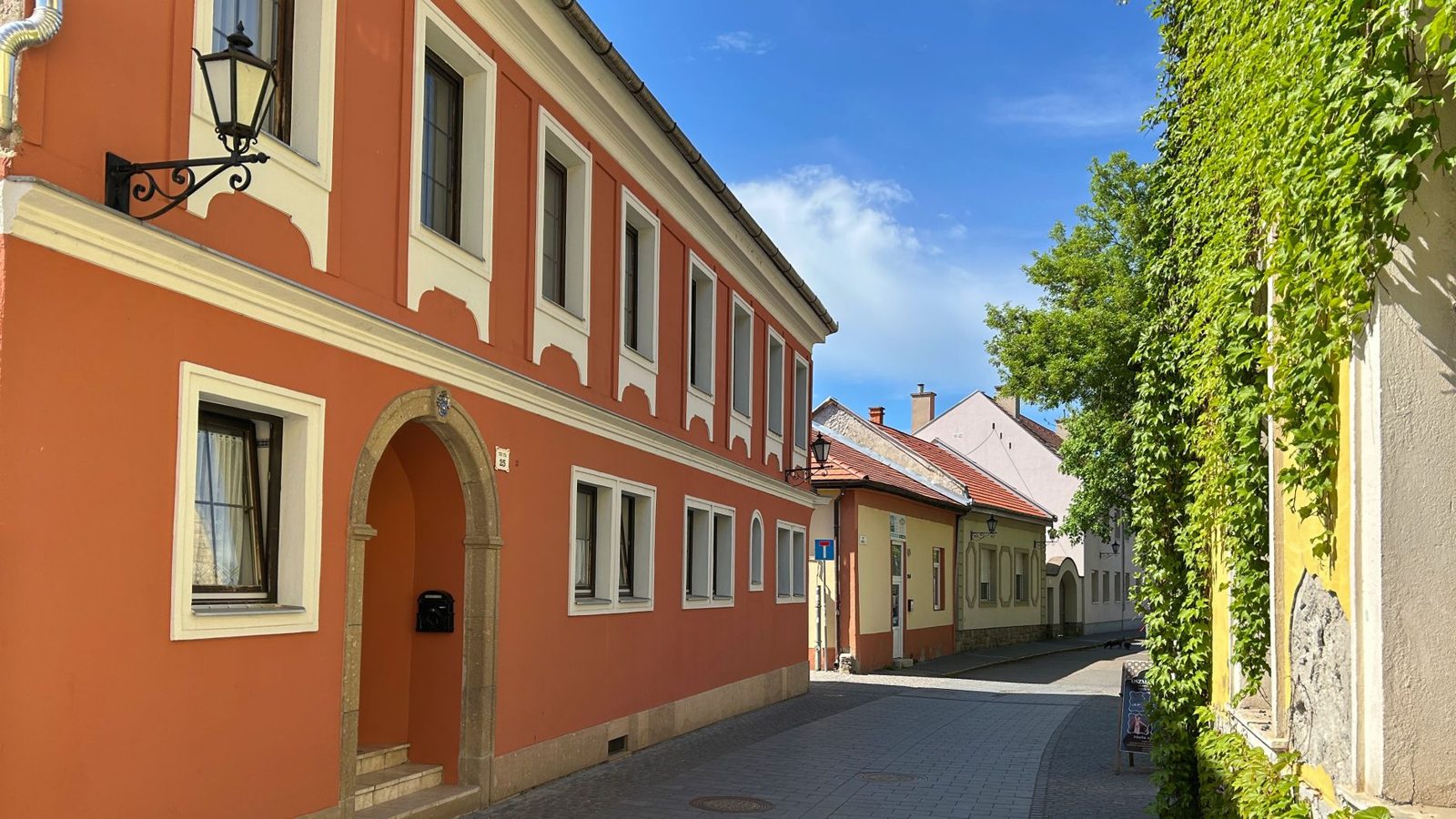
An Eger day trip from Budapest swaps the big-city bustle for one of Hungary’s loveliest baroque towns, a place of cobbled squares and pastel facades, a dramatic hilltop castle, an improbable Ottoman minaret, and, best of all, a valley of wine cellars where you can taste the famous Egri Bikavér (“Bull’s Blood”) for a few coins a glass. It is about two hours northeast by train, and it makes a wonderful full-day escape, especially for anyone who likes their history served with a glass of red. If the Danube Bend feels too obvious, Eger is the day trip I recommend next.
This guide covers how to get there, what to see, and how to do the wine cellars without writing off your evening. For the full set of escapes, see our day trips from Budapest guide.
How to get to Eger
The easiest way is the train. Direct and connecting services run from Budapest’s Keleti station to Eger in roughly two hours, with several departures through the day; some require an easy change at Füzesabony. Buy tickets at the station or online via the Hungarian railways (MÁV) site or app, and on faster InterCity trains it is worth reserving a seat. From Eger’s station it is a flat fifteen-minute walk (or a short bus ride) into the historic centre. If you would rather not plan the logistics, organised day tours from Budapest bundle transport with a castle visit and wine tasting, which can be a relaxed way to do it.
Eger Castle
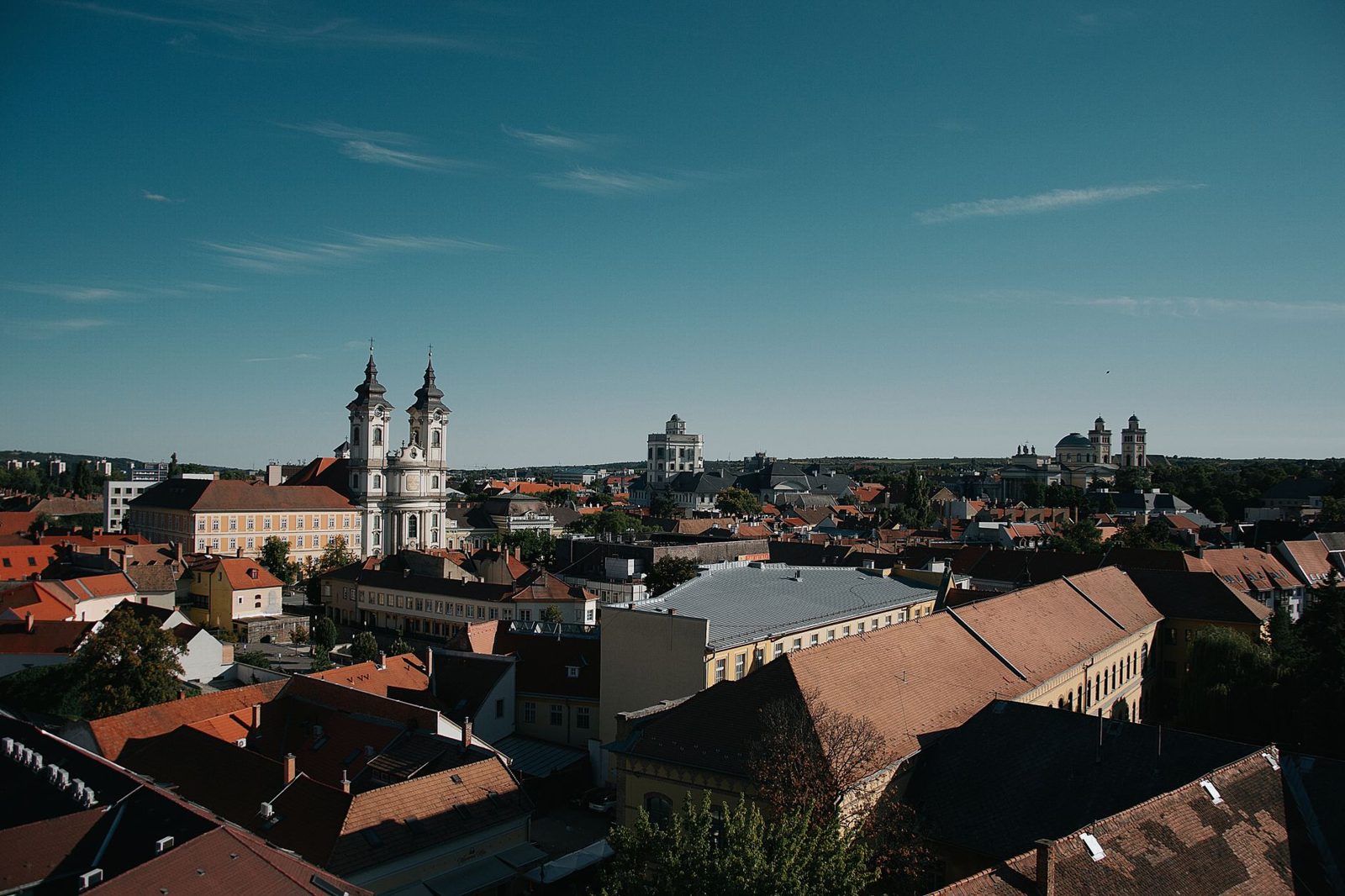
The town’s defining landmark is its castle, which crowns the hill above the centre and looms large in the Hungarian national story. In 1552 a small garrison here famously held out against a vastly larger Ottoman army, a victory celebrated in Hungarian schoolbooks ever since, and the ramparts, casemates and museum tell that tale well. Beyond the history, the castle walls give you the best views over Eger’s red rooftops and church domes, and it is an atmospheric place to wander for an hour or two. Buy a ticket for the grounds and museums, and allow time to explore the underground passages.
Dobó Square and the baroque old town
Eger’s heart is Dobó István Square (Dobó tér), a handsome baroque plaza framed by pastel buildings, statues commemorating the 1552 siege, and the twin-towered Minorite Church, often called one of the most beautiful baroque churches in Central Europe. The surrounding streets are made for ambling, with cafés, ice-cream parlours and the grand neoclassical Eger Basilica, the second-largest church in Hungary, a short walk away. The whole centre is compact and walkable, and simply strolling it is one of the pleasures of the day.
The Ottoman minaret
One of Eger’s quirkiest sights is its minaret, a slender, 40-metre sandstone tower that is the northernmost surviving piece of Ottoman architecture in Europe, a leftover from the decades when the town fell under Turkish rule after that initial heroic defence. The brave (and not claustrophobic) can climb the narrow 97-step spiral inside for a view, though the staircase is genuinely tight. Even from the ground it is a striking, unexpected reminder of Hungary’s layered history.
The Valley of the Beautiful Women
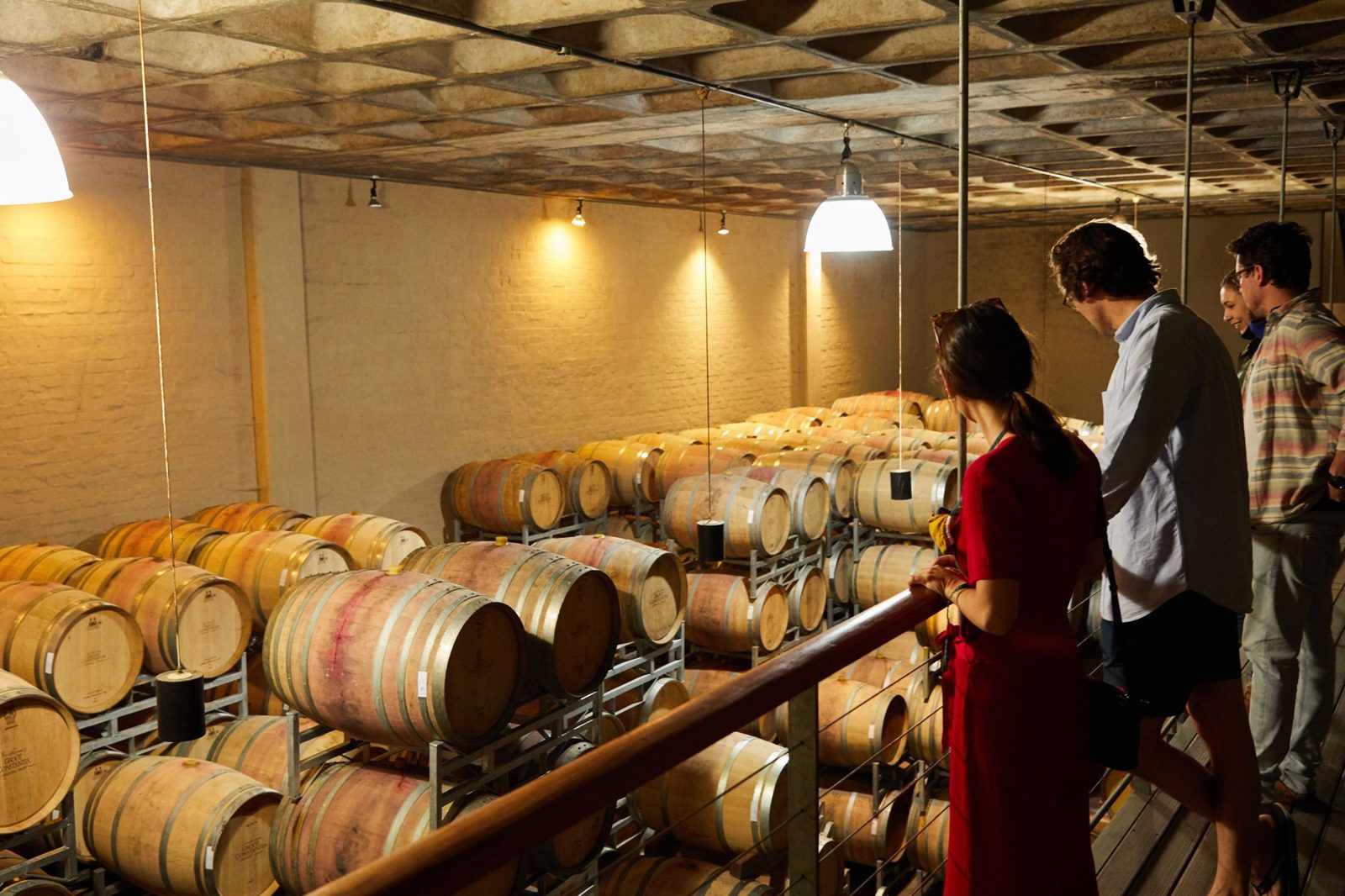
Here is the reason many people come: the Szépasszony-völgy, or Valley of the Beautiful Women, a horseshoe of dozens of small wine cellars cut into the hillside on the edge of town. This is the home of Egri Bikavér (Bull’s Blood), the robust red blend Eger is famous for, along with crisp whites like Egri Leányka. You wander from cellar to cellar, and the family-run ones will pour you generous tastes for very little money, often straight from the barrel. It is informal, rustic and great fun, less polished than a Tokaj tasting, more like being welcomed into someone’s cellar. It is a 20–30 minute walk or a short taxi from the centre.
Doing the wine cellars right
A few tips so the valley is a highlight rather than a write-off. Go in the afternoon, eat something first (some cellars serve simple food, or bring a snack), and pace yourself, the pours are cheap and generous, and it is easy to overdo it. Take cash, as many small cellars do not take cards. Pick a couple of cellars that look lively rather than trying to “do” them all, and chat with the owners; the personal welcome is the point. Then taxi back rather than walking if you have enjoyed yourself thoroughly. Our Hungarian wine guide has more on Bull’s Blood and the country’s wine regions.
Eger’s thermal baths
If you have energy left, Eger has its own thermal bathing tradition, including a historic Turkish bath and a larger modern spa complex fed by the area’s mineral springs. It is not on the scale of Budapest’s baths, but it is a pleasant, local way to round off a day, and a nice link to the wider Hungarian bath culture covered in our thermal baths guide. Bring a swimsuit if you fancy a soak before the train home.
How long do you need?
Eger is a full-day trip given the two-hour journey each way. A satisfying day looks like this: arrive late morning, explore the castle and the baroque centre with lunch in the early afternoon, then head to the Valley of the Beautiful Women for wine tasting before catching an evening train back. If you would rather slow down, Eger also makes a lovely overnight, letting you enjoy the cellars without watching the clock.
When to go
Late spring through autumn is ideal, the weather is kind, the castle views are clear, and the wine valley is at its liveliest, with the September grape harvest a particularly fun (and busy) time. Summer can be hot for the castle climb, so start earlier. Winter is quiet and atmospheric but some cellars keep limited hours. See our best time to visit guide for the seasonal picture.
Combine it with your trip
Because it is a full day, slot Eger into a longer Budapest stay, our 5-day itinerary leaves room for a day trip like this. If you love wine and history, Eger pairs conceptually with the Danube Bend and Lake Balaton as the trio of classic escapes from the capital.
Frequently asked questions
How do you get from Budapest to Eger?
By train from Keleti station in about two hours (some services change at Füzesabony). Reserve a seat on InterCity trains. Organised day tours that include transport, the castle and wine tasting are also available.
Is Eger worth a day trip from Budapest?
Yes, especially if you enjoy history and wine. You get a dramatic hilltop castle, a beautiful baroque old town, an Ottoman minaret, and the cellars of the Valley of the Beautiful Women, all in one day.
What is Eger famous for?
The 1552 siege and its castle, baroque architecture, the northernmost Ottoman minaret in Europe, and above all its wine, the bold red Egri Bikavér (Bull’s Blood) tasted in the Valley of the Beautiful Women.