Budapest Budget: Best 2026 Cost Guide for Every Traveler
A complete Budapest budget guide for 2026: daily cost breakdowns, what food, transport, baths and hotels really cost, sample trip budgets, and 20 ways to save money.
In this guide
This article contains advertising. Our booking links are routed through a partner that adds commission tracking automatically, so if you book through one we earn a commission from the provider, at no extra cost to you. It never affects what we recommend. Affiliate disclosure
Good news for your wallet: a Budapest budget stretches a long way. Hungary remains one of Europe’s best-value capitals in 2026, noticeably cheaper than Vienna, Prague or anywhere in Western Europe. Budget travellers can get by on roughly €30–60 a day, mid-range travellers on €70–130, and even a luxurious day, top restaurants, a spa, a great hotel, costs a fraction of what it would in Paris or London. This guide breaks down realistic daily costs across accommodation, food, transport and sights, then gives you a stack of money-saving tips and sample budgets so you can plan with confidence.
However you travel, knowing where your money goes makes the trip smoother. Pair this with our Budapest travel guide for the practical essentials and our currency guide for handling the forint.
Is Budapest expensive?
In short, no, especially by Western European standards. Prices have risen in recent years (inflation has been real, and the tourist-facing centre is pricier than the suburbs), but Budapest still offers excellent value: hearty meals for the price of a sandwich back home, world-class thermal baths for under €40, cheap and efficient public transport, and many of the best experiences, the bridges, the views, the riverside, completely free. The trick is simply to avoid the most touristy traps and eat and drink where locals do.
Daily budget at a glance
| Style | Per day (2026) | What it looks like |
|---|---|---|
| Backpacker | ~€30–60 | Hostel dorm, street food and self-catering, public transport, mostly free sights, one bath |
| Mid-range | ~€70–130 | 3-star hotel or private room, restaurant meals, baths and paid sights, the odd taxi |
| Luxury | ~€250–350+ | 4–5 star hotel, fine dining, private tours, spa treatments |
For a sense of trip totals, a four-day stay (excluding flights) runs very roughly €150–250 per person for backpackers, €350–550 mid-range, and well over €1,000 for luxury, dramatically less than the equivalent trip in most of Western Europe.
Accommodation costs
Where you sleep is usually the biggest line item. Hostel dorm beds start from around €15–25 a night, while a private room in a guesthouse or budget hotel runs roughly €50–90. Comfortable 3–4 star hotels in good central locations sit around €90–160, and the city’s handful of genuine luxury hotels climb from there, still a relative bargain compared with other capitals. Prices spike in peak summer, around big festivals like Sziget, and over New Year, and drop in the January–February low season. Our guides to hostels, hotels and apartments help you choose.
Food and drink costs
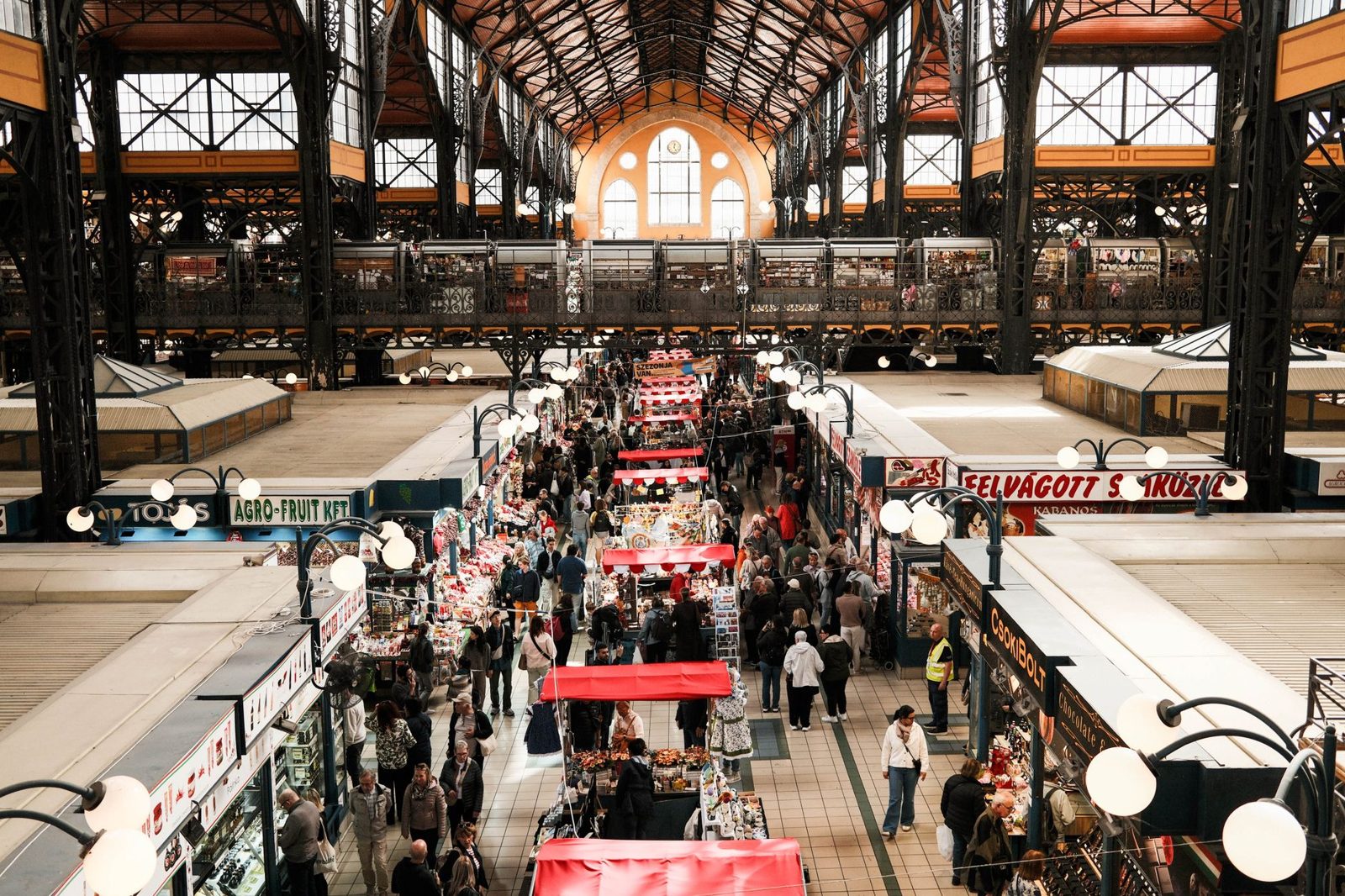
Eating is where Budapest really rewards you. Street food like lángos or a hearty bowl of goulash costs just a few euros; a sit-down lunch with a daily menu (napi menü) at a local spot can be remarkably cheap; and a three-course dinner with wine at a mid-range restaurant rarely breaks the bank. A coffee in a café is a few euros, a half-litre of excellent local beer is cheaper still, and a glass of Hungarian wine is a steal. Even the famous grand coffee houses, splurges by local standards, are affordable by Western ones. Self-cater from the markets and supermarkets and you can eat extremely cheaply; our food guide and street food guide show where the value is.
Transport costs
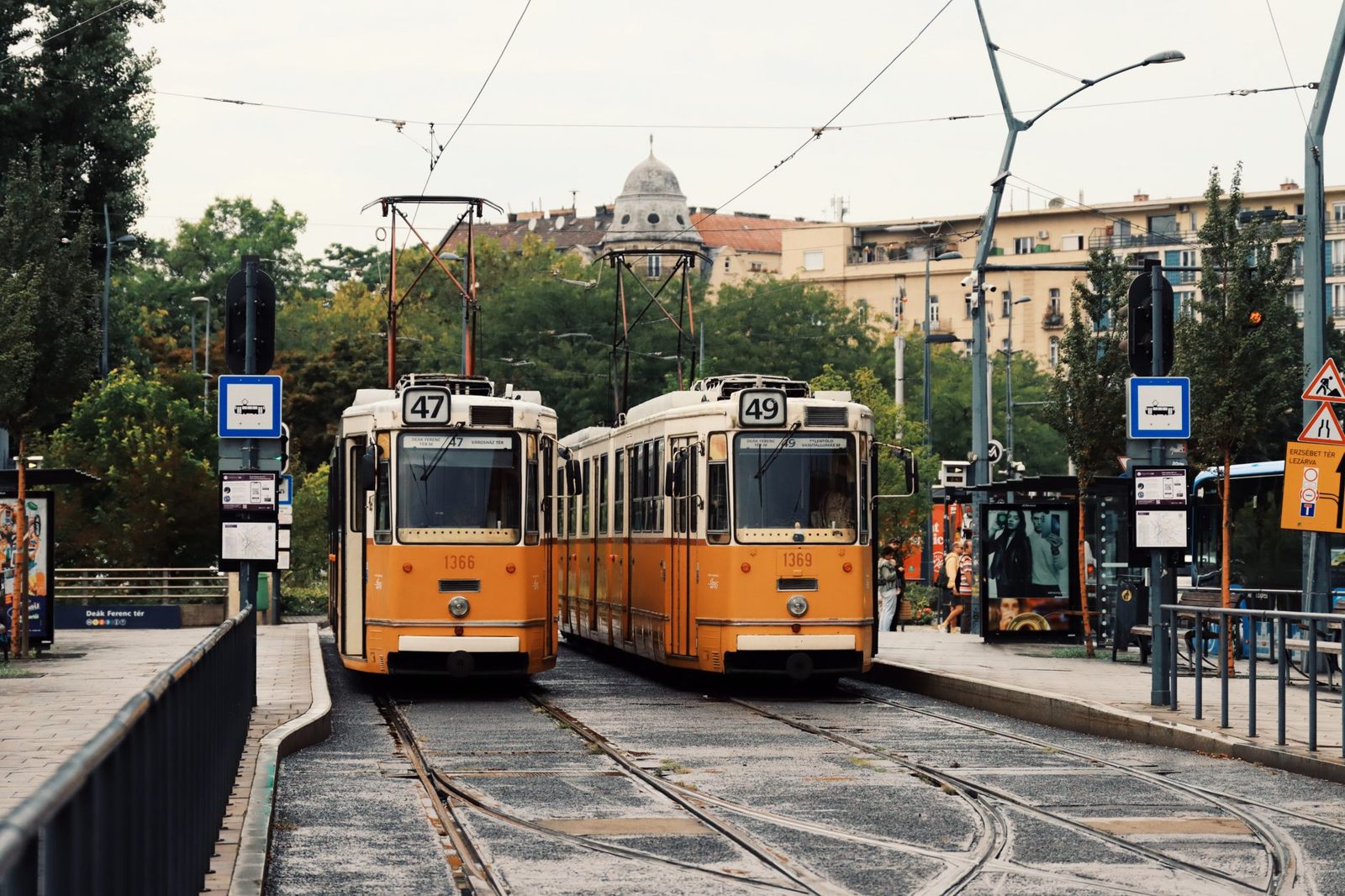
Public transport is cheap, efficient and the best way to get around. Single tickets cost a little over a euro, and short-stay travelcards (24-hour, 72-hour or weekly) offer unlimited rides for very reasonable sums, almost always cheaper than buying singles if you are riding more than a few times a day. Walking covers much of the compact centre for free. Taxis and the Bolt app are inexpensive by European standards but still pricier than transit. From the airport, the 100E bus into town is a bargain. See our public transport guide and airport transfer guide.
Sights, baths and entertainment
Many of Budapest’s highlights are free, the bridges, Gellért Hill, the Castle District streets, Heroes’ Square, the riverside, so your sightseeing spend is largely optional. Where you do pay: a thermal bath runs roughly €25–47 depending on which (the locals’ Lukács is the cheapest of the big ones), museum entry is typically modest, the Parliament tour is a worthwhile splurge, and the famously affordable Opera House offers culture for the price of a cinema ticket back home. Budgeting €15–40 a day for sights and a bath covers most trips comfortably.
What things cost: a quick price list
To calibrate your spending, here are typical 2026 prices for everyday items (approximate, the tourist centre runs higher):
| Item | Typical price (2026) |
|---|---|
| Single transit ticket | ~450 HUF (~€1.20) |
| 72-hour travelcard | ~5,500 HUF (~€14) |
| Coffee in a café | ~700–1,200 HUF |
| Half-litre of local beer | ~700–1,200 HUF |
| Lángos from a stall | ~1,000–1,800 HUF |
| Daily set lunch (napi menü) | ~2,000–3,500 HUF |
| Mid-range dinner for two with wine | ~15,000–25,000 HUF |
| Thermal bath entry | ~7,000–17,000 HUF |
| Museum entry | ~2,500–4,500 HUF |
Twenty ways to save money
- Visit in the low season (January–February) for the cheapest hotels and quiet sights.
- Buy a travelcard rather than single transport tickets if riding often.
- Eat the daily set menu (napi menü) at lunch for the best-value hot meal.
- Choose the cheaper baths (Lukács, Veli Bej) over the priciest.
- Book bath and tour tickets online, they are often cheaper than at the door.
- Drink the local wine and beer rather than imported brands.
- Self-cater breakfast and snacks from markets and supermarkets.
- Take the 100E airport bus instead of a taxi.
- Stay slightly outside the tourist core for cheaper rooms with easy transit.
- Take a free walking tour (tip what you can).
- Fill up at the city’s drinking fountains rather than buying water.
- Avoid restaurants with touts and picture menus right by the big sights.
- Always pay in forints, not euros, when given the choice (see below).
- Withdraw cash from bank ATMs, not the airport or tourist-area machines.
- Decline “dynamic currency conversion” on card machines.
- Enjoy the many free sights, views and riverside walks.
- Use ruin bars and local pubs rather than tourist-trap bars for drinks.
- Travel mid-week for better flight and hotel deals.
- Share apartments for groups to cut per-person costs.
- Check whether a Budapest Card adds up for your specific plans, sometimes yes, often not.
Currency and payment tips
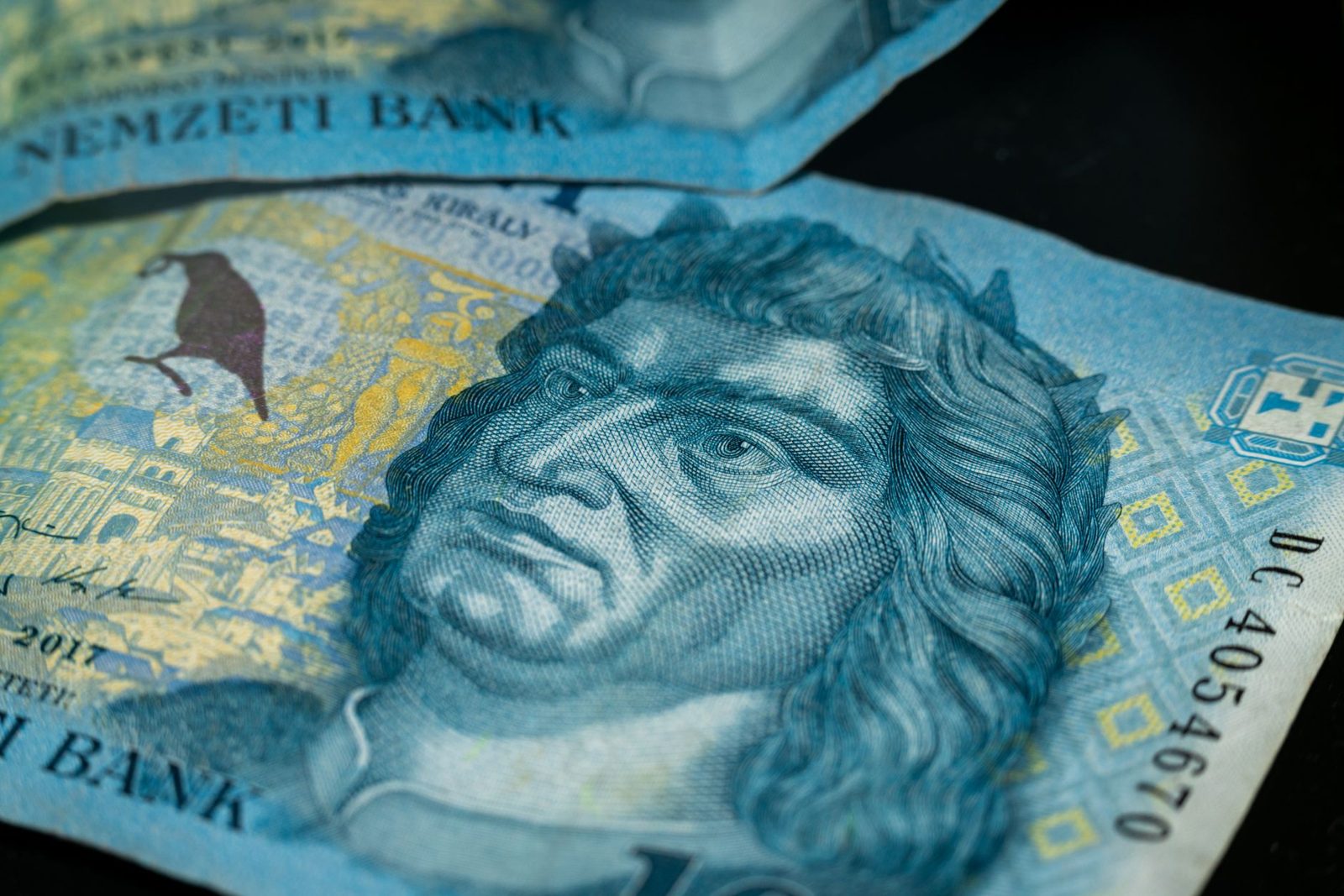
Hungary uses the forint (HUF), not the euro, and a few habits save real money. Always choose to be charged in forints, not your home currency, when a card machine offers the choice (the “convenience” conversion rate is poor). Use bank ATMs rather than the ubiquitous Euronet tourist machines, which charge high fees, and avoid exchanging money at the airport or at flashy exchange booths with bad rates. Cards are widely accepted, but carry some cash for markets, small cellars, tips and the odd cash-only spot. Our currency guide goes deeper.
Sample budgets
To make it concrete: a thrifty backpacker doing a hostel, street food, transit and mostly free sights with one bath might spend around €45 on a typical day. A mid-range traveller in a 3-star hotel, eating at restaurants, visiting a bath and a couple of paid sights, and taking the odd taxi, lands around €100–120. A luxury day, a top hotel, fine dining, a spa treatment and a private tour, can be done for €300 or so, which would buy far less elsewhere in Europe. Adjust for the season and how much you eat out, and you have a realistic plan.
When to visit for the best value
Timing affects your budget more than almost anything. The January–February low season offers the cheapest hotels and flights and the quietest sights (and the baths are at their best in the cold). The summer peak and event weekends (Sziget, New Year) are the priciest. The spring and autumn shoulder seasons strike a good balance of decent weather and gentler prices. Our best time to visit guide breaks it down month by month.
The Budapest Card question comes up in every budget and it deserves more than a line. Our Budapest Card guide works the break-even out across four traveller profiles — and explains why the standard three-day trip is one of the ones where it loses money.
Frequently asked questions
How much does a trip to Budapest cost?
Excluding flights, budget travellers can manage on around €30–60 a day, mid-range travellers €70–130, and luxury travellers €250–350+. A four-day mid-range trip runs roughly €350–550 per person.
Is Budapest cheap for tourists?
Yes, it is one of the best-value capitals in Europe, well below Western European prices for food, drink, transport and sights, though the tourist centre costs more than local neighbourhoods.
What currency does Budapest use?
The Hungarian forint (HUF), not the euro. Pay in forints when given the choice, use bank ATMs, and avoid airport and tourist-area exchange for the best rates.