Budapest in September: The Best Month, Argued Properly
Why September is the best month to visit Budapest, and the honest case against: the weather and light, a week-by-week calendar for 2027, the Wine Festival, Heritage Days and what it costs.
In this guide
- September at a glance
- The case for September
- 1. The weather is the best of the year for actually doing things
- 2. The light is extraordinary
- 3. The city is back
- 4. It’s the wine month
- 5. Summer is still there if you want it
- The case against
- The weather in detail
- September 2027, week by week
- 1–7 September: summer’s last week
- 8–14 September: wine festival week
- 15–21 September: Heritage Days
- 22–30 September: autumn arrives
- The Budapest Wine Festival
- Heritage Days: the free weekend most visitors miss
- What’s on, what’s opening and what’s winding down
- Eating in September
- What September costs
- Day trips for September
- What to pack for September
- So, is September really the best month?
- Practical tips
- Frequently asked questions
- Photo credits
This article contains advertising. Our booking links are routed through a partner that adds commission tracking automatically, so if you book through one we earn a commission from the provider, at no extra cost to you. It never affects what we recommend. Affiliate disclosure
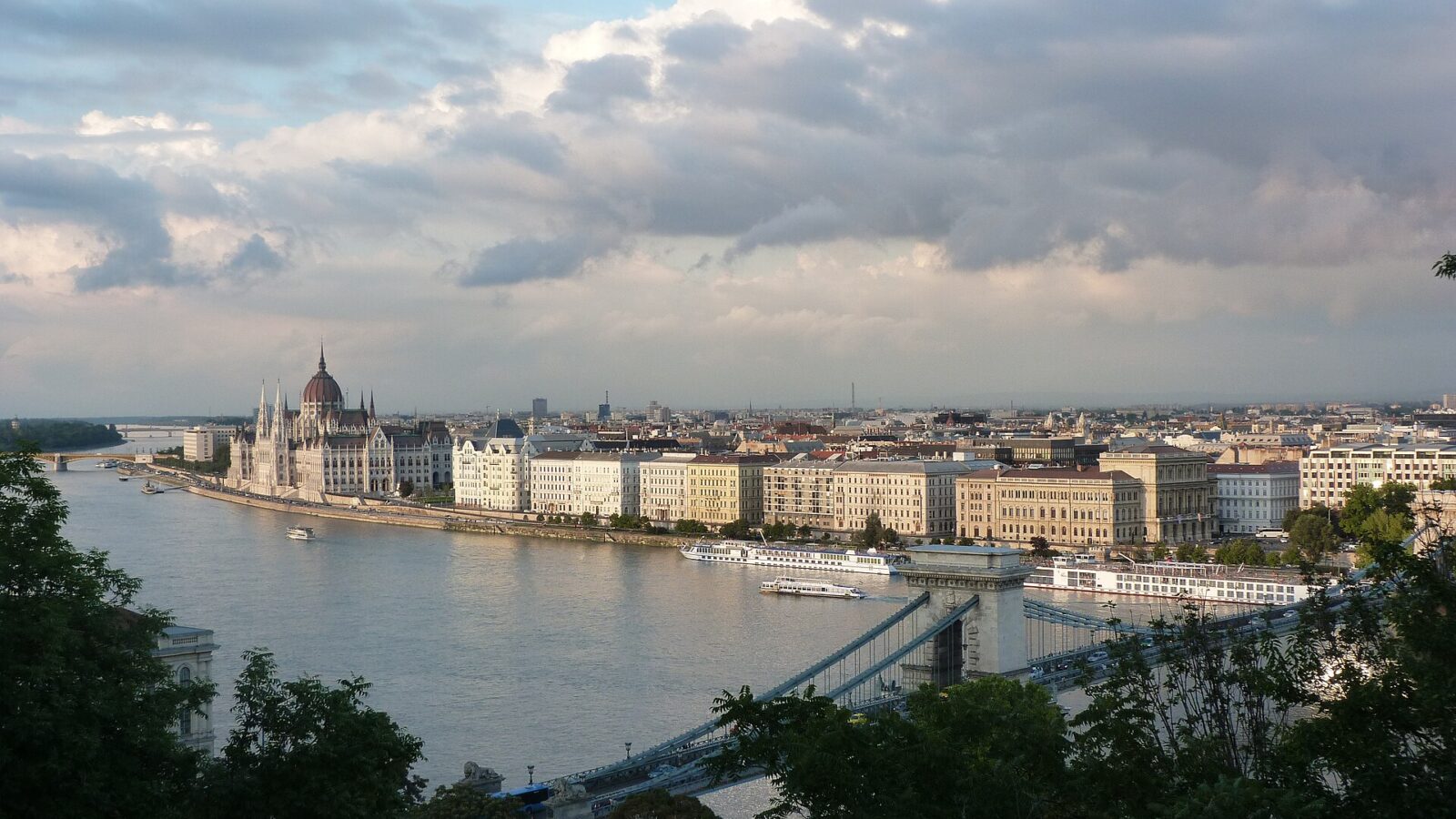
Sometime in the first week of September, usually on an evening when you weren’t expecting it, the heat that has sat on Budapest since June finally lifts. The stone stops radiating warmth after dark, the Danube turns from glare to gold in the late-afternoon light, and the people who disappeared to Lake Balaton in August come back, tanned and busy, and reopen their restaurants. Budapest in September is, in our view, the best month of the year to visit. That’s a big claim, and the kind every city guide makes about somewhere, so this page tries to argue it properly: with the numbers, with the events, and with an honest list of the reasons you might disagree.
Along the way it covers the weather and daylight in detail, a week-by-week calendar for September 2027, the Budapest Wine Festival and the Heritage Days weekend, what’s opening up and what’s winding down, what the month costs and how to spend it. Prices were checked in September and October 2026; treat them as the right order of magnitude. For the whole year side by side, see Budapest month by month.
September at a glance
| What | September in Budapest |
|---|---|
| Average high / low | 22 °C / 11 °C |
| Rain | About 45 mm, falling on around 6 days |
| Sunshine | About 6½ hours a day |
| Daylight | 13½ hours on the 1st, under 12 by the 30th; sunset moves from 19:27 to 18:28 |
| Crowds | Busy, especially in the first half and at weekends, but well below August |
| Hotel prices | High. Conferences keep them up, so don’t expect a shoulder-season bargain |
| Key dates | Budapest Wine Festival, second week (9–12 September in 2026) · Heritage Days, third weekend (expect 18–19 September 2027) |
| What to bring | Summer clothes plus a jacket for the evenings, which turn cool by the end of the month |
The case for September
Five arguments, roughly in order of how much they matter.
1. The weather is the best of the year for actually doing things
Budapest is a walking city. Its best sights are spread along two riverbanks and up a castle hill, and the way to see it is on foot, for hours, with a stop every so often for coffee or a glass of something. That makes the ideal temperature for a visit somewhere in the low twenties, which is exactly where September sits: an average high of 22 °C, an average low of 11 °C, and about six and a half hours of sunshine a day. July and August average 28 °C and regularly go well beyond it; October drops to 16 °C. September has the same daytime temperature as May, but it’s drier, with about 45 mm of rain on six days against May’s 55 mm on eight, and fewer thunderstorms.
2. The light is extraordinary
This is the argument people don’t make, and it might be the best one. With the sun lower in the sky, the long late afternoons in September turn the Buda side gold and the Parliament a warm cream, and the haze that flattens summer photographs is gone. Sunset falls between about half past seven at the start of the month and half past six at the end, which puts it neatly before dinner. Watching it from the Castle District, Gellért Hill or a riverside terrace costs nothing and is one of the great free shows in Europe.
3. The city is back
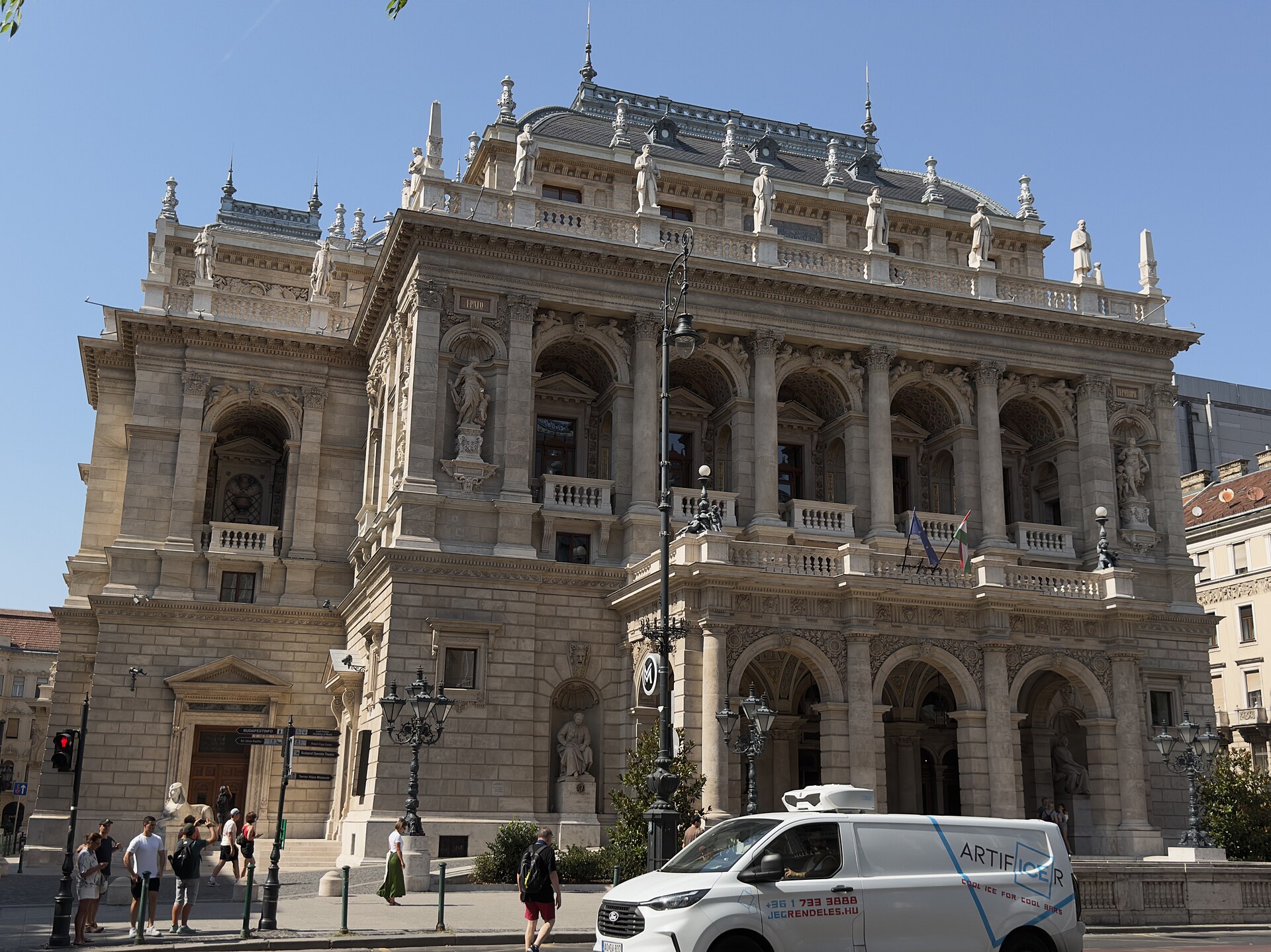
In August, a good part of Budapest’s own life is on holiday. In September it returns. The neighbourhood restaurants and wine bars that shut for their summer break reopen, the schools and universities go back, and the cultural season restarts: the Hungarian State Opera House opens its new season, and the big concert halls follow. The third weekend of the month brings the Heritage Days, when buildings that are normally closed open their doors for free. You get a city that’s working, eating out and going to concerts, not one that’s mostly entertaining visitors.
4. It’s the wine month
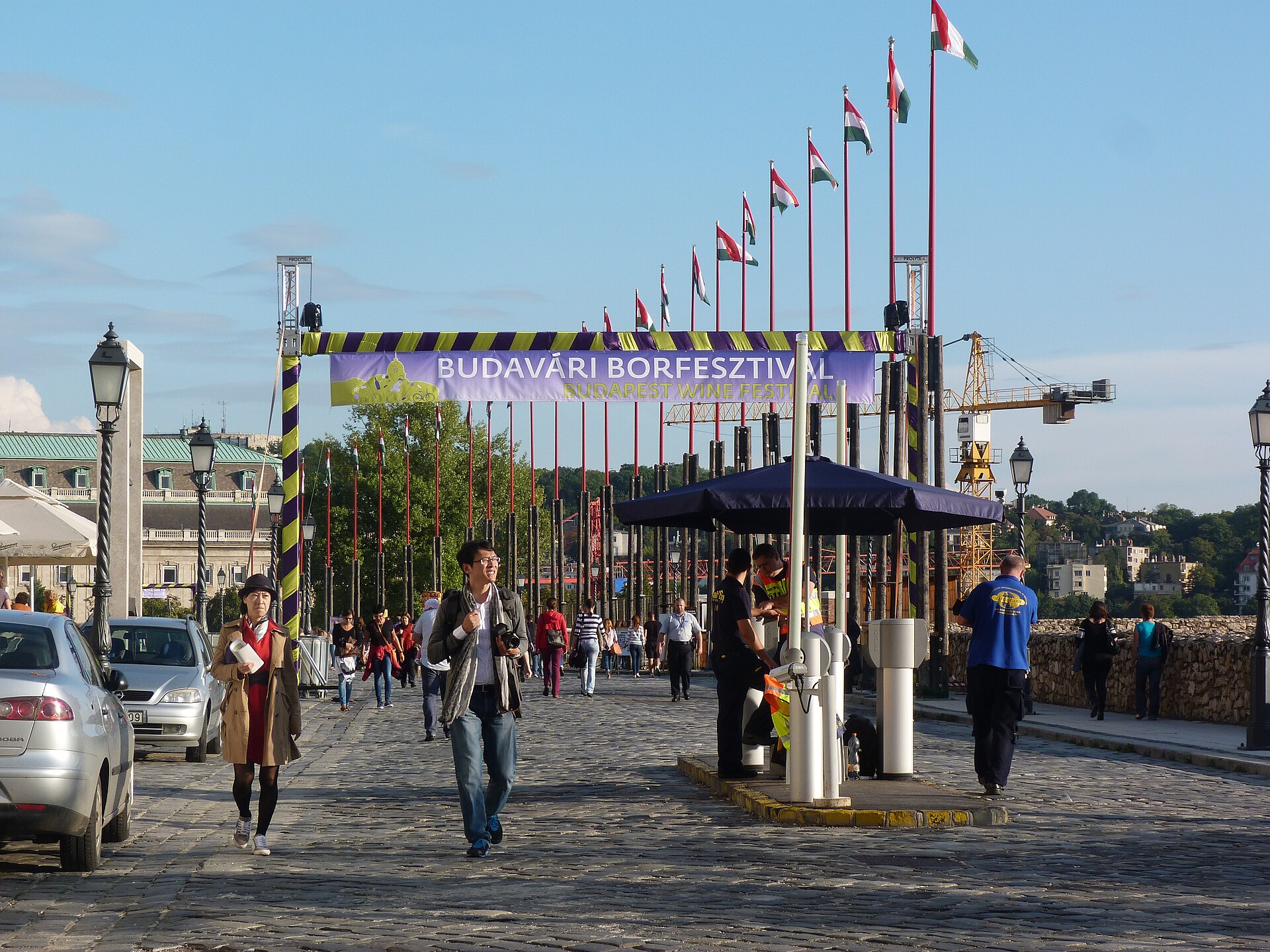
September is harvest time across Hungary’s wine regions, and Budapest celebrates it. The Budapest Wine Festival fills the terraces and courtyards of Buda Castle for four days in the second week of the month, with hundreds of winemakers pouring and the whole of Pest spread out below. Budafok, the old cellar district on the southern edge of the city, holds its own wine and champagne festival, usually at the start of the month (4–6 September in 2026). And in markets and wine bars you’ll find murci, cloudy, half-fermented new must, sold by the glass or the litre: sweet, slightly fizzy and stronger than it tastes. The guide to Hungarian wine explains the regions and grapes.
5. Summer is still there if you want it
The days are warm enough for terraces, rooftop bars and a river cruise in shirtsleeves. The outdoor pools at the Széchenyi Baths are arguably at their best, warm water on a cooling evening, and the Palatinus lido on Margaret Island is open daily from 9am to 7pm. The musical fountain on the island keeps playing until the end of October. The upper terraces of the Fisherman’s Bastion stay open until 9pm until the 30th, an hour and a half after sunset in mid-month, so you can watch the lights come on across the river from the turrets.
The case against
An honest argument has to deal with the objections, and September has some real ones.
- It isn’t cheap. September is one of the busiest months of the year for hotels, because conferences, trade fairs and business travel arrive just as summer leisure travel tails off. Don’t expect shoulder-season prices; for those, come in November or between January and March.
- It isn’t quiet, either. The first half of the month is busy, and September is peak season for Danube river cruises. Long white riverboats moor along both embankments, and their passengers tend to reach the Castle District between about nine and noon. Go early or late and you’ll barely notice; go at ten and you’ll queue.
- The first week can still be hot. Heatwaves don’t read calendars, and the start of September has brought days in the 30s in recent years. If heat is the thing you’re trying to avoid, aim for the middle of the month.
- The end of the month is noticeably cooler. By the last week, nights can drop to single figures and a grey, drizzly day is perfectly possible. You’ll want a proper jacket.
- Summer-only things are winding down. The open-air theatre season on Margaret Island is over, some of the outdoor lidos close for the year during the month, and beach bars at Lake Balaton shut after the season. Check before you go anywhere that depends on summer.
- The days are shortening. You lose well over an hour and a half of daylight across the month, and by the 30th it’s dark before half past six.
Weigh those up, and the argument still holds for most visitors, with one refinement: the best part of September is the middle two weeks.
The weather in detail
Here’s how September compares with the months people usually weigh it against:
| Month | High °C | Low °C | Rain | Rain days | Sun h/day |
|---|---|---|---|---|---|
| May | 22 | 10 | 55 mm | 8 | 8.5 |
| June | 26 | 14 | 60 mm | 7 | 9 |
| August | 28 | 15 | 50 mm | 6 | 9 |
| September | 22 | 11 | 45 mm | 6 | 6.5 |
| October | 16 | 6 | 45 mm | 6 | 5 |
Those are 1991–2020 averages, and the month moves a lot within them. Early September often feels like summer, with highs in the mid to upper 20s and warm evenings when a shirt is plenty. By the last week, highs around 18–20 °C are typical, mornings are fresh and you’ll want a jacket after dark. Rain, when it comes, is more likely to be a day of showers than the violent summer thunderstorm. The Danube is still at its summer warmth, which on still mornings produces a light mist on the water that burns off by nine.
Daylight shrinks quickly. These are the sunrise and sunset times for 2027:
| Date | Sunrise | Sunset | Daylight |
|---|---|---|---|
| 1 September | 06:01 | 19:27 | 13 h 26 |
| 15 September | 06:20 | 18:59 | 12 h 39 |
| 22 September | 06:29 | 18:44 | 12 h 15 |
| 30 September | 06:40 | 18:28 | 11 h 48 |
Twelve or thirteen hours is still plenty for sightseeing, and with sunset before seven for most of the month, golden hour lands at a civilised time. If you’re planning photographs, the Parliament catches the last direct sun from across the river, which makes the Buda embankment around Batthyány tér the place to be in the hour before sunset.
September 2027, week by week
1–7 September: summer’s last week
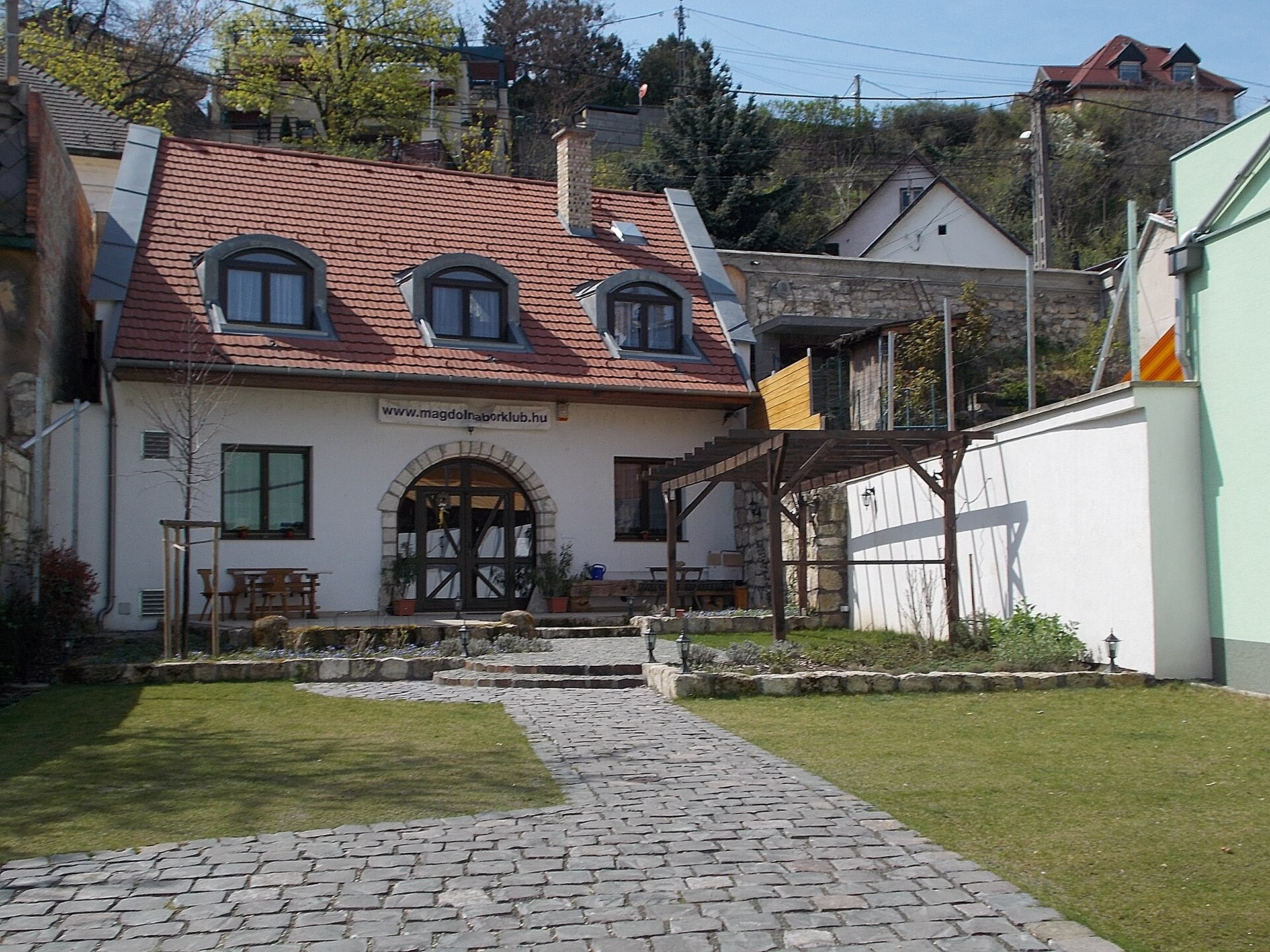
The month opens with the schools going back and the last of the summer visitors leaving. It can still be hot, and the city still feels like summer: terraces full, lidos open, river busy. In 2026, Budafok’s wine and champagne festival fell on the first weekend (4–6 September), and it’s an easy and very local outing: tram 47 from Deák Ferenc tér runs out to Budafok, where the old cellars under the hillside and the Törley champagne house give the district its character. The districts guide explains where it is and what else is there.
8–14 September: wine festival week
The second week usually brings the Budapest Wine Festival to Buda Castle: four days of tastings on the palace terraces, with folk music in the courtyards and the best view in the city. Check the festival’s own site for the exact dates before you book. The castle gets busy in the evenings, and the weather is usually at its most reliable, which makes this our favourite week of the month. If you’re not going to the festival, the Castle District is quietest in the mornings.
15–21 September: Heritage Days
Hungary’s Cultural Heritage Days, its version of the European Heritage Days, fall on the third weekend of September, which in 2027 should be Saturday 18 and Sunday 19 September (it was 19–20 September in 2026). It’s a free, nationwide weekend when buildings that are normally closed or rarely accessible open their doors, often with expert guides. More on how it works below. The rest of the week is ideal for the city’s long walks: Andrássy út, the river promenade, the Castle District and Buda Castle‘s quieter western walls.
22–30 September: autumn arrives
The equinox falls around the 23rd, and the final week feels like a different season. Highs drop towards 20 °C, the evenings call for a jacket, and the first trees on Margaret Island and in the Buda Hills begin to turn. It’s a lovely week for the thermal baths, when the steam starts to show on the outdoor pools in the early evening, and for walks in the hills. On the 30th the Fisherman’s Bastion’s summer opening ends; from 1 October the upper terraces charge only until 7pm. The best time to visit guide compares this with the start of October.
The Budapest Wine Festival
If there’s a single event to plan a September trip around, it’s this one. Held every September since the early 1990s, the festival takes over the upper reaches of the castle, including the Savoy Terrace, the Hunyadi and Csikós courtyards, the Lion Courtyard and the terrace by the Fishing Children fountain. Winemakers from every Hungarian region pour their wines at stalls set out on the terraces, folk bands and dancers play in the courtyards, and food stalls do a brisk trade in sausages, cheese and Hungarian classics. Every ticket comes with a proper tasting glass and a pouch to hang it round your neck, which you’ll be glad of after the third Tokaji.
A few tips from experience. Go in the late afternoon, taste for a couple of hours in daylight and stay for the view of Pest as the lights come on. Eat as you go. Ask the winemakers what they’d drink themselves, rather than what’s popular, because they’re generally delighted to be asked. And note that the castle is up a hill: the funicular from Clark Ádám tér has long queues on festival evenings, so take the 16 bus from Deák Ferenc tér or simply walk up. The Wine Festival guide has the tickets, the layout and what to taste.
Heritage Days: the free weekend most visitors miss
The Kulturális Örökség Napjai are one of the best-kept secrets of a September visit, mainly because almost all the publicity is in Hungarian. For one weekend, hundreds of buildings across the country, many in Budapest, open free of charge, often with guided tours by architects, historians or the people who work there: government buildings, banks, palaces, theatres, libraries, villas, church towers and industrial sites. In 2026 the National Széchényi Library in Buda Castle ran special programmes and the Aquincum museum of the Roman city was free to visit, and that’s typical of the mix.
The full programme appears in late summer on the official site, oroksegnapok.gov.hu. Some of the most popular buildings ask you to register for a time slot in advance, and those slots go fast; others simply admit people on the day, which can mean a queue. Pick two or three places you really want to see, check the opening times and whether the tour is in Hungarian, and fill the gaps with whatever you find open on the way. For a visitor interested in architecture, it’s one of the best weekends of the year, and it costs nothing.
What’s on, what’s opening and what’s winding down
September is a month of handovers between the summer and the season, so it helps to know which way each thing is moving.
| Opening up | Still going | Winding down |
|---|---|---|
| The Opera and concert season; neighbourhood restaurants back from their summer break; university and school term; Heritage Days | Terraces and rooftop bars; Széchenyi and Rudas outdoor pools; Palatinus, daily 9am–7pm; the Margaret Island musical fountain; river cruises; Fisherman’s Bastion until 9pm until the 30th | Open-air theatre season; some outdoor lidos; Balaton’s beach bars; the long summer evenings |
Two places not to plan around: the Gellért Baths, closed for a renovation that won’t finish before 2028, and the summer stages on Margaret Island, which are done for the year. Everything else in the city runs to normal hours, and most museums are open Tuesday to Sunday; the museums guide covers the big ones.
Eating in September
Late summer is the best time of year for Hungarian vegetables, and the markets show it. In the Great Market Hall and the neighbourhood markets, the stalls are piled with peppers in half a dozen colours and degrees of heat, tomatoes that taste of something, plums, grapes, early walnuts and the first squash. It’s peak season for lecsó, the pepper, tomato and onion stew that Hungarians eat on its own, with sausage or with eggs stirred in, and for plum dumplings, szilvás gombóc, rolled in buttered breadcrumbs and cinnamon. Restaurants that change their menus with the seasons are at their best now. Pair it all with a glass of something new from the harvest, and the wine month makes sense on the plate as well as in the glass.
What September costs
- Hotels: high, sometimes close to August levels in the first half of the month, when conferences and trade fairs coincide with leisure travel. Booking six to eight weeks ahead and staying midweek helps. The where to stay guide covers the neighbourhoods.
- Getting around: 500 Ft (€1.25) for a single ticket, 2,750 Ft (€6.90) for a 24-hour travelcard and 5,750 Ft (€14.40) for 72 hours. The 100E airport bus is 2,500 Ft (€6.25) and isn’t covered by travelcards. The public transport guide explains which to buy.
- Sights: the upper terraces of the Fisherman’s Bastion cost 1,700 Ft (€4.25), card only, until 9pm until the 30th. St Stephen’s Basilica’s panorama terrace is open daily from 9am to 7pm.
- Wine: festival tickets vary by day and include the tasting glass, and the wine itself is bought by the glass at the stands; check the festival’s own site for this year’s prices. A glass of good Hungarian wine in a city wine bar costs much less than its equivalent in Vienna or London.
- Baths: weekend tickets cost more than weekday ones at the thermal baths and the lidos; a weekday visit saves money as well as queues.
- Eating out: many restaurants now add a service charge (szervízdíj), often 12.5%; when it’s on the bill, there’s no need to tip on top.
Day trips for September
September is the best month of the year for getting out of Budapest, because it’s warm enough to enjoy the countryside and the wine regions are at their busiest.
- Eger. Baroque town, castle and the cellars of the Valley of the Beautiful Women, where harvest season means the cellar doors are open and the new wine is flowing. About two hours by train. The Eger day trip guide.
- Lake Balaton. After the first week, the families have gone, the water is still warm enough for a brave swim, and the north shore’s wine villages around Badacsony are at their prettiest. Some seasonal places close, so check ahead. The Balaton guide.
- The Danube Bend. Szentendre, Visegrád and Esztergom, with the hills above Visegrád perfect for a September walk. The Danube Bend day trip.
For more ideas, see all the day trips from Budapest.
What to pack for September
- Summer clothes for the days, especially in the first half of the month.
- A light jacket or a warm layer for the evenings, and a proper jacket for the last week.
- Comfortable walking shoes with some grip; the Castle District’s cobbles are slippery after rain.
- A compact umbrella.
- Sunglasses and sunscreen. The September sun is lower, but it still burns on a long day outdoors.
- Swimwear and flip-flops for the baths.
- Something smart if you’re going to the Opera, where the new season brings out the good clothes.
The packing guide goes into more detail.
So, is September really the best month?
For most people, yes. If you want comfortable weather for walking, beautiful light, a city that’s open and working, plenty going on and summer pleasures still available, nothing else beats it. May comes closest, with the same temperatures and greener parks, but it’s wetter. June has longer days but warmer nights and the first big crowds. October is calmer and cheaper but cooler and darker, and the outdoor life is fading.
It isn’t the best month for everyone. If you want heat, lidos and festivals, come in July or August; Budapest in August covers the high season. If price is the deciding factor, the cheap months are November and January to March. If you want Christmas markets, it has to be December. But for a first visit, or a return visit when you simply want the city at its best, choose September, and if you can, choose the middle two weeks: the wine festival, the Heritage Days, settled weather and the summer crowds gone.
Practical tips
- Book accommodation six to eight weeks ahead, and look at midweek dates; the weekends fill first.
- Visit the Castle District before nine or after four to miss the river-cruise groups.
- Check the Heritage Days programme in late summer and register early for any building you really want to see.
- Pack for two seasons: summer days and autumn evenings.
- Book Opera tickets well ahead if a performance is part of the plan; season openings sell fast.
- Take the bus, not the funicular, up to the castle on wine festival evenings.
- Check that summer-only places, lidos especially, are still open before you set off.
Frequently asked questions
Is September a good time to visit Budapest?
Yes, arguably the best. The weather is warm and settled, the summer crowds have thinned, local life and the cultural season are back, and the wine festival and Heritage Days give the month a calendar of its own. Hotels aren’t cheap, though, so book ahead.
What is the weather like in Budapest in September?
Warm and mostly dry. The average high is 22 °C and the low 11 °C, with rain on about six days. The first week can still feel like summer, while the last week is cooler and needs a jacket in the evenings.
Is it still warm enough for the outdoor pools in September?
Yes. The outdoor thermal pools at the Széchenyi and the Rudas are open all year and are at their best on a cooling September evening, and the Palatinus on Margaret Island opens daily from 9am to 7pm. Some of the smaller outdoor lidos close for the year during the month.
When is the Budapest Wine Festival?
It runs for four days in Buda Castle in the second week of September: 9 to 12 September in 2026. Look at the festival’s own site for the current dates before booking.
Is Budapest crowded in September?
It’s busy, but far less so than in July and August. The first half of the month and the weekends are busiest, and the Castle District fills with river-cruise groups in the late morning. Go early or late and it’s very manageable.
Is Budapest expensive in September?
Hotels are, by Budapest standards: September is one of the busiest months for conferences and business travel, so prices stay high. Food, drink and transport cost the same as at any other time of year.
What should I wear in Budapest in September?
Summer clothes for the day and a layer for the evening, adding a proper jacket in the last week of the month. Comfortable shoes are essential, and an umbrella is worth carrying.
What is the best week to visit Budapest in September?
The middle two weeks. The weather is usually at its most settled, the summer crowds have gone, and you can catch the wine festival in the second week or the Heritage Days on the third weekend.
Photo credits
The Danube, the Parliament and the Chain Bridge from Buda Castle in September: 23. Budavári Borfesztivál – 2014.09.12 (11) by Derzsi Elekes Andor, CC BY-SA 4.0, via Wikimedia Commons.
Budapest Wine Festival entrance: 23. Budavári Borfesztivál – 2014.09.12 (1) by Derzsi Elekes Andor, CC BY-SA 4.0, via Wikimedia Commons.
Budafok cellar entrance: Magdolna Wine Club and Events Space. Entrance to the two hundred years old cellar by Globetrotter19, CC BY-SA 3.0, via Wikimedia Commons.
The Hungarian State Opera House: Hungarian State Opera House Budapest 2026 by Mike is Michi, CC BY-SA 4.0, via Wikimedia Commons.