Budapest Month by Month: Weather, Crowds, Prices and What’s On
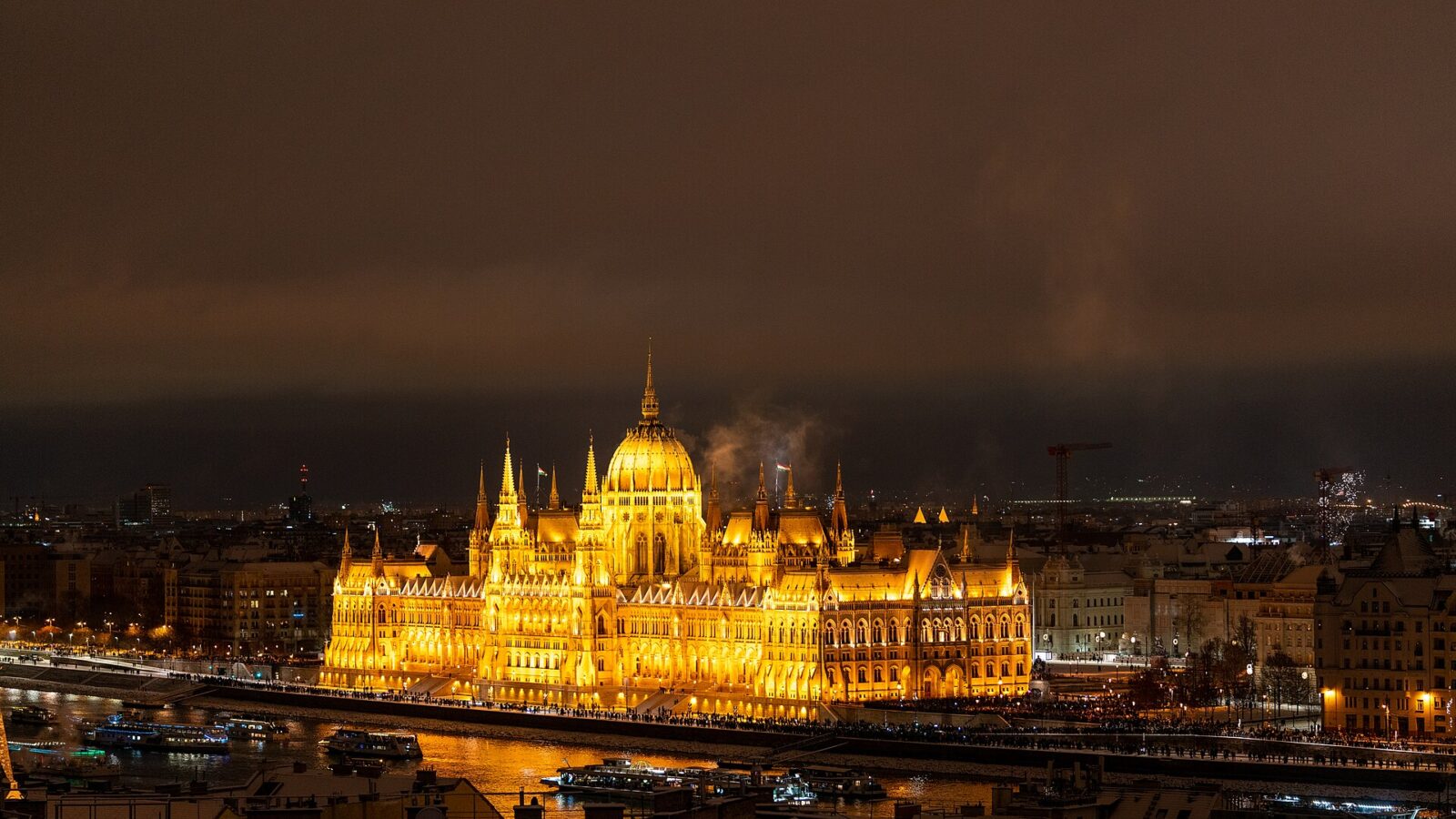
Budapest has a proper continental climate, which is a polite way of saying it doesn’t do half measures. In July the Pest embankment can bake at 35 °C while the outdoor pools fill with people escaping it; in January the average high is 3 °C, the sun sets at twenty past four, and the same thermal pools steam like cauldrons in the frost. Neither is a reason to stay away. Each month brings its own weather, crowds, prices and events, and this is a straight guide to Budapest weather by month, with the numbers first and an honest verdict on each.
The weather figures are 1991–2020 averages; the crowd, price and event notes were checked in September 2026. Treat the averages as the right order of magnitude rather than a forecast: a single week can run ten degrees either side of them. If you just want the short answer to when you should go, the best time to visit Budapest gives it season by season. This page is the long version, for when you’ve already picked your dates, or you’re choosing between two months and want to know exactly what each one is like.
Budapest month by month at a glance
| Month | Avg high | Avg low | Rain | Sunshine | Daylight | Crowds | Hotel prices |
|---|---|---|---|---|---|---|---|
| January | 3 °C | −4 °C | 35 mm | 2.5 h/day | 8 h 50 | Quiet after New Year | Lowest of the year |
| February | 6 °C | −3 °C | 30 mm | 3.5 h/day | 10 h 15 | Quiet | Low |
| March | 11 °C | 0 °C | 30 mm | 5 h/day | 11 h 50 | Rising | Low to mid |
| April | 17 °C | 5 °C | 35 mm | 7 h/day | 13 h 35 | Busy at Easter | Mid |
| May | 22 °C | 10 °C | 55 mm | 8.5 h/day | 15 h 05 | Busy | Mid to high |
| June | 26 °C | 14 °C | 60 mm | 9 h/day | 16 h | Busy | High |
| July | 28 °C | 15 °C | 55 mm | 9.5 h/day | 15 h 35 | Very busy | High |
| August | 28 °C | 15 °C | 50 mm | 9 h/day | 14 h 20 | Peak | Highest |
| September | 22 °C | 11 °C | 45 mm | 6.5 h/day | 12 h 35 | Busy | High |
| October | 16 °C | 6 °C | 45 mm | 5 h/day | 10 h 55 | Moderate | Mid |
| November | 9 °C | 2 °C | 45 mm | 3 h/day | 9 h 20 | Quiet, then the markets open | Low, rising |
| December | 3 °C | −3 °C | 40 mm | 2 h/day | 8 h 30 | Busy weekends, huge New Year | High at weekends and New Year |
The temperature, rain and sunshine columns are 1991–2020 averages; daylight is for the middle of each month. The crowd and price columns are our judgement from event calendars and hotel pricing patterns, not measured data.
How to read the numbers
Averages flatten the extremes, and Budapest’s extremes are the part you’ll remember. A July with an average high of 28 °C will usually include a run of days in the mid-30s, and in recent summers heatwaves have become the rule rather than the exception. A January with an average low of −4 °C can include a week of −10 °C nights and a Danube carrying ice floes in a hard winter, or it can be damp and grey at 5 °C throughout. Look at the forecast a week out and pack for that, using the averages only to plan.
Two more things the table doesn’t show. The standard weather station sits out at Pestszentlőrinc, near the airport; the city centre, with its stone and asphalt, runs a little warmer, particularly on summer nights. And rain here mostly comes in short bursts rather than long wet days: summer rain is usually an afternoon thunderstorm that clears within the hour, while winter’s version is more often grey drizzle and fog. Budapest has only six to eight days of meaningful rain in a typical month, all year round, so an umbrella is insurance rather than a necessity.
Daylight, finally, matters more than temperature for sightseeing. The table below shows sunrise and sunset in the middle of each month, in local time.
| Mid-month | Sunrise | Sunset | Daylight |
|---|---|---|---|
| January | 07:27 | 16:19 | 8 h 52 |
| February | 06:50 | 17:06 | 10 h 16 |
| March | 05:57 | 17:48 | 11 h 51 |
| April | 05:56 | 19:32 | 13 h 36 |
| May | 05:07 | 20:13 | 15 h 06 |
| June | 04:45 | 20:42 | 15 h 57 |
| July | 05:01 | 20:37 | 15 h 36 |
| August | 05:39 | 19:56 | 14 h 18 |
| September | 06:20 | 18:57 | 12 h 37 |
| October | 07:01 | 17:56 | 10 h 55 |
| November | 06:47 | 16:08 | 9 h 20 |
| December | 07:24 | 15:53 | 8 h 28 |
In practice that means about eight usable hours of daylight in December and nearly sixteen in June, and it shapes a trip more than the thermometer does. In winter, plan the outdoor sights for the middle of the day and save the museums, baths and coffee houses for the dark. The payoff is that the city is lit up by half past four, and the bridges and the Parliament look their best when you’re still out anyway.
January
3 °C / −4 °C · 35 mm · 2.5 hours of sunshine a day · sunset around 16:20
January is Budapest at its coldest and quietest. Days are short, often grey, and frosty at either end; snow is possible but rarely settles in the city for long, and fog can sit over the Danube for days at a time when the air is still. It’s also the cheapest month of the year once New Year is out of the way. After about 6 January, hotel prices drop to their annual low, flights are cheap, and you’ll have the Castle District almost to yourself on a weekday morning.
The obvious thing to do is the thing Budapest does better than anywhere: sit in a steaming outdoor thermal pool while the air around you is below freezing. The outdoor pools at the Széchenyi Baths stay open all winter, and the contrast is the whole point. The City Park Ice Rink, one of the largest open-air rinks in Europe, sits beside Vajdahunyad Castle and is at its best in January; the concert and opera season is in full swing, and the grand coffee houses are at their cosiest. New Year’s Day itself is a public holiday, with many shops shut and the city nursing a collective hangover.
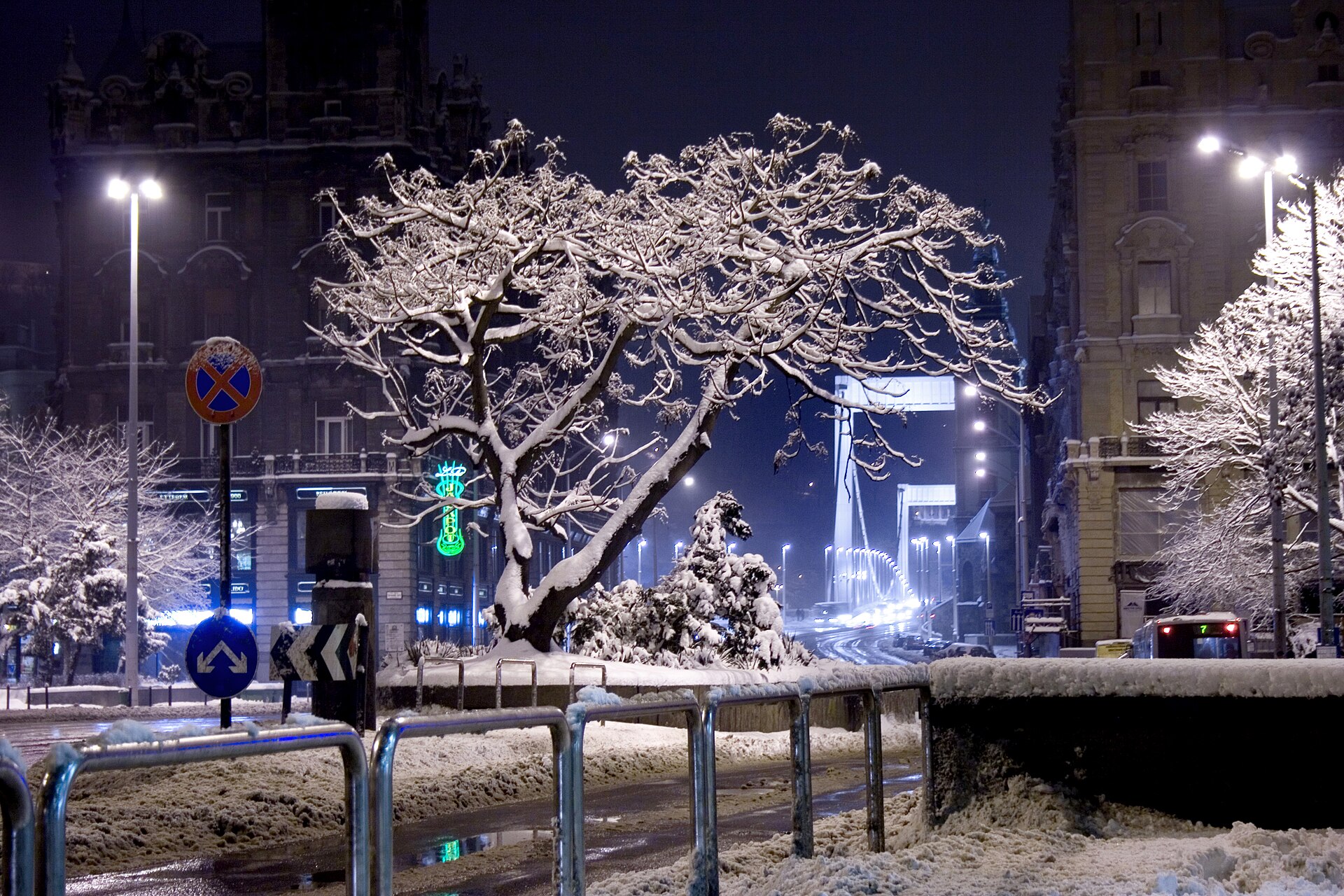
Pack a proper winter coat, a hat and gloves, and shoes with grip: frozen cobbles in the Castle District are treacherous. And swimwear, obviously. Verdict: cold, cheap and quiet. The month for baths, museums and long lunches, not for river cruises.
To make the most of the cheapest month, with the free-museum day on 22 January, the ice rink, the baths and a week-by-week calendar, see Budapest in January.
February
6 °C / −3 °C · 30 mm · 3.5 hours of sunshine a day · sunset around 17:05
February is still winter, but by the end of the month the first mild days arrive, and the evenings are noticeably longer: sunset moves from about a quarter to five to nearly half past five. It ties with March as the driest month of the year, and it’s one of the cheapest. Crowds stay thin, apart from the Valentine’s weekend, when romantic Budapest does brisk business and couples’ spa packages sell out.
This is carnival season, farsang, when Hungarians celebrate the end of winter before Lent. The most spectacular carnival isn’t in Budapest at all but in Mohács, near the Croatian border, where the UNESCO-listed Busójárás sends men in horned wooden masks and sheepskins through the streets to scare winter away. It’s held in the days before Ash Wednesday, which in 2027 falls on 10 February, so early February next year. Back in the city, February’s food festivals include one devoted to the mangalica, Hungary’s curly-haired pig, and there’s no better month for a bowl of goulash. The festivals and events guide has the calendar.
Pack as for January. Verdict: the best-value month of the year, if you can live with the cold. Good for couples, museum lovers and bath enthusiasts; bad for anyone who needs sunshine.
March
11 °C / 0 °C · 30 mm · 5 hours of sunshine a day · sunset around 17:50
March is the month the city shakes off winter, though it takes its time. Early March can still feel like February, with frost at night; by the end, cafés are putting tables out and the parks are turning green. The clocks go forward on the last Sunday of the month, which in 2027 is 28 March, and the long evenings arrive overnight. Crowds rise through the month but stay well short of summer levels, and early March is one of the last bargain periods of the year.
The big date is 15 March, a national holiday marking the 1848 revolution against Habsburg rule. The city fills with flags and red-white-and-green cockades, with official ceremonies at the Hungarian National Museum, where the revolution’s poet Sándor Petőfi is said to have recited his National Song. Some shops close for the day. In 2027 Easter falls early too: Easter Sunday is 28 March, with Good Friday and Easter Monday as public holidays, and the Easter craft markets bring the first busy weekend of the year.
Pack layers: a warm jacket for the evenings, something lighter for sunny afternoons, and a waterproof. Verdict: the quiet before the season. Uneven weather, but low prices and the pleasure of watching the city wake up.
March has its own guide, Budapest in March, with what happens on 15 March, the free museums, the early Easter and clock change in 2027, and how to plan around the weather.
April
17 °C / 5 °C · 35 mm · 7 hours of sunshine a day · sunset around 19:30
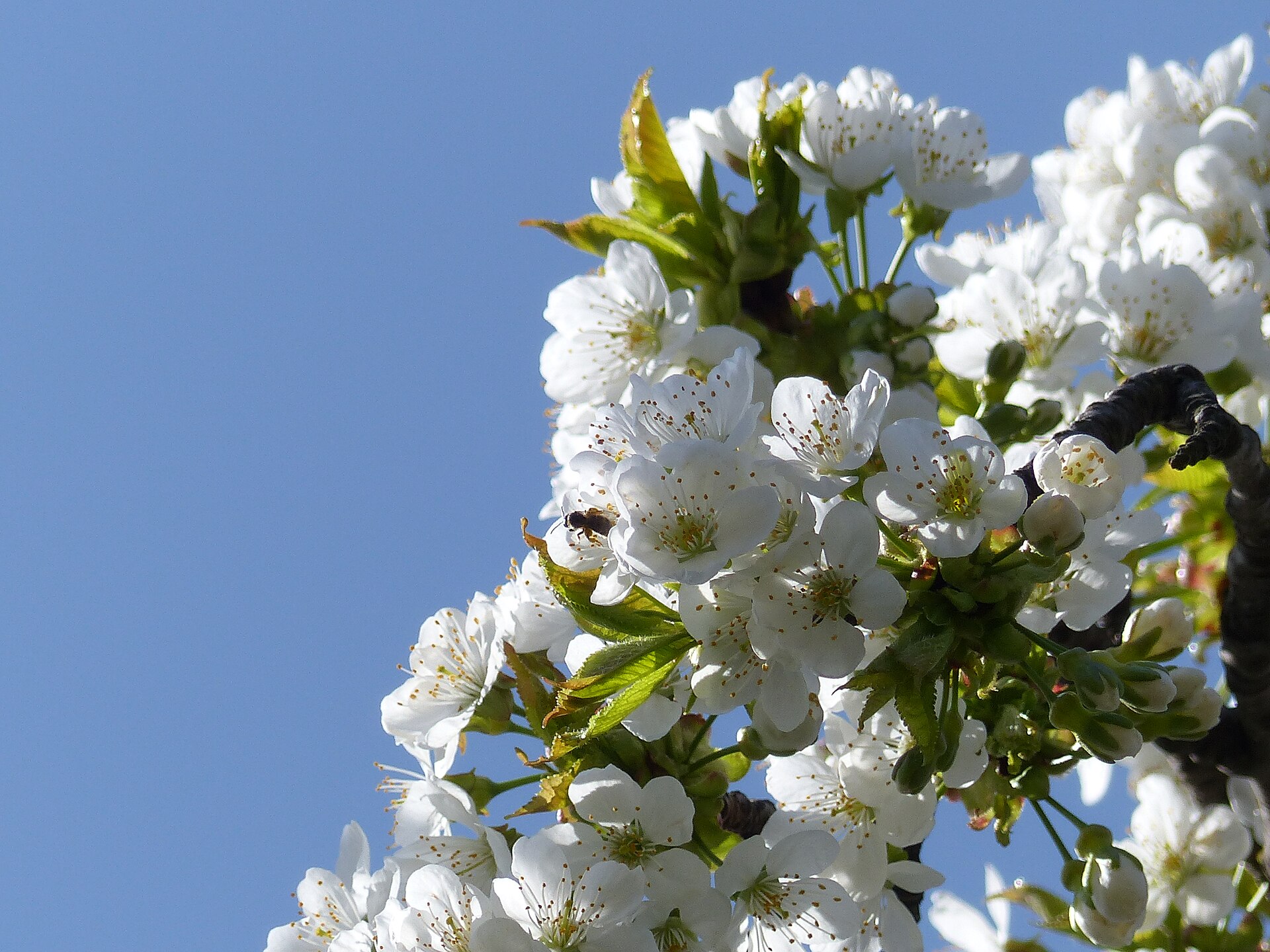
April is spring proper, and one of the loveliest months to be in Budapest, although it’s also the most changeable. A 25 °C afternoon can be followed by a frosty morning, and a sunny week by a grey, drizzly one. The trees along the boulevards come into leaf, the Buda hills turn green, and the blossom arrives: the cherry trees on Margaret Island, particularly around its Japanese garden, are the city’s favourite spring picnic.
Crowds pick up noticeably, especially around Easter in the years it falls in April, and the stag and hen season begins in earnest, which you’ll notice in District VII on a Saturday night. Hotel prices move into the middle band. Culturally, April belongs to the Budapest Spring Festival, with concerts, opera and dance across the city’s best venues, including the Hungarian State Opera House.
Pack layers, a light waterproof and sunglasses. Verdict: one of the best months of the year: blossom, long evenings and crowds that haven’t yet peaked. Just be ready for anything from the weather.
April gets a page of its own in Budapest in April, with the Easter dates for the next few years, a week-by-week calendar and how to get the best of the shoulder-season prices.
May
22 °C / 10 °C · 55 mm · 8.5 hours of sunshine a day · sunset around 20:15
May is early summer without the heat, and many people’s favourite month. The days are warm and long, the evenings are made for terraces, and the city’s outdoor life switches on: rooftop bars and ruin-bar gardens open fully, the musical fountain on Margaret Island starts its season, and the Danube promenades fill up after work. The one catch is rain, which doubles from April as the season of afternoon thunderstorms begins. They’re usually short, sharp and gone within the hour.
Crowds are high, prices are in the middle to upper band, and weekends are busy with groups. There are two public holidays: 1 May, Labour Day, when the parks fill with families and fairs, and Whit Monday, which in 2027 falls on 17 May. Look out for the Rosalia rosé festival, and for the first of the summer’s food and wine events in the parks. It’s also prime time for a sunset drink high above the city; the rooftop bars guide picks the best.
Pack summer clothes with a layer for the evening and something against the rain. Verdict: close to perfect. Warm, green and lively, a little wetter than you’d expect, and worth booking early.
For May in detail, including the dates of the May Day fair, Budapest100 and the first wine festivals, and a week-by-week calendar for 2027, see Budapest in May.
June
26 °C / 14 °C · 60 mm · 9 hours of sunshine a day · sunset around 20:40
June has the longest days of the year, nearly sixteen hours of daylight, with sunset after half past eight, and the long, warm evenings are its great gift. It’s also, on average, the wettest month, although that rain almost always arrives as short afternoon thunderstorms. The first heatwaves can come in late June, with days above 30 °C.
Crowds and prices are high, and rise through the month. Culture moves outdoors: the Budapest Summer Festival runs open-air performances through the summer, and the Night of Museums, held around midsummer, keeps the city’s museums open late into the night with concerts and events. From 1 June to 30 September the upper terraces of the Fisherman’s Bastion charge for entry until 21:00 rather than 19:00, so a golden-hour visit, with the evening sun lighting up the Parliament across the river, needs a ticket. After 21:00 the upper terraces are free, and the lower terraces are free at any time.
Pack summer clothes, sunscreen and a light rain layer. Verdict: the best evenings of the year. Book your hotel early, and plan something outdoors for every one of those long nights.
June gets the full treatment, with the river, the warm nights, a week-by-week calendar and the dates of Book Week and the Night of Museums, in Budapest in June.
July
28 °C / 15 °C · 55 mm · 9.5 hours of sunshine a day · sunset around 20:35
July is hot. Average highs are 28 °C, but most summers now bring spells in the mid-30s, and the stone city holds the heat long into the night. It’s the sunniest month, and the busiest bar August. The most important practical advice for a July trip is also the least glamorous: check that your hotel or apartment has air conditioning. Plenty of older buildings in the centre don’t, and a night at 26 °C indoors is not a holiday.
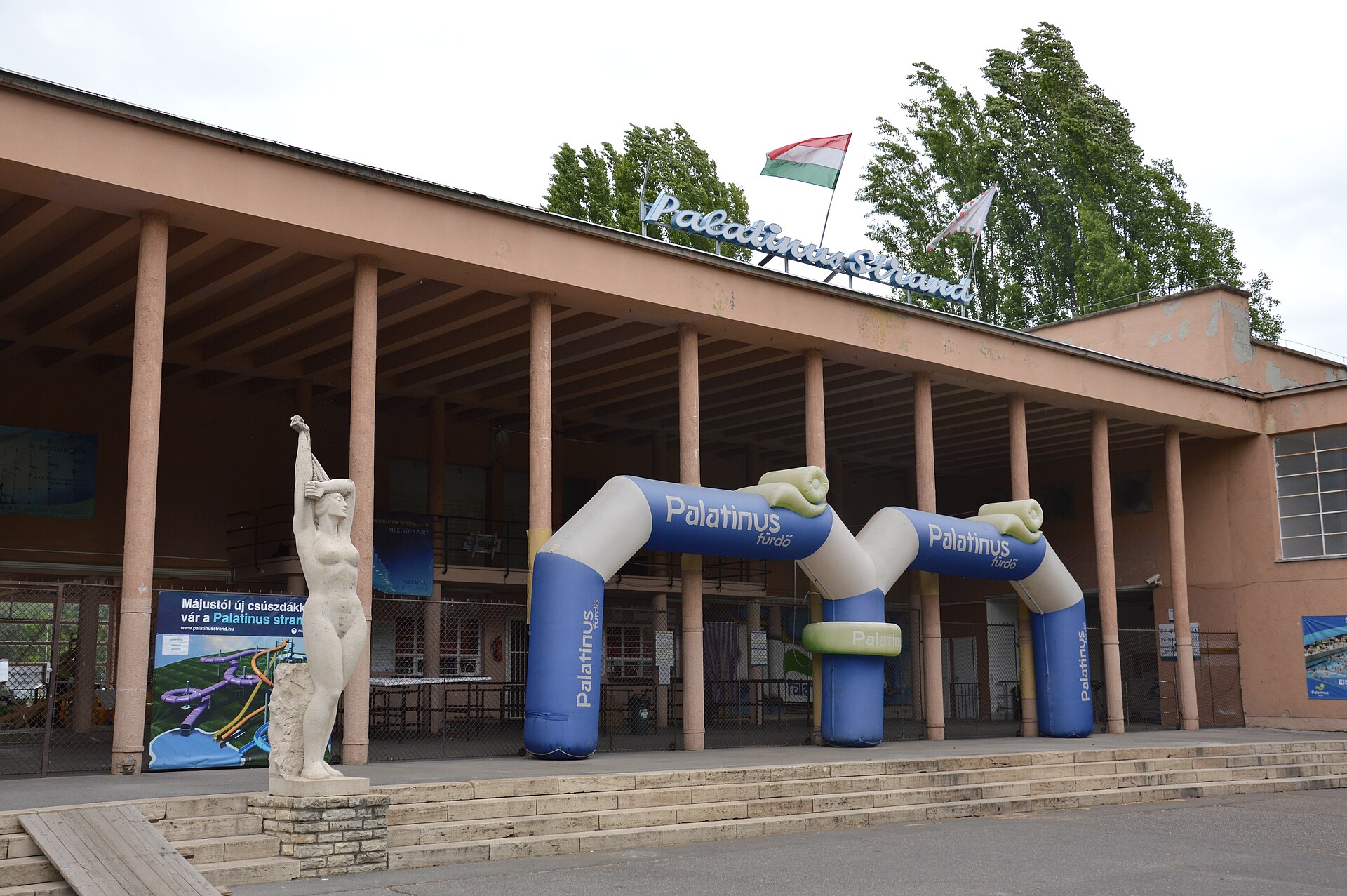
Plan the day around the heat. Do the Castle District and the walking early in the morning, spend the middle of the day in a museum, a cool church or an outdoor pool (the open-air strands, such as the Palatinus on Margaret Island, are more refreshing than the hot thermal pools at midday), and come back out at dusk, when the embankments and the rooftop bars fill up. The Hungarian Grand Prix usually takes place in late July or early August, and hotel prices jump that weekend. Many locals escape to Lake Balaton, and you can follow them for a day.
Pack light, breathable clothes, a hat, sunscreen and a refillable water bottle. Verdict: fun but hot. Wonderful evenings, sweaty afternoons, and a city that’s at its liveliest. Plan around the heat and you’ll love it. Budapest in summer has more on the season.
For the whole month in detail, from making the most of sixteen-hour days to using the thermal baths in a heatwave and the Grand Prix weekend, see Budapest in July.
August
28 °C / 15 °C · 50 mm · 9 hours of sunshine a day · sunset around 19:55
August is peak season, with July’s heat and more of everything else. It’s the month of the two biggest events in the calendar. Sziget, one of Europe’s biggest music festivals, takes over an island in the Danube for a week in August, and 20 August, St Stephen’s Day, is Hungary’s most important national holiday, with a huge fireworks display over the Danube in the evening and the Festival of Folk Arts in Buda Castle around the same days. Expect the fullest hotels and the highest prices of the year around both.
At the same time, much of Budapest itself goes on holiday. Locals head for Balaton, a few independent restaurants close for a week or two, and the city can feel oddly half-local, half-visitor. The evenings start drawing in: by the end of the month the sun is setting before half past seven.
Pack as for July. Verdict: the busiest and most expensive month. Come for the events rather than in spite of them, and book early; if you don’t care about Sziget or the fireworks, June or September gives you the summer without the crush.
Budapest in August has the month in more detail: a week-by-week calendar for 2027, how the 20 August fireworks work, and how to plan a day around the heat.
September
22 °C / 11 °C · 45 mm · 6.5 hours of sunshine a day · sunset around 19:00
If we had to pick one month, it would be September. The heat breaks, the days stay warm and golden, the evenings are cool enough for a jacket by the end of the month, and the city returns from its holidays with a burst of energy. The Danube is lovely in the soft light, and the wine harvest is under way across the country.
It’s still busy, particularly early in the month, and conferences keep hotel prices high, so book ahead. The Budapest Wine Festival, held in Buda Castle in September, is the event of the month: a few days of tastings with the whole city spread out below. The Fisherman’s Bastion’s upper terraces keep charging until 21:00 to the end of the month.
Pack summer clothes and a layer for the evening. Verdict: our pick for the best all-round month. Summer weather, autumn crowds and the new wine.
We make the full case, with the counter-arguments, in Budapest in September, which also has a week-by-week calendar for 2027 and how the Heritage Days weekend works.
October
16 °C / 6 °C · 45 mm · 5 hours of sunshine a day · sunset around 18:00, then 17:00
October is a month of two halves. Early on, highs can still reach 18–20 °C, and a sunny afternoon on a terrace is entirely possible; by the end, they’re down to 12–15 °C, with chilly mornings. On any given day there’s roughly a one in five chance of rain. The clocks go back on the last Sunday of the month, and sunset jumps an hour earlier overnight. The trees on Margaret Island, in City Park and across the Buda hills turn gold and red, and it’s one of the most photogenic months of the year.
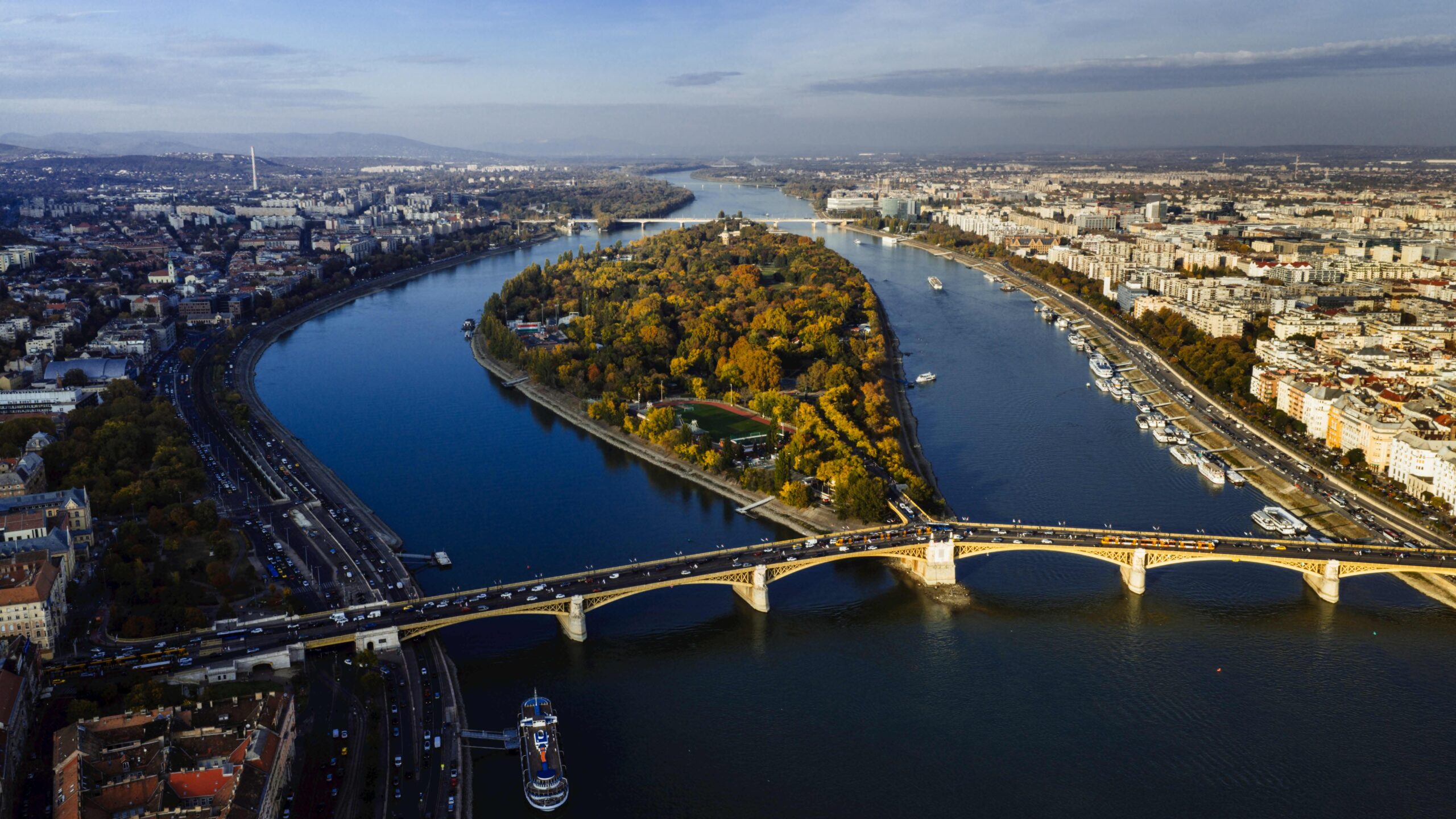
Crowds thin and prices ease into the middle band. 23 October is a national holiday marking the 1956 revolution against Soviet rule, with commemorations across the city; the guide to communist Budapest explains the history. The CAFe Budapest contemporary arts festival runs through much of the month, with music, dance and exhibitions. From 1 October the Fisherman’s Bastion’s upper terraces charge only until 19:00, and the Margaret Island musical fountain winds up its season at the end of the month.
Pack layers and a waterproof, with a warm jacket for the evenings. Verdict: underrated. Autumn colour, thinner crowds and still-decent weather, especially in the first half of the month.
October in more detail, including where to find the best of the autumn colour, what happens on 23 October and how prices fall through the month, is in Budapest in October.
November
9 °C / 2 °C · 45 mm · 3 hours of sunshine a day · sunset around 16:10
November is one of the greyest months: short days, frequent fog and the first frosts. For the first half of it the city is quiet and cheap, and it can feel a little melancholy. That’s also its charm. It’s the month for long lunches, concerts, the baths and the coffee houses, and it has a couple of traditions worth catching.
1 November, All Saints’ Day, is a public holiday, and the city’s cemeteries glow with thousands of candles in the evening, a moving sight if you visit respectfully. Around St Martin’s Day on 11 November, Hungarians eat goose and drink the year’s new wine, and plenty of restaurants put goose leg and roast goose on the menu; the guide to traditional Hungarian food explains the dishes. Then, from around the middle of the month, the Christmas markets open, and the mood of the city changes completely. Weekends from then on are busy, and prices start to climb.
Pack a warm coat, a hat and waterproof shoes. Verdict: cheap and moody until the markets open, then festive. The first half is a bargain for anyone who doesn’t need sunshine.
For November in detail, from visiting the cemeteries on All Saints’ Day to St Martin’s goose and new wine and the opening of the Christmas markets, see Budapest in November.
December
3 °C / −3 °C · 40 mm · 2 hours of sunshine a day · sunset around 15:55
December is the darkest month, with the sun setting before four o’clock, and one of the most magical. The Christmas markets are in full swing, the city is strung with lights, and the old trams that BKV wraps in thousands of bulbs run through the streets from late November; the tram guide explains how to find them. Snow is possible but never guaranteed. Cold, crisp days are more typical than white ones.
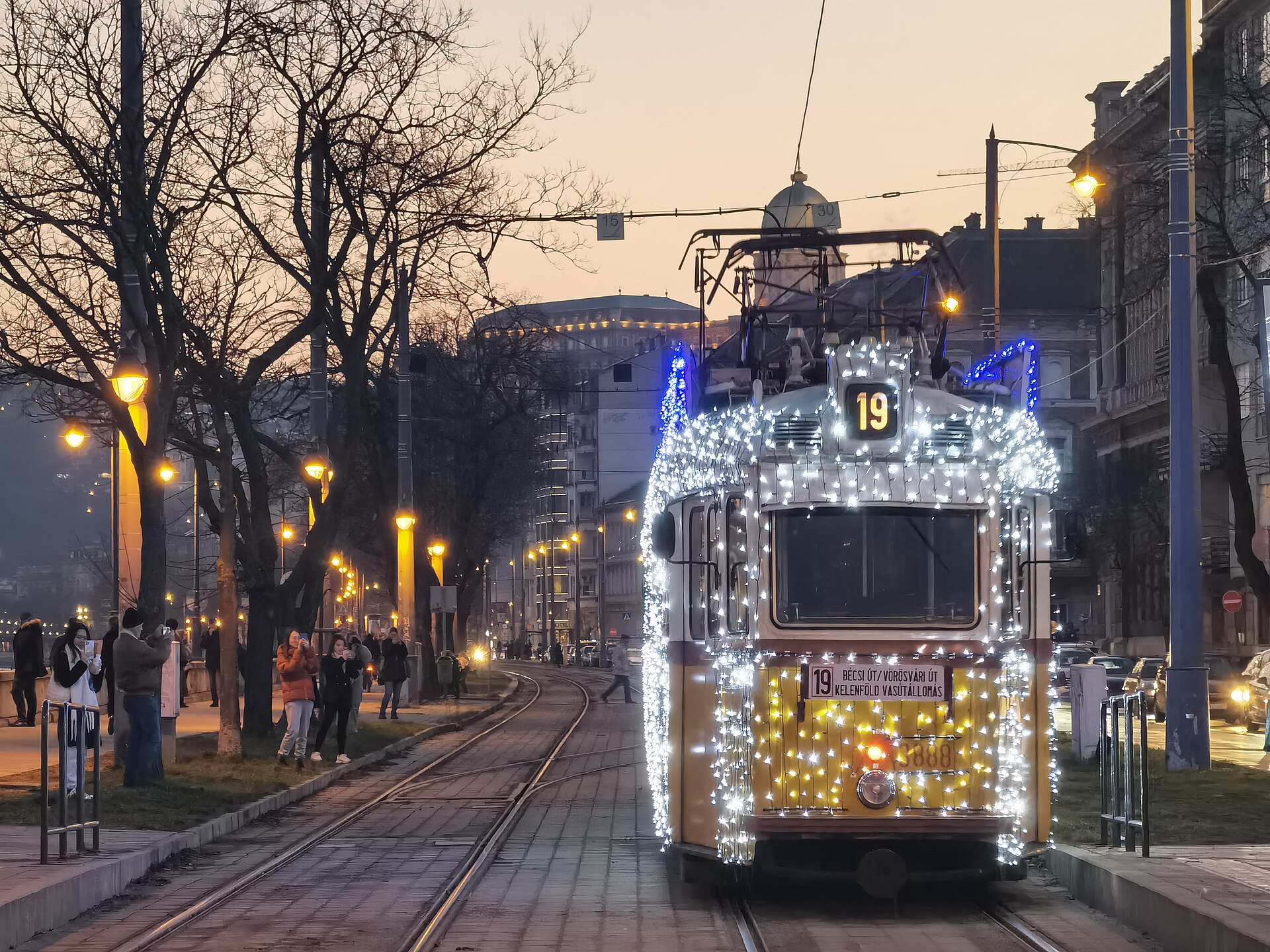
Crowds are high at weekends and around the markets, but quieter midweek. Hotel prices rise towards Christmas and peak over New Year. Two things to plan for: on 24 December, shops and many restaurants close in the afternoon, as Hungary’s main Christmas celebration is on Christmas Eve, and on 25 and 26 December, both public holidays, a good number of restaurants stay shut, so book Christmas dinner well ahead. The upper terraces of the Fisherman’s Bastion are free from 24 to 31 December. Then there’s New Year’s Eve, one of the biggest street parties in Europe; the New Year’s Eve guide covers it.
Pack full winter kit: a warm coat, hat, gloves, waterproof boots with grip, and swimwear for the baths. Verdict: magical, busy and cold. Book early for the market weekends and New Year, or come midweek in early December for the lights without the crush. Budapest in winter covers the whole season.
For December in more detail, with a week-by-week calendar, what’s open over Christmas and New Year and how prices move through the month, see Budapest in December.
Choosing between two months
Most people come to a page like this with a shortlist. These are the comparisons we’re asked about most, and our honest answer to each.
May or September?
The two best months of the year, and closer than they look. May is greener and has longer evenings, with sunset after eight, but it’s wetter and its thunderstorms can wash out an afternoon. September is drier and more settled, with the Danube warm in the evening light and the wine harvest under way, but the days are two and a half hours shorter by the end of the month. Both are busy. If you want long evenings on terraces, choose May; if you want the steadiest weather and the Wine Festival, choose September.
April or October?
Mirror images of each other, with similar temperatures and similar crowds. April is the more changeable, with blossom, a real chance of a cold snap and the Spring Festival. October is the more reliable in its first half and the more photogenic, with autumn colour on Margaret Island and in the Buda hills, but it gets cold and dark quickly after the clocks go back. On balance, early October has the better weather and April the better mood.
July or August?
Both hot, both busy. July is the sunnier and slightly less crowded, but has the Grand Prix weekend in some years. August has Sziget and the St Stephen’s Day fireworks, the highest prices of the year, and a city partly emptied of locals. Unless one of the August events is the reason for your trip, July is the slightly better choice, and June is better than either.
December or January?
Almost the same weather, completely different trips. December has the Christmas markets, the lights, the light trams and New Year’s Eve, and the crowds and prices that come with them. January, after the first week, has none of that: it’s the quietest, cheapest month of the year, with the baths, the museums and the coffee houses more or less to yourself. Come in December for atmosphere, in January for value.
When prices peak and dip
Hotel prices in Budapest follow the calendar closely, and the swings are large: the same room can cost two or three times as much on New Year’s Eve as on a Tuesday in late January. As a rule of thumb:
- The cheapest weeks are from about 7 January to mid-February (apart from the Valentine’s weekend), early March, and the first half of November before the Christmas markets open.
- The most expensive dates are New Year’s Eve, the Grand Prix weekend, Sziget week, the days around 20 August, and the Christmas-market weekends in December.
- Weekends cost more than weekdays almost all year, and in spring and early summer, stag and hen groups push Friday and Saturday prices up further in the party district.
- Book early for any of the peak dates. Prices rise steadily as they approach, and the best-located rooms go first.
The practical upshot: if your dates are flexible, shifting a trip by a single weekend, away from a big event, can save more than any discount code.
What opens and closes with the seasons
A handful of things only happen at certain times of year, and it’s worth checking them against your dates before you build a trip around one:
- Open-air lidos such as the Palatinus Strand are summer affairs; the outdoor pools at the Széchenyi Baths, by contrast, stay open all year.
- The Margaret Island musical fountain plays from roughly May to October.
- Rooftop bars and garden bars are at their best from May to September; some close or move indoors in winter.
- The City Park Ice Rink operates through the winter season.
- The Christmas markets run from around mid-November to around New Year’s Day, and the light trams from late November into early January.
- River cruises run all year, but with fewer sailings and shorter schedules in winter.
- The Fisherman’s Bastion’s upper terraces charge until 21:00 from June to September and until 19:00 the rest of the year, and are free from 24 to 31 December.
Public holidays
Hungary’s public holidays close shops, change public transport to Sunday timetables and, on the big national days, bring ceremonies and crowds to the centre. Many museums and sights stay open, though hours can change and a few close on the biggest days.
| Date | Holiday | What it means for visitors |
|---|---|---|
| 1 January | New Year’s Day | Quiet morning, many shops closed |
| 15 March | National Day (1848 revolution) | Flags, cockades and ceremonies, especially at the National Museum |
| Good Friday and Easter Monday | Easter (28 March in 2027) | Easter markets; shops closed on Easter Monday |
| 1 May | Labour Day | Parks and fairs full of families |
| Whit Monday | Pentecost (17 May in 2027) | A long weekend; busy at Lake Balaton |
| 20 August | St Stephen’s Day | Fireworks over the Danube and the year’s biggest crowds |
| 23 October | 1956 Revolution Day | Commemorations across the city |
| 1 November | All Saints’ Day | Candlelit cemeteries in the evening |
| 25–26 December | Christmas | Many restaurants closed; book ahead |
One quirk worth knowing: when a holiday falls on a Tuesday or a Thursday, Hungary often turns the Monday or Friday in between into a day off too and makes a nearby Saturday a working day in exchange. So you may find offices and some shops shut on an unexpected weekday, and open on a Saturday you’d have expected to be quiet.
What to pack, season by season
- Winter (December to February): a warm, windproof coat, hat, gloves and scarf; boots or shoes with grip for icy cobbles; thermal layers if you’re sensitive to cold; swimwear and flip-flops for the baths.
- Spring (March to May): layers you can add and remove, a light waterproof jacket, comfortable walking shoes and sunglasses.
- Summer (June to August): light, breathable clothes, a hat, sunscreen, a refillable water bottle, and a light layer for air-conditioned interiors and the odd cool evening.
- Autumn (September to November): layers, a waterproof, and a warmer jacket from mid-October onwards.
Whatever the season, bring comfortable shoes: Budapest is a walking city, and the Castle District is cobbled and steep. The packing guide goes into more detail.
Practical tips
- For event weekends (Sziget, the Grand Prix, 20 August, the Christmas markets and New Year), book accommodation months ahead; prices climb as the date approaches. The where to stay guide helps you choose an area.
- In summer, check that your accommodation has air conditioning before you book.
- In winter, plan outdoor sightseeing for the middle of the day and save the indoor sights for after dark.
- Many museums close on Mondays all year round, so check before you plan a Monday around one.
- The thermal baths are the one attraction that’s good in every month. The thermal baths guide compares them.
- River cruises run all year, but the choice is widest from spring to autumn; the Danube cruise guide has the options.
- Check the forecast a week ahead and pack for it, not for the average.
Frequently asked questions
What is the weather like in Budapest each month?
Cold and grey from December to February, with average highs of 3–6 °C; mild and changeable in March and April; warm from May to September, with highs of 22–28 °C and hot spells in July and August; and cooling through October and November. Rain is spread fairly evenly through the year, with the most in May and June, mostly as short thunderstorms.
What is the warmest month in Budapest?
July and August, with average highs of about 28 °C. Heatwaves in the mid-30s are common in both.
What is the coldest month in Budapest?
January, with an average high of about 3 °C and an average low of −4 °C. December and February are only slightly warmer.
What is the rainiest month in Budapest?
June, with about 60 mm on average, closely followed by May and July. Most of it falls in short afternoon thunderstorms rather than all-day rain.
What is the cheapest month to visit Budapest?
January and February, once New Year is over, are the cheapest months for hotels and flights. Early March and the first half of November are also good value.
Does it snow in Budapest?
Sometimes, between December and February, but it’s not guaranteed and rarely settles in the city for long. Cold, dry, grey days are more typical of a Budapest winter than snow.
Which month has the most daylight in Budapest?
June, with nearly sixteen hours of daylight in the middle of the month and sunset after half past eight. December has the least, at about eight and a half hours.
When are the Christmas markets in Budapest?
From around the middle of November until around New Year’s Day. The Christmas markets guide has the dates and the details of each market.
Photo credits
The Parliament over snowy rooftops: Hungarian Parliament Building over snowy rooftops at night, Budapest (2026) by Paul Colin Hennig firstdorsal.eu, CC BY-SA 4.0, via Wikimedia Commons.
Ferenciek tere in the snow: Budapest, Franciscan Square, with Elizabeth bridge winter evening by Takkk, CC BY-SA 3.0, via Wikimedia Commons.
Cherry blossom: Cherry blossoms in Hungary by Elekes Andor, CC BY-SA 4.0, via Wikimedia Commons.
Palatinus Strand: PalatinusStrand by Illustratedjc, CC BY-SA 4.0, via Wikimedia Commons.
Light tram on the Buda embankment: Budapest, Batthyány tér, fényvillamos, 3 by Random photos 1989, CC0, via Wikimedia Commons.